Week 9 - Project 1 - Door Applique Design with Engineering Features
AIM:
To create a 4-way and 2-way locators with heat stakes using design rulers.
procedure :
Designing the Door Applique with the given class a surface and counterpart clearence surface. for designing the engoneering features for the door applique we requried locators which are 4-way and 2-way locator.
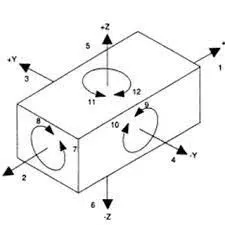
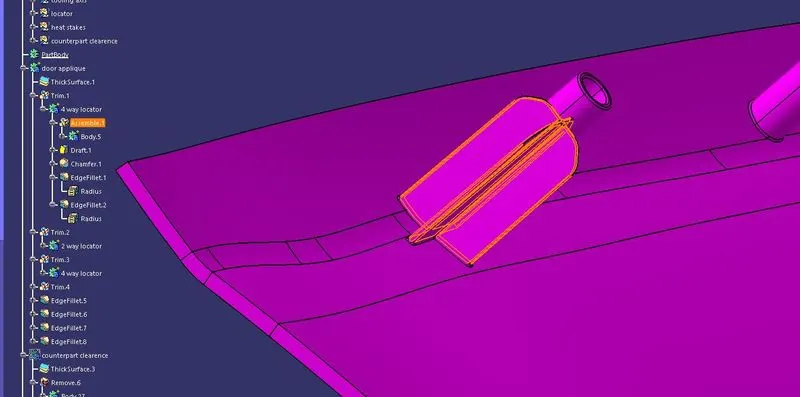
- 4-way mean you prevent movement at 2 axis (+X, -X, +Y and -Y) on the plane.
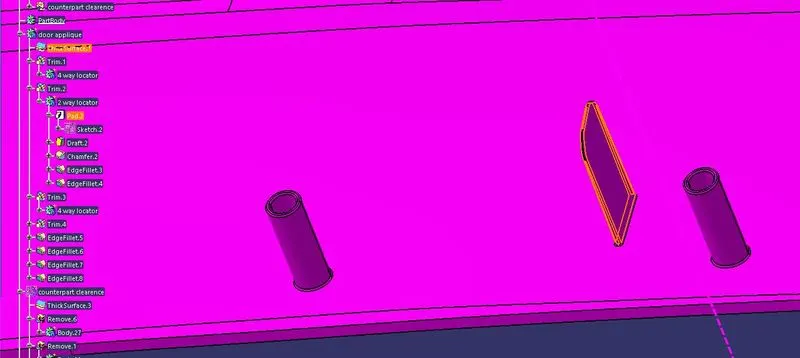
- 2-way mean you prevent movement only at 1 axis on the plane
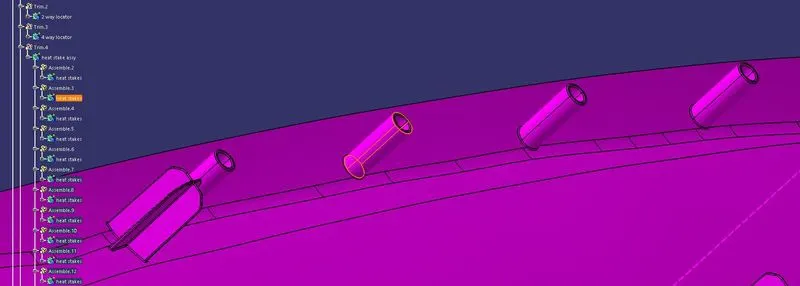
- Heat Staking : It's also known as thermoplastic staking is the process of joining two dissimilar materials together.
3-2-1 principle:
Every part should be fixed before operating a machining process.because every part has 12 degree of freedom which are distinguished as translational and rotational motion.
Restrict all six degrees of freedom so that the part cannot move and remains fixed.
- translation along x,y and z-axis
- rotational alonmg x,y and z-axis.
4-way locators: It's prevent movement at 2 axis (+X, -X, +Y and -Y) on the plane.
2-way locator: It's prevent movement only at 1 axis on the plane
heat stakes:
creating tooling axis for door applique:
In point definition dialog box, the respective on surface option is selected and the required point is formed on the surface of the door applique class a surface.
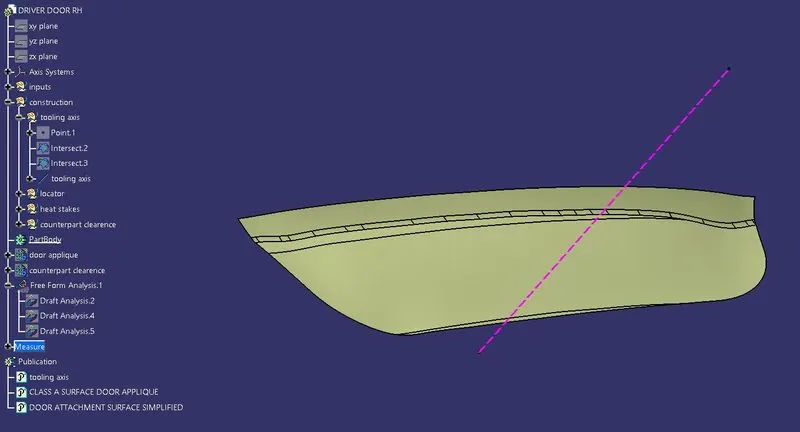
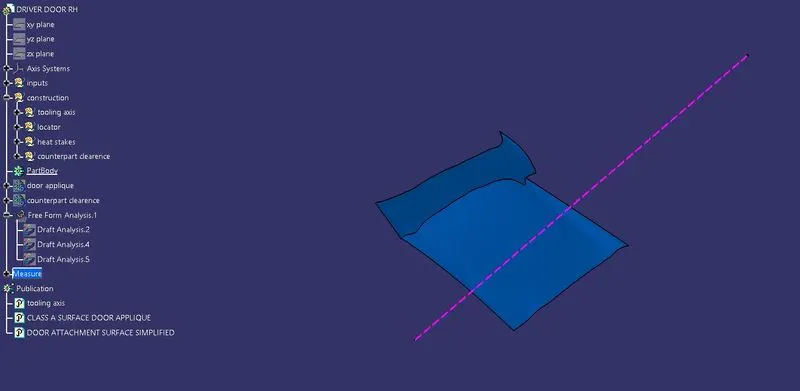
after creating the respective tooling axis the same axis is used for couterpart clearence surface.
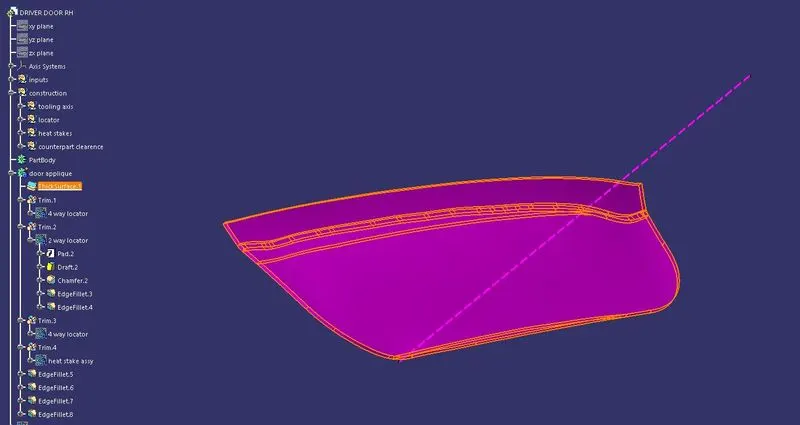
creating thickness to the door applique class a surface.
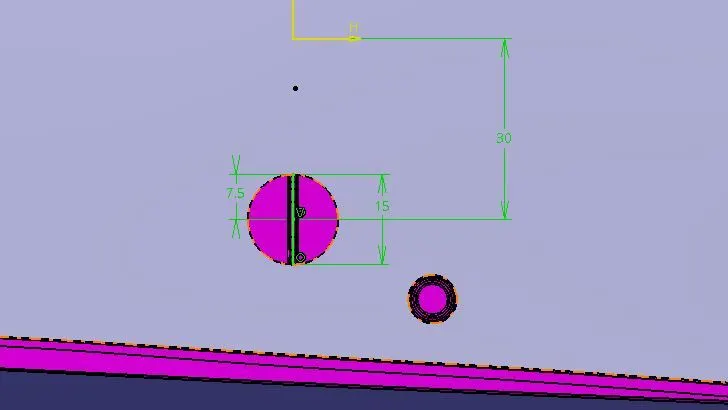
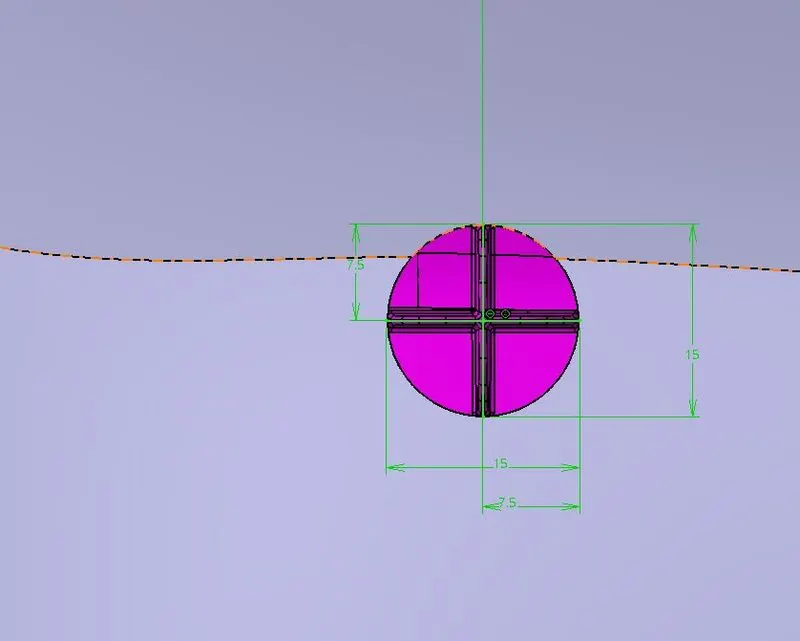
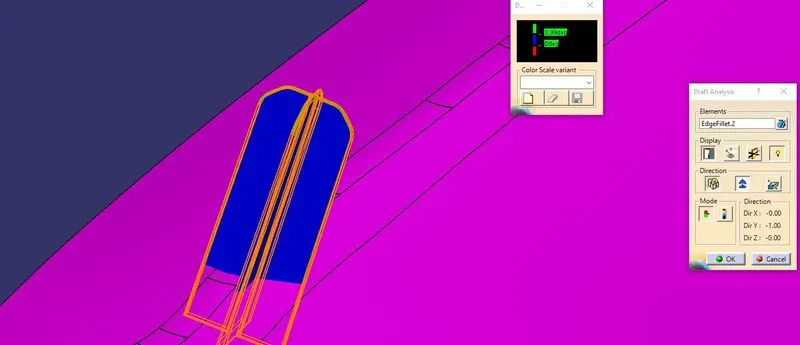
after giving the thickness the required 4-way and 2-way locators sketches are drawn and drafted with the design rulers.
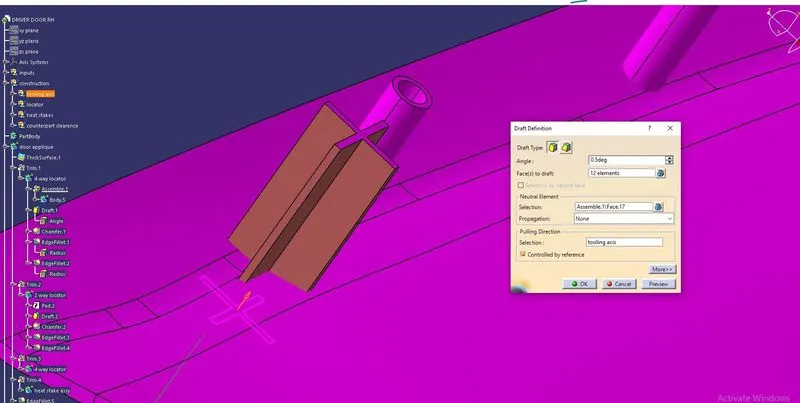
giving the same draft to the 2-way locator with using design rulers.
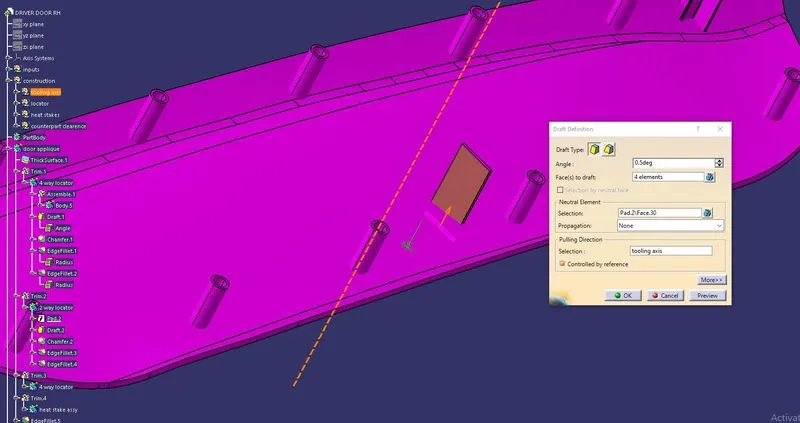
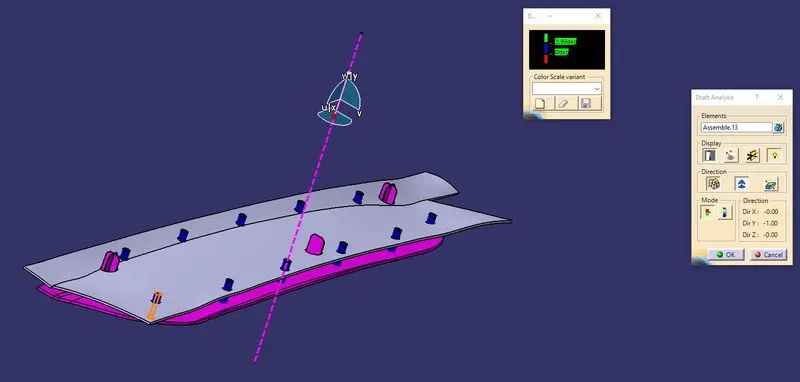
for drawing the heat staking sketches we required points which are drawing in the shape of cylinderical column.
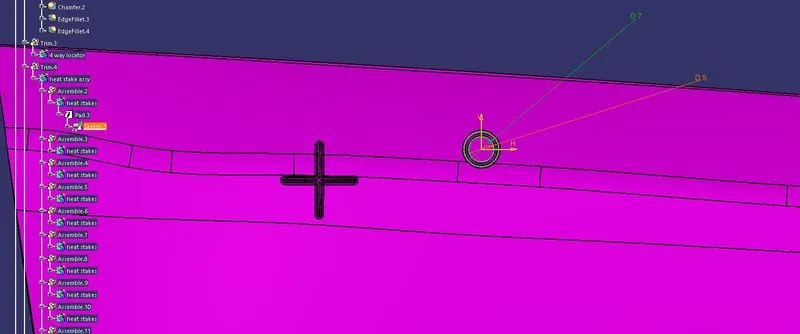
the required heat stakes are created and formed using the translation option and copy, paste special option.
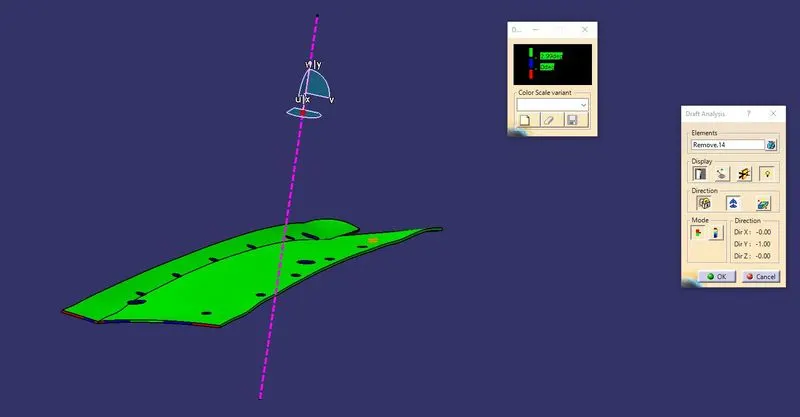
then the counterpart clearence surface is created using holes for the heat stakes and 4-way and 2-way locator . so that the part is fixed and joined using thermal staking.
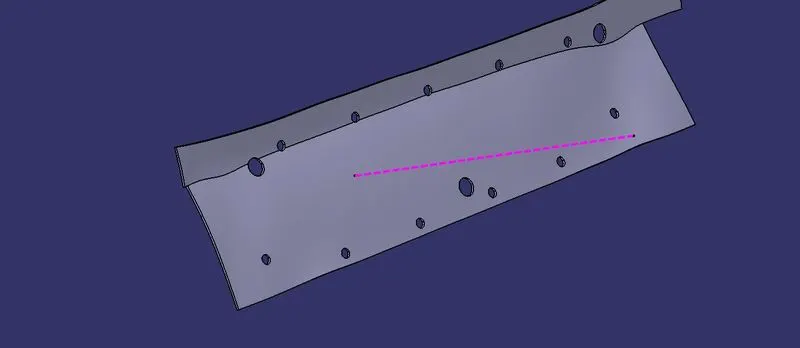
the counterpart clearing surface the is now attached with door applique.
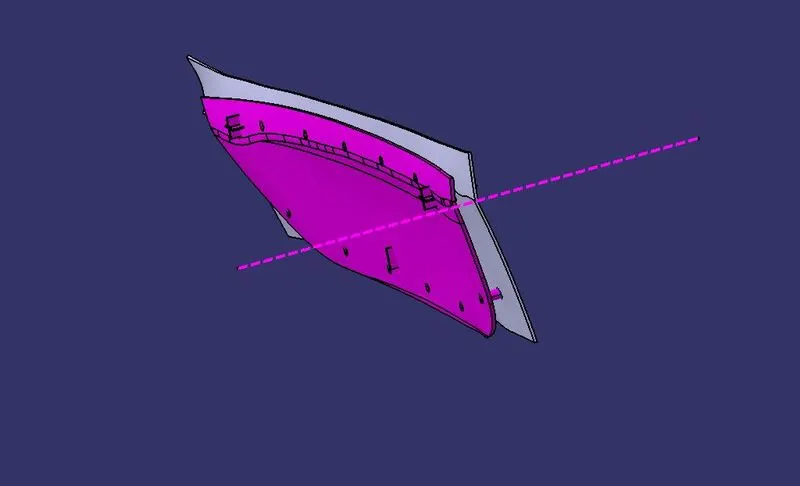
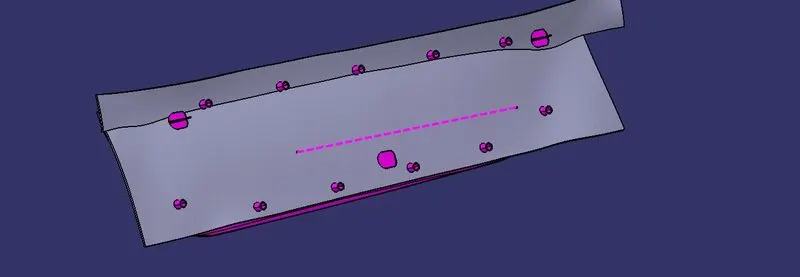
the door applique and counterpart clearence is attached using thermal staking process.
sketches for 2-way & 4-way locators :
2-way sketch:
4-way sketch:
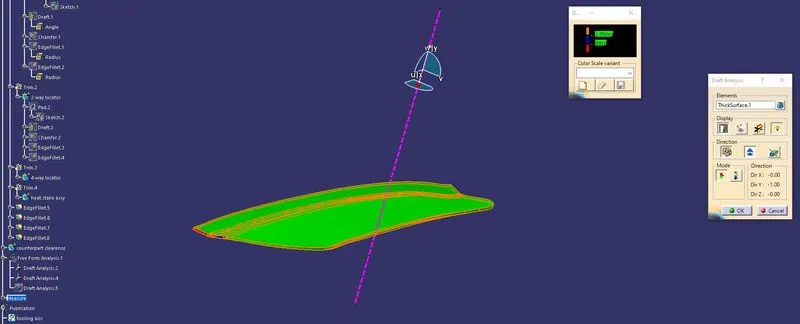
draft analysis for class a surface :
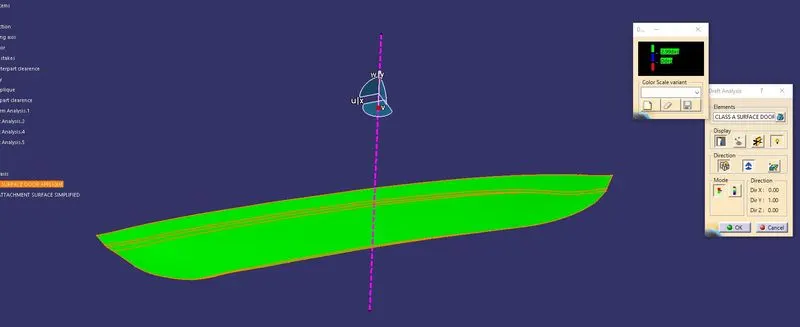
draft analysis on class a surface door applique.
draft analysis on class a surface with thickness.
counterpart clearence surface draft analysis:
draft analysis with heat stakes:
draft analysis with 4-way and 2-way locators:

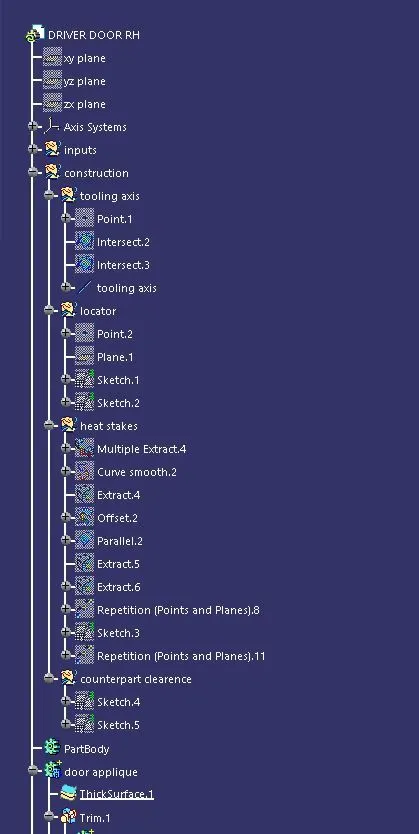
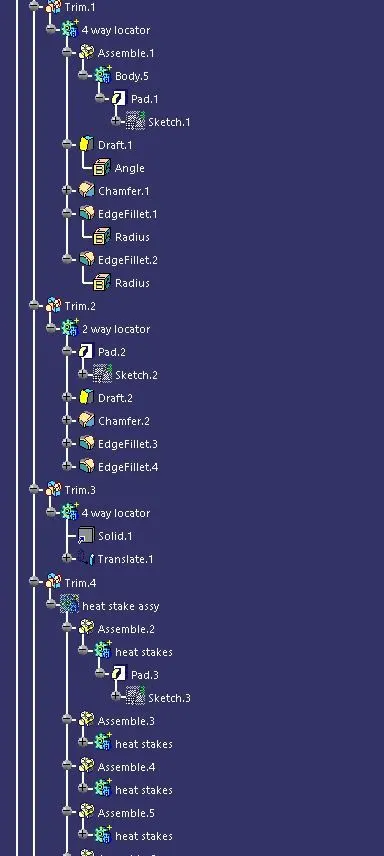
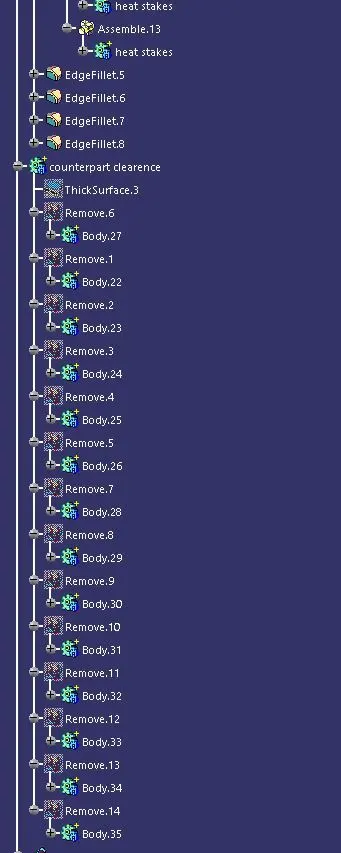
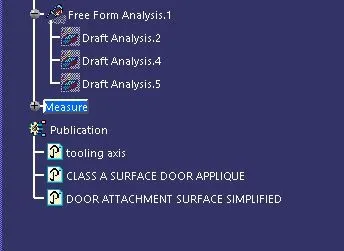
tree: