Week 9 - Project 1 - Door Applique Design with Engineering Features
Door Applique Design with Engineering Features
AIM : Create the Base Bracket Plastic component through the given Class-A surface. To begin with, the tooling axis for the given Class-A Surface should be created meeting the requirements of the draft angle and at the end perform the Draft analysis on the model.
Create the Heat Stakes and the locators considering the design rules mentioned in the video for the door applique.
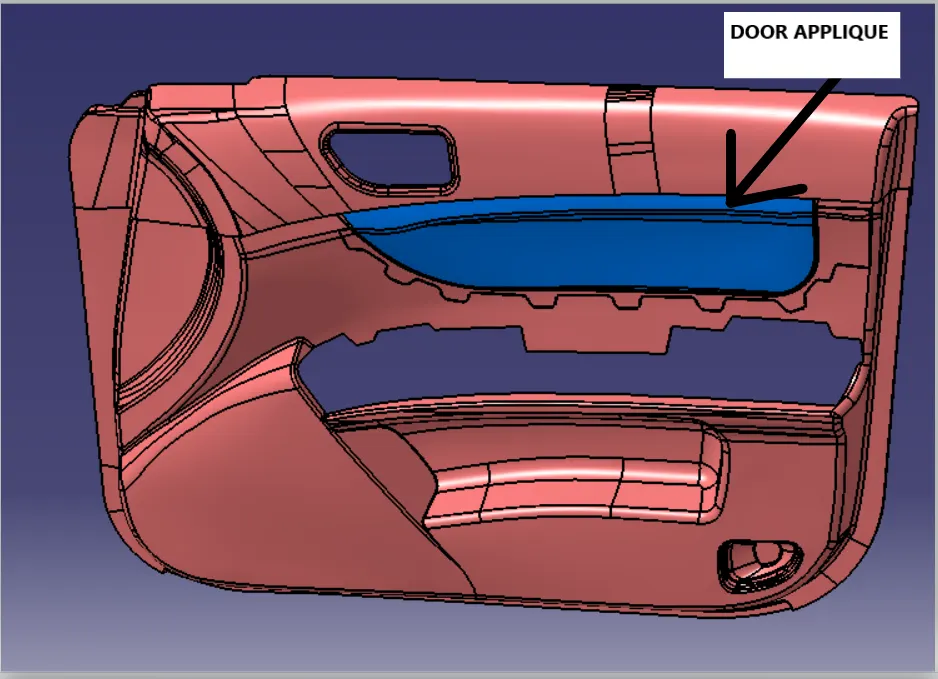
In this, we will be desiging Heat stakes and locators for mounting of the door applique.
What is heat staking?
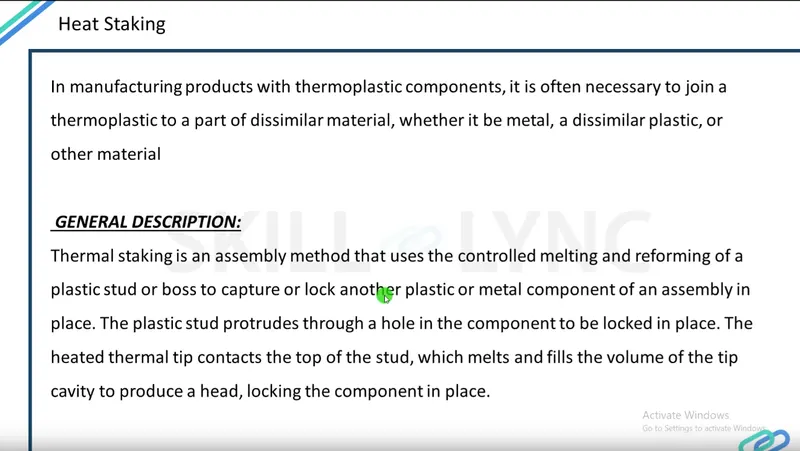
Described as a pulsed heat process used to join two or more parts out of which at least one is made of plastic, heat staking involves deforming the plastic material using heat and force at a set process time. The bond is made by partly de-forming the plastic part to fix the other. Therefore, the process makes it easy to bond metal to plastic, which is why it is commonly used in high volume/low cost applications like automotive, IT and consumer appliances.
The process of heat staking
Basically, the heat staking process can be broken down into four main steps:
- The thermode, with defined cavity, comes down on the stud;
- Force is then applied on the stud and once the required forces is achieved the heating process starts;
- The force together with the pre-set heat will then soften the stud and mould it into the required shape and at the same time fix the second part;
- Cool down, still under forces to below glass transition temperature and finally lift the thermode.
Applications using heat staking
Applications include:
- Attaching metal grilles and screens to plastic frames
- Automotive panel
- Automotive dash mat
- Mobile phone assembly machines
- Antennas in handheld devices
Benefits of heat staking
In addition, heat staking has many benefits. However, this depends upon the application, benefits include::
- Heat staking enables similar and dissimilar materials to be joined.
- Local heating ensures that there is no damage to adjacent materials.
- There are many heat stake shapes available through custom designed tools.
- No mechanical vibration.
- Very simple design guidelines are required for success.
Disadvantages of heat staking
Although proving extremely beneficial for many, heat staking has its drawbacks:
- If formers are too cold they will strain the stake causing stress, which may also impact breakages leading to failure.
- Temperature control is difficult to achieve with large multiple staking applications.
- The number of posts heat staked at one time is limited by the configuration design of the parts being assembled.
Additionally, the heat stake method for assemblies is repeatable, cost-effective and safe, which is why it is widespread popularity is ever increasing within the magnetic assembly industry.
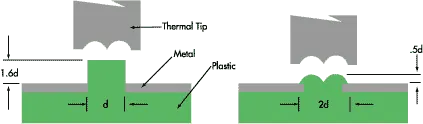
Flared Stake (high profile)
The high profile flared stake satisfies the requirements of most applications. This stake is recommended for bosses with an OD of 1/16 inch (1.6 mm) or larger and is ideally suited for low-density, nonabrasive amorphous plastics.
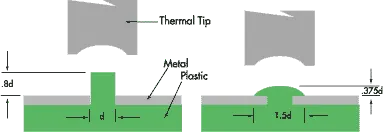
Flared Stake (low profile)
The low profile flared stake satisfies the requirements of most applications. This stake is recommended for bosses with an OD of 1/16 inch (1.6 mm) or larger and is ideally suited for low-density, nonabrasive amorphous plastics.
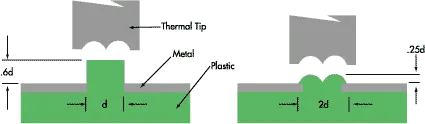
Spherical Stake (high profile)
The high profile spherical stake is preferred for bosses with an OD less than 1/16 inch (1.6 mm) and is recommended for rigid crystalline plastics with sharp, highly defined melting temperatures for plastics with abrasive fillers and for materials that degrade easily.
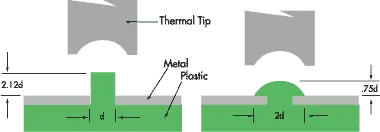
Spherical Stake (low profile)
The low profile spherical stake is preferred for bosses with an OD less than 1/16 inch (1.6 mm) and is recommended for rigid crystalline plastics with sharp, highly defined melting temperatures for plastics with abrasive fillers and for materials that degrade easily.
Flush Stake
The flush stake is used for applications requiring a flush surface. The flush stake requires that the retained piece has sufficient thickness for a chamfer or counterbore. 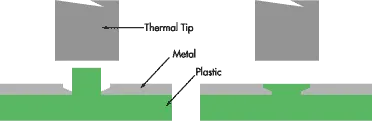
Hollow Stake
Bosses with an OD in excess of 5/32 inch (4 mm) should be made hollow. Staking a hollow boss produces a large, strong head without having to melt a large amount of material. Also, the hollow stake avoids sink marks on the opposite side of the component and enables the parts to be reassembled with self-tapping screws should repair and disassembly become necessary. 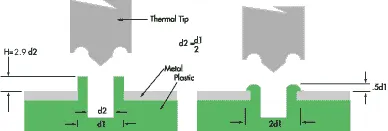
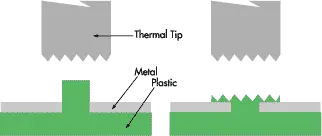
Knurled Stake
The knurled stake is used in applications where appearance and strength are not critical. Since alignment is not an important consideration, the knurled stake is ideally suited for high-volume production. Knurled tips are available in a variety of fine, medium and coarse configurations.
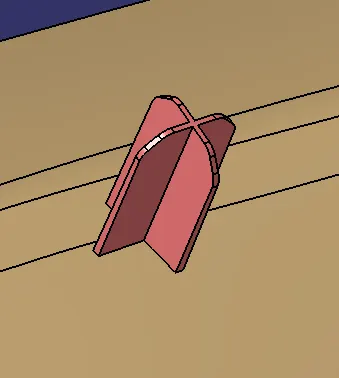
LOCATORS: 2WAY AND 4 WAY
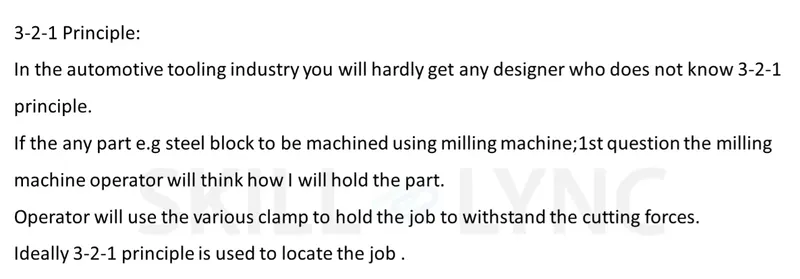
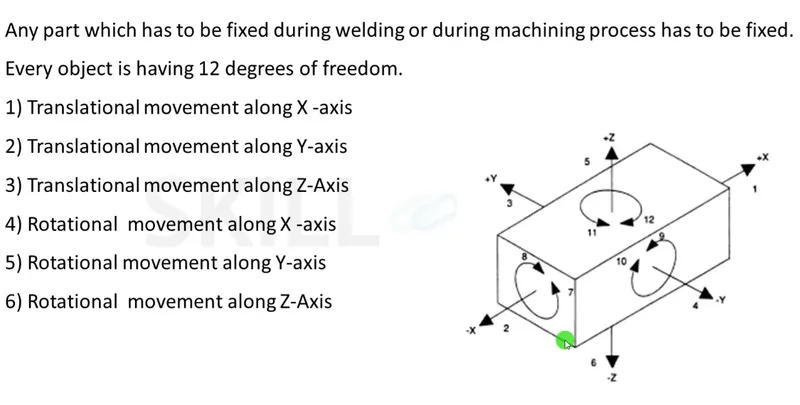
In any kind od assembly before fixing the part to the meting part we need to fix the position of the part. The 2 way and 4 way locator will restrict the degrees of freedom.So we need to consider 3-2-1 principle.
Design Of Door Applique in CATIA V5
Given Data,
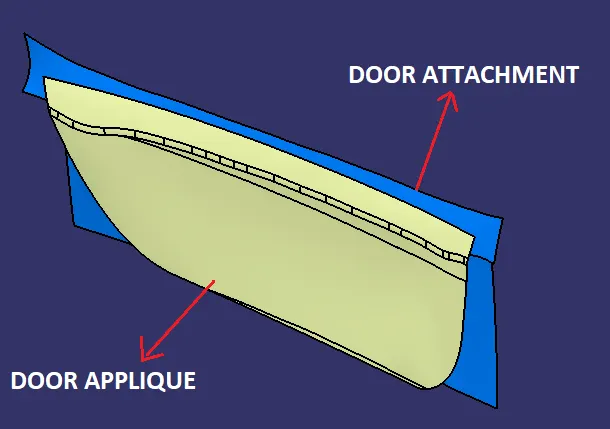
Now we will be doing Draft analysis on Class ‘A’ Surface, for that we need tooling Axis.
Tooling Axis creation:
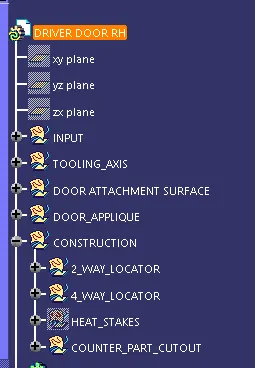
- First, we will extract the base surface of class ‘A’ and on that create the point and then create Axis system at that point.
- So that we are creating the tooling axis in Z direction.
- This line is the Main tooling axis for our part.
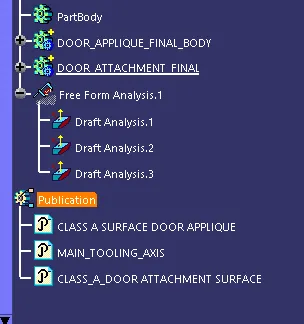
- After which we will be publishing the tooling axis and class ‘A’ surface.
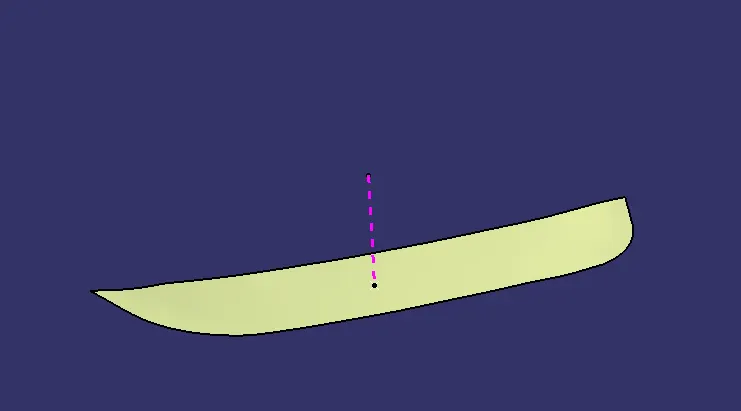
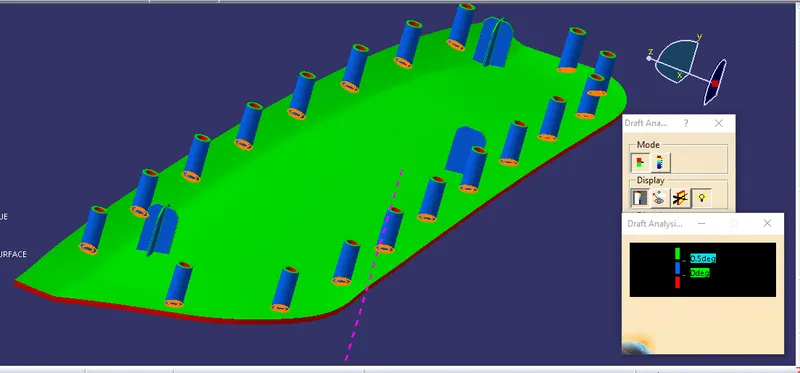
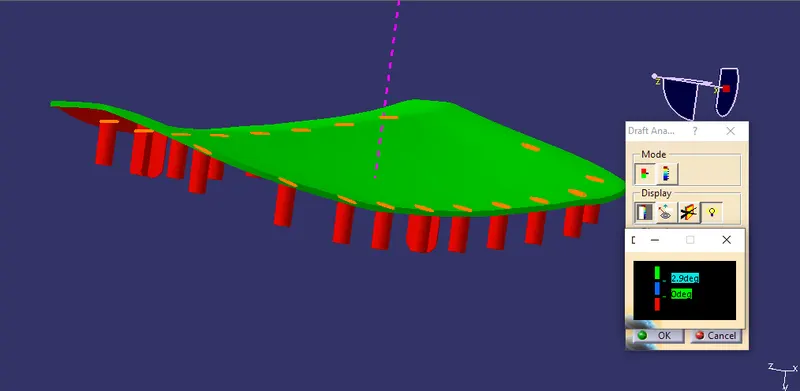
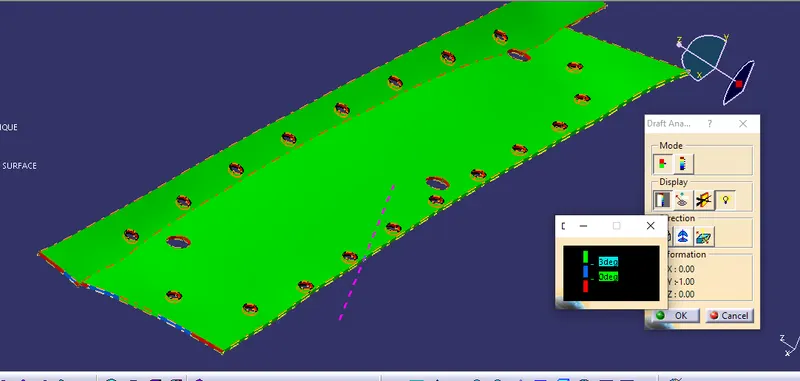
Draft Analysis of Class 'A',
- Insert -> Analysis -> Feature Draft Analysis
- Keep the view mode to material.
- Drag the compass (Direction – compass) on the tooling axis and then select proper direction and lock it.
- Giving draft angle as 3 degree.
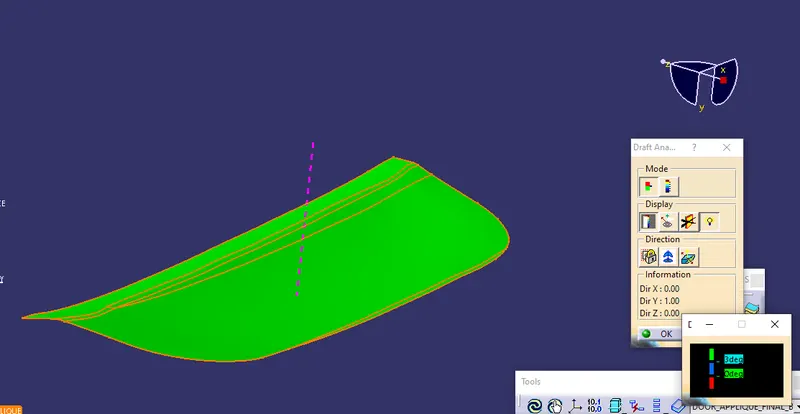
‘B’ Surface Creation:
- Extract Class ‘A’ Surface.
- Untrim extracted surfaces.
- Extrapolate to some extend eg. 30mm.
- Use trim and select proper surface.
- Offset inward at 2.5 mm
- Use edge fillet
'C’ Surface Creation:
- Take outer boundary using Boundary command of class ‘A’ surface
- Use sweep command to create surface using tooling axis and draft angle as 3 degree.
Final Body creation:
- Join class ‘A’ surface and ‘C’ surface.
- Trim resulting surface with ‘B’ surface.
- Join the surface.
- Result is complete close surface.
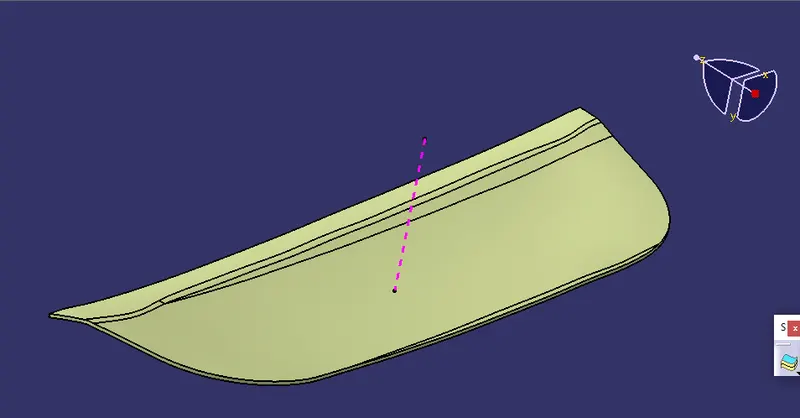
Solid Body:
- Change to Part workbench.
- Create Body.
- Surface Base Feature – Close surface – select last join.
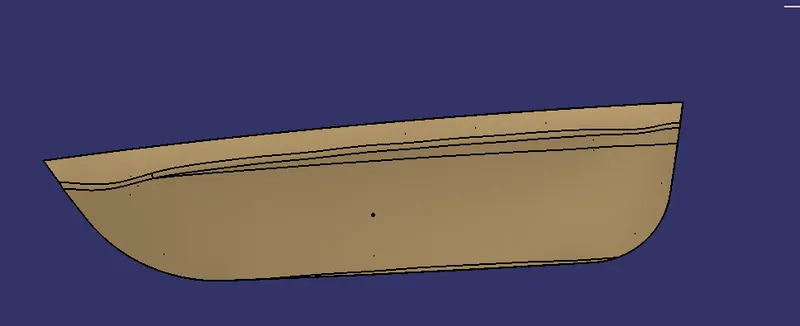
Door Attachment Feature
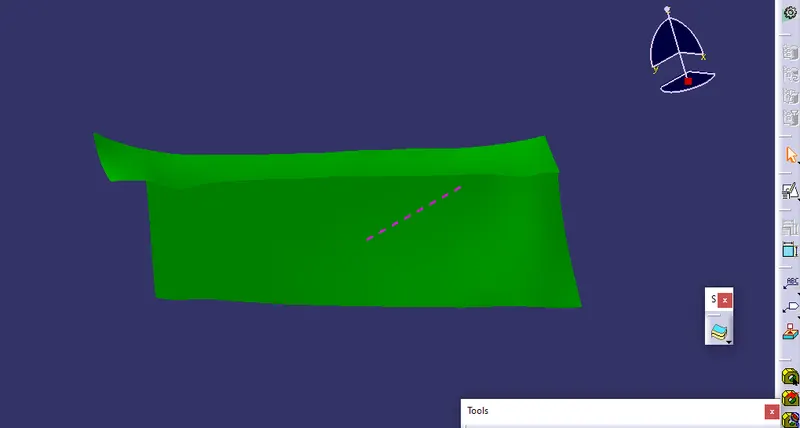
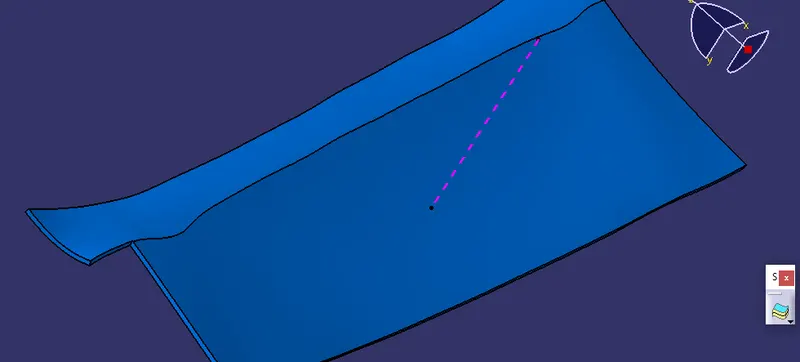
Give Thickness of 2.5 mm inside
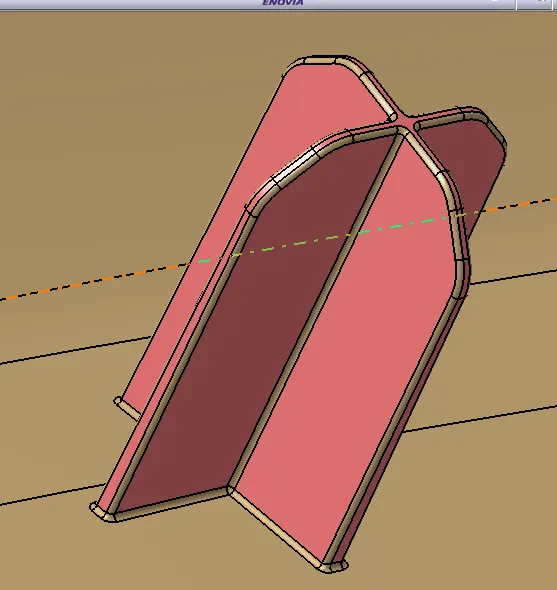
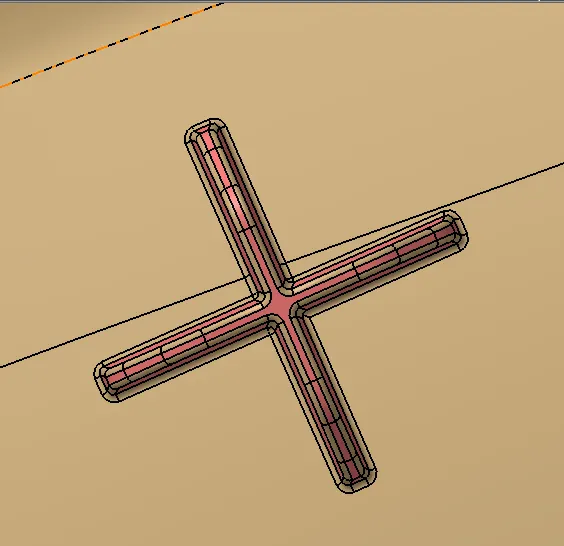
Locator Design,
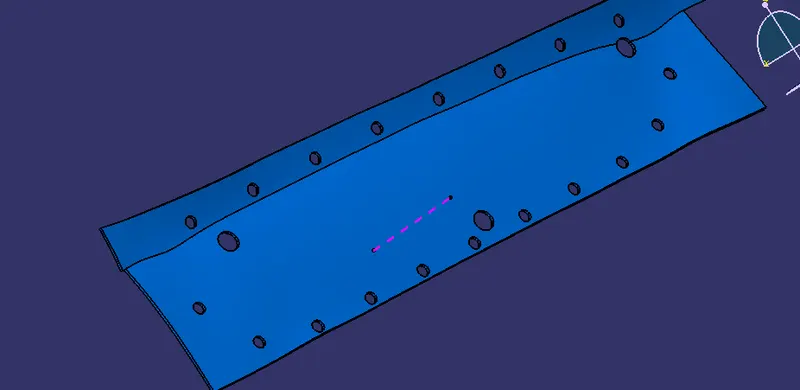
- Create sketch by taking door attachment class 'A' surface as refrance.
- Pad the sketch upto certain limit and use design rules as per Rib design.
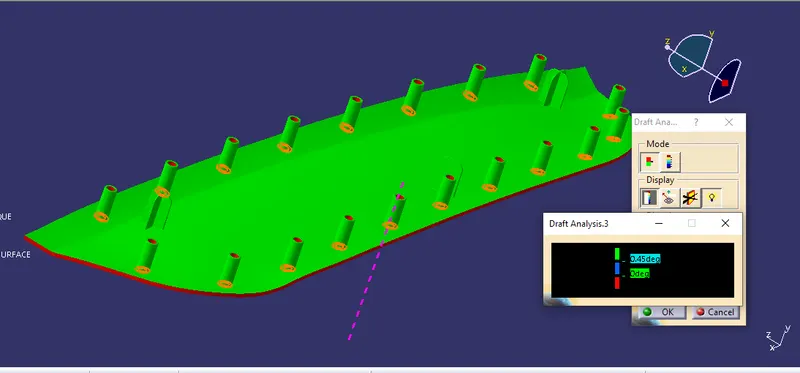
- Use 0.5 degree draft with pulling direction as tooling axis.
- Give entry chamfer.
- Give Fillate
- Union Trim with Door Applique.
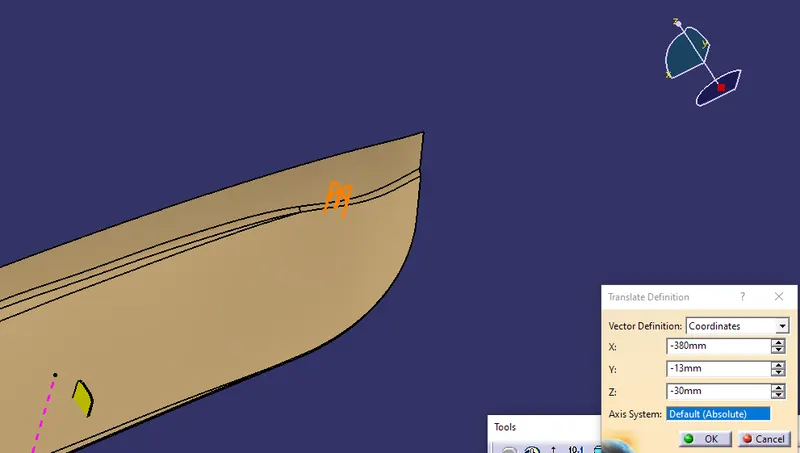
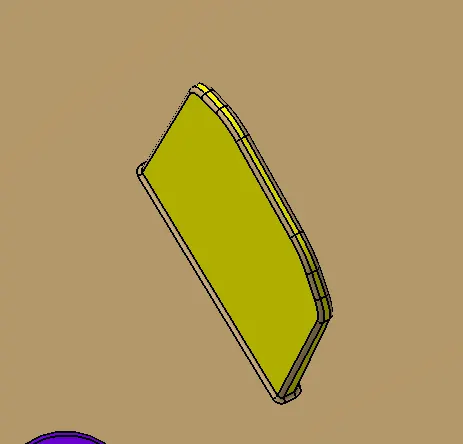
- Use Translet command for number of same locators.
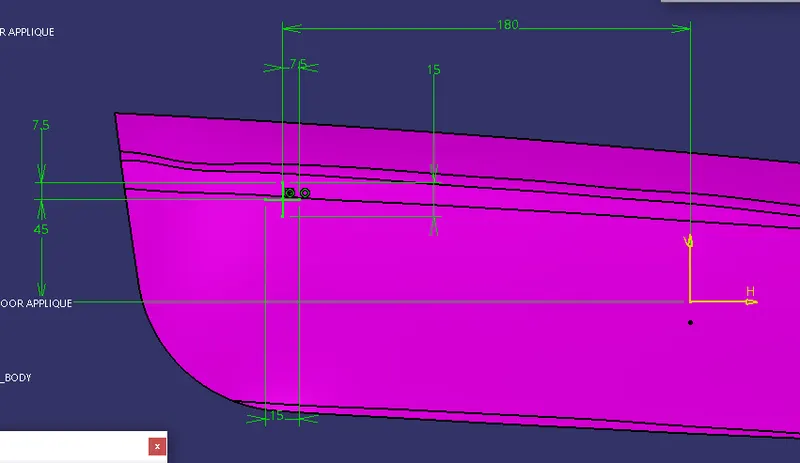
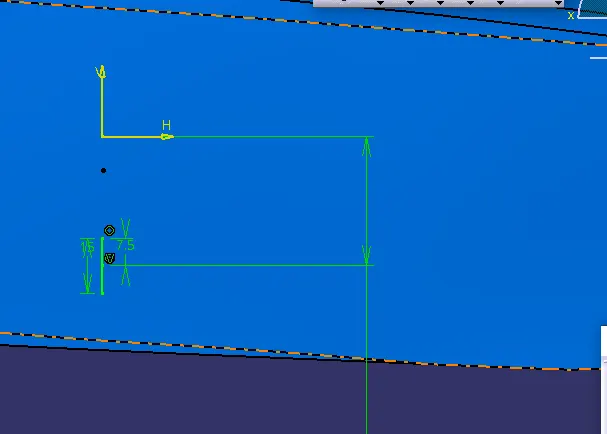
Heat Stakes Design,
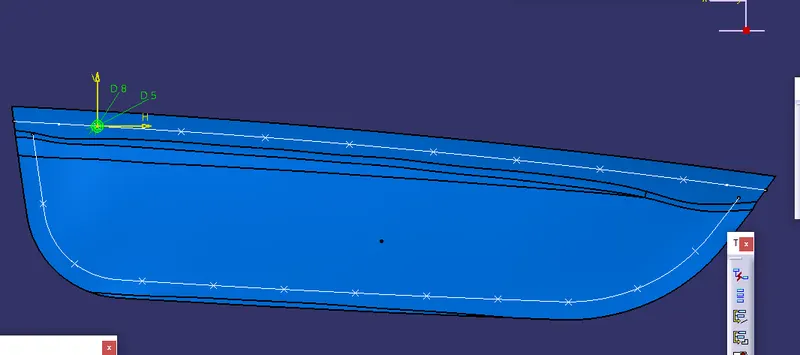
- First, extract the class 'A' boundary and use parallel curve commapnd to offset the extracted curves.
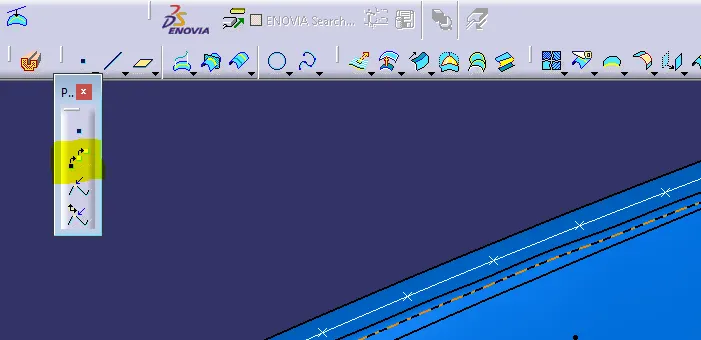
- Use point and plane repitation command for points on the curves.
- Create sketch by taking door attachment class 'A' surface as refrance.
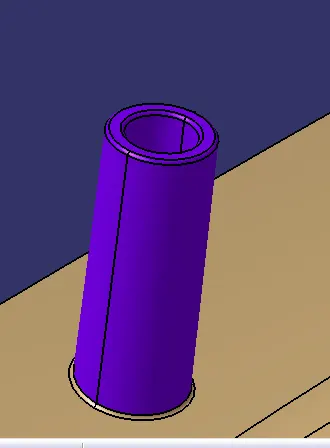
- Pad the sketch upto certain limit and use design rules as per Screw boss design.
- Use 0.5 degree draft with pulling direction as tooling axis.
- Give Fillate
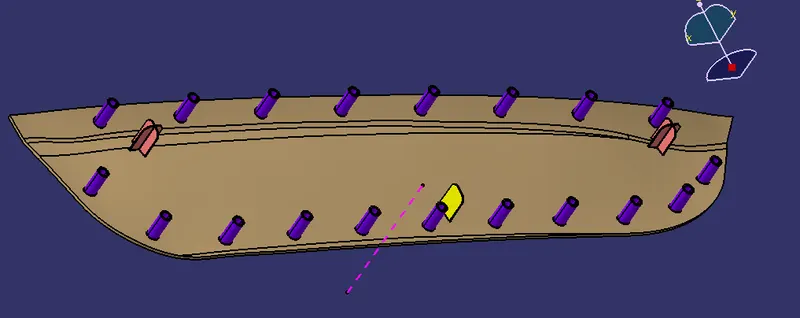
- Union Trim with Door Applique.
- Use Translet command for number of same locators.
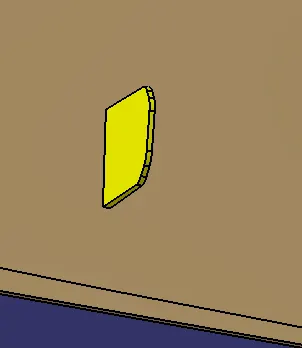
Counter cutout holes on Door Attachments
- Using same points as used for locators ad heat stakes draw sketch of circle.
- Pad It.
- Give Draft of 0.5 degree
- Remove from Door Attachment body.
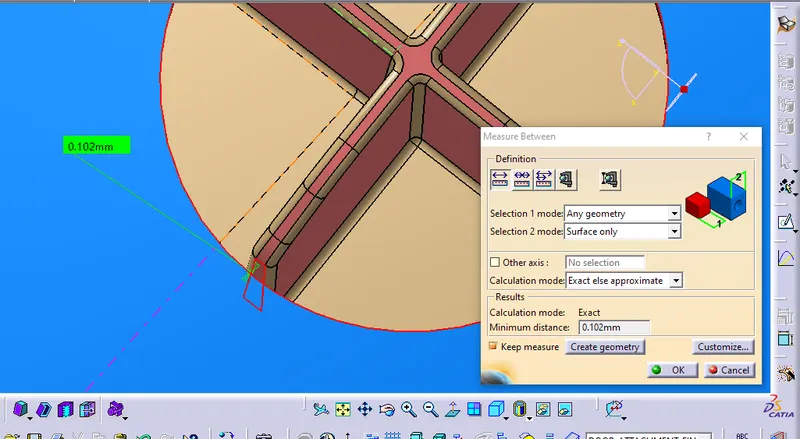
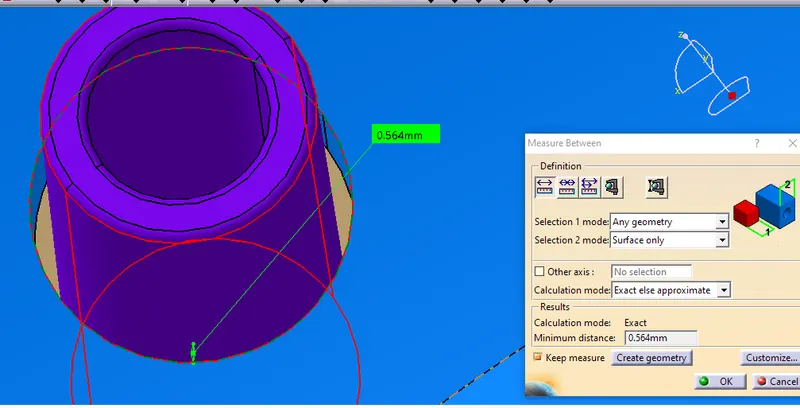
- The gap for heat stakes is 0.5 mm and for Locators 0.1 mm
Draft analysis: