Underbody Coating
*CAR UNDERBODY COATING*
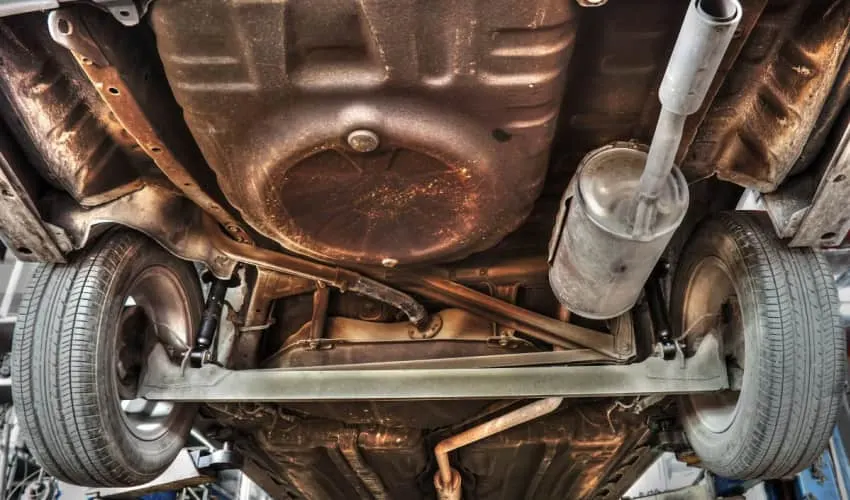
The Human race has evolved to become competent enough to protect itself from the harshness of various weather conditions. We have clothes to keep ourselves warm, most of us have a roof over our heads to keep ourselves safe. But most off the cars are being parked on the roads which are exposed to the weather 24/7. Especially during monsoon when heavy precipitation causes the roads to become mini-rivers and our cars are left stranded there. This makes them prone to heavy corrosion in the underbody region.
*What is underbody car coating?
Underbody coating provides long term protection from corrosion to car's underbody. It also protects parts like internal body panels, frame rails and other inner cavities that are not physically accessible but are prone to corrosion.
*Types of underbody coatings:
Rubberized Undercoating:
Rubberized vehicle undercoating is easy to apply and offers sound-cushioning as well as protection from dust, moisture, and dings or dents. In addition to your undercarriage, rubberized undercoating is also safe to use on wheel wells and quarter panels, and dries to a soft rubbery finish that prevents further rust, damage, or moisture seeps. The coating can be painted over and, if necessary, for bodywork, can be easily removed with an undercoating removal spray.
Polyurethane Undercoating:
This type of vehicle undercoating is a little bit quicker and easier to apply. This type of sealant works by seeping into all cracks and seams, displacing salt and moisture and oozing around rusty areas to bond with and protect unoxidized metal. It also sands quickly in case you'll need to perform bodywork and can be painted over.
Wax or Paraffin-Based Undercoating:
A paraffin-based undercoating will be the cheapest and quickest option available, but it will wear off quicker than other types of undercoating and will need to be stripped and reapplied at least once every year.
Asphalt-Based Undercoating:
For large trucks and heavy machinery, asphalt-based undercoating provides a bit of extra durability against rocks, chips, and moisture. Asphalt-based undercoating generally contains a little bit of rubberized material that sets up firmly and also helps soften noise.
Now let’s see what are the Pros and Cons of underbody coating,
Pros:
- Protects Against Rust & Corrosion
- Reduces NVH (Noise Vibrations Harshness) Levels
- Prevents Paint Chipping
- Protects Vital Components
- It will extend the life of your vehicle.
Cons:
- It is less helpful if corrosion is already present.
- A third-party undercoating service might void your vehicle’s warranty.
- It adds weight to the vehicle.
- An undercoating is not impervious to damage.
- It must be reapplied every 3 to 5 years for the best results.
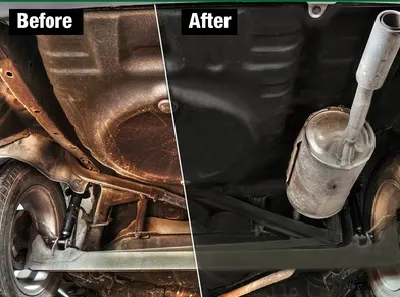
After coating result,