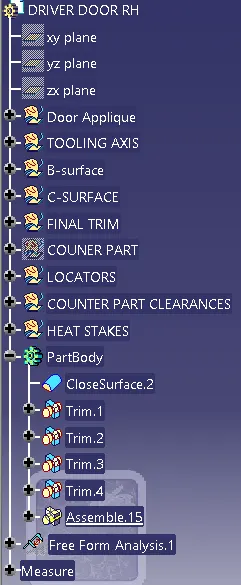
Week 9 - Project 1 - Door Applique Design with Engineering Features
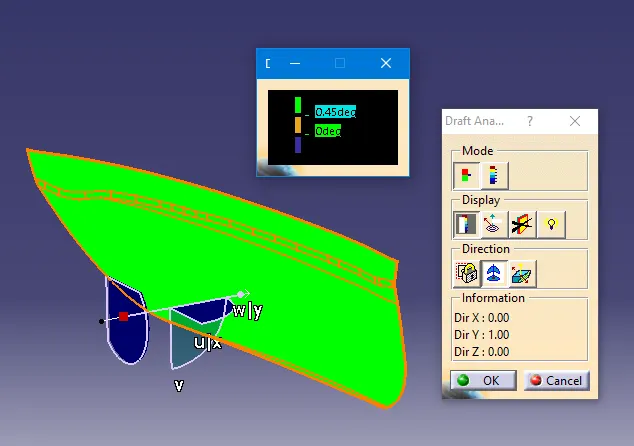
AIM: To Create the Door Applique Plastic component through the given Class-A surface. To begin with, the tooling axis for the given Class-A Surface should be created meeting the requirements of the draft angle and at the end perform the Draft analysis on the model.
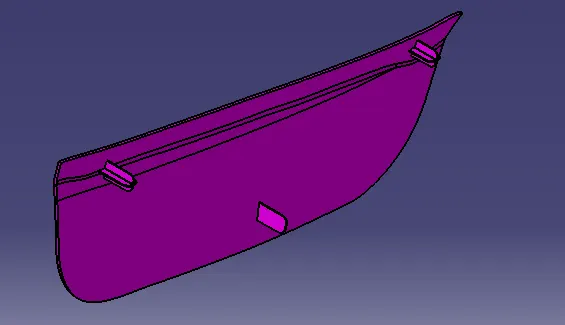
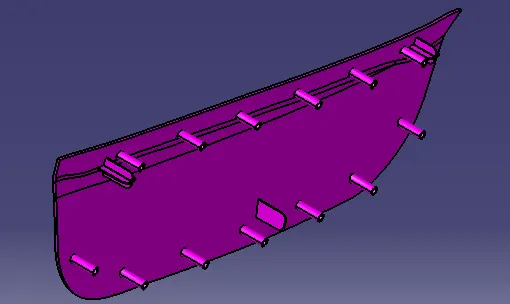
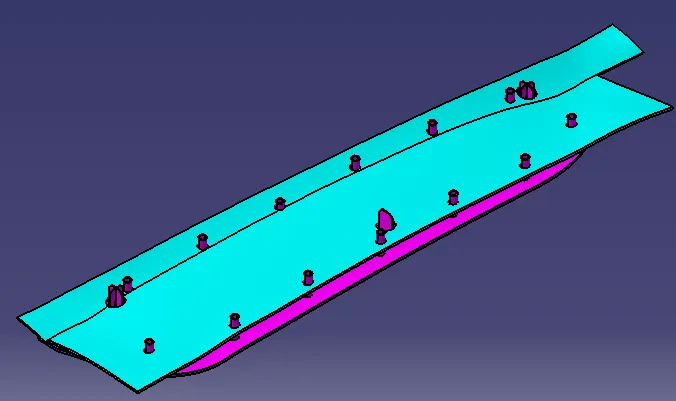
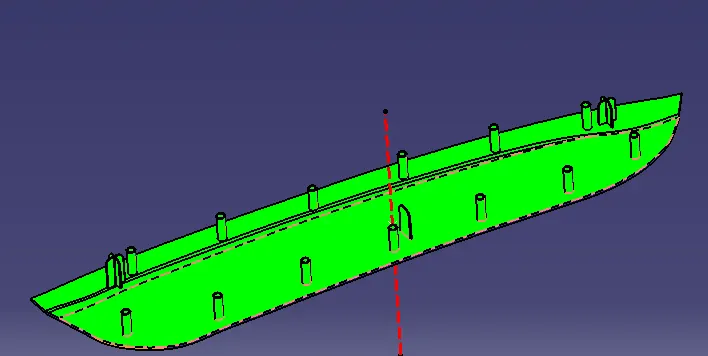
Create the Heat Stakes and the locators considering the design rules mentioned in the video for the door applique.
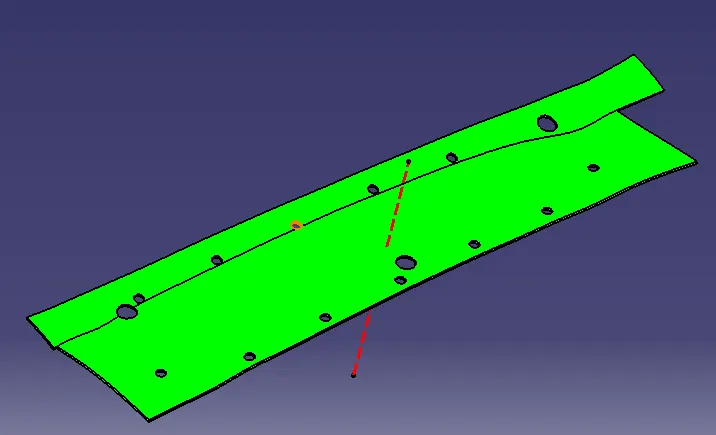
CLASS A SURFACE: Class-A is a term used in specifically in automotive design. It describes the final production surface data for the aesthetic parts of the car.
CLASS B SURFACE: This surface is created by taking the offset fom the class A surface and it is the surface on which all the mountings and ribs are created
CLASS C SURFACE: It is the surface which joins class A and class B together
TOOLING AXIS: It is the direction in which core and cavity opens & closes
- to decide the tooling axis direction by analyzing model visually to see which direction is most suitable for tooling axis
- extract the base surface from class A surface and create a point on the extracted surface using point command
- create a new axis system using above point as the origin and create a line in y-direction this line is the tooling axis
PROCEDURE:
- check the continuity of class A surface and ensure that it was propery joined without any discontinuity.this can be done by using join or boundary comand in CATIA v5
- Extracting the boundary of given class A surface and we also check continuity visually.
- we have to give even wall thickness to avoid flow lines after the manufacturing process
- Thickness of the component to be 2.5 mm
CLASS B SURFACE
- CLASS B surface is created using class A surface and firstly extract the surfaces from the class A surface
- trim the surfaces together to get single surface resembling the class A and give necessary fillets and offset it outwards to 2.5mm
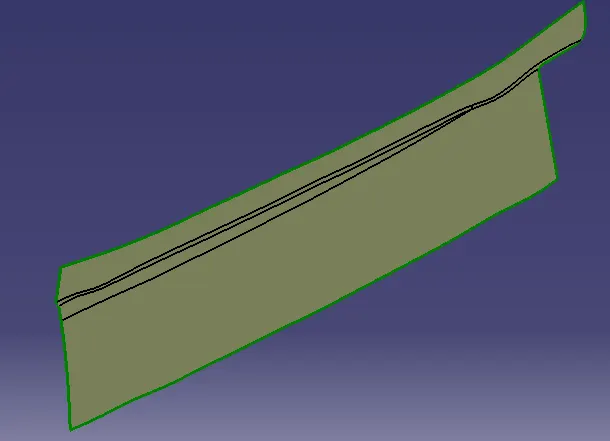
CLASS-C SURFACE
- Extract the boundary of the class A surface & edges of the holes
- sweeping the boundary of class A surface with the use of draft direction as tooling axis
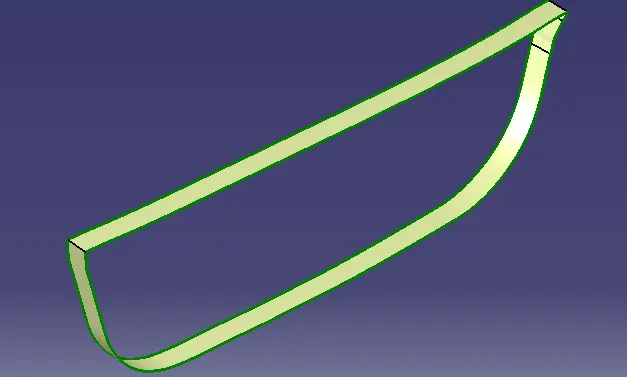
Final trims
- join the class A & class C surface together
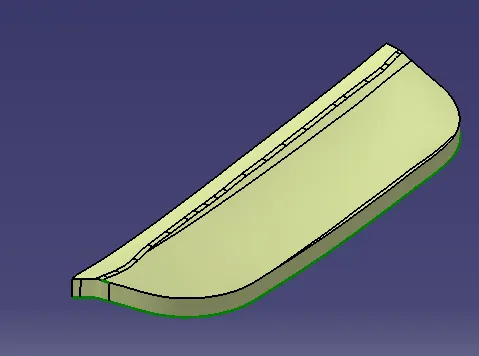
- Trim the class B surface with joined surface created earlier and after trimming we get the final close surface
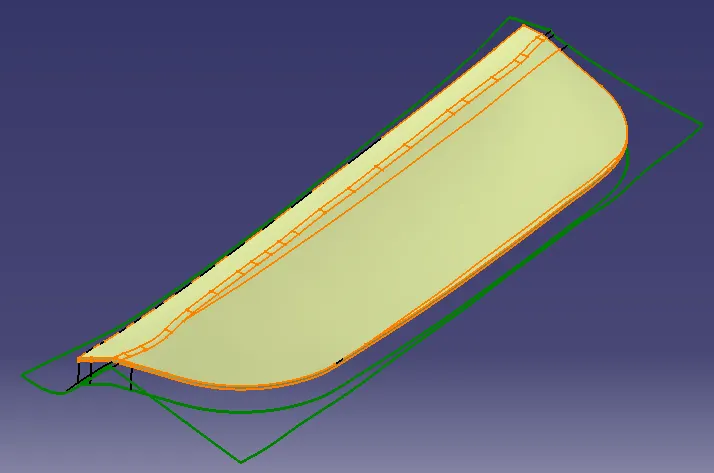
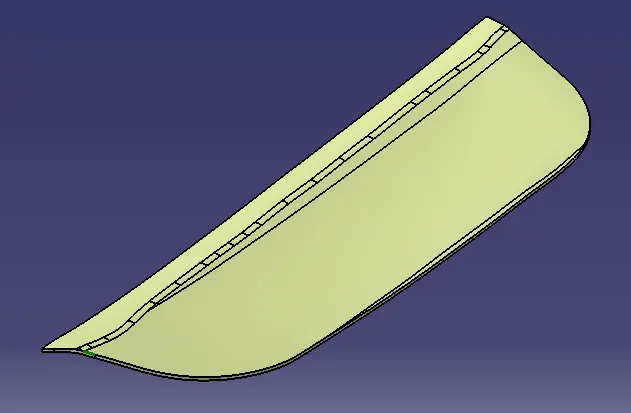
- Use the close surface feature,the final closed surface is coverted to solid body
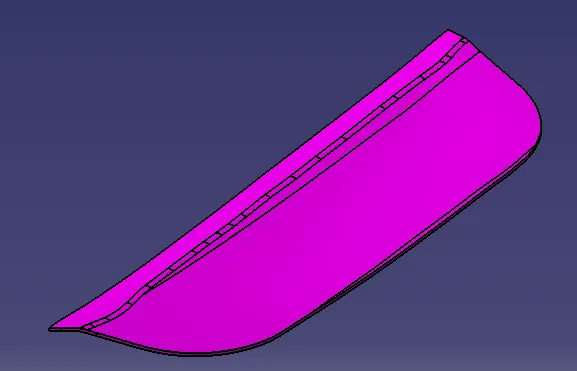
Locators
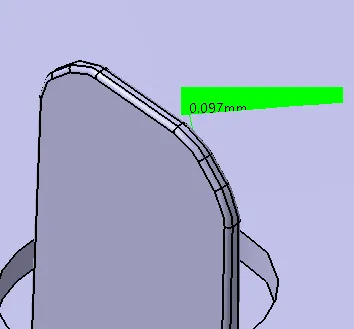
While making a locator the distance of all locators from the surface should be equal for all and thickness 1mm and minimum of 0.25mm drafting is given to validate in draft analysis and thus we can arrest 11 def of freedom
locators work as a 3-2-1 principle which is basically to fix a component to be machined or to be placed in an ideal position and there are 12 degrees of freedom,6 rotational and 6 translational and in this i need ti fix 11 degrees of freedom permanently and any thing to be clamped or fixed temporarily,In this locators come into place and there are 4-way locators,3-way locators and more
4-WAY AND 2-WAY LOCATOR
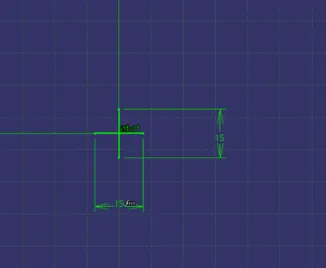
2-WAY LOCATOR
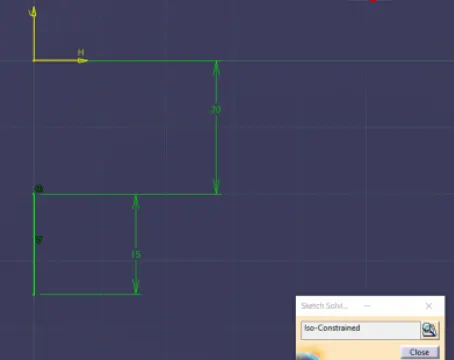
While making a locator the distance of all locators from the surface should be equal for all and thickness 1mm and minimum of 0.25mm drafting is given to validate in draft analysis and thus we can arrest 11 degrees of freedom
HEAT STAKING
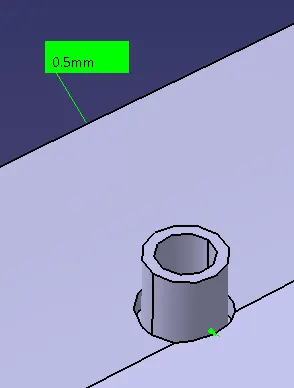
This is also a fixing method of a plastic component and In this process both of them joined together by thermal welding and cannot be reoved after that. A Boss or a stud is made on the plastic part which is then projected onto the opposite part and reformed afer the locators and this fixes the part temporarily and then welded on the boss and the distance from he surface should be less than the distance provided to the locators
Compass method
- check the draft analysis with the tooling axis and if he tooling axis is not correct then adjusting compass to get the surafces as green
PART BODY