Week 9 - Parametric study on Gate valve.
Parametric study on Gate valve
AIM: For this challenge, you will have to perform a parametric study on the gate valve simulation by setting the opening from 10 % to 80%
- Obtain the mass flow rates at the outlet for each design point.
- Calculate the flow coefficient and flow factor for each opening and plot the graph.
- Discuss the results of the mass flow rate and flow coefficient.
Gate valve:
A gate valve, also known as a sluice valve, is a valve that opens by lifting a barrier (gate) out of the path of the fluid Gate valves require very little space along the pipe axis and hardly restrict the flow of fluid when the gate is fully opened. The gate faces can be parallel but are most commonly wedge-shaped (in order to be able to apply pressure on the sealing surface)
Theory:
Gate valves work by inserting a rectangular gate or wedge into the path of a flowing fluid. They are operated by a threaded stem which connects the actuator (generally a hand wheel or motor) to the stem of the gate. If the valve. has a rising stem its position can be seen just by looking at the position of the stem. A gate valve is used to control the fluid flow through lifting and descending the gate. A gate distinct feature is to provide an unobstructed passageway, which includes minimal pressure loss over the valve.
When the gate is fully opened there is no restriction to the flow hence the pressure drop is low comparatively. Generally, the gate valve are fully closed or fully open as partially opened valve may experience vibration which may lead to excessive wear. A gate valve's main component is body, seat, gate, stem, bonnet, and actuator. the primary mechanism is straight forward where the handwheel is rotated to move the gate up and down via threads. they require more than a 360-degree turn to fully open the valve
Flow Coefficient:
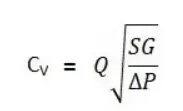
The flow coefficient of a device is a relative measure of its efficiency at allowing fluid flow. It describes the relationship between the pressure drop across an orifice valve or other assembly and the corresponding flow rate. Mathematically the flow coefficient Cv (or flow-capacity rating of the valve) can be expressed as
where,
Qis the rate of flow (expressed in US gallons per minute),
SG is the specific gravity of the fluid (for water = 1),
AP is the pressure drop across the valve (expressed in psi).
10pa=0.00145038psi
In more practical terms, the flow coefficient Cv is the volume (in US gallons) of water at 60 °F that will fo through a valve with a pressure drop of 1 psi across the valve. The use of the flow coefficient offers a stane method of comparing valve capacities and sizing valves for specific applications that are widely accepico E industry. The general definition of the flow coefficient can be expanded into equations modeling the flow of gases, and steam using the discharge coefficient
Flow Factor:
The metric equivalent flow factor (kv; commonly used in Europe and Asia) is calculated using metric units:
Where:
• Kv is the flow factor (expressed in). Q is the flow rate (expressed in cubic meters per hour.
• SG is the specific gravity of the fluid (for water = 1).
AP is the differential pressure across the device (expressed in [bar]).
Kv can be calculated from Cv using the equation as given below:
Kv = 0.865. Cv
The kv factor of a valve indicates The water flow in m3/h, at a pressure drop across the valve of 1 kgf/cm2 when valve is completely open.
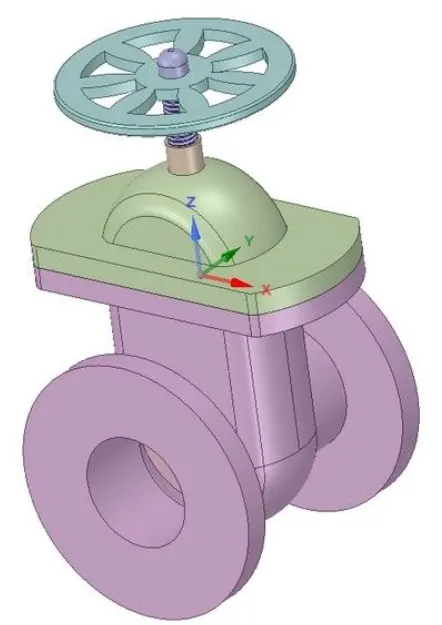
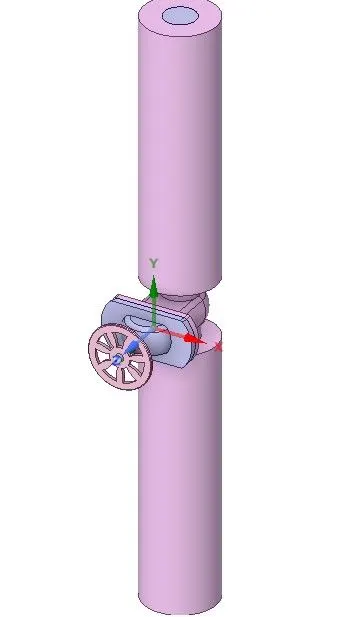
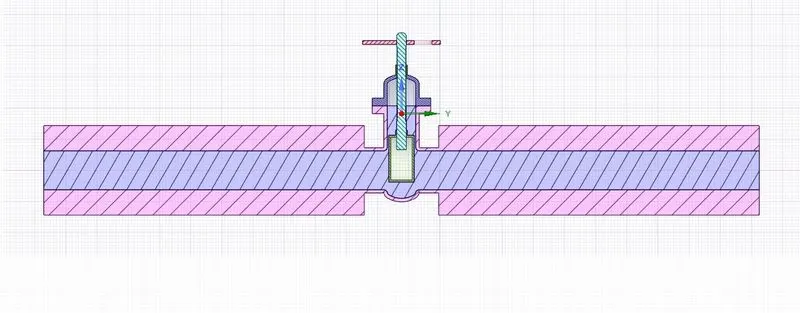
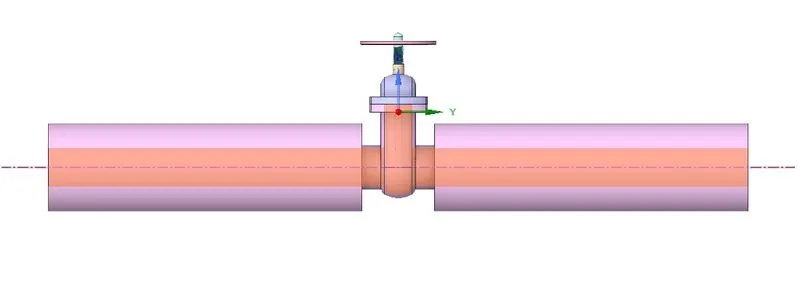
Geometry :
Modify geometry:
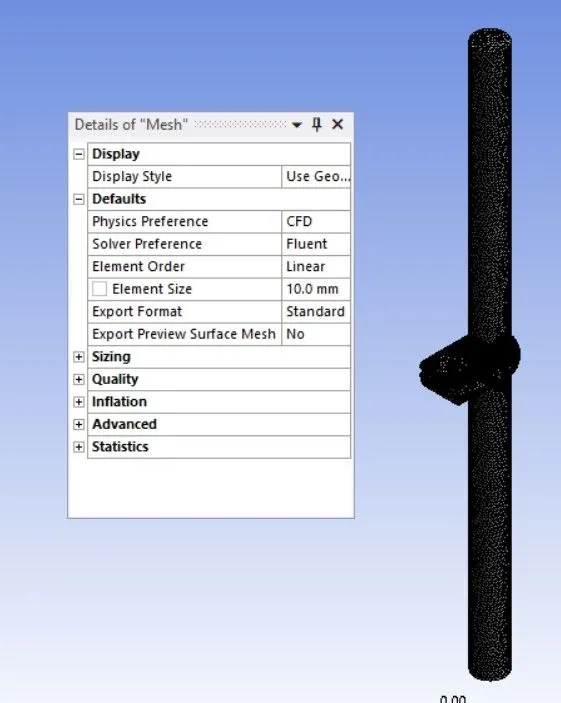
Meshing
Refing mesh
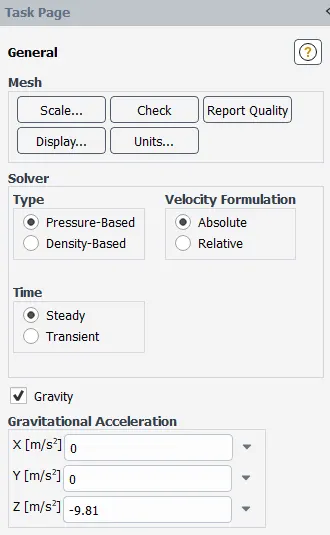
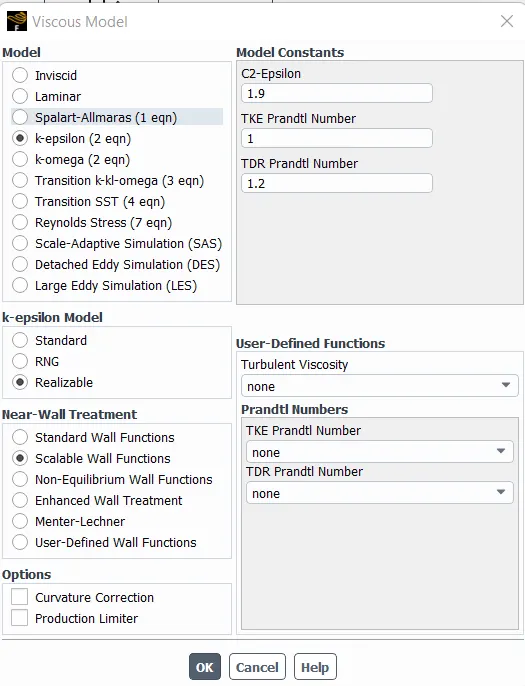
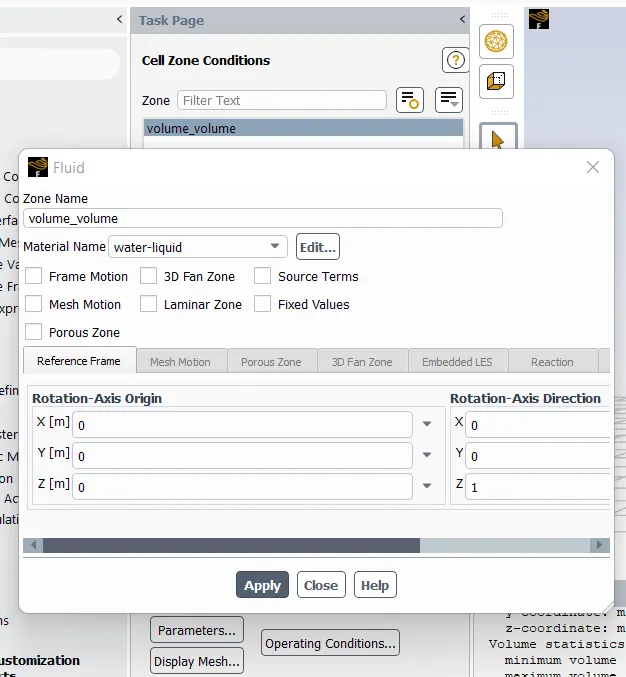
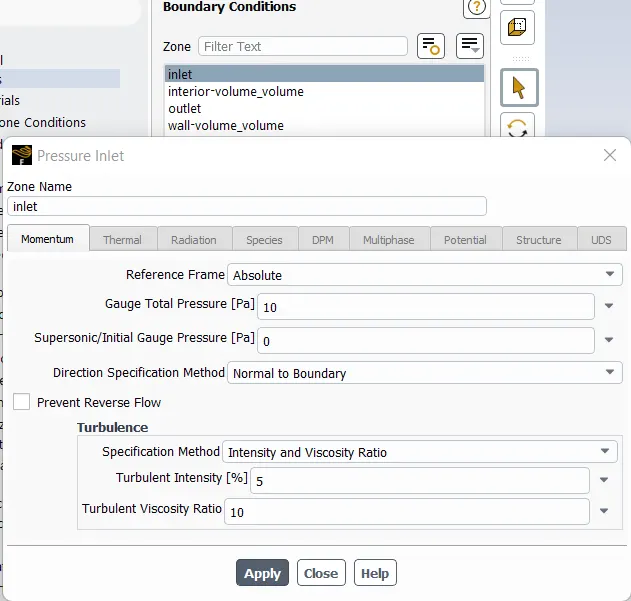
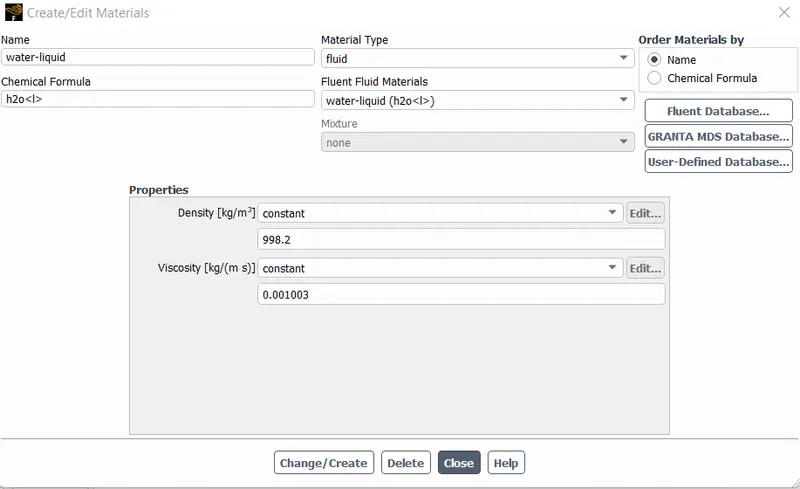
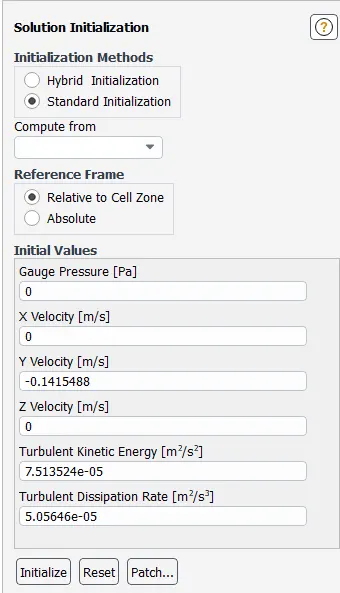
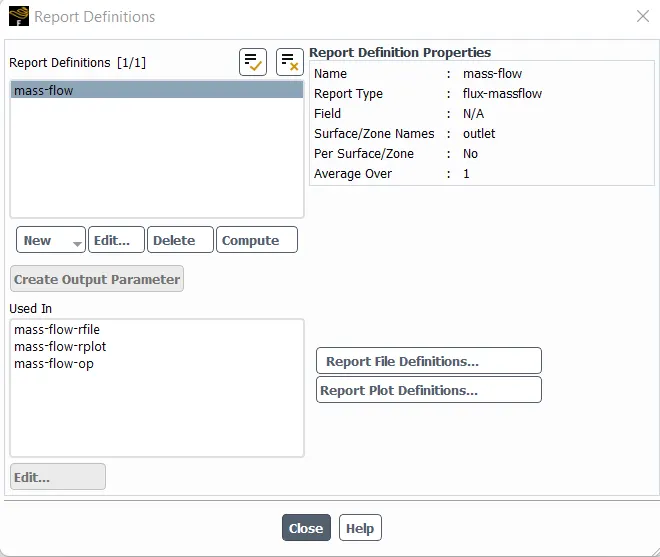
Case setup :
 ]
]
Results :
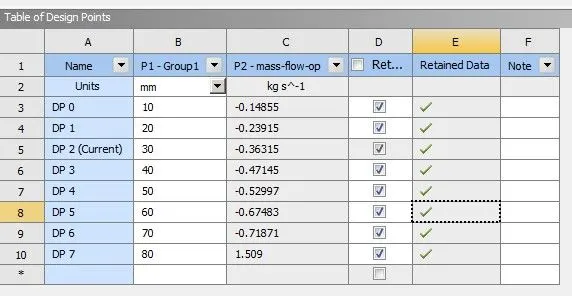
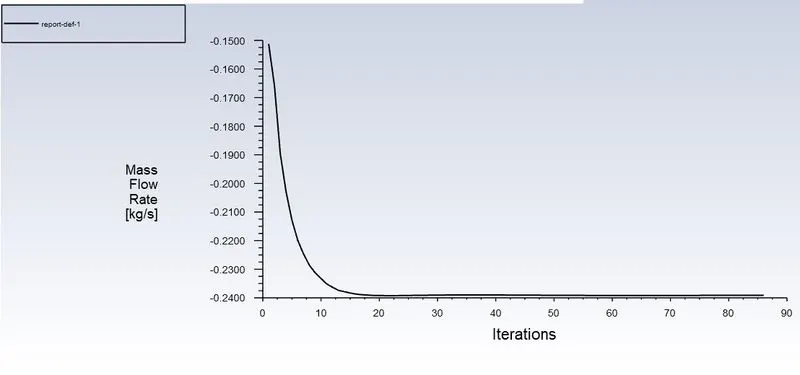
Obtain the mass flow rates at the outlet for each design point
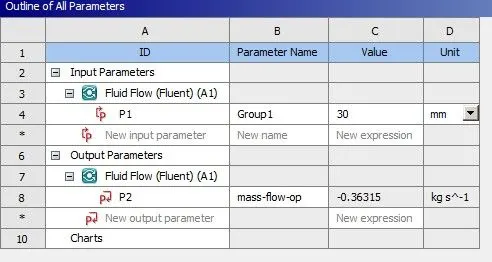
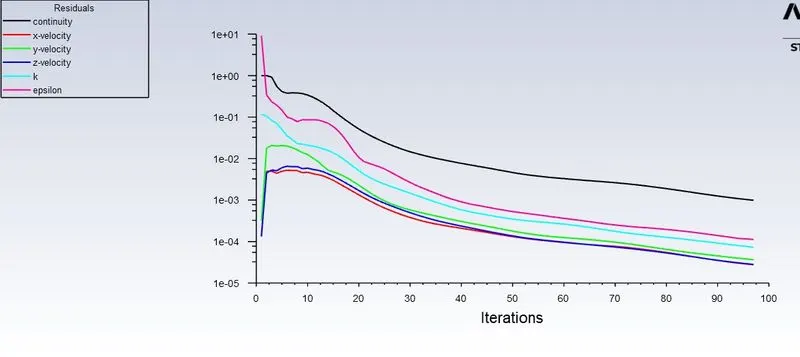
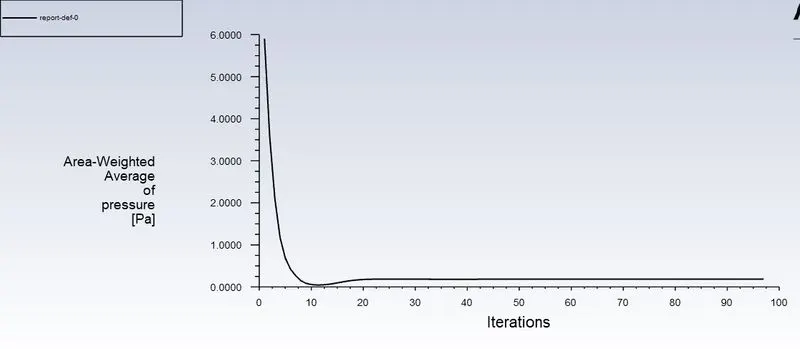
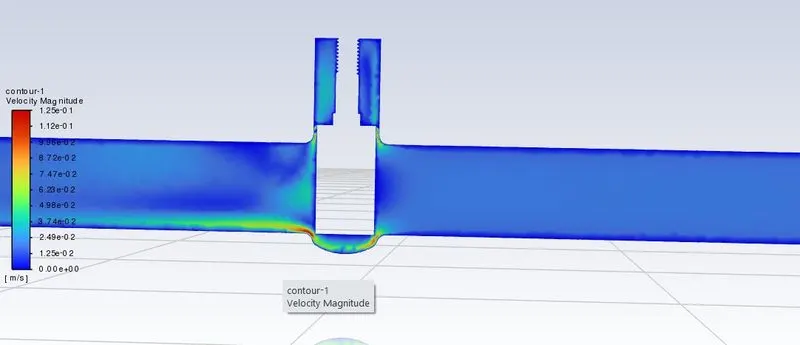
Case1 10mm lift
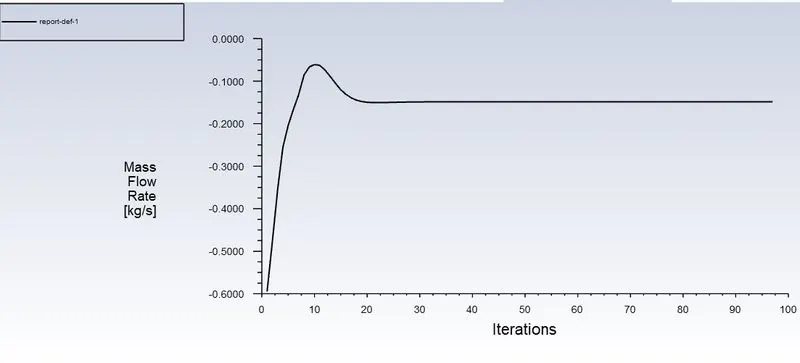
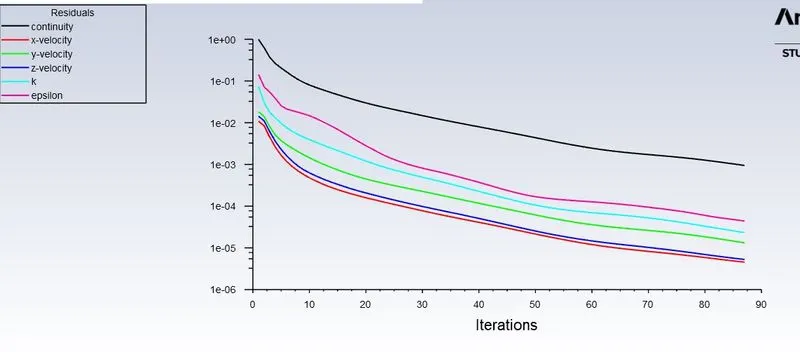
Case2 20mm lift
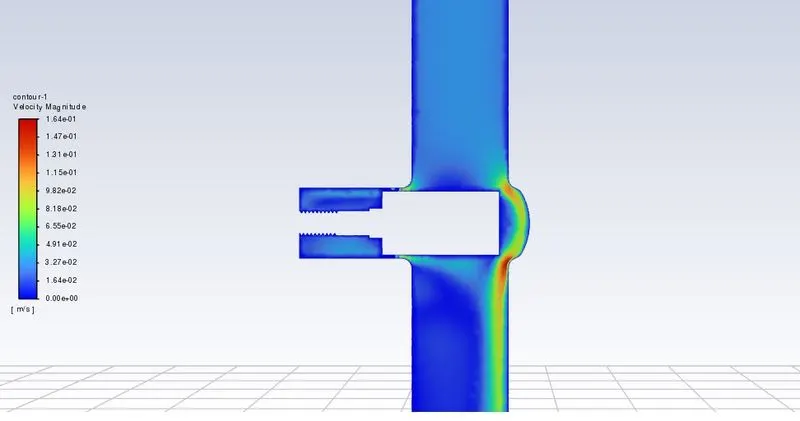
Case3 30mm lift
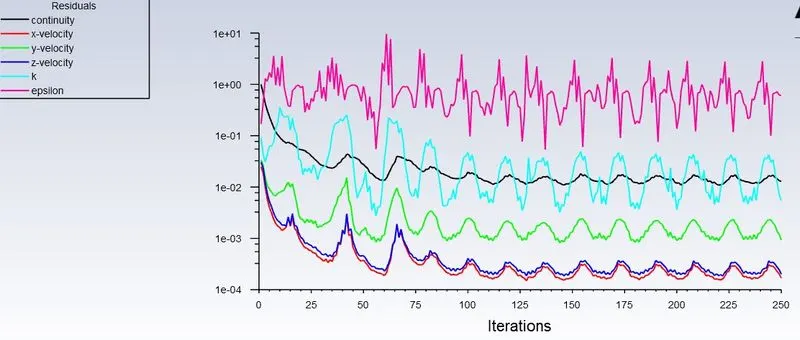
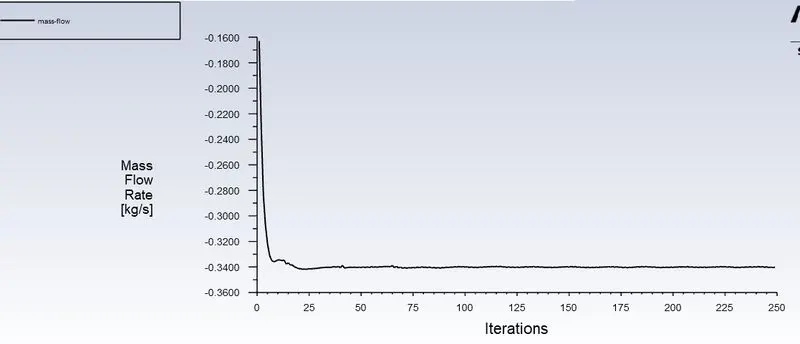
Case 4 40mm lift
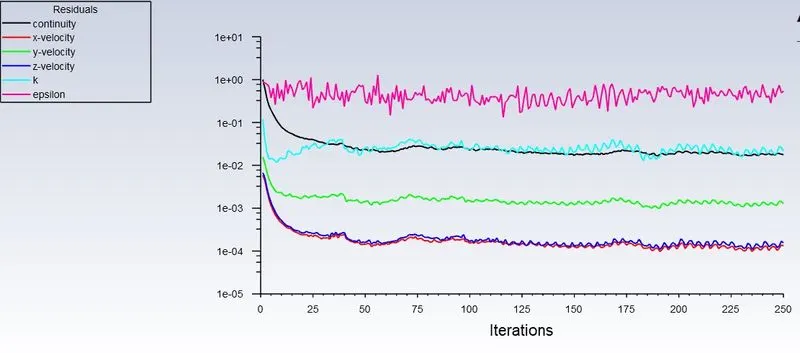
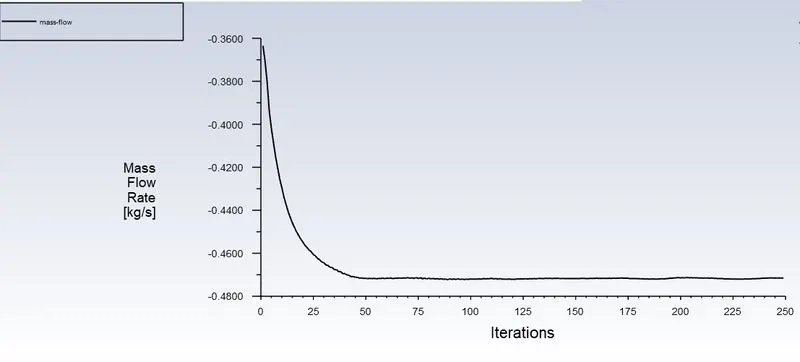
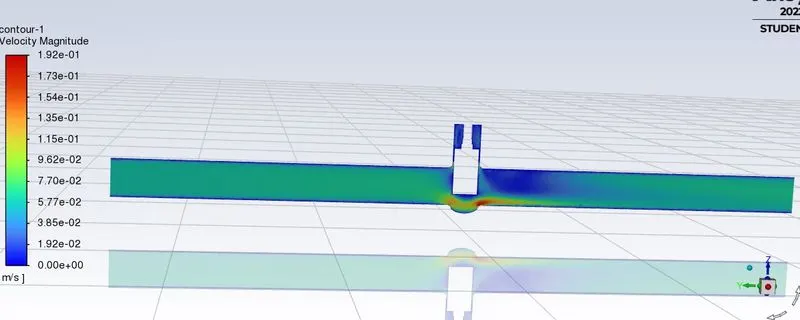
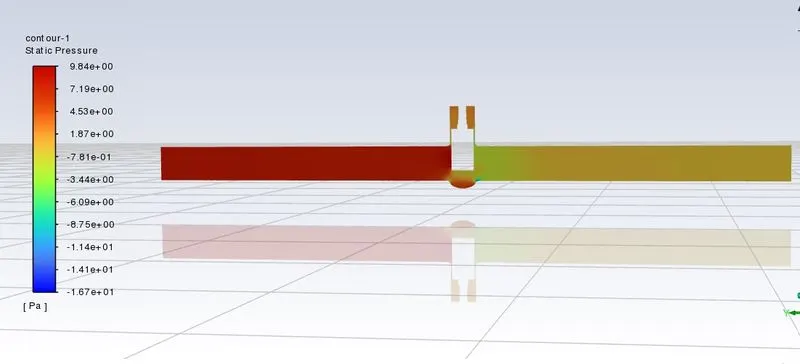
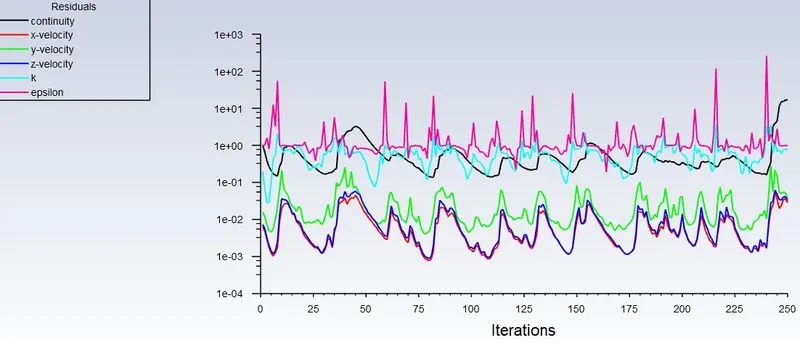
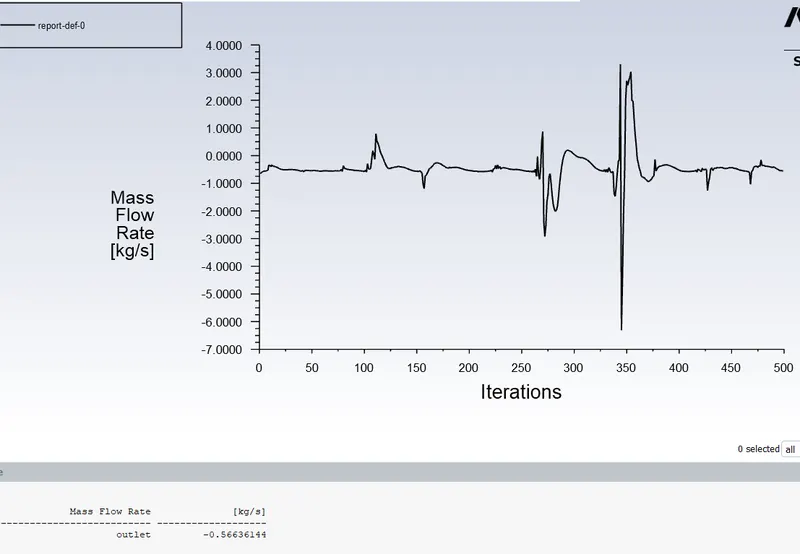
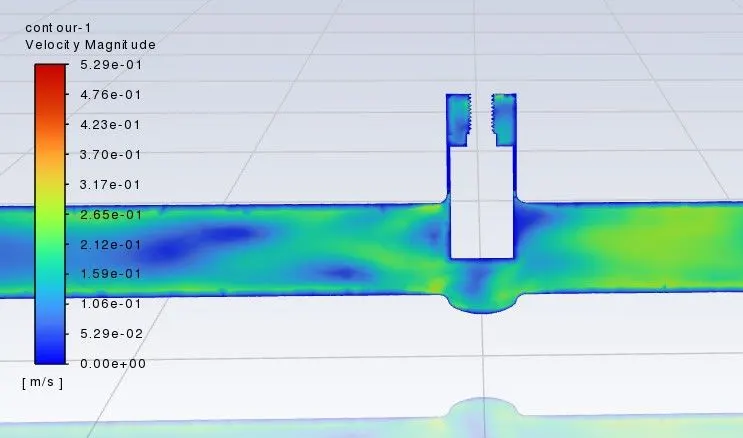
Case 5 50mm lift:
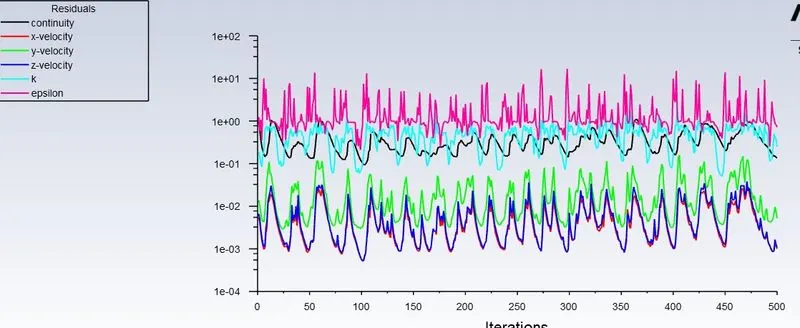
Case6 60mm lift:
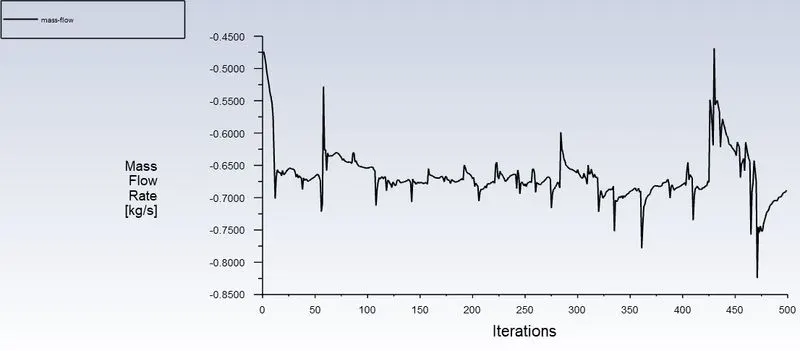
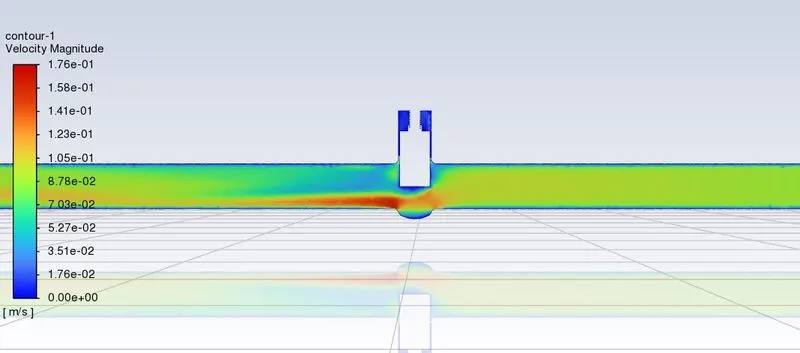
Case 7 70mm lift
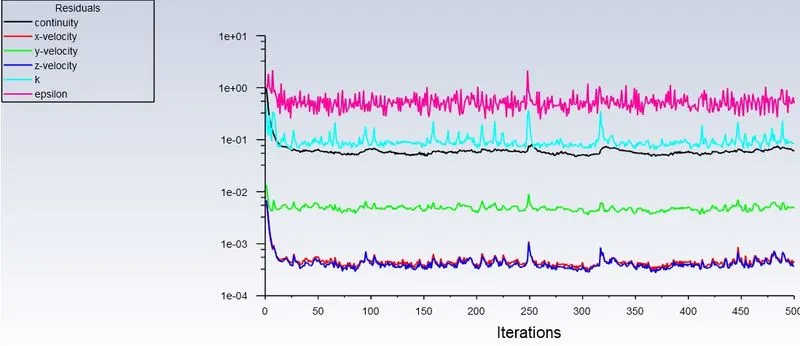
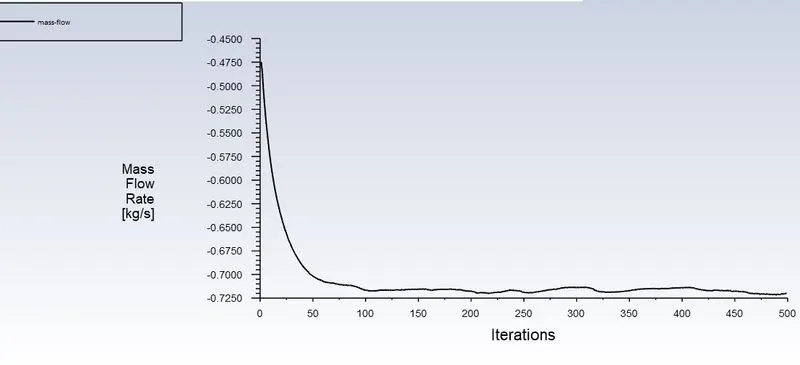
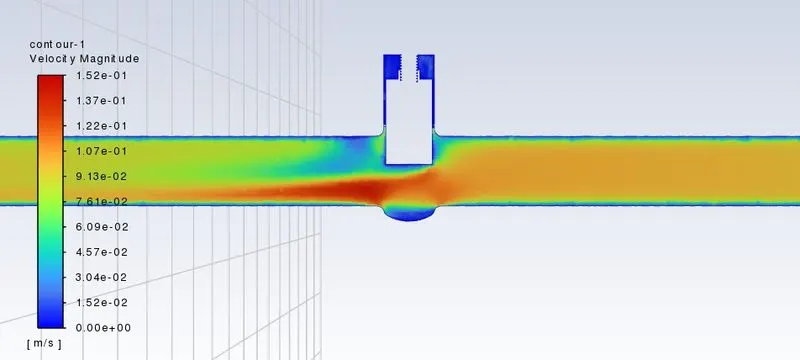
Case 8 80mm lift
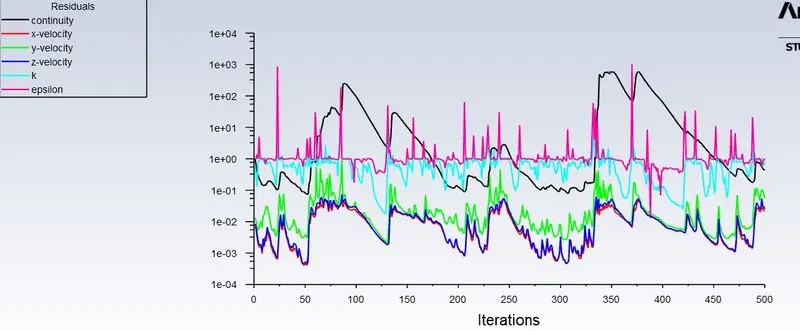
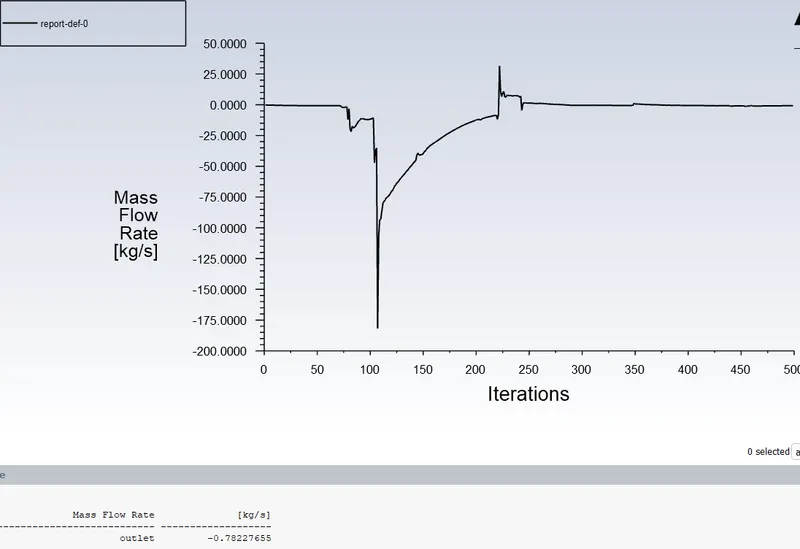
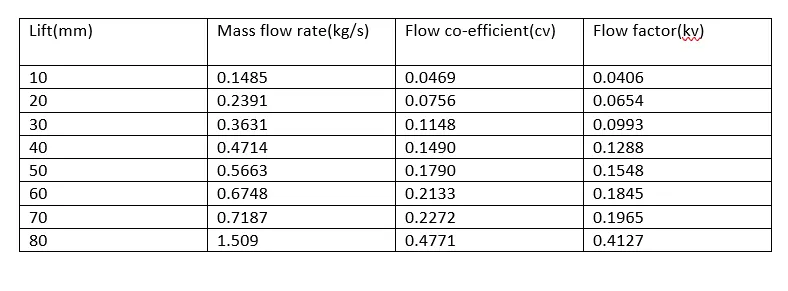
Calculate the flow coefficient and flow factor for each opening and plot the graph
results are below table
Conclusion:
Discuss the results of the mass flow rate and flow coefficient
The negative sign in the mass flow rate term comes due to mass leaving at the outlet.
Parametric study helps a lot to reduce the solving time in studying the effect of change of parameters on the system
Mass flow rate gradually increases as the lift of gate disc is increased
The variation of flow coefficient and flow factor with the opening of the valve is studied by using parametric
Parametric study is time reducing option when studying the effects of changes of certain parameters on a system. 4. Flow coefficient plays important role in the selection of valve and sizing of a valve, so calculating it is necessary
Flow coefficient also helps in computing the efficiency of the system and the effect of pressure on the system.
*********************************************************************************************************************************