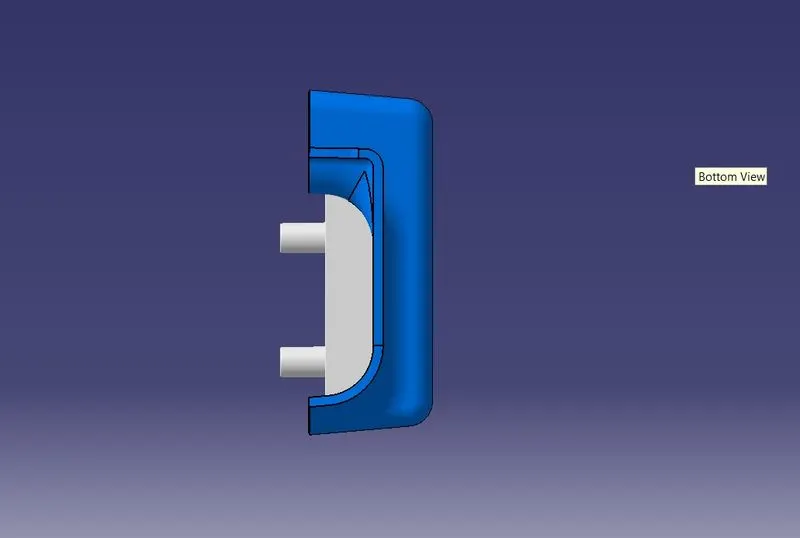
Week 9 - Attachment Feature Creation (Ribs & Screw Boss) - Challenge 1
Attachment Features Challenge - Ribs & Screw Boss
1. Introduction-: In this challenge we will be creating attachment features on solid part model with all the design intent & standards. Understanding the significance of the attachment features such as Ribs, Screw bosses.
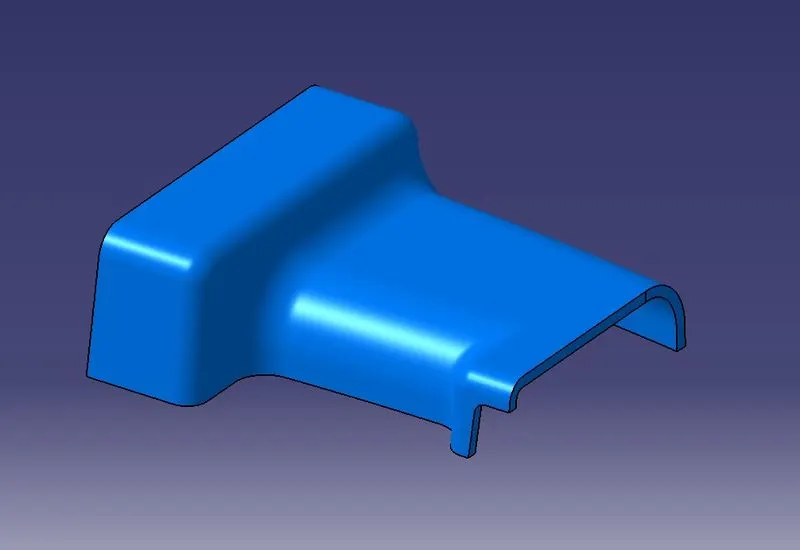
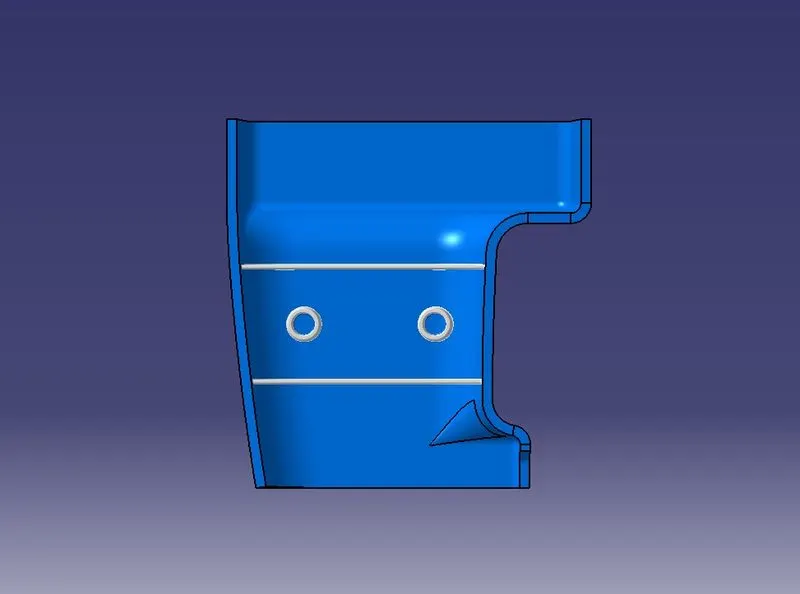
2. Ribs-: Ribs play the most valuable supporting role in many plastics applications. They generally serve two primary purposes in a plastic part – to add strength and function. They can also prevent aesthetic defects and non-fill risks.
Strength — Long, flat stretches of material in plastic parts can pose strength and structure issues. These areas tend to be weaker because they are unsupported. To add strength, changing your material to one that has higher strength properties may bring you closer to a solution. In the case that material change is not possible or does not alleviate the issue, rib structures can add localized strength to your part.
Function — Ribs can also add functionality to your part.This can simplify your design and reduces molding risk.
Warp — Long, flat stretches of material also pose higher risk for warping. To offset this, you might want to add material to these stretches to add structure. However, adding material creates risk for increased cycle time and sink. By adding ribs instead, you can add structure and strength while mitigating sink risks.
Sink — In sections that have thicker walls for strength, coring out and leaving structural ribs can have the same effect – maintaining structure and strength while mitigating sink risks.
Non-fill — In thin sections or high-pressure areas, ribs can act as flow leaders, relieving pressure and allowing plastic to flow.
Design Rules for Ribs creation-:
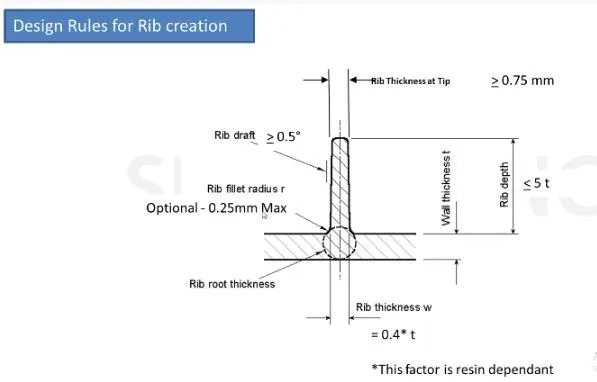
3. Screw Boss-: Boss features are commonly found in plastic component designs. They are used to aid in the assembly of molded parts by providing a channel for a screw. Designing plastic screw bosses is fairly straightforward but there are a few considerations to ensure a strong connection between parts and mitigate cosmetic defects.
To get started, you must first determine the hole size of the boss and the surrounding wall thickness. You will want a thick enough wall so that the screw can engage with the plastic without splitting the post.
General Guidelines for Bosses:
- Draft - 0.5 degrees on the walls of boss
- Thickness - Typically 40%* of the nominal wall at the base.
- Height to Diameter Ratio - 3:1
- Radii - 0.25mm maximum radii.
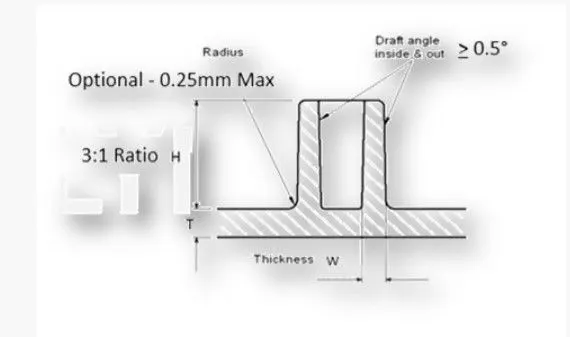
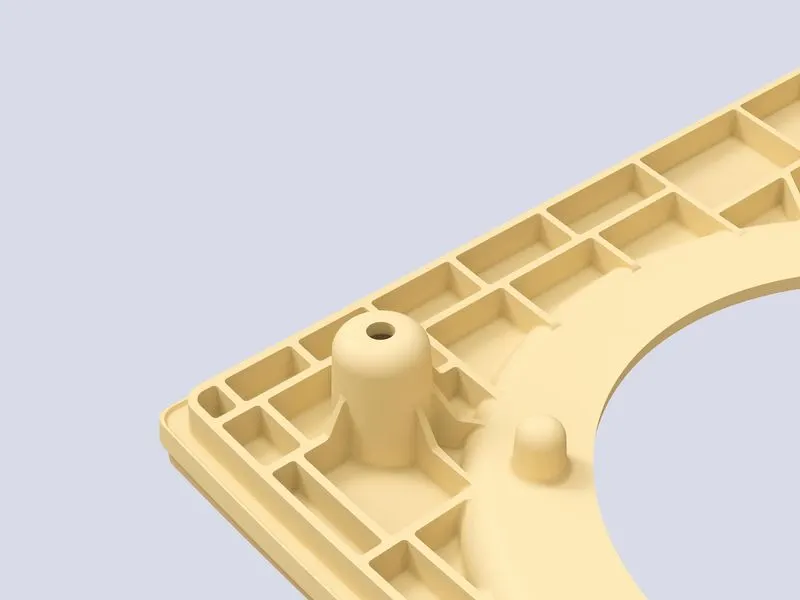
Ribs & Screw Boss in Plastic Component-:
4. Door Handle-:
a. Class-A-:
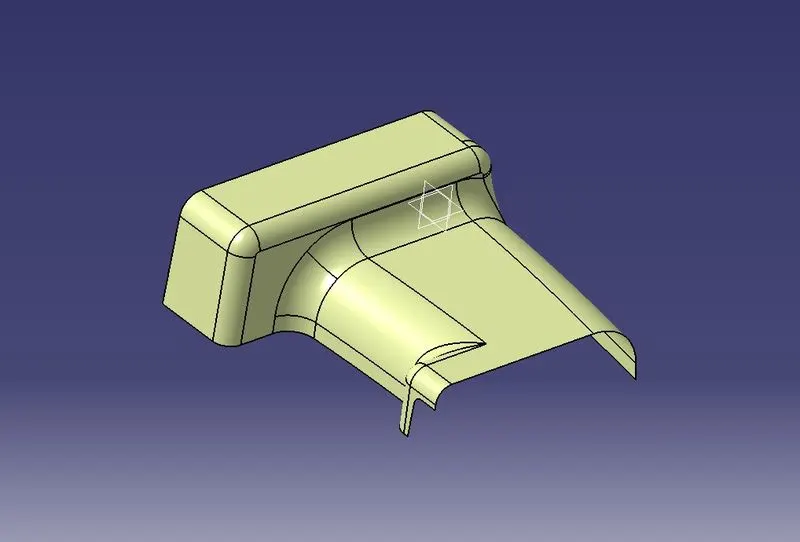
b. Tooling Axis-:
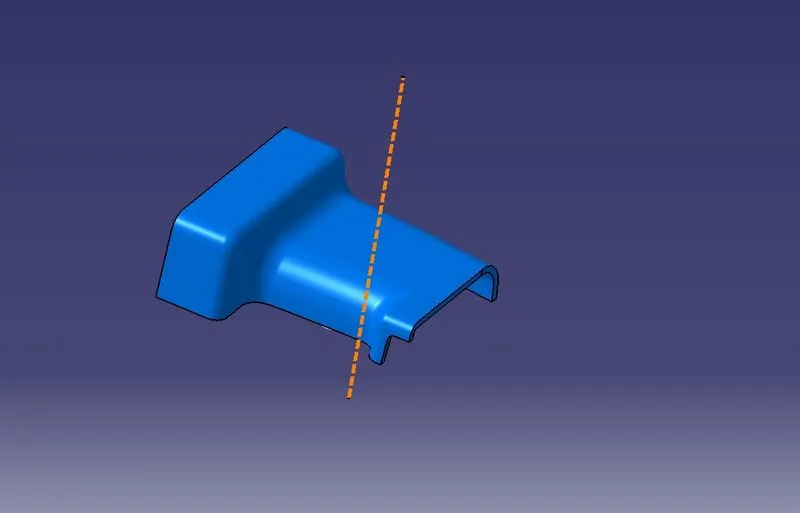
c. Class-B-:
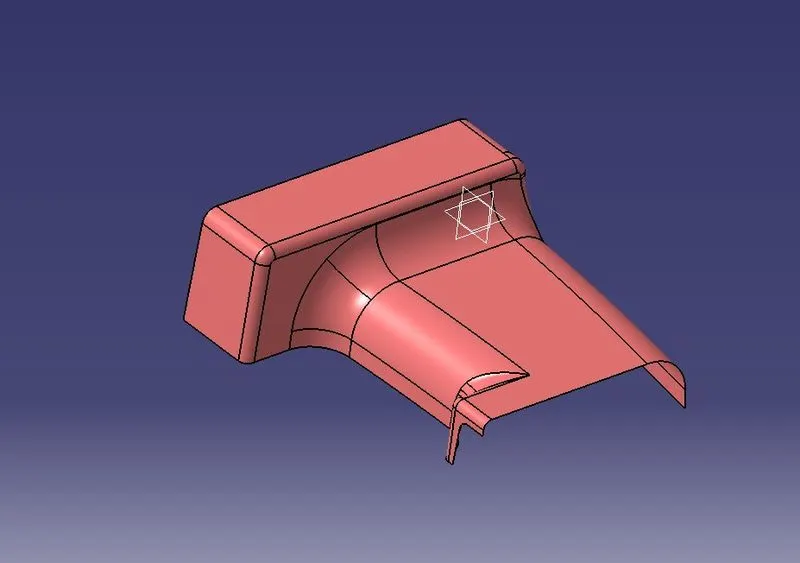
d. Class-C-:
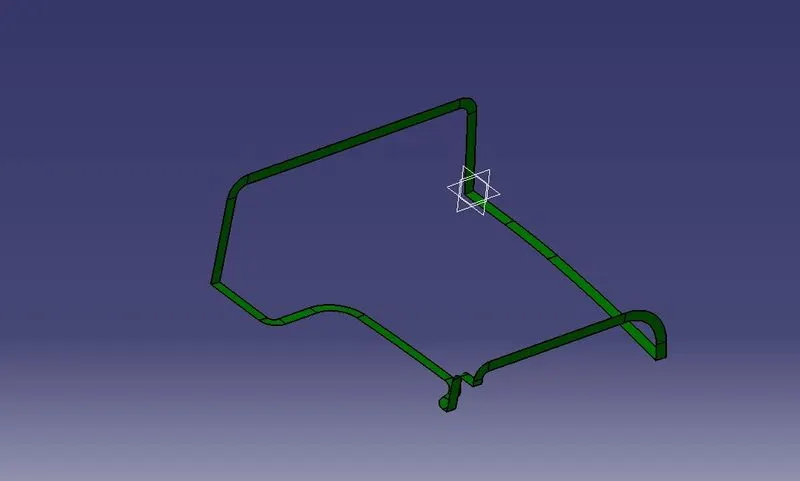
e. Part Body-:
f. Ribs-:
- Sketch-:
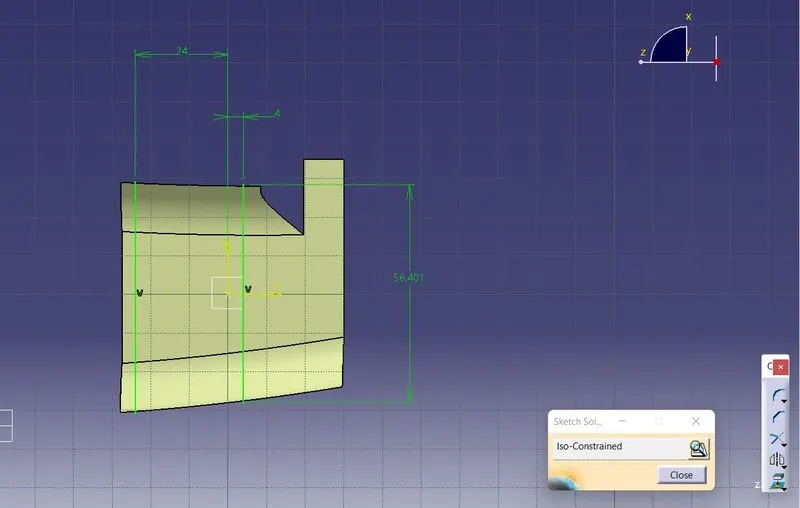
- Ribs-:
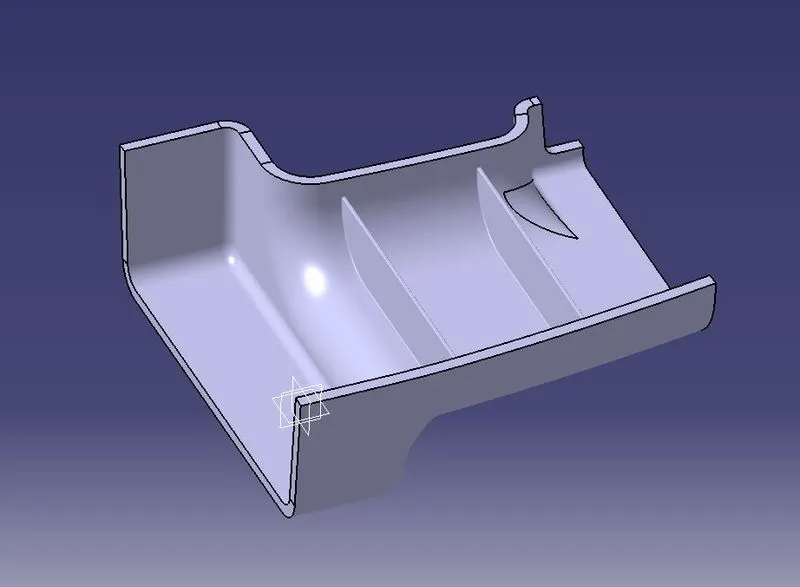
- Section View--:
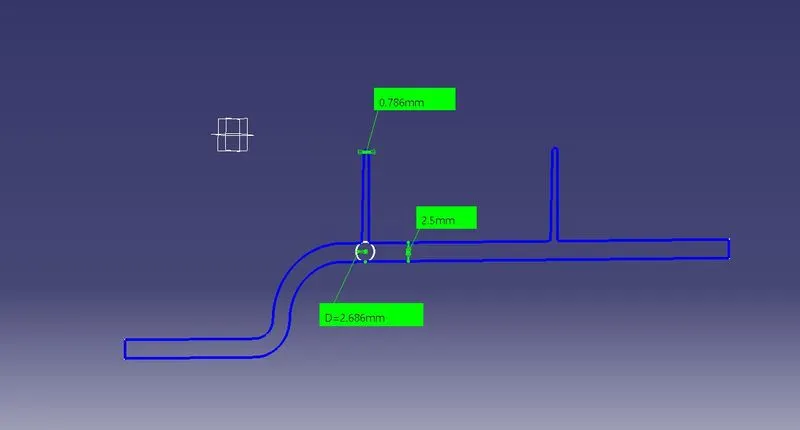
g. Screw Boss-:
- Sketch-:
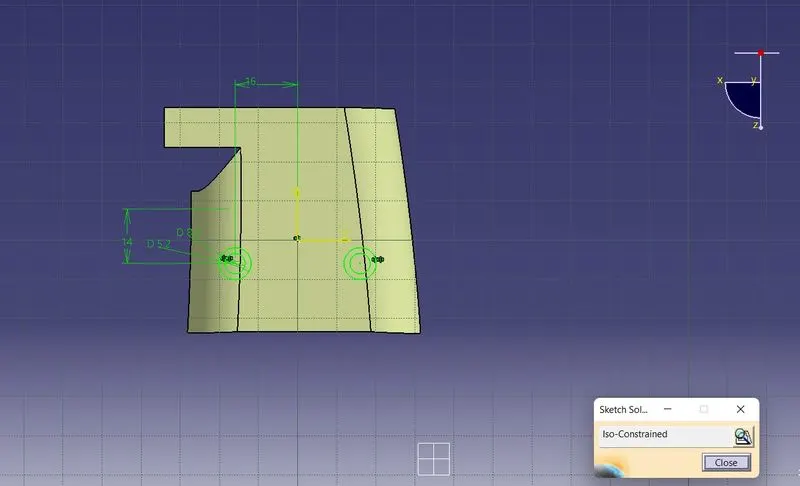
- Screw Boss-:
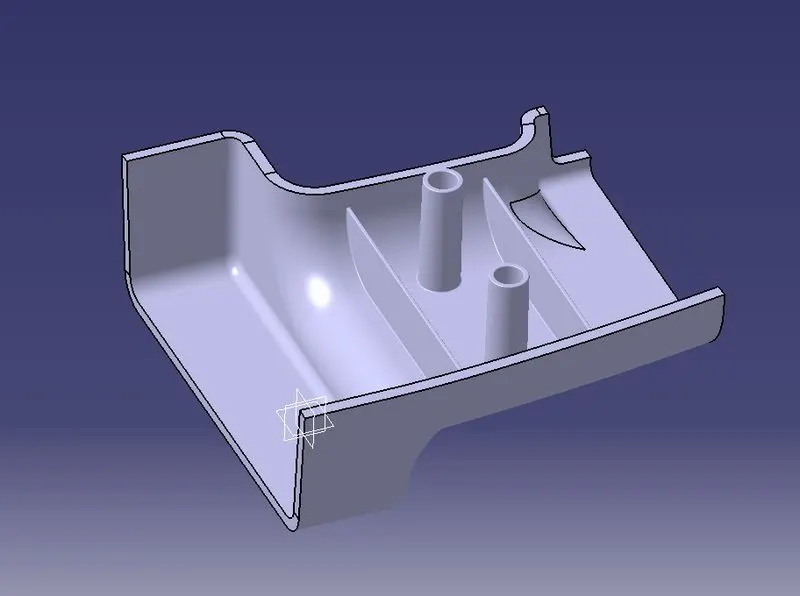
- Section View-:
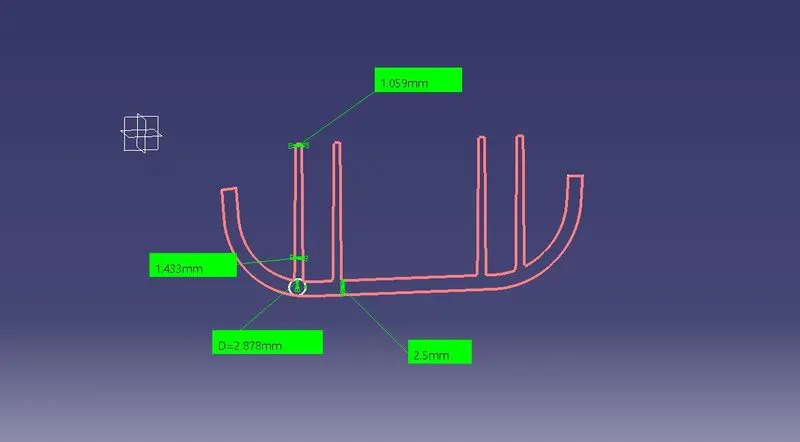
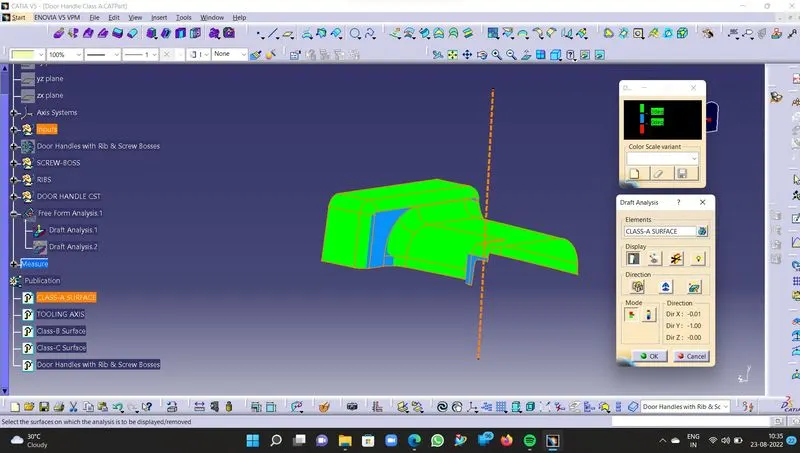
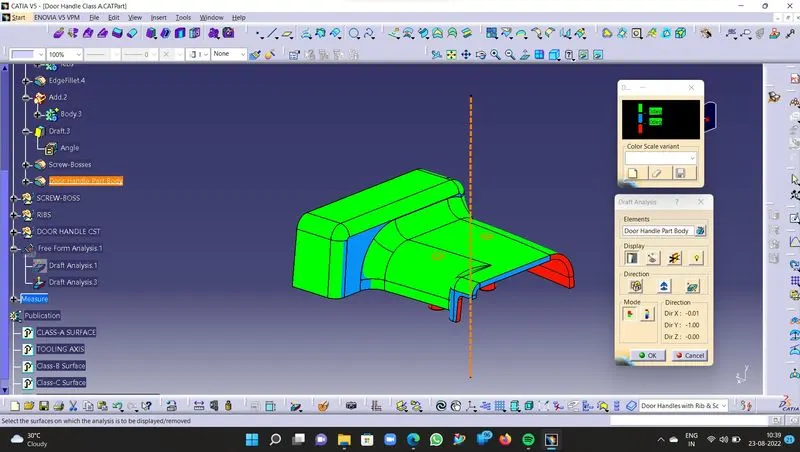
h. Draft Analysis-:
Class-A-:
Part Body-:
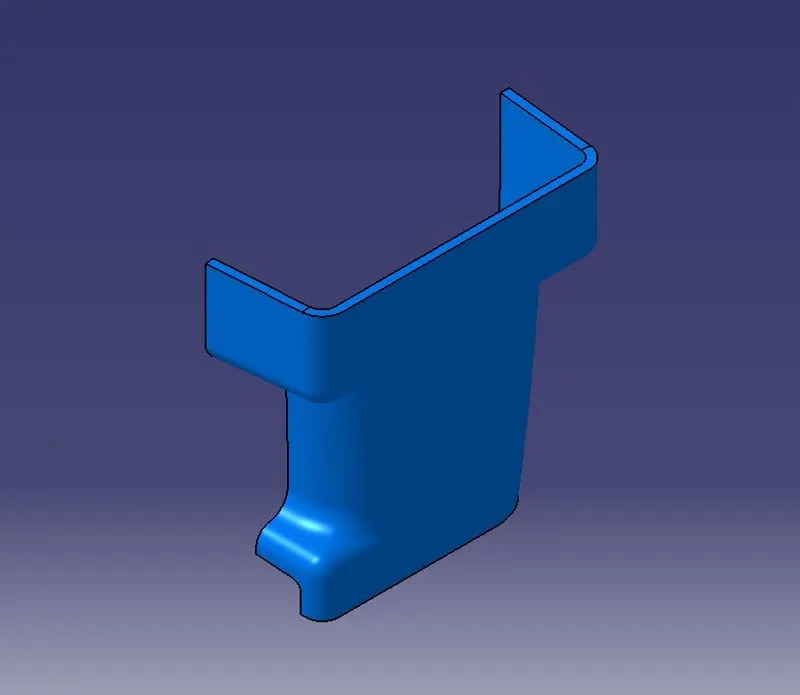
i. Door Handle Part Body views in different orientation-:
- Isometric View-:
- Front View-:
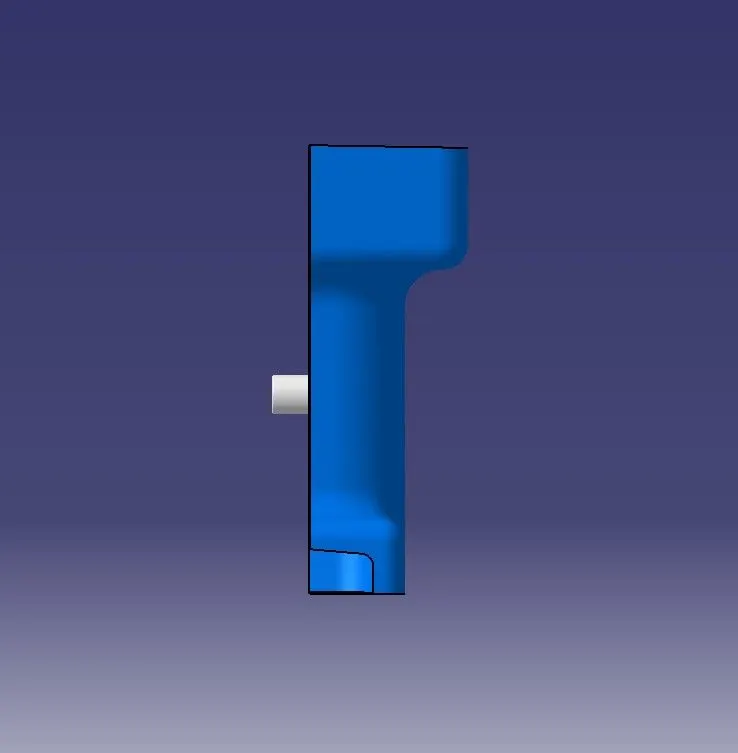
- Left View-:
- Right View-:
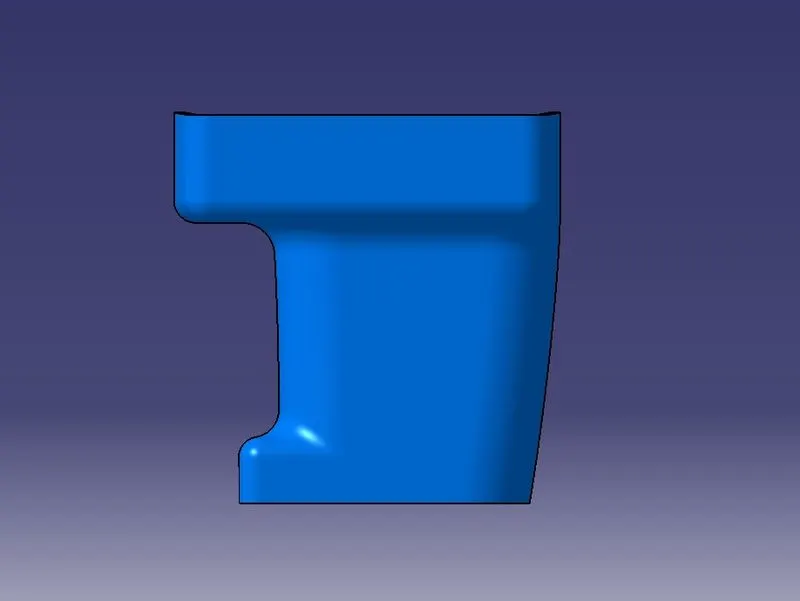
- Top View-:
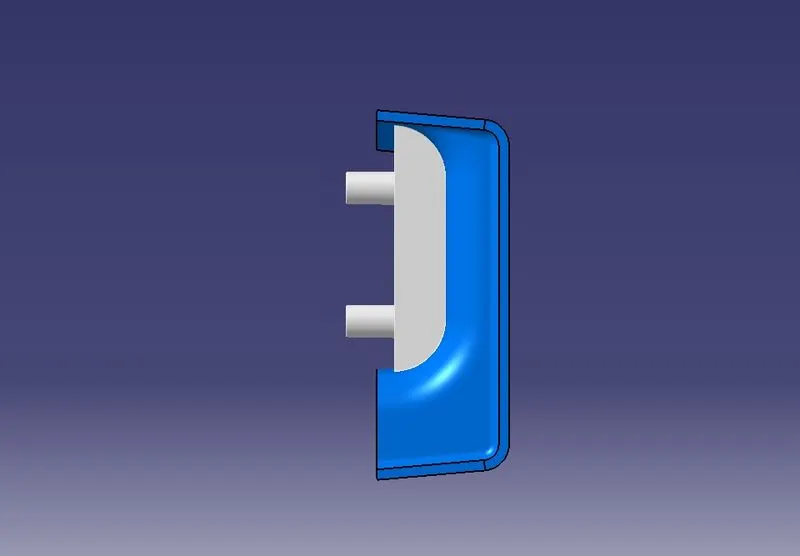
- Bottom View-: