Week 8 - Simulating Cyclone separator with Discrete Phase Modelling
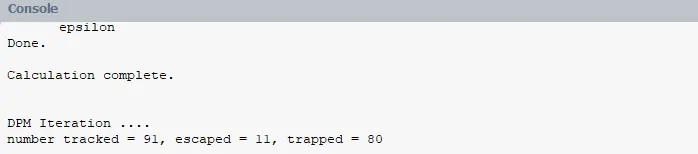
Aim:- To perform analysis on cyclone separator and calculate the separation efficiency and pressure drop.
Objective:-
- Explain any four empirical models used to calculate the cyclone separator efficiency.
- To perform an analysis on a given cyclone separator model for given cases
- Part-1 by varying the particle diameter from 1 μm to 5 μm and use both the velocity's as 3m/sec.
- Part-2 by varying the velocity from 1 m/sec to 5 m/sec and particle diameter size as 5 μm.
Theory:-
Cyclone separators are separation devices that use the principle of inertia to remove particulate matter from flue gases. Cyclone separators is one of many air pollution control devices known as precleaners since they generally remove larger pieces of particulate matter. This prevents finer filtration methods from having to deal with large, more abrasive particles later on.
The size of the cyclone depends largely on how much flue gas must be filtered, thus larger operations tend to need larger cyclones. For example, several different models of one cyclone type can exist, and the sizes can range from a relatively small 1.2-1.5 meters tall to around 9 meters which is about as tall as a three story building.
Working Principle
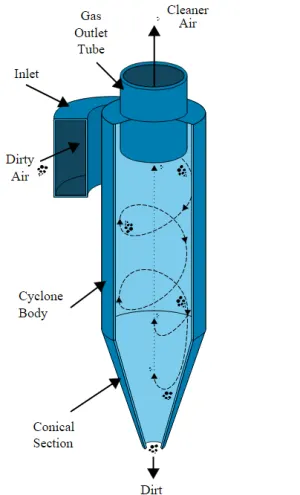
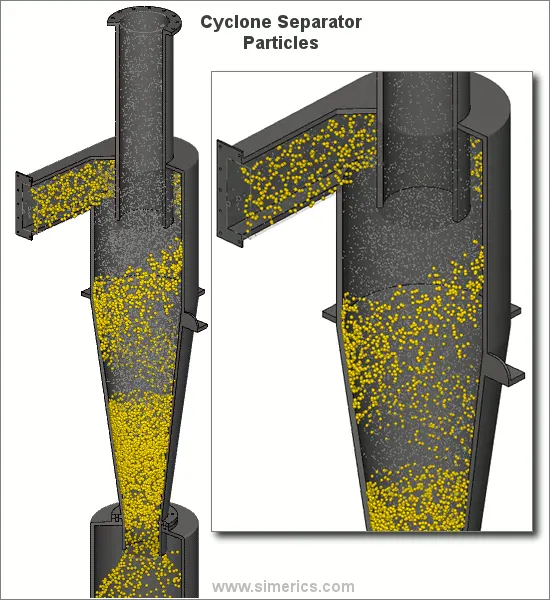
Cyclone separators work much like a centrifuge, but with a continuous feed of dirty air. In a cyclone separator, dirty flue gas is fed into a chamber. The inside of the chamber creates a spiral vortex, similar to a tornado. The lighter components of this gas have less inertia, so it is easier for them to be influenced by the vortex and travel up it. Contrarily, larger components of particulate matter have more inertia and are not as easily influenced by the vortex.
Since these larger particles have difficulty following the high-speed spiral motion of the gas and the vortex, the particles hit the inside walls of the container and drop down into a collection hopper. These chambers are shaped like an upside-down cone to promote the collection of these particles at the bottom of the container. The cleaned flue gas escapes out the top of the chamber. Most cyclones are built to control and remove particulate matter that is larger than 10 micrometers in diameter. However, there do exist high efficiency cyclones that are designed to be effective on particles as small as 2.5 micrometers. As well, these separators are not effective on extremely large particulate matter. For particulates around 200 micrometers in size, gravity settling chambers or momentum separators are a better option.
Empirical Model for Cyclone efficiency
Iozia and Leith model
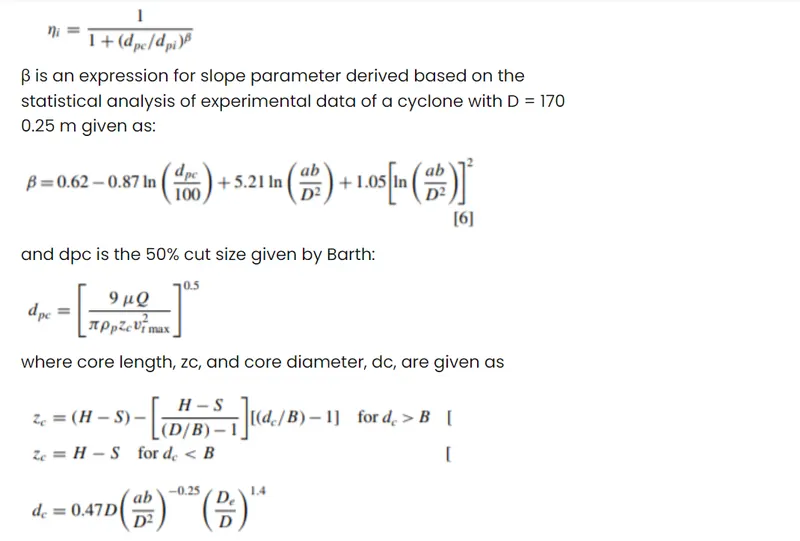
Iozia and Leith (1990) developed an improved method to predict cyclone aerodynamic cut diameter. Aerodynamic cut diameter is the particle size collected with 50% efficiency.
Li and Wang model
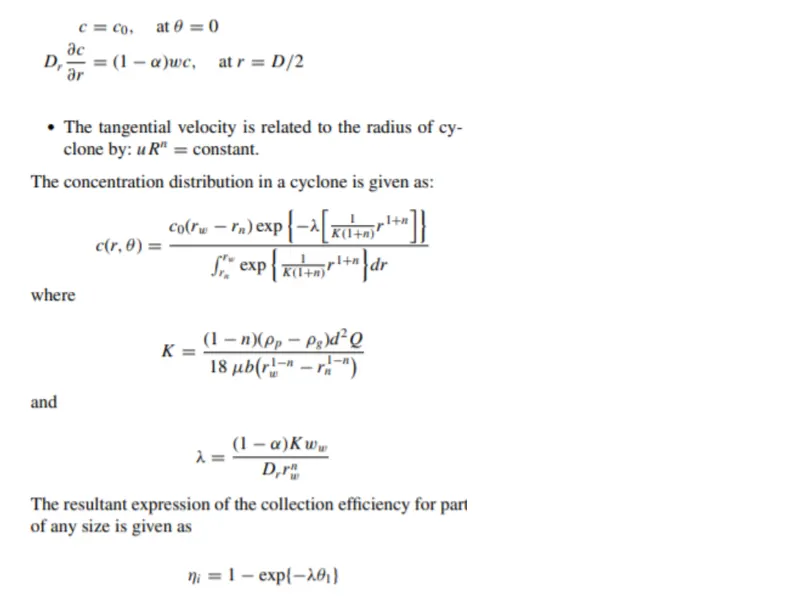
Koch and Licht model
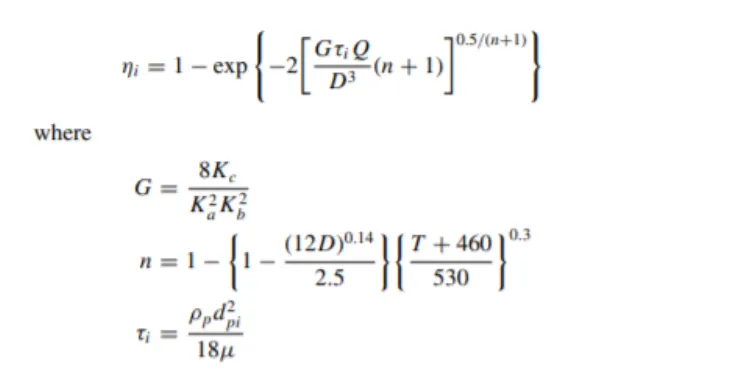
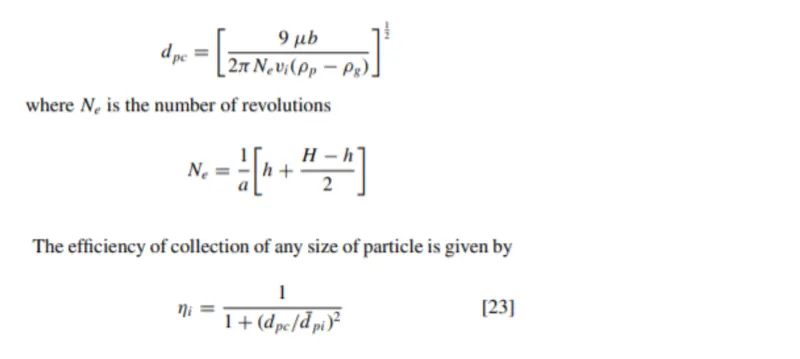
Lapple model
Numerical Setup:-
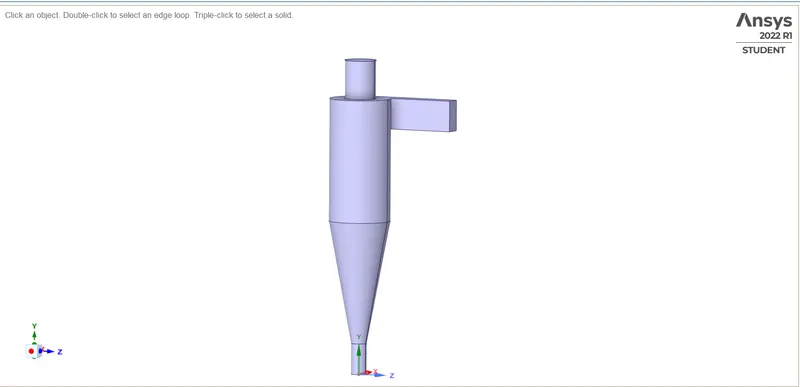
Geometry setup
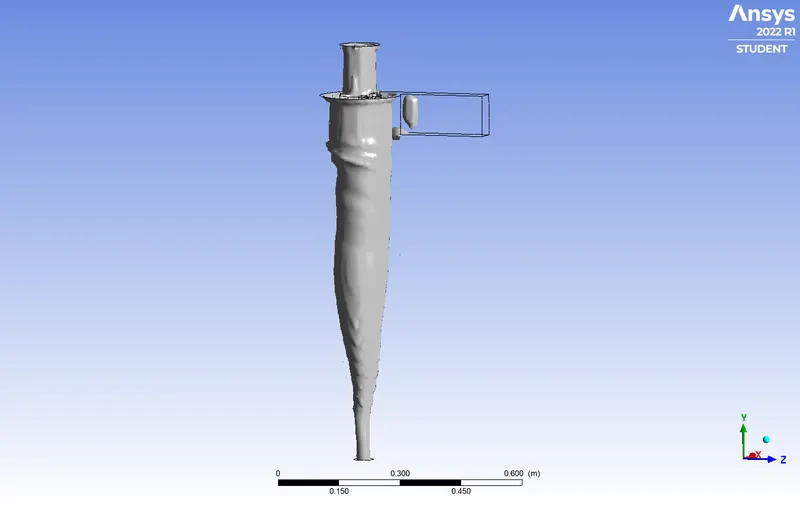
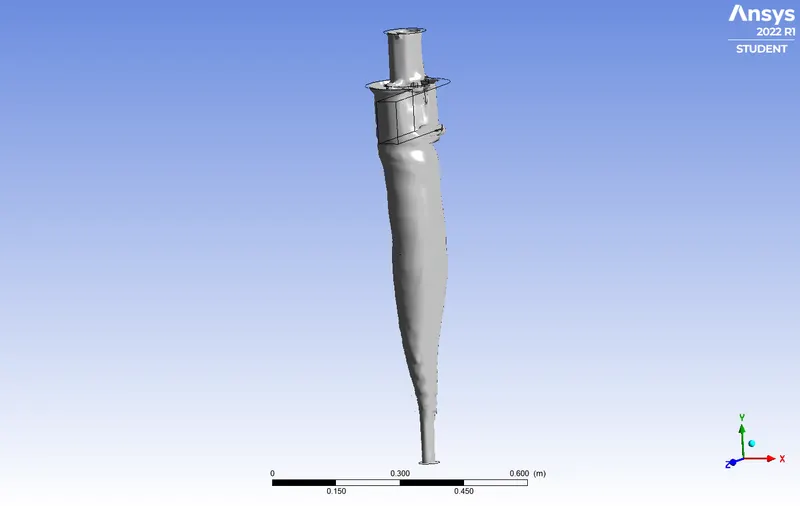
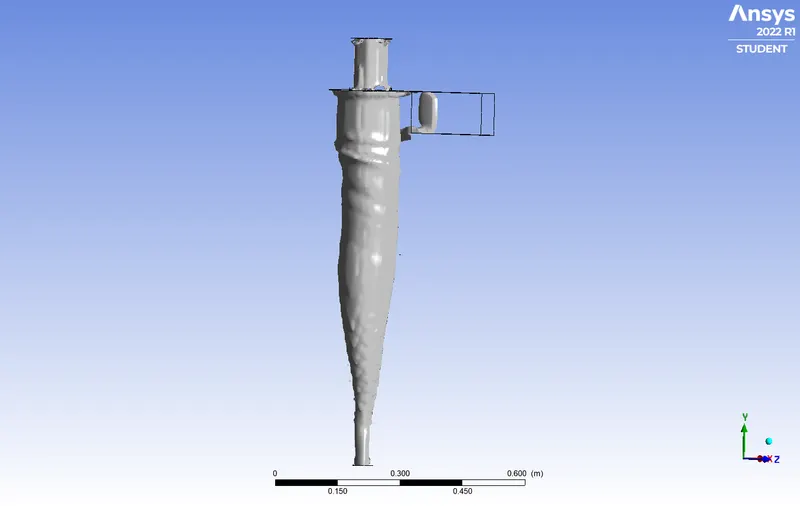
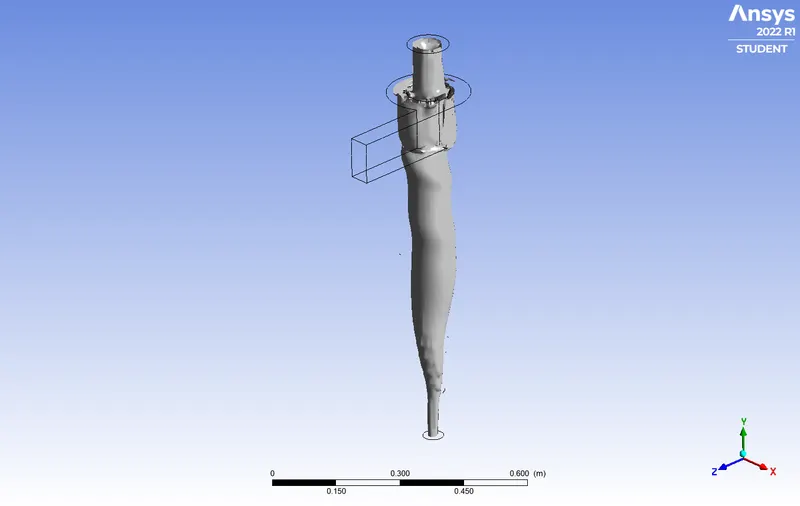
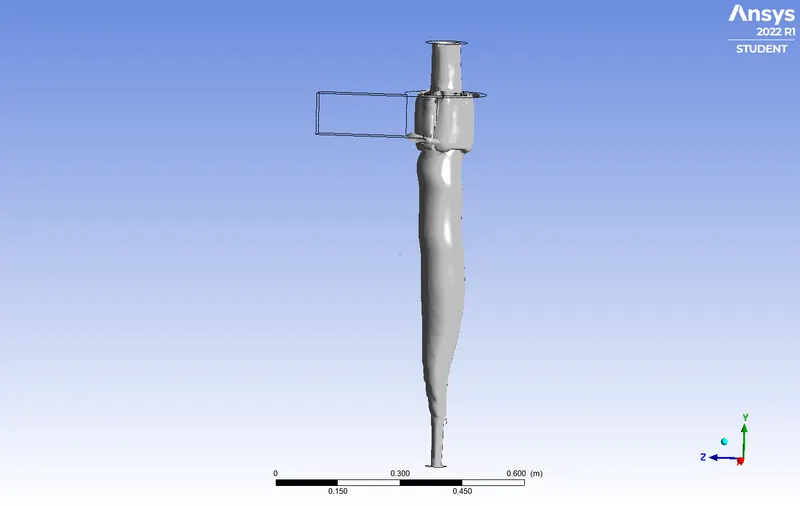
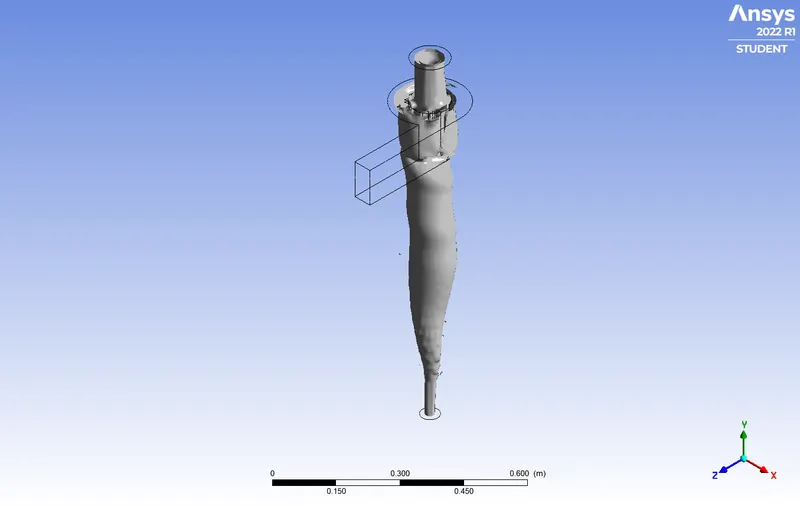
Import geometry in the Spaceclaim and extract the volume.
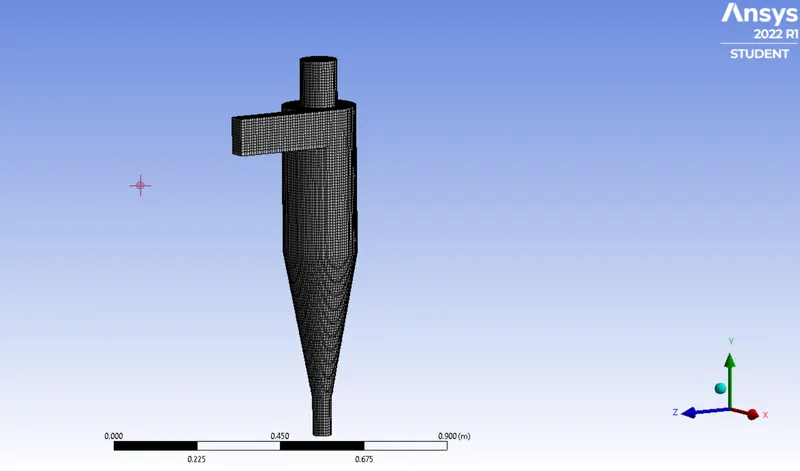
Meshing : In method select cartesian to generate mesh and give element size of 10 mm.
Setup physics
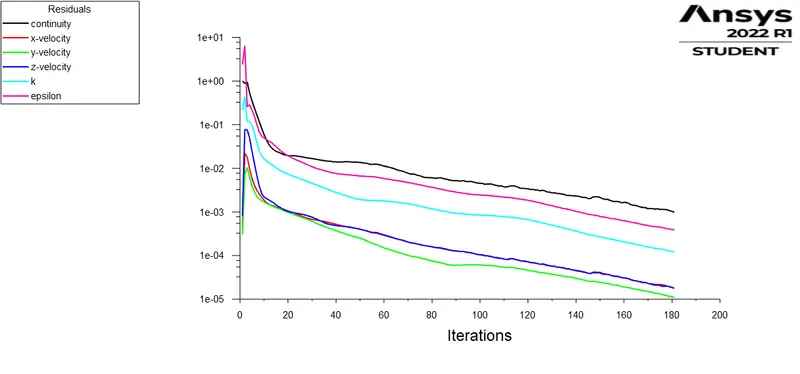
- Pressure based steady state solver with gravity on.
- k-epsilon, RNG, Swirl dominated flow
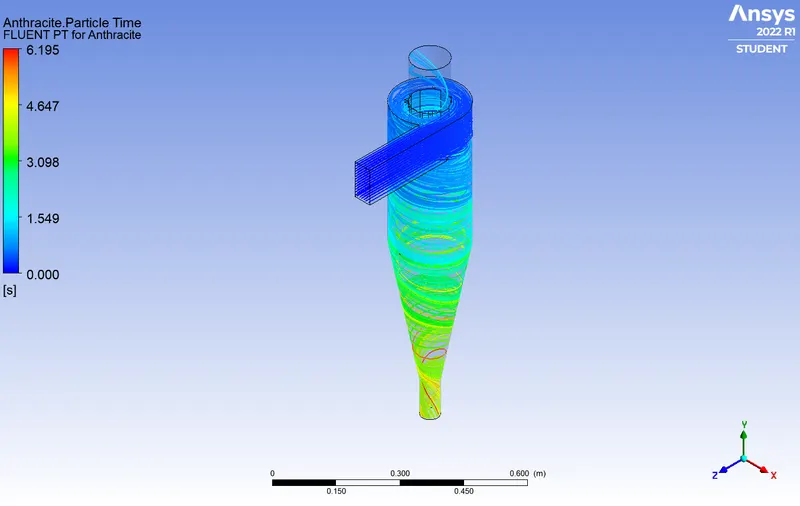
- Discrete Phase Model is chosen following way
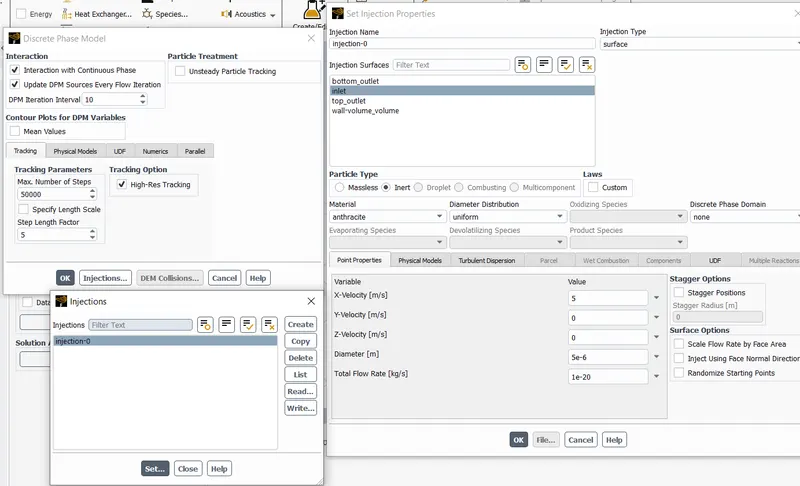
Boundary Conditions:-
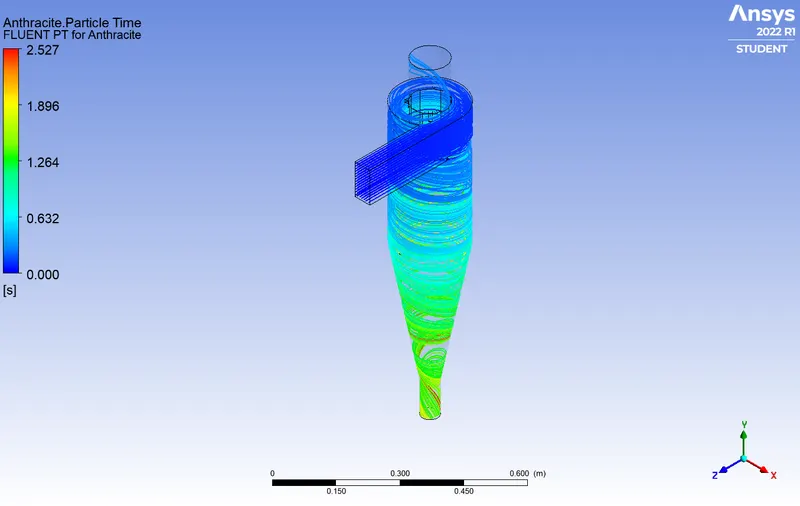
Inlet and wall:- Reflect
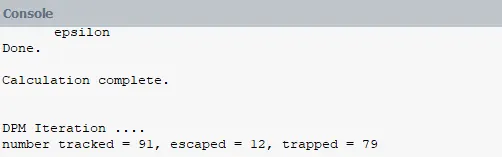
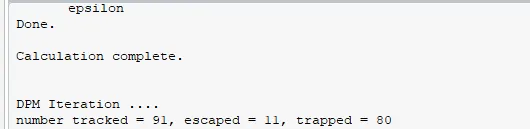
Outlet(Top):- Escape
Outlet(Bottom/dustbin) - Trap
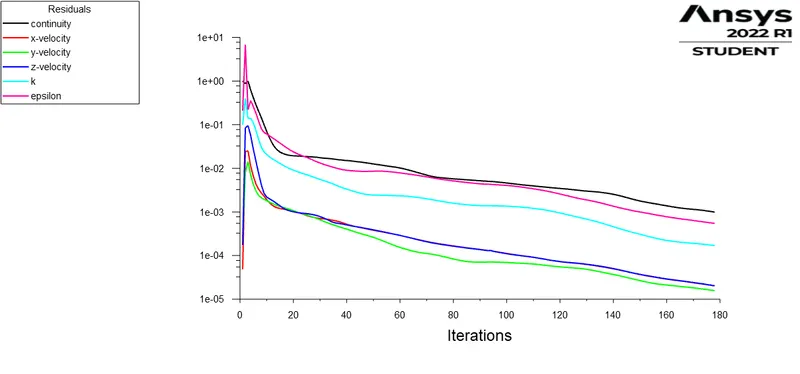

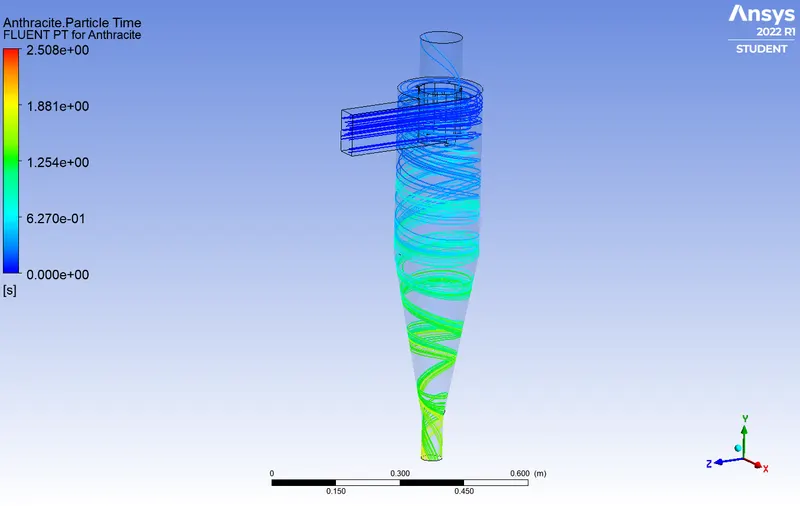
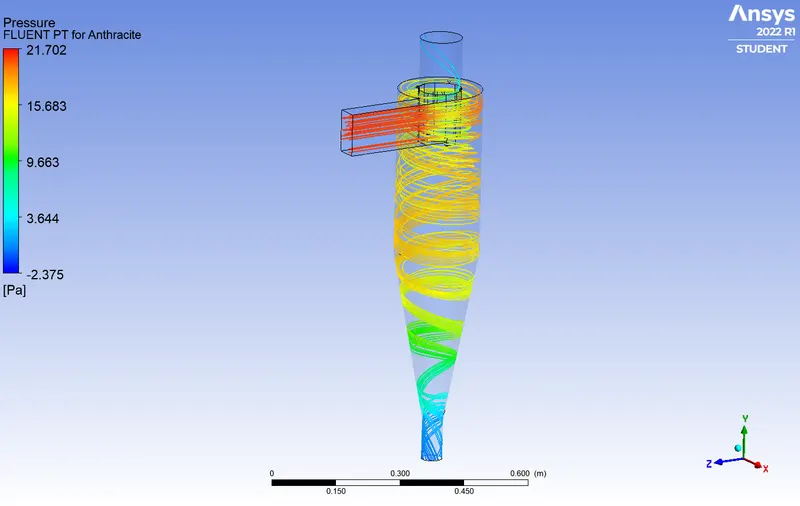
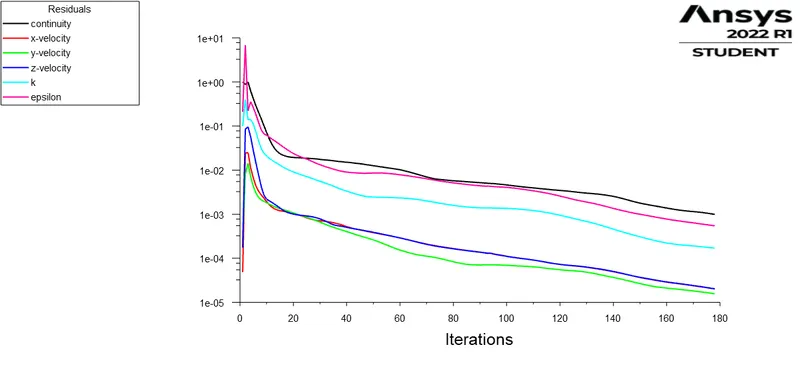

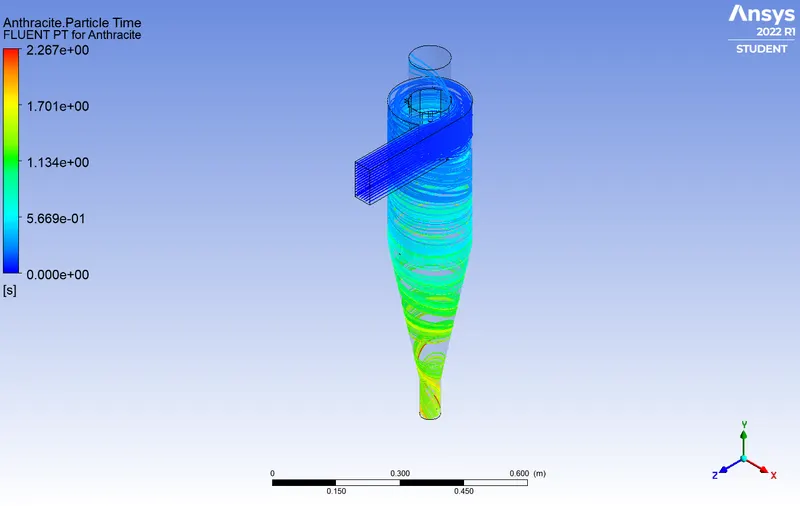
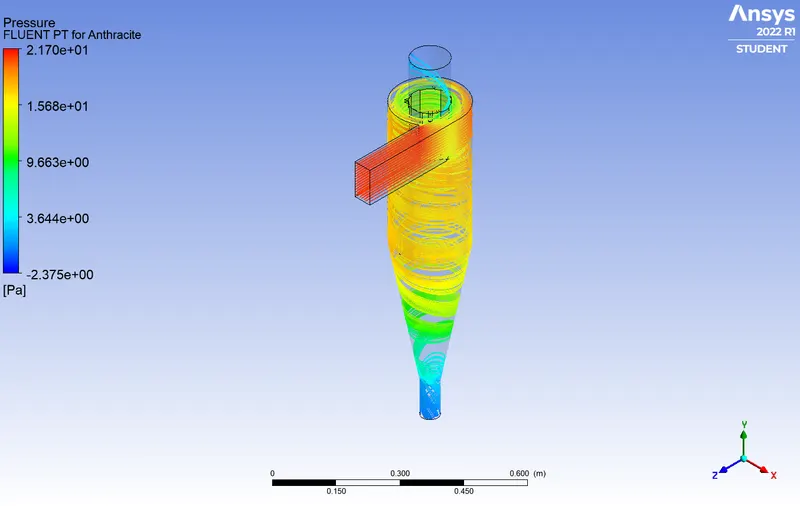
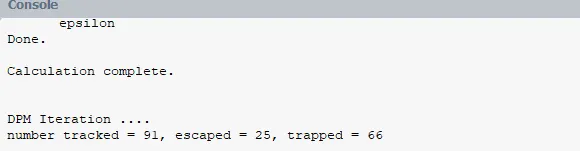
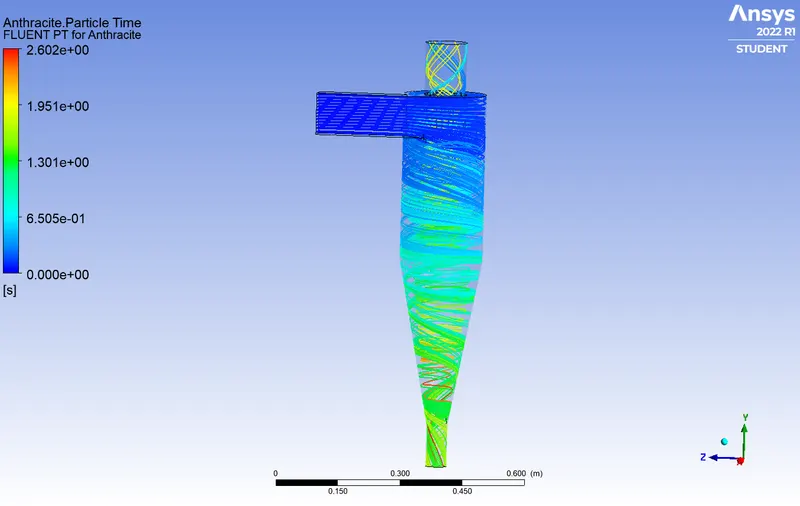
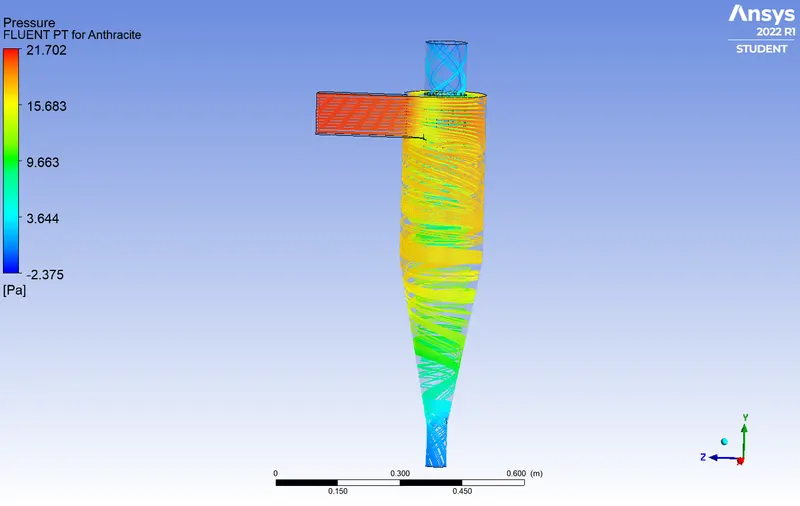
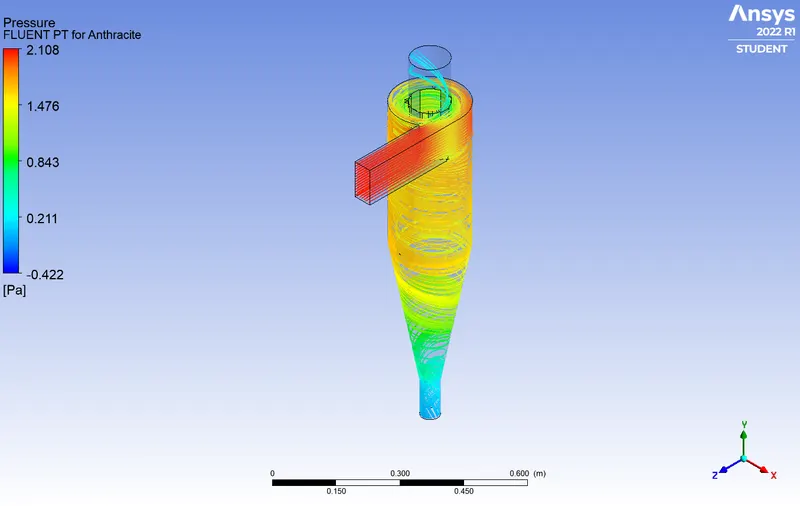
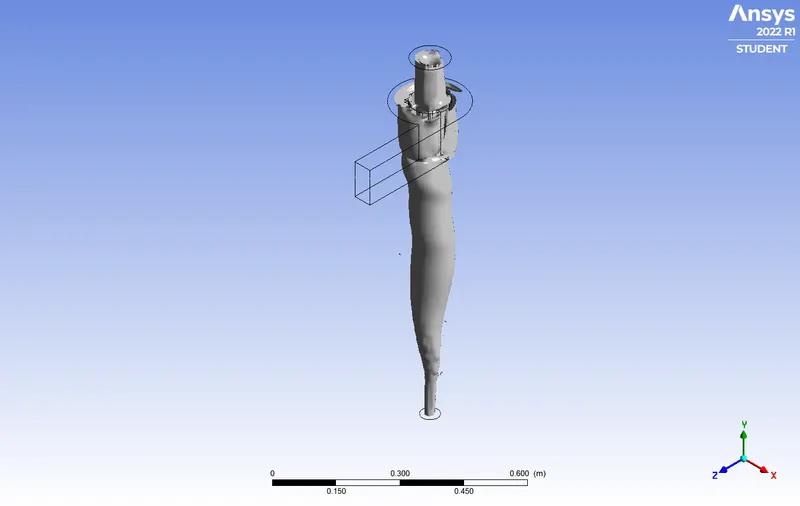
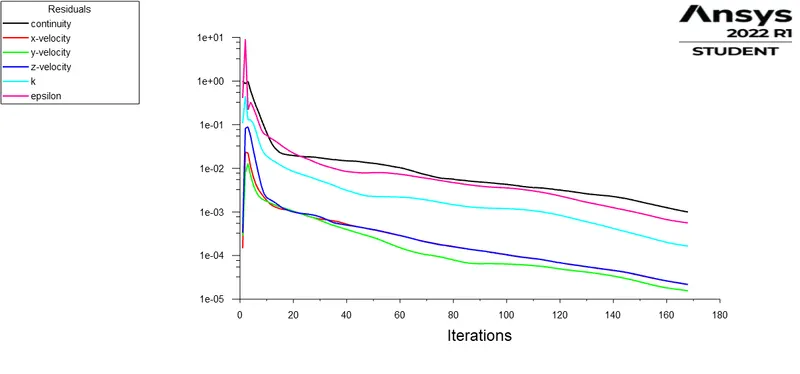
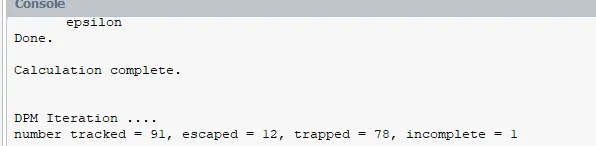
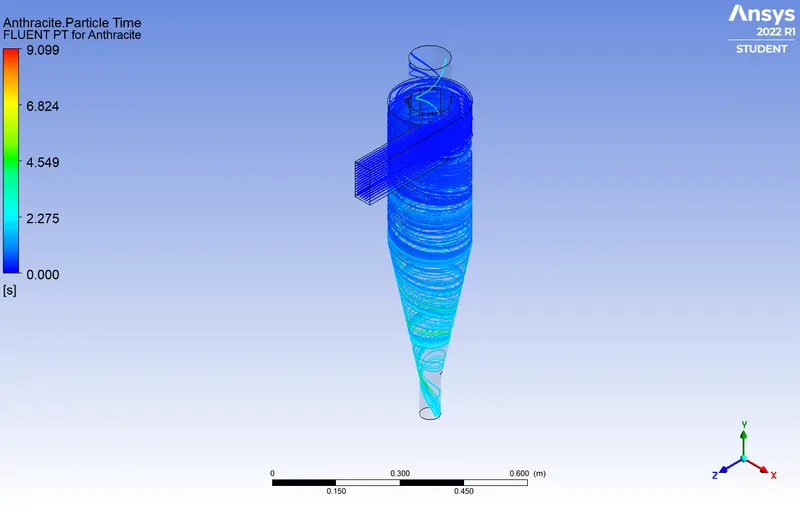
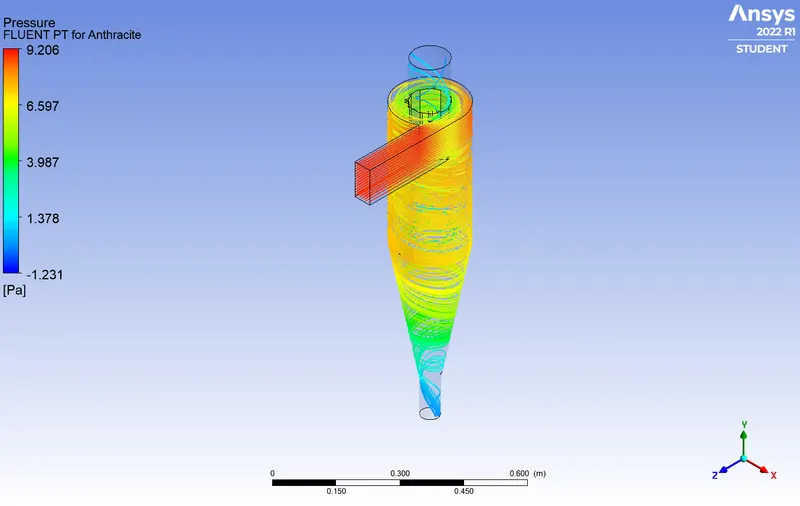
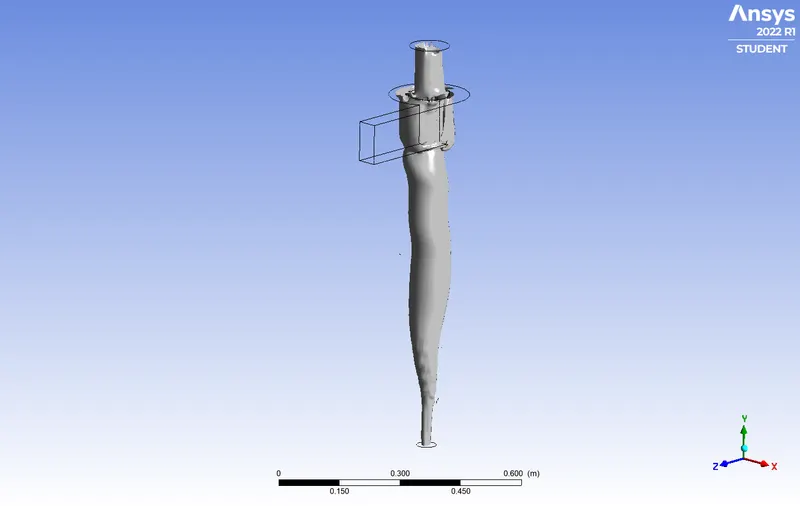
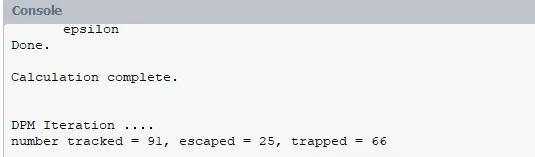
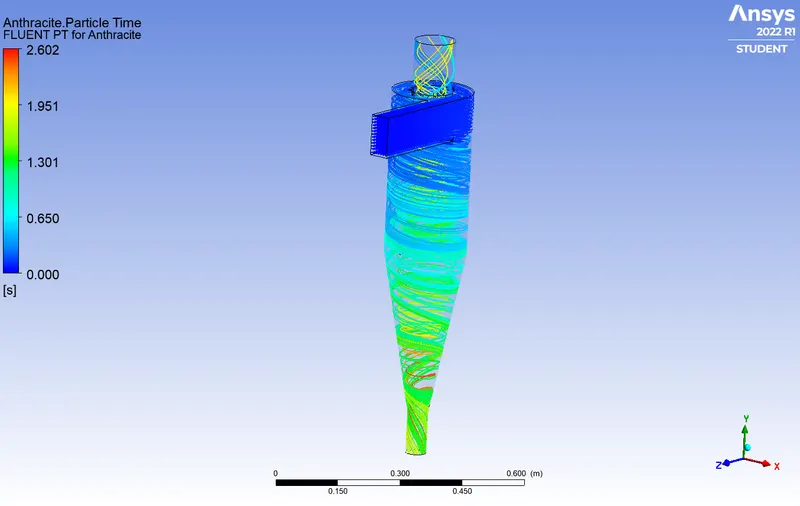
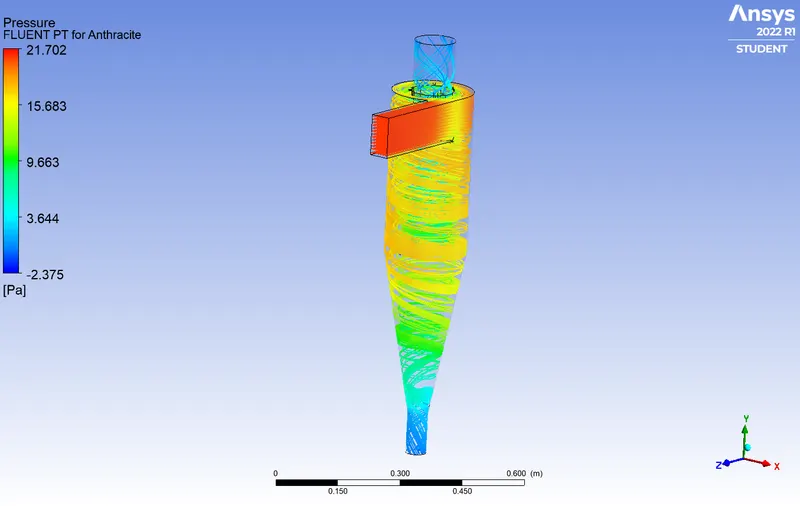
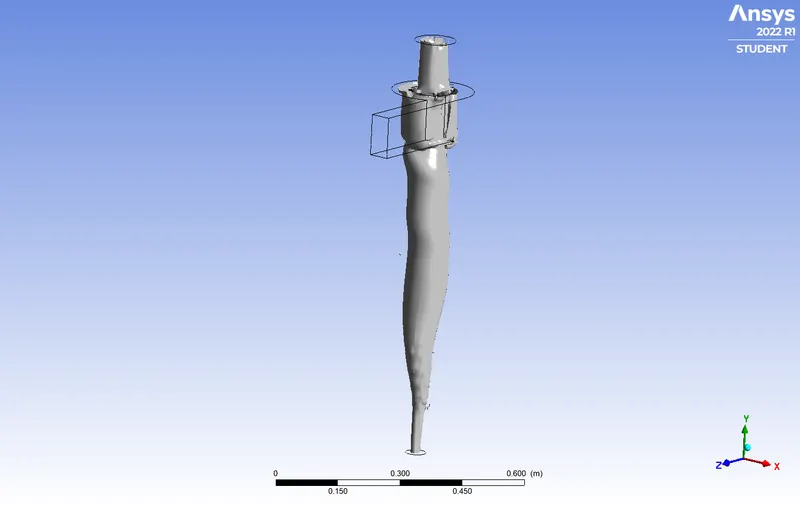
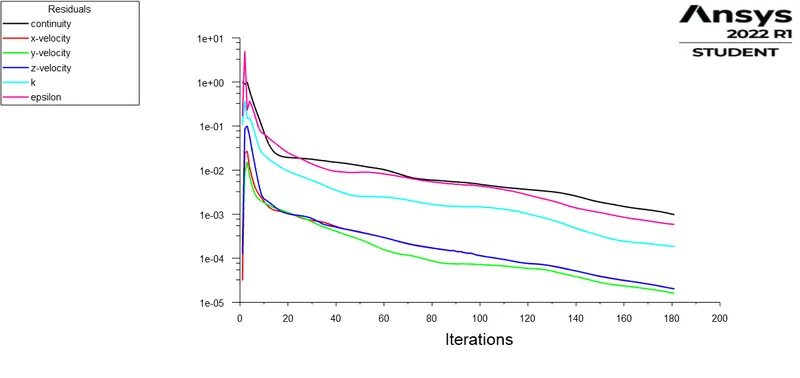
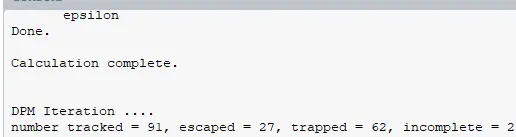
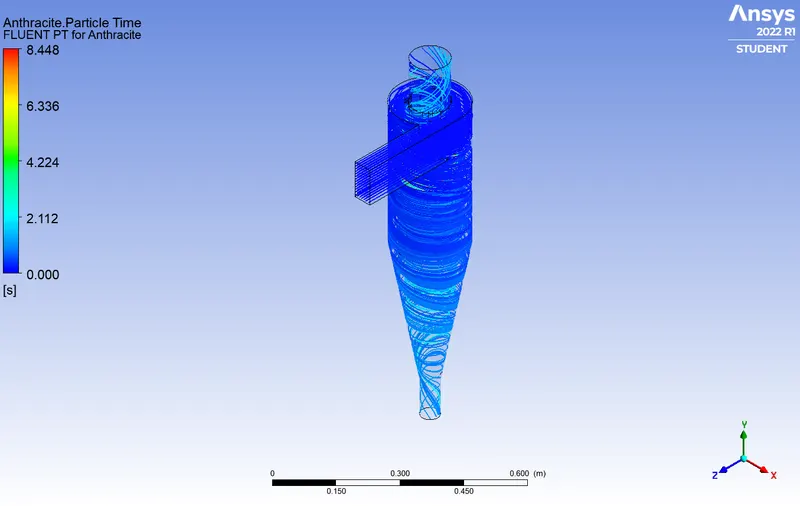
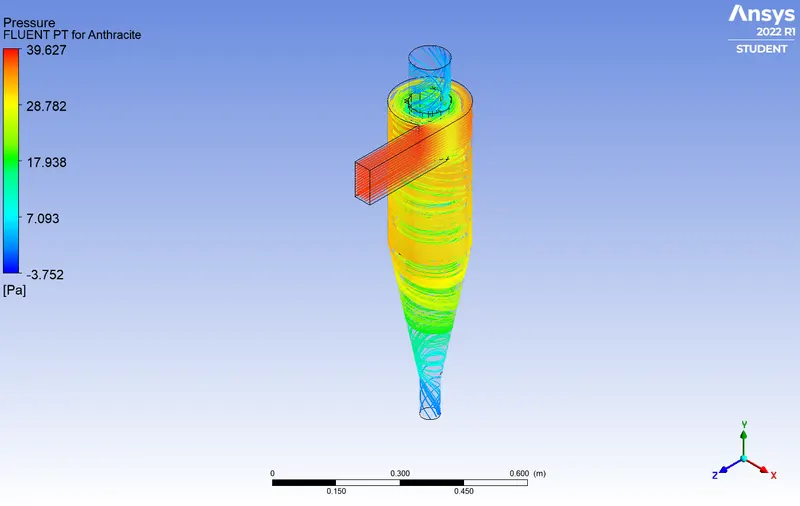
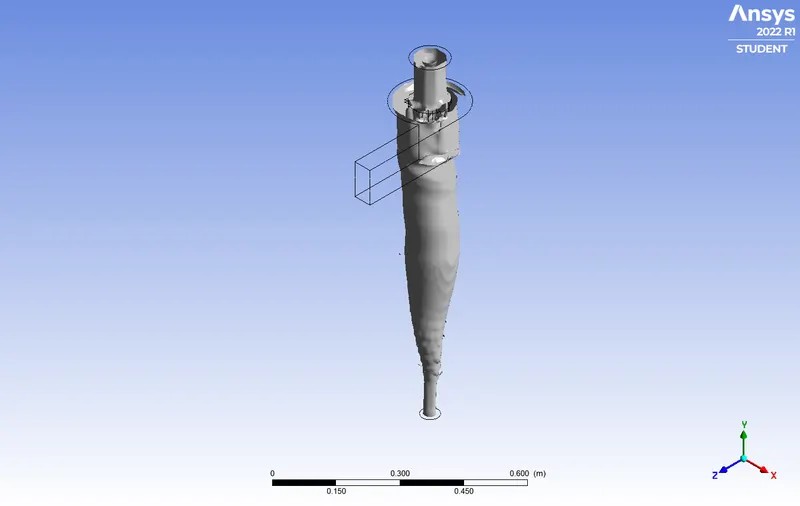
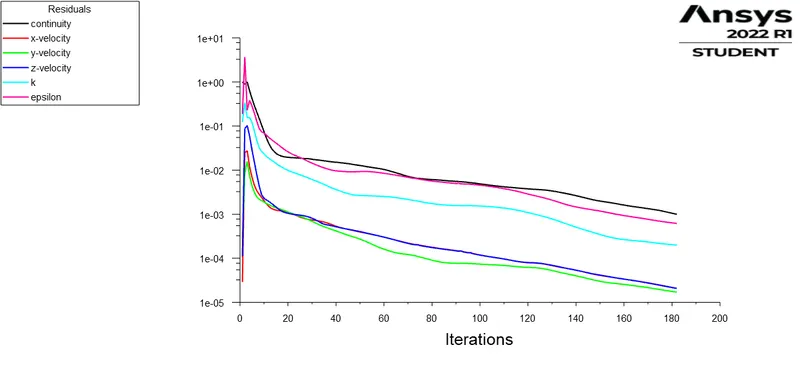
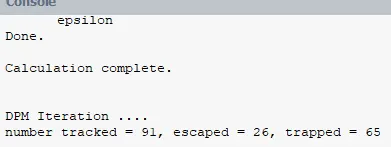
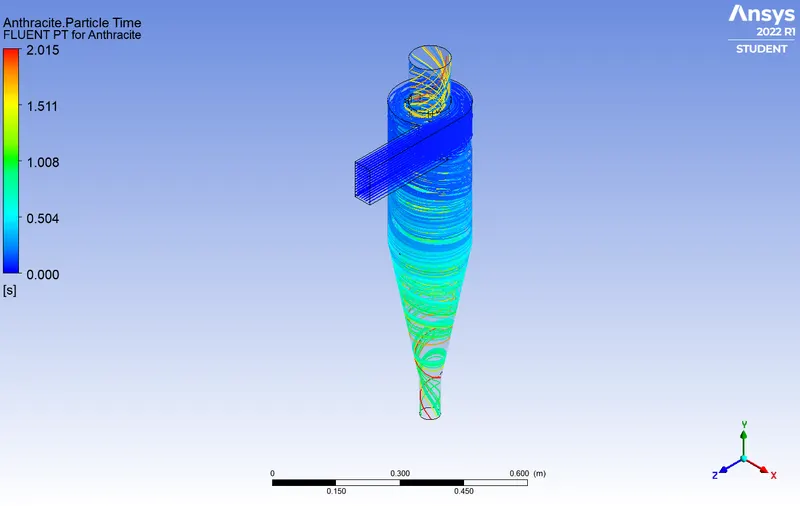
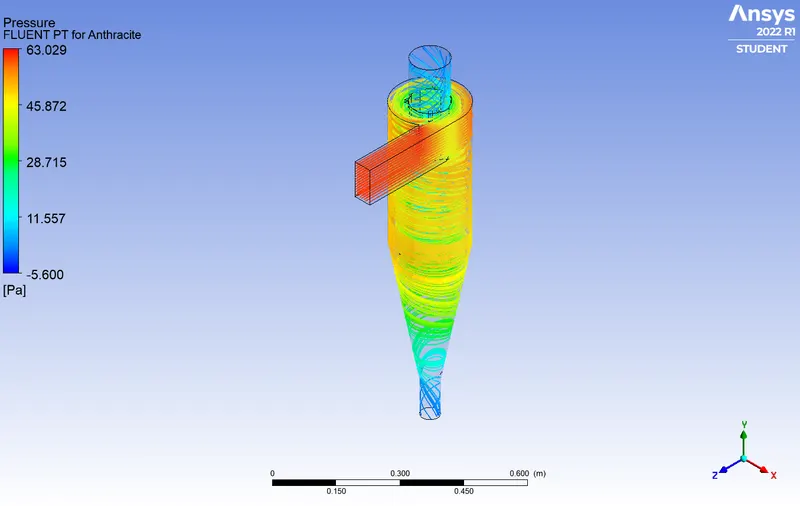
- Results can be improved with finer mesh.
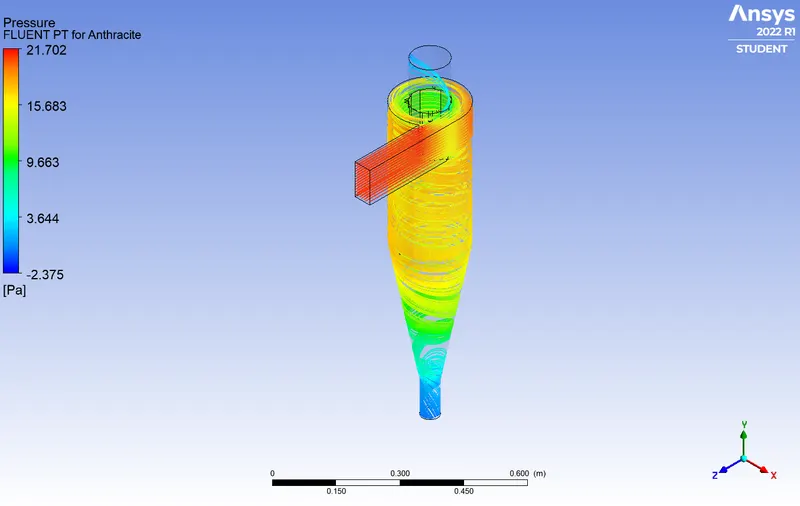
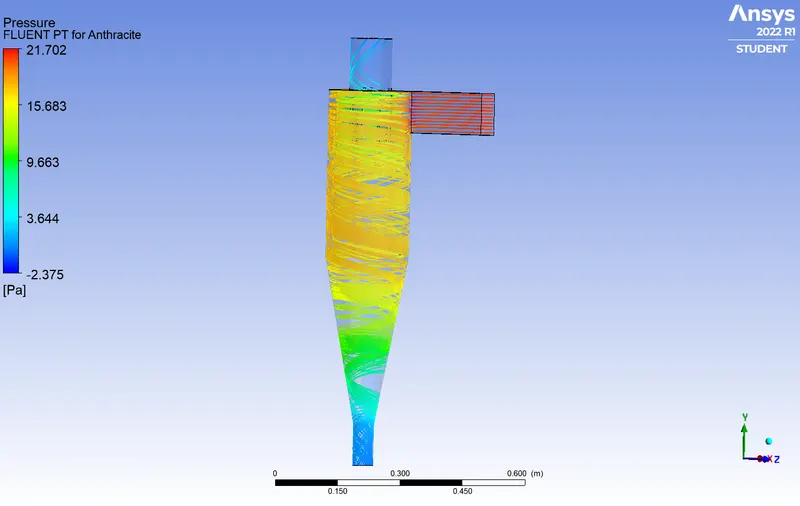
- As the velocity is increased the pressure drop also increased.
- Pressure only depends on particle velocity not on it size.
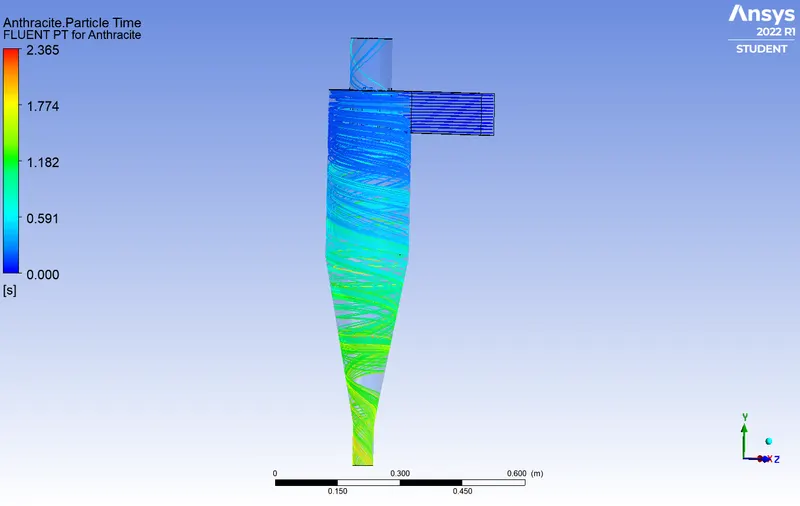
- Maximum number of steps in tracking parameter need to increase if the particle size reduces. Ideally with decrease in particle size the separation efficiency should decrease.