Week 8 - Simulating Cyclone separator with Discrete Phase Modelling
Emprical models to calculate Cyclone Separator Efficiency
IOZIAAND LEITH MODEL
Iozia and Leith (1990) logistic model is a modified version of Barth (1956) model which is developed based on force balance. The model assumes that a particle carried by the vortex endures the influence of two forces: a centrifugal force and a flow resistance
LI AND WANG MODEL
The Li and Wang (1989) model includes particle bounce or re-entrainment and turbulent diffusion at the cyclone wall. A two-dimensional analytical expression of particle distribution in the cyclone is obtained
KOCH AND LICHTMODEL
Koch and Licht (1977) collection theory recognized the inherently turbulent nature of cyclones and the distribution of gas residence times within the cyclone. Koch and Licht describe particle motion in the entry and collection regions with the additional following assumptions:
The tangential velocity of a particle is equal to the tangential velocity of the gas flow, i.e., there is no slip in the tangential direction between the particle and the gas.
The tangential velocity is related to the radius of cyclone by: = constant.
LAPPLE MODEL
Lapple (1951) model was developed based on force balance without considering the flow resistance. Lapple assumed that a particle entering the cyclone is evenly distributed across the inlet opening. The particle that travels from inlet half width to the wall in the cyclone is collected with 50% efficiency.
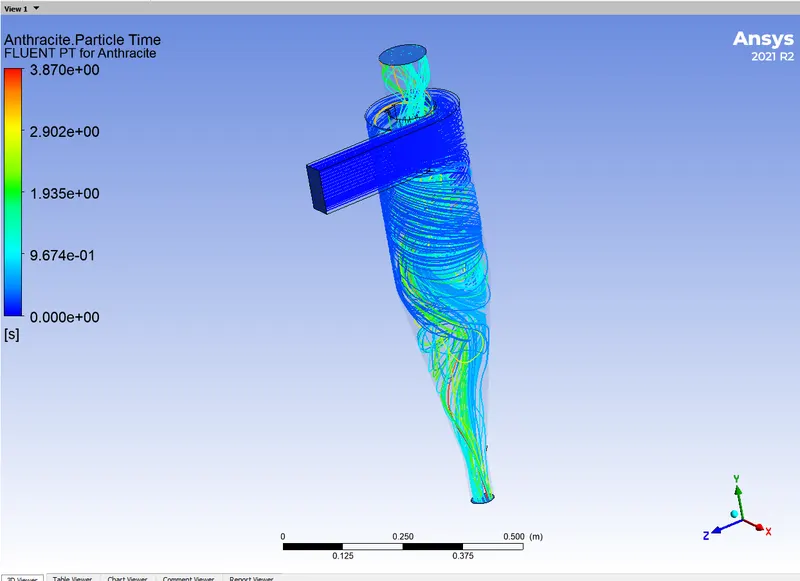
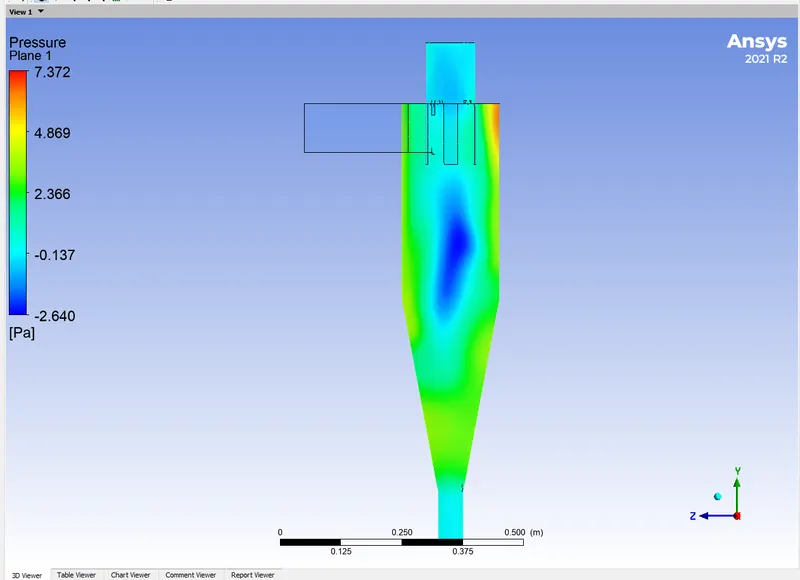
Part 1 - 5 micron - 3 m/s

Cyclone Separator Efficiency = 51.64 %
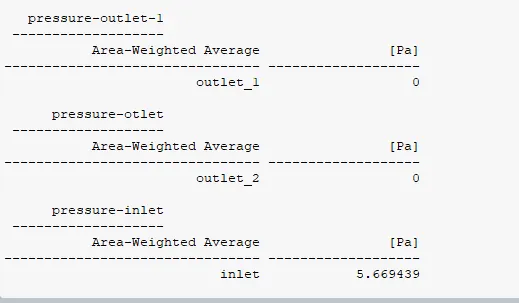
Pressure Drop = 5.669439 Pa
Part 2 - 5 micron - 1m/s

Cyclone separator Efficiency = 25.27 %
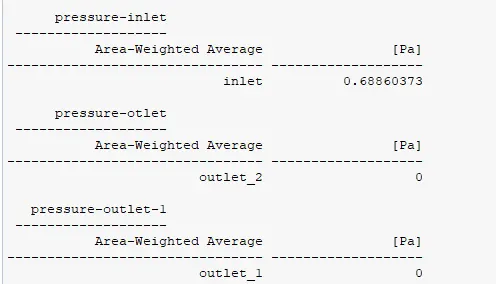
Pressure Drop = 0.6886 Pa
Part 3 - 5 micron - 2m/s

Cyclone separator Efficiency = 28.57 %
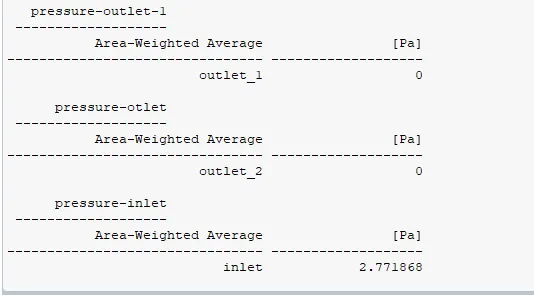
Pressure Drop - 2.77 Pa
Part 4 - 5 Micron - 4 m/s

Cyclone eparator Efficiency = 40.65 %
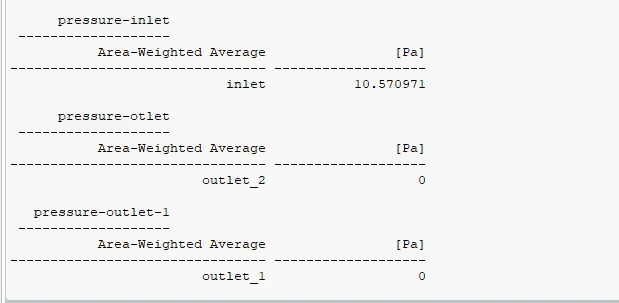
Pressure DRop = 10 .57 Pa
Part 5 - 5 micron - 5 m/s

Cyclone eparator Efficiency = 32.96 %
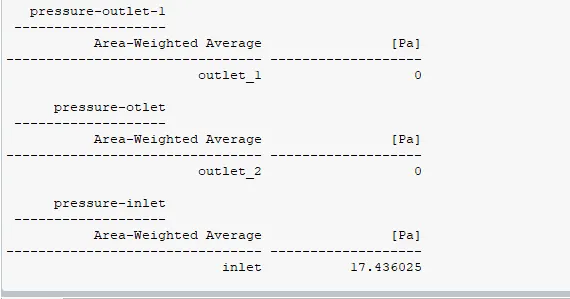
Pressure DRop = 17 .43 Pa
Part 6 - 4 micron - 3 m/s

Cyclone separator efficiency = 49.45 %
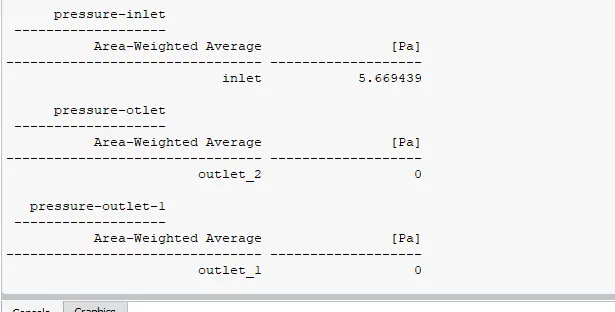
Pressure drop = 5.66 Pa
Part - 3micron - 3m/s

Cyclone Separator Efficiency = 51.64
Part - 2micron - 3m/s

Cyclone Separator Efficiency = 54.94 %
Part - 1micron - 3m/s

Cyclone Separator Efficiency = 51.64 %