Week 8 - Challenge 5 - Core & Cavity Design
Introduction:
Parting Surface:-
When designing a plastic injection mold, the selection of the parting surface is an important design factor. With a reasonable parting surface selection, the mold structure can be simpler, making it easier to mold and release the plastic product, with product quality guaranteed. If the parting surface is inappropriately selected, mold structure becomes complex, making it difficult to mold the plastic product, thus affecting product quality. Therefore, the selection of the parting surface is of great importance to the design of mold structure.
Definition of Parting Surface
Designed for the removal of the plastic product and the cold slug, the parting surface is where the core meets the cavity and usually locates at the largest section of a product.
Forms of Parting Surface
1. Flat Parting Surface (See Fig. a)
2. Angled Parting Surface (See Fig. b)
3. Stepped Parting Surface (See Fig. c)
4. Curved Parting Surface (See Fig. d)

Parting line:-
The parting line is the line of separation on the plastic part where two halve of the mold meet. The parting line indicates the parting 'plane' that passes through the part.
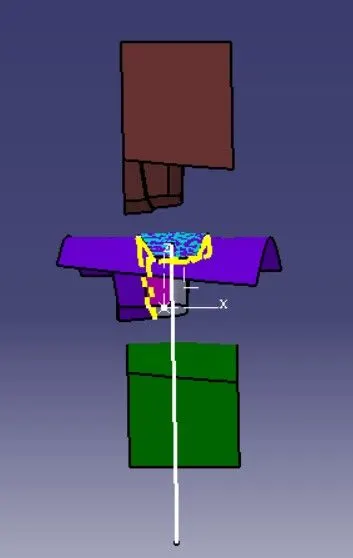
Ex- Refer Image (1):- Here we have two halve of core and cavity (gray colored parts) and plastic part (Yellow Color). The parting line represents a separating plane of it.
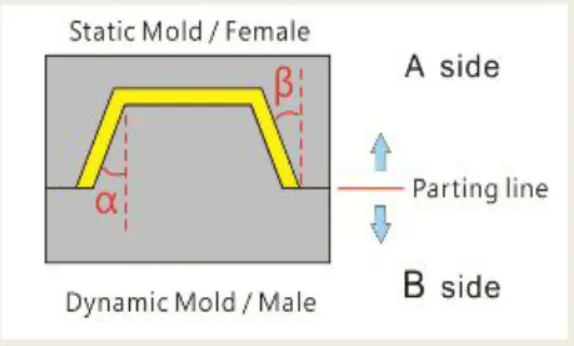
In a simple line, Where mold halves (Core and Cavity) meet with the plastic part that line indicates the Parting line.
Note:- In Image (1)- Core, Cavity, and the plastic part is meeting at the edge of the plastic part which is known as the parting line.
General concept and Design Options:-
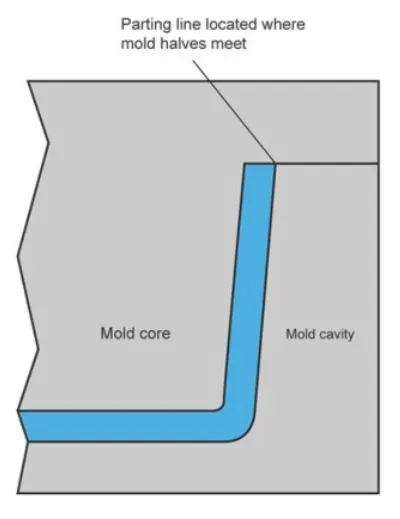
The parting line defines the mold core and cavity.
The boundary between positive and negative drafts is also defined by the parting line.
The parting line is visible which you can see easily.
A parting line is difficult to achieve for complex parts.
Often misalignment.
Must be considered early in design.
At the parting line after the molding process, we get flash also.
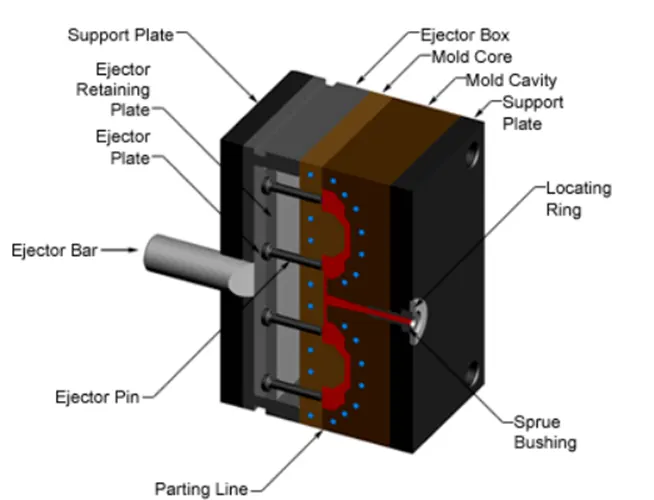
Please see the following figures:
Core and Cavity:-
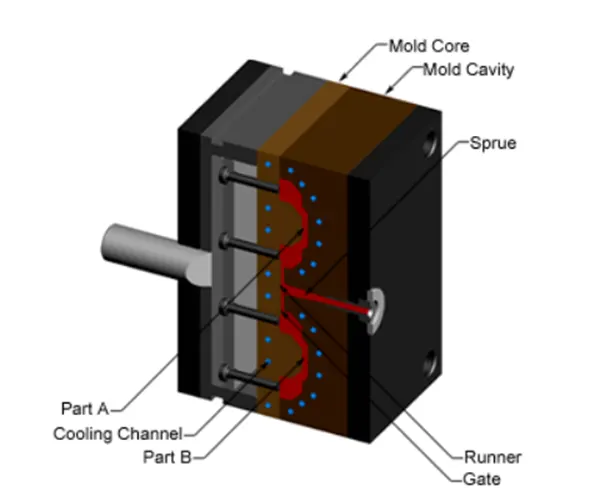
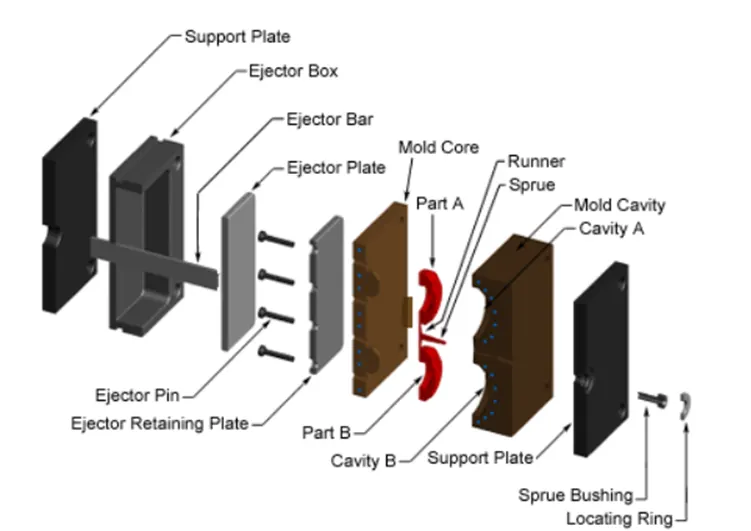
Tooling Axis:-
Tooling direction is the main consideration for plastic parts and mold parts because it defines the movement of the mold part and the possibility of the plastic part coming out from the mold part (Core and Cavity).
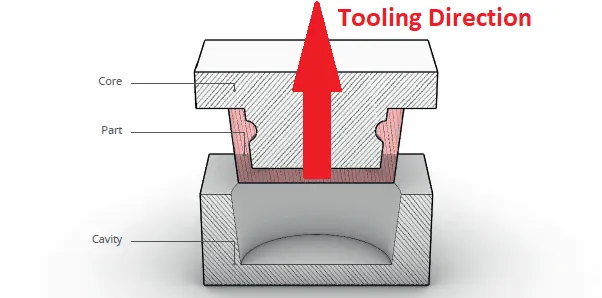
In Molding, machine arrangement is given to open the mold along a direction which is known as Tooling Direction.
In other words. The mold is built from two separate halves (Core and Cavity) and tooling direction defines the direction of mold pulls apart.
Tooling direction is known as primary direction.
Draft Angle and Analysis:-
The core of a mold separates in a direction that is known as the "Tooling Direction".
Draft or taper is the angle of a surface concerning tooling direction.
The main reason of draft is important is because it allows to part to separate easily from mold parts
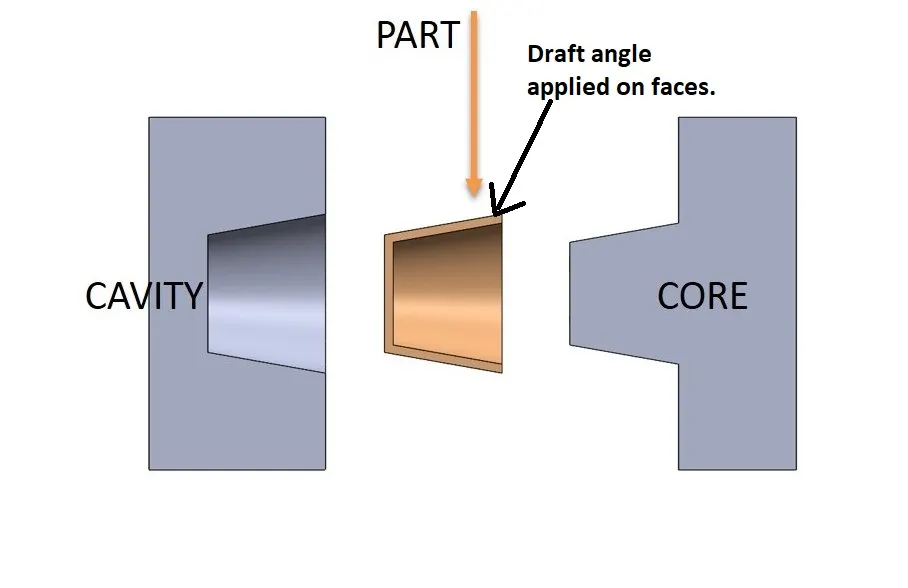
If no draft is applied on the sides of the part then more force is needed to separate parts from core and cavity, which can affect part surface quality and time may need to allow parts to cool down than drafted part and more time will make it expensive.
Draft angle:-
For draft, there is no such thumb rule because for the maximum angle you can go with your requirement but for minimum values, it directly depends on some factors, Like:-
Material type
Part depth or height
Surface texture
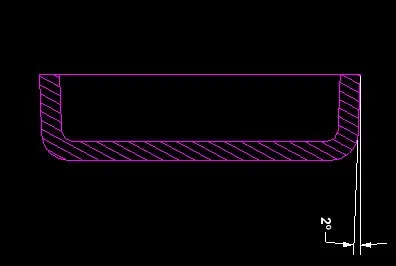
When a part has texture on its surface then texture generates more friction on the surface of the core and cavity which required more draft value to release/Separate parts from mold parts.
Generally, texture value comes in 3 to 5 Degree. So for the textured surface, we required a 3 to 5-degree draft angle.
Draft Analysis:-
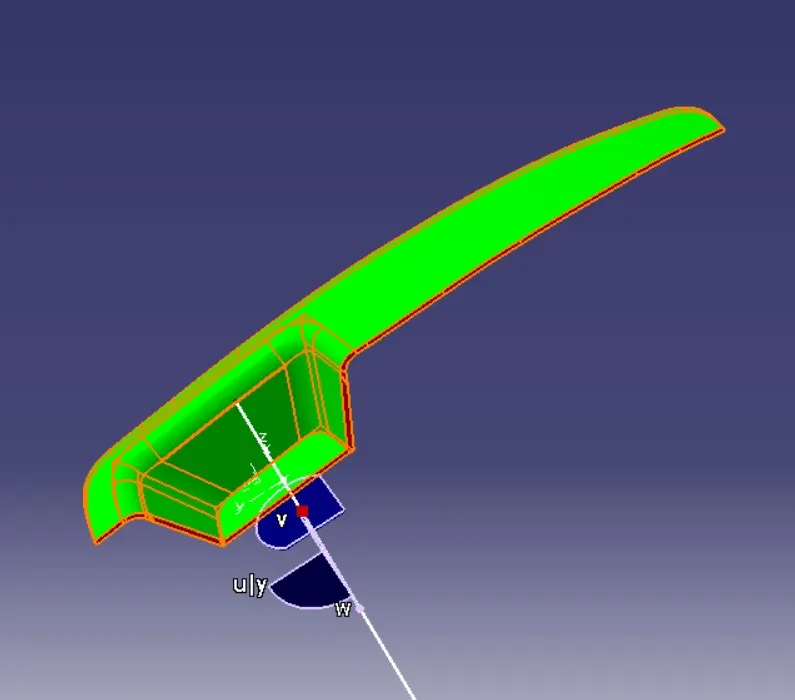
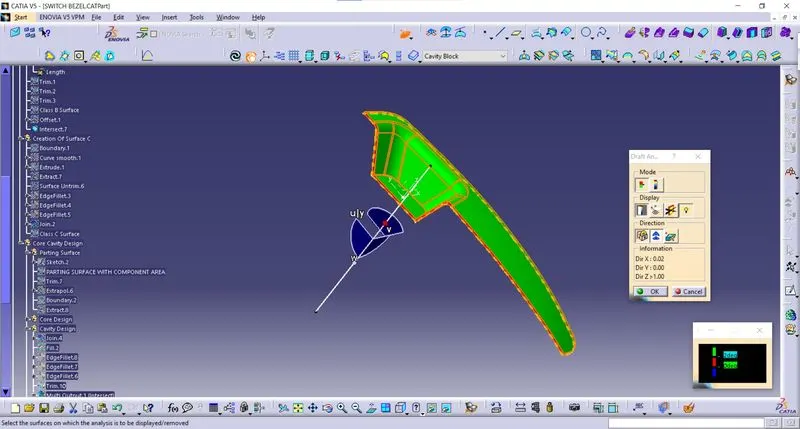
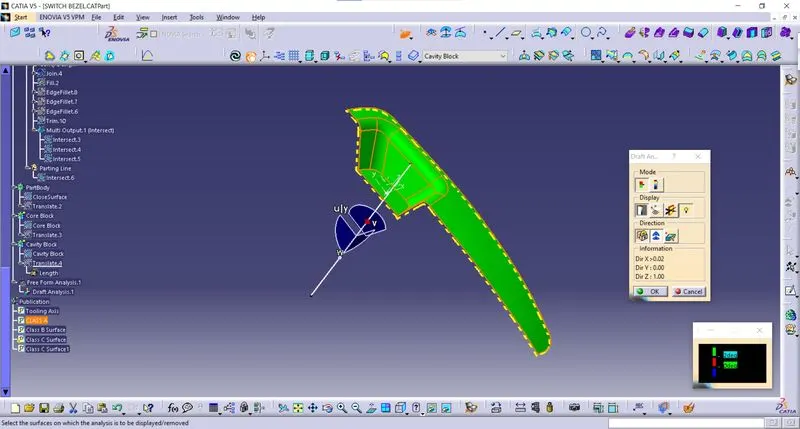
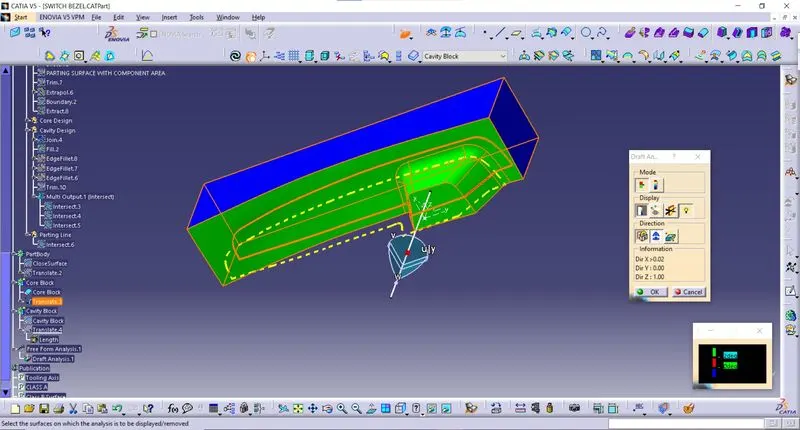
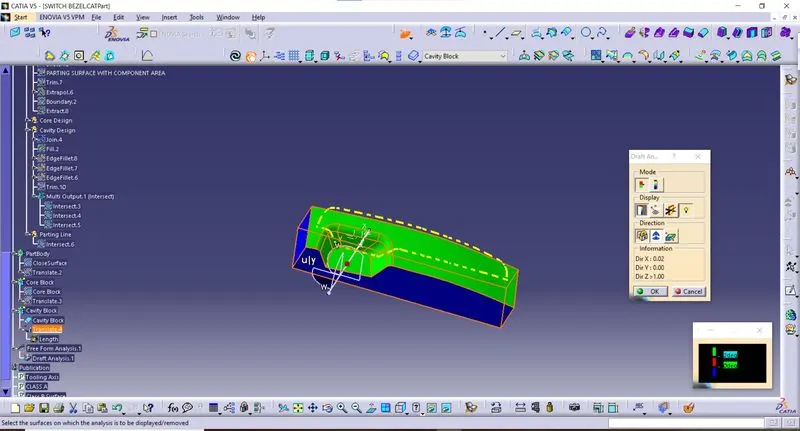
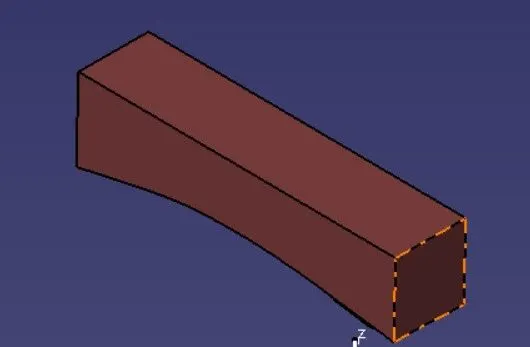
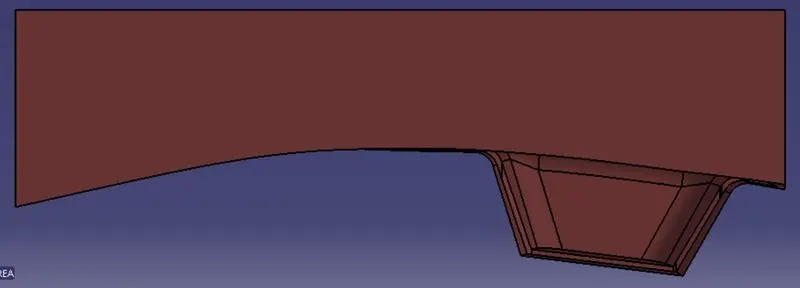
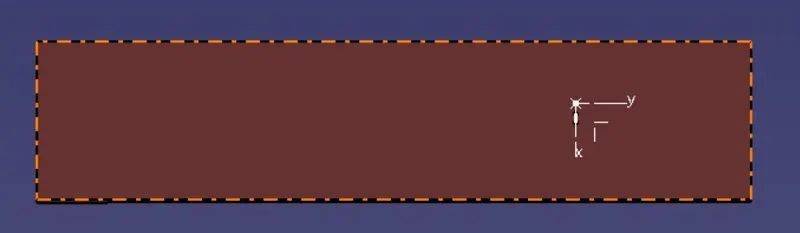
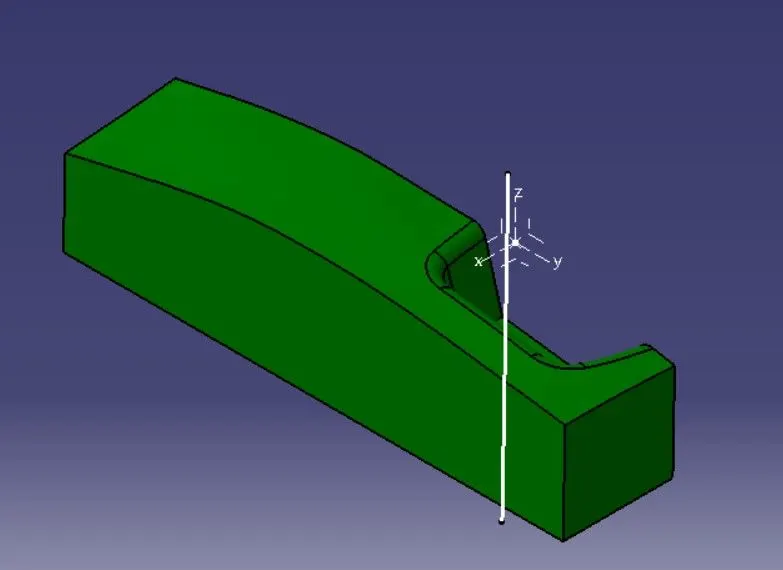
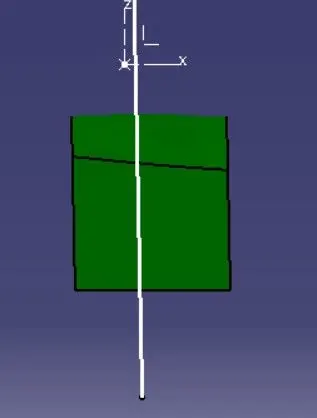
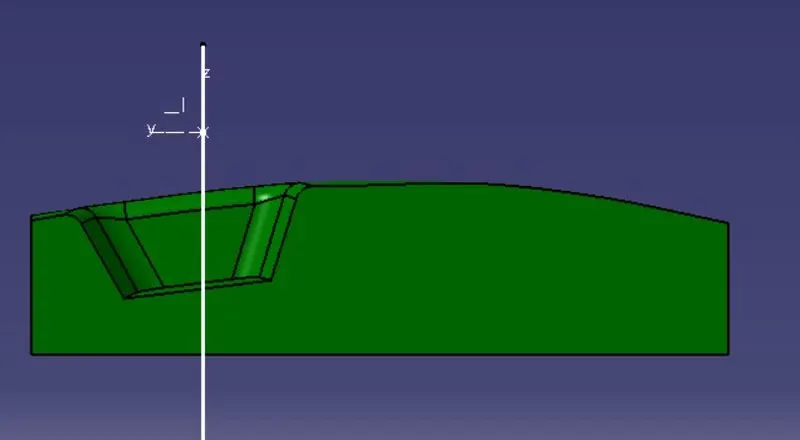
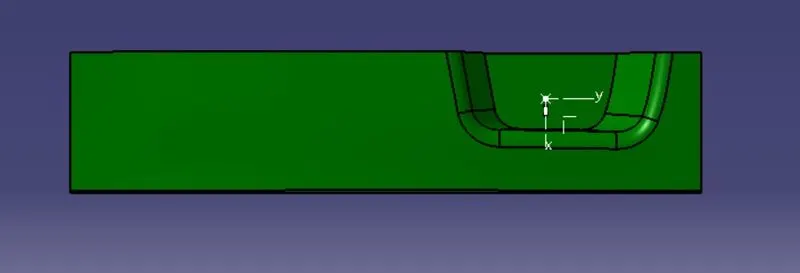
View Images:-
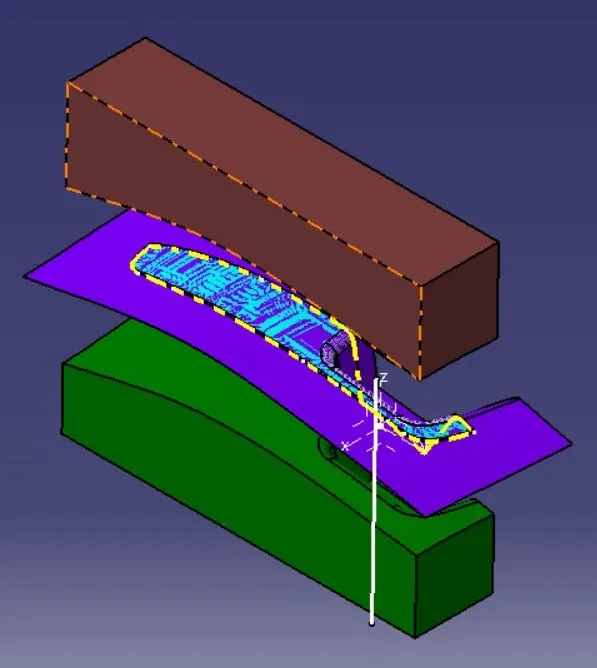
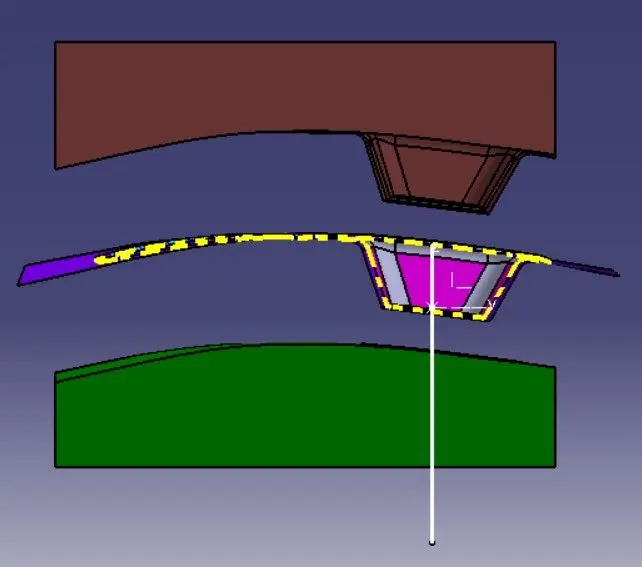

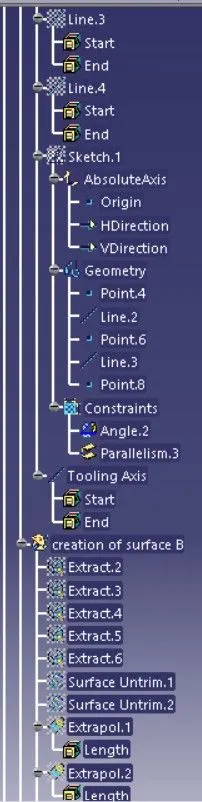
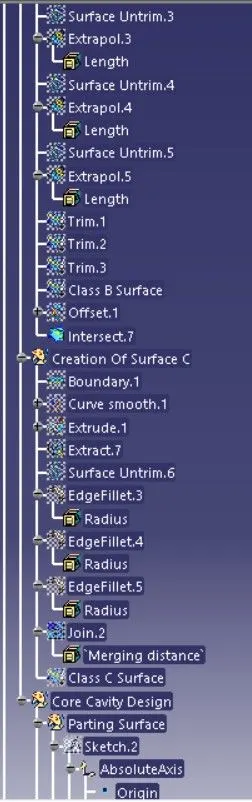
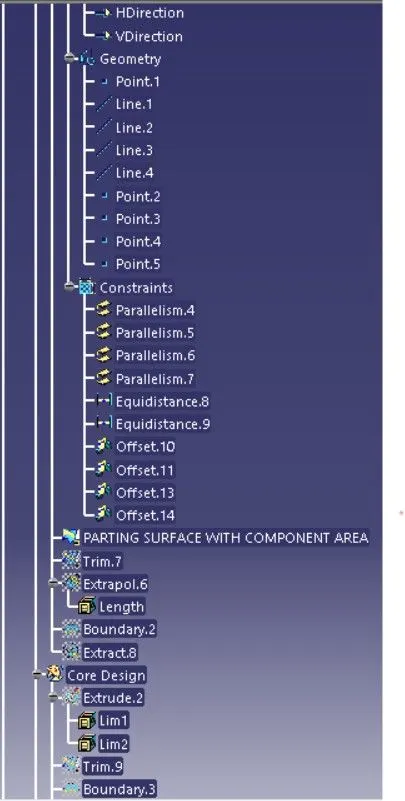
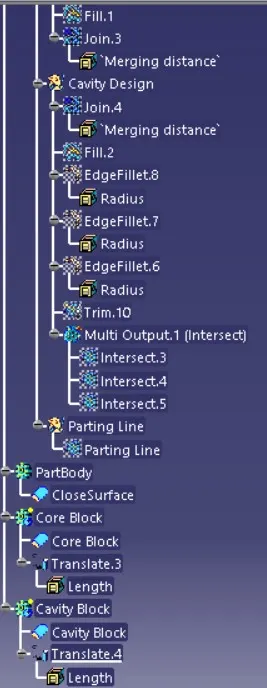
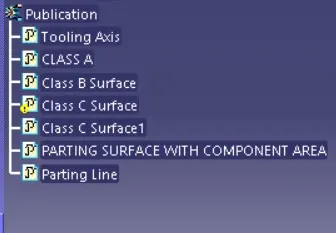
Tree image:-