Week 8 - Challenge 1 - Base Bracket Design
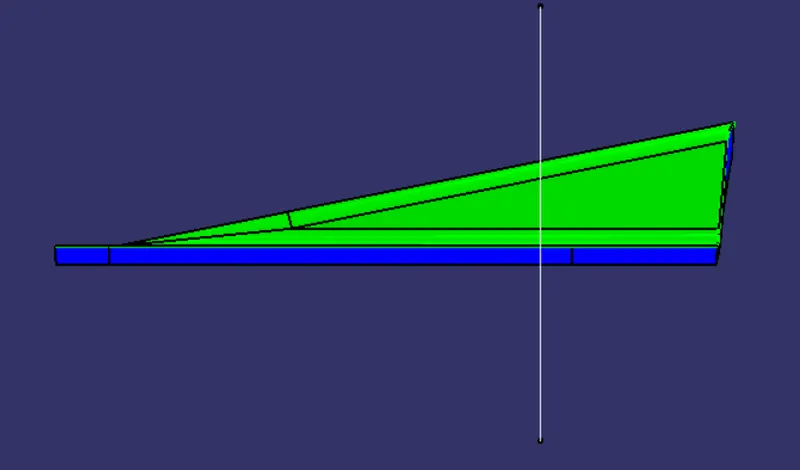
Explaining the draft analysis and the tooling axis creation-
The part can easily eject from the mould thanks to the Draft. The draft angle helps to prevent damage by reducing friction between the core, cavity, and part. The smallest draft angle that can be used in a plastic design is 0.5 degrees, while 3 degrees is the most commonly used in plastic design.
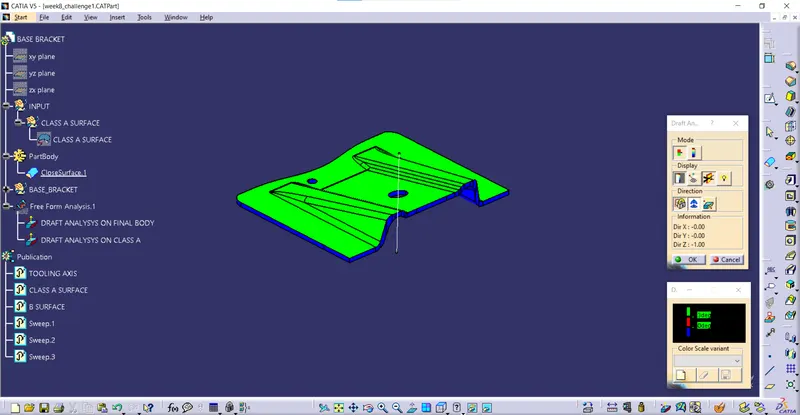
When performing a draft analysis in CATIA, zones on the analysed element are identified by colour ranges where the deviation from the draft direction at any point corresponds to predetermined values.
The primary factor to take into account when designing a plastic component is tooling direction. The option is provided in the moulding machine to open the mould in that direction. It determines which way the cavity and core open.
Draft Analysys on final body
Draft analysys on class A surface
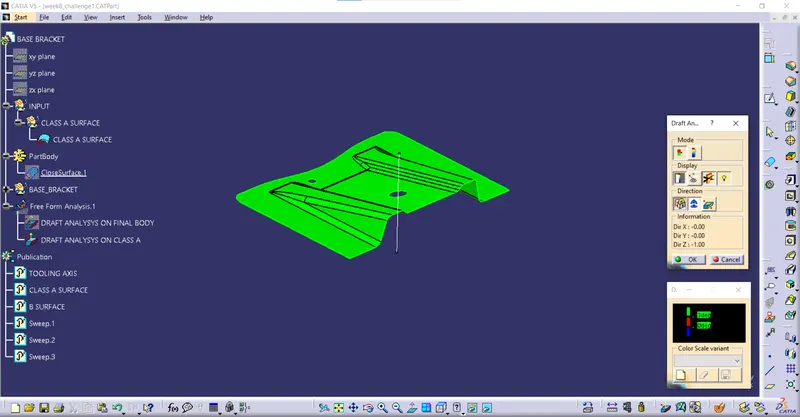
Class A surface
Class B Surface
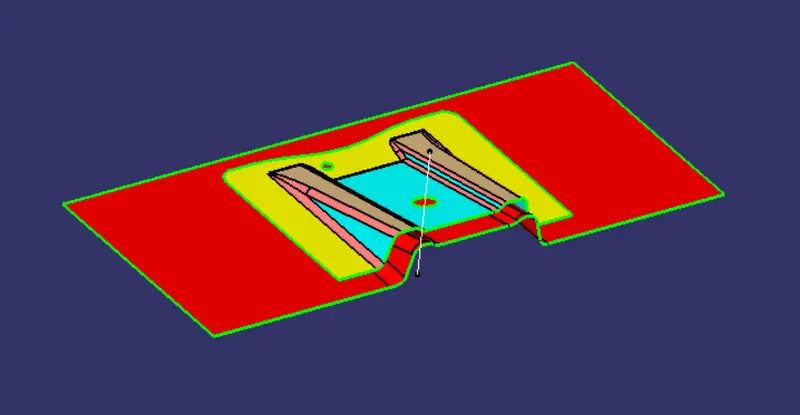
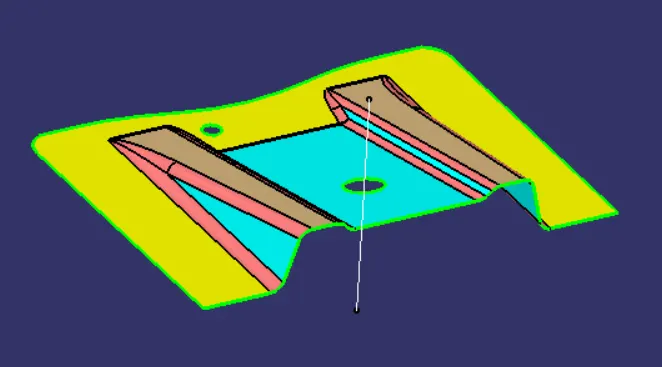
The surface shown in red is class B surface. Clearly we can see that class B sits below class A surface. It is basically backend of class A surface.
Class C surface
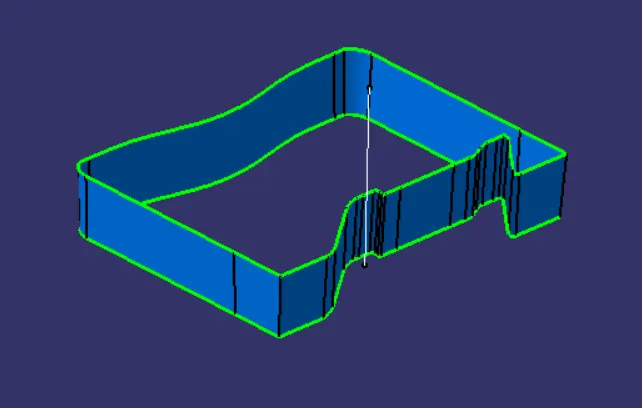
This surface will be connecting both class A and class B surface.
Final Solid Body
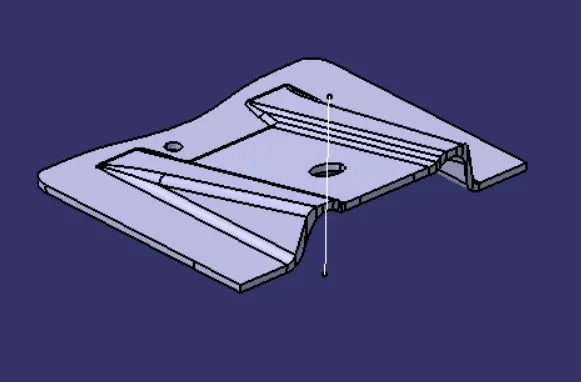
Isometric View
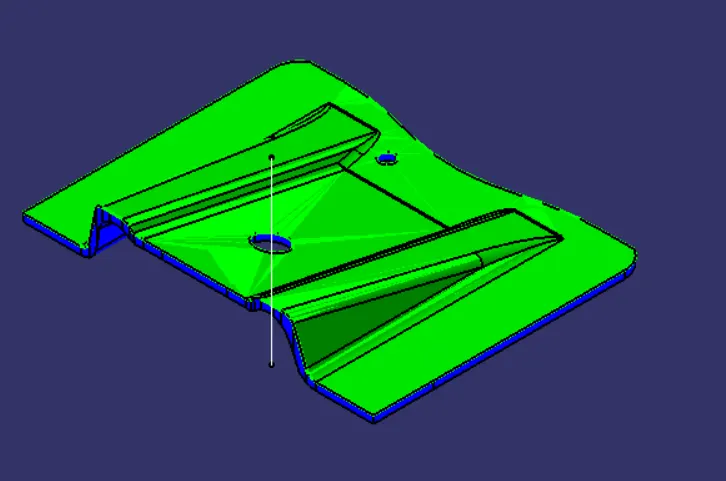
Front View
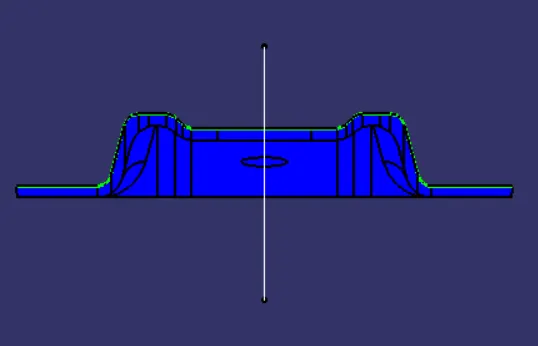
Top View
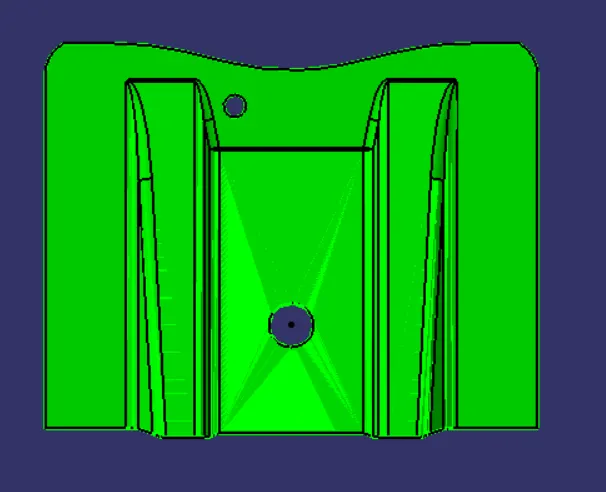
Side View