Week 8:- 3D Finishing - Challenges 1
Q1- What do you understand by the 3D finish process?
Ans - It is the process of making fixture ready for 2-D detailing and simulation.
Steps followed while doing 3D finish:
- Holes concentricity and hole sizes should be ensured.
- Gaps or clearance is maintained between different units to ensure proper working.
- Fasteners are used and colors are applied according to customer standards.
- Standard colors are used for easy understanding.
- Renaming of every part is done.
- After all these steps fixture is sent to simulation and final 2D detailing.
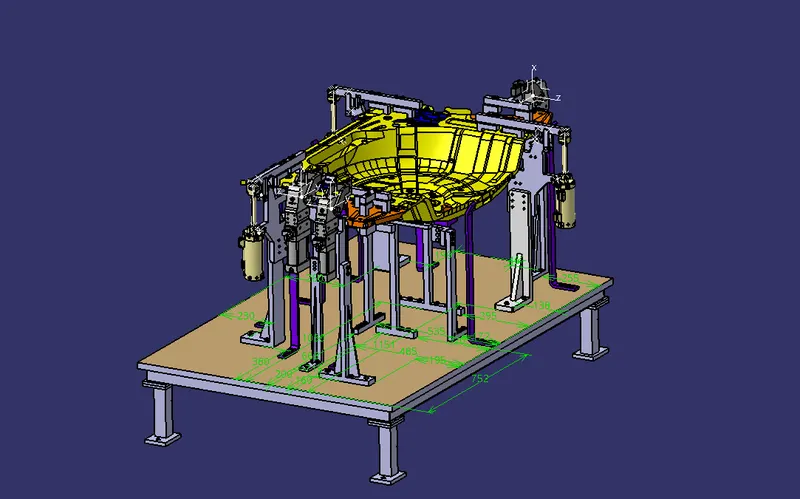
Q2- Points need to be taken care of while finishing the design.
- Hole concentricity and hole sizes.
- Machining area.
- Normality.
- Holes colorig standards.
- Pneumatic layout
- Gaps checking.
- Fasteners implementation.
- Avoiding clash between different parts.
- Mylars splitting as per panel profile.
- Proper renaming of parts as per standards
Q3 - What are rough locators and what are their use?
Rough locators are to locate the car panel and also guide the operator to load the car panel in the fixture apropriately. Standard rough locator are also available.
USES:
- It is used to locate the car panel in the fixture.
- It is also known as poka- yoke or fool proofing as the part is located in the fixture accurately.
- Accuracy is maintained due to the use of rough locators.
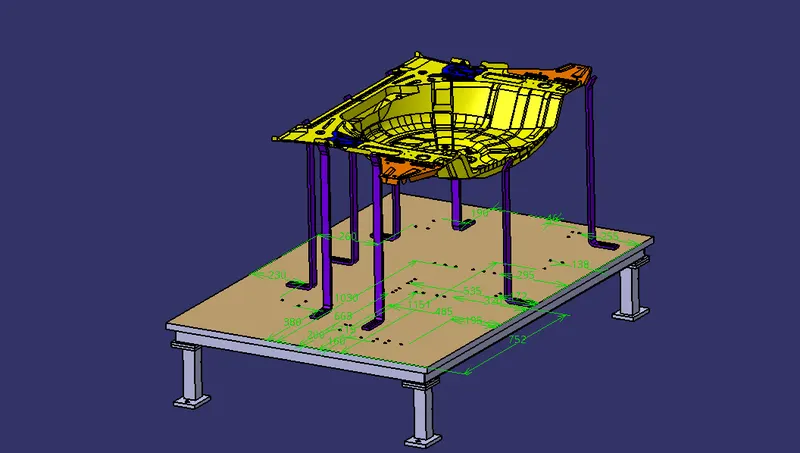
Q4 - What are the points you need to consider while designing a rough locator?
The points you need to consider while designing the rough locator
- The height of the rough locator should not be more than the permissible ergo height of the fixture.
- The entry point / top point of the rough locator must be 10 - 15 mm above thw panel surface.
- Rough locators should have adjustments in the direction of the guiding plane.
- 2mm gap to be maintained between rough locator and panel at the time of design and we can provide adjustment of 5 - 10mm in the positive or negative direction of guide plane.
- Rough locators can be rod type or flat type, depending upon the standards and other conditions.
Q5- What is the gun study process?
Gun study is the process of checking whether the gun is able to weld the selected car panels. the below images shoemn the weld gun doing spot welding and the weld location where the spot is created on the car panel. gun study is necessary as the BIW car panels are complex in shape and size. In 3D software, the gun study is done by actually introducing a welding gun in fixture that we have designed. according to that units are designed so that there is no problem while the welding process.
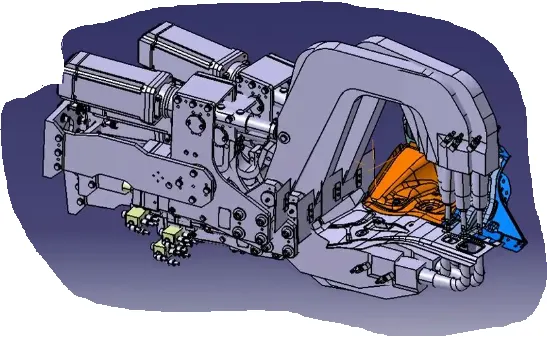
Q6- what are the points that need to consider during the gun study?
- The axis of weld spot along weld direction must be normal to the weld surface.
- Total no. of weld spot and time required for each is calculated for knowing the total time required for welding the car panel.
- Robot cycle time is calculated while doing the proper gun study.
- Collision checking is done on simulation software to check whether the welding process is done without any collision with any units in the fixture.
Q7- What is pneumatic routing?
Pneumatic routing is a planning tube lines route properly, leak-proof and efficient working of pneumatic devices used in a fixture like cylinders, solenoid etc.
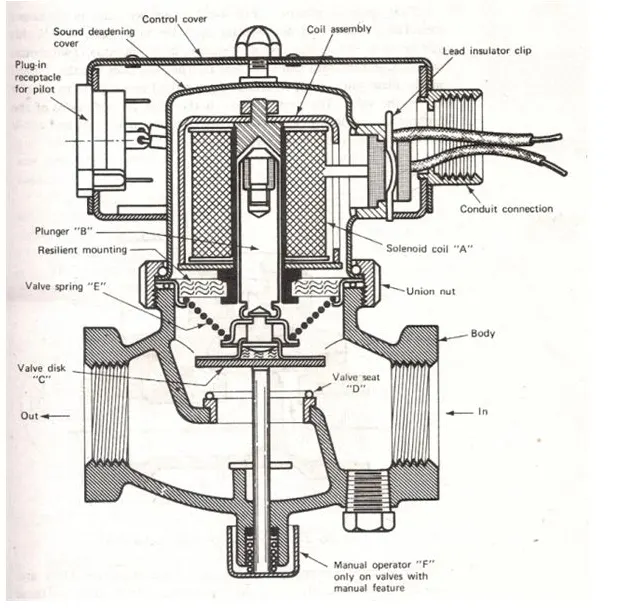
Q8 - What is the solenoid valve?
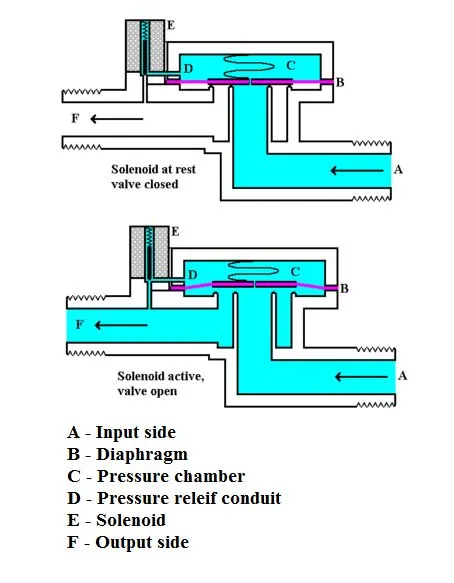
Solenoid valves are used to actuate the air flow in the cylinders as per the sequence through a manual or PLC -operated system. It is a mechanical device used to control or regulate the flow of fluid.
Components of solenoid valves are shown below.
Q9- What is the valve bank?
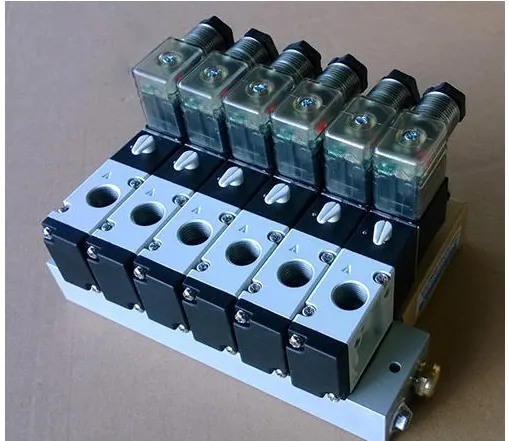
Valve banks are basically a system in which n numbers of solenoid valves are mounted, in order to maintain one common inlet and outlet of air to all the valves.
valve banks are mostly mounted on the fixture sides or on he base plate depending upon the various conditions.
Q10- What is sensor & brief about its application in automation?
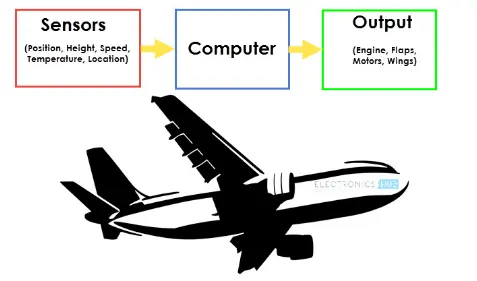
A sensor is a device that produces an output signal for the purpose of sensing of a physical phenomenon. In the broadest definition, a sensor is a device, Module, Machine or subsystem that detects events or changes in its environment and sends the information to ther electronics, frequently a computer processor.
Application:
- To check the presence of car panel.
- To detect the position of sliding unit.
- When there is number of similar car panels weld on same fixture sensor are used to detect car panel place in fixture.
Q11- What are the types of the sensor?
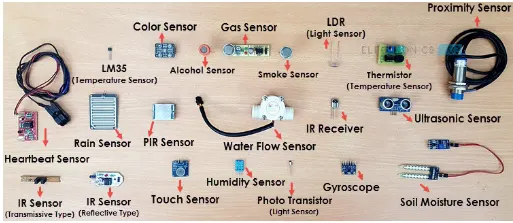
Type of sensor :- The following is a list of different types of sensors that are commonly used in various applications all these sensors are used for measuring one of the physical properties like temperature, resistance, capacitance, conduction, heat transfer etc.
- Temperature sensor
- Proximity sensor
- Accelerometer
- IR sensor (Infrared sensor)
- Pressure sensor
- Light sensor
- Ultrasonic sensor
- Smoke, gas and alcohol sensor
- Touch sensor
- Color sensor
- Humidity sensor
- Tilt sensor
- Flow and level sensor
12)- What are the fundamental points that need to be consider while designing or selecting the sensor?
Basic fundamentals for sensor unit design:
- A sensor unit is a unit designed to sense the car panel by using electrical sensors.
- The signal from sensors will be fed to the PLC and the next process that will be executed will be this signal.
- Sensors are used to confirm there is a panel / component present or not.
- It helps to avoid human error.
- number of sensors are equal to the number of panels in an assembly.
- Sensors slot is designed in such a way that they can be adjusted in 3 directions.
- Sensors are also used for the safety purposes of the operator.
- Typically proximity, LASER, Photoelectric sensors are used in the fixtures.