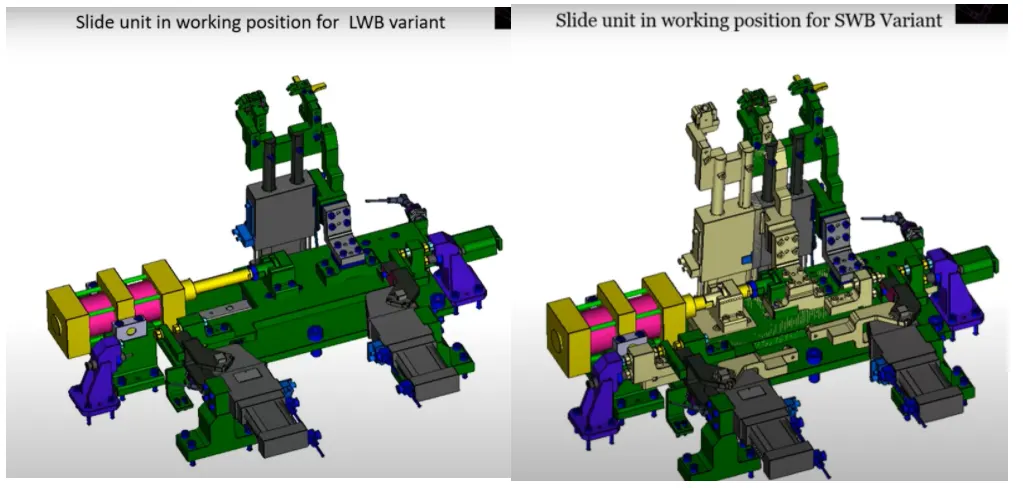
Week 7:- Base Unit Design Challenges 1
1.What is the Base Unit? What are the typical parts of the Base Unit?
The base unit is designed to mount all the other units like clamp unit, pin unit, rest unit, etc of the tool, also other parts like pneumatic valve box, trunking cable path will also be mounted on the base unit.
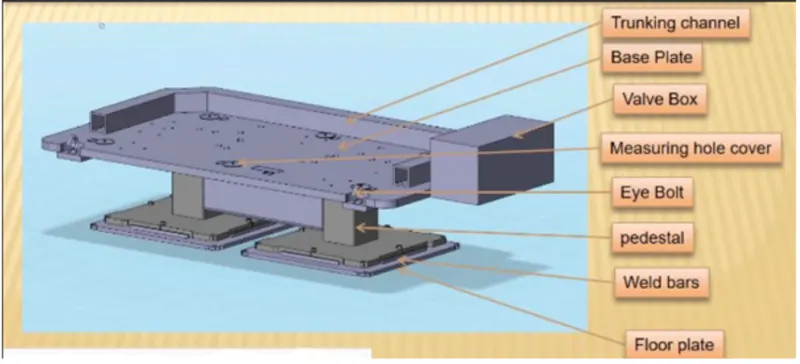
The parts of the base unit are as follows:
- Valve box
- Trunking Channel
- Measuring hole cover
- Eyebolt
- Pedestal
- Floorplates
Base Plate
It is the machined plate of 25to 40 mm thickness, made of Steel or Aluminium on which all the other units are mounted.
Valve box
- A valve box is used to supply compressed air to the pneumatic cylinders assembled in the fixture.
- The valve box consists of solenoid valves with an inlet and outlet which controls the supply of air to the cylinder.
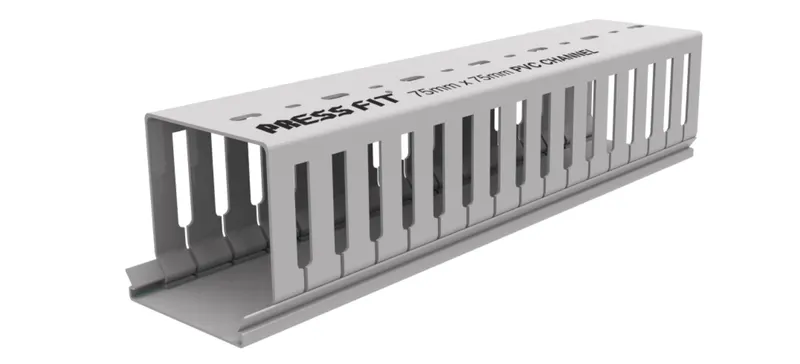
Truncking channel
Trunking channel is a hollow passage that guides and covers the pneumatic and electrical linings.
Measuring hole cover
The measuring hole cover the coordinates of the measuring holes are mentioned. These coordinates are used as references for placing the other units and also for the CMM inspection purposes.
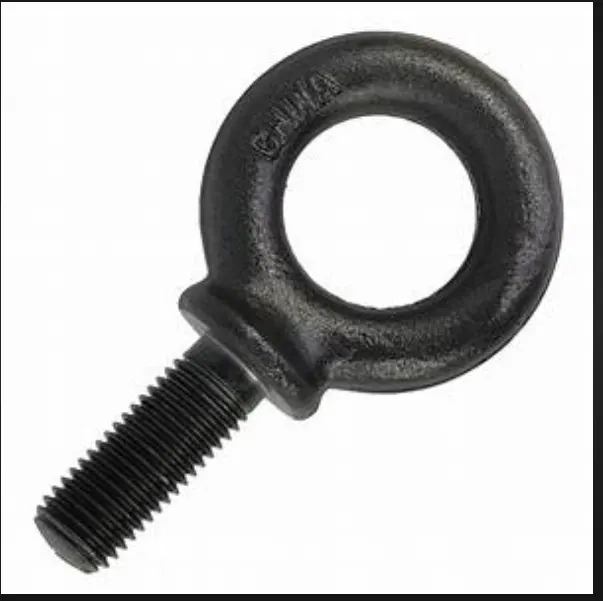
Eyebolts
Eyebolts are placed in the base unit in order to lift the base unit and move it from one place to another.
Pedestal
The pedestal is a stand-like structure where the entire unit of the base will be mounted.
Floorplates
Floorplates are used to mount the entire base on the floor.
2.What are the points need to account while designing a Base unit?
- A base unit should cover all the units with its outer periphery including the opening.
- A base unit is preferred to be designed with respect to BCS Coordinate
- A base plate should be drilled with datum holes measuring holes in line with a pitch of 1000mm in general.
- The number of datum holes must depend upon the size of the base plate.
- The datum holes must be drilled at nominal values of coordinates and in terms of 50 and 100.
- Datum holes must be drilled with a diameter of 100mm away from other units.
- Datum holes must be covered with cover Plates.
- The height of the base unit depends upon the type of the welding fixture and the standard height of the worker of the specific country. It is usually 850-1100mm.
- The base unit may be built from simple sections so that other units may be fastened with screws or welded whenever necessary. Those parts of the fixture that remain permanently with the fixture may be welded. Those parts that need changes may be fastened.
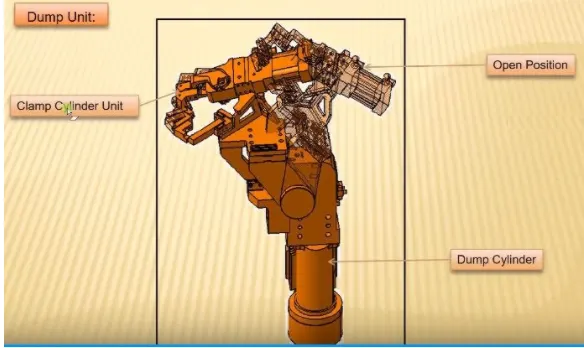
3.What is a Dump unit?
- A dump unit is used when there are geometrical constraints while placing a panel. The dump unit is found in a complex fixture It consists of a dump cylinder to perform clamping and unclamping operation.
Functions of Dump units
- To ensure proper resting of the panel to be welded and its motion is restricted.
- To ensure there is no rotation in the panel and to fix it either by pins or magnets.
- To ensure there is enough clamping force in the cylinder so that it doesn’t move while welding.
- The dump Unit Should have the correct shimming for adjustment of the panel.
4.What are the points you need to consider while designing a Dump unit?
- 3-2-1 Principle
The resting location of the panel being welded is checked in accordance with the designed mylars, pins, and clamps. This will be done by the assembly being dumped onto the panel to operate. It is important because it is the essential reason for creating a dump unit.
- Mass Consideration
The assembly being dumped should have as little weight as possible without compromising the strength. Lesser weight means less force is required to push and pull the assembly.
- Time of opening and Closing
The time of opening and closing of the clamp should be less. This basically depends on the capacity of the cylinder and the weight of the assembly being dumped. More time will result in an increase in the cycle time leading to more idle time
- Cylinder validation
Cylinder Validation is an important aspect of the dump unit or any clamp unit design because the cylinder should be able to push the load for the operation and then pull it back after the operation is complete. The center of gravity of the unit and the distance between the cylinder centerline and end effectors.
- Open Condition
We also need to check the open condition after the cylinder validation because the panel should not fowl with the unit while removed.
5.What is a Slide unit?
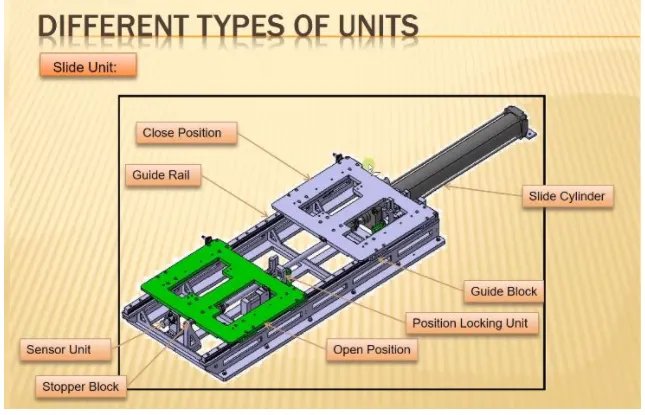
- Sliding units are used in a fixture when there are a lot of space constraints, where usage of different units is very difficult in order to design the assembly.
- The sliding unit consists of a sliding cylinder to which a panel is attached
- The panel moves on the guide rails provided and this motion is due to the reciprocating motion of the cylinder
- The position locking units are used to lock the position of the panels on the guide rails
- Sensor units are used to detect the position of the sliding plate, whether it has reached the desired position or not.
- A stopper block is used to control the motion of the sliding plate.
6.What are the points you need to consider while designing a Slide unit?
The points that are needed to be considered while designing the slide unit are as follows
- Weight carrying Capacity
There are different kinds of guide rail available in the market. They are selected by calculating the weight of our assembly.
- Push and pull forces
It is important to check the pushing and pulling forces in order to slide the whole assembly
- Locking Mechanism
The Locking mechanism ensures that the slide does not move while it is in an open or retract position. If the slide moves while welding it can damage the panels.
- Stopper blocks
Stopper bocks are used to stop the slide and to restrict further sliding.
- Sensor Unit
A sensor unit is used to sense whether the car panel is placed in the fixture or not. The sensors will send the signals to PLC systems and so the next process will be executed by this signal.
- Stroke
We need to select the stroke length based on the requirement we want and the area we need to be clear
- Open Position
We need to check the slide unit whether there is fowling with the gun or another unit nearby.