Week 6 Session 13
1.
Cloud-based BMS:
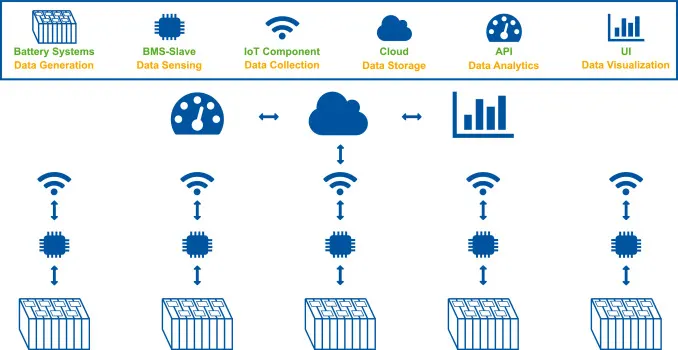
Cloud-based technologies have begun to permeate most aspects of daily life through IoT. Harnessing the computing power of cloud-based technologies is enabling an exponential increase in the processing capabilities of battery management systems. Cloud-based BMSs will be able to make inferences from BMS data coming from other vehicles in the network. Using a realistic mathematical model of the battery pack, the cloud-based BMS can find out where battery temperatures are higher than normal.
2.
Solid-state batteries:
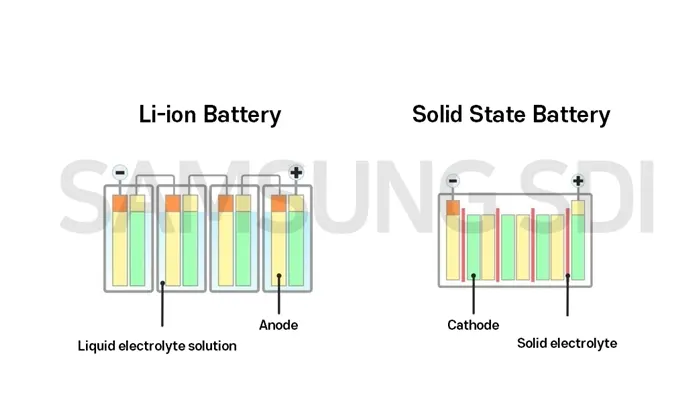
In solid-state batteries, the liquid electrolyte is replaced by a solid such as glass or ceramic, which significantly reduces the weight of the battery pack. Solid-state batteries are also much smaller, allowing battery manufacturers to stack more cells per meter. A feature that, combined with the higher energy density of solid-state electrolytes, increases the battery's capacity. Liquid electrolytes tend to evaporate at high temperatures, turning the liquid into gas, which causes the battery to burn. Solid-state batteries can operate much more safely at higher temperatures and are suitable for larger loads.