Week 6: Conjugate Heat Transfer Simulation
Aim- To simulate the conjugate heat transfer in the solid pipe.
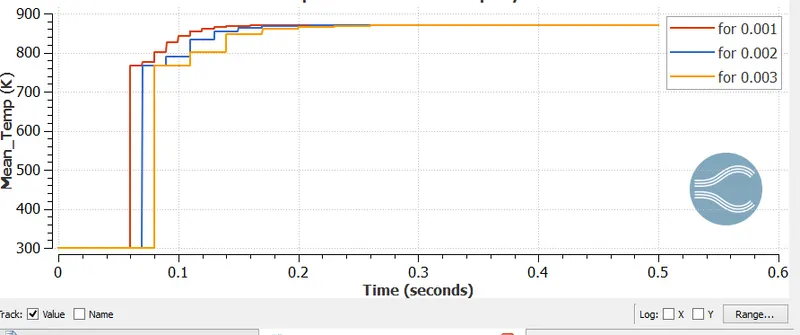
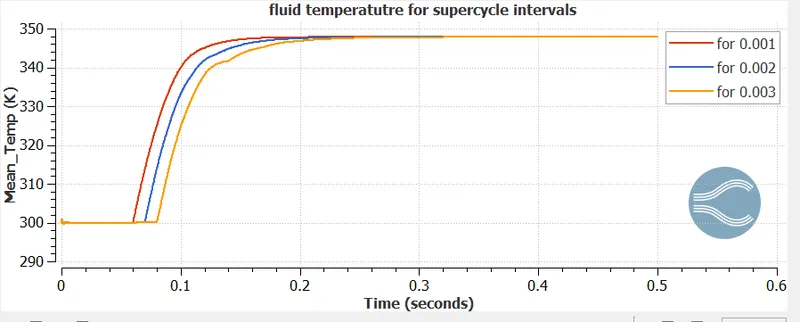
Objectives- To run the simulation for thre different grid sizes and to see effect of the base grid size to show that outlat temperture converge to a particular value. and to change the supercycule interval and to see effect on the convergence of the attaining the temperature.
Theroy-
Conjugate Heat transfer is used when heat exchange take place bewteen the solid and the fluids.by this analysis we can calculate heat transfer coefficient ,tyemperatue and the velocity flowing throuhgh the certain body.
The heat trandsfer in the solid body is called conduction which take place with collison of the with low kinetic engery and the mode of heat transfer in the liquids is called convection.
Supercycle-
The heat transfer in the fluid is much faster than in the solids hence the solver for the fluids runs faster than in the solids hence solution the cannot attain the converge hence in order to overcome we use the Supercycle in the converge studio in which the solver for the fluid is paused until the the solver for the solid reaches converge.
Y+:
For laminar region we apply no slip condtion (reslove of the gradient) near walls irrespective of the grid size. but for the turblent region the laminar flow region for is very small hence in ordewr to reslove of gradirent around these points we should have finer course mesh. The course mesh is understood with help of non dimensional number Y+.It distance from the wall to the first node. and its formula is
Y+=y*frictionalvelocity/dynamic viscocity)
where y=distance from the wall to the first node.
case set up
We set air as the medium for gas simulation and n2 and o2 are the speieces for the air and alumnium for the solid simulation and alumnium as the spieces for the solid region.
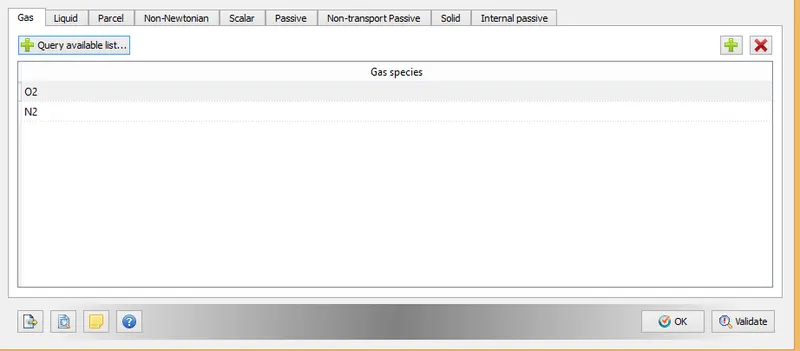
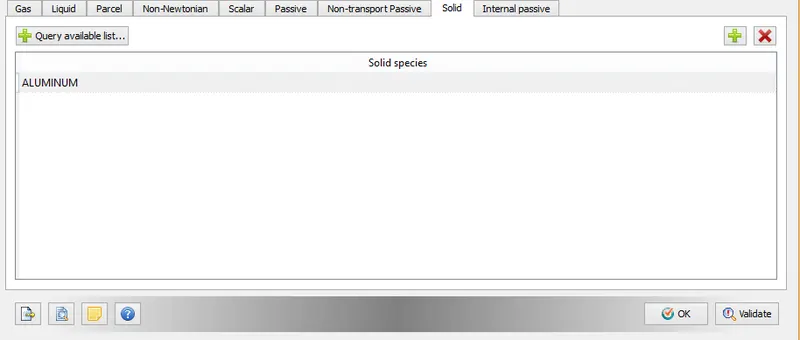
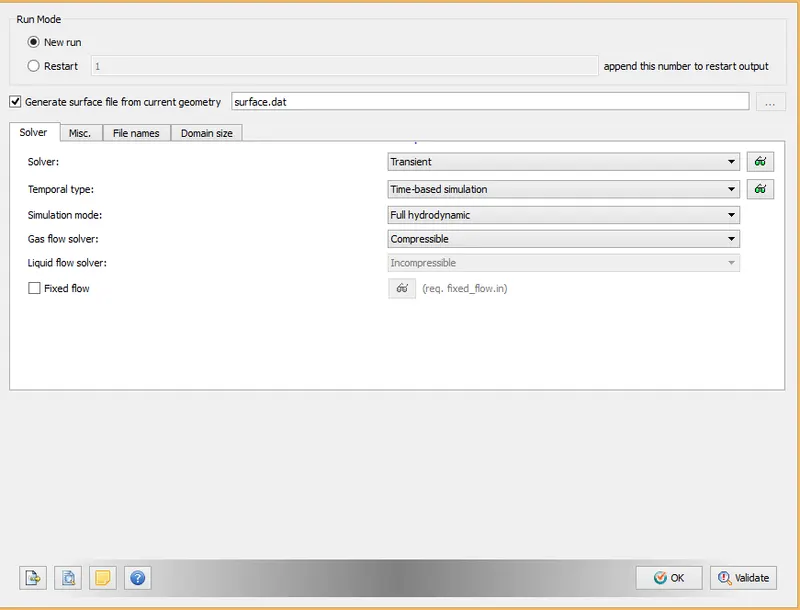
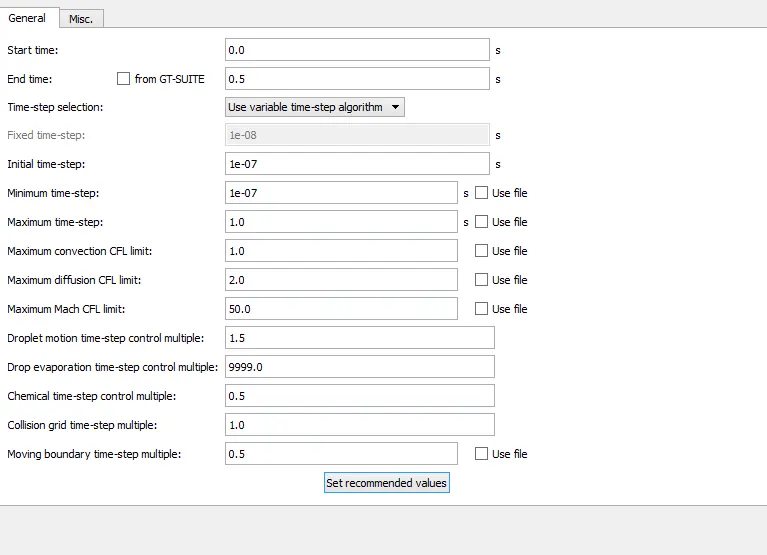
Boundary condtion- we have two regions such as solid region and the fluid region theinlet and outlet comes under the fluid region and solid and soild thickness comes under the solid region
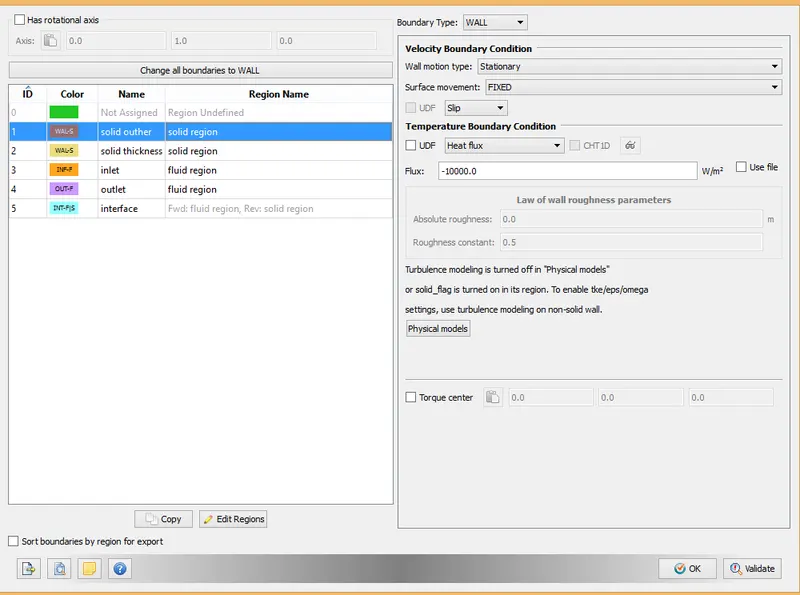
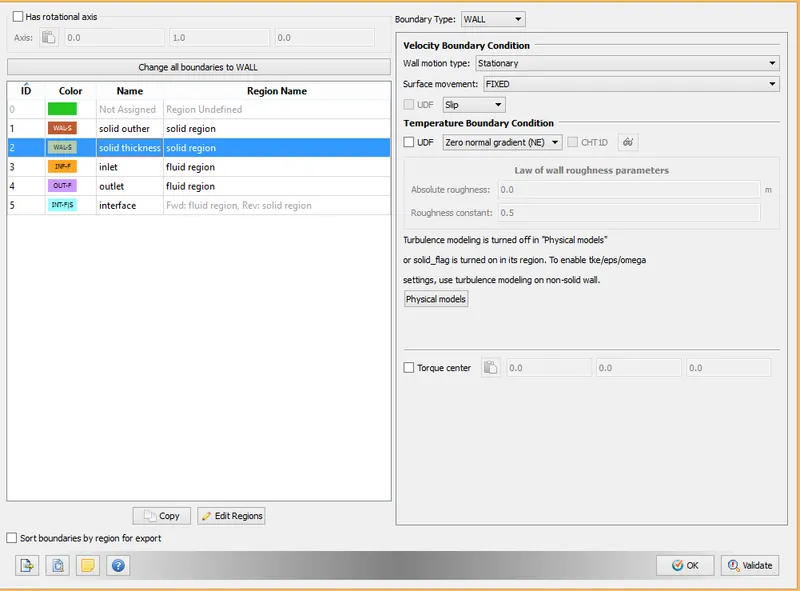
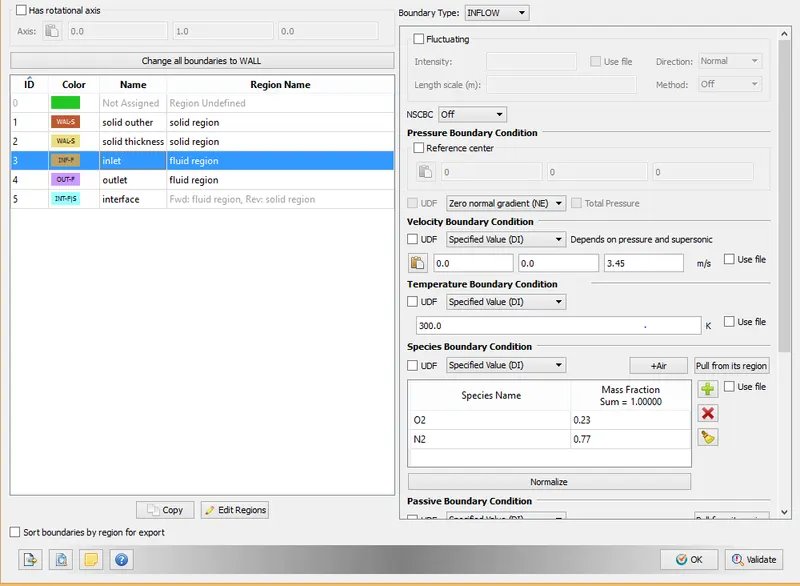
For inlet region we apply the neuman bounader condtion for the pressure and dirchlet bounadry condtion for the velocity and which is calulated as REynolds number=velocity*diamter*dennsity/visocity
hence velocity comes to be 3.45m/sec
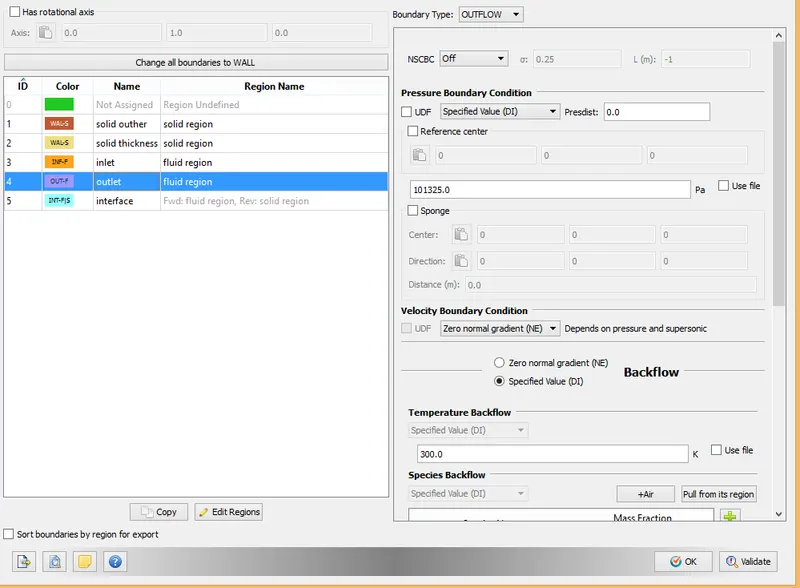
In interface we have two regions forward and the reverse region generally to which direction the normals are pointed out we take that regoins as the forward region and the other as the reverse region here normals are pointing out towards fluid region gence fluid region as the forward region and the soild region as reverse region.
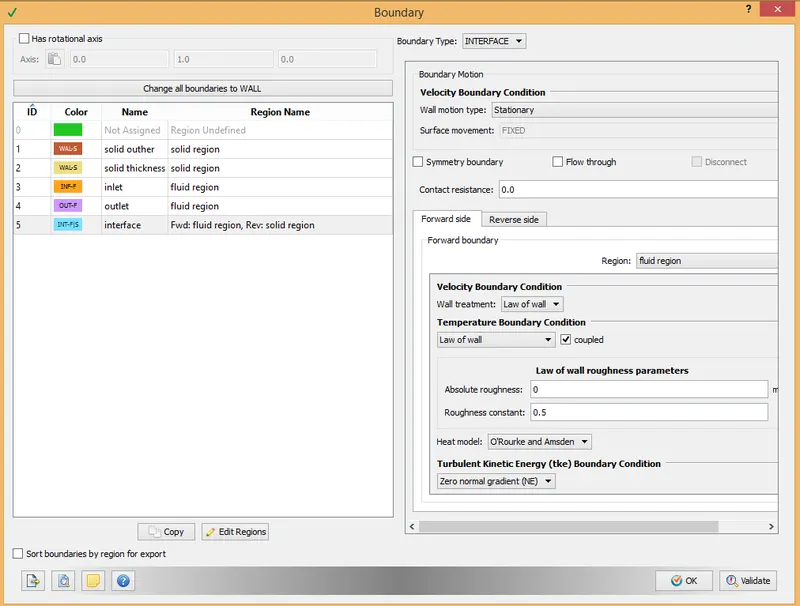
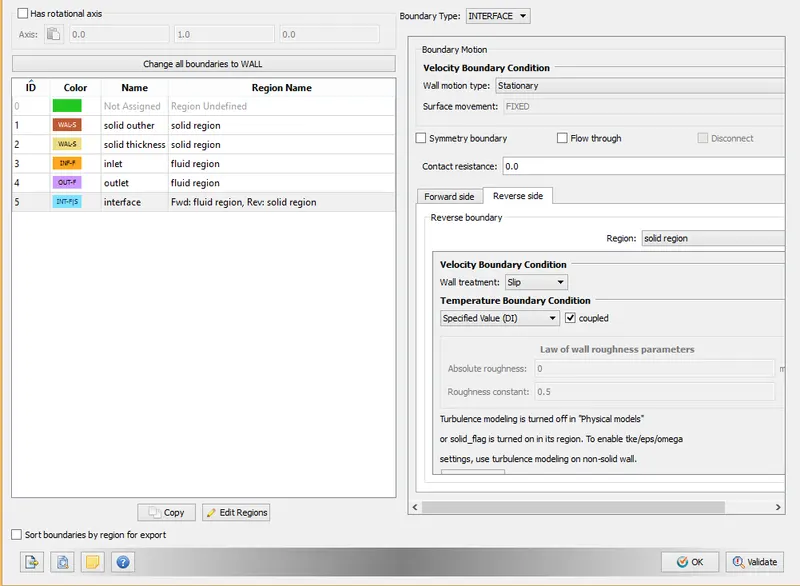
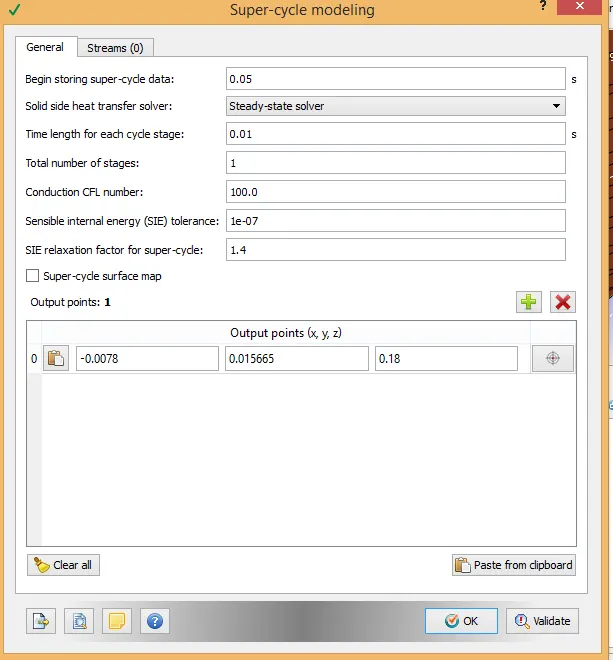
case 1 fror grid size of 0.002
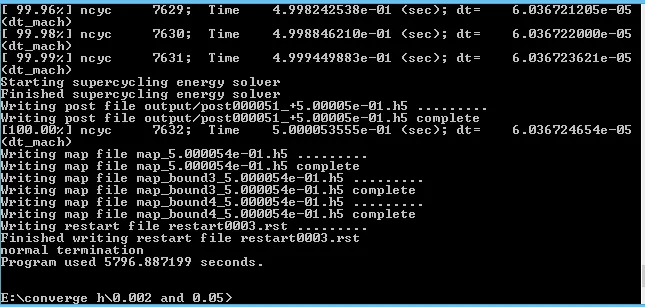
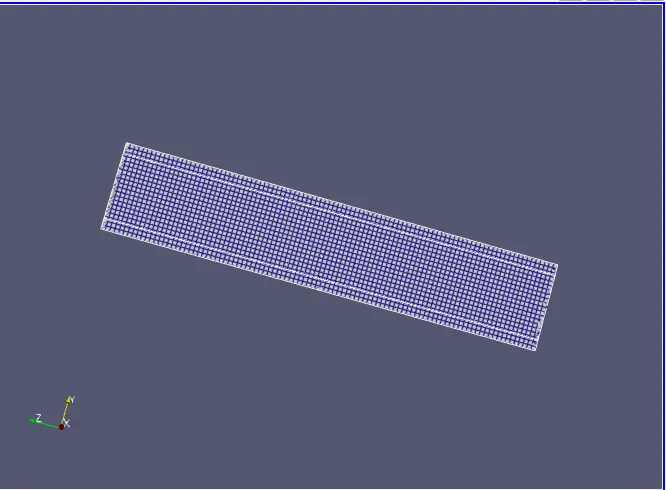
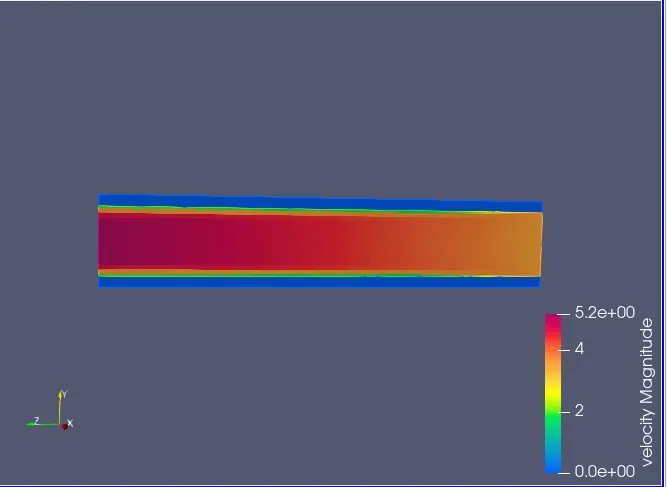
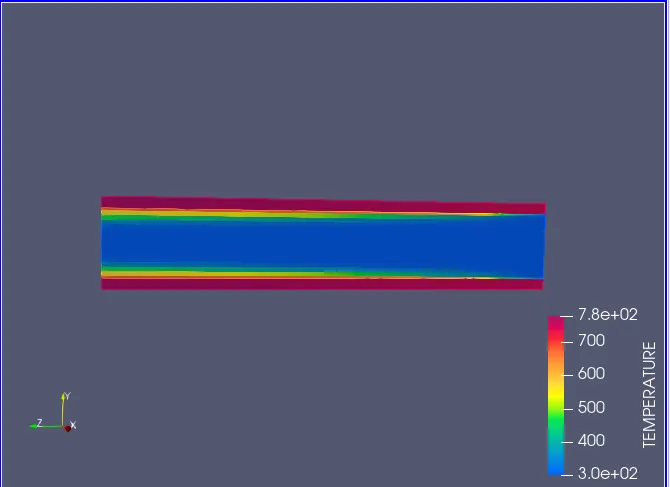
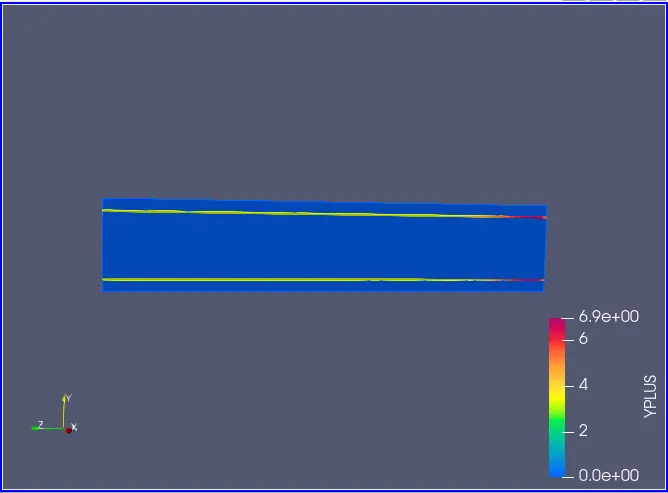
case 2 when grid size 0.003
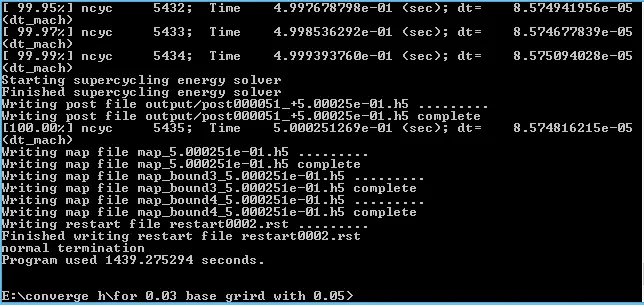
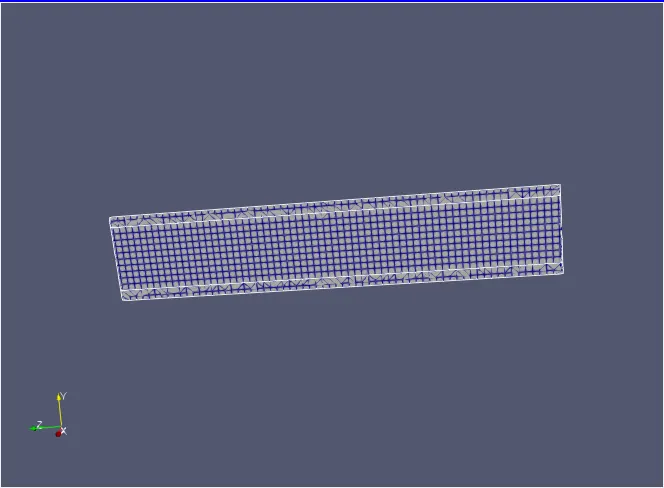
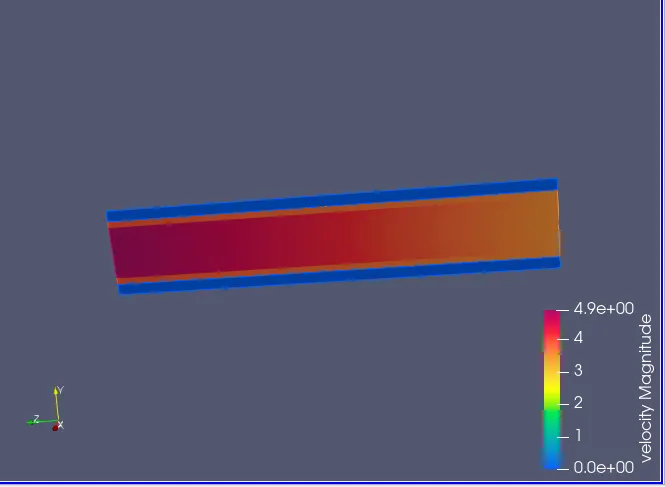
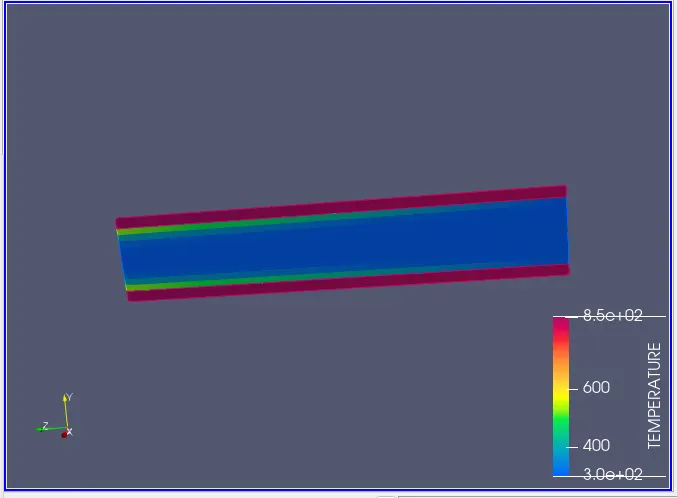
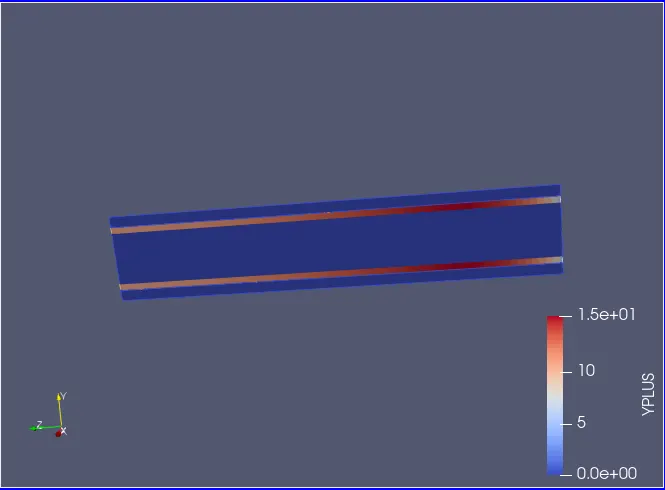
case 3
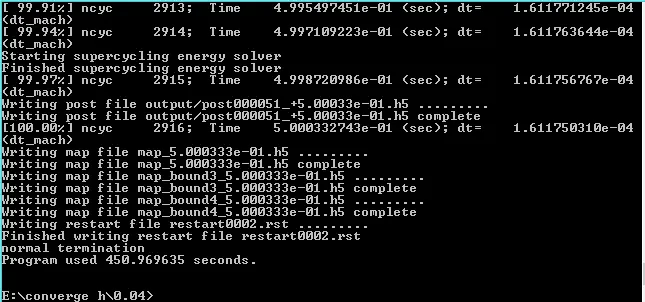
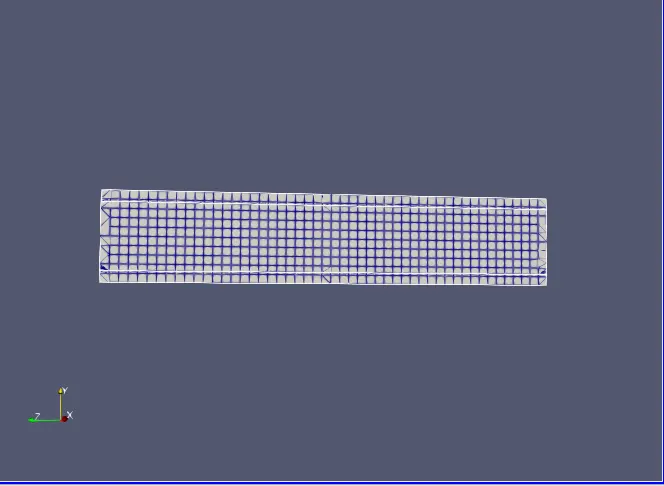
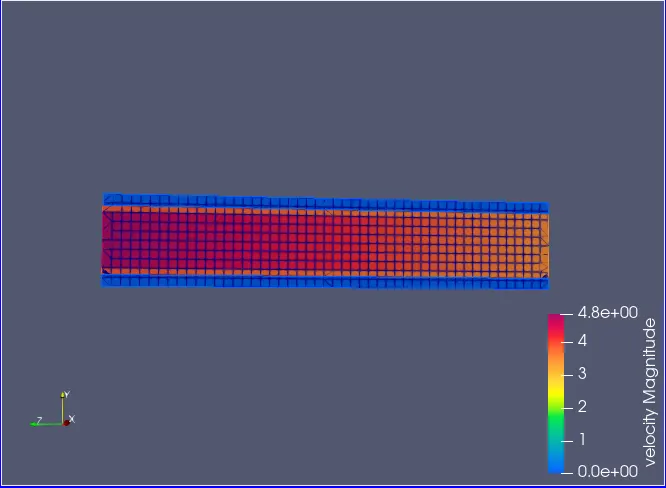
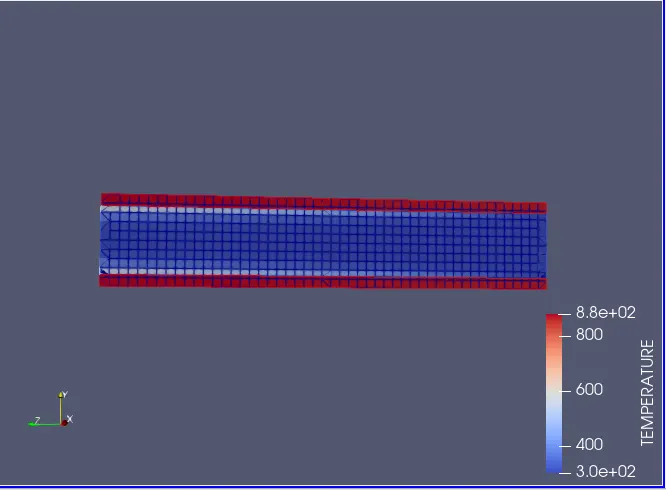
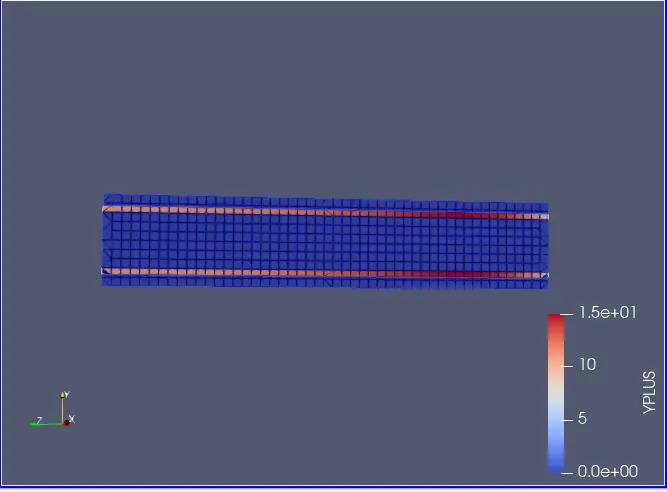
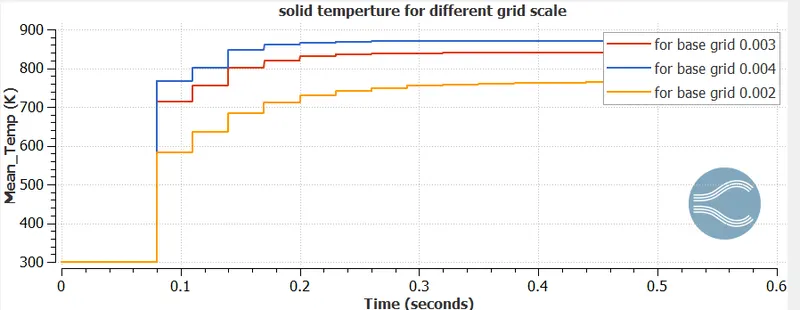
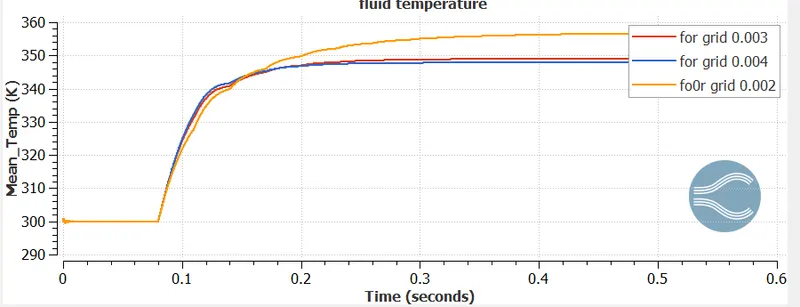
Supercycling
case 1
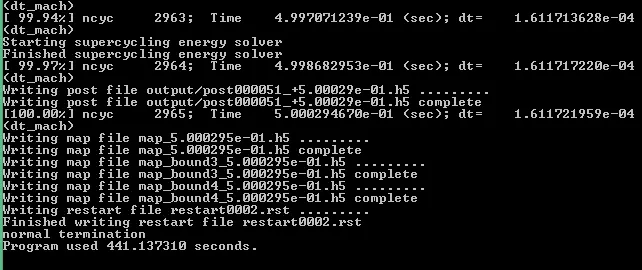
case2= 0.002
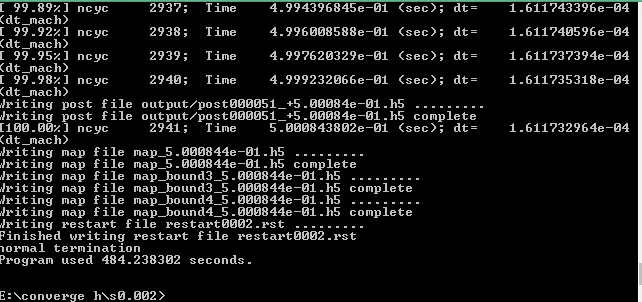
case 3=0.003
conclusion
1.As the mesgsh grid size increases the fine corse messh sixe increases hence convergent time increases and the the wall function increases as tthe grid size increases.
2.As the grid size increases the solver for the solid region converges faster.
3.as the supercycle interval increases solution converges faster.
Hence with more grid size and with increased supercycletime interval we can converge solution faster.