Week 6: Conjugate Heat Transfer Simulation
Aim - Conjugate Heat Transfer simulation of flow through a solid tube in Converge 3.0
Introduction - Conjugate Heat Transfer simulation
Geometry -
- Geometry creation-
- Geometry was created using "create" tools. Outer dia 0.04m, Inner dia 0.03m and 0.2m length.
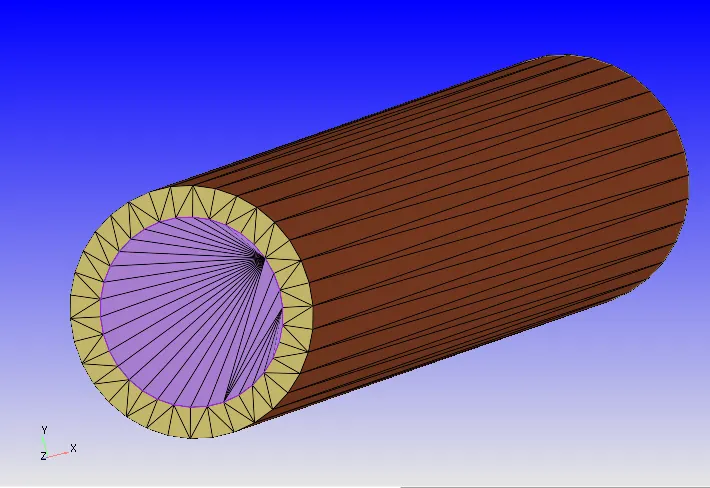
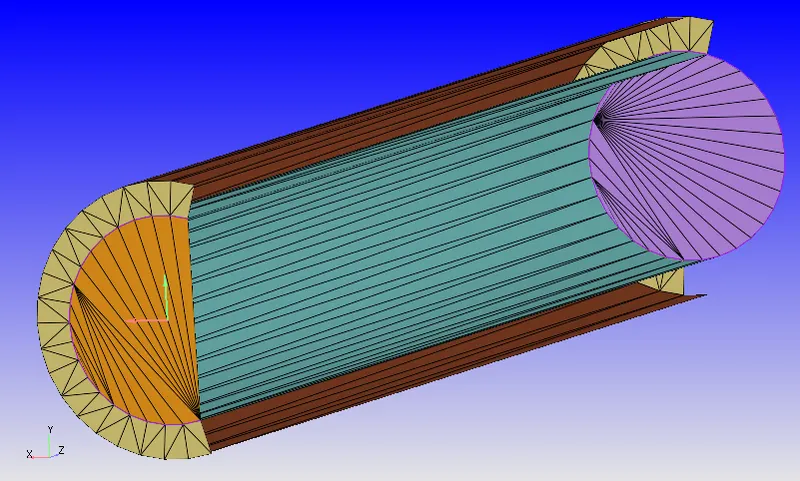
- Boundary Flagging
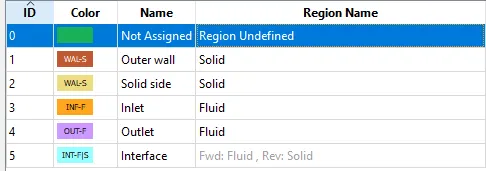
- Boundaries were defined using the Boundary function
- 5 different boundaries were defined as follows -
Case Setup
- Application type > Time-based
- Materials> Select Predefined mixture "Air"
- O2 and N2 Gas species added
- Simulation parameters
- Run Parameters - Transient
- Simulation time parameters-End time 0.01s - Time taken for the flow to take place through the approx 0.2m elbow at 80m/s will be around 0.002s. Considering convergence in floe after some time 0.01s sim time.
- Solver parameters - Density-based NS solver
- Boundary conditions-parameters assigned as follows
- Inlet - Inflow Type-150000Pa. 300K, Air Species
- Outlet - Outflow Type-100000Pa. 300K. Air Species
- Elbow wall - Wall - Law of wall - Rotating motion / Moving movement > Rotation rate file - 0 - 25Deg in 0 to 0.002s / 25Deg till 0.004s / 25 - 0Deg in 0.004 to 0.008s
- Throttle - Wall - Law of wall - Fixed movement
- Initial Conditions and Events
- Region and initialization Add Volumetric Region with Air species. Initial pressure-Inlet pressure - 101325.0Pa. 300K.
- Physical Models -
- Turbulence Model - RNG-k-e
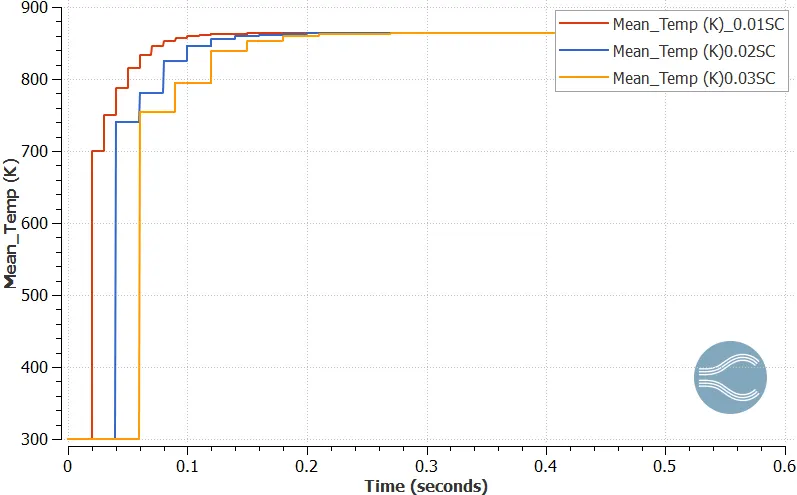
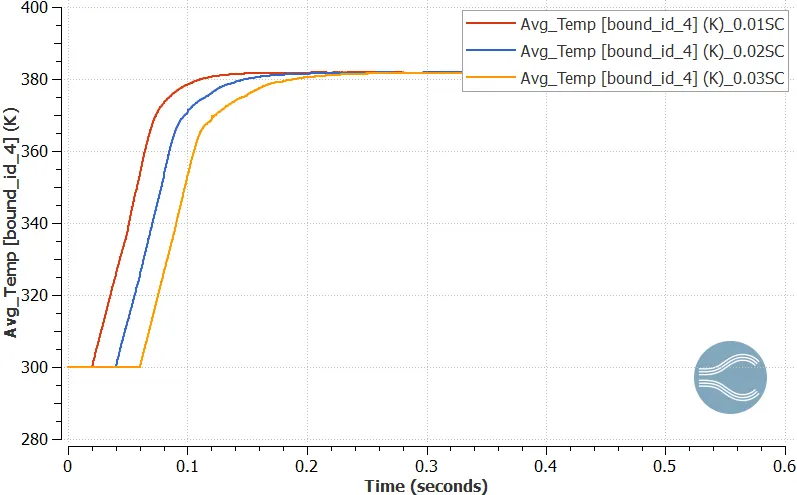
- Supercycle modeling- for 3 time intervals - 0.01/0.02/0.03
- Grid Control
- Base Grid - 0.002x0.002x0.002 m
- Fixed Embedding
- Boundary-Top and Bottom- Permanent-Scale-3. Embed Layers 2
- Output/Post-processing
- Time interval 3D O/p files - 0.00125s
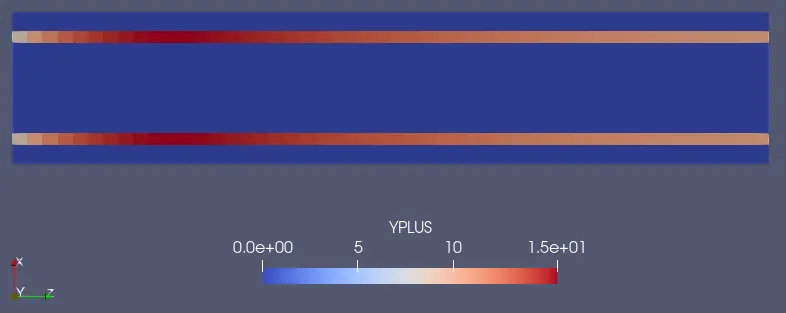
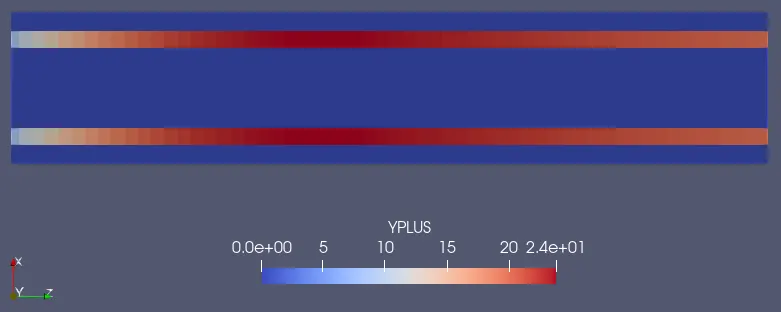
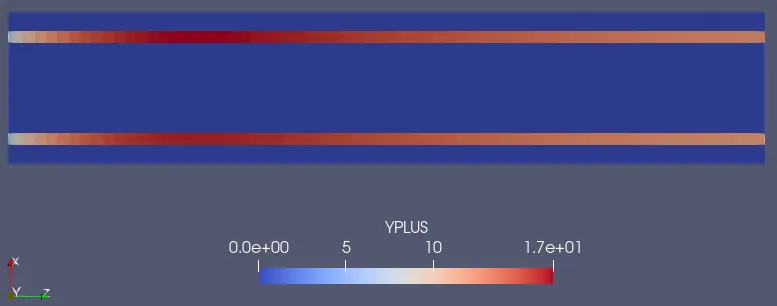
- Add Y+ in output files
- Advanced Parameters
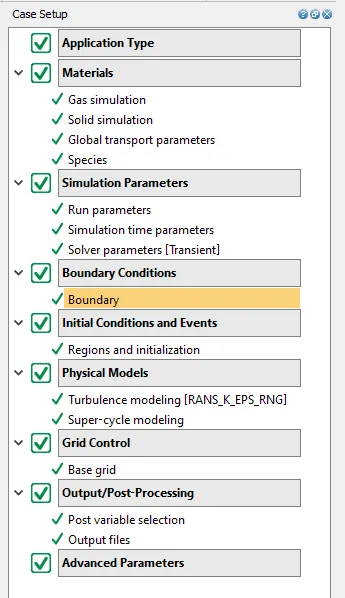
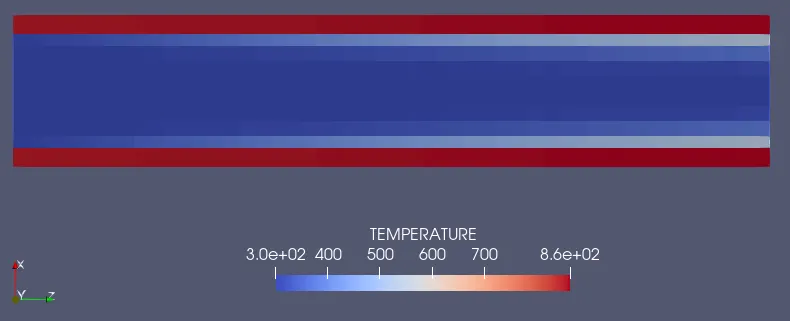
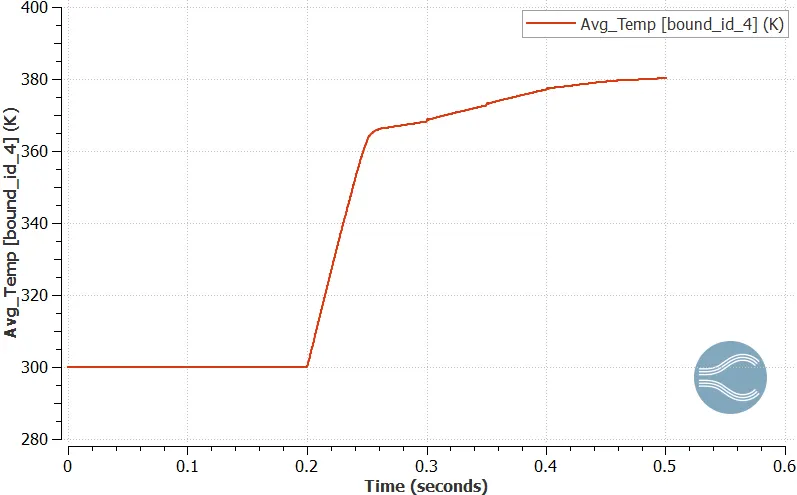
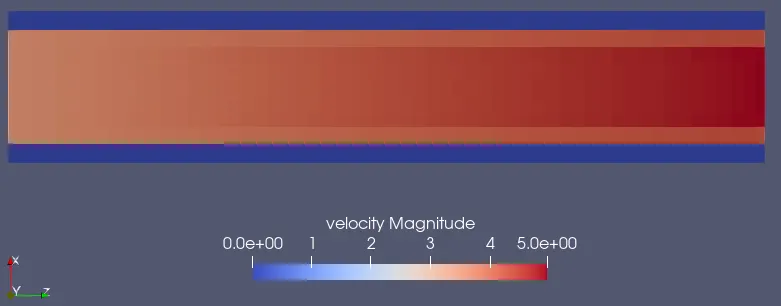
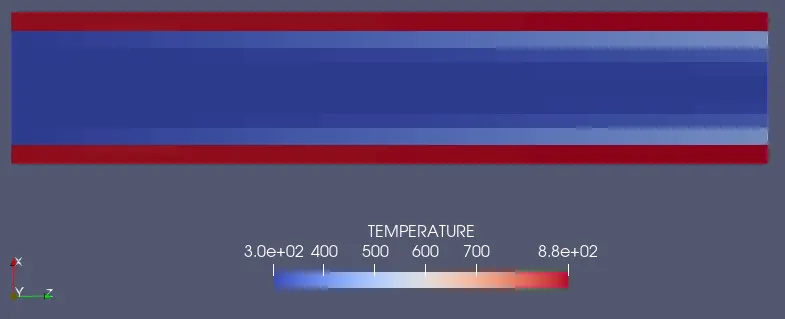
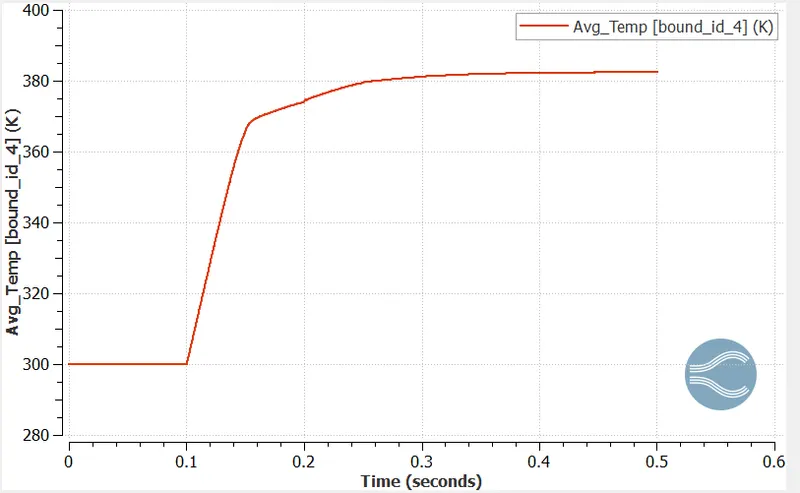
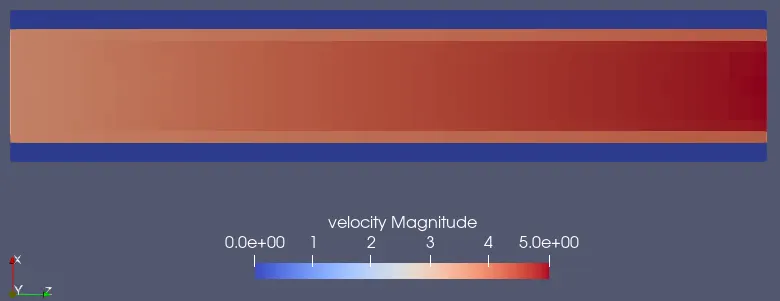
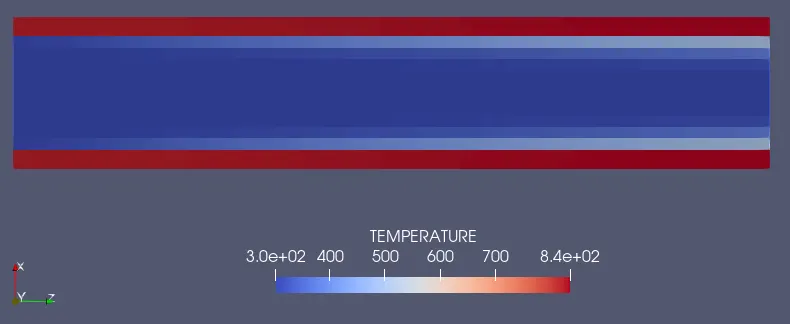
Observations - Considering Re number 7000, velocity through the tube is 3m/s. After running the calculation on Cygwin following are the results observed in Paraview and Converge Line plotting tool. We observe that the air flowing through the solid gets heated over time as it reaches the end of the tube.
- Case 1 - 4mm grid
- Mesh and Cell count -
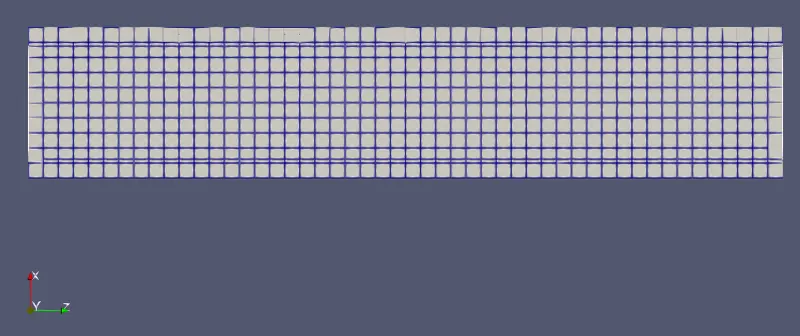
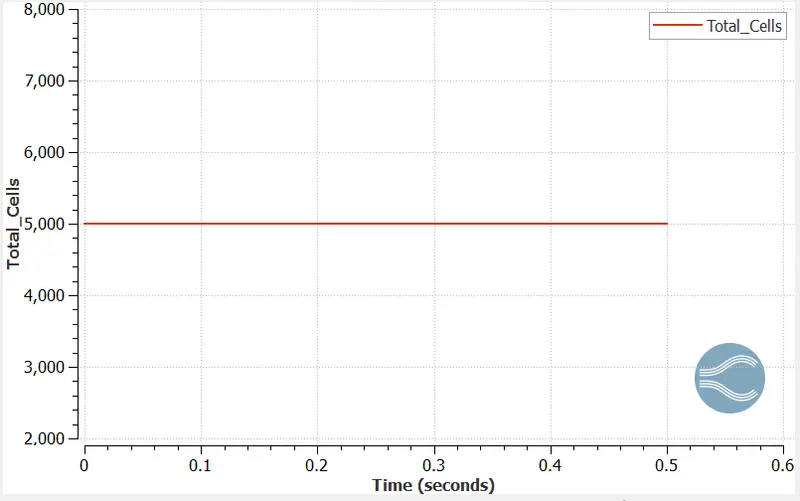
- Velocity
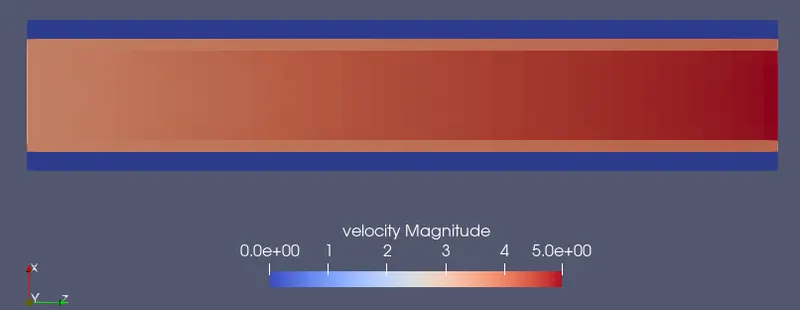
- Temperature
- Y+
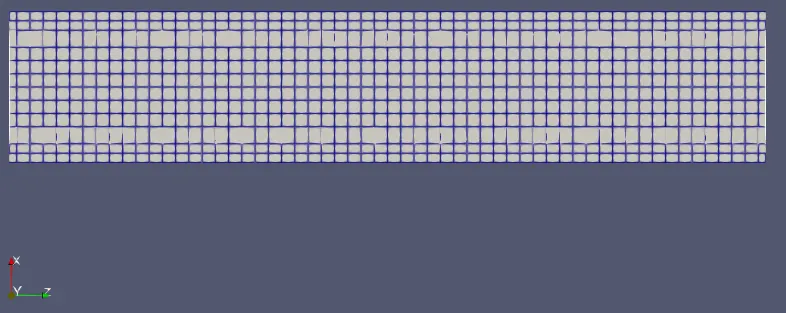
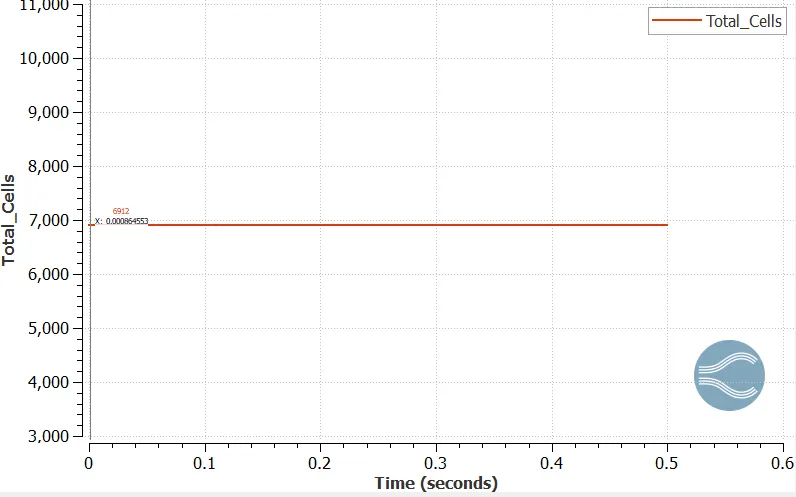
- Case 2 - 3.5mm grid
- Mesh and Cell count -
- Velocity
- Temperature
- Y+
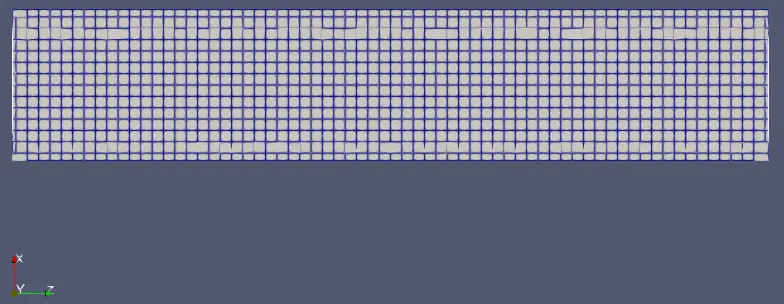
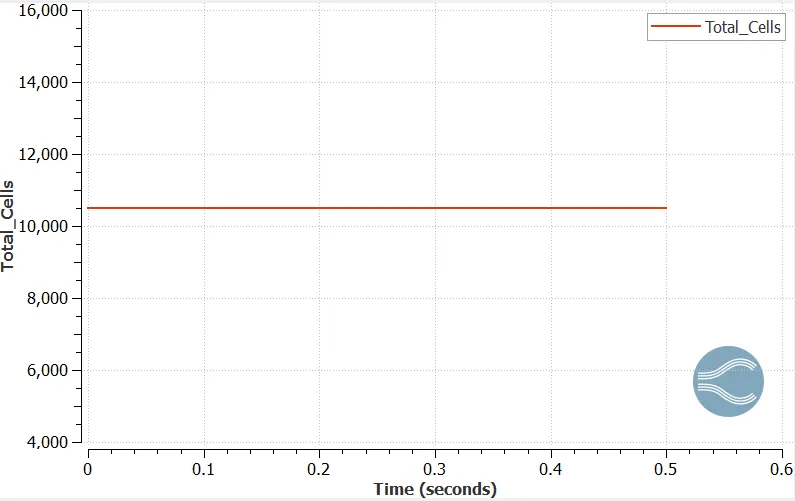
- Case 3 - 3mm grid
- Mesh and Cell count -
- Velocity
- Temperature
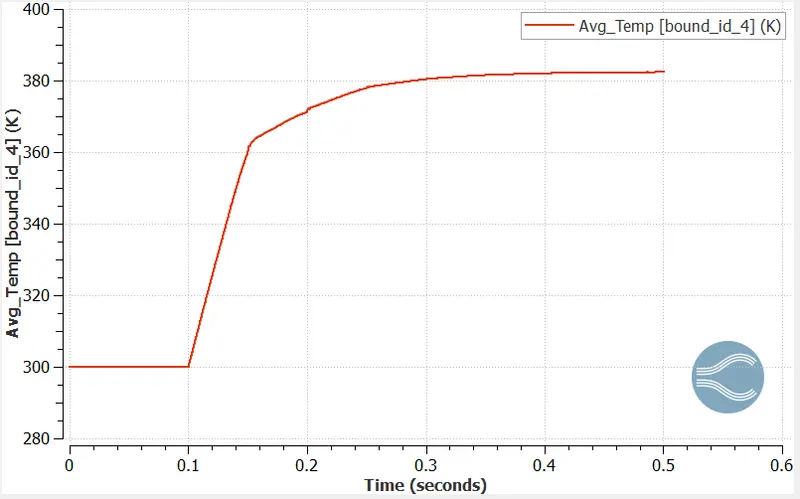
- Y+
- Case 4 - Super-Cycling effect
- Animation link - https://youtu.be/AfPGnGeQ070
-
Conclusion -
- As observed the heat transfer starts from the outer side by external heat flux and transfer through the solid region through conduction and for the inner fluid heat is passed by convection.
-
As the super cycling time interval decrease the higher will be the simulation time.