Week 6 - CHT Analysis on a Graphics card
INTRODUCTION-
-
- CHT Analysis on a Graphics card
- CHT, conjugate heat transfer refers to the combination of conduction, convection and radiative heat transfer in the surrounding fluids. whenever the solid and fluid interface appears and there is an exchange of thermal energy between them, the CHT analysis can be performed.
- Conjugate heat transfer investigation helps in determining the surface temperatures and heat exchanging abilities of the devices. Through this analysis, engineers can optimize the thermal parameters for their design.
- As electricity passes through the CPU or gets blocked inside, it gets turned into heat energy. While a processor in a high-performance workstation may run hot due to heavy use, a processor in a regular computer that overheats is almost always a sign of a malfunctioning system.
- Computer cooling is required to remove the waste heat produced by computer components, to keep components within permissible operating temperature limits. Components that are susceptible to temporary malfunction or permanent failure if overheated include integrated circuits such as central processing units (CPUs), chipsets, graphics cards, and hard disk drives
- Components are often designed to generate as little heat as possible, and computers and operating systems may be designed to reduce power consumption and consequent heating according to workload, but more heat may still be produced than can be removed without attention to cooling. The use of heatsinks cooled by airflow reduces the temperature rise produced by a given amount of heat. Attention to patterns of airflow can prevent the development of hotspots. Computer fans are widely used along with heatsinks to reduce the temperature by actively exhausting hot air. There are also more exotic cooling techniques, such as liquid cooling
- A handful of components inside a computer account for most of the heat it produces. In desktop PCs, the microprocessor gets its own fan. By themselves, these chips generate from a few watts of heat to nearly 100 watts, depending on the device and application. The graphics processor, a separate calculating chip, also generates considerable heat. The computer's screen is another major heat-producer, putting out as much as 50 watts for larger models.
- Heat Transfer is known as the flow of thermal energy from one region to another region occupied by any matter (solids and fluids) where the rate of heat transfer is proportional to the temperature difference between the regions/matter. Conjugate heat transfer (CHT) is used to describe the variation of temperature between the solids and fluids due to the exchange of thermal energy between them.
GEOMETRY -
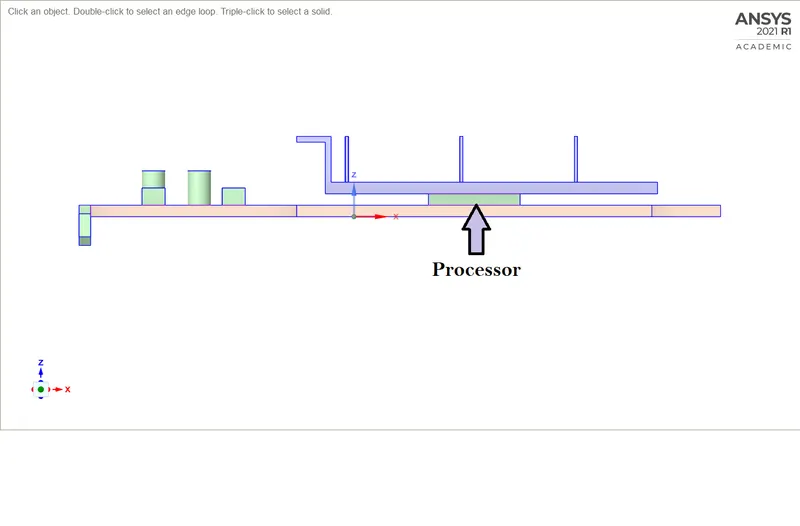
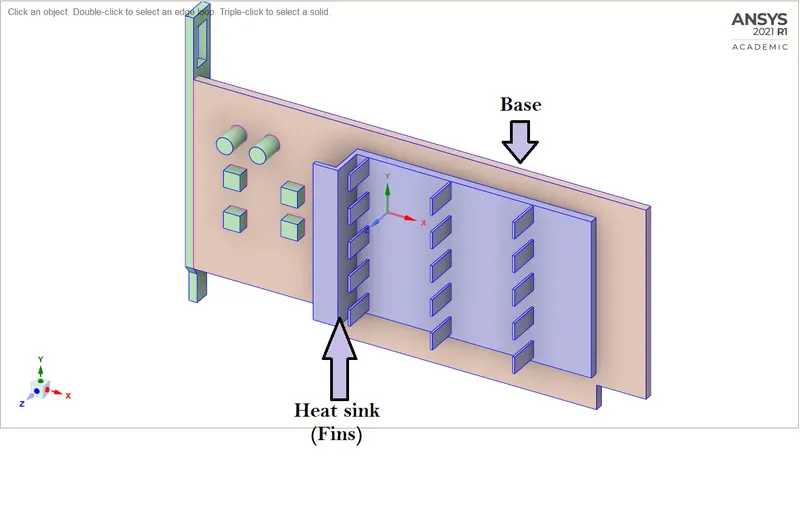
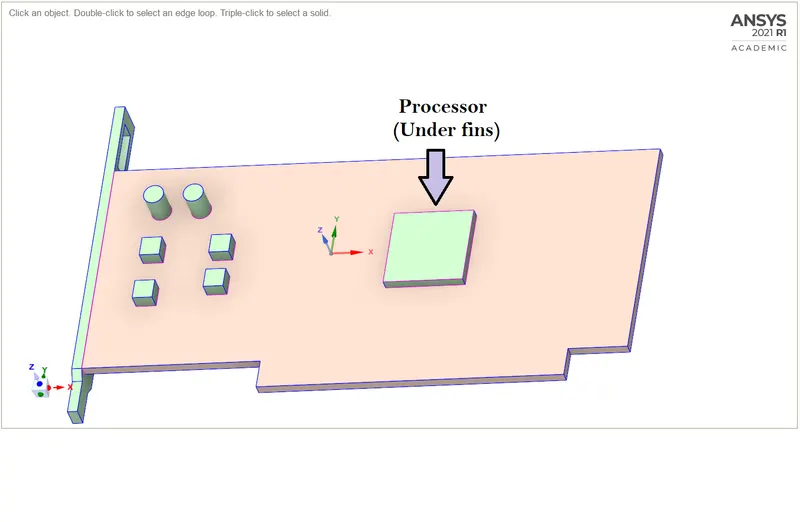
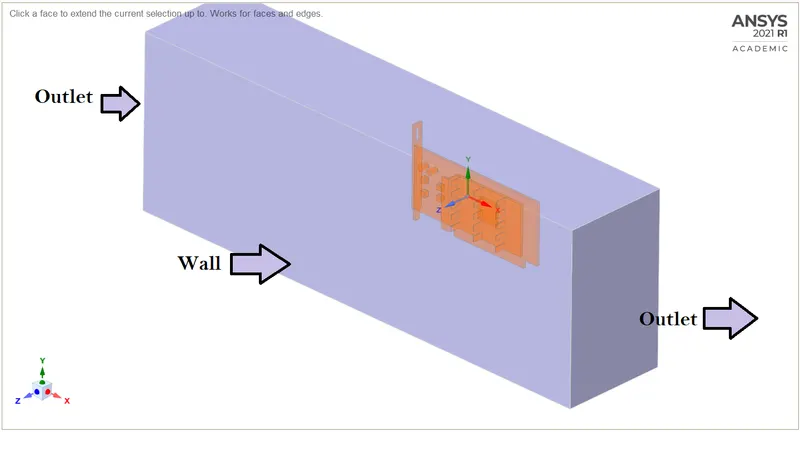
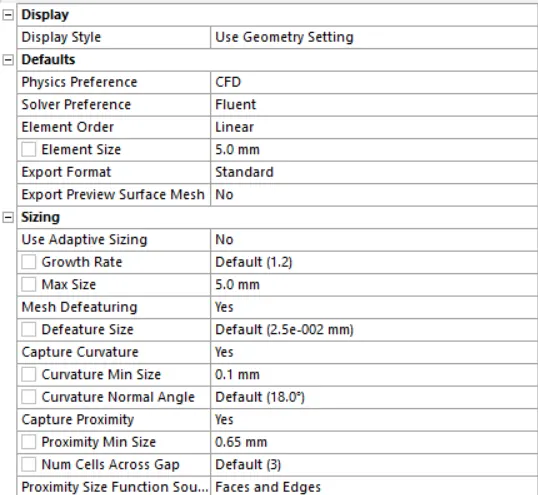
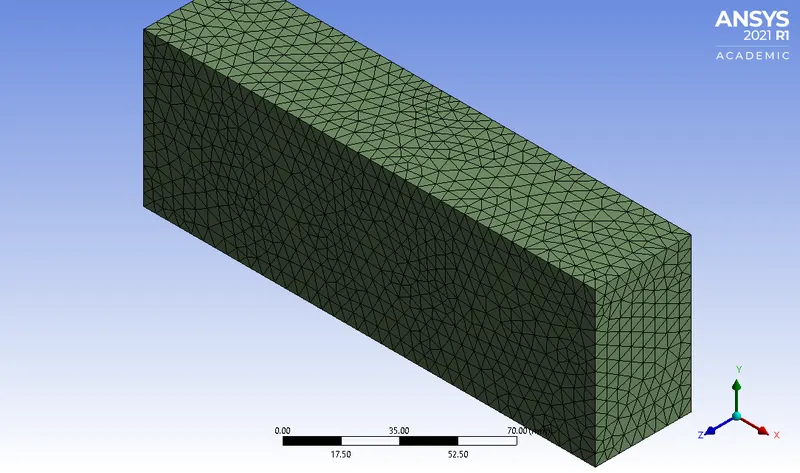
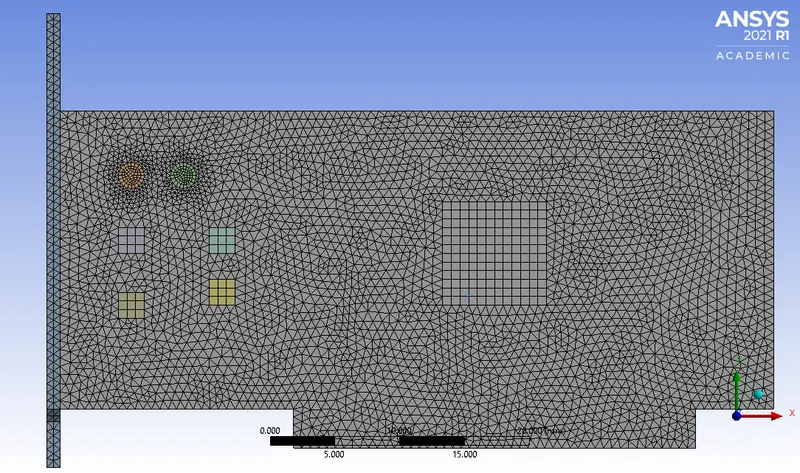
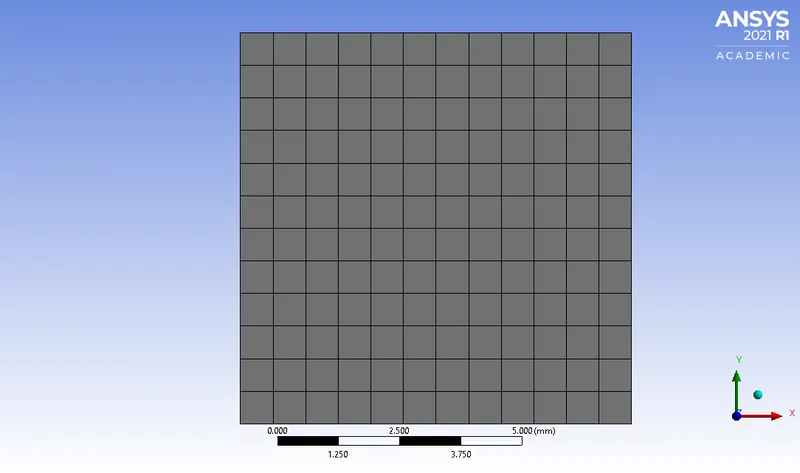
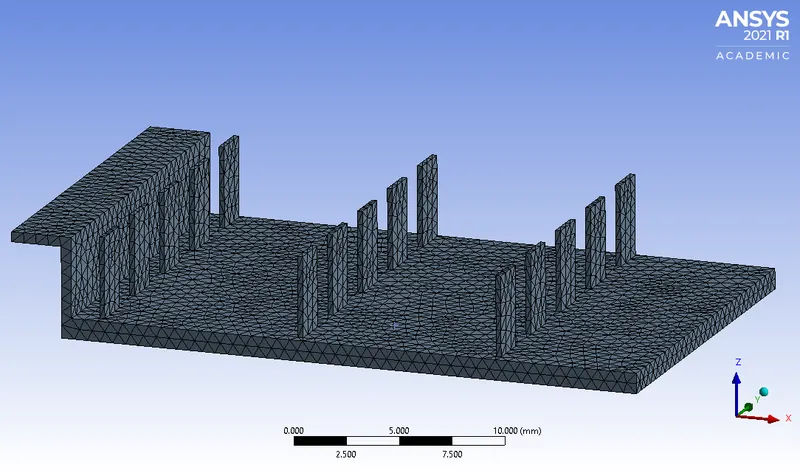
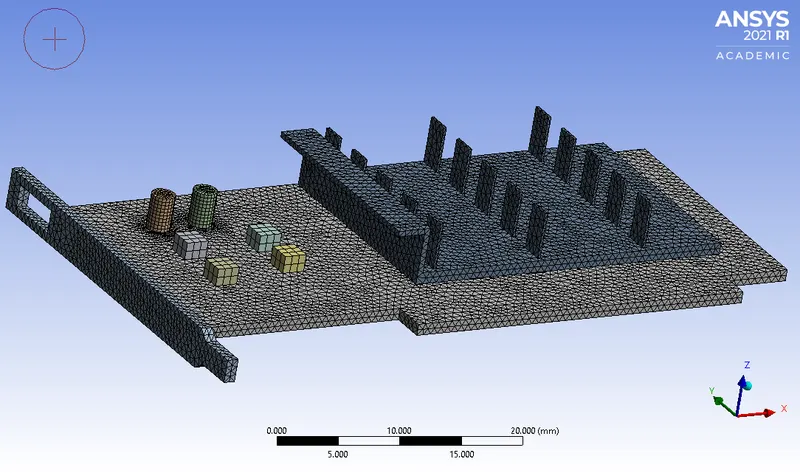
MESHING -
Creat name selections

Element size- 5mm
|
 |
|
 |
|
 |

SETUP
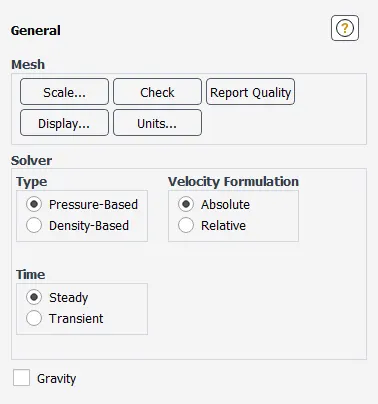
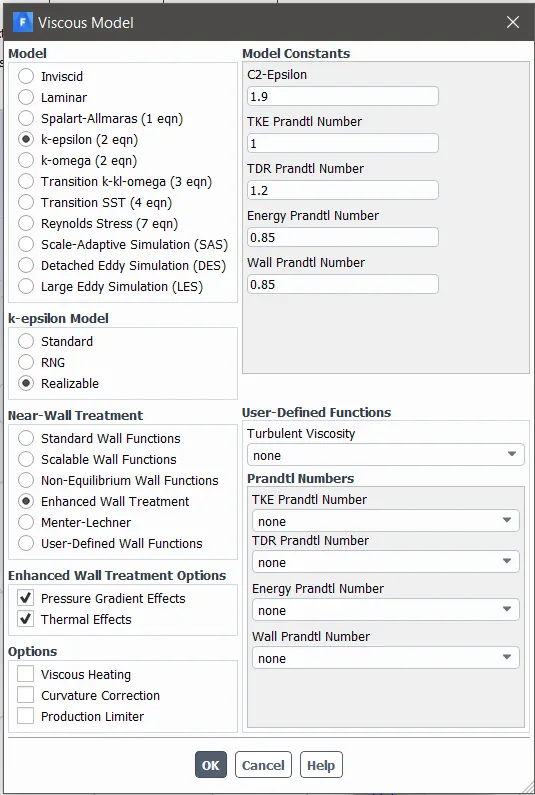
PHYSICS
|
 |
|
 |
&
|
|
|
|
|
 |
|
 |
|
 |
|
 |
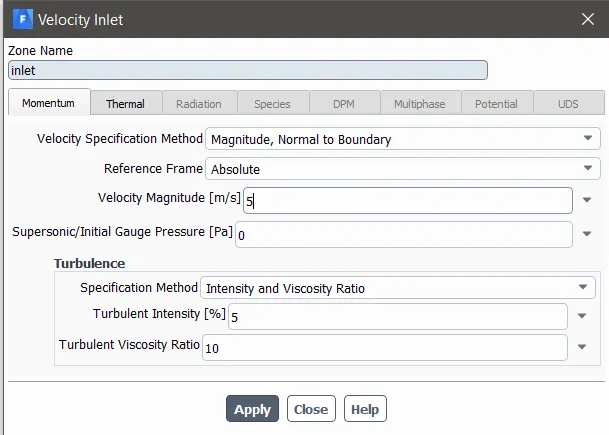 &
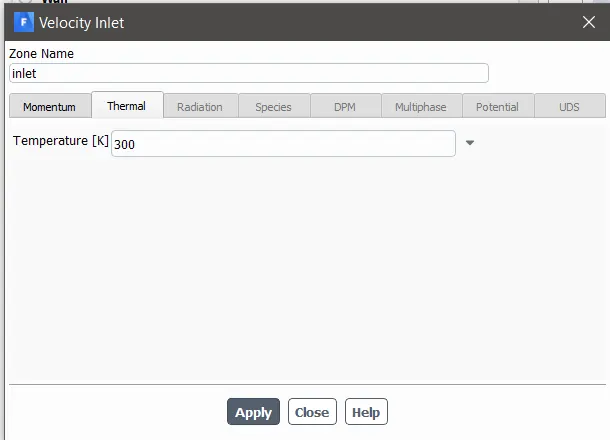
&
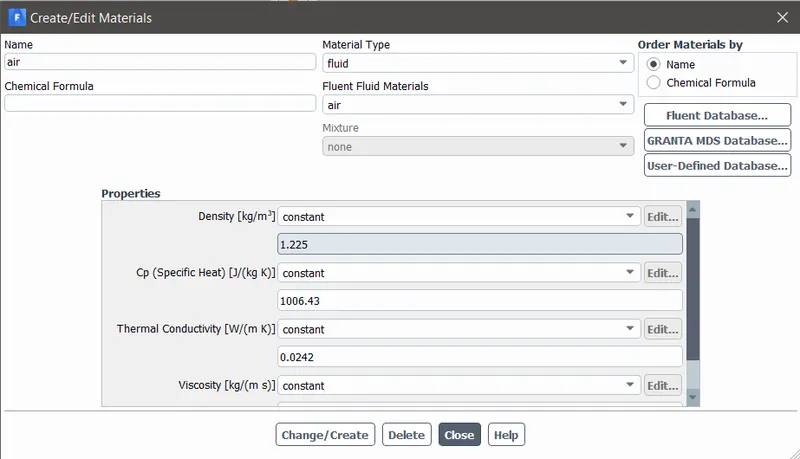
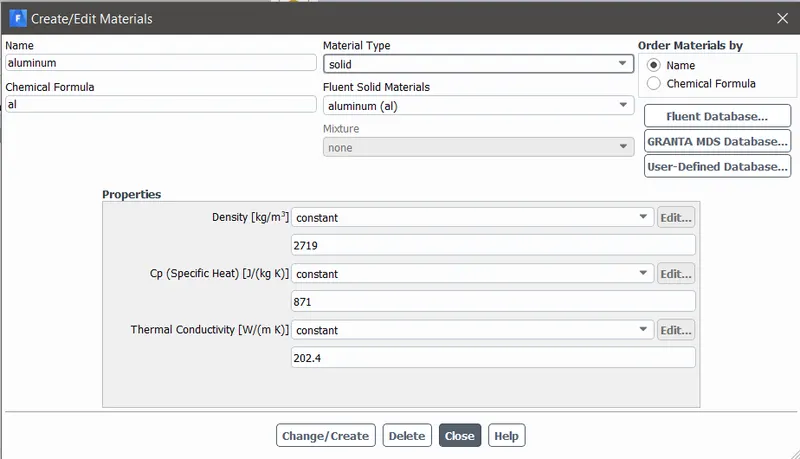
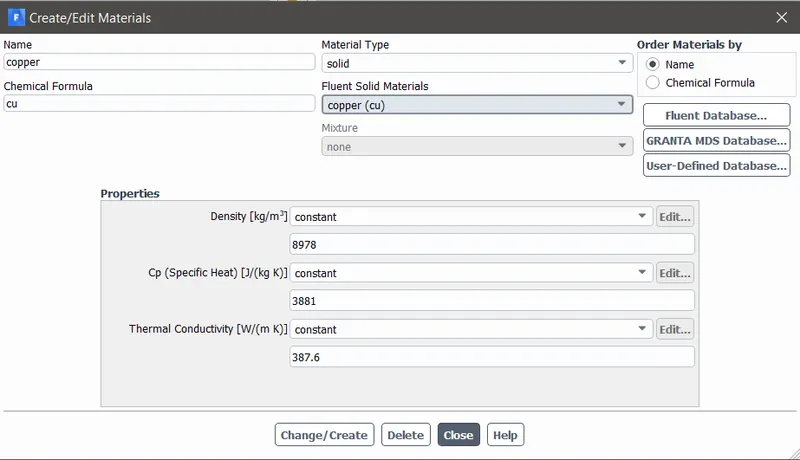
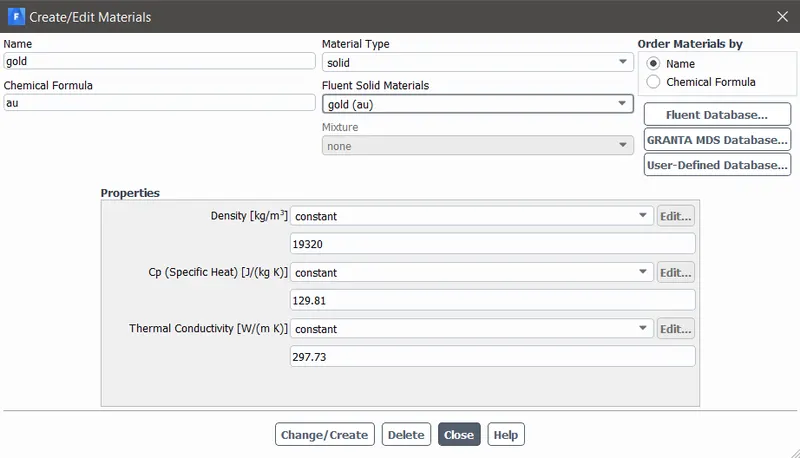
| Solids | Density |
Cp (Specific Heat) |
Thermal Conductivity | ZONES |
|
2719 | 871 | 202.4 | 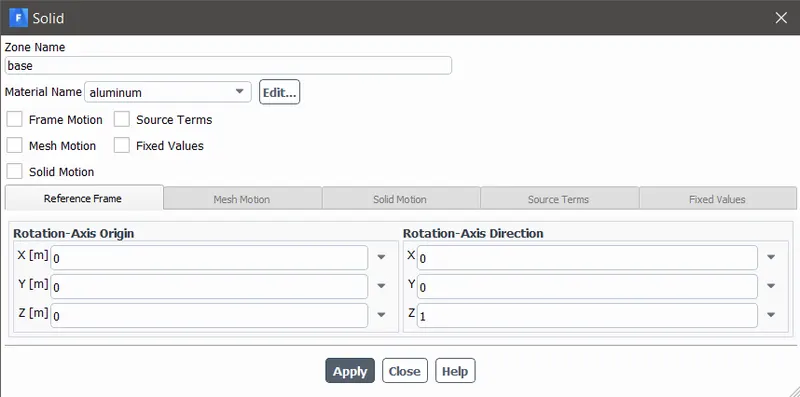 |
|
8978 | 3881 | 387.6 | 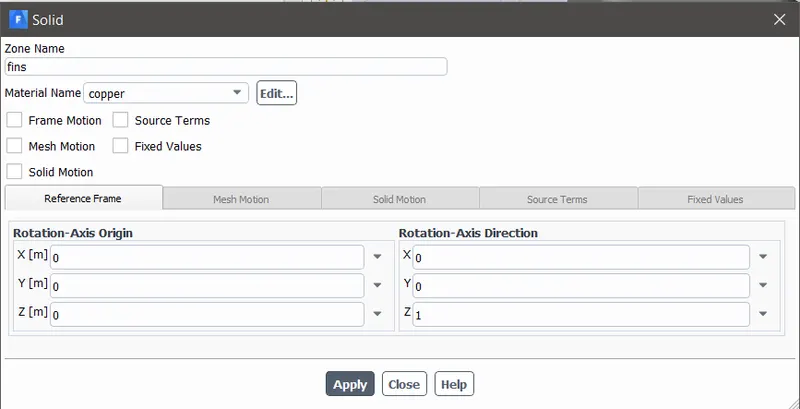 |
|
19320 | 129.81 | 297.73 | 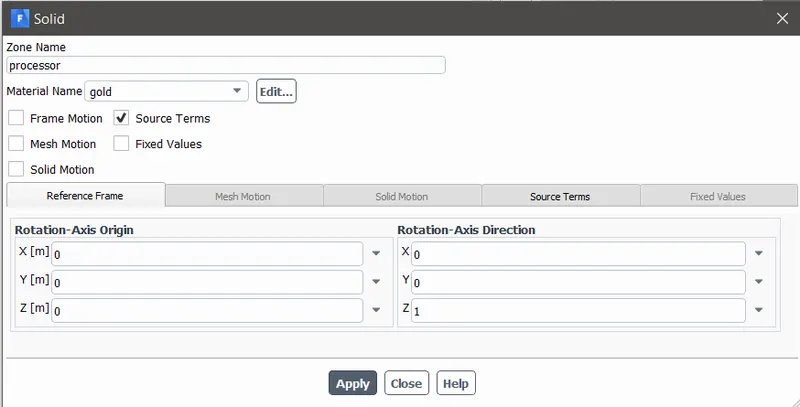 |
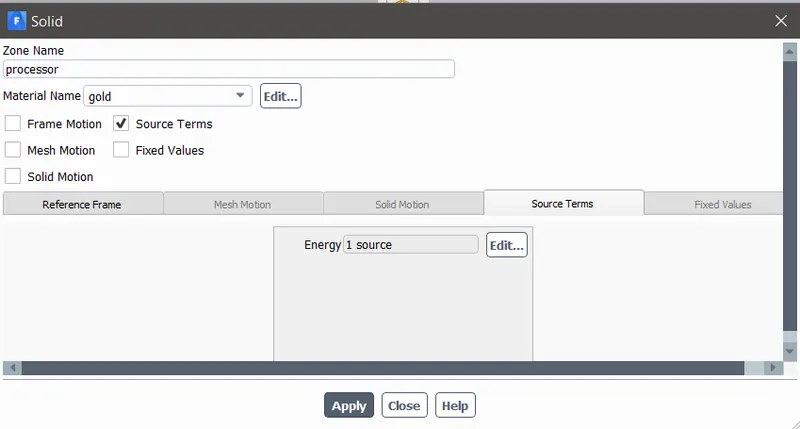
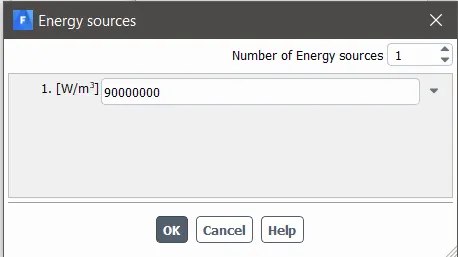
- Source Terms
 |
 |
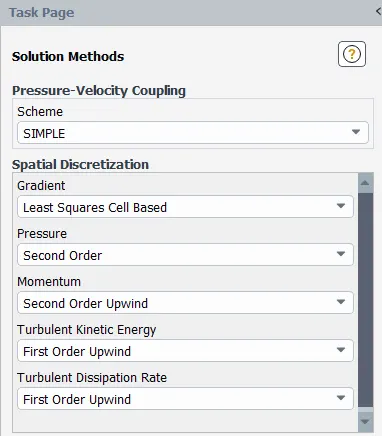
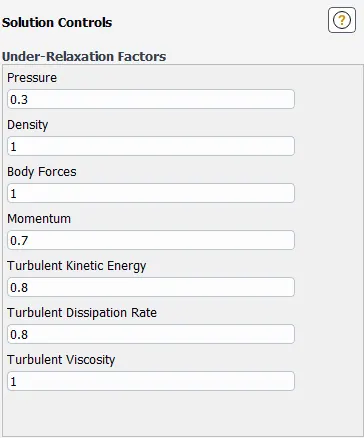
SOLUTION
|
 |
|
 |
|
 |
|
 |
RESULTS
|
v= 1 m/s |
|
v=2.5 m/s |
|
v= 5 m/s |
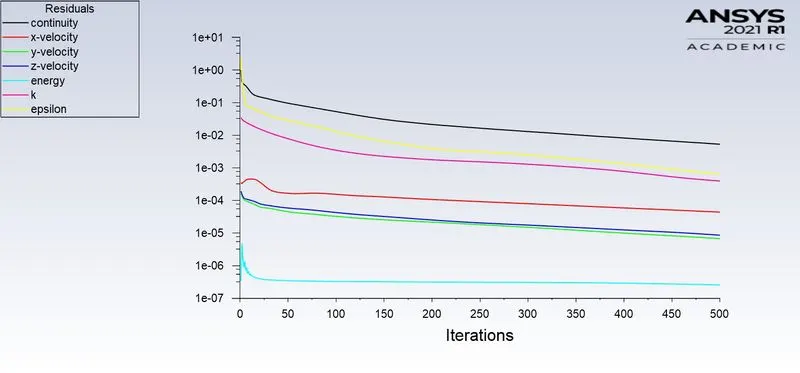
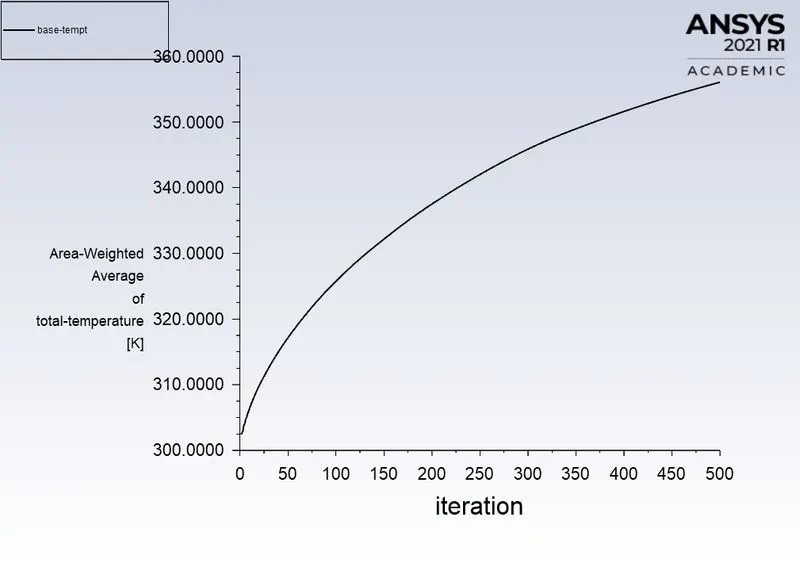
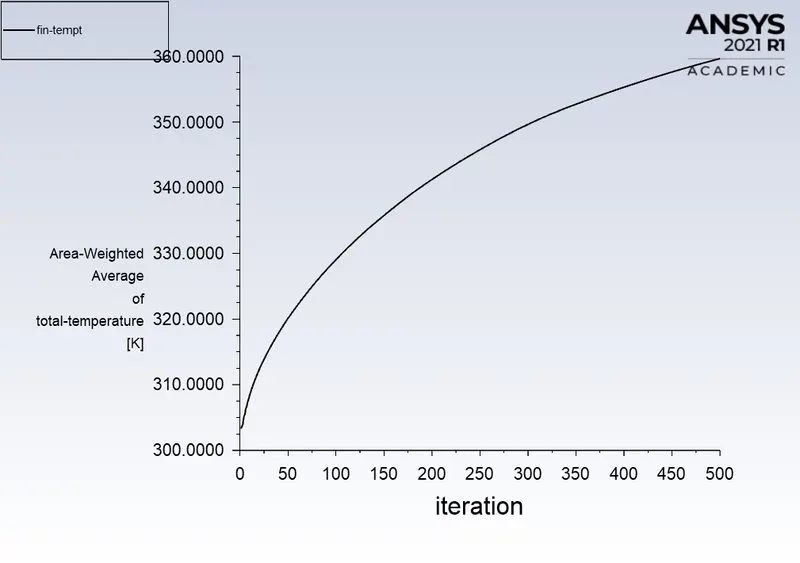
CASE 1 -
Residuals-
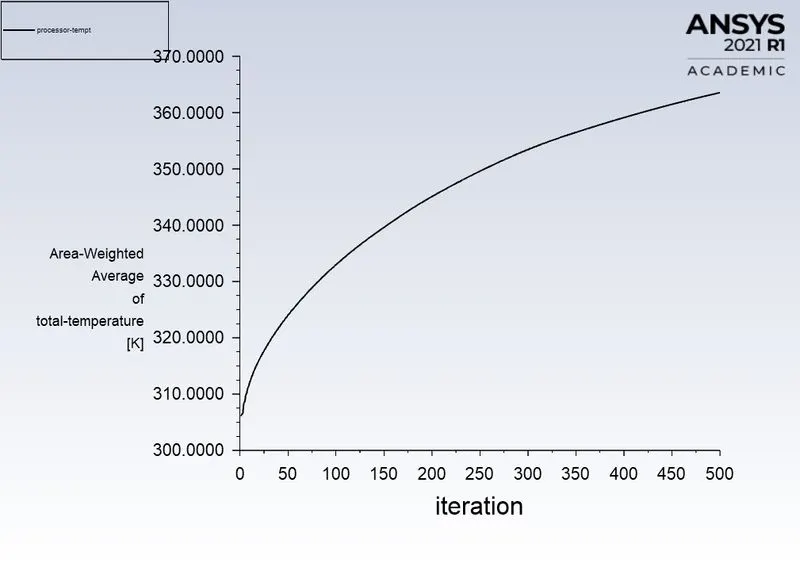
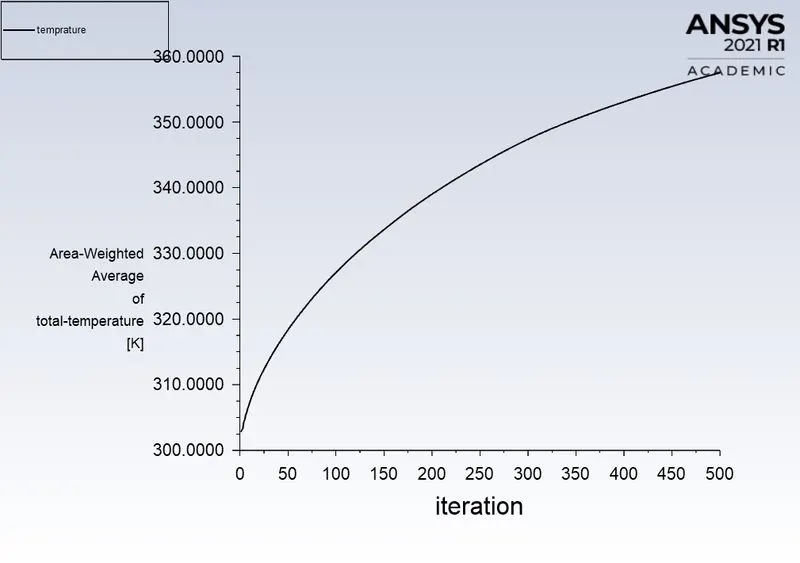
| Temperature plot- | |
|
 |
|
 |
|
 |
|
 |
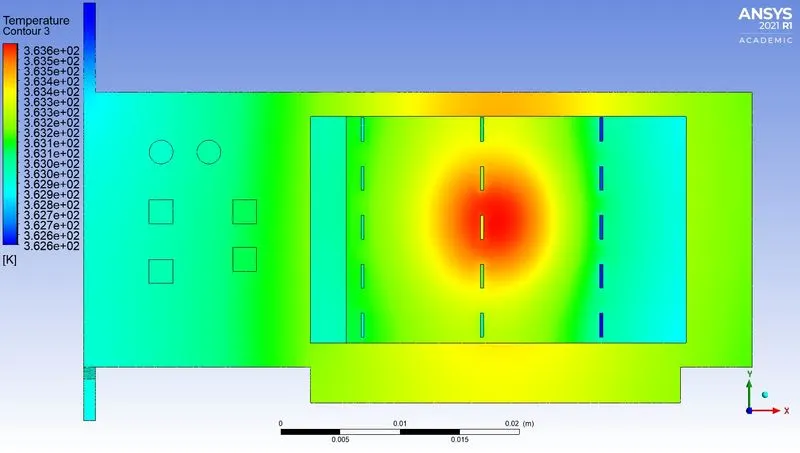
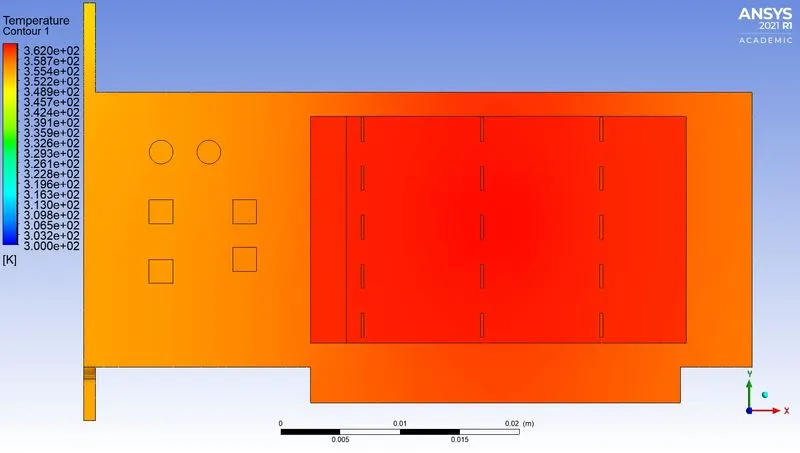
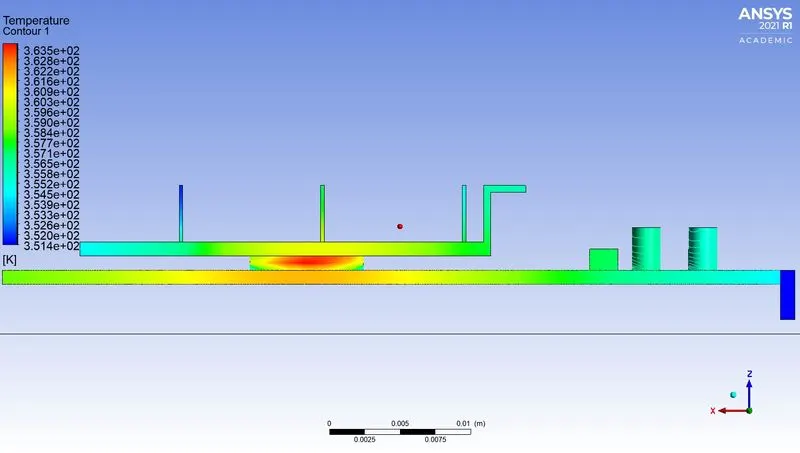
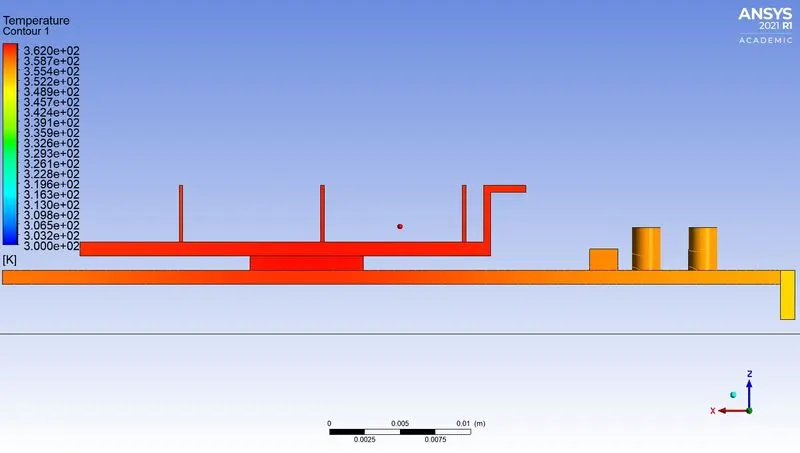
| Temprature contour | |
| Local temp. | Global temp. |
 |
 |
 |
 |
| Base | 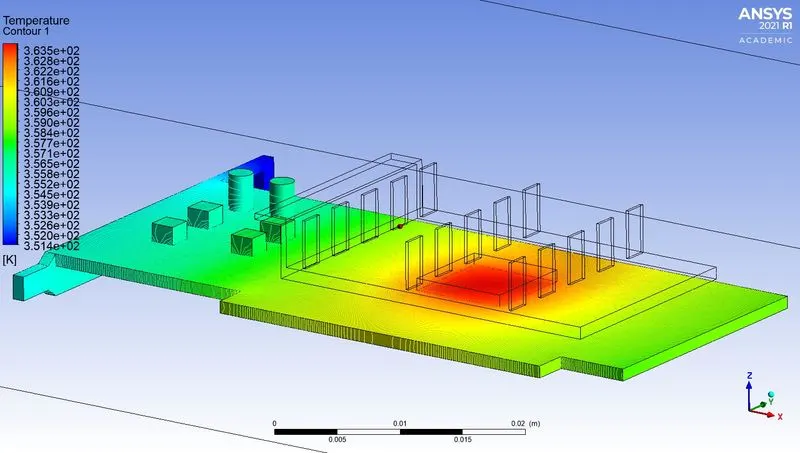 |
| Fins | 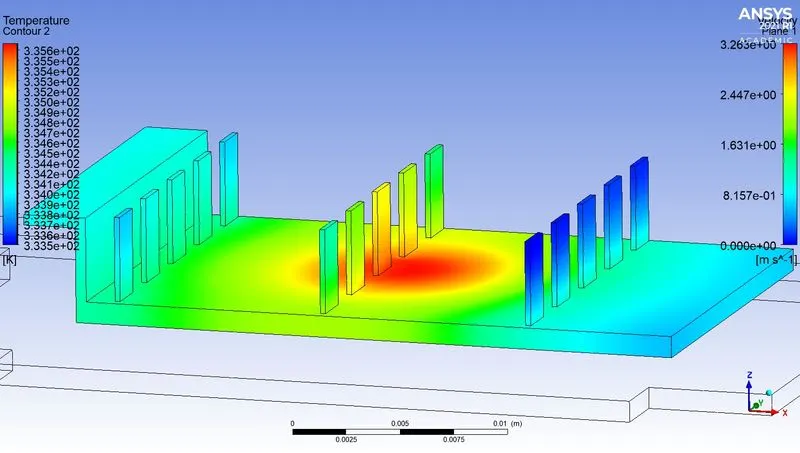 |
| Processor | 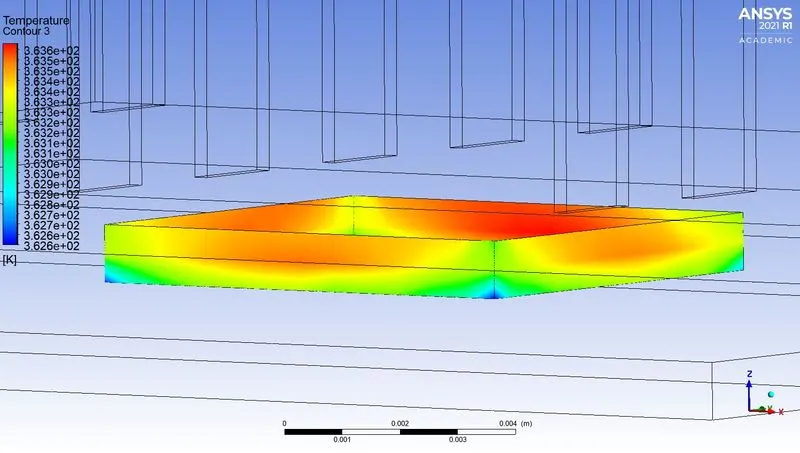 |
|
|
|
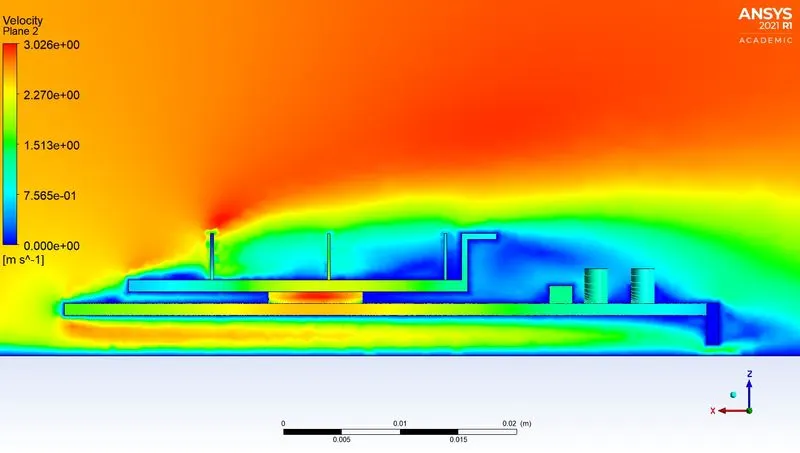 |
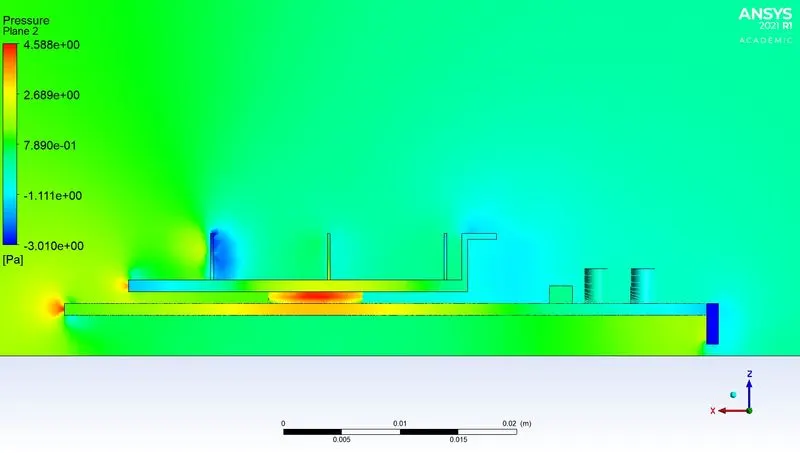 |
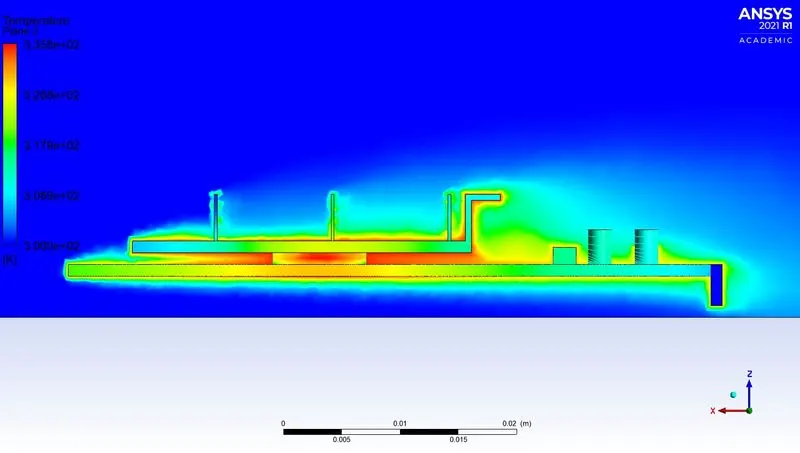 |
CASE 2 -
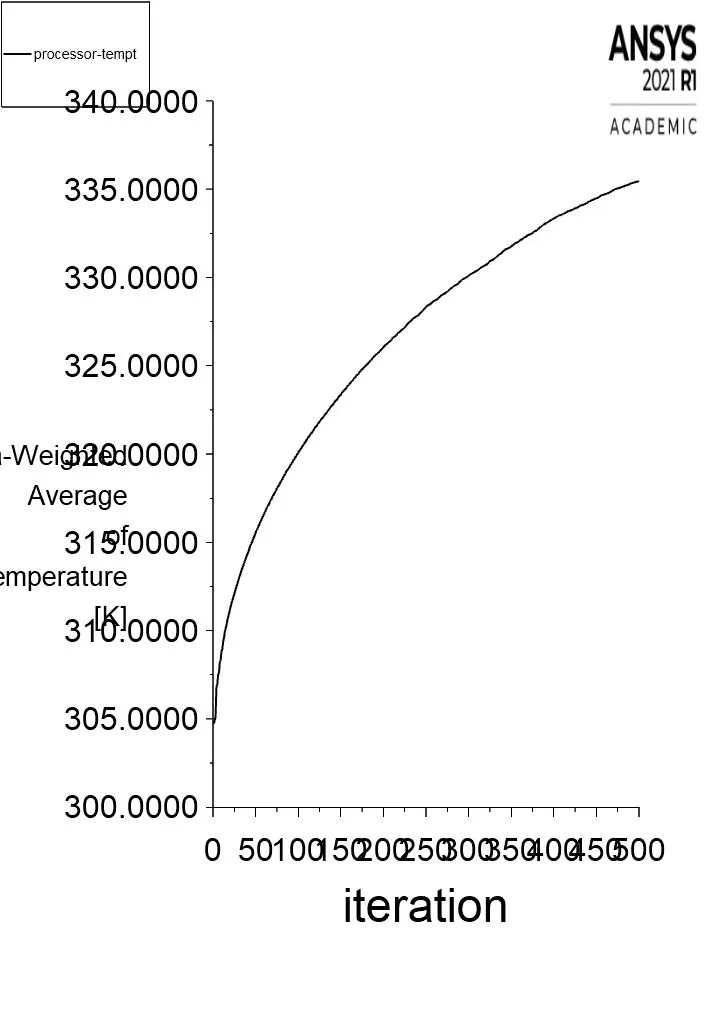
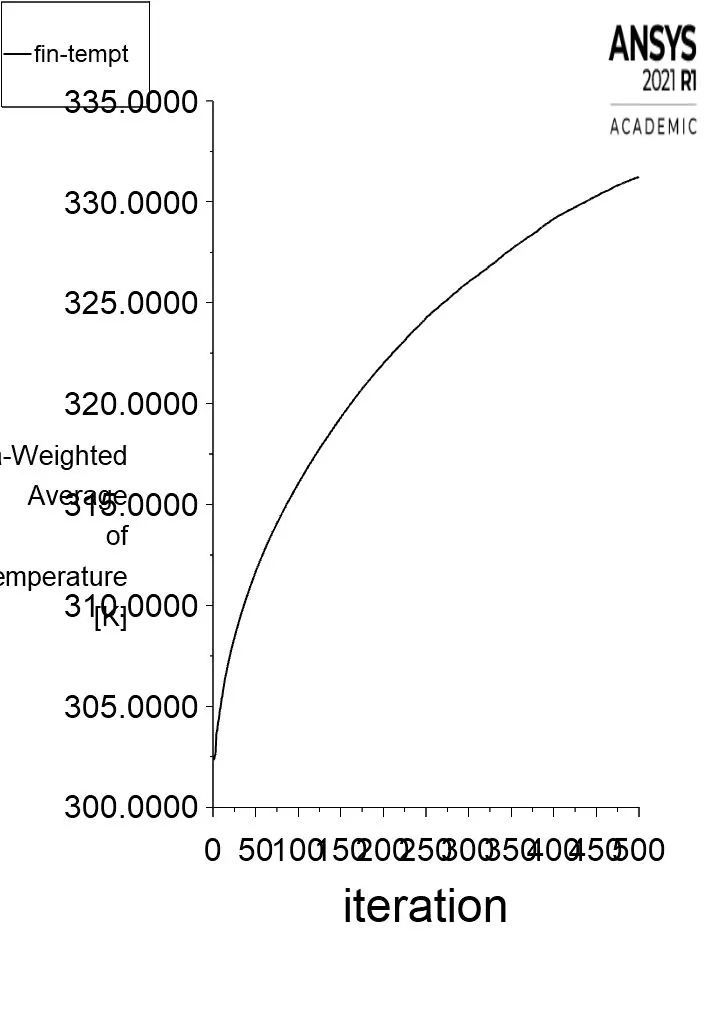
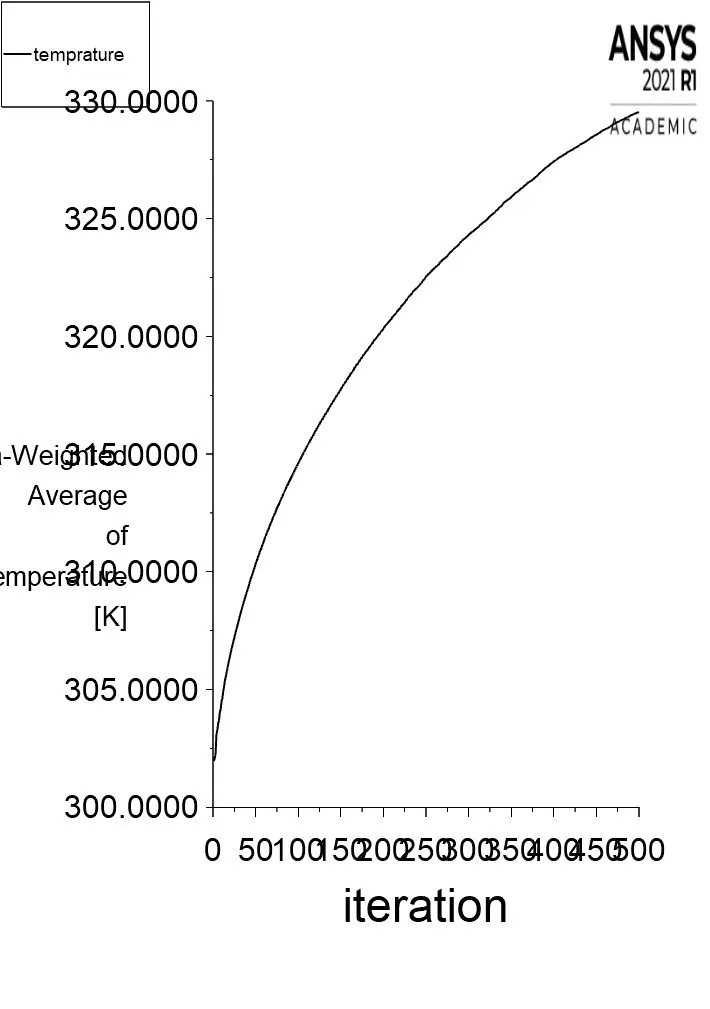
Residuals-
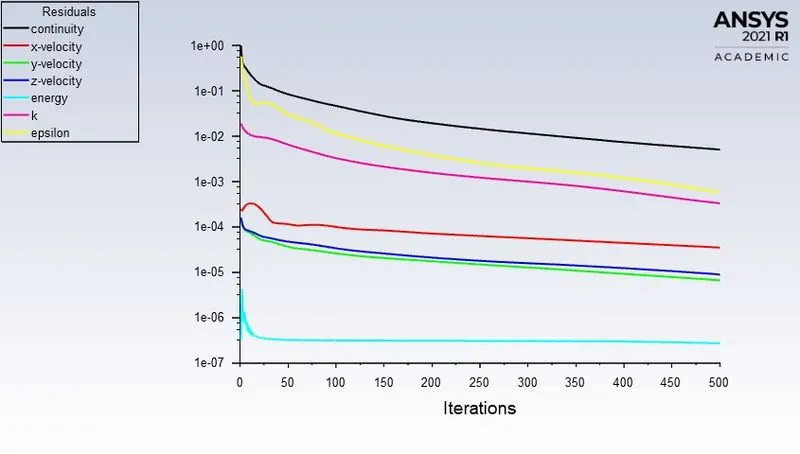
| Temperature plot- | |
|
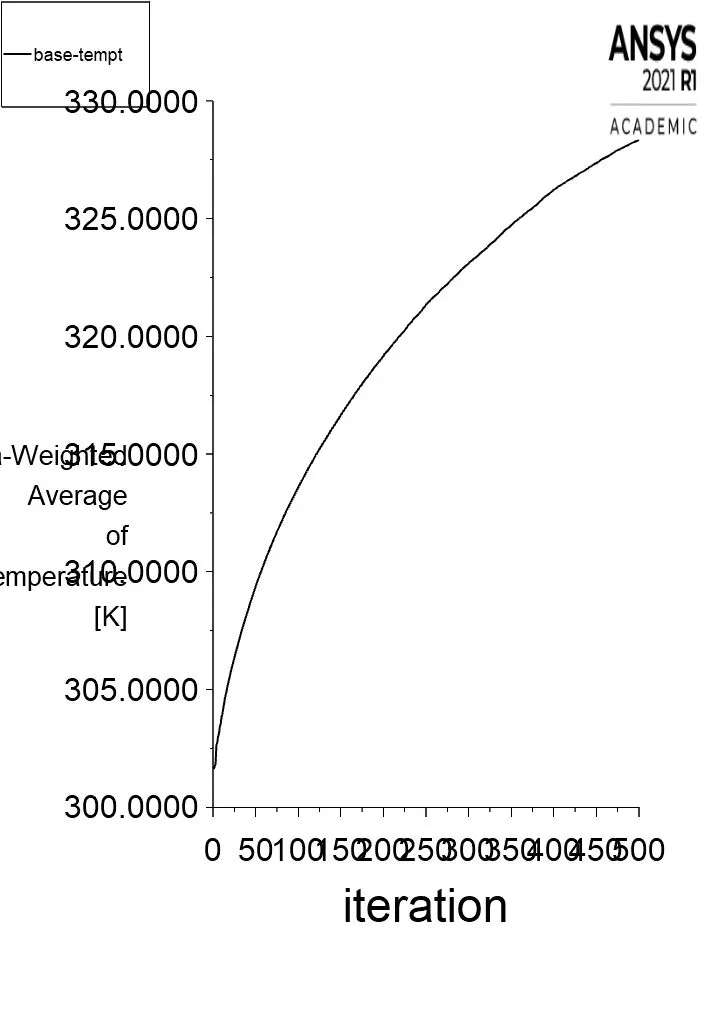 |
|
 |
|
 |
|
 |
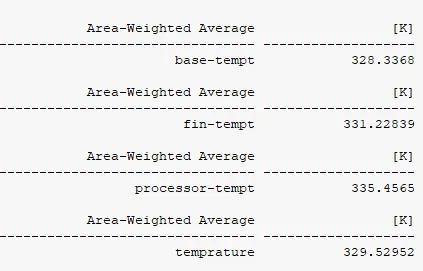
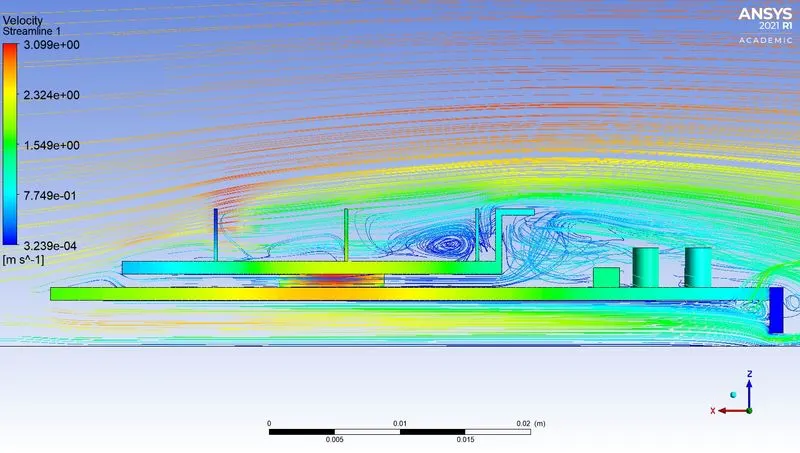
| Temperature contour | |
| Local temp. | Global temp. |
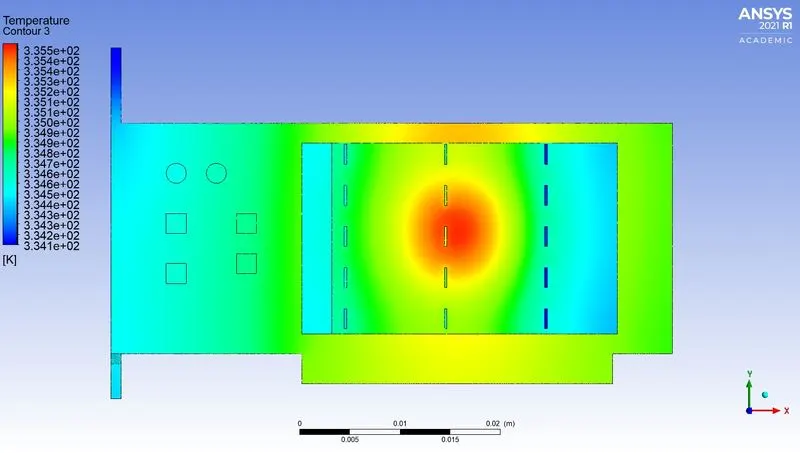 |
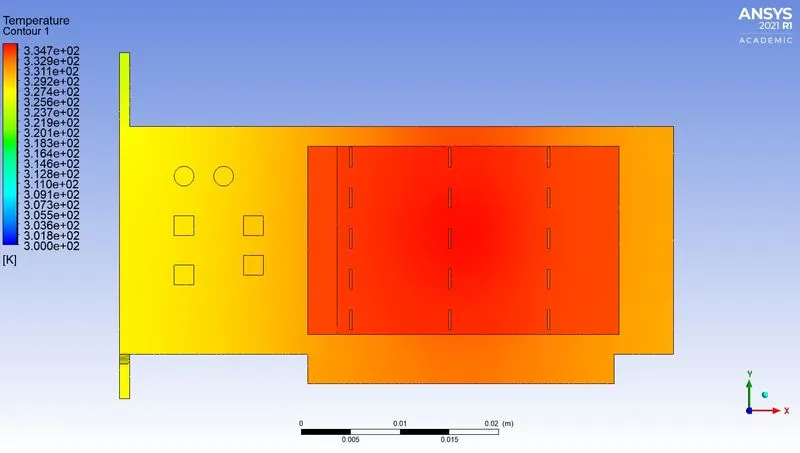 |
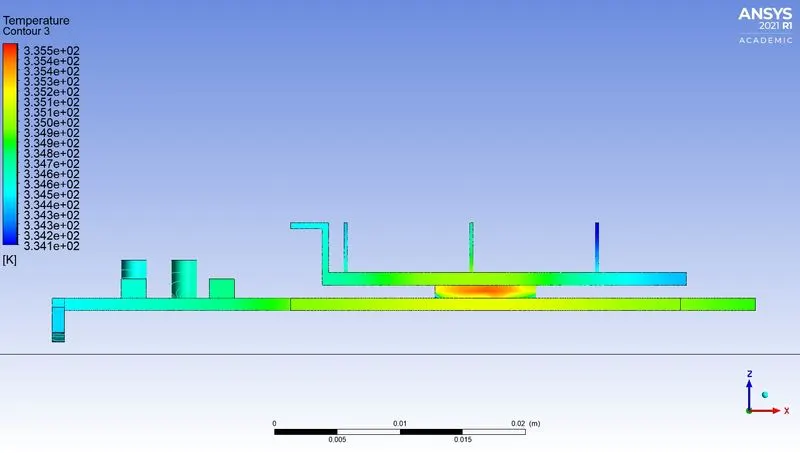 |
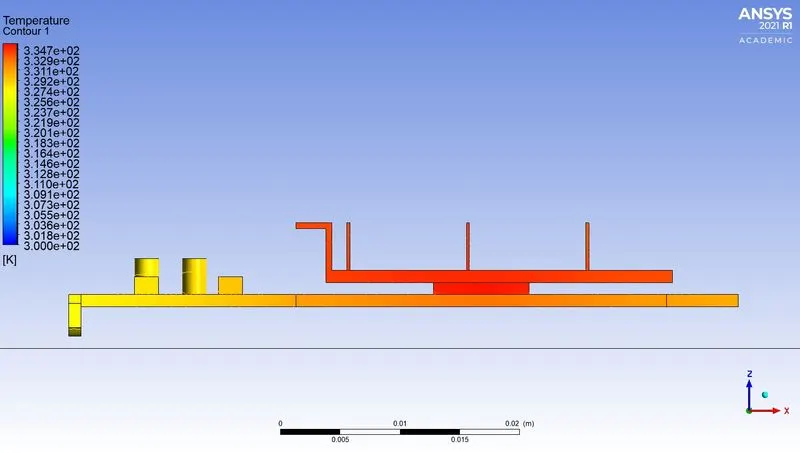 |
| Base | 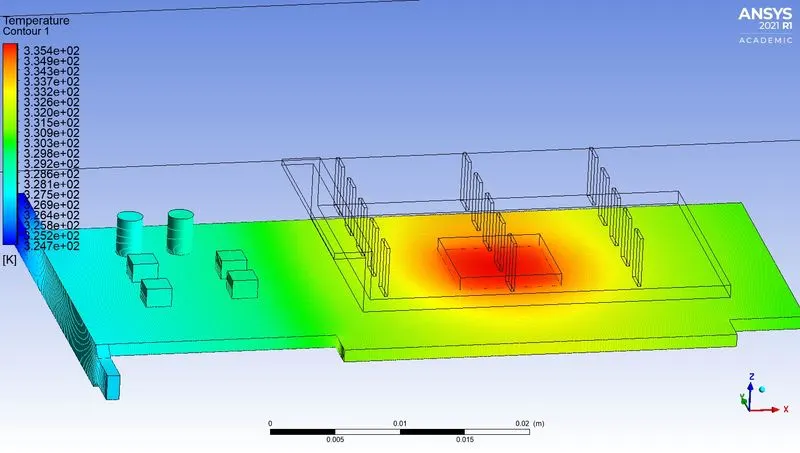 |
| Fins | 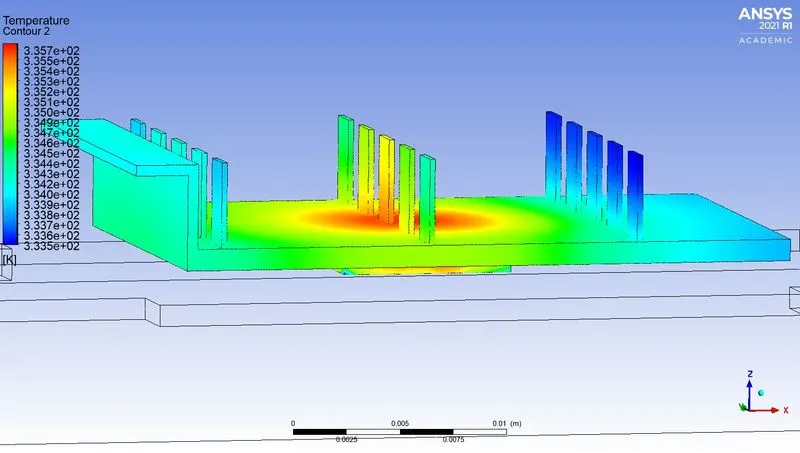 |
| Processor | 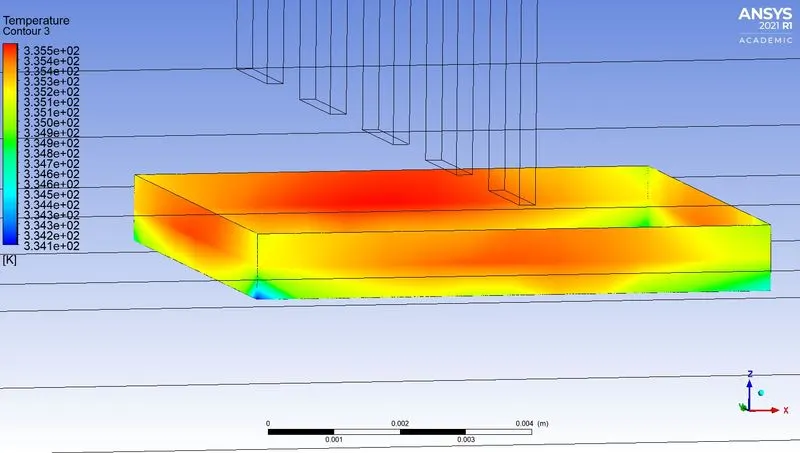 |
|
|
|
| |
|
|
CASE 3 -
Residuals-
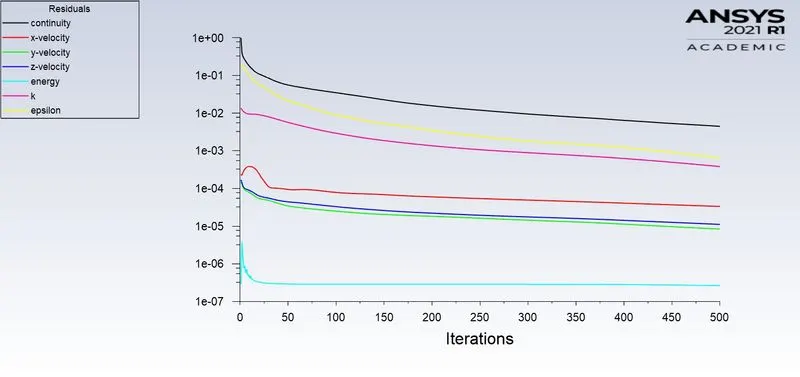
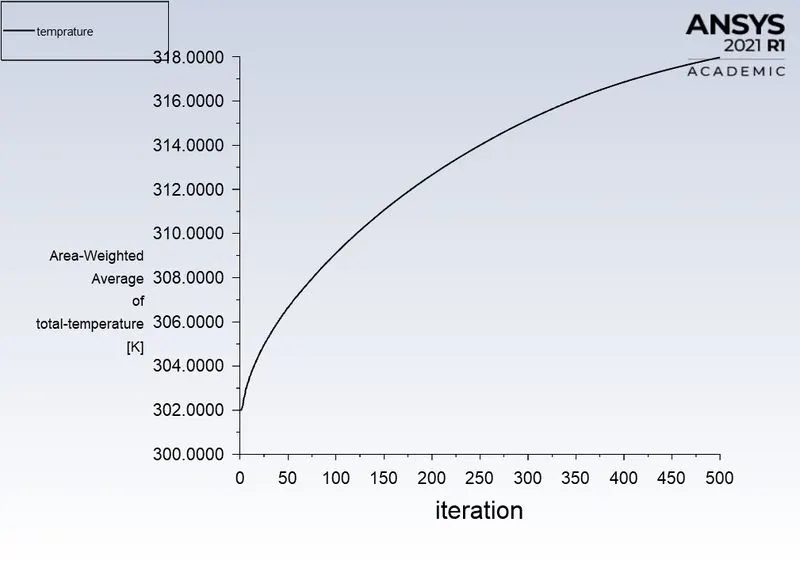
| Temperature plot- | |
|
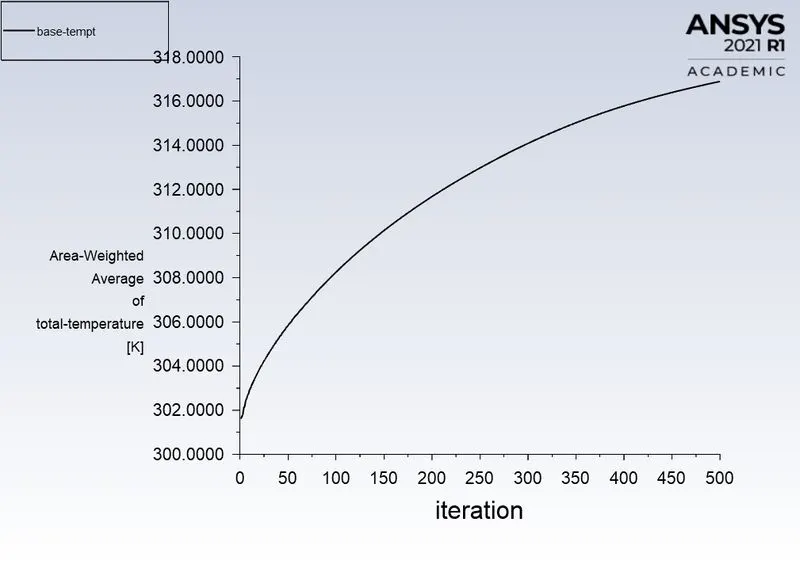 |
|
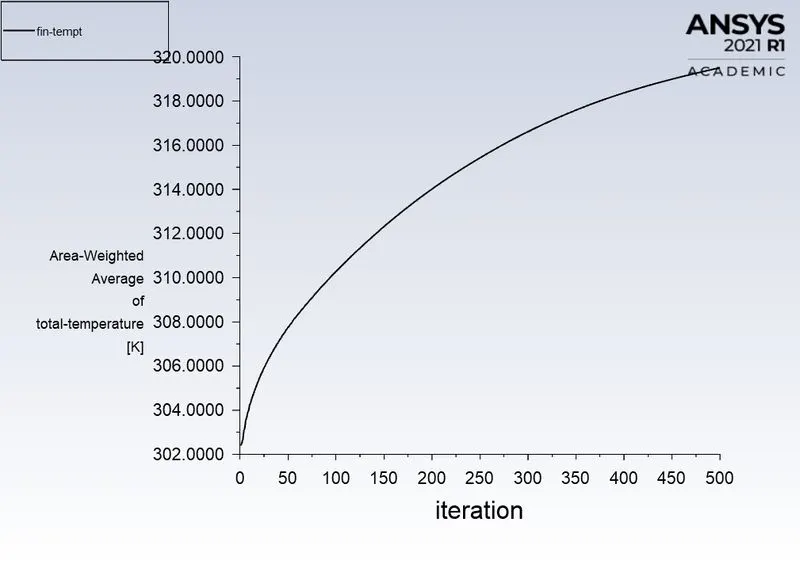 |
|
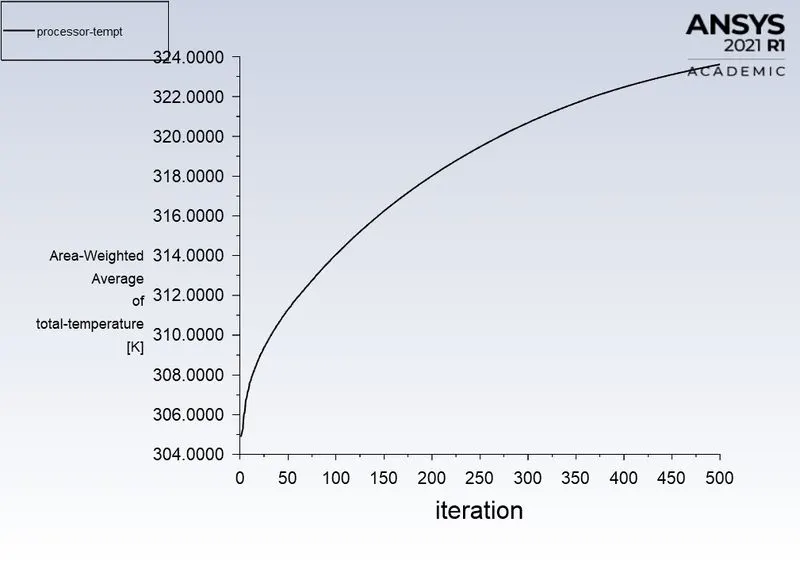 |
|
 |
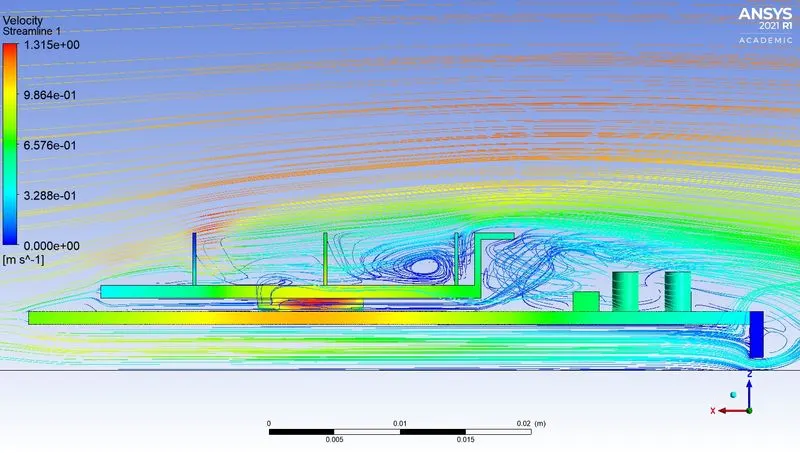
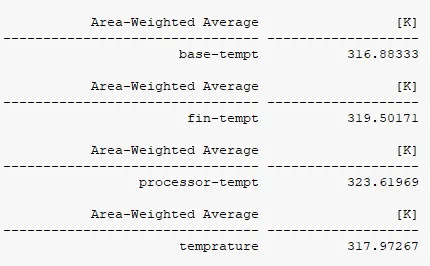
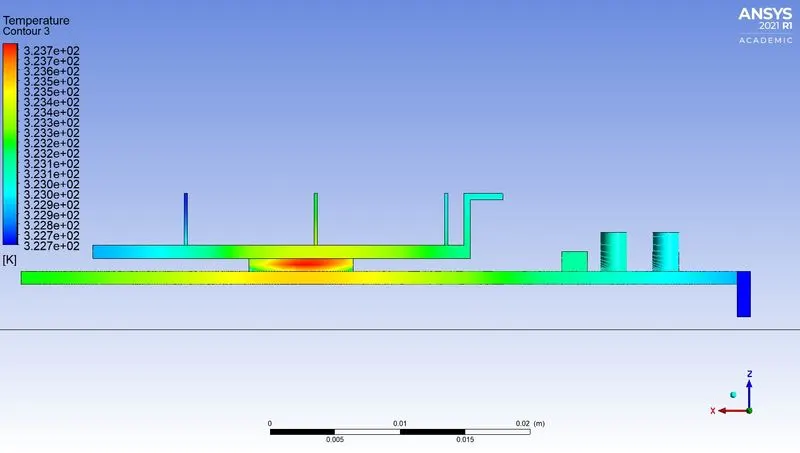
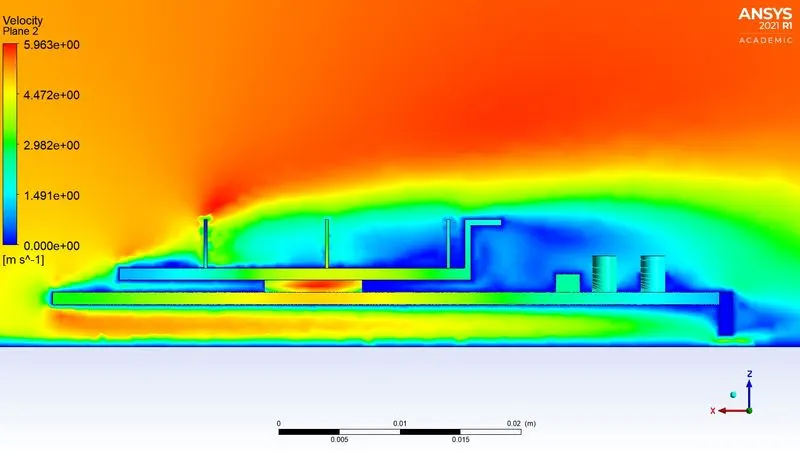
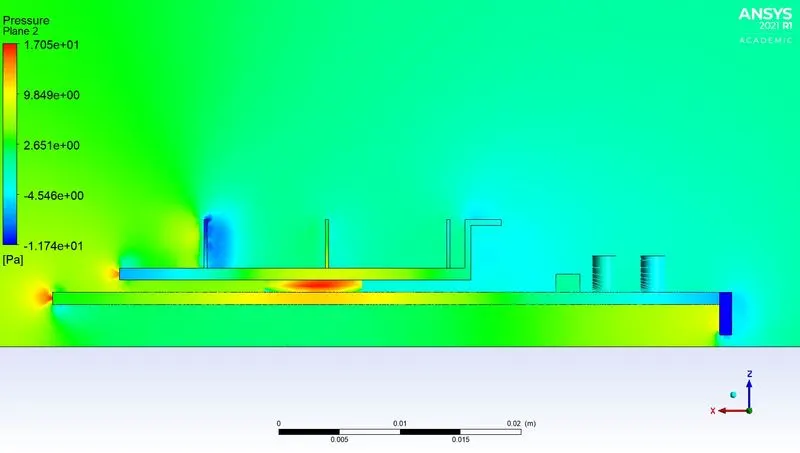
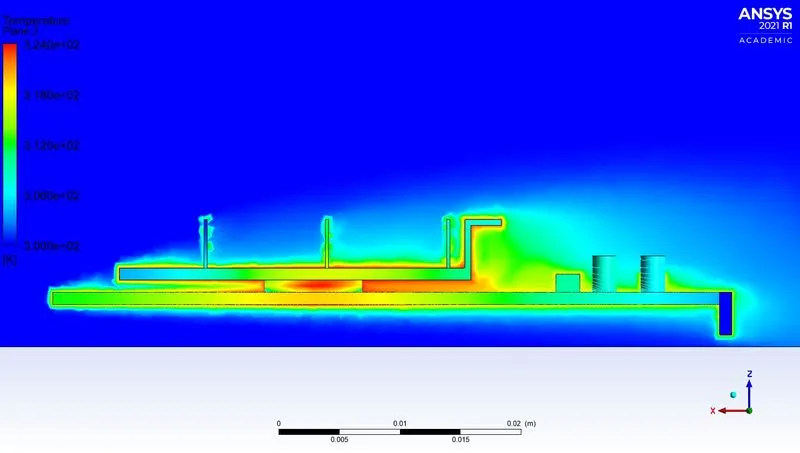
Flow results
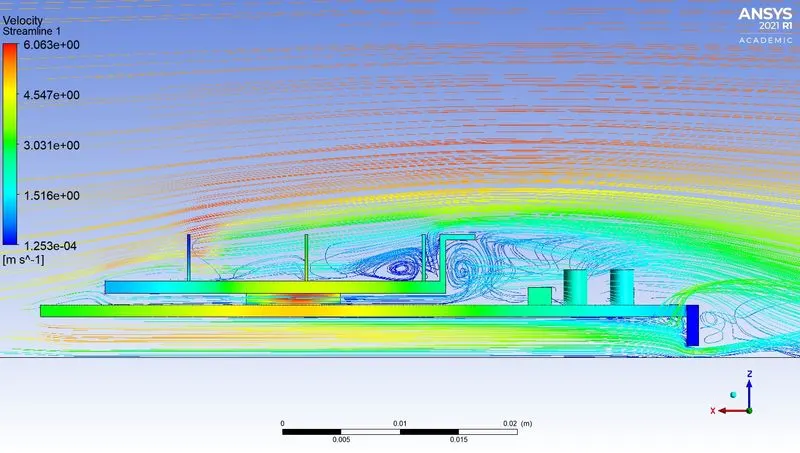
| Temperature contour | |
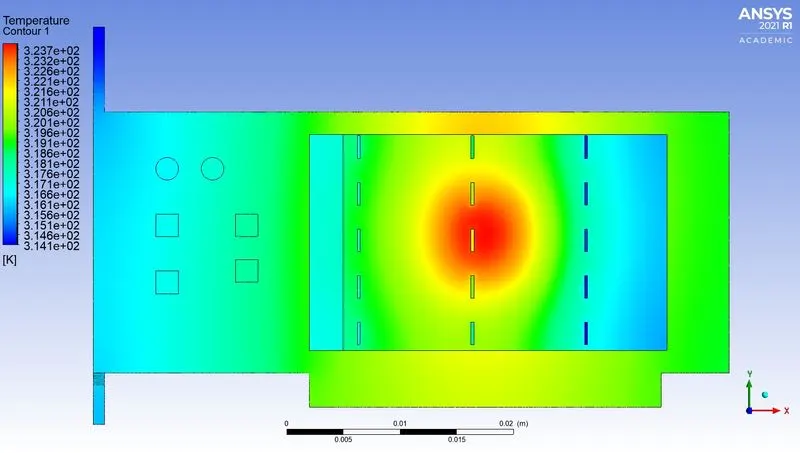
| Local temp. | Global temp. |
 |
|
 |
|
| Base | 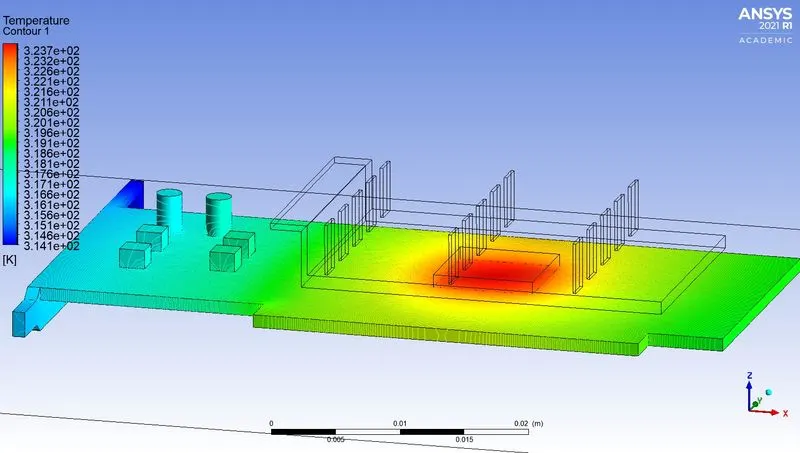 |
| Fins | 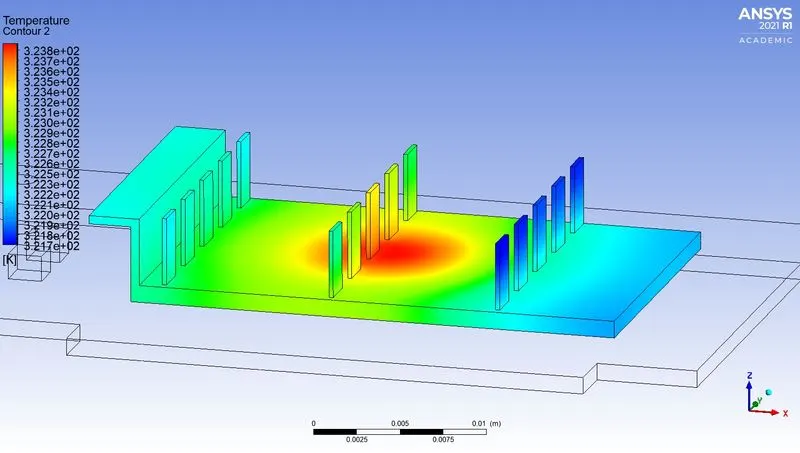 |
| Processor | 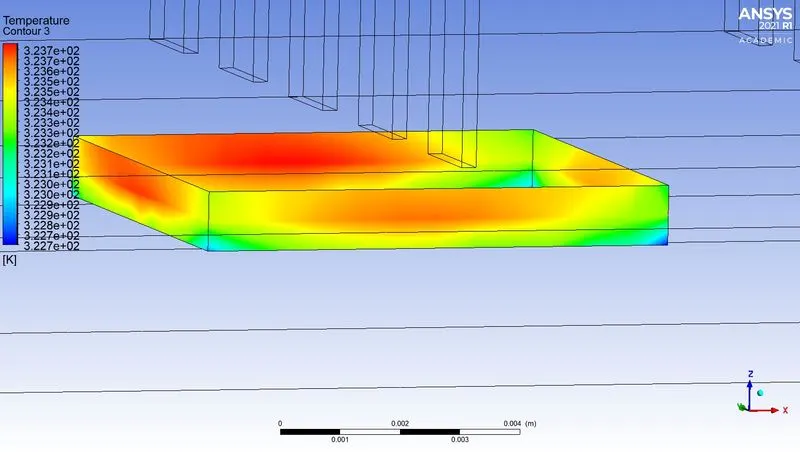 |
|
|
|
 |
 |
 |
Conclusion -
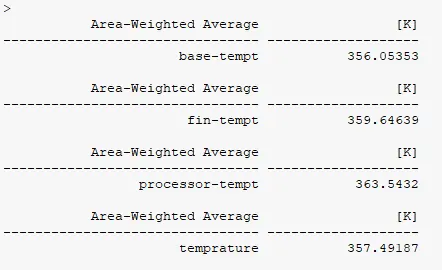
1.Flow results obtained were
|
v= 1 m/s | T=357.5 |
|
v=2.5 m/s | T=329.5 |
|
v= 5 m/s | T=317.9 |
2.The maximum temperature keeps decreasing with increase in velocity, due to increase in heat transfer co-efficient.
3.The maximum temperature (hotspot) always occur inside the processor, because it is the volume where heat is generated.