Week-6 Challenge: EV Drivetrain
1. Which types of power converter circuits are employed in electric and hybrid electric vehicle?
EXPLANATION:
To process and control the flow of electric energy by supplying the voltages and current in the form optimally user loads is known as Power Converter. The Types of power converter employed in electric vehicle and Hybrid electric vehicle are:
- AC-TO-DC CONVERTER
- DC-TO-DC CONVERTER
- DC-TO-AC CONVERTER
- AC-DC-AC CONVERTER
AC TO DC CONVERTER:
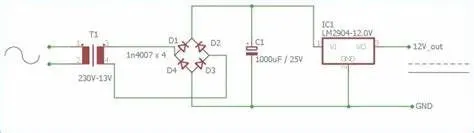
The Electric vehicle charger is also AC TO DC CONVERTER which is more efficient to shorten the charging time in charging stations. For example the battery pack which operates with a dc power ,but the power supplying from grid is AC ,At those times AC TO DC CONVERTER are used. The AC TO DC CONVERTER circuit consists of Diodes, resistor inductor and capacitor to step up and step down purposes.So it most important thing to select the values of those resistor inductor capacitor. For our case step down transformer is need it step down 230 v to 12 or 48 or 24 voltages of DC based on their requirements.
DC TO AC CONVERTES:
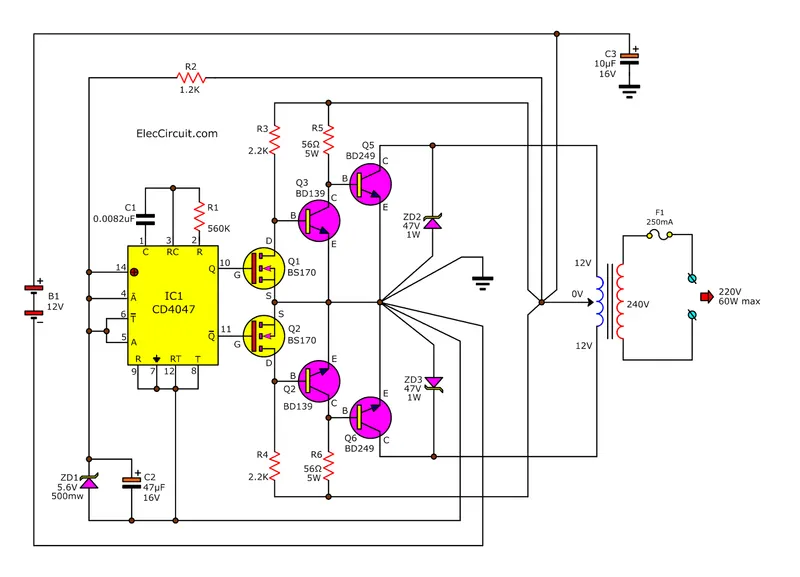
The DC TO AC CONVERTERS is employed for conversion of DC source to AC source.The ac induction motor operates only in ac source but the Battery supply DC source only,To convert that dc to ac ,DC TO AC CONVERTER is employed. This converter is mainly employed for above mentioned purpose only ,it does not produce any power.
DC TO DC CONVERTER:
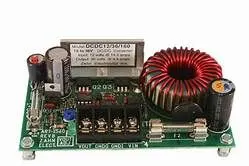
The DC TO DC CONVERTER is employed for converting the High voltage dc to low voltage purpose
for head light purpose and more .Those small components does not withstand the high voltage so it is important to use DC TO DC CONVERTER.
AC/DC/AC CONVERTERS:
These converter is also employed in electric vehicle where the flywheel of high voltage side is connected wheel motor. The flywheel is power buffer allowing the battery to deliver optimizing power.The ac/dc/ac converter is an electrical way to decouple the two frequencies. IN accleration mode the power is divided into rectifier as well as inverter
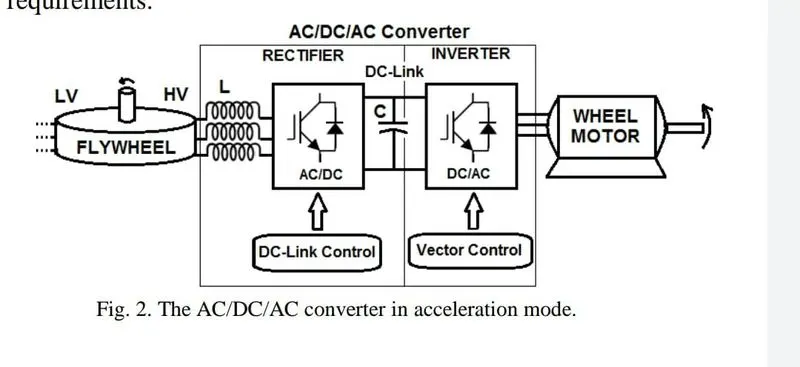

These are the power converter employed in electric vehicle and Hybrid electric vehicle.
2. An Electric Vehicle's powertrain with 72V battery pack in shown in the diagram below. The duty ratio for acceleration operation is 'd1' and for the braking operation the duty ratio is 'd2'.
EXPLANATION:
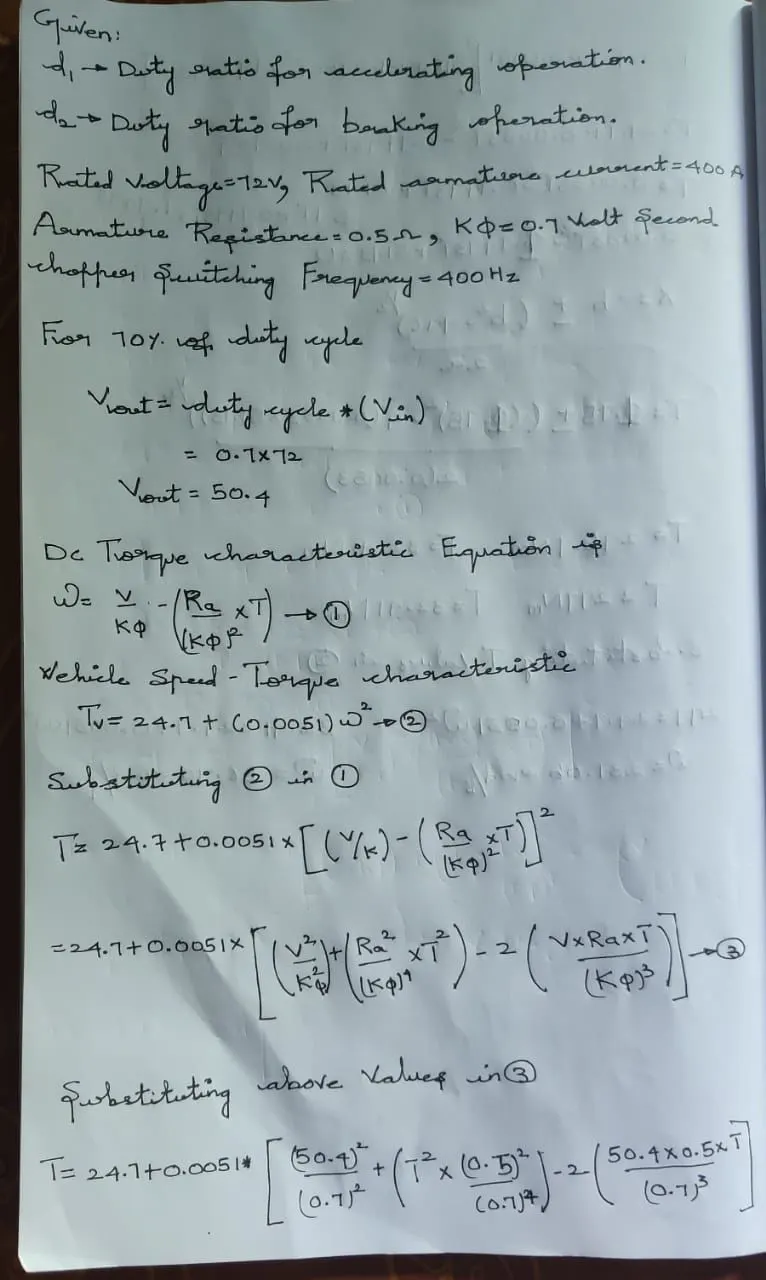
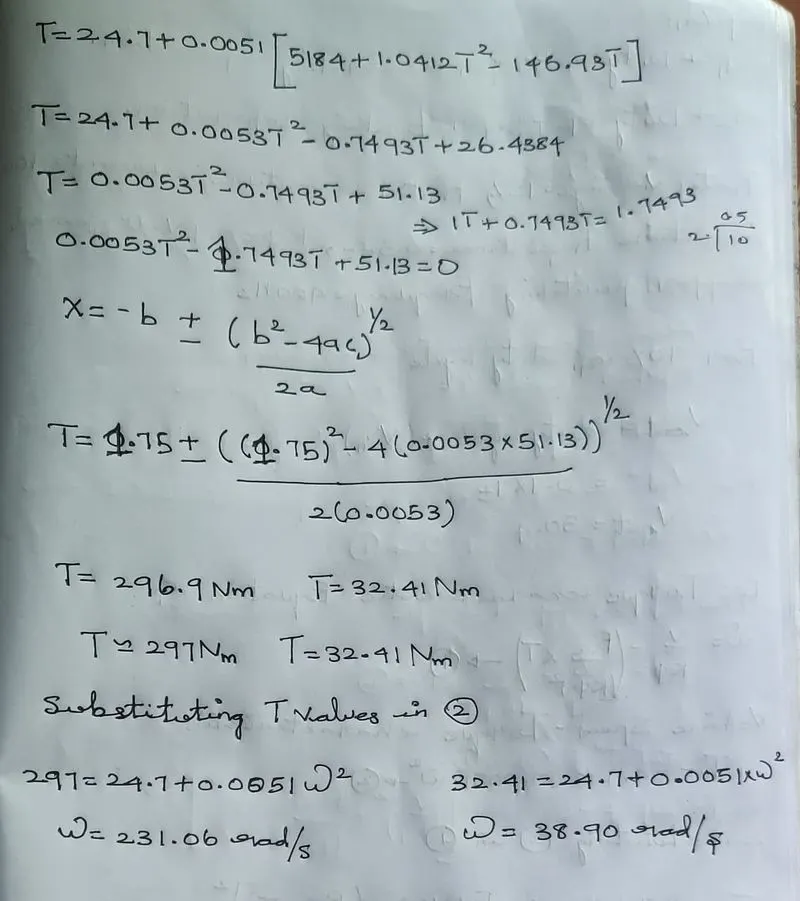
The EV steady state for 70% duty cycle is T=297Nm w=231.06 rad/sec and T=32.14Nm w=38.90rad/sec
3.AUTHOR PERSPECTIVE:
As per author prespective both have advantages as well as disadvantages . In begin with DC motor which is dc brushless motor, it has permanent magnet in rotor ,when the magnetic field interacts with current flowing in winding torque experiene between rotor and stator. The dc motor require inverter and position sensor because dc motors are fixed frequency hence it require a position sensor which sense the position of rotor . Due to fixed frequency speed control is slightly complex than induction motor ,and it has no starting torque .
IN AC induction motor here is no magnets in rotor so the i^2 r losses can be minimized along with eddy and hystersis losses only if we able control the magnetic field ,beacuse we can control the voltage in induction motor which is proportionate to (v/f) . In ac motor speed control is easy with of speed sensor .Yes we can sense the speed as well as in DC motor also ,but the structure of dc motor get grows then losses get increase.But induction motor losses is quitely less. V is proportionate to speed because of rotor is just a stainless laminated steel so stator current enter the rotor the rotor rotating frequencies and applied electrical frequencies are same .current is propotionate to voltage beacuse of short structed rotor conductors .
IN addition with AC induction motors when is connected with 3 phase power torques is produced no there is no need of inverters.But it require inverter for conversion dc source to ac producing by battery.when operated from utility power, they have limited starting torque and somewhat limited running peak torque capabilities, when compared to DC type machines.
IN addition with dc it can works in unity power factor but the induction motor is 85%.Even the rotor heat is less and controlable than induction.Permanent magnet is costly and can easily communicate with ferromagnetics .field weakening capabilities of induction machines, inverter ratings and costs appear to be lower, especially for high performance drives.But is has complexity to control over the dc motors.Hence both motors have equal advantages and disadvantages.
4.Develop a mathematical model of a DC Motor for the below equation using Simulink.