Week- 5 - Solid meshing
AIM: The aim of this week challenge is to perform mesh on the surface of the given components with the given quality parameters and create a volume mesh with a good quality.
PROCEDURE:
STEPS:
1. Importing the CAD geometry in ANSA.
2. Checking out the errors and assigning property id (pid) for each surface.
3. Assigning quality criteria.
4. Meshing and improving mesh quality (Ortho Tria & Tria mesh is used)
5. Generating Volume Mesh.
Step 1:Import the CAD geomentry of rear view mirror in ANSA.
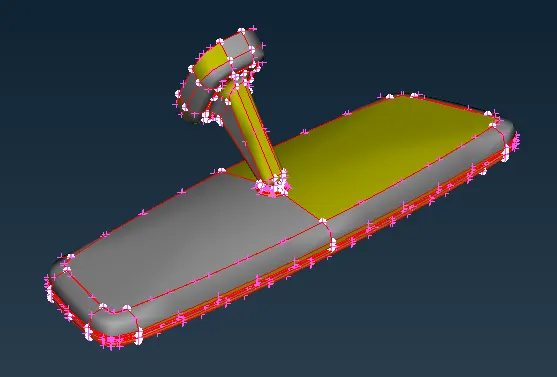
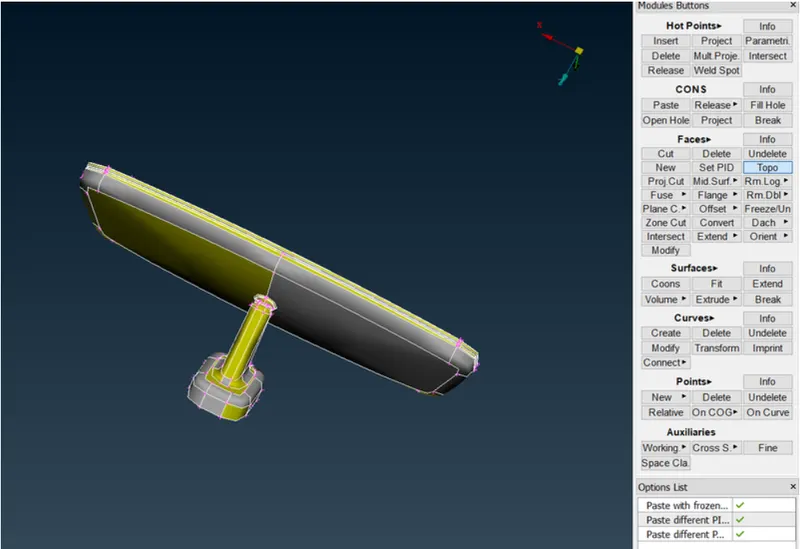
Step 2:In inorder to connect the surface use topo option under faces tab and select all the faces so that the surfaces that are not connected will be connected.
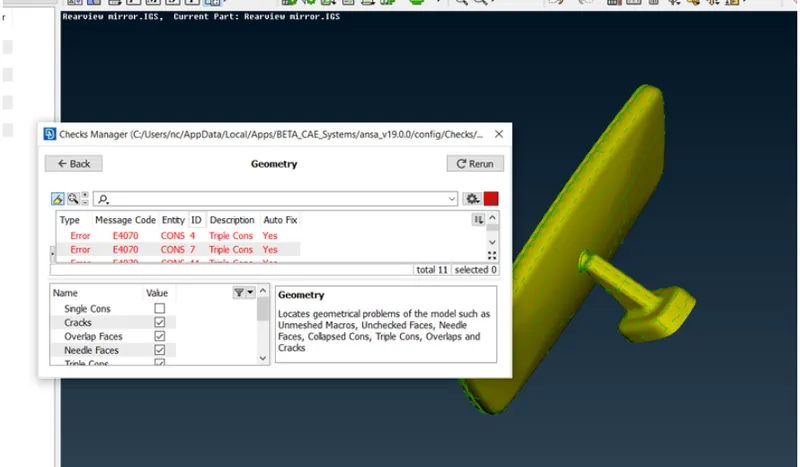
Step 3: Now check the errors and assigning property id (pid) for each component.
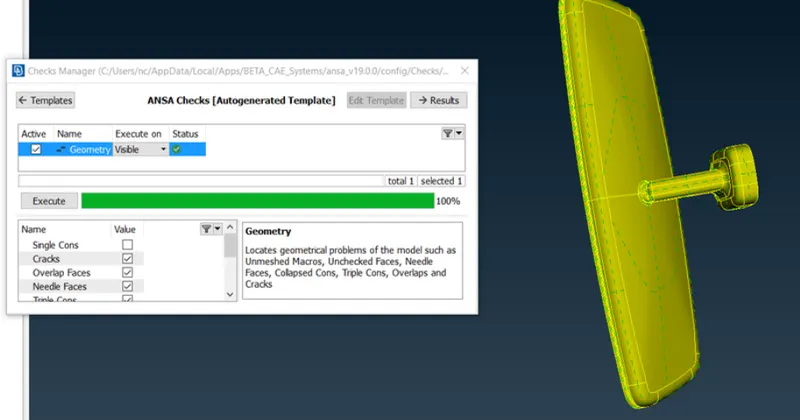
If there are any error, you can be fix automatically. In this model some error are fixed by identifying the error and clear that error by untoggle the line and stitch the surface again or delete the unwanted surface present in that model manually they are shown as below.
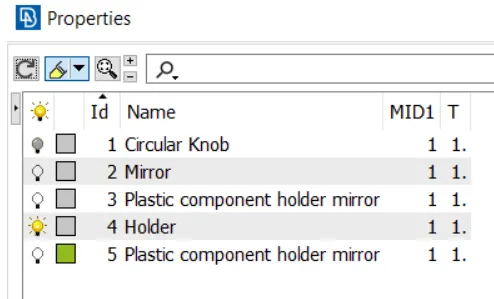
Step 4:After doing all the geomentry cleanup now start meshing the surface of components individually.
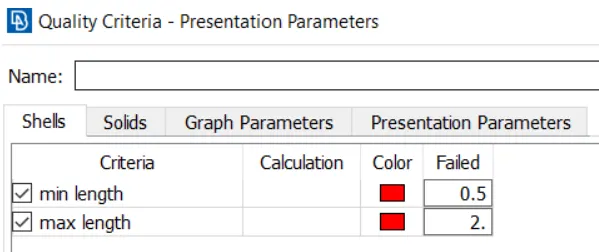
Now assign the minimum and maximum length criteria for quality parameter.
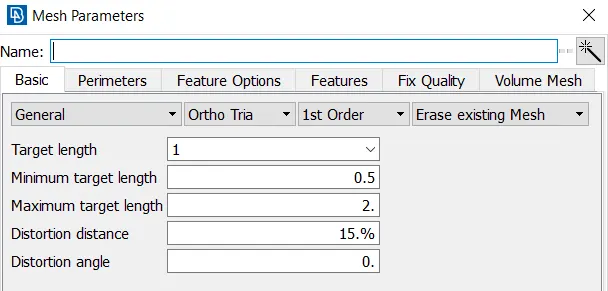
Now give the mesh parameters as input for the mesh.
Before meshing, now create a plane cut at the center of the component so that you can mesh only half of the component and mirror that mesh to the other parts.
delete the other half of the component.
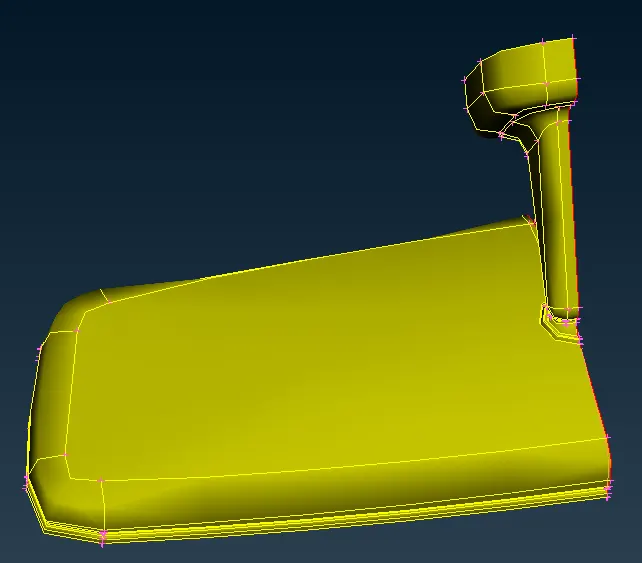
Now select the surface and mesh the component.
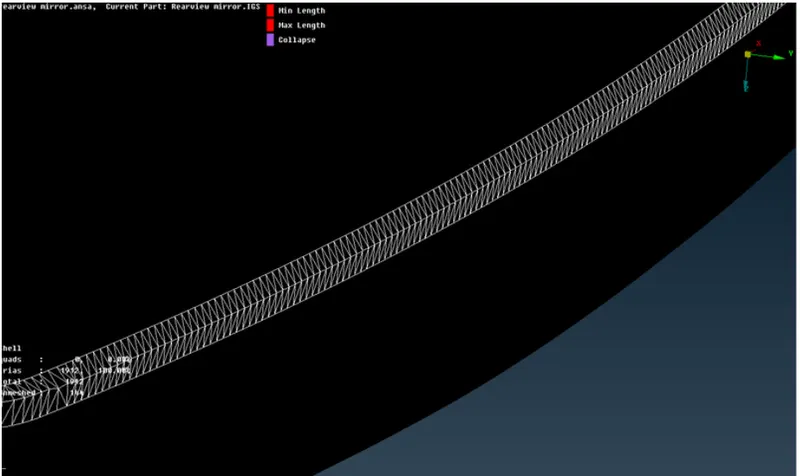
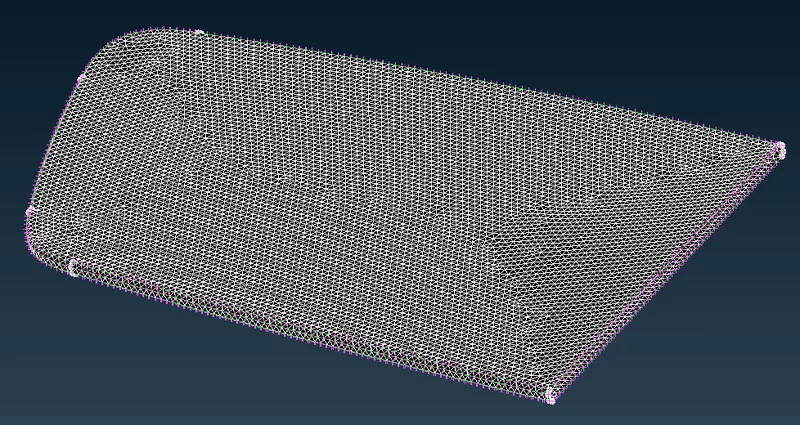
After completing the component entinrely now mirror the elements on the other side using the transform option.
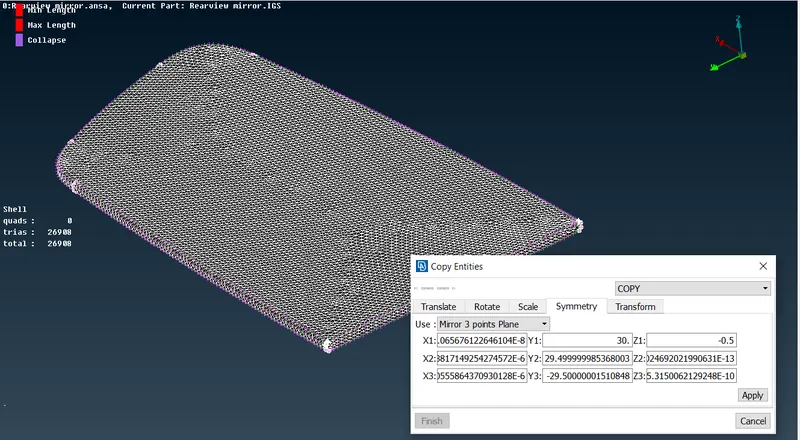
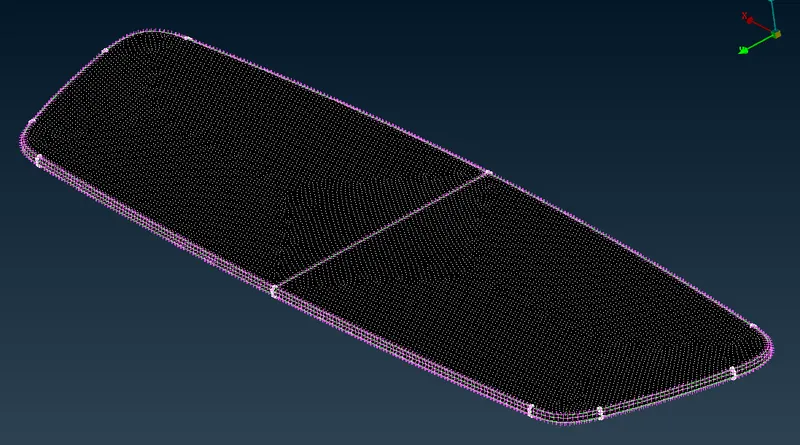
After creating the components now create a volume for the component using define option under volume tab.
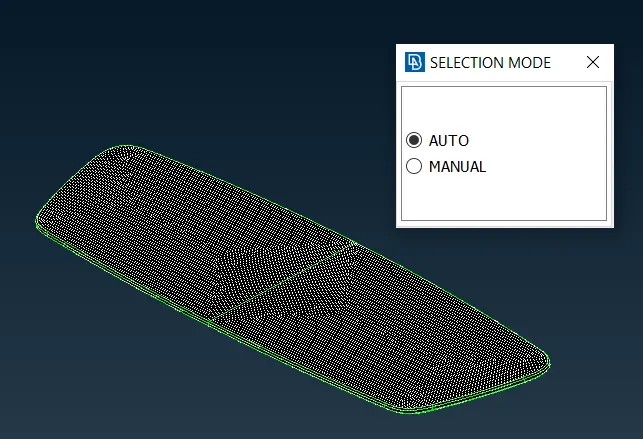
after creating the volume, now use tetra mesh option under unstructured mesh tab to create a tetra mesh for the component.
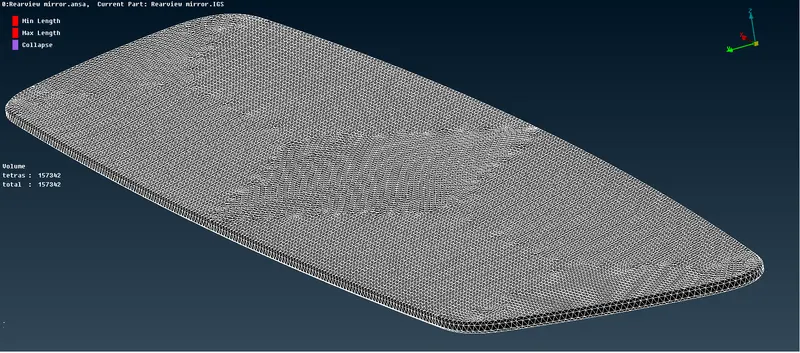
Similarly you can create tetra mesh for the remaining components.
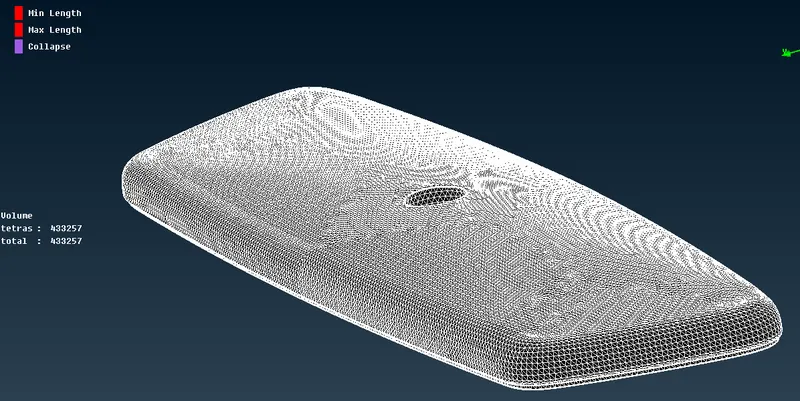
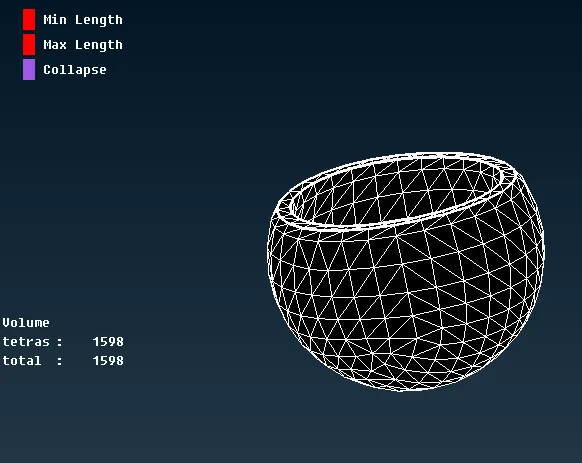
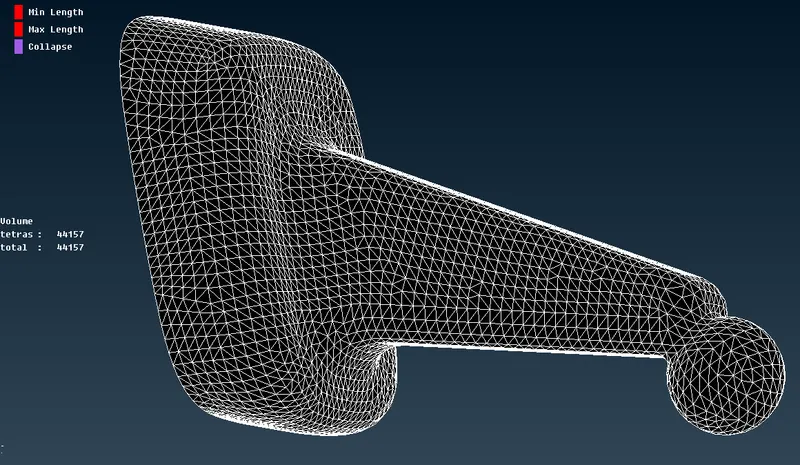
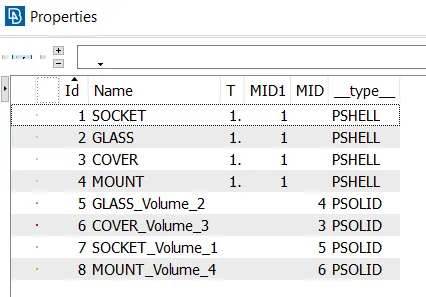
Switch on the bounce and volume option and off the geometry and FE-Mode in order to view the volume mesh generated on the rearview mirror surfaces.
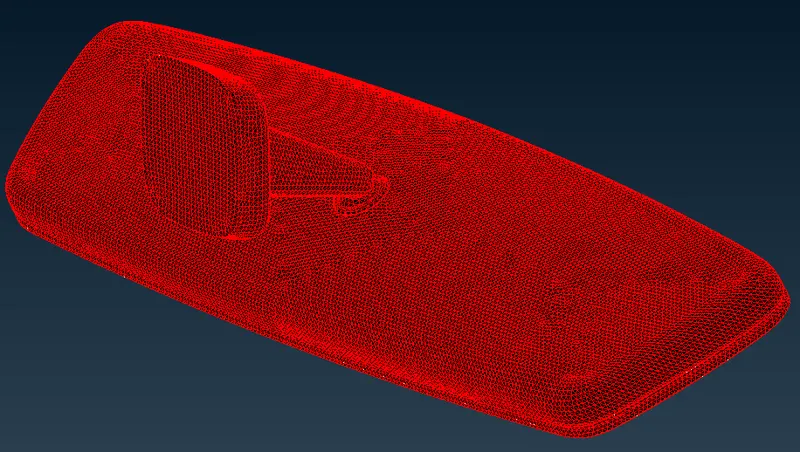
CONCLUSION:-
A 3D rear view mirror is meshed successfully giving the quality criteria and performed tools with the help of ANSA and volume mesh is generated to define it as solid object.