Week 5:- Rest Unit & Clamp Unit Design Challenge
Week 5:- Rest Unit & Clamp Unit Design Challenge
QUESTIONS:
- Design 3 Different types of Power Clamp Unit with Different Riser, Blade, and Clamp Arm for the given Car Panel.
- Design 2 Different types of Rest Unit for the given Car Panel.
AIM/OBJECTIVE:
In this challenge, we have to design 3 different types of power clamp units with different risers, blades, and clamp arms for the given car panel & Different types of Rest units for the given car panel with the optimum use of materials & space constraints. also, we learn different types of rest & clamp unit configurations.
REPORT & THEORY:
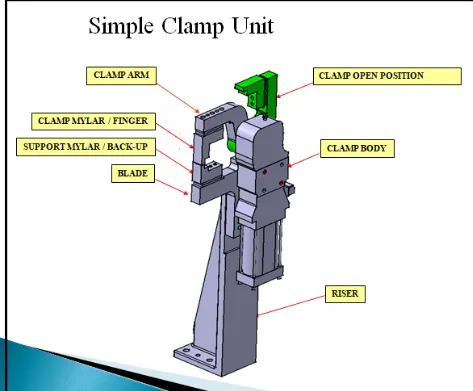
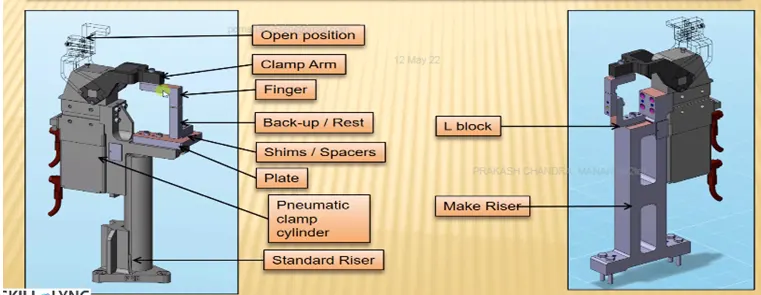
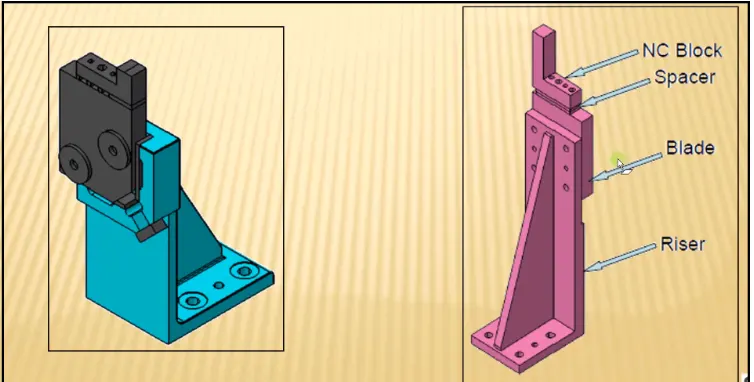
CLAMP UNIT: Clamp unit is a unit designed to clamp/hold the car panel with NC Block /Mylar/ Rest by using a pneumatic clamp cylinder & below are different parts of a clamp unit in general. Usually clamp open position is a 90degree Figures are attached to the clamp mylar. In the clamp unit shim to one side is enough because it will restrict translational motion in the upward & download direction only. there is another type of camp unit known as the swivel type. There is a pivot pin around which the clamp arm rotates.
TYPES OF CLAMP UNIT:
- POWER CLAMP UNIT
- SWIVEL CYLINDER CLAMP UNIT
Below we have to design a power clamp unit:
UNIT 1:
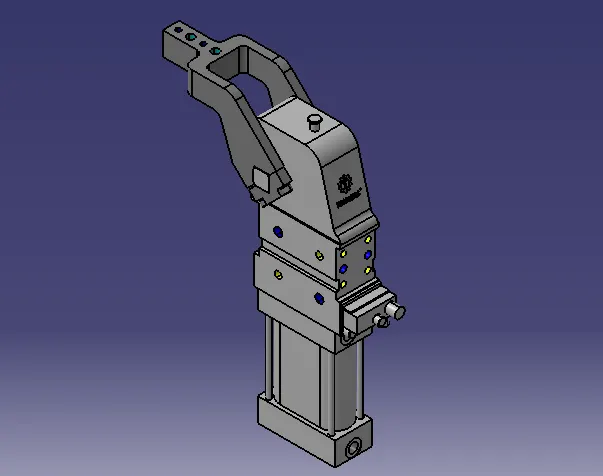
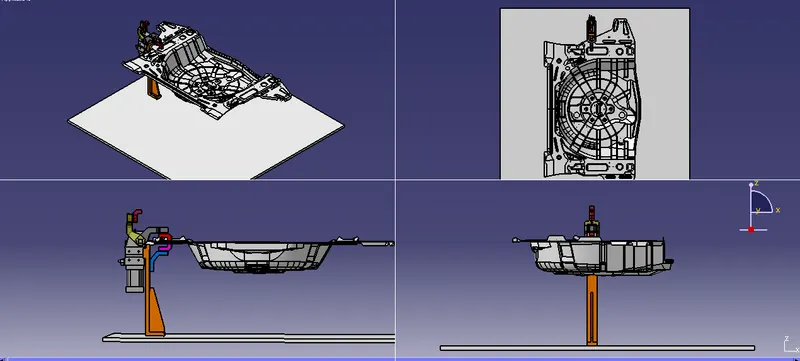
The below unit is named P001_Z03_ST01_03_04_CLAMP_UNIT_TYPE 01 and is designed with a power clamp cylinder. it is very simple in design. it has clamp mylar, rest mylar, riser, and block.
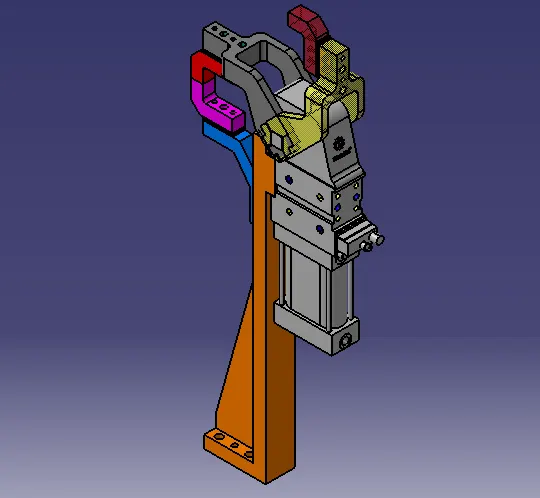
Below fig shows the clamping of the car panel & also the retracted position of the clamp arm at 90.
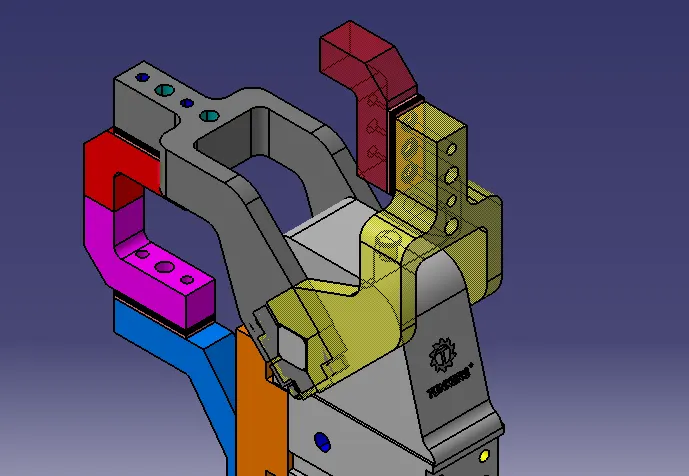
cylinder designation: V_50_1_BR3_A40_T12_Tuenkers.
Vario clamp with toggle joint mechanism and continuously adjustable opening angle. over-center lock, Enclosed aluminum housing, oval-shaped cylinder in the sizes 50,63,80, for adapting counter blocks, continuously adjustable opening angle 5-135 degree, optional: weld immune inductive sensing of closed and opened position (T12). It has four M8 tapped holes for its mounting & two dia 8 dowel pins for locking also clamp arm has two free holes of dia 9 to mount mylar on it with an M8 screw & two dia 6 dowel holes for locating purposes.
UNIT2:
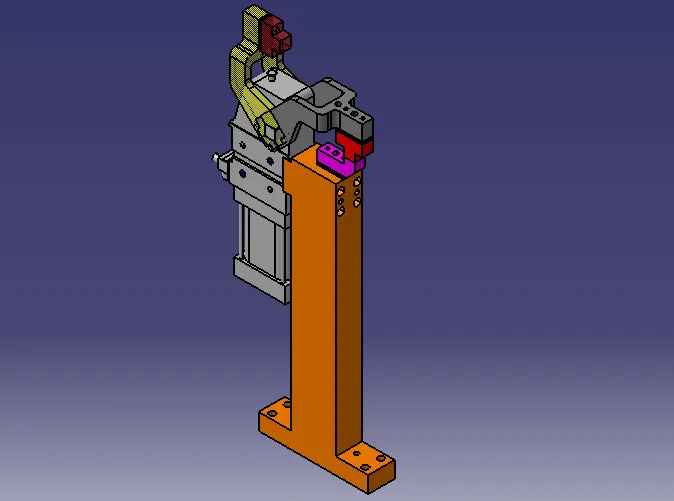
The below unit is named P001_Z03_ST01_03_05_CLAMP_UNIT_TYPE 02 & is designed with a power clamp cylinder.
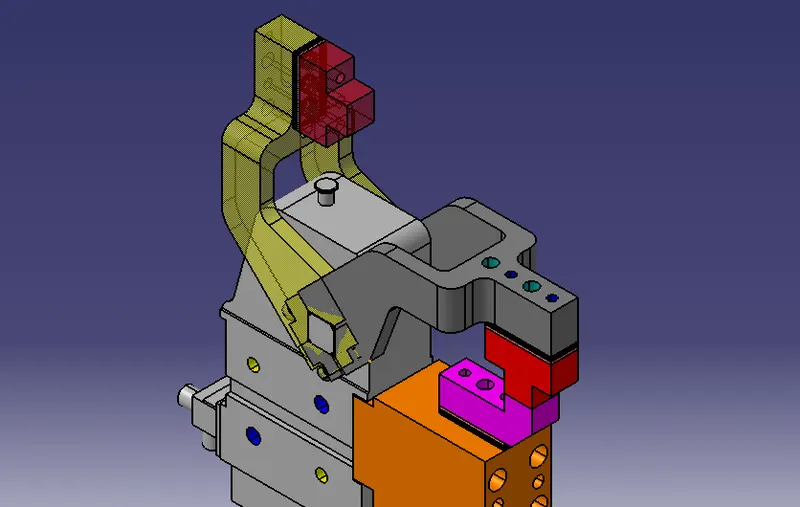
The below figure shows the clamping of car panels by unit
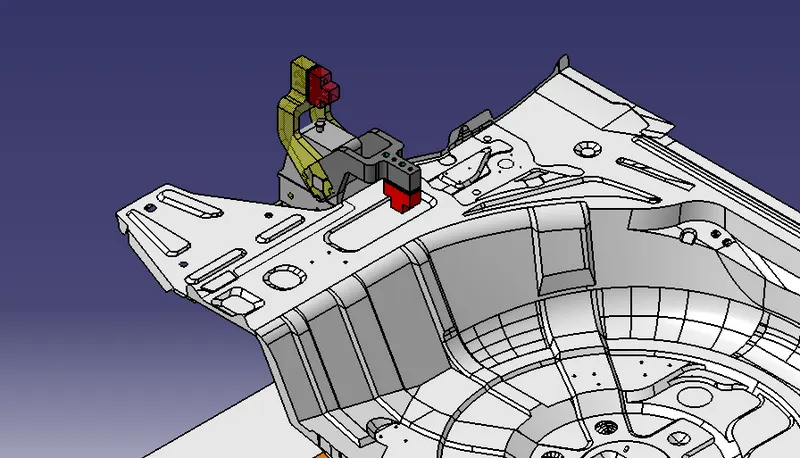
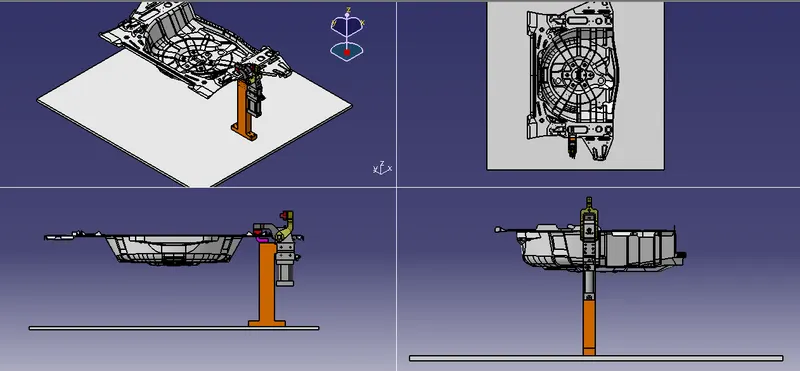
UNIT 3:
The below unit is named P001_Z03_ST01_03_06_CLAMP_UNIT_TYPE 03 and is designed with a power clamp cylinder.it has clamp &rest mylar, block, mounting bracket & riser.
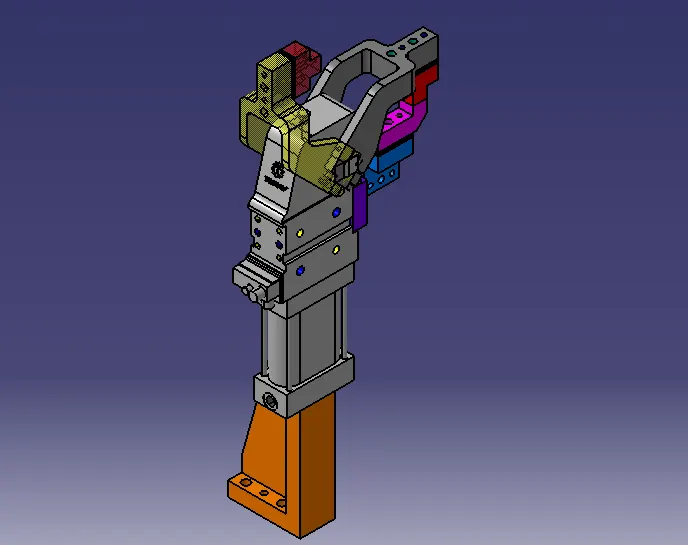
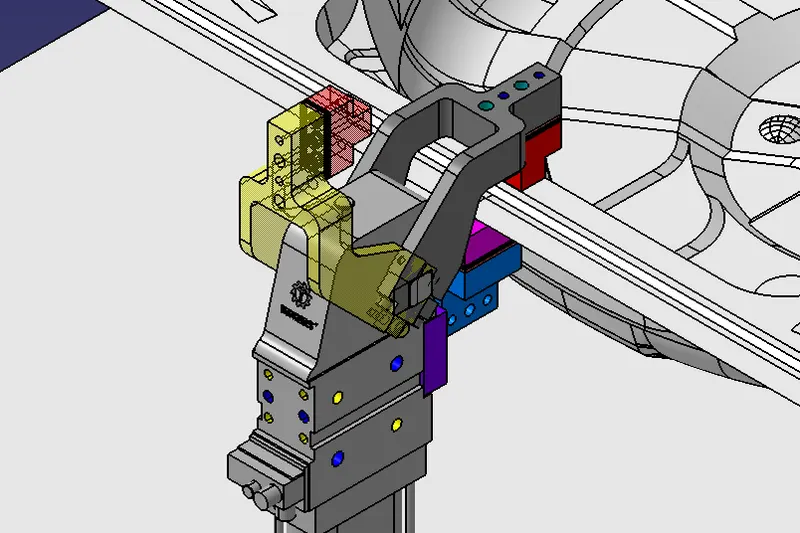
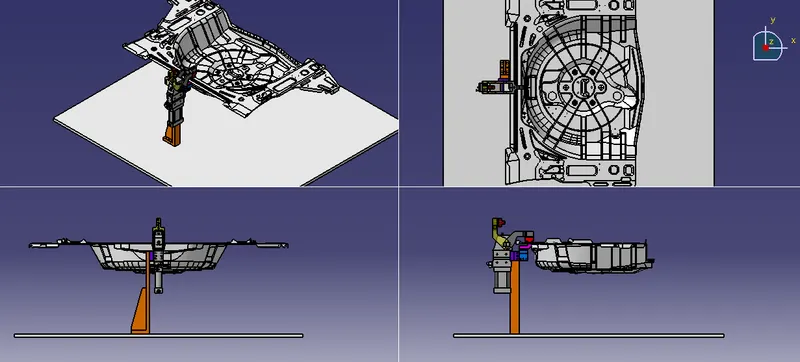
REST UNIT:
The Rest unit is a unit designed to support car panels using mylar/NC-Block/Rest. the component is rested only, no upper clamp or force is applied there. it is the simplest unit to design because it has fewer parts to design & the purpose is only the resting of the car panel. because of this simplicity, the rest unit is combined with the unit to reduce the cost of the overall project.
it can be combined with clamp unit to clamp as well as to rest panel it can be combined with locating with to locate as well as rest the car panel also locating, clamping & rest unit can be combined together in one unit to reduce cost. there is no cylinder attached to it, it has a rest mylar, blade & riser below are different parts of the rest unit. The Rest unit is also divided into a simple support unit, multiple support units & retractable support unit.
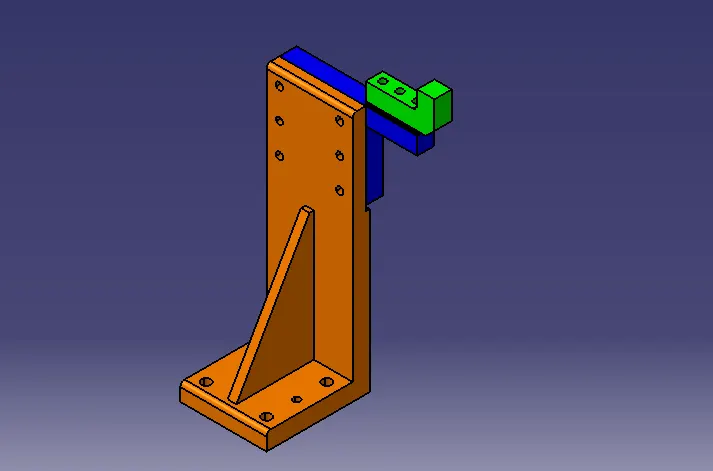
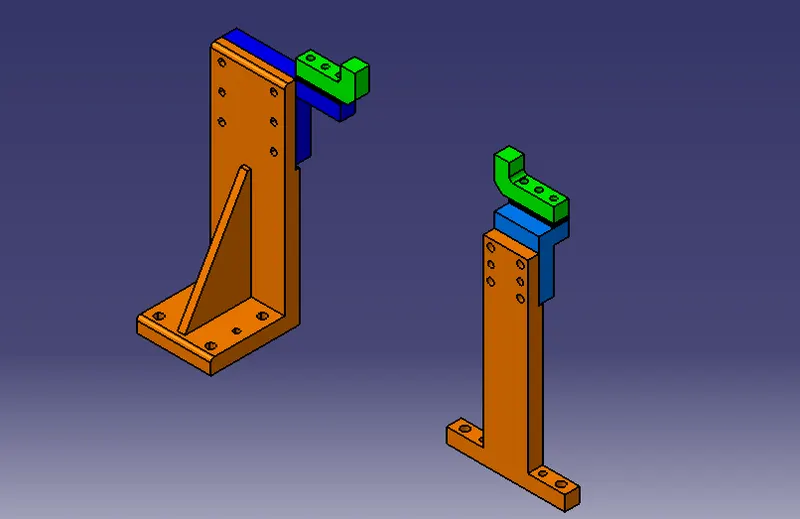
Below are two designed rest units has a rest mylar, blade or L-block & riser.
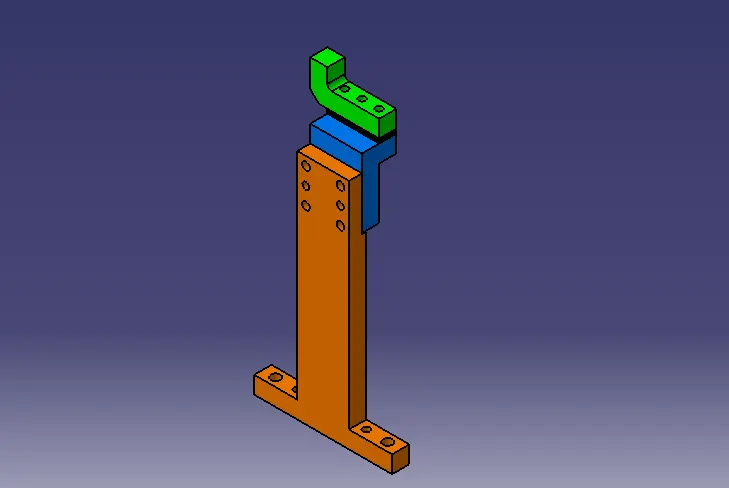
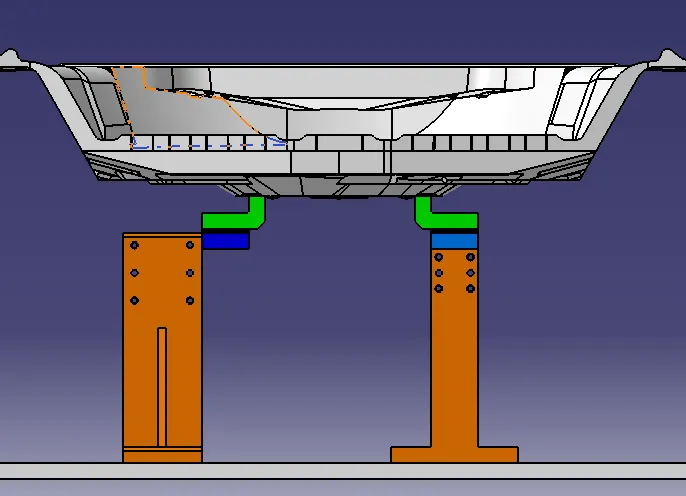
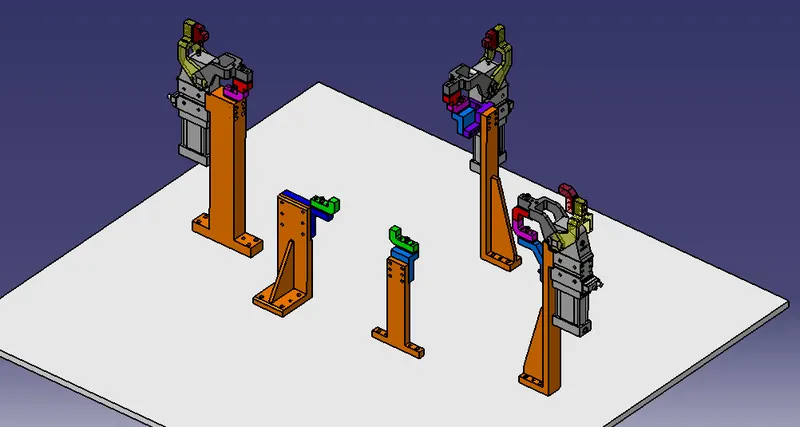
The below figure shows the clamp unit without a car panel.
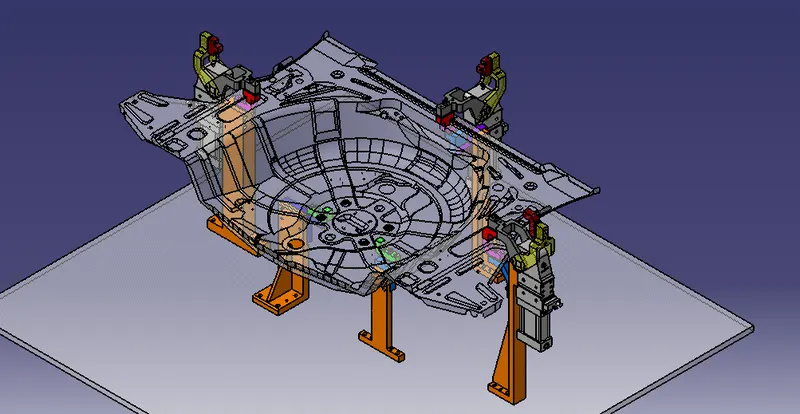
The below figure shows the clamp unit with a car panel.
PURPOSE OF CLAMP & REST UNIT:
The purpose of clamping tools is to securely hold the workpiece in position without obstructing the production process. high clamping force combined with the compact is also equipped with mechanical transmission gear units.
3-2-1 Principle Achieved by clamping & resting:
- The best & most cost-effective method of part location is referred to as the 3-2-1 method fixture work on of 3-2-1 principle.
- A minimum of three locators or support are placed under the work three locator or support are placed under the workpiece three locator are usually positioned at the primary locating surface.
- this restricts two axil movements downward & upward and four radial movements. together the three locators restrict six degrees of freedom
- As by the 3-2-1 method introducing a minimum of 3 clampings and 3 resting blocks will restrict 6 degrees of freedom (two axial movements & four radial movements)
CLAMPING:
The car panel will rest on the rest unit also it resists the clamping force of the fingers & thus the car panel.
RESTING:
The car panel will rest on the rest unit also it resists the clamping force of the fingers & thus the car panel.
FORCE ACTING IN CLAMP & REST UNIT:
TO design a clamp unit we have considered some force that acts in the clamp for clamping purpose the force that act in clamp units are,
- Clamping force
- Holding force
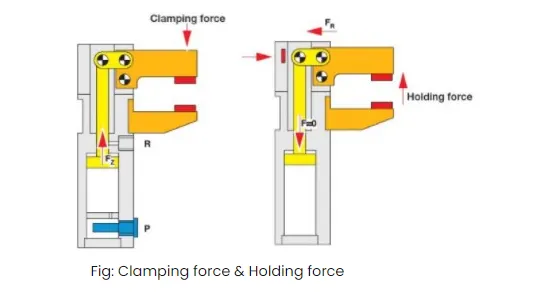
Clamping force is not the same as holding force.
CLAMPING FORCE:
clamping force signifies the force applied to the workpiece by the drive mechanism via the clamp arm during the gripping or clamping operation.
Clamping force (Fs)= 48xS3 = force in newton HOLDING force
HOLDING FORCE:
holding force on the other hand denotes the maximum force, after locking the knee lever (over-center position) that can be applied by the workpiece on the workpiece on the gripper/ clamp arm without destroying the mechanism therefore particular attention the paid to the maximum holding force when for example during the production process (welding, bonding)there is a possibility of distortion of the component or if the clamp arm is used as a fixed stop.
If the holding force specified in the technical details is exceeded this will inevitably result in the destruction of the mechanism the clamp arm of the bearing position.
DIFFERENT PARTS OF CLAMP & REST UNIT IN GENERAL:
A. MYLAR/NC BLOCK/FINGERS: These are parts that are used to hold the panel. They are globally called mylar. topside mylar is called clamping mylar & resting mylar. everyone should have resting mylar. it is jaw type. it prevents the panel from deforming while welding it is hardened to increase its wear strength.
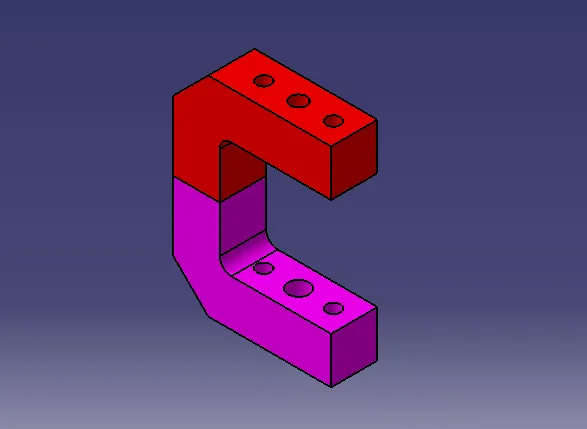
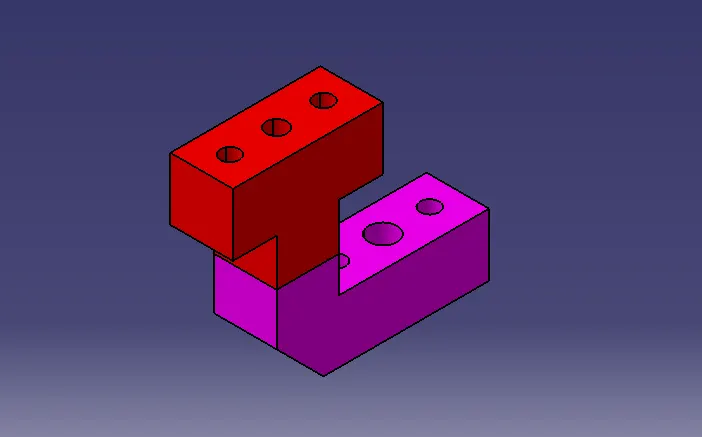
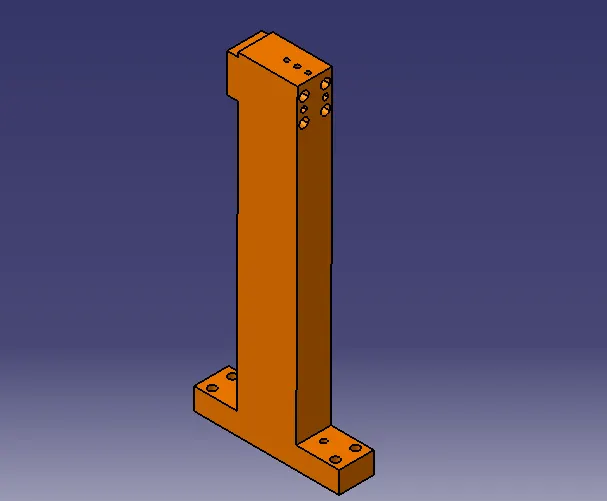
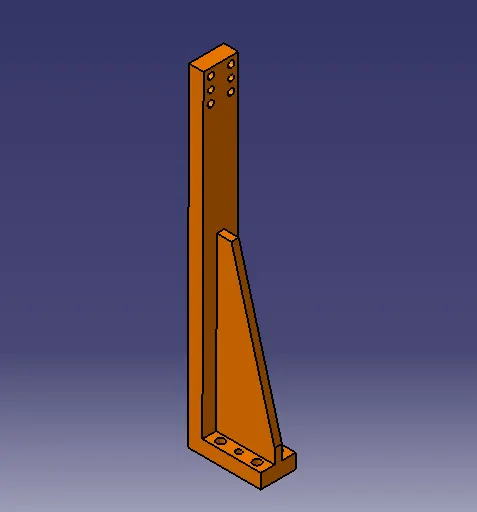
B. RISER: Riser can be of L-type, welded or square tube, or frame type. these are basically manufactured parts that are used to give height to assembly. it is machined ends only to save cost. The below figure shows how other components are mounted on the riser.
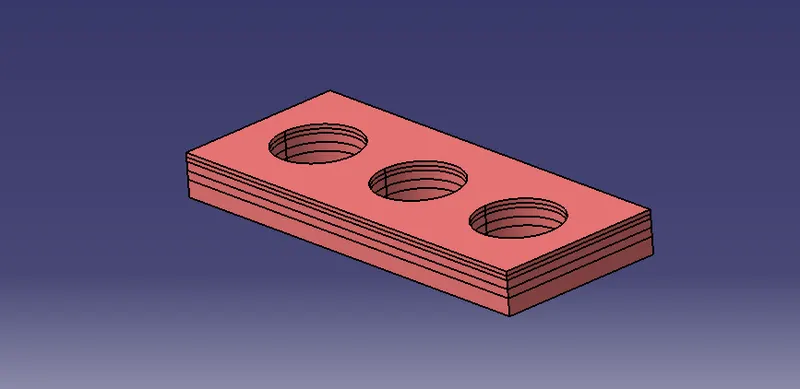
C. SHIMS/SPACER: In fixtures, we are providing tolerance to each part mostly manufactured by that tolerance tend to stack up & reflect together. in order to avoid that we shim so, we can easily adjust after assembly so whatever stacks up there we will rectify it through shims.shims come in thickness of 0.1,0.2,0.5,1,2 etc.
D. HARDWARE: These are standard parts. parts are assembled together with the help of a washer and bolts for better assembly should use two dowels and four bolts for the riser and blade. where for bolting one part should have a tapping hole and another part a simple hole. (1 & 2 mm larger from bolt size)
LENGTH OD BOLT is decided by the width of part + (1.5xD)
E. DOWEL PINS: These are standard parts. these are various types of dowel pin-like split, parallel, taper, clevis, and spring, grooved. Dowel pins are used to locate parts precisely & restrict movements.
For mylar dia, 6 to 8 dowel pins should be used
For Blade, shimming block Dis 8 dowel pin should be used & for riser Dia. 10 to 12 pins are used.
F. WASHER: Standard steel grade a plain normal series washer used also making counterbore if possible instead of washer reduce cost.
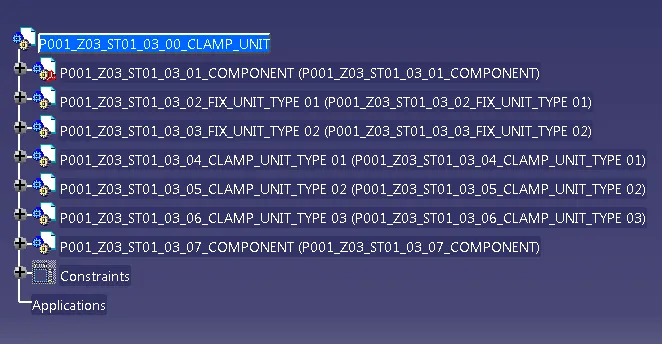
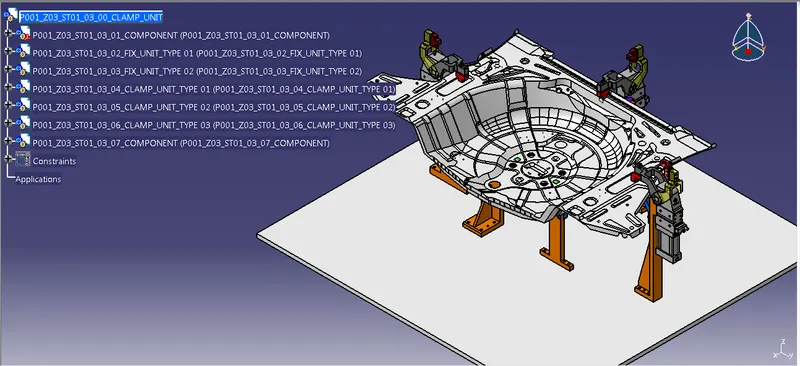
STRUCTURING A DESIGN TREE:
THANKS