Week 5 Challenge : Surface wrap on Automotive Assembly
Aim:For the given models, check for the geometrical errors and delete surfaces which are unwanted for Surface wrap. After clearing geometry, Merge all 3 models and perform surface wrap.
Introduction:
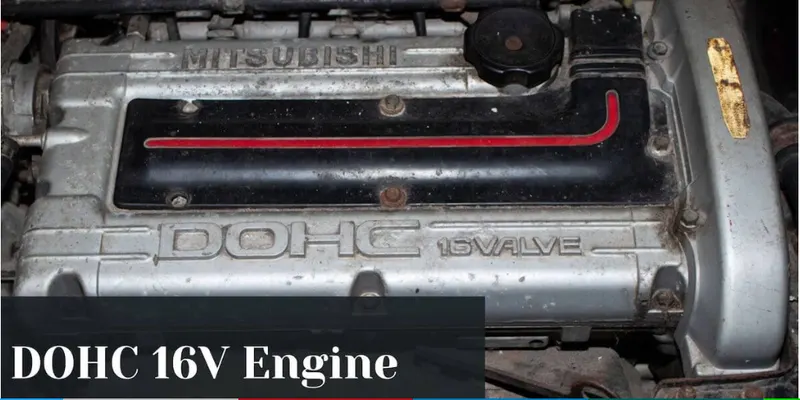
Engine:
DOHC 16v refers to a 4-cylinder internal combustion engine with 4 valves in each cylinder and two camshafts. The reason for the use of two camshafts is that the engine uses four valves in a cylinder – 2 valves for the intake and the other 2 valves for the exhaust. As a result of this number of valves, the air distribution is faster so that the engine RPM can easily reach its maximum.
A camshaft is driven by the crankshaft of the engine and it opens the intake and exhaust valves so that the engine can take air in and expel the exhaust gases. It is installed on the cylinder head so that it will directly press the valve.
In some types of DOHC 16v engines, Rocker Arms are used in adjusting the valve gap. DOHC mechanisms that use Rocker Arms have a hydraulic lash adjuster system to automatically adjust the valve gap. For those without Rocker Arms, the valve gap is adjusted manually using a ring that is placed inside the valve lifter. To change the valve gap, this ring must be replaced.
Transmission:
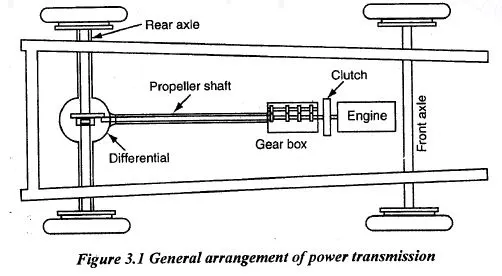
A transmission changes gears depending on car speed and accelerator input i.e., how far down you push the pedal of your car so that the engine's RPM are kept appropriately low.
This provides two benefits:1. Fuel consumption is decreased, 2.The turning gears do not overload your engine.
Gear box:
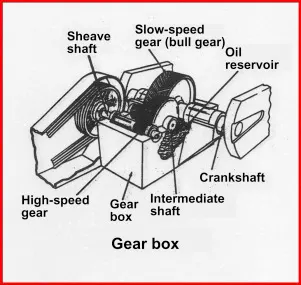
A gearbox is a transmission device which is used between engine's output shaft and the final drive in order to transfer required torque and power to the wheels of the vehicle.Gearboxes are used in many applications including machine tools, industrial equipment, conveyors, and really any rotary motion power transmission application that requires changes to torque and speed requirements.
Procedure:
step 1- import the geometry
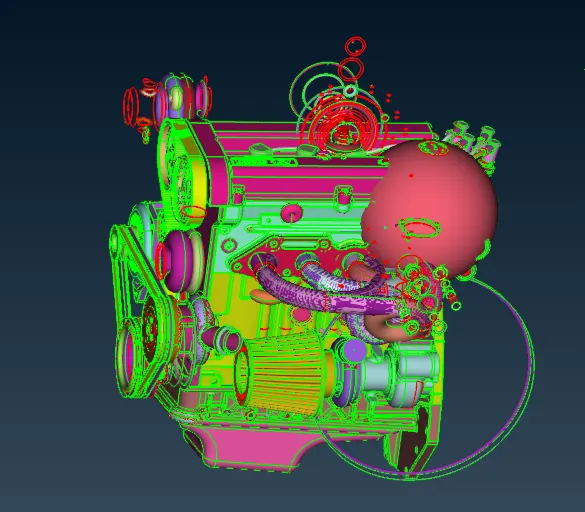
step 2- perform toplogy cleanup on the engine, transmission and gear box on the outer surface which doesn't affect the surface wrap such as rings, spears etc,(neglecting the inside components since we are performing surface wrap operation on the outer surfaces).
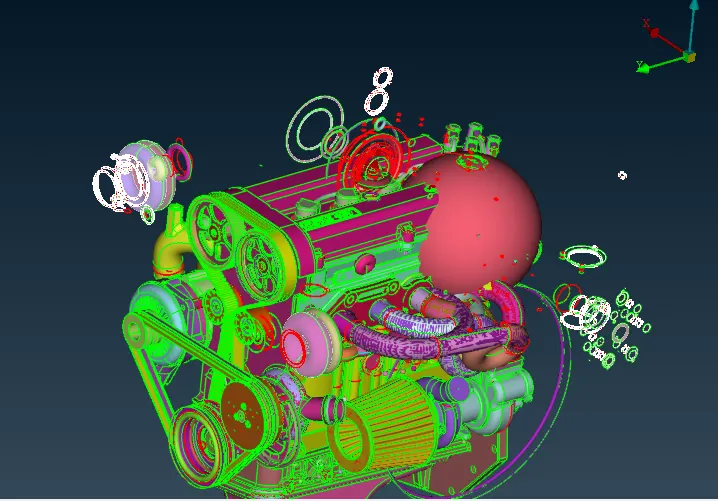
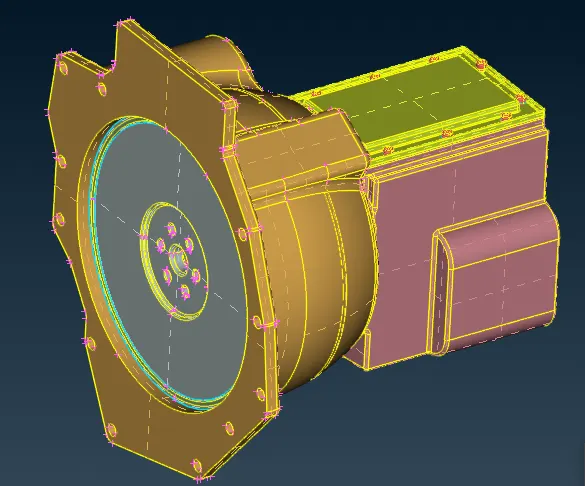
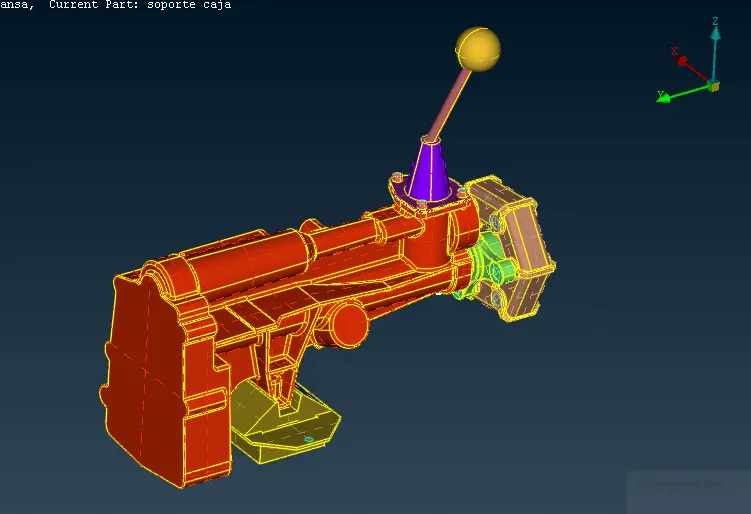
step 3:merge all the three components using file-click merge-OK, and analyze the assembly.
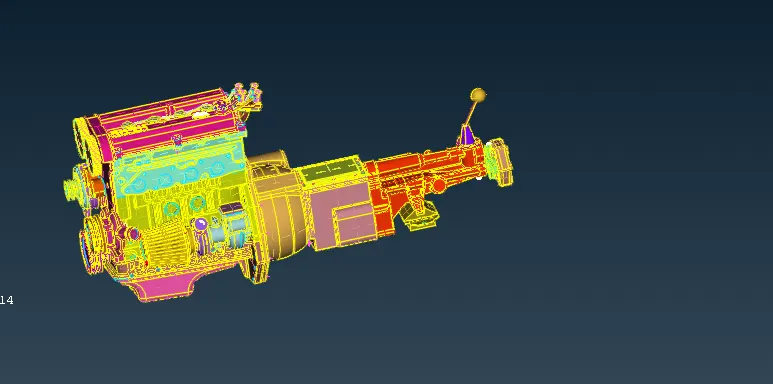
step 4: close all the open surfaces such holes by creating new surfaces, in order to improve the quality of the surface wrap.
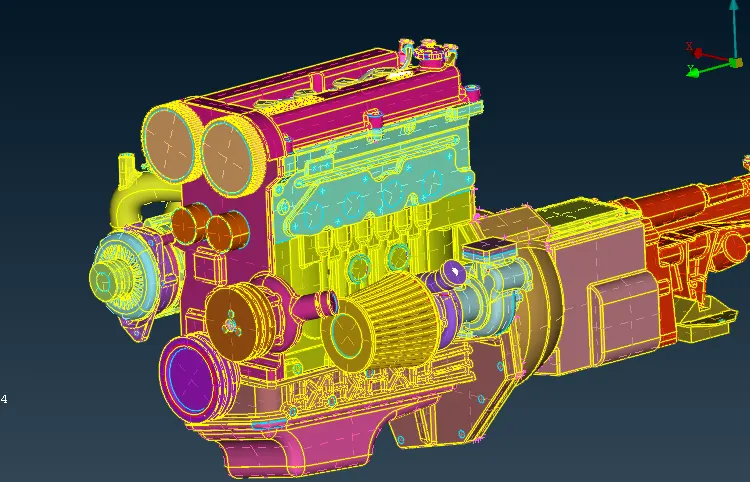
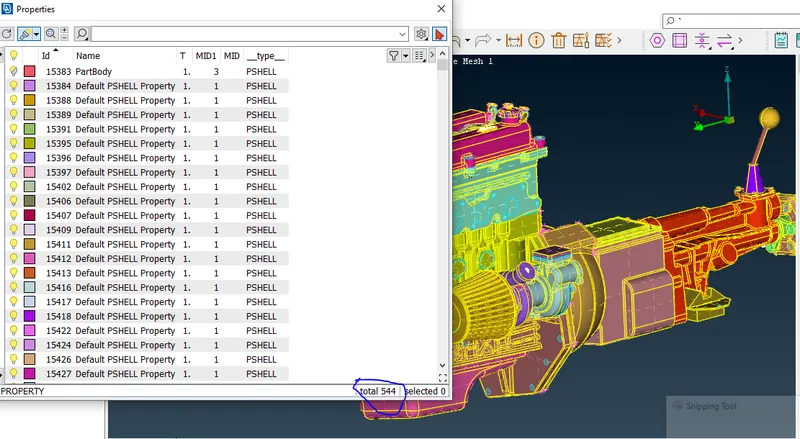
step 5: after closing all the open surfaces delete the PID's of the previously deleted surfaces to reduce the number of components required for meshing.
step 6: perform surface wrap on the assembly with target length=3mm
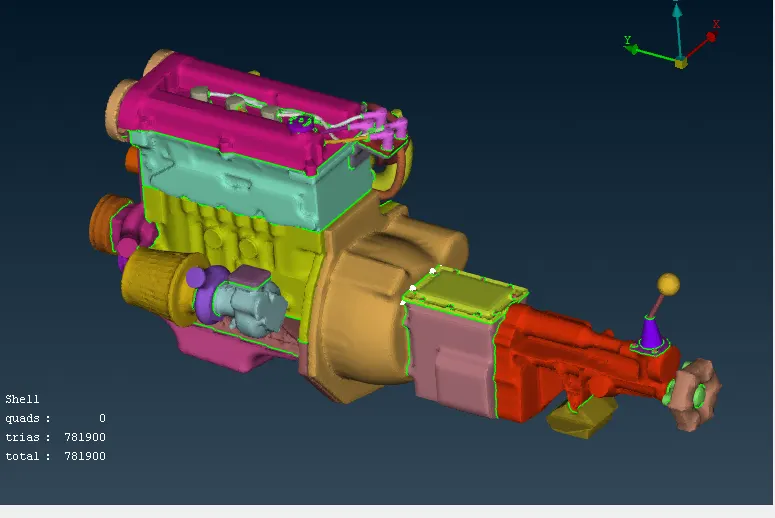
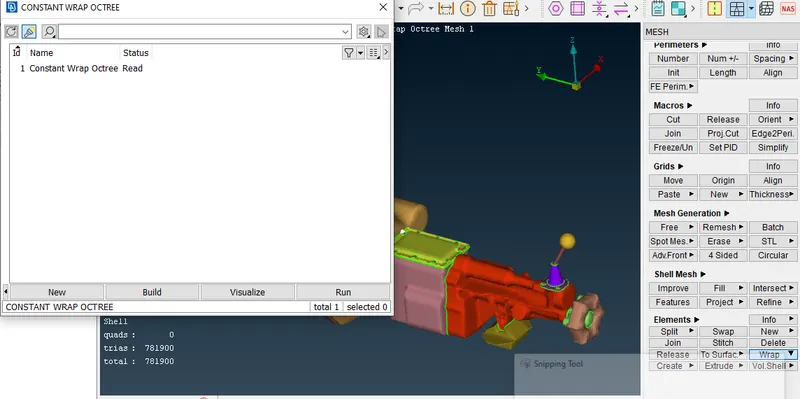
step 7: check the wrapped assembly whether single volume is present and achieved or not.
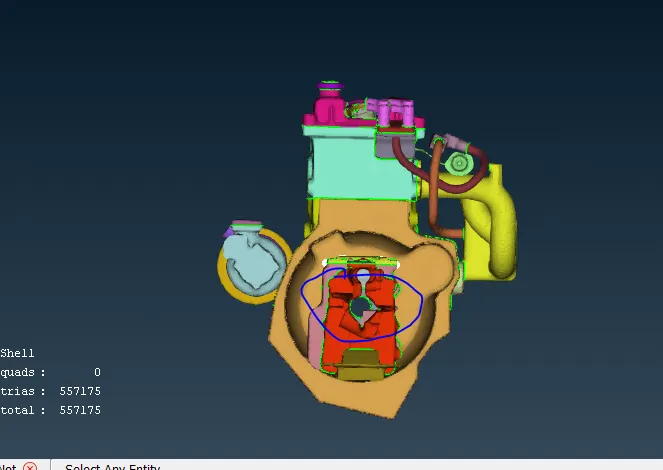
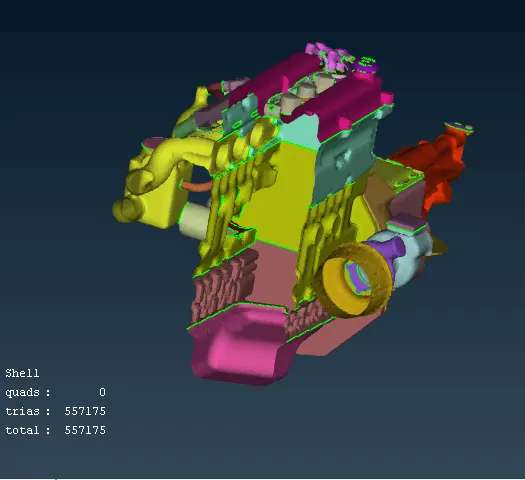
step 8: check and analyze the geometry and meshing of each components and save the model.
Learning outcome:
- Geometry cleanups for surface wrap.
- Merging of different models in one GUI.
- Surface wrapping for an Assembly.
Results:For the given models, geometrical errors were checked and surfaces which are unwanted for Surface wrap were deleted. After clearing geometry,all 3 models were merged and surface wrap was performed.
https://drive.google.com/file/d/1ZCu5EO8vMurGWh7zJczPwP_EoUM5kvR4/view?usp=share_link