Week 5 Bending of iPhone
WIRE BENDING
Aim
To model a bending of a phone model and determine strains and stresses on the wire
Procedure
- Start a new static structural model in ansys and import the model
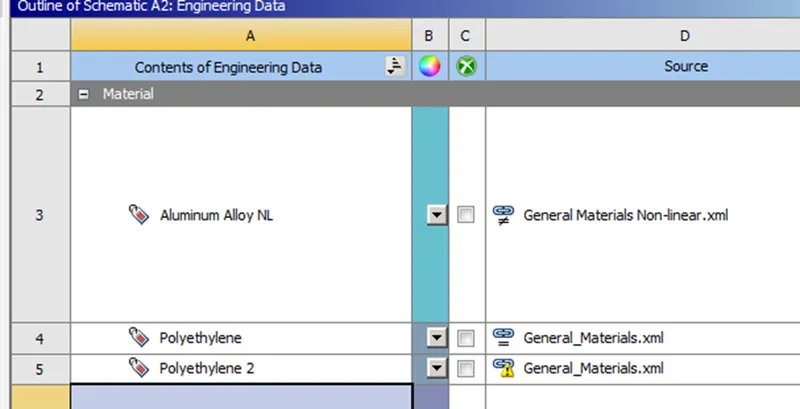
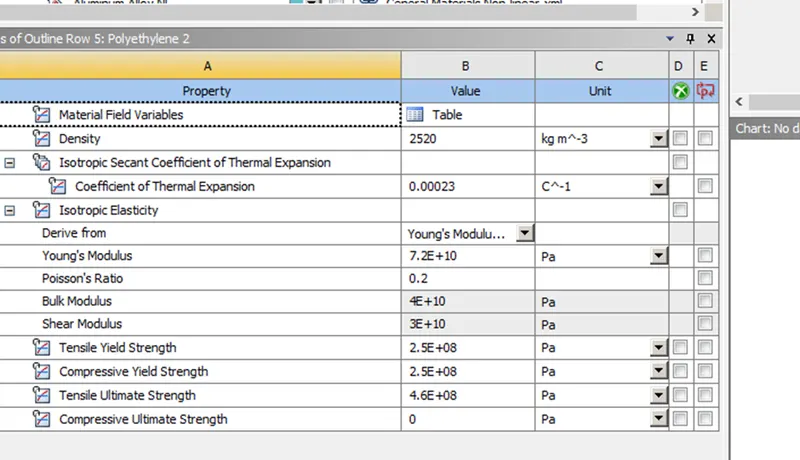
- Add the nonlinear materials of aluminium alloy , general material polyethelene, duplicate it and modify the property to be similar to glass
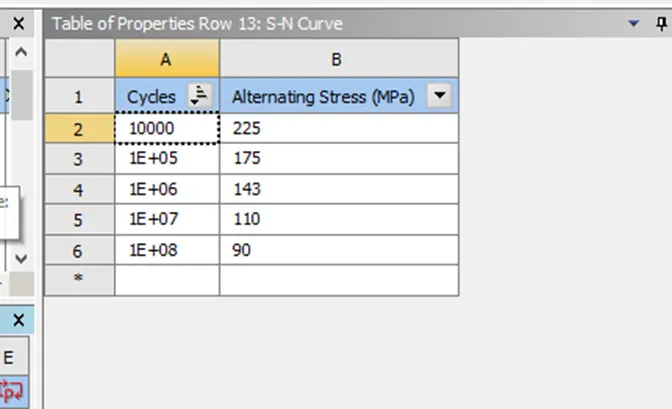
- Also add the S-N curve for non linear aluminium
- Open this model in ansys mechanical.
- Check that the materials were properly assigned to the model, set wire material to copper alloy.
- Rename the part names and assign the proper materials appropriately.
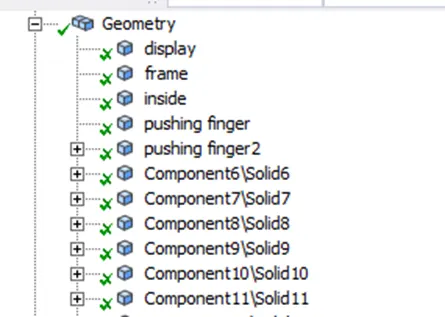
- Set all the contacts but the frame to display contact to frictionless contact
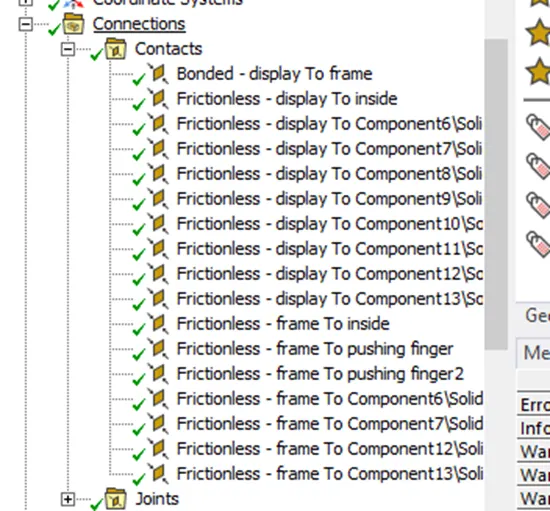
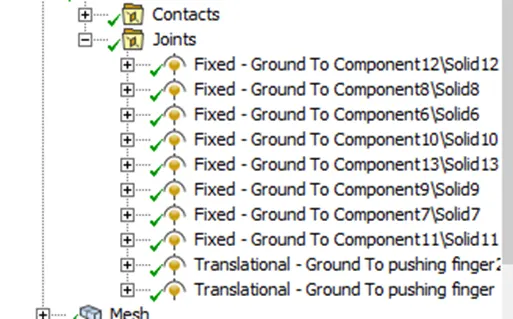
- Create a fixed Body-ground joint for the fingers as shown and translational joints for the bottom fingers
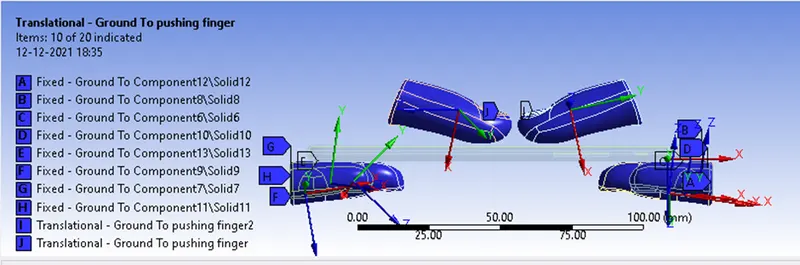
- Use the reference coordinate system to change the axis if it isn’t as shown in the above figure.
- In mesh, create a sizing group for the areas of interest and set mesh size to mm.
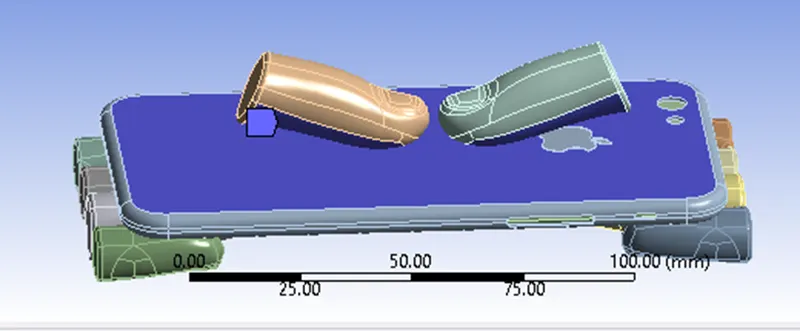
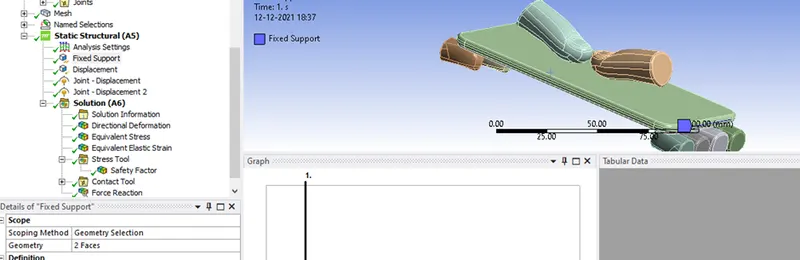
- Create a fixed support to prevent irregularities
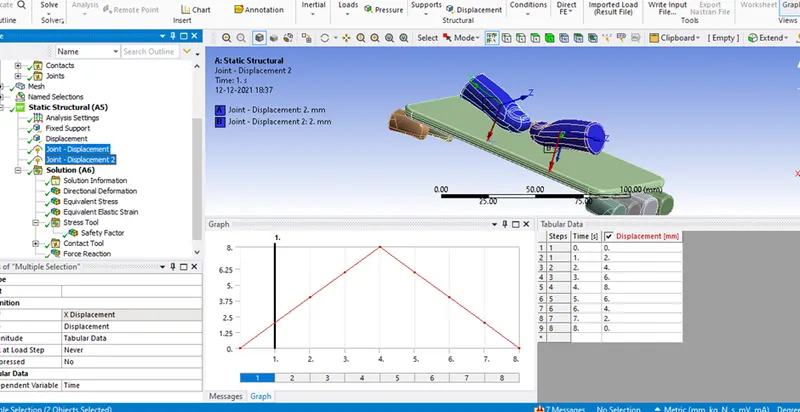
- Define the displacement of the fingers along the x axis, choose the face shown as well.
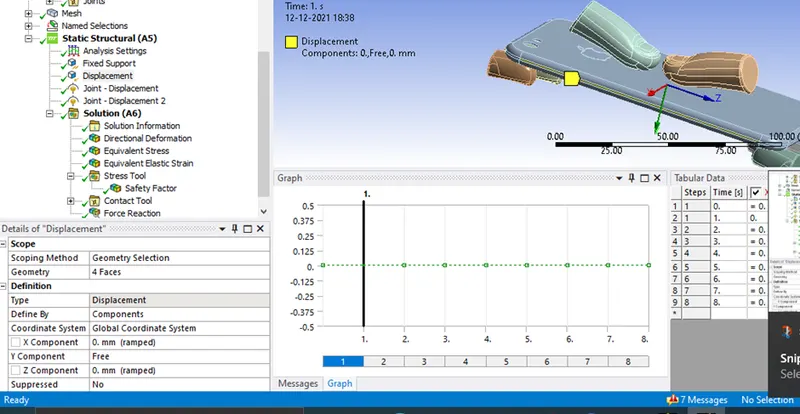
- Define a constant 0 mm displacement along the x and z axis to prevent irregular deformations
For case 2, define the S-N curve and transform the fingers X= 22.5mm & Z= 10mm and rerun the simulation.
Analysis Settings
Set the analysis settings as shown.
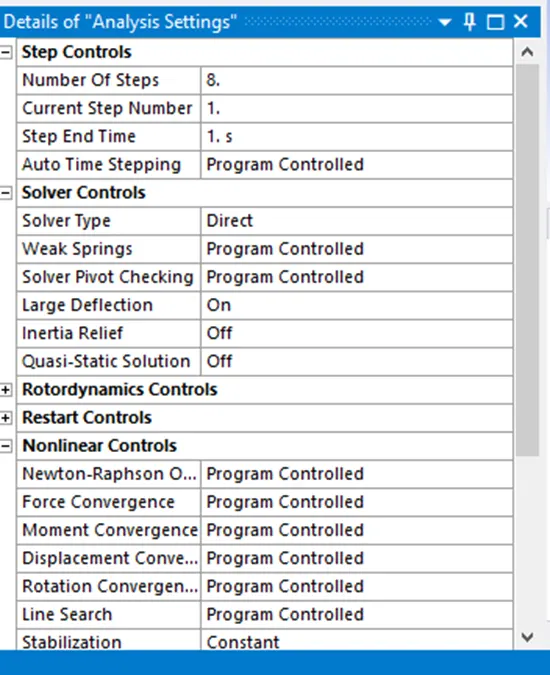
(set all the output controls to yes)
Set your output blocks as shown
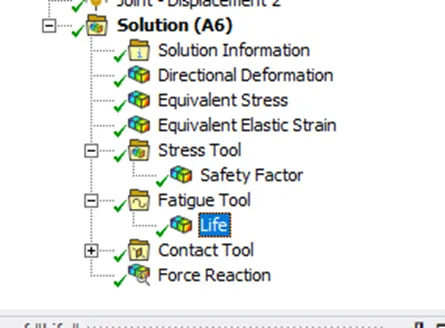
note, select only the phone body for output analysis
Post Processing
Case1

Case 2

Tabulated Results
|
Case |
Case 1 |
Case 2 |
|
Maximum Stress (MPa) |
612.8 |
481.92 |
|
Elastic Strain |
0.0086 |
0.0068 |
|
Maximum Pressure on phone (MPa) |
759.62 |
1003.8 |
|
Directional Deformation(mm) |
7.69 |
7.723 |
There is a significant difference in the pressure exerted in case 1 and case 2 due to the difference in position of the fingers. While the pressure exerted is significantly more, the difference in stresses and strain is not significant and thus is can be concluded that realistically the chances of breaking is minimal.
It can be seen that the maximum pressure on the phone in case 2 is 1003.8 MPa, which is realistically not going to happen as the average user will not exert such force on the phone.
Thus it can be concluded that the phone will survive most realistic bending scenarios.
Conclusion
Bending test was performed on a phone model and it was determined that realistically, it had good life for the average user.