Bending of iPhone
AIM:
For this challenge, simulate the bending of the IPhone as per the given cases below
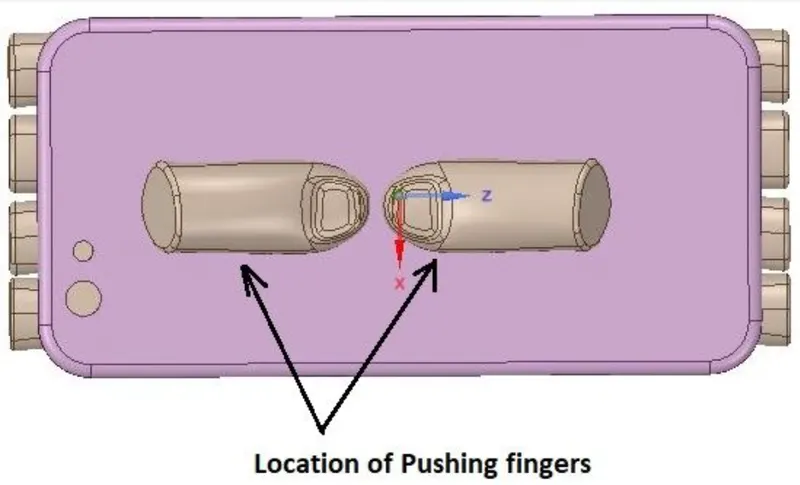
Case 1: Simulate the model without any change in the pushin fingers position
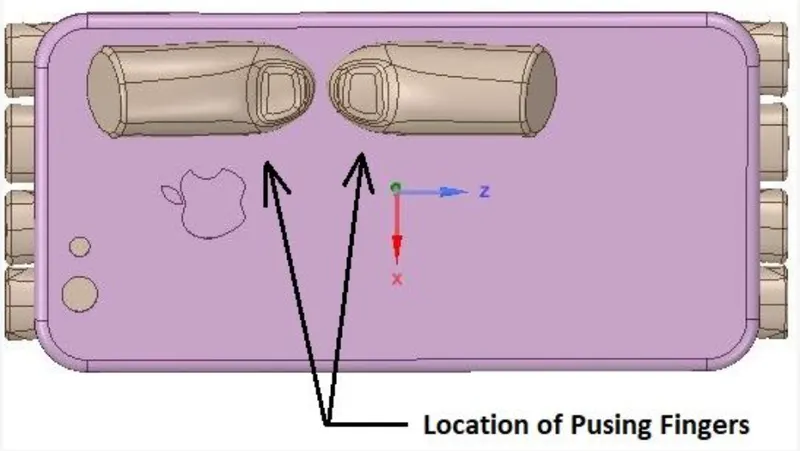
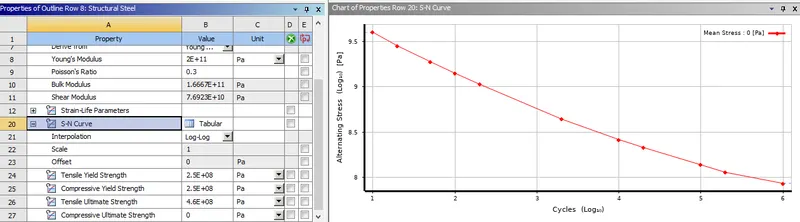
Case 2: Move the bottom fingers from their defined position to the given position X= 22.5mm & Z= 10mm and obtain the results for the simulation. Also define the S-N curve for the Aluminium Alloy material as per values given below and determine the fatigue life results for the same.
| Stress, MPa | Number of Cycles, N |
| 225 | 10000 |
| 175 | 100000 |
| 143 | 1000000 |
| 110 | 10000000 |
| 80 | 100000000 |
INTRODUCTION:
The iPhone is a smartphone made by Apple that combines a computer, iPod, digital camera and cellular phone into one device with a touchscreen interface. The iPhone runs the iOS operating system (OS), and as of 2017, there were 2.2 million apps available for it through the Apple App Store, according to Statista
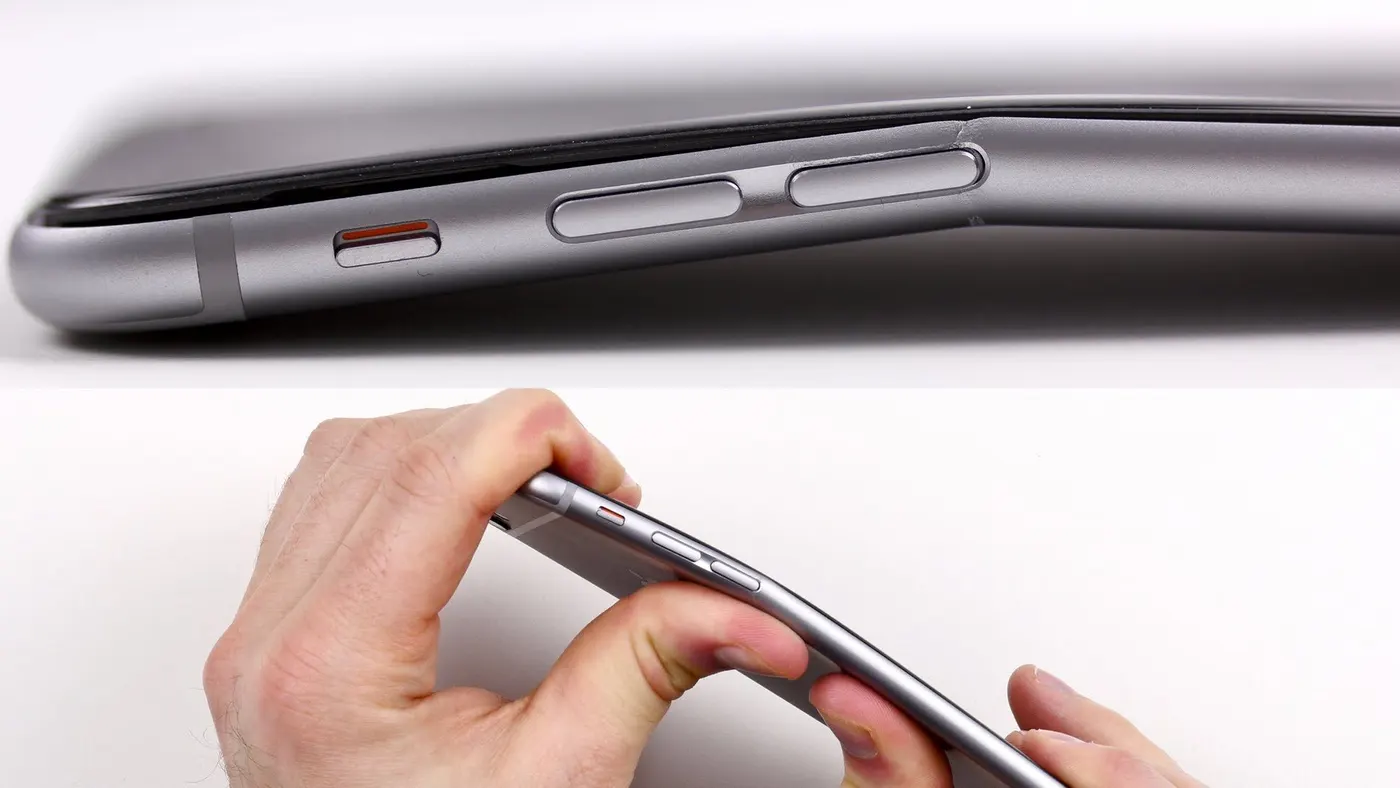
There are a number of reports claiming that the iPhone bends inside of people's pockets. Some speculate that the tightness of your pants is significant here. The tighter they are, the more pressure they exert on your phone. It seems clear, too, that a lot depends on whether you lean forward when you sit or maintain a more correct upright position.
You'd imagine that you'd be able to feel your bones or the chiseled tautness of your thigh muscles beginning to crush your phone. Perhaps, though, you're so engrossed in your work that you don't sense what you're doing to your status symbol until it's too late.
So, to check the possibilities of the bending and how it bends on applying the load at different location from the back side, we have to do some analysis on it. We will do the analysis by pushing the backside of the iPhone with Pushing fingers while other fingers will hold it from top side.
GEOMETRY:
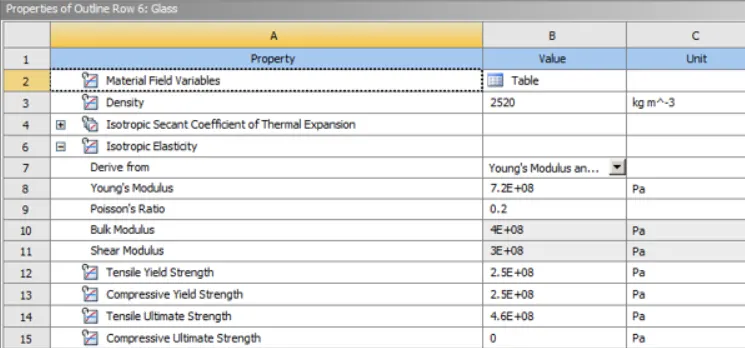
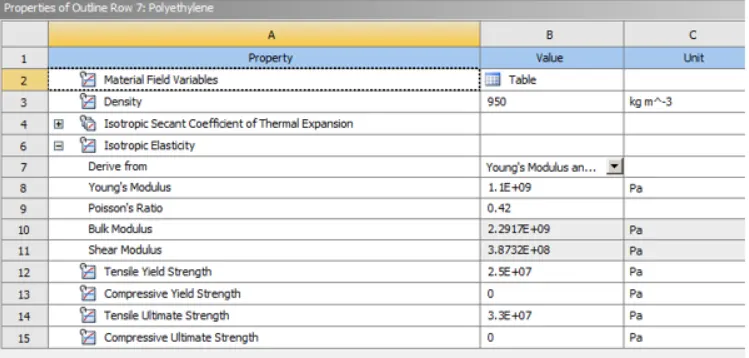
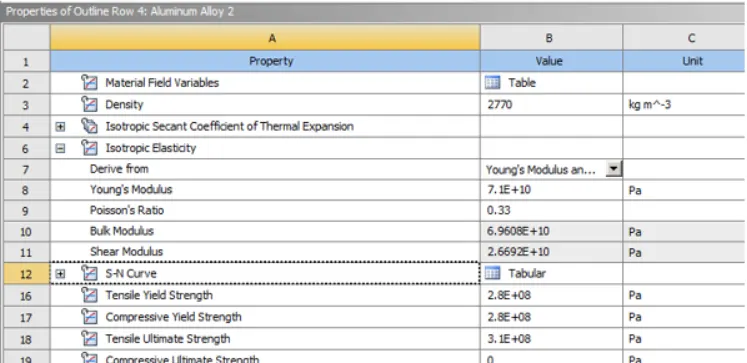
MATERIALS USED:
PROCEDURE:
Import static structural module into the workbench
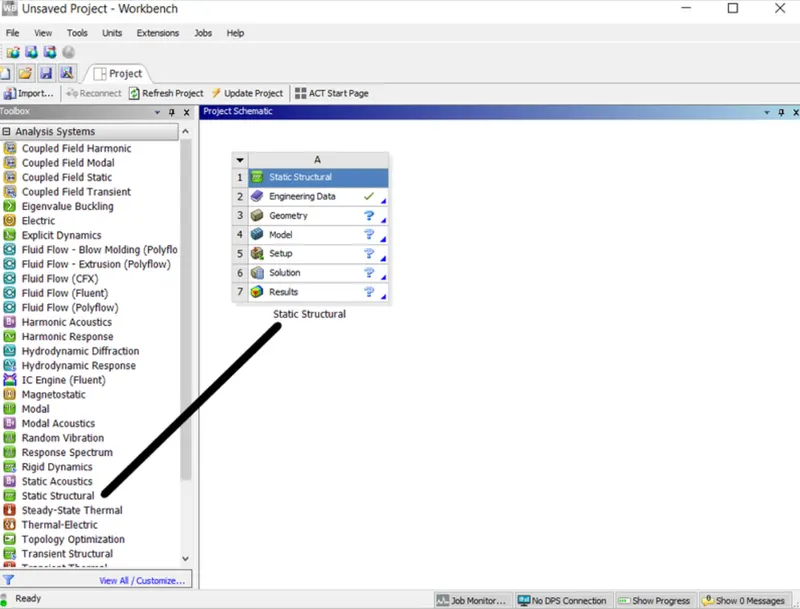
Fig 1: Dropping of the static structural module into workbench
2. Browse and import the geometry into module. We open the geomtery in Space clai and check for any errors'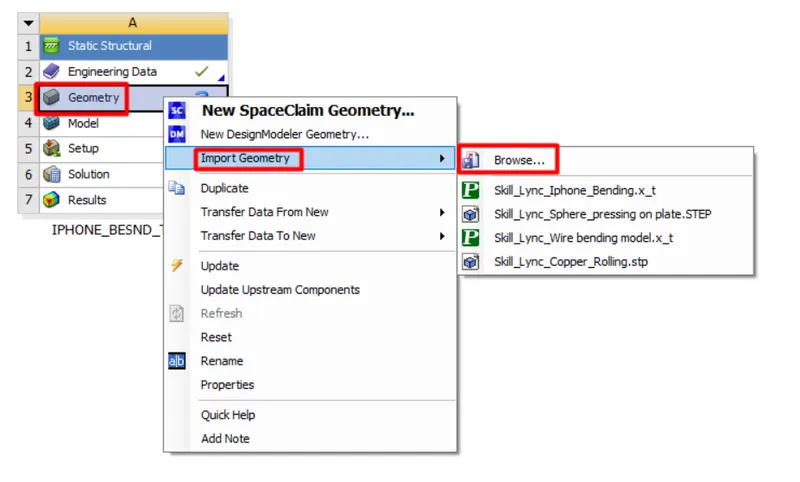
3: Connections All contacts between the fingers and phone body were defined as frictionless. The contacts between glass to frame and glass to inside were defined as bonded. The pushing fingers were defined as translational joints and all other fingers were defined as fixed joints.
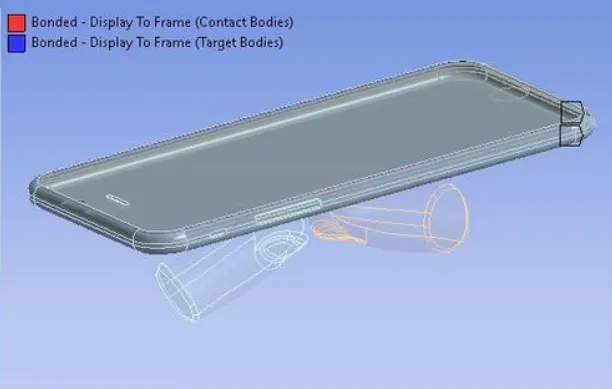
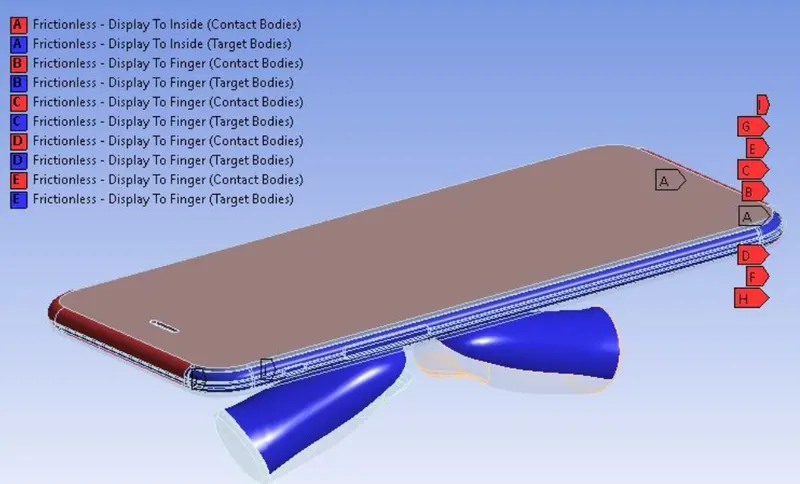
Bonded joints Frictionless joints
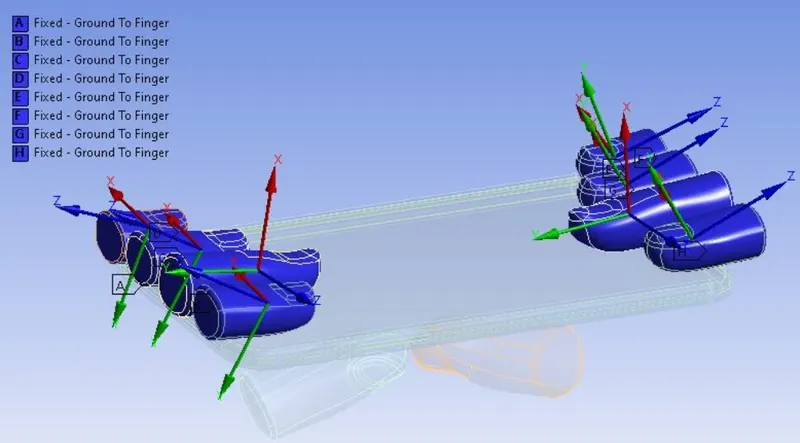
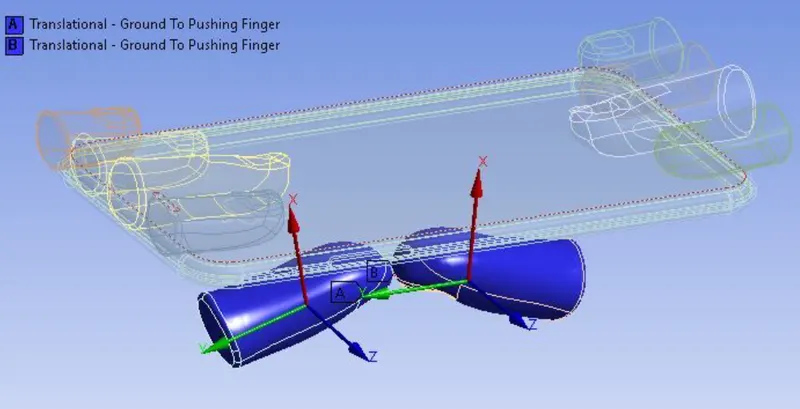
Fixed Joints Translational Joints
4: Meshing In the meshing step, face sizing with element size of 6mm was given on the contacts between the pushing fingers and phone body. The general mesh size was defined as 15mm.
5: Analysis settings The analysis was carried out over 8 steps using direct solver. The weak springs was program-controlled and the large deflection was turned on. Two ends of the phone body was fixed and the other two ends were defined as zero displacement. In case 1, both pushing fingers were moved upto 8mm along the y axis and retracted back. In case 2, the pushing fingers were moved to the new coordinates and given the same displacement value.
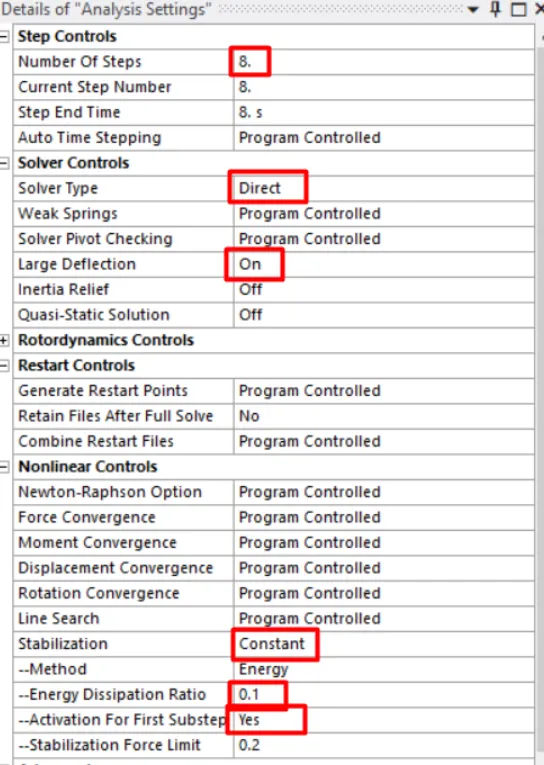
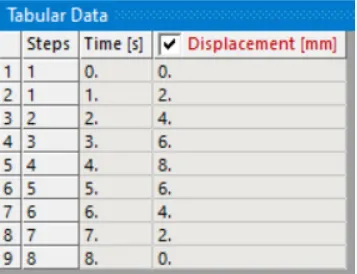
Analysis settings defintion Displacement definition
CASE 2:
Move the bottom fingers from their defined position to the given position X= 22.5mm & Z= 10mm and obtain the results for the simulation. Also define the S-N curve for the Aluminium Alloy material as per values given below and determine the fatigue life results for the same.
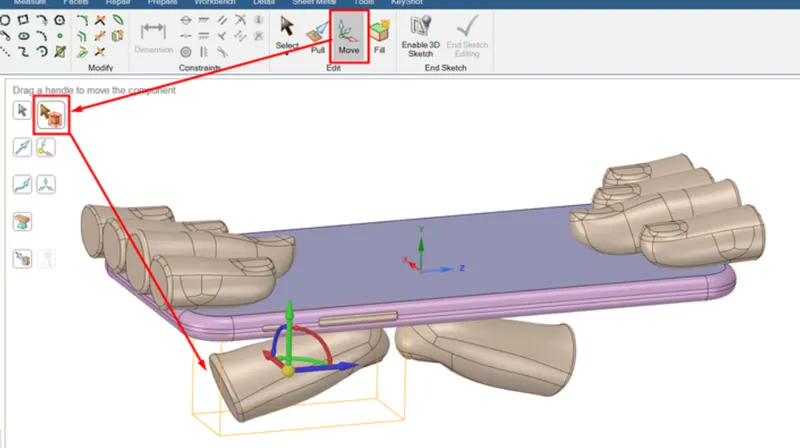
Fig: Transformation of fingers according to the requirements
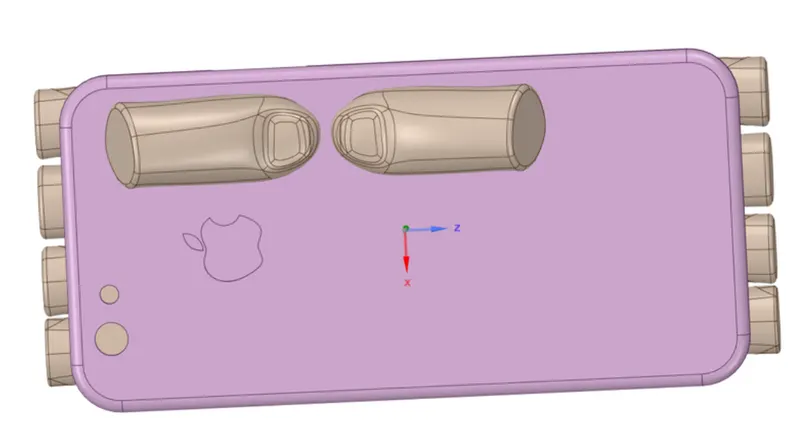
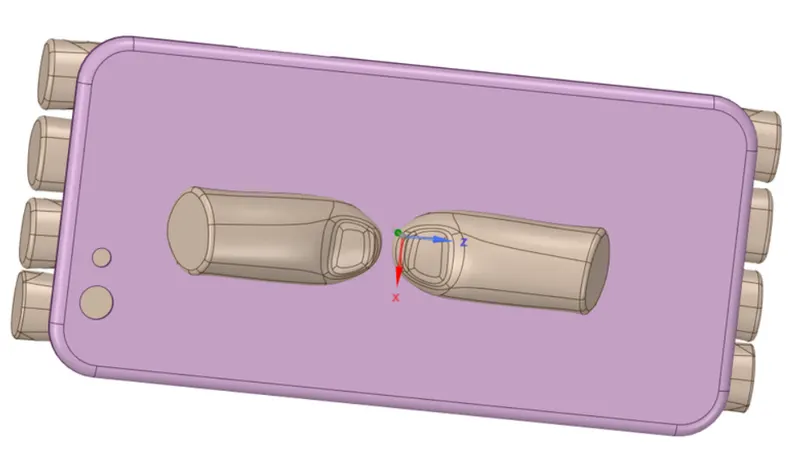
Fig: Transformation of pushing fingers
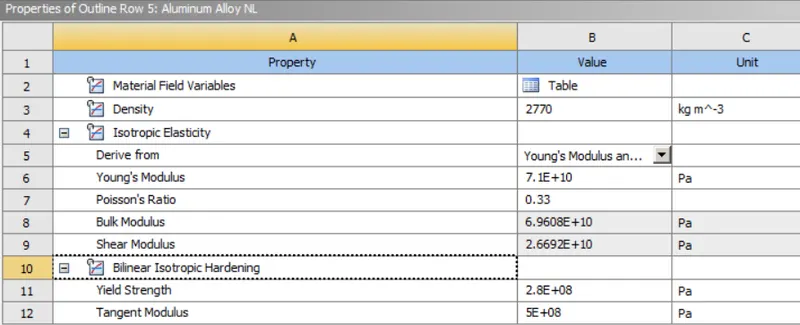
For case 2 we define an SN curve for aluminum alloy in the engineering data
• Repeat the same procedure as case-1 for analysis setup.
• Input the fatigue tool under solutions. Select the frame using the body filter and insert the life under the fatigue tool.
• Evaluate all the results to find the life of the frame.All the required outputs can be requested in the solution module
RESULTS:
CASE-I
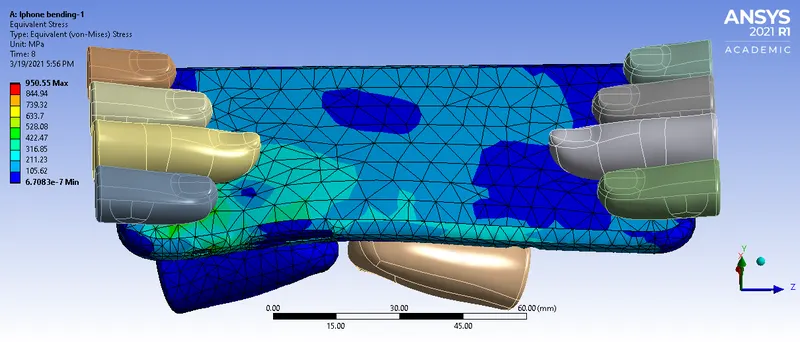
VON-MISES STRESS
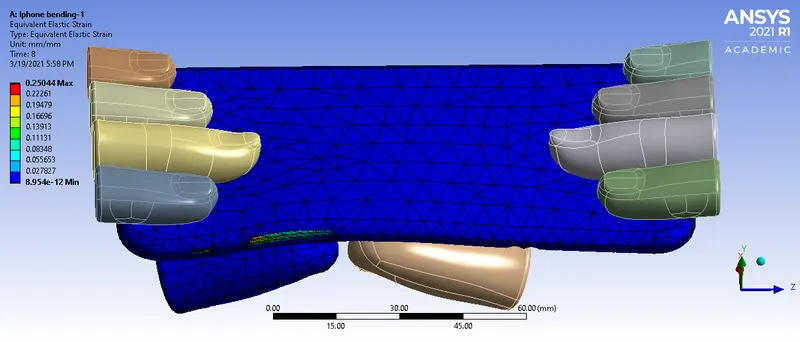
EQUIVALENT ELASTIC STRAIN
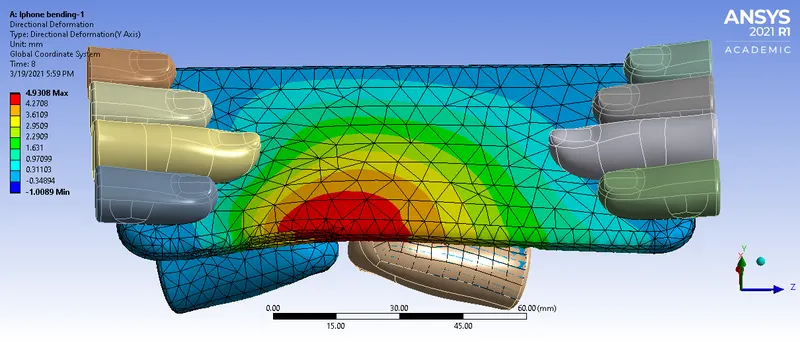
DIRECTIONAL DEFORMATION
CASE-II
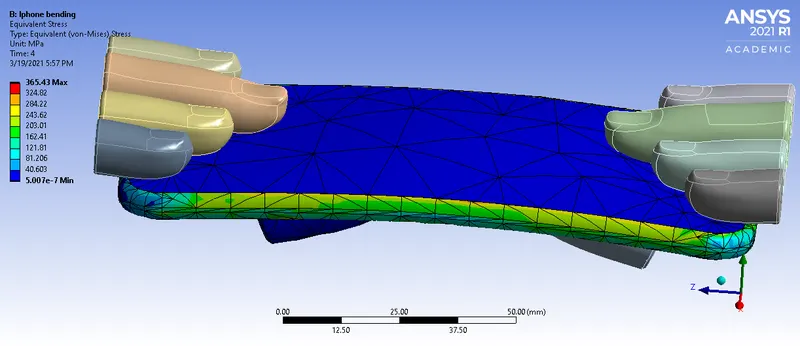
VON-MISES STRESS
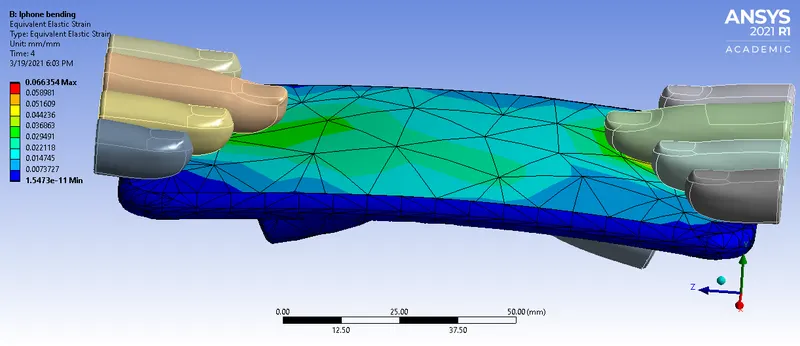
EQUIVALENT ELASTIC STRAIN
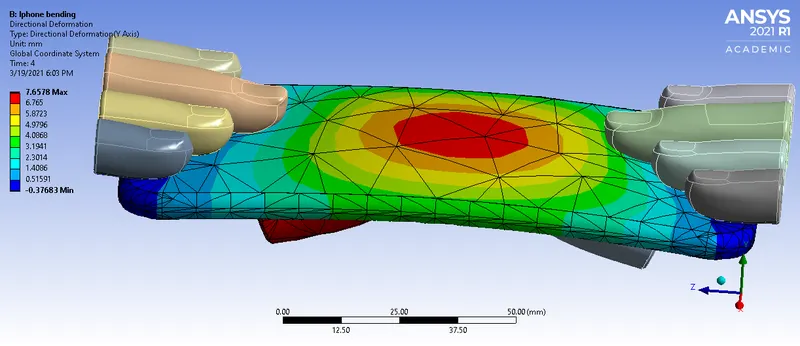
DIRECTIONAL DEFORMATION
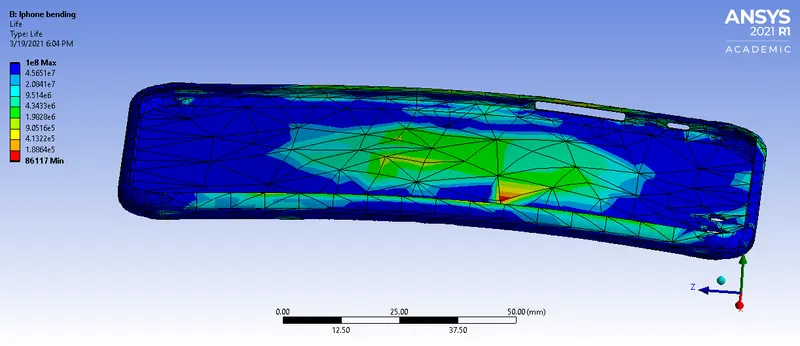
LIFE OF ALUMINIUM ALLOY FOR THE CASE
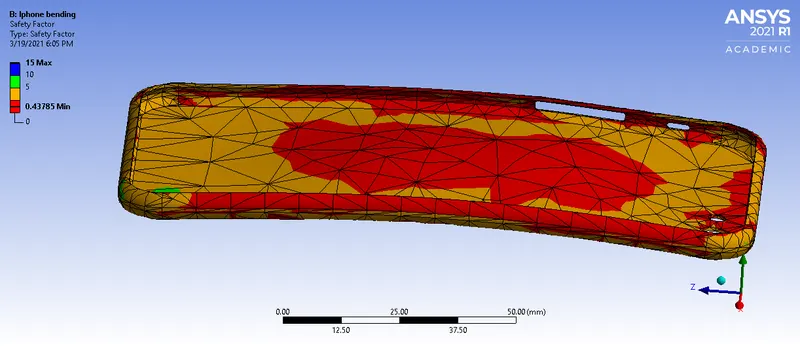
SAFETY FACTOR OF FRAME

CONCLUSION:
• The Iphone bending test was successfully set up and all test cases were simulated
• From above results, we can conclude that on the repetitions of load on the iPhone at the centre can withstand more or have more life than at the side. For the centre loading conditions, iPhone is more durable than side loading conditions.
• In both cases, stress is going beyond the yield limit, which can cause plastic deformations or failure. • So to Make the iPhone more durable and to increase the strength, more upscale material should be used. • Percentage amount of Zinc addition to Aluminium Alloy can be better composition and can exhibit more impact strength.