Week 5 Bending of iPhone
Bending of IPhone
Objective:
To simulate the bending of iPhone as per the given cases below
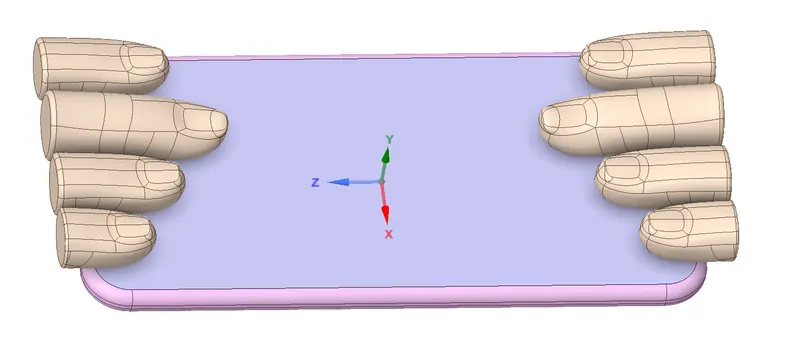
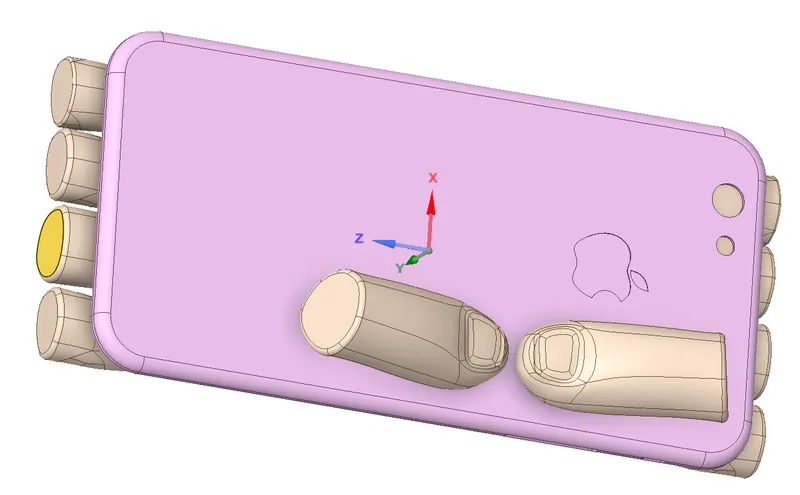
Case 1: Simulate the model as it is given in the video
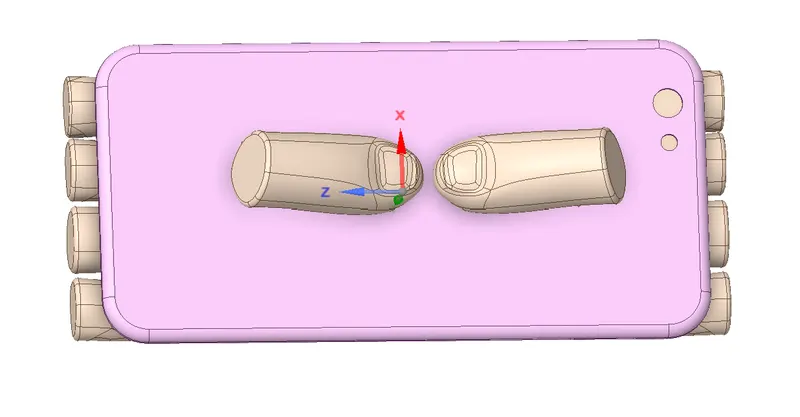
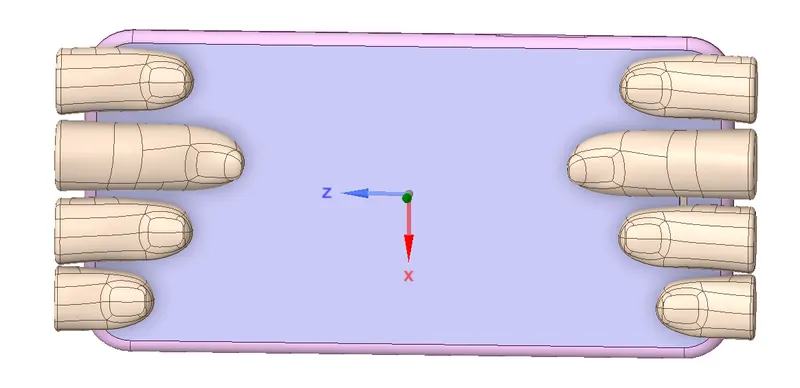
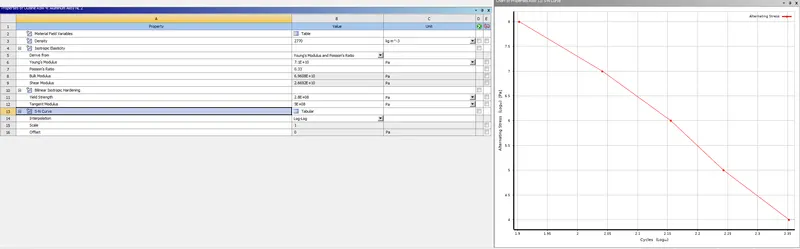
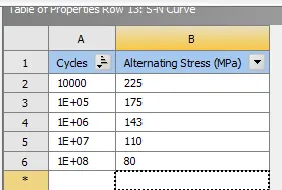
Case 2: Move the bottom fingers from their defined position to the given position X= 22.5mm & Z= 10mm and obtain the results for the simulation. Also define the S-N curve for the Aluminium Alloy material as per values given below and determine the fatigue life results for the same.
|
Stress, MPa |
Number of Cycles, N |
|
225 |
10000 |
|
175 |
100000 |
|
143 |
1000000 |
|
110 |
10000000 |
|
80 |
100000000 |
Results and Deliverables
- Obtain the directional deformation for the model
- Factor of Aluminium Alloy NL
- Life of the Aluminium alloy for the case
- Compare the results and present with the conclusion.
Geometry file:
Case 1
Case 2
As per the requirement in case 2 Moved the bottom fingers from their defined position to the given position X= 22.5mm & Z= 10mm.
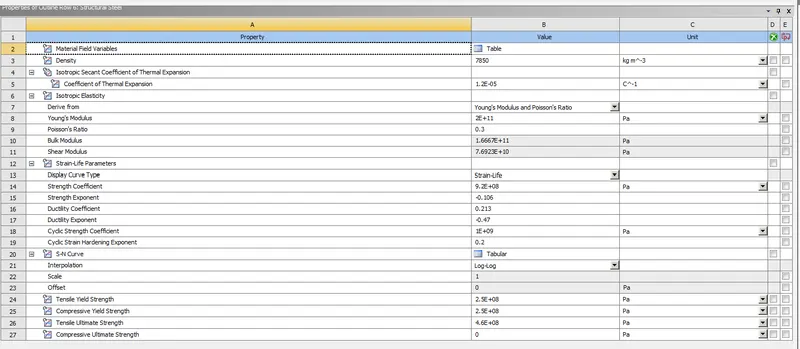
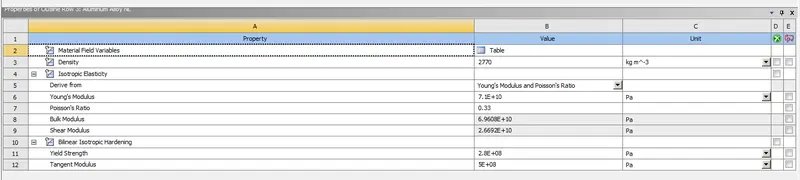
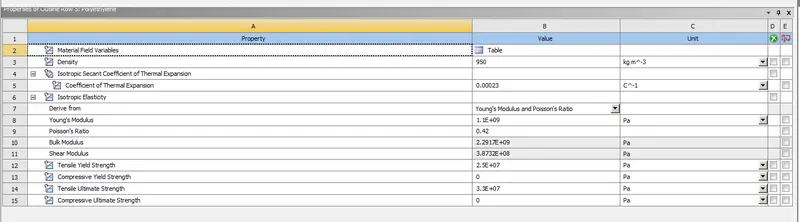
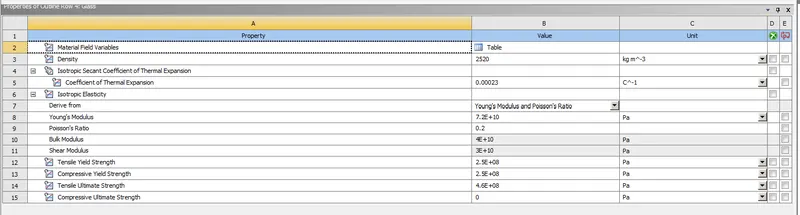
Properties of Material used:
Aluminium Alloy NL: S-N Curve:
Structural Steel
Aluminium Alloy NL
Polyethlene
Glass
Mesh file:
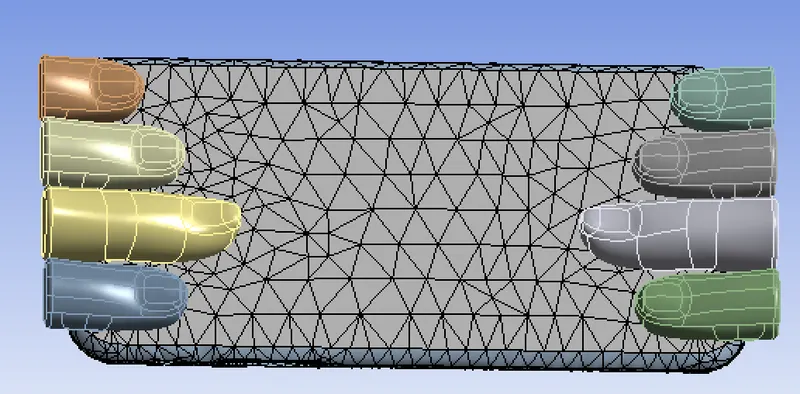
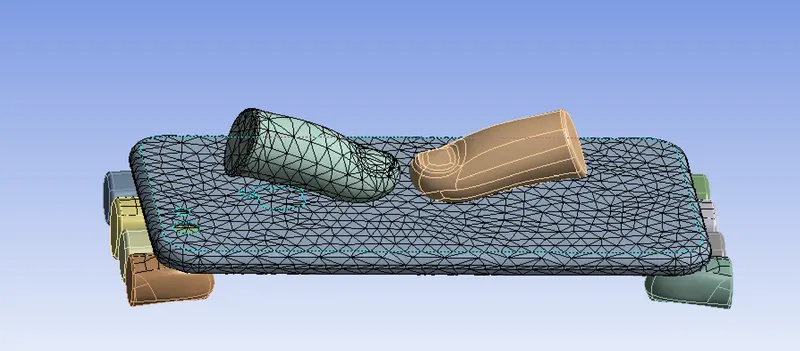
As we are considering only the deformation on the frame and that to on the X-direction we are only considering the bottom face and the pressing fingure faces and giving a mesh element size of 4mm.
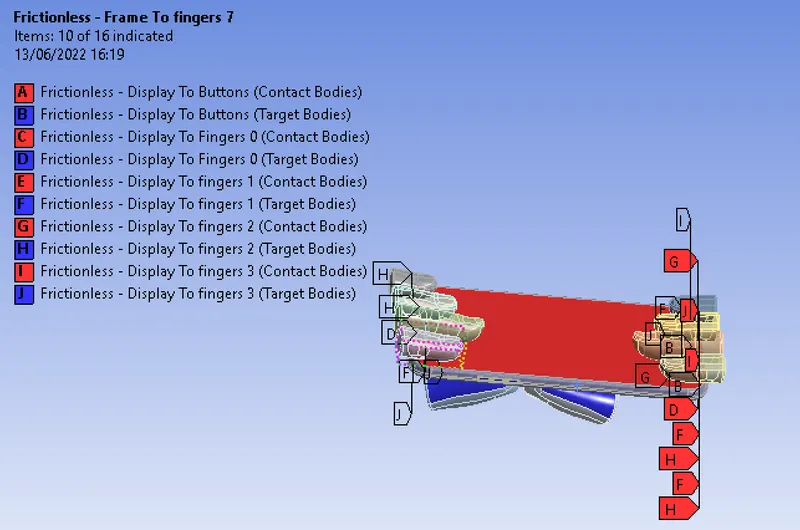
Contacts setup:
In this project there are many contacts between iphone and the fingers.In this case as we want to consider the bending of iphone considering all the contacts as bonded contacts apart from the pushing fingure below the iphone.
Joints Setip:
Considering joints between fingers and the iphone select fingers on the iphone to be fixed joints and pushing fingers to be translation joints.
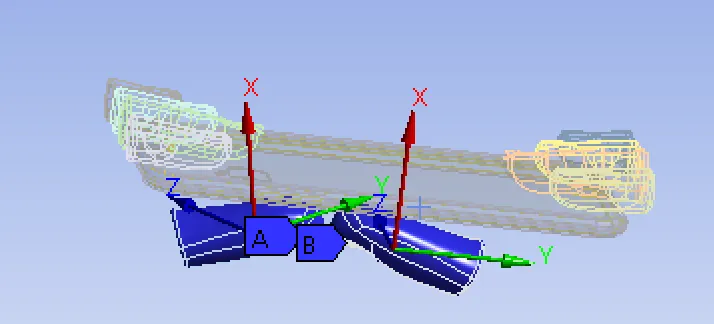
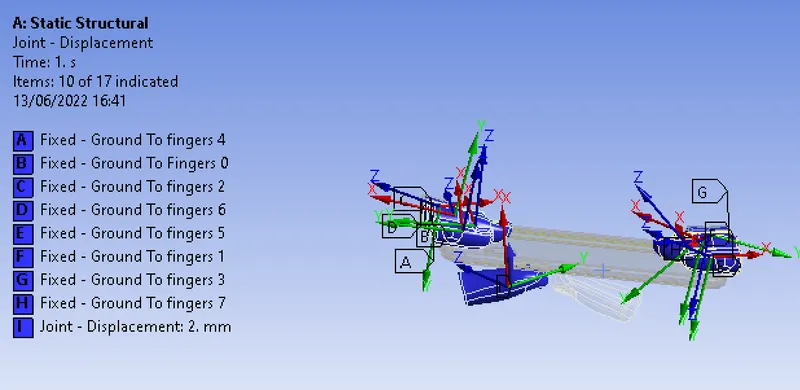
Figure 1 Fixed Joints Figure 2 Translational Joints
Analysis setup:
As we are considering the bending of the iphone in this simulation we are considering 8 steps for analysing and the solver to be direct with energy dissipation of 0.1.
To give the motion to the pushing fingers as we considered fingers to be translation joints gave the displacement along the Y-axis and arrested its motion in both X-axis and Z-axis. To arrest the motion of the iphone such that it doesn’t flip off while giving displacement we are considering interior part of iphone to be a fixed joint and the other joints to be translation joints with displacements given in 8 steps.
Simulation Results:
Case 1
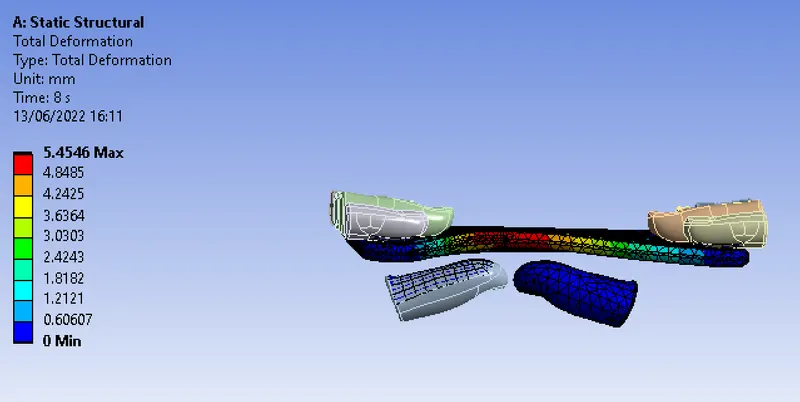
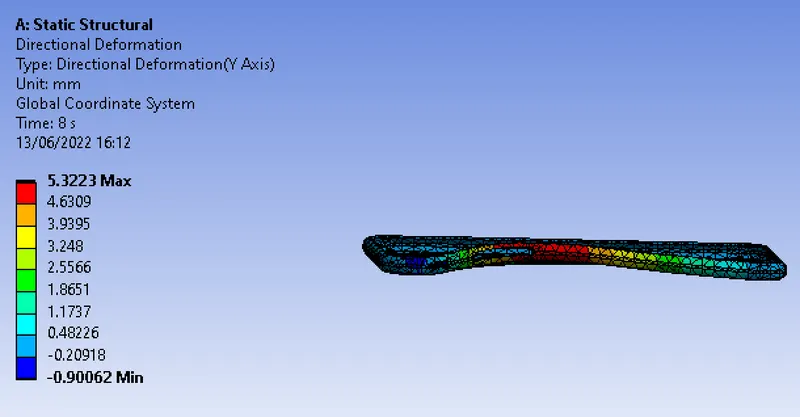
Figure 3 Total deformation Figure 4 Directional Deformation
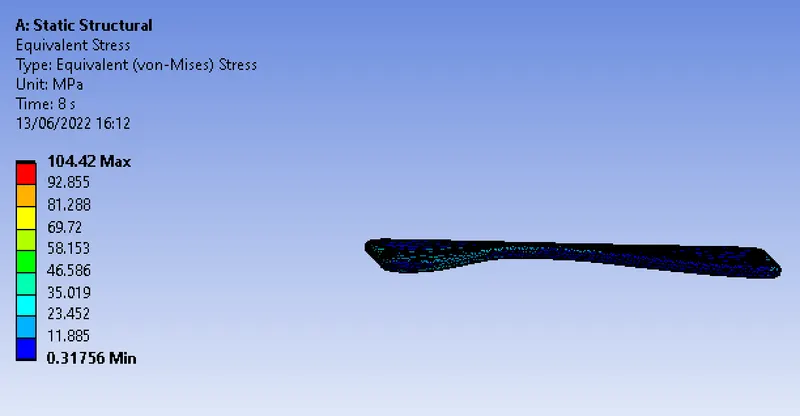
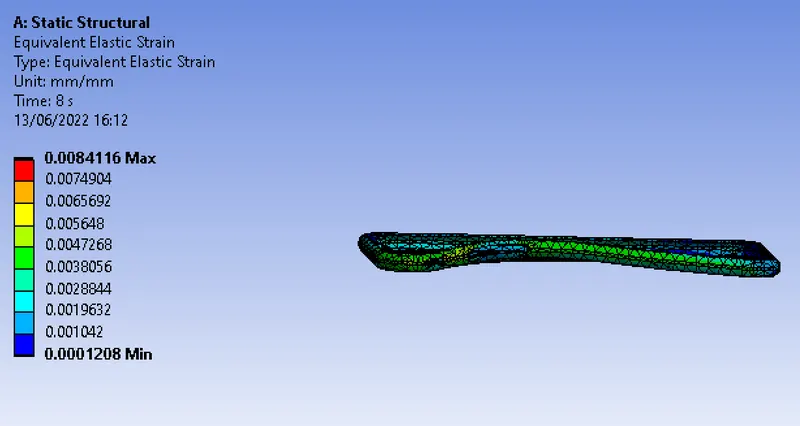
Figure 5 Equivalent Stress Figure 6 Equivalent strain
Case 2
Total Deformation:
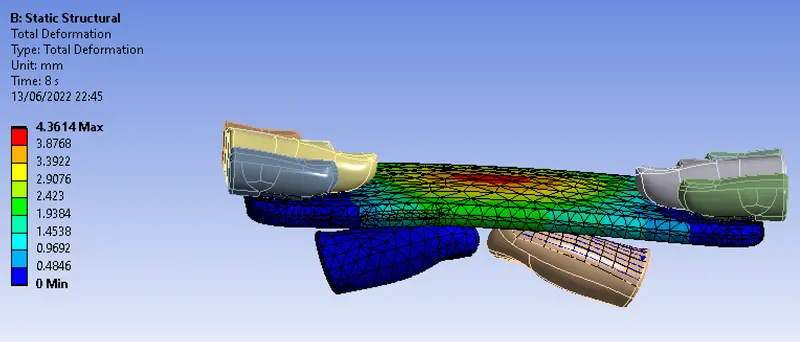
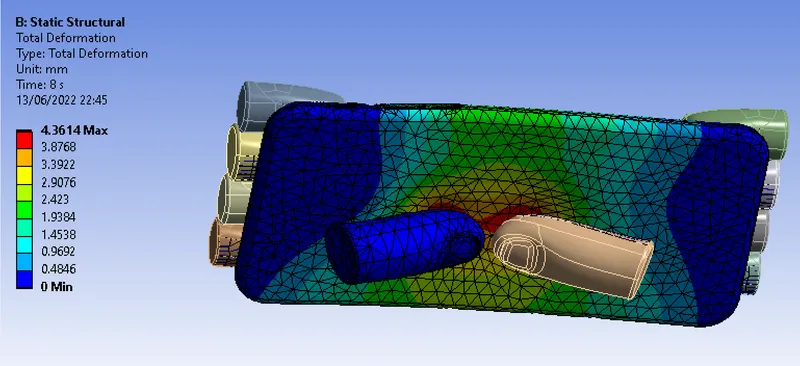
Figure 7 Total Deformation Figure 8 Total deformation
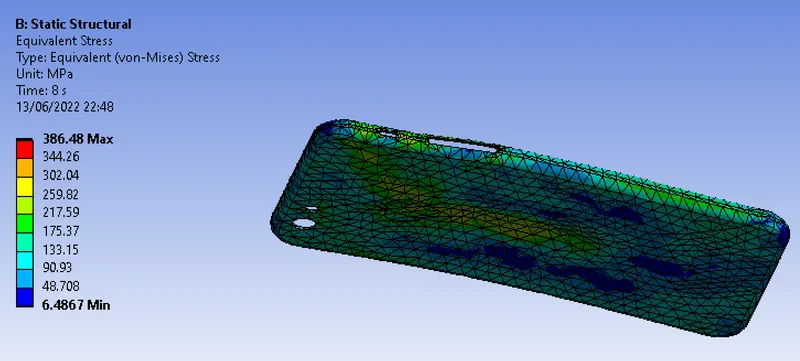
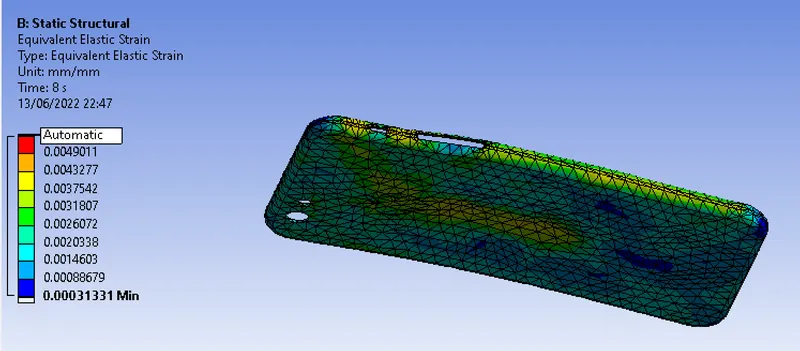
Figure 9 Equivalent stress Figure 10 Equivalent Strain
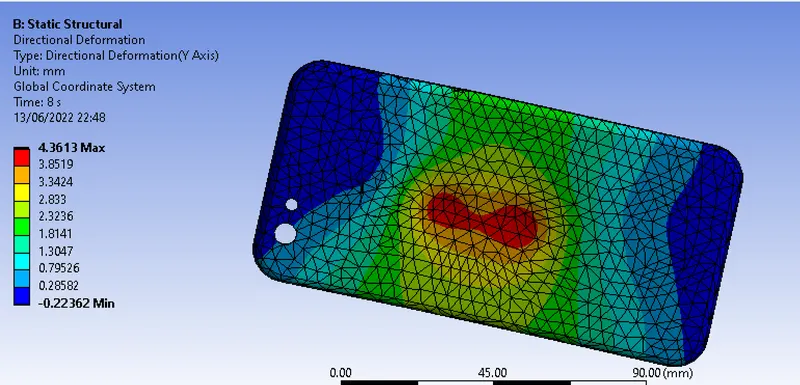
Figure 11 Directional Deformation
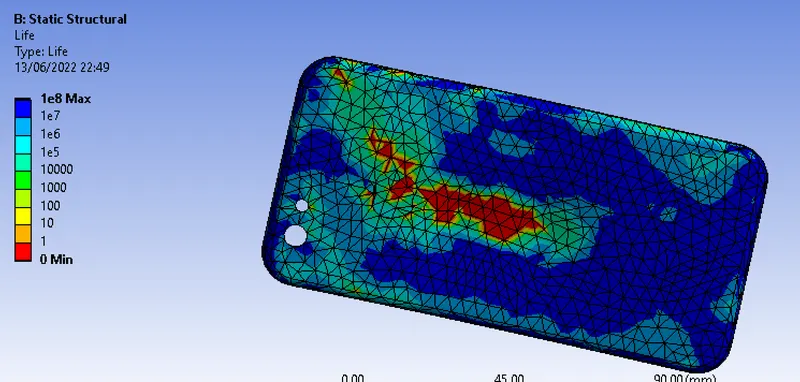
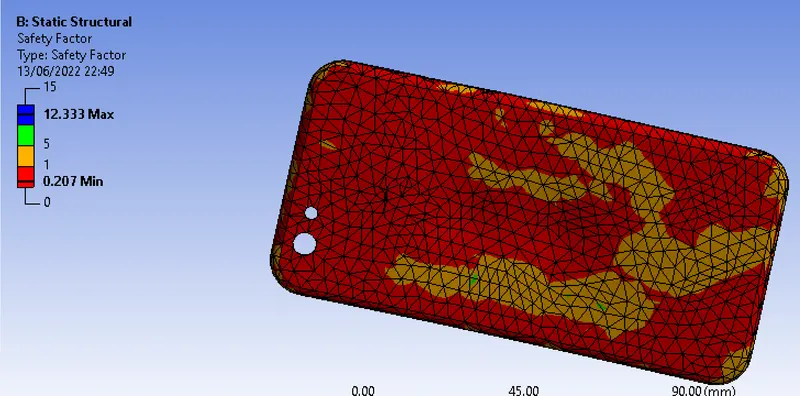
Figure 12 Life with number of cycles Figure 13 Factor of Safety
Comparision Table:
|
Method |
Maximum |
||||
|
Total Deformation |
Directional Deformation |
Equivalent stress |
Equivalent strain |
life |
|
|
Case 1 |
5.4546 mm |
5.3223 mm |
104.42 MPa |
8.4116e-003 |
|
|
Case 2 |
4.3614 mm |
4.3613 mm |
386.48 MPa |
5.4746e-003 |
1e8 |
Conclusion:
From the above table we can infer that the stress developed is higher in the second case than in the first case because in the second case the stress is applied at the centre of the Iphone.