3D meshing of a rear view mirror
AIM:
-
To do a geometrical cleanup and mesh the given rearview mirror within the following criteria using 3d mesh
-
S.No Quality Criteria Value
1 Target/Average length 1
2 Minimum Length 0.5
3 Maximum Length 2
4 Tetcolapse 0.2 -
- INTRODUCTION
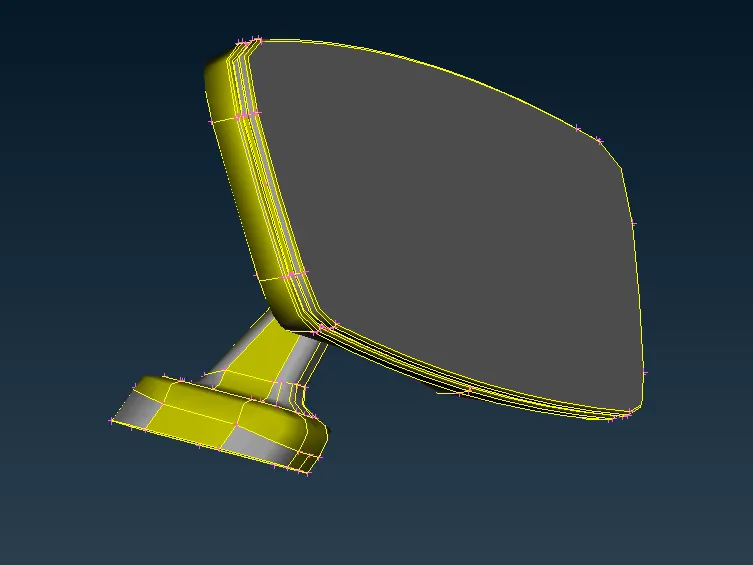
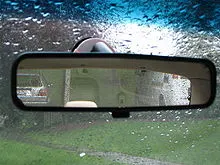
A rear-view mirror (or rearview mirror) is a flat mirror in automobiles and other vehicles, designed to allow the driver to see rearward through the vehicle's rear window (rear windshield).
In cars, the rear-view mirror is usually affixed to the top of the windshield on a double-swivel mount allowing it to be adjusted to suit the height and viewing angle of any driver and to swing harmlessly out of the way if impacted by a vehicle occupant in a collision.
The rear-view mirror is augmented by one or more side-view mirrors, which serve as the only rear-vision mirrors on trucks, motorcycles and bicycles.
-
- THEORY:
Generally, 3d meshing is performed whenever the thickness of the components goes beyond 6mm or below 1/20 thickness area ratio. Few examples are like turbochargers, engine parts, intake manifolds, tyres, etc.3d meshing is generally done in two ways Tetra meshing and Hexa meshing. Generally, tetra meshing is preferred than Hexa meshing abiding to the complexities of Hexa meshing. In an analysis perspective, 3d Hexa mesh will give better results than tetra mesh due to its better shape function
Our main aim while performing 3d tetra meshing is to maintain the tet-collapse which is the distance from the opposite face divided by the area and multiplied by 1.24
- SOFTWARE USED:
ANSA
- PROCEDURE:
The model is imported into ANSA
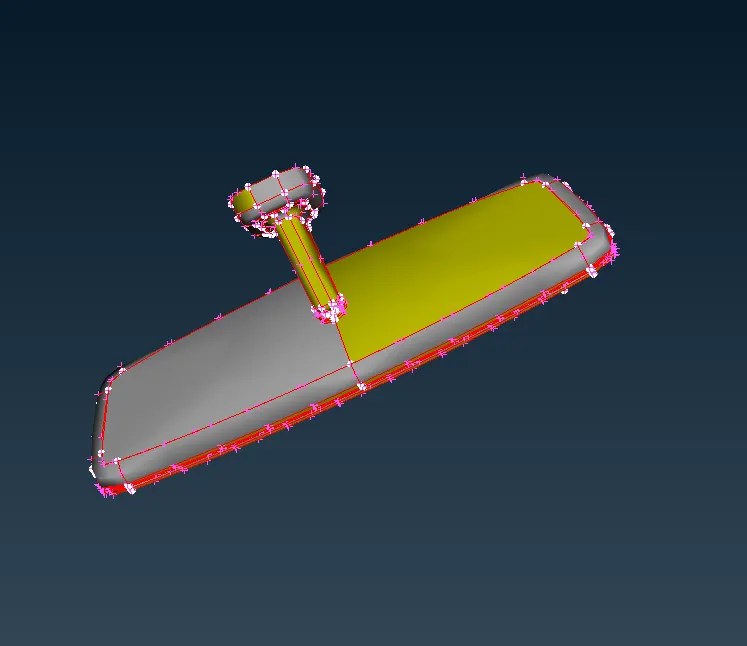
- The free edges are cleared using the Topo option under Topo module
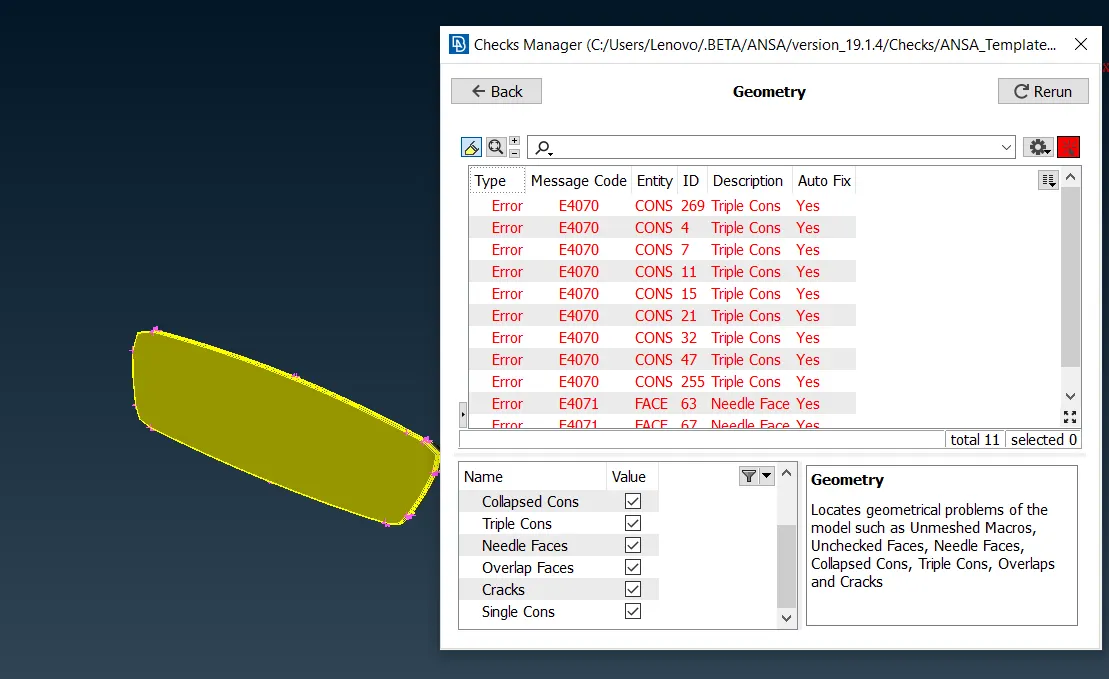
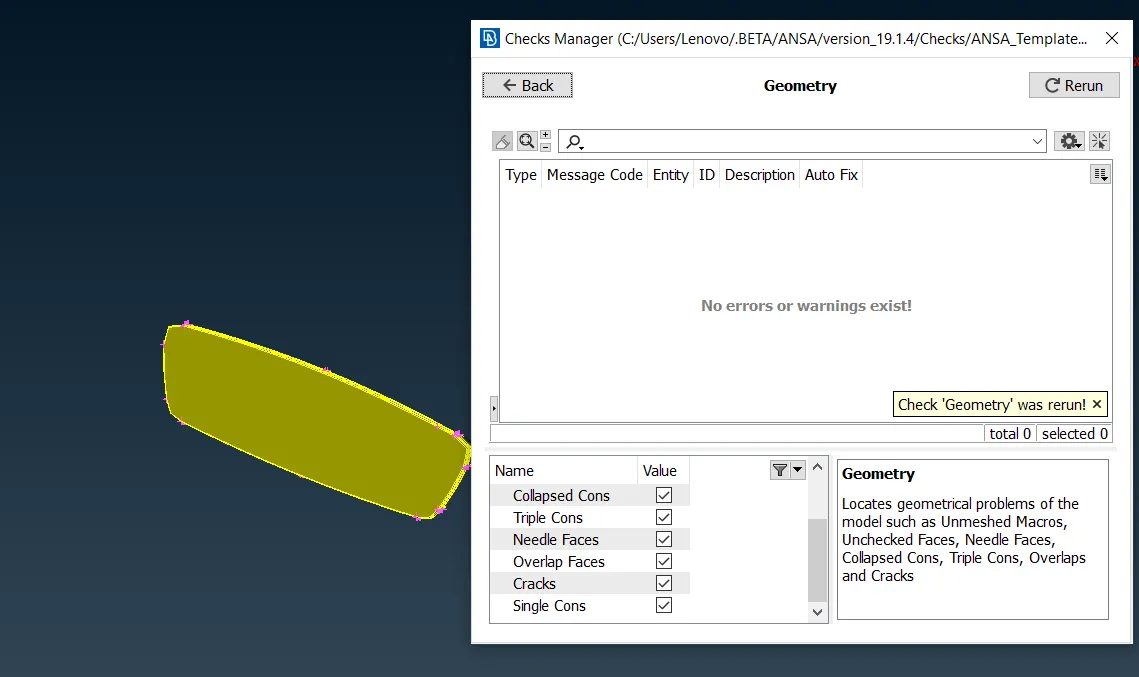
- The geometry is checked using the check geometry option. The following error were corrected using the auto fix option provided by ansa
-
The quality criteria and mesh parameters value is entered
The perimeter length is set to 1mm
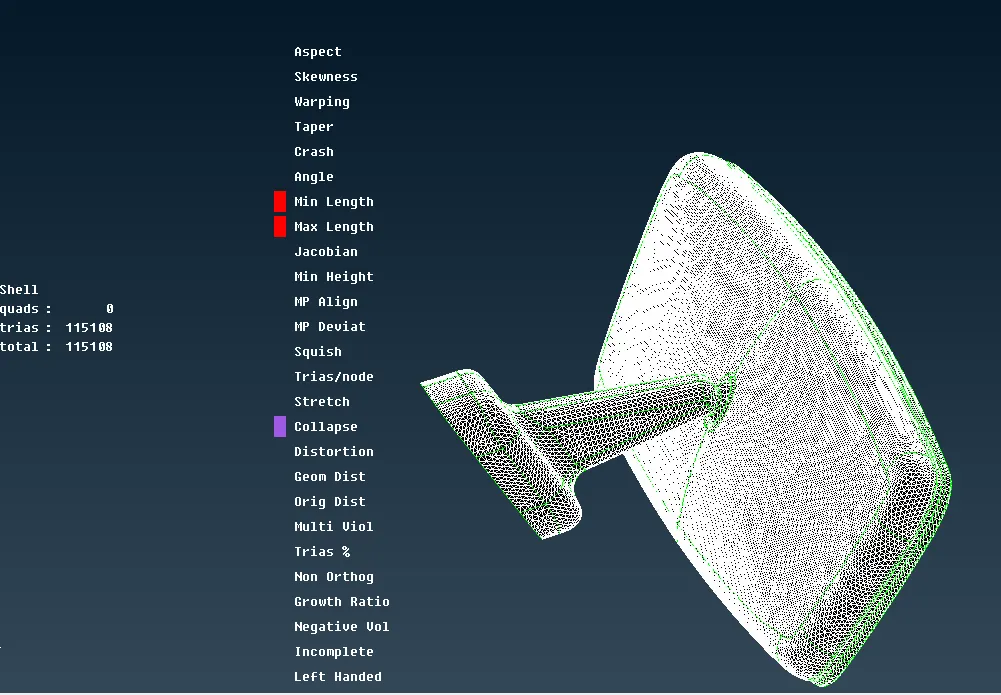
Using spot mesh the surface of the components is meshed
Ortho trias are used for curved surfaces to have a better feature capturing and in other surfaces trias can be used
The required quality criteria is achieved using tools like split,smooth,join,reconstruct
-
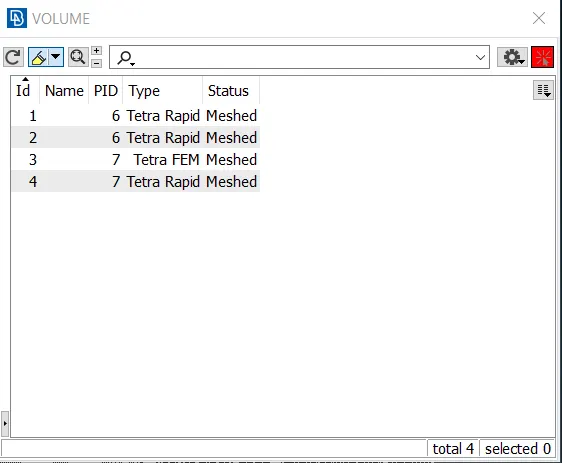
Under the volume module volume of the given components are defined
-
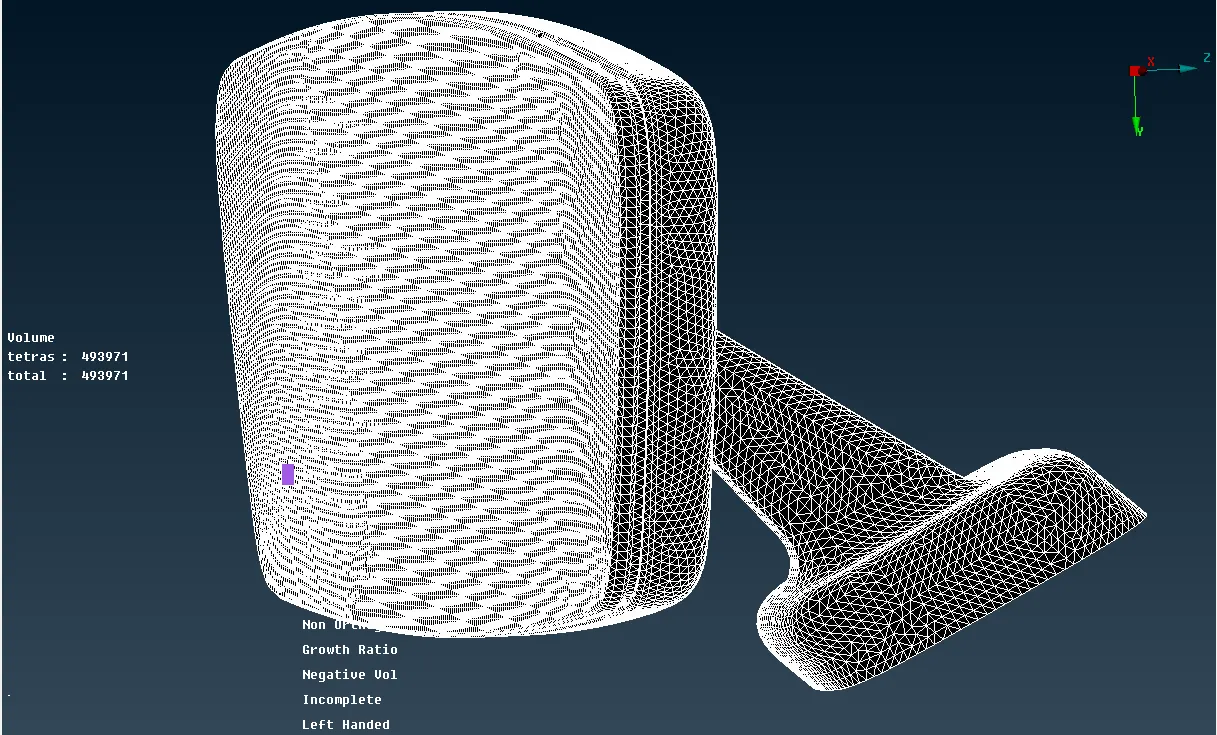
In unstructured option under volume mesh we can go with tetra fem or tetra rapid to get a tetra mesh of the meshed trias
The off-elements occurred due to tet collapse can be cleared using move command under grids option
-
- Results:
-
- Learning Outcomes:
Learned to 3d mesh the component within the given quality parameters
Learned to clear tet collapse using various Ansa tools
- Conclusion:
The given model was 3d meshed according to the quality criteria and the features were captured well