Week 4 -Wire Bending Challenge
AIM: To perform the wire bending simulation.
PROCEDURE:
- So first we will import the model in ANSYS workbench. After that we will select the material for the WIRE.
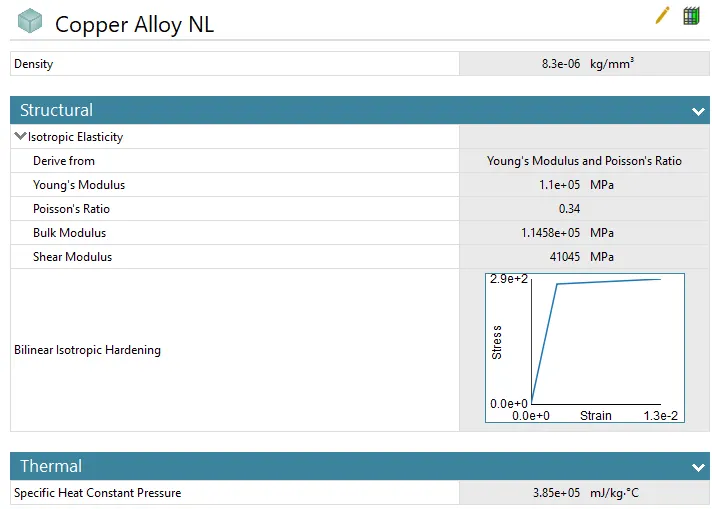
- The material we are choosing are Copper Alloy (Non Linear), Aluminium Alloy (Non Linear) and Magnesium Alloy (Non Linear.
- The actual component is shown below:
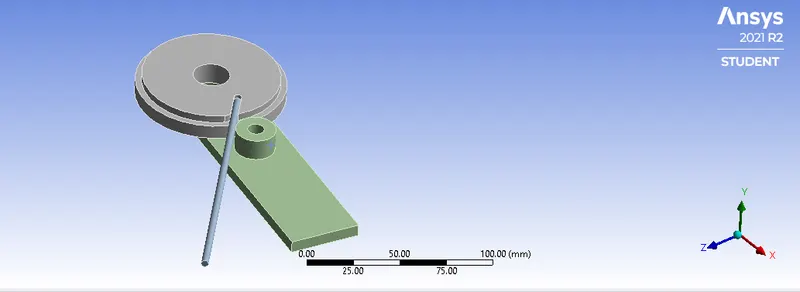
- Now after that we will assign the contacts to the Wire and lever, Wire and wheel as shown below:
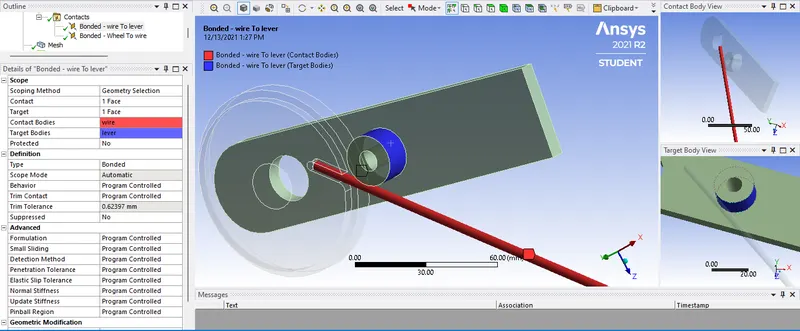
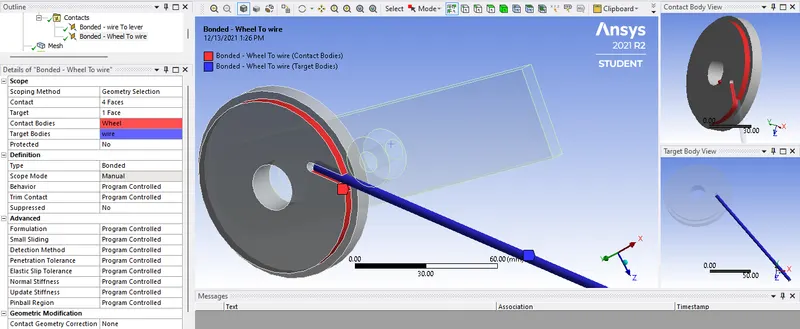
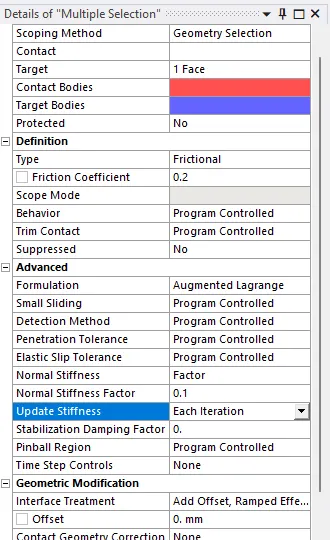
- And change the contact settings as shown:
- After this we will mesh the components. So first select the method as Tetreahedrons for the meshing by selecting all the components.
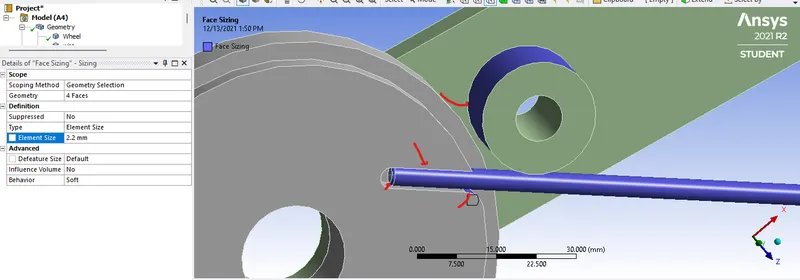
- Then select the faces as shown and refined the mesh size as 2.2mm.
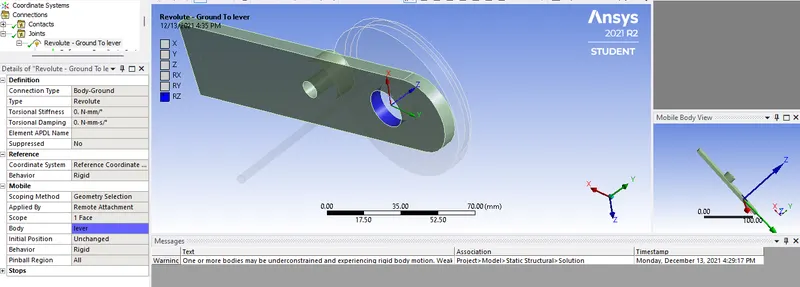
- After this we will create a revolute joint on the lever.
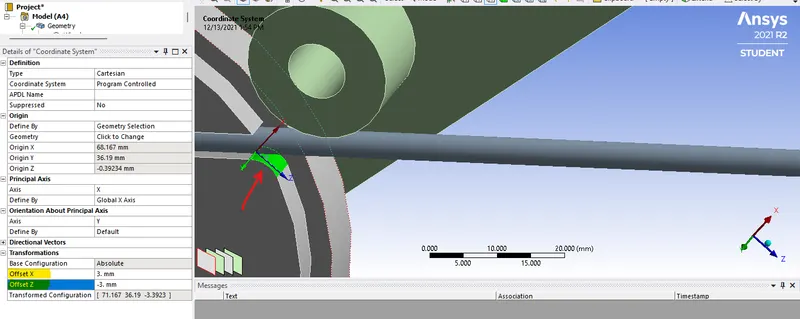
- Now since the area where the wire is going to bend we have refine the mesh at that perticular area. So for that create a new co-ordinate system.
- Select the area as shown below and create a new co-ordinate system. After that select X and Z offset and enter the value as 3mm and -3 mm respectively as shown:
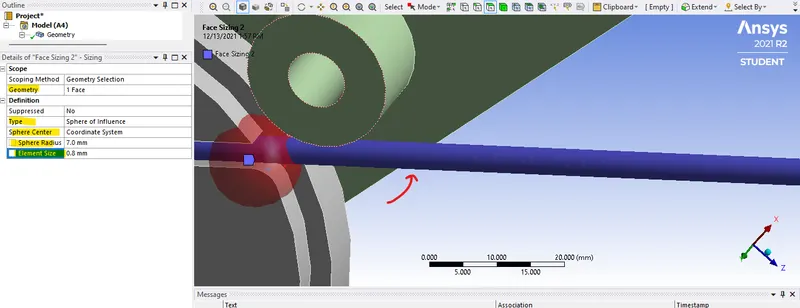
- After that create a new mesh sizing slect the rod as geometry and change the setting as shown:
- Change the mesh smoothing as low. And generate the mesh.
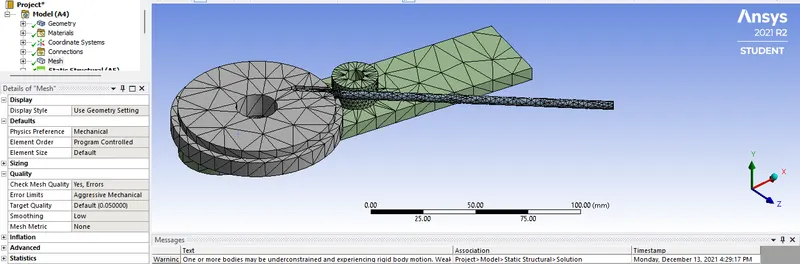
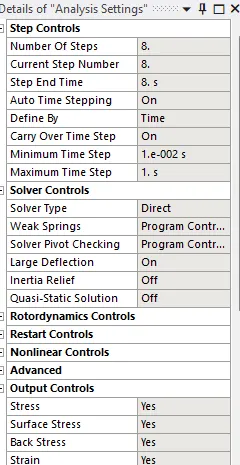
- Next is to change the Analysis setting, so we are using 8 steps of this. So for the 1st step the setting as below:
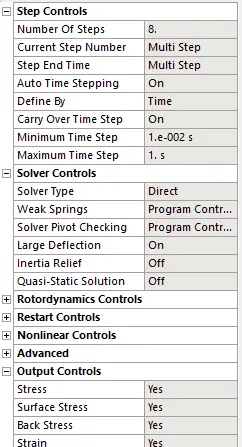
- And for step 2 to 8 the setting as shown:
- Next is to fixed the wheel so create a fixed support on the wheel:
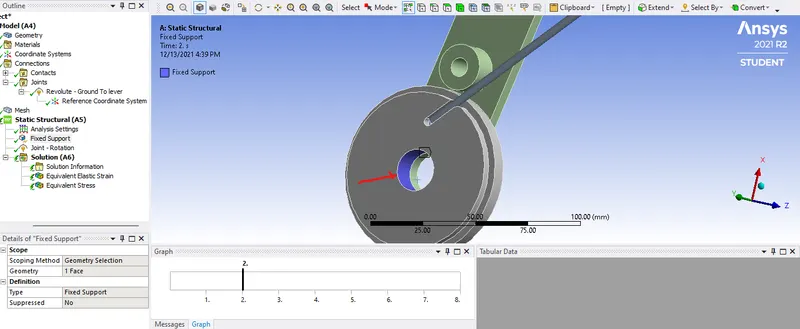
- And add the joint load with rotation along Z axis.
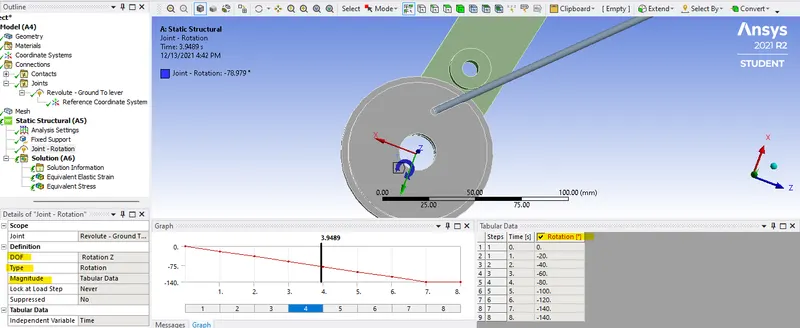
- After that add the results we want to see and solve the solution.
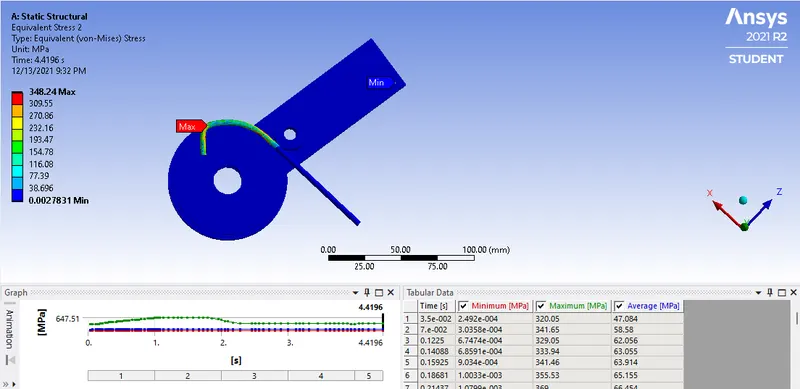
CASE 1: Copper Alloy (Non Linear)
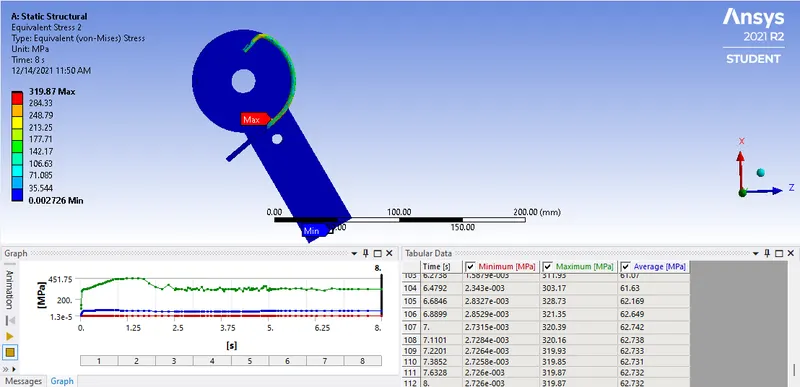
Equivalent stress
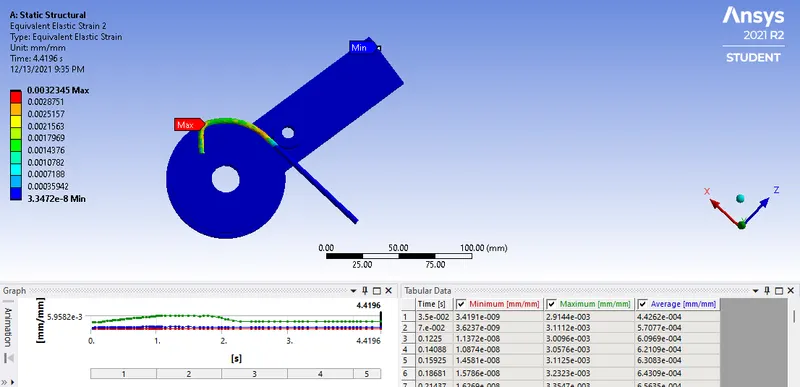
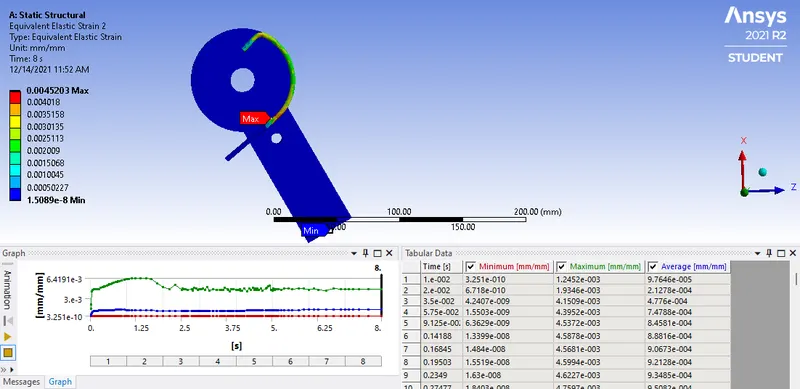
Equivalent strain
CASE 2: Aluminium Alloy (Non Linear)
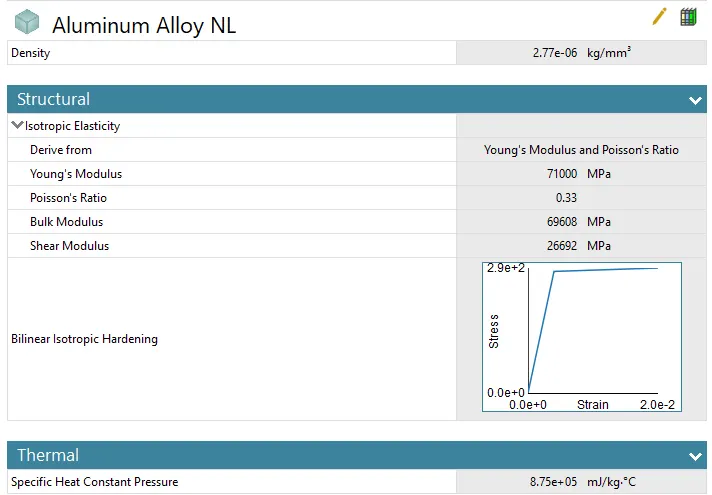
Equivalent stress
Equivalent strain
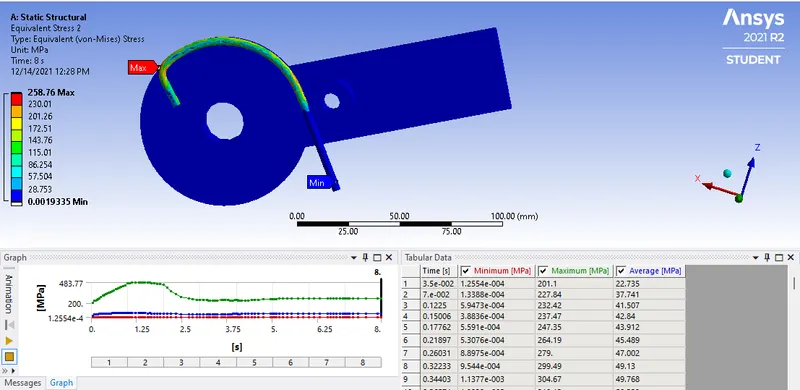
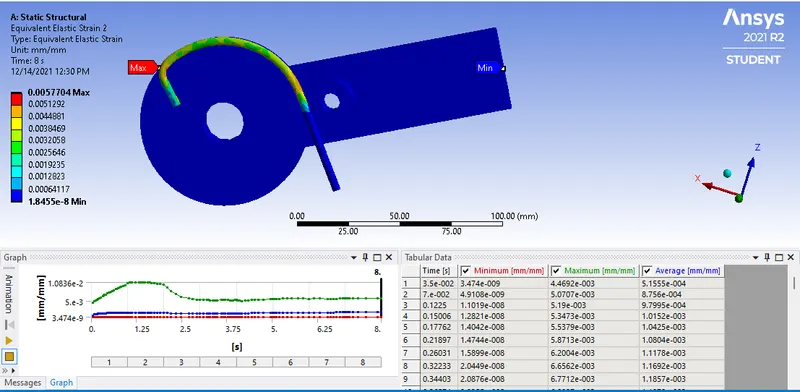
CASE 3: Magnesium Alloy ( Non Linear)
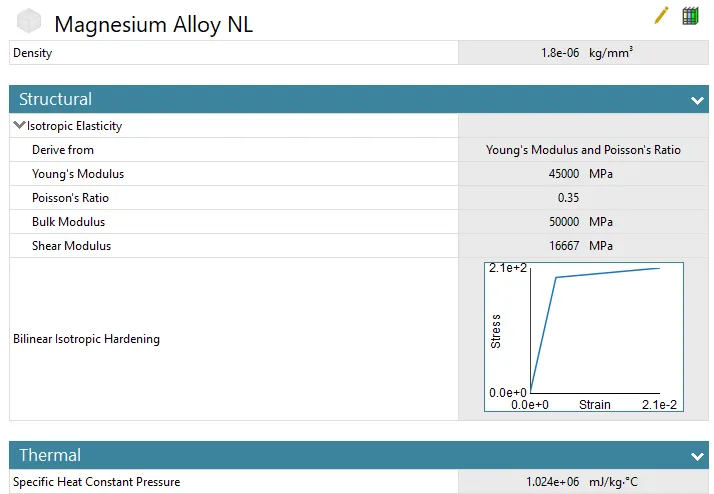
Equivalent stress
Equivalent strain
| Sr No. | MATERIAL | Equivalent stress (MPa) | Equivalent strain |
| 1 | Copper Alloy | 341.2 | 0.00317 |
| 2 | Aluminium Alloy | 319.87 | 0.00452 |
| 3 | Magnesium Alloy | 258.76 | 0.00577 |
CONCLUSION:
- As we can see that the equivalent stress and strain changes as we change the material.
- Here we can observed that the as the equivalent stress is decreasing the equivalent strain is increasing little bit.