Week 4:- Pin Unit Design Challenge
PIN UNIT DESIGN
AIM
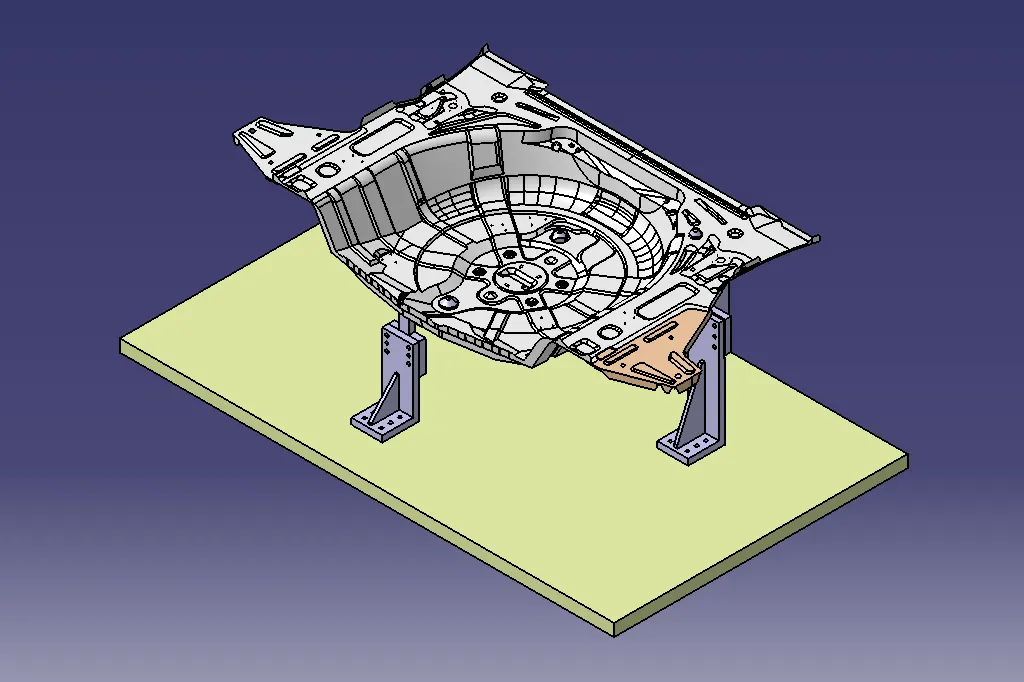
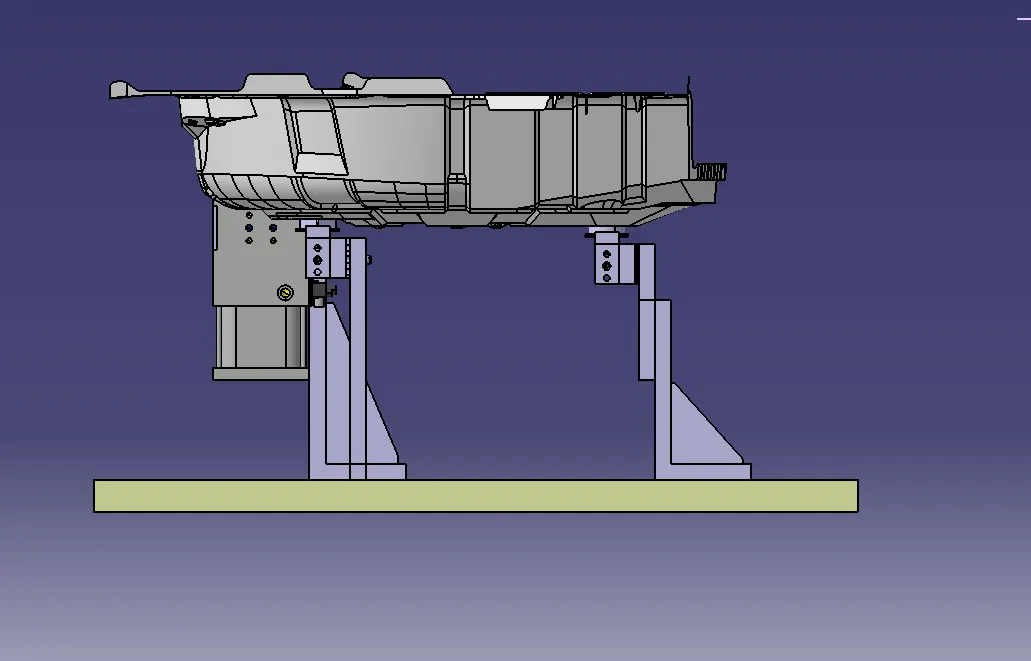
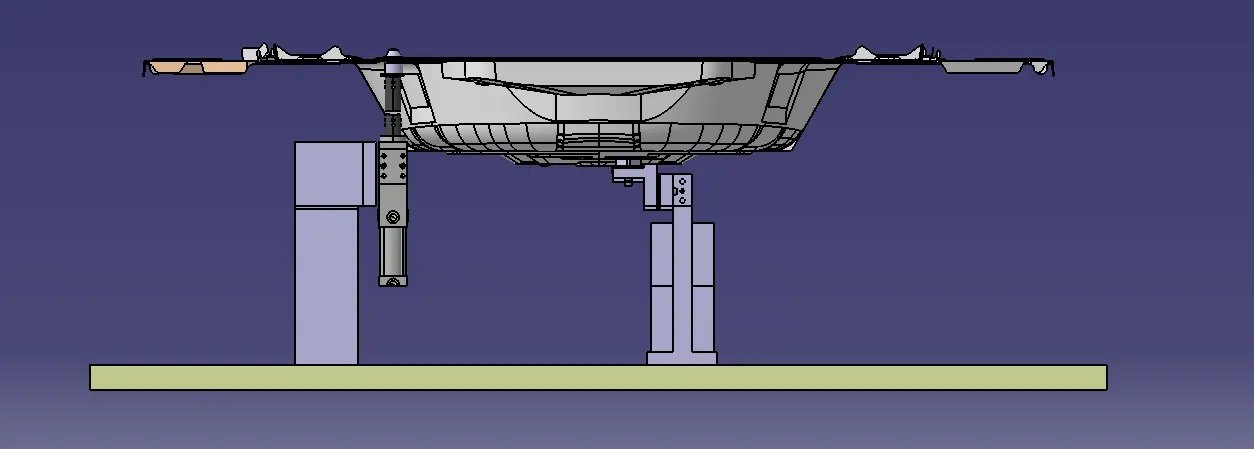
To create the retractable and fixed pin units needed to locate a BIW panel in a fixture.
INTRODUCTION
Fixed Pin Unit
- In order to locate the automobile panel during any operation, a fixture uses fixed pin units.
Retractable Pin Unit
- The opposite of a fixed unit that can be moved up and down a specific distance is a retractable pin unit.
- After welding, complex panels are unloaded using it.
Purpose of Pin Unit
- According to the 3-2-1 locating concept, two pins are used to help arrest the six degrees of freedom (two radial and four axial motions), while at least three supports are needed to arrest the remaining six degrees of freedom.
- The locating pins are usually used to find a body part in a precise enough location to perform a welding operation.
- A set of properly locating pins constraints the body part, hence, in order to prevent any movement, the locating pin must always be entirely confined.
Parts of the Pin Unit
- Pin
- Pin Retainer
- Shims
- Block
- Blade
- Riser
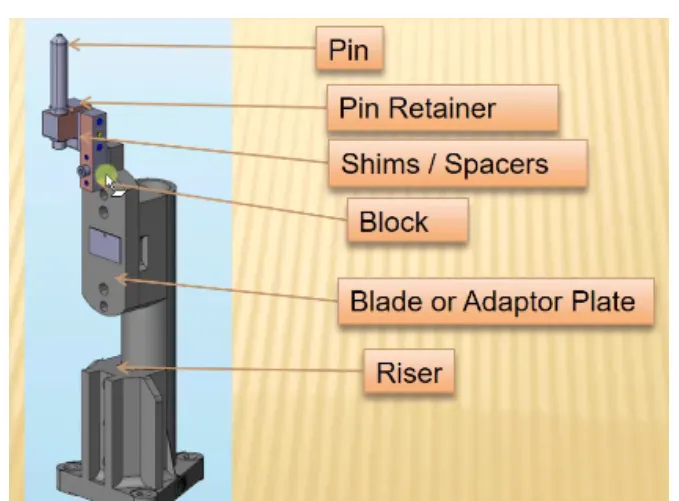
Pin
To precisely locate the part to be welded in an assembly, pins are utilized. These pins are used to insert the holes in the assembling portion. The fixture part's degree of freedom is limited by the pins. In comparison to the hole's diameter, the pin's diameter has a tighter tolerance. The pin may be diamond shaped or spherical. In order to prevent over constraint, diamond-shaped pins are typically utilized.
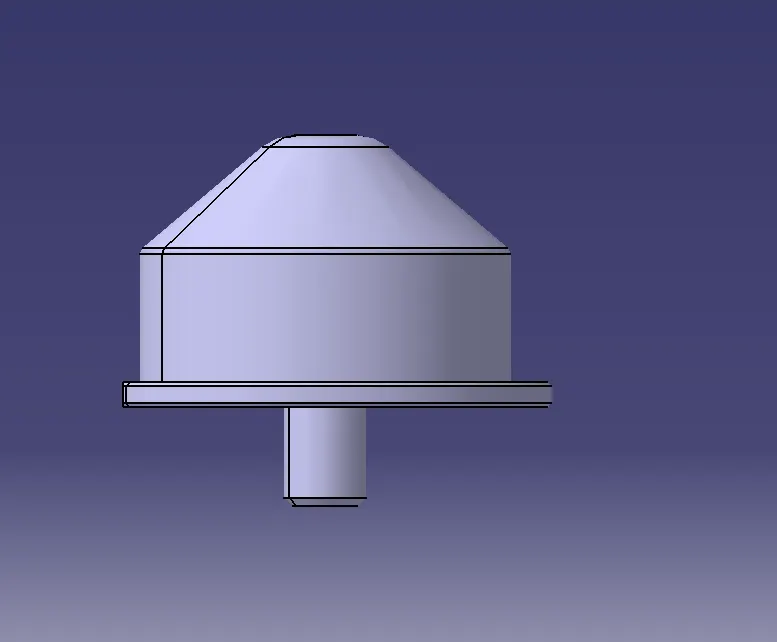
Pin Retainer
The locating pins are held in place by a pin retainer.
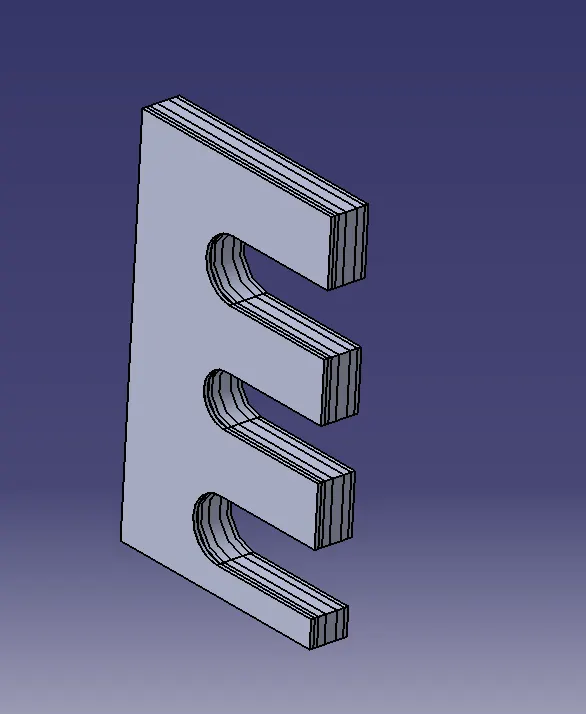
Shims
Shims are tiny pieces that range in thickness from 0.1 to 0.3mm. If the mylar holds the panel loosely, the shims are utilized to make up for the discrepancy caused by the assembly's stack-up tolerance, which ultimately leads to the panel being held incorrectly.
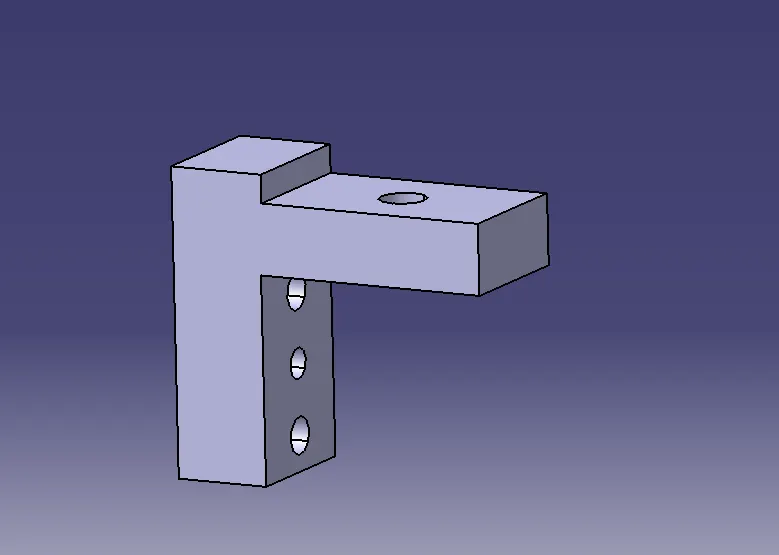
Block
In the case of a rectangular pin unit, blocks are employed to join the pin retainer to the blade, riser, and cylinder. For various shimming directions, the shims are additionally fastened to the blocks.
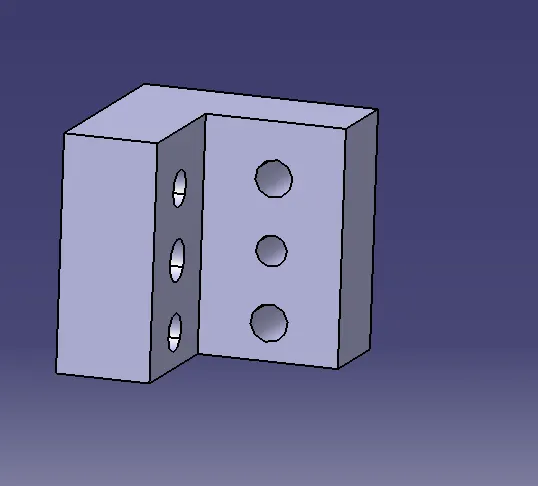
Blade
The plates that are fastened to the riser are called blades. A blade supports the cylinder and various extra arms.
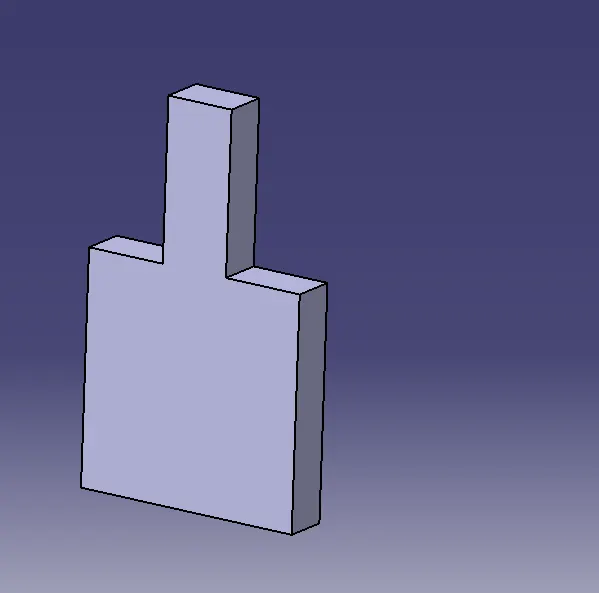
Riser
One component used to increase the fixture's height is a riser. The blades are positioned on the riser, which is fastened to the fixture's base.
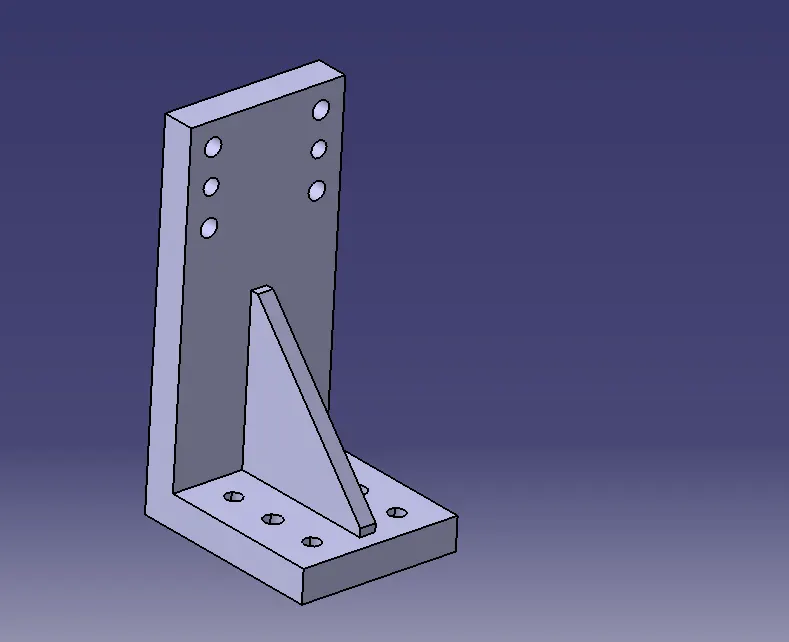
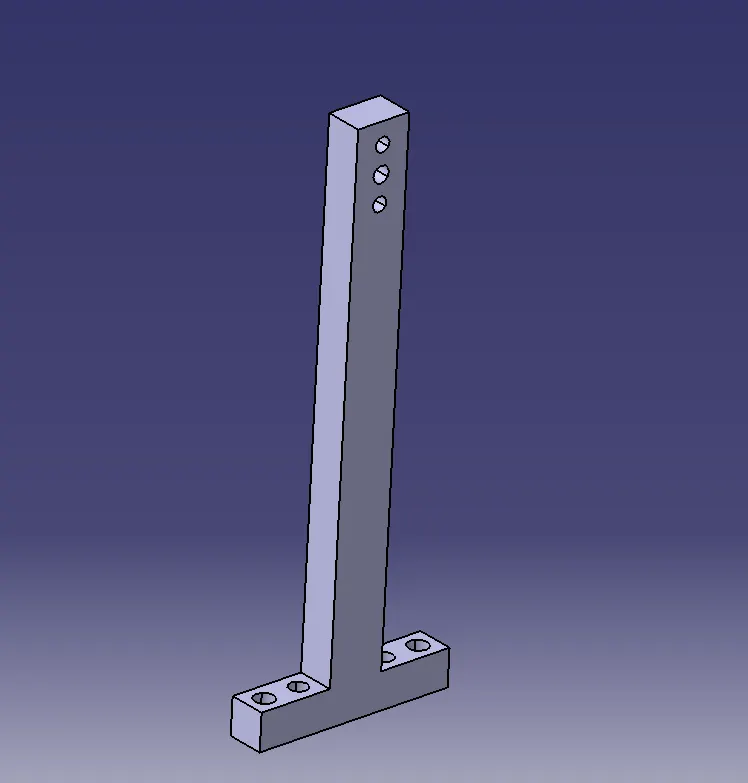
FUNDAMENTALS
3-2-1 Principle
Fixing the work piece with a pin unit is our ultimate goal in order to prevent it from moving while the operation is being done on it. We apply the 3-2-1 principle as a result.
The Six degree of freedom that each component has are as follows,
- Translational motion along X-axis
- Rotational motion along X-axis
- Translational motion along Y-axis
- Rotational motion along Y-axis
- Translational motion along Z-axis
- Rotational motion along Z-axis
Simply put, degrees of freedom are the directions in which each component can move. If we also take into account rotation in an anticlockwise direction and translation along the negative, these six degrees become twelve. This implies that when a component is free, it can move in any direction. However, for obvious reasons, such free -to-move bodies cannot be subjected to procedures like welding, stamping, or anything else. Therefore, in order for a worker to work on the body, it must be restricted in all of its major directions. The 3-2-1 method is used to create this motion constraint.
Fundamentals of Pin unit design
- Its is necessary to have two pins to locate the car panel. One pin will restrict 4 degree of freedom and other pin will restrict two degree of freedom
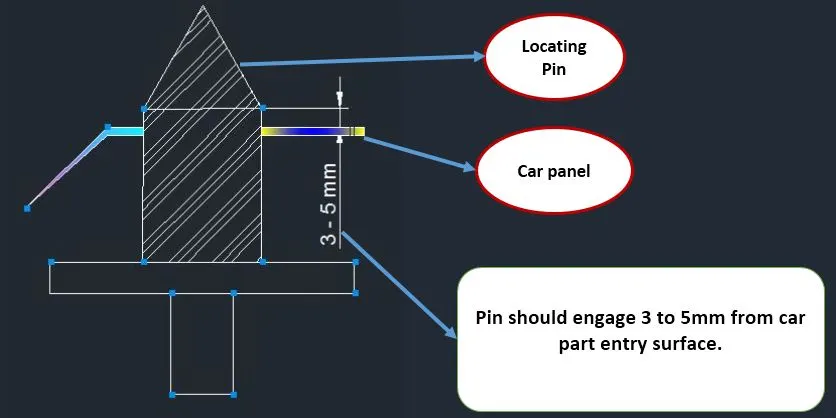
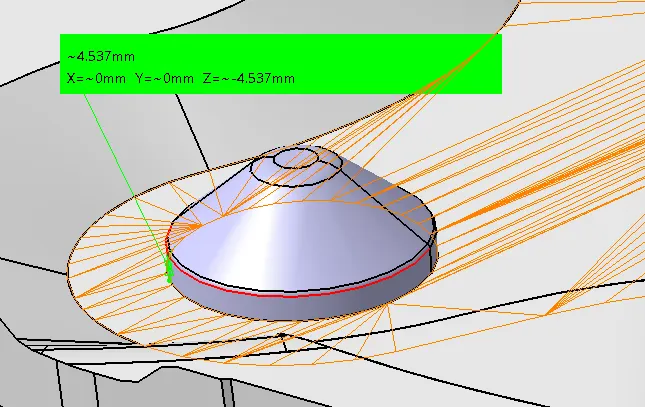
- The pin should be 3-5 mm apart from the entry surface of the automobile.
- To compensate for the tolerances, each pin should have two shimming options.
- If the hole is round, the round pin should be utilized if the car part is being arrested in two directions.
- If the hole is slotted, the diamond pin should be utilized in the event that the car part is arrested in four directions.
- If the hole is round, the diamond pin should be utilized if the car part is being arrested in two directions.
Design Methodology
- Giving the project a title and properly organizing the specification tree are the first steps in the designing process.
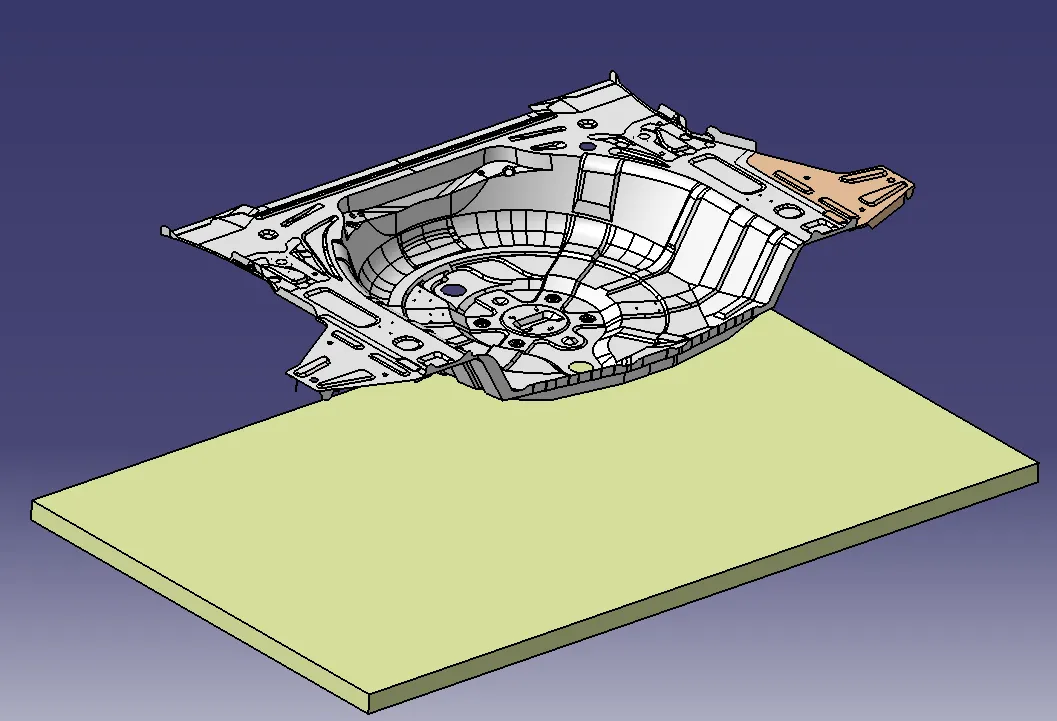
- The project imports the automobile panel that the fixture is to be created for.
- The holes and slots are positioned, the pins are produced to fit the hole's diameter, and the hole's axis is guaranteed to line up. The pins could be diamond-shaped or circular. Between 3 and 5mm from the automobile part entry, the pin should engage.
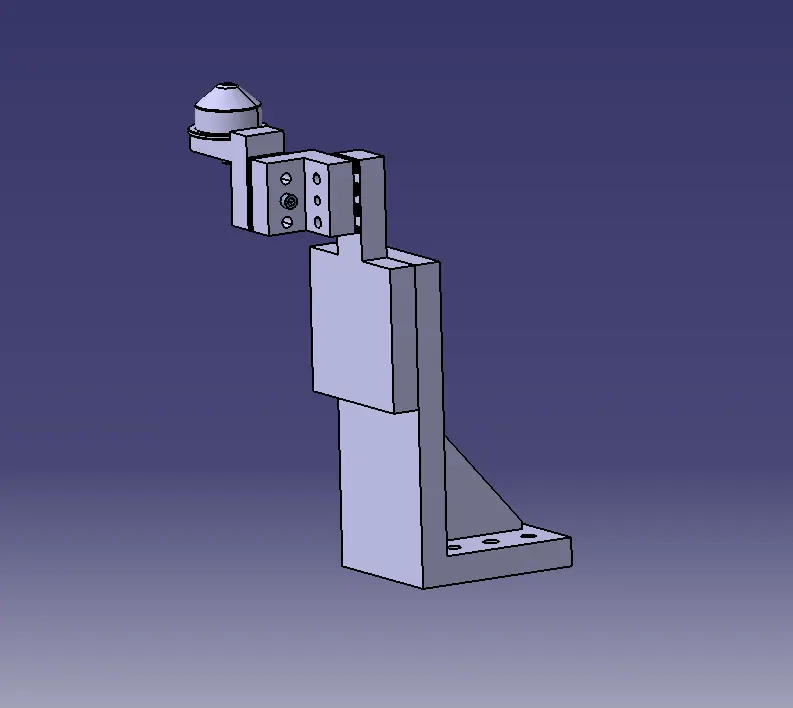
- Pin retainers are made to fit both the shims and the pin.
- A hole that fits should be present in the pin retainer, where the pin will be fastened. The pin retainer's pin mounting surface ought to be machined.
- To lock the pin's rotation, a step should be present on the pin retainer's pin mounting surface.
- A machined surface should be used to mount the pin retainer to the blocks.
- To preserve tolerance, the pin retainer will be fastened to a block or a L-block to the riser using two dowel holes(Pins) and at least one screw hole.
- Shimming in various directions is provided by the blocks. Shims are put on them allowing two-way adjustment as part of their design.
- 5mm Shims are made to allow the pin to be adjusted in variety of ways.
- All of the aforementioned components are mounted to the fixture's base thanks to the riser's design.
- The components that need to be put together have a threaded hole and two dowel holes.
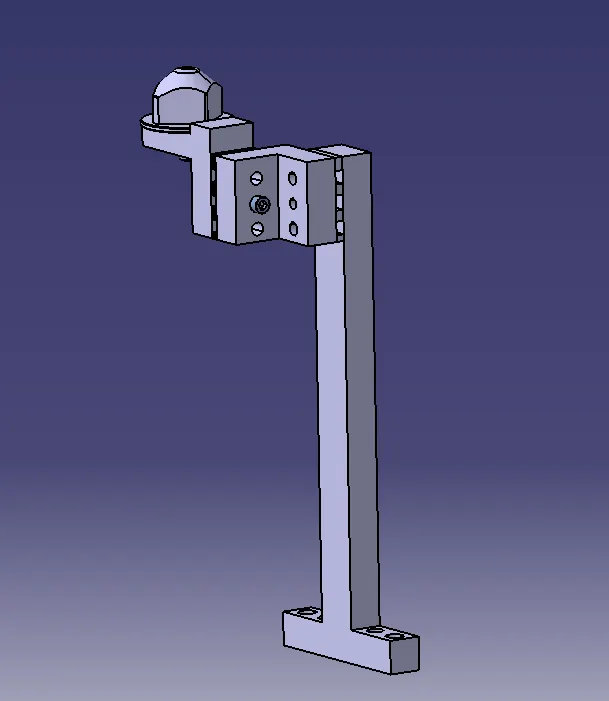
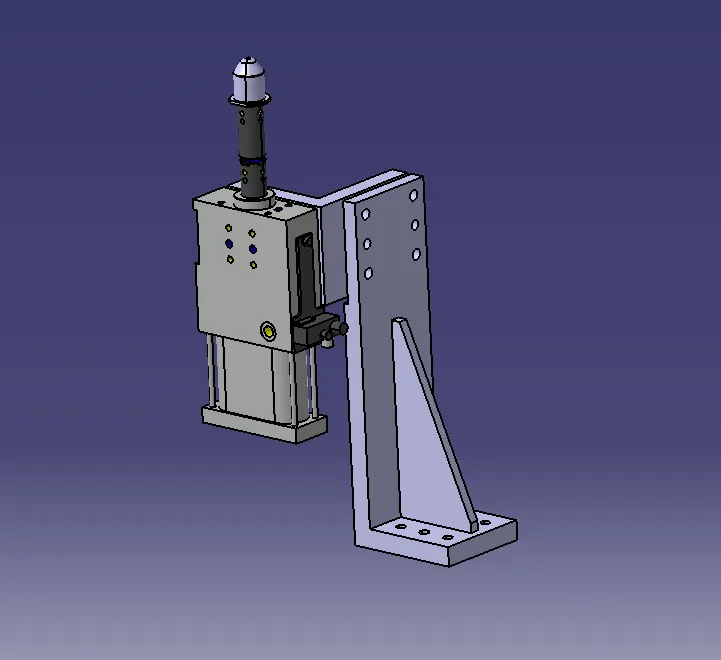
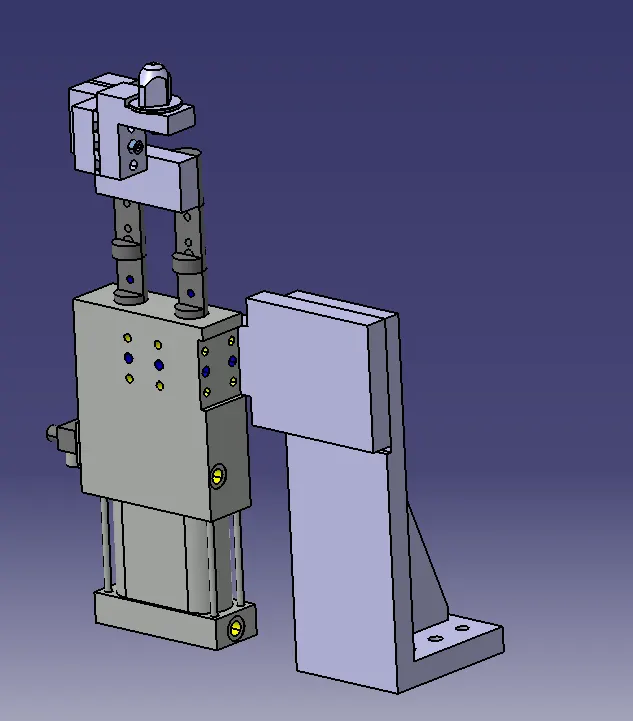
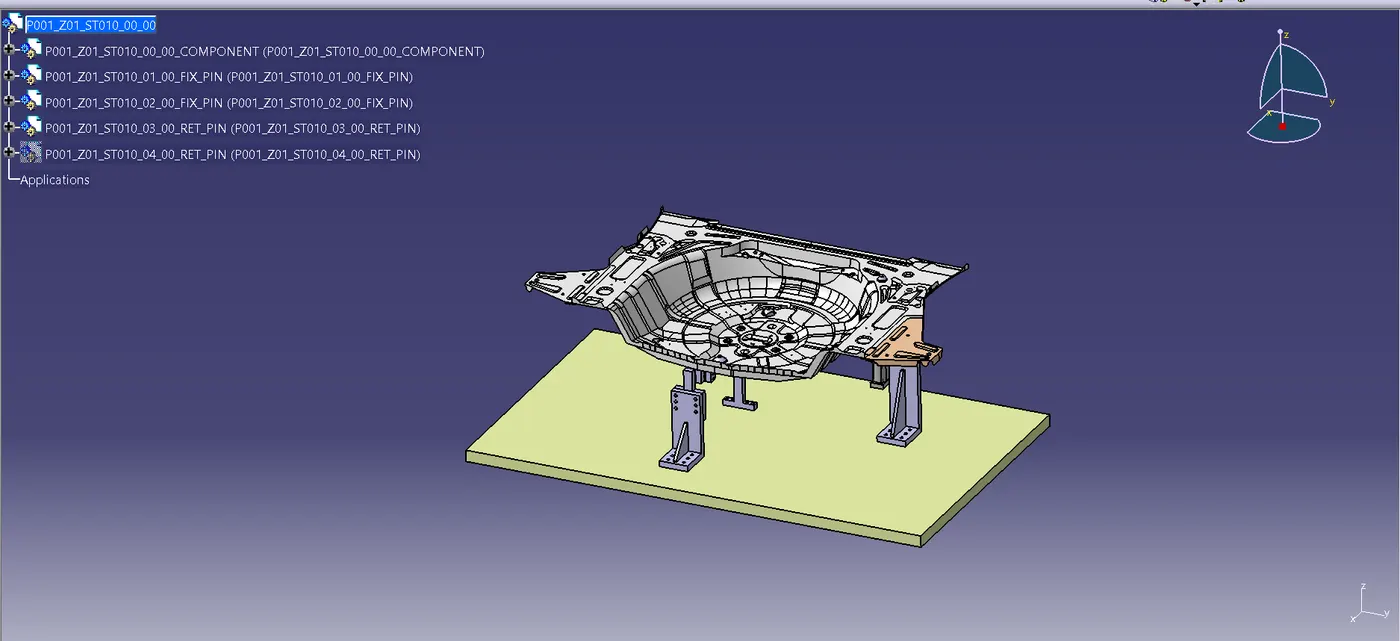
CONCLUSION
Therefore, in accordance with the goal, CATIA V5 is effectively used to design and render two distinct types of fixed pin units with different pins, pin retainer, blades, and risers as well as two distinct types of retractable pin units.