Week 4:- Pin Unit Design Challenge
Aim
Design two Fixed Pin Units and two Retractable Pin Unit for Given work piece.
Introduction
In BIW (Body-in-White) fixture design, Fixed Pin Units and Retractable Pin Units are essential components used for locating parts with precision during the assembly process. Fixed pin units provide stable, immovable reference points, while retractable pin units allow flexibility by retracting and extending as needed to avoid interference during part loading and unloading. Both types of units are customized with various designs, using different combinations of pins, risers, blades, and blocks to meet the specific needs of the manufacturing process.
The following section presents two distinct design configurations for each unit type. The designs vary in terms of the pins, risers, blades, blocks, and cylinders used, catering to different assembly requirements and part geometries. These designs ensure flexibility, accuracy, and efficiency in automotive body assembly.
1. Design 2 Different types of Fixed Pin Unit with Different Pins, Riser, Blade, and Block.
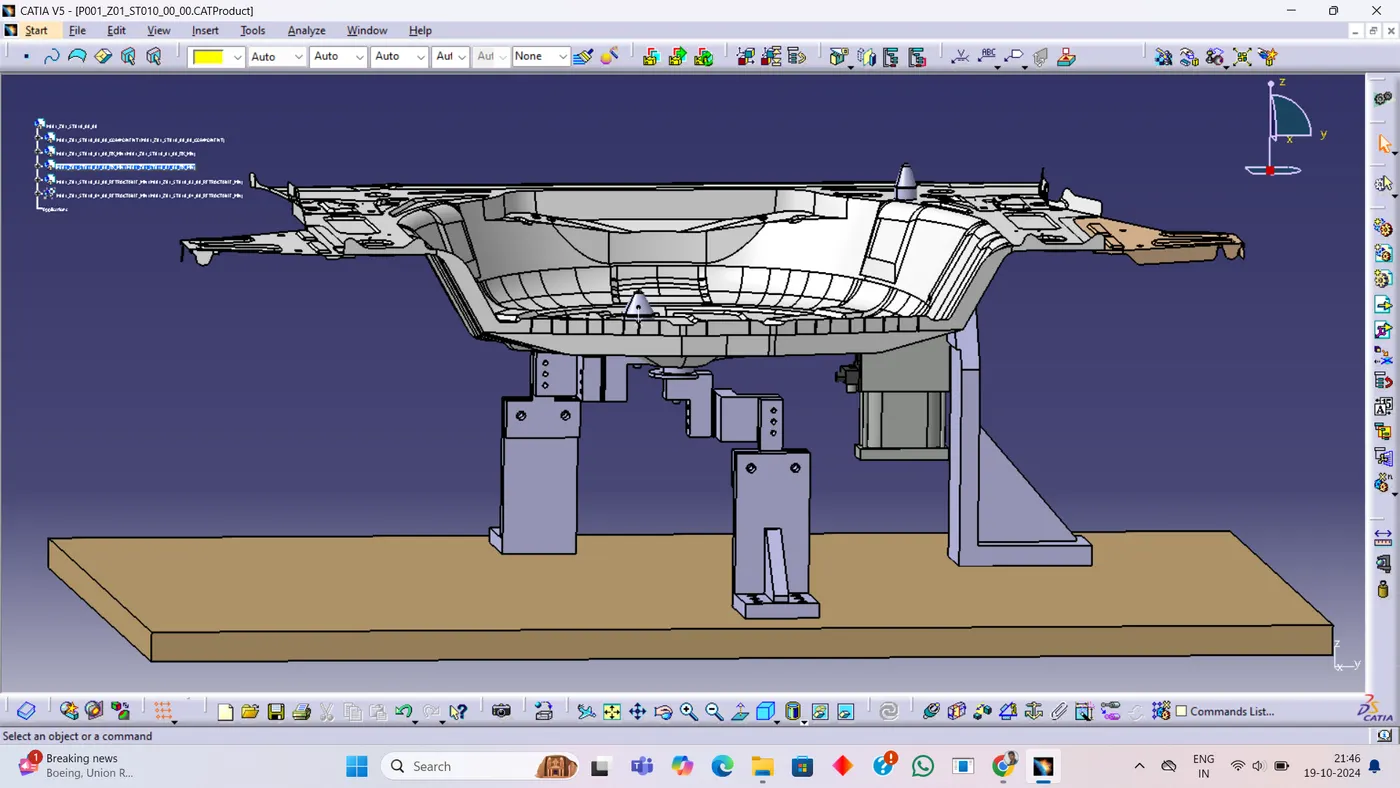
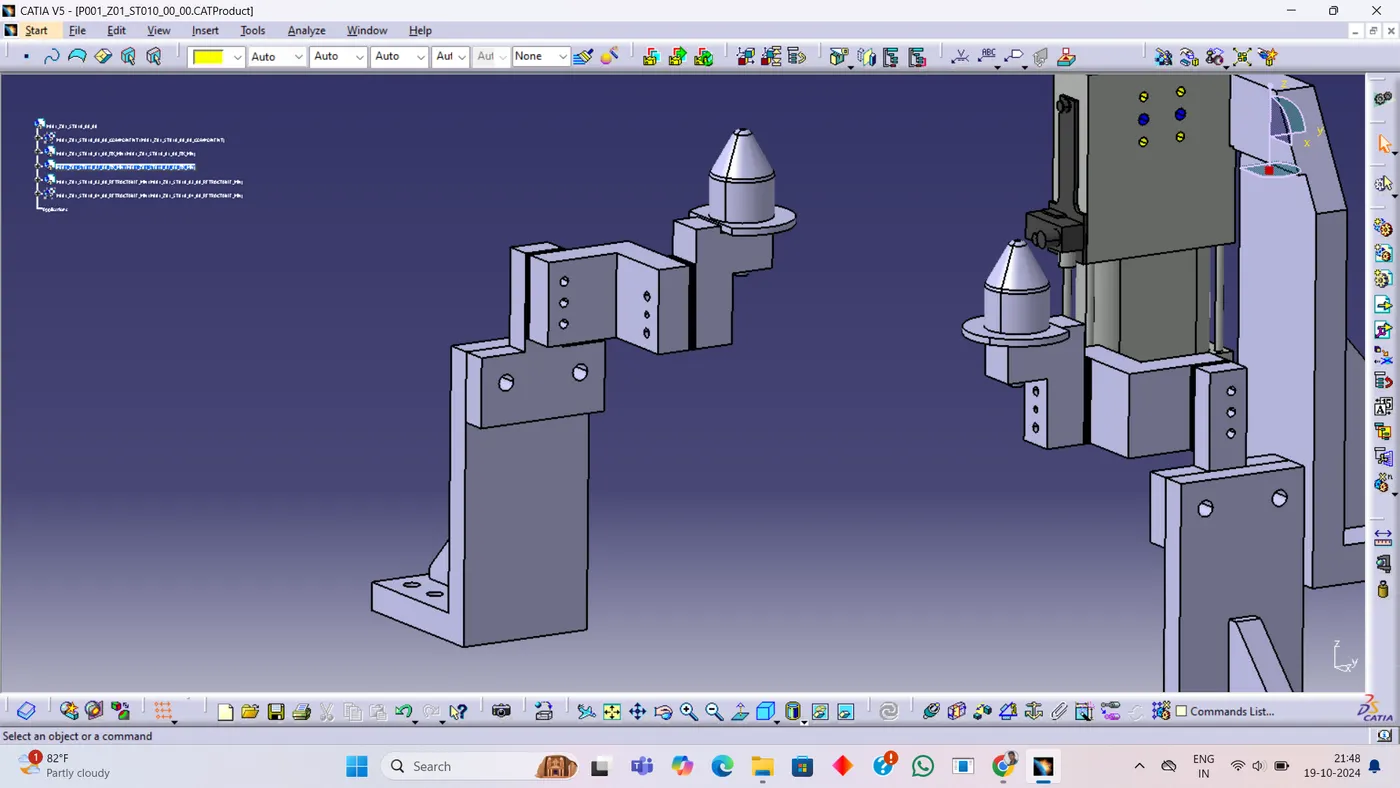
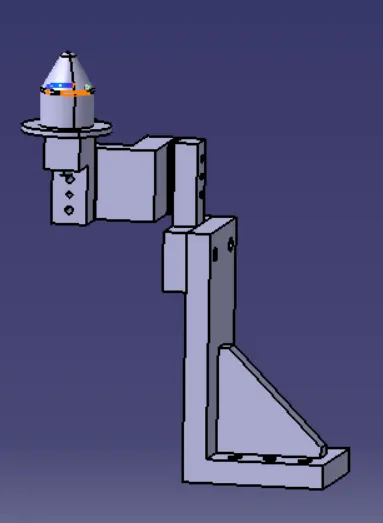
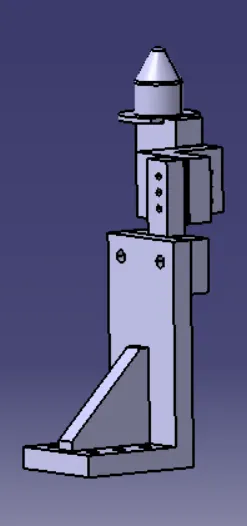
2. Design 2 Different types of Retractable Pin Unit with Different Pins, Riser, Blade, Cylinder, and Block.
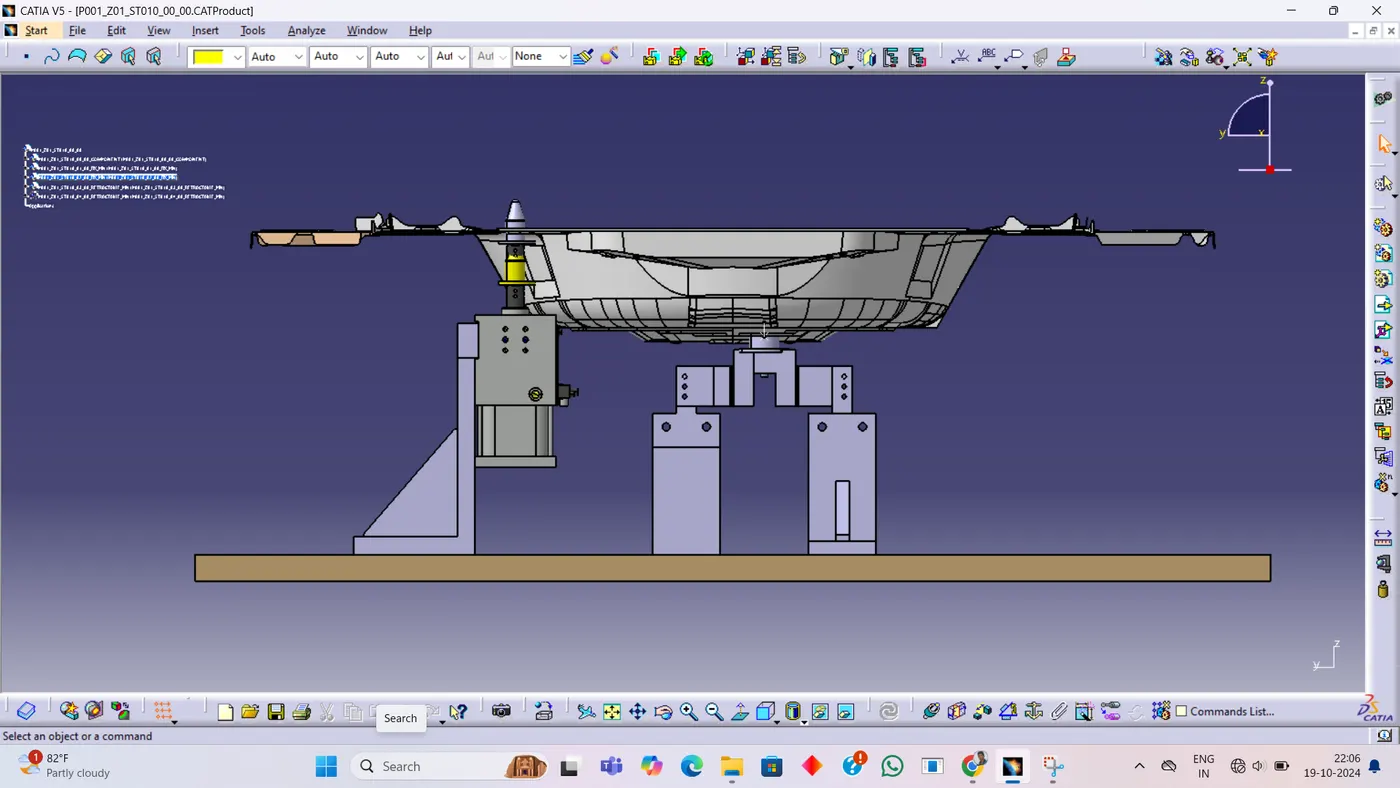
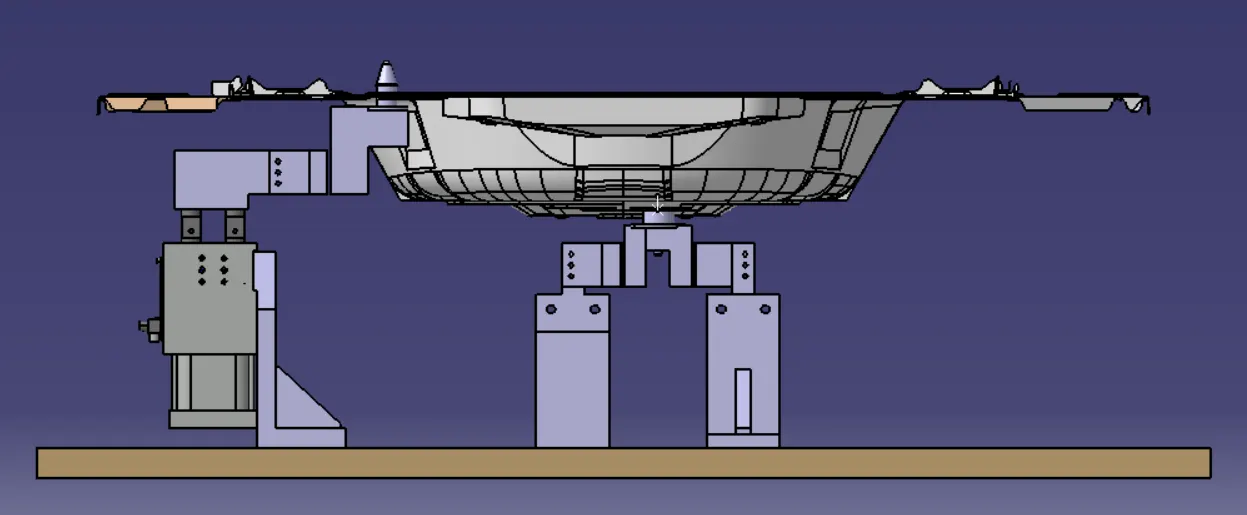
Fixed Pin Unit
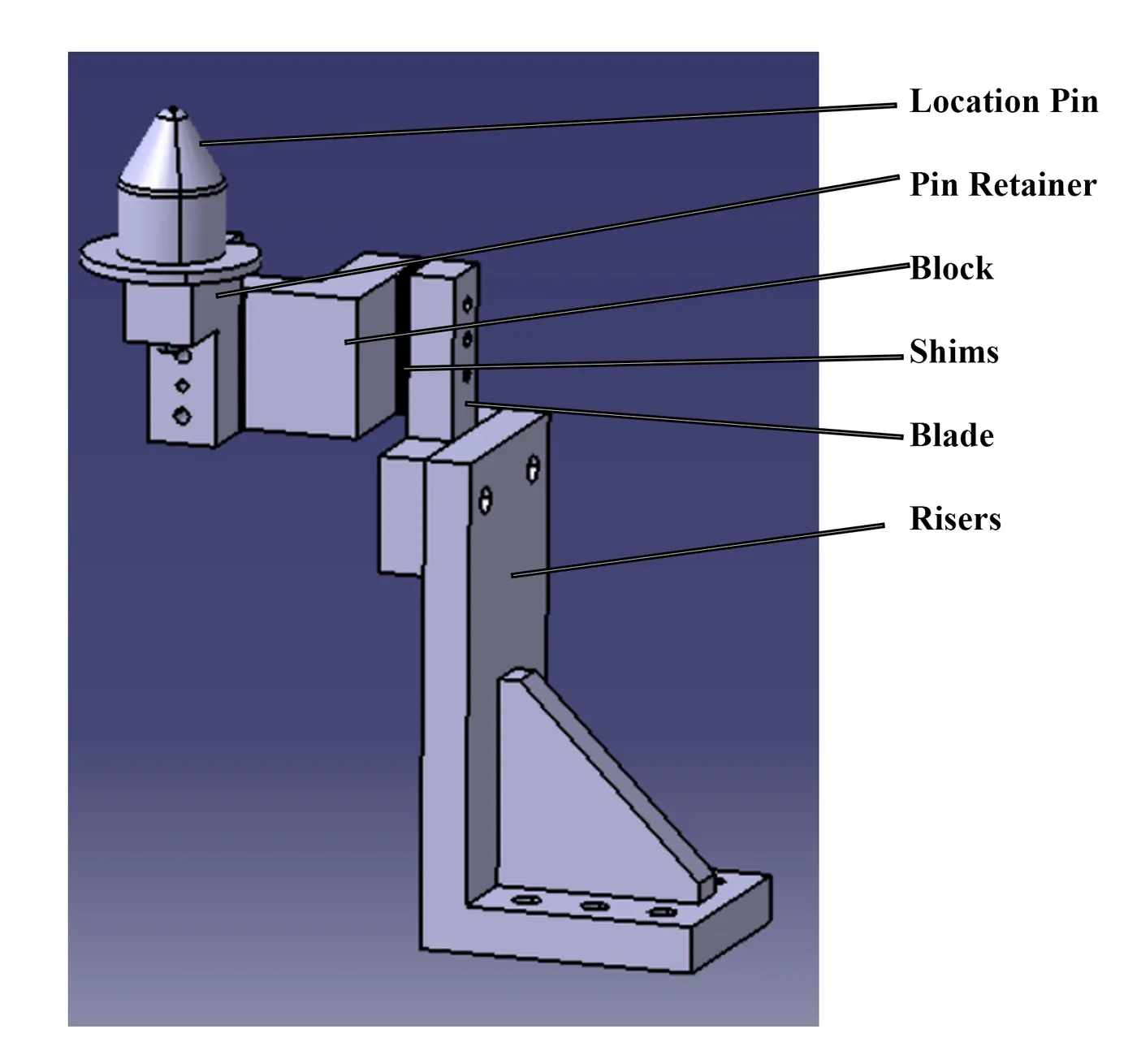
Parts In Fixed Pin Unit
Fixed pin unit is to maintain repeatability and precision in the location of parts like panels, subassemblies, and other structural components before welding or joining processes.
Parts are 1.Location Pin, 2.Pin Retainers, 3. Block. 4.Blade, 5.Riser 6.Shims
RETRACTABLE PIN UNIT
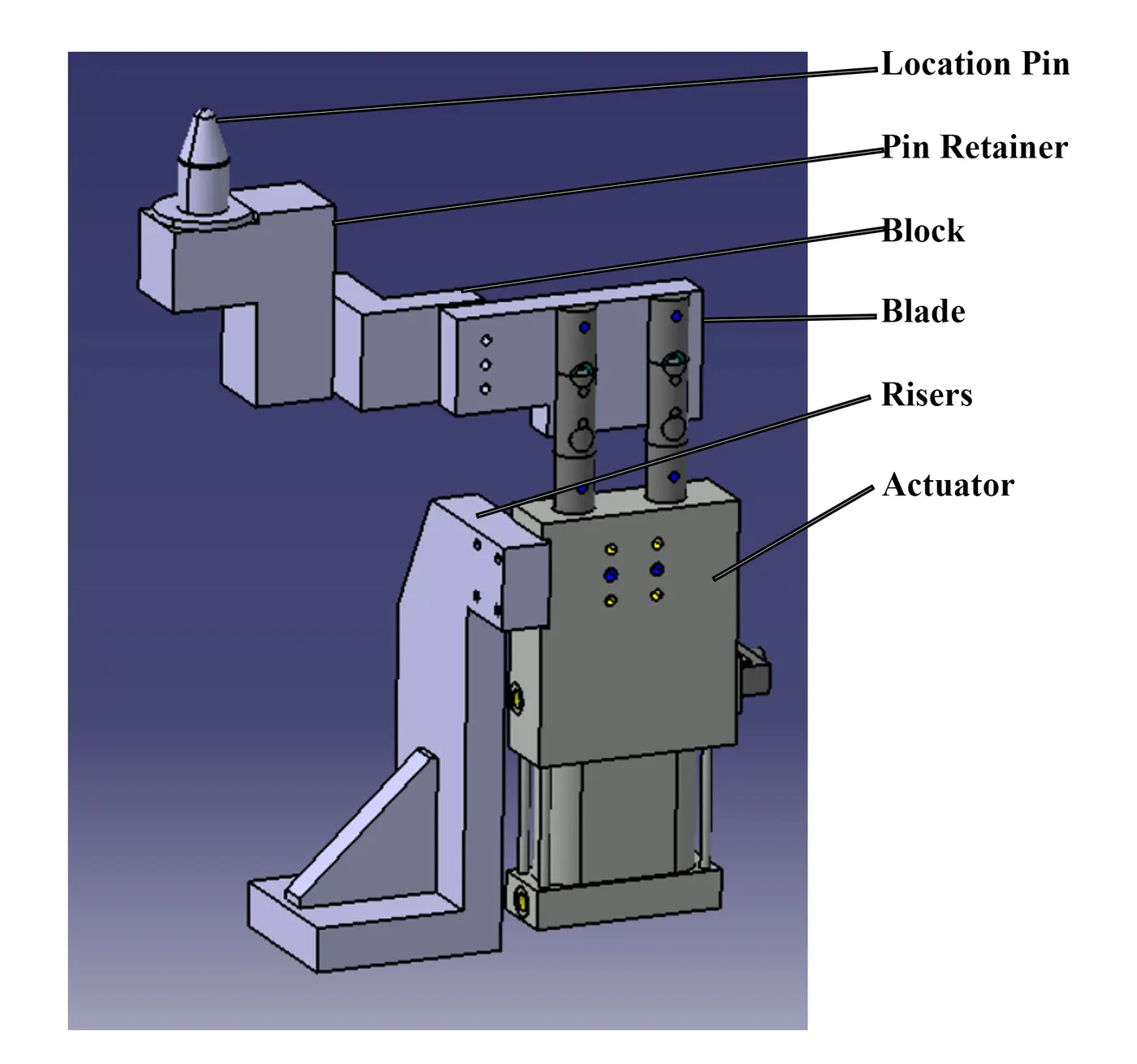
A Retractable Pin Unit in BIW fixture design allows the pin to retract or extend, providing precise part location during assembly while avoiding interference during part loading or unloading. It operates with an actuator that controls the pin’s movement, ensuring flexibility and accuracy in the fixture.
Location Pin
Ensures precise positioning of the workpiece, with round and diamond pins offering different types of constraint.
Pin Retainer
Secures the location pin in place within the block, preventing movement during operations.
Block
Provides structural support to the location pin, ensuring rigidity and alignment in the fixture.
Blade
Acts as a flat support or alignment plate, often placed between the riser and other components for stability.
Riser
Elevates the pin unit to the correct height in the fixture, ensuring accurate positioning of the pin.
Shims
Thin layers used to fine-tune the pin’s position, allowing for small adjustments to compensate for tolerances.
Actuator
Controls the retraction and extension of the pin, It is powered by pnumatic or hydraulic systems.
Conclusion
The design of Fixed Pin Units and Retractable Pin Units plays a crucial role in ensuring precision and flexibility in BIW fixture design. By varying components such as the pin type, riser height, blade structure, and block design, manufacturers can tailor these units to specific assembly needs, ensuring accurate part positioning and efficient workflow. Customization of these units helps improve the overall reliability and repeatability of the assembly process, contributing to higher-quality automotive body construction.