Week 4 - CHT Analysis on Exhaust port
AIM: CONJUGATE HEAT TRANSFER ANALYSIS ON EXHAUST PORT.
Objective:
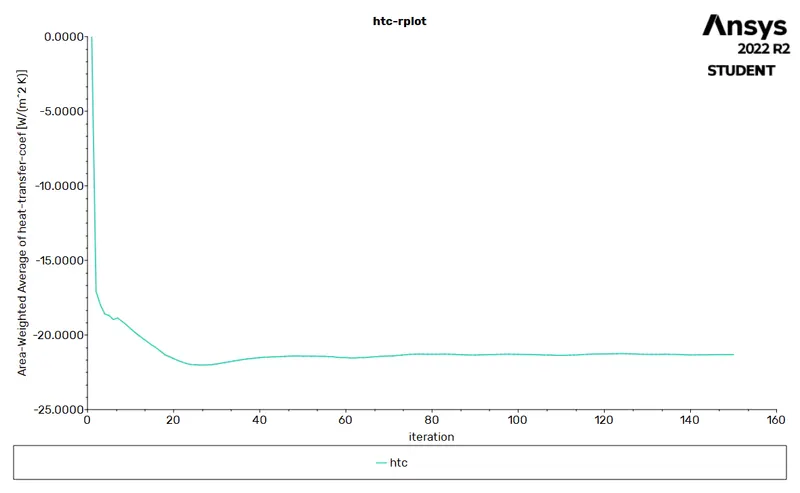
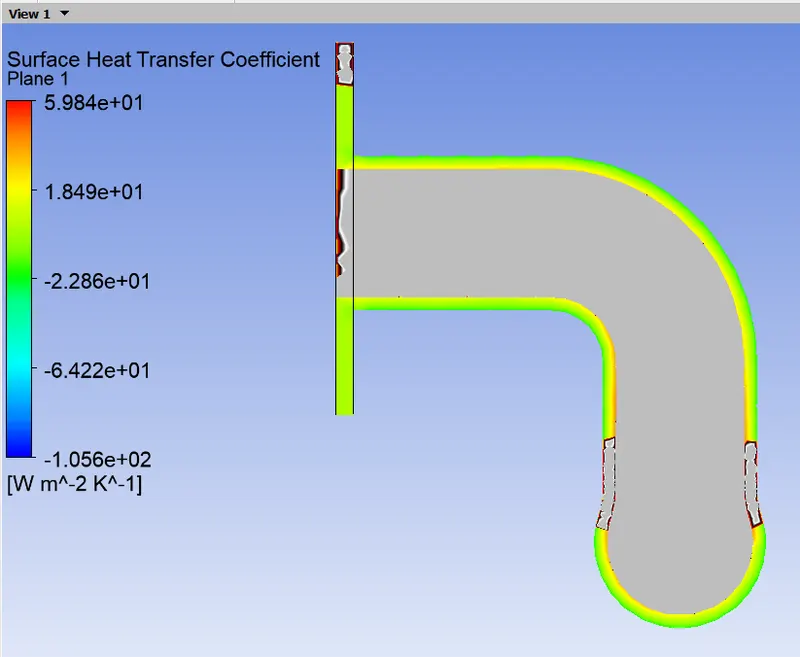
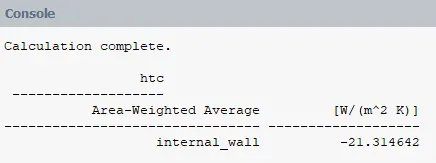
I was observing the thermal behavior of hot fluid flowing through the exhaust pipe, and obtaining an accurate value of the heat transfer coefficient on the internal solid surface of the exhaust manifold.
Theory:
The exhaust system pipes the harmful exhaust fumes away from the engine and the cabin so that you and your vehicle can stay safe and functioning. While that's the essential purpose, a sound exhaust system will also reduce emissions and improve fuel economy while keeping the sound of the engine quiet.
The exhaust manifold is a vital component in the automotive design of a vehicle, as it is used to collect the exhaust gases formed due to the combustion of the fuel and air within the cylinders and provide a path for the gases to escape to the atmosphere. The exhaust manifold has multiple inlets connected to the exhaust port on the cylinders in the engine. The high-pressure exhaust gases flow through the pipe with relative ease. The pressure difference between the exhaust pipe outlet and atmospheric pressure and the high-pressure exhaust gases in the cylinder is enough for the gases to get sucked out of the combustion chamber.
PROCEDURE:
Import cad design in SpaceClaim.
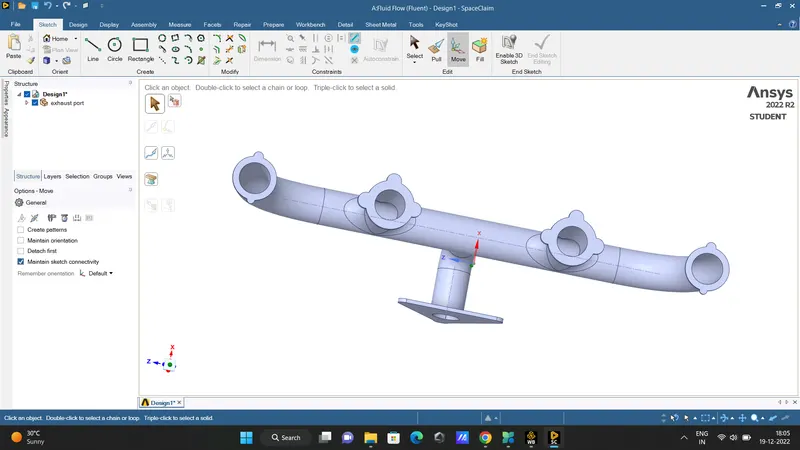
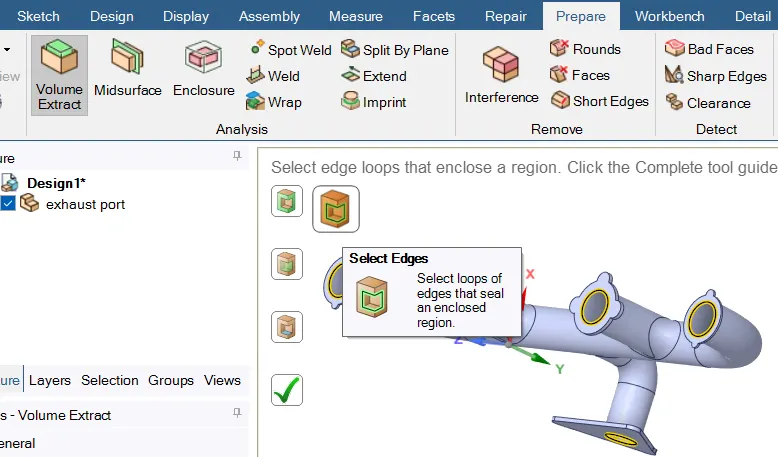
Extract volume
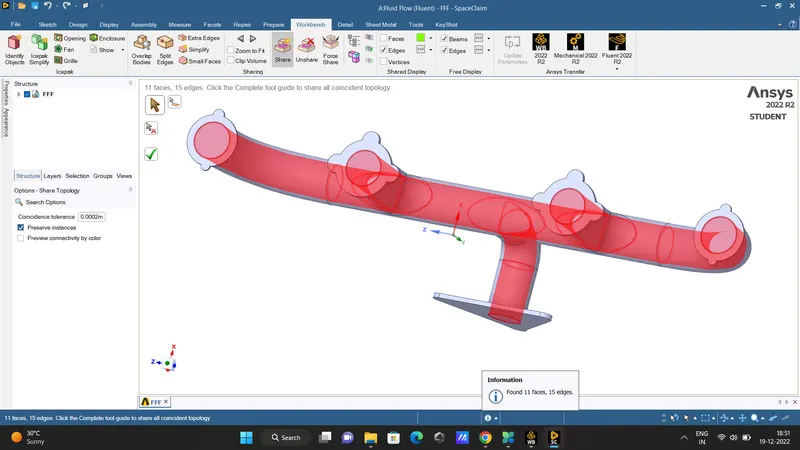
Share topology to make sure that generated mesh is conformal mesh
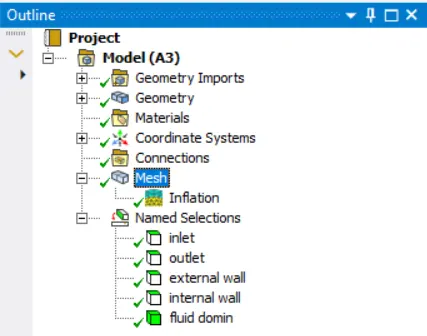
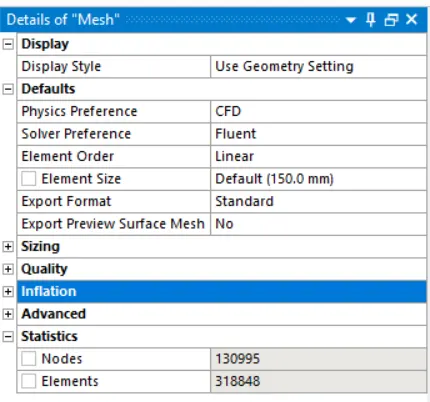
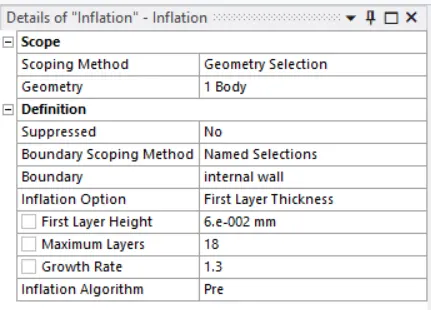
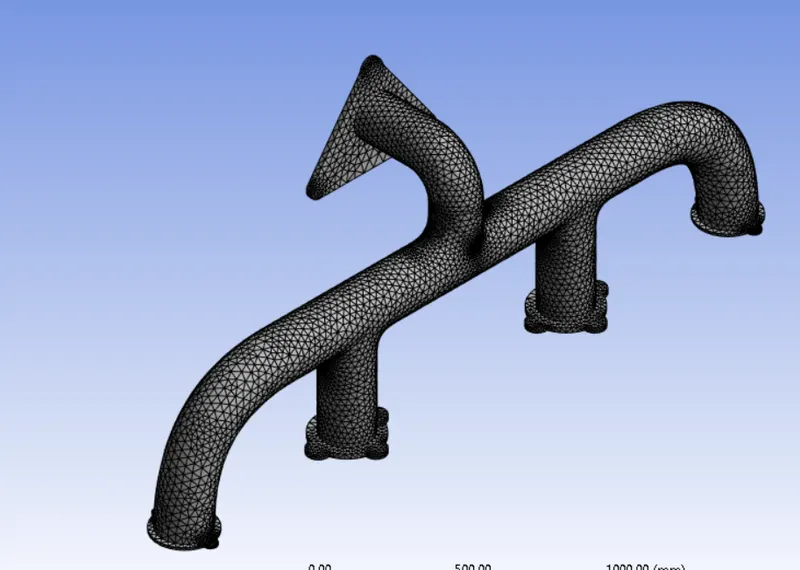
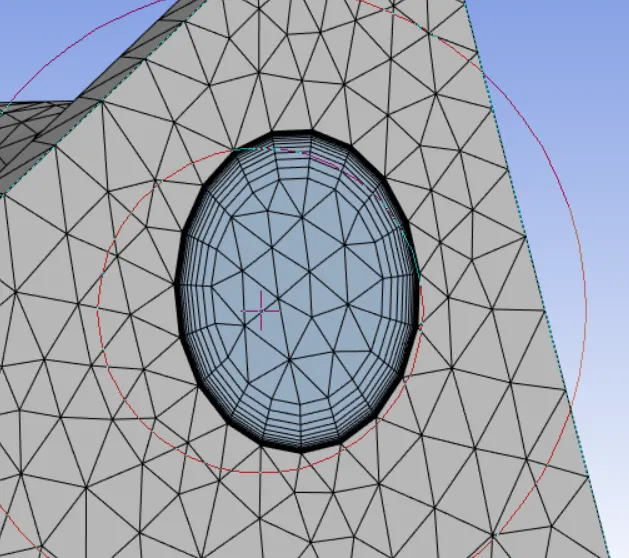
Meshing:
element size =150mm
no. of nodes=130995
no. of elements=318848
viscous model=k-omega
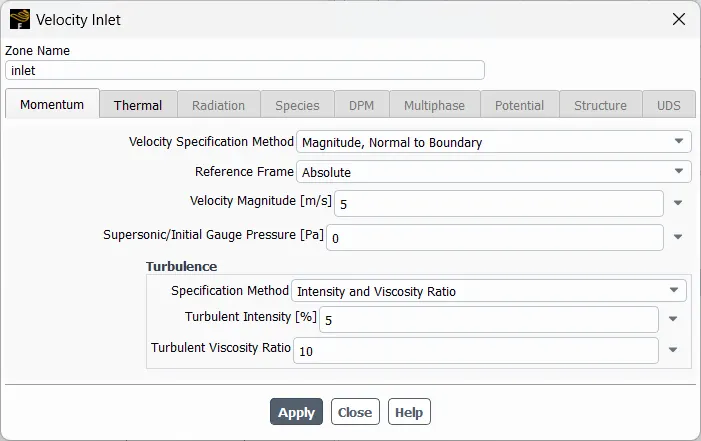
inlet velocity =5m/s
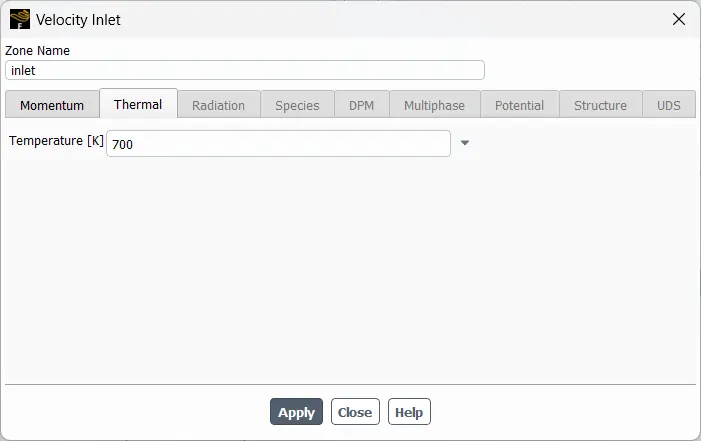
inlet temperature=700k
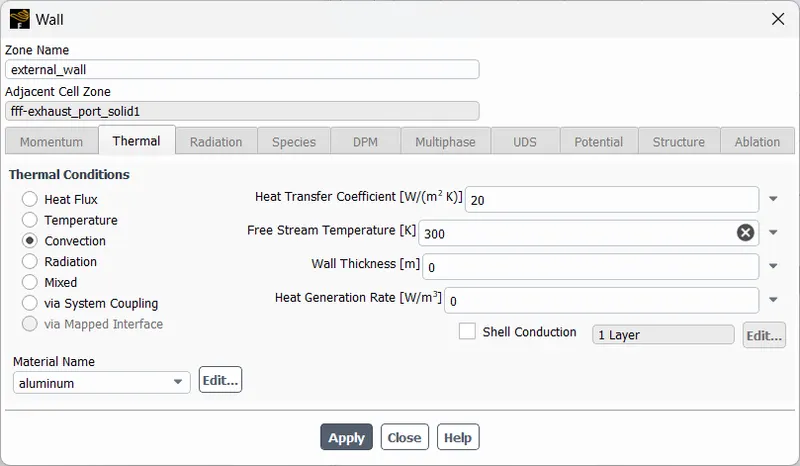
HT co-efficient=20W/m^2-k
Turbulence model: K-omega SST model
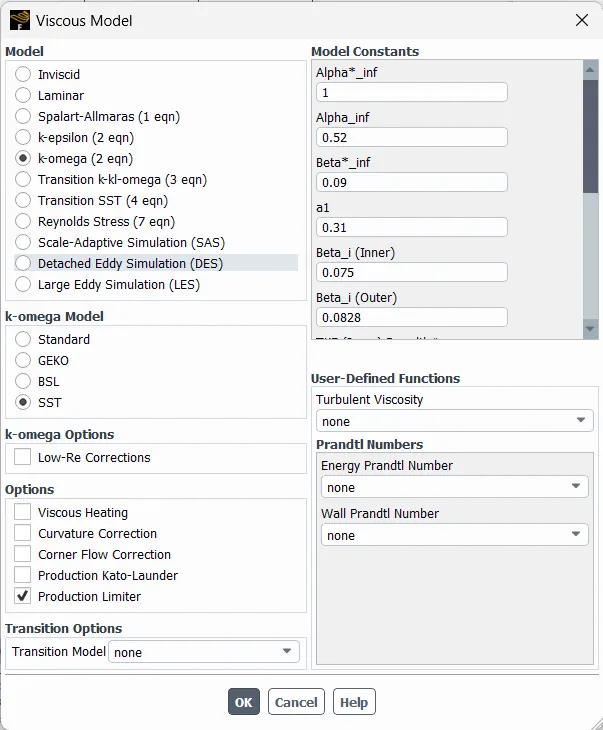
Material selection.
- fluid: Air
- Solid: Aluminum
velocity inlet:
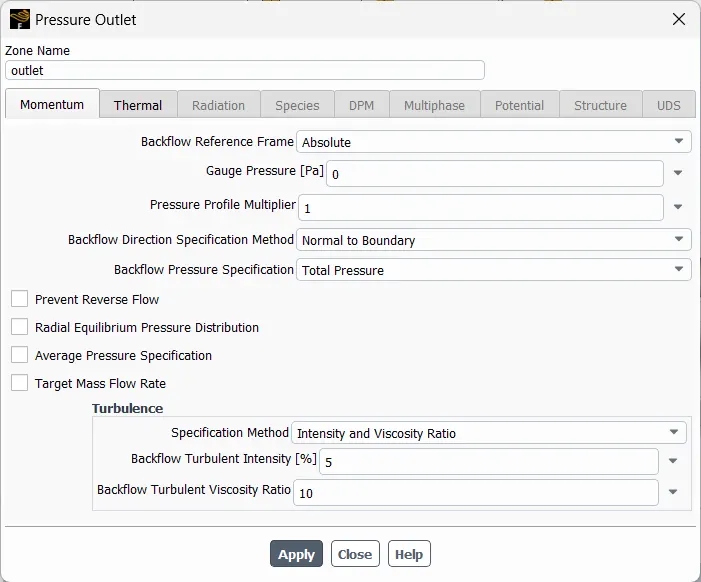
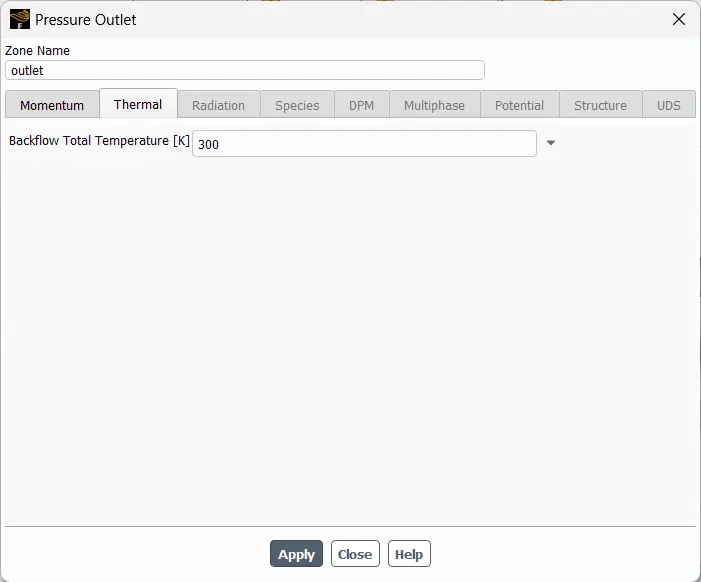
Outlet: pressure outlet at zero-gauge pressure.
run simulation.
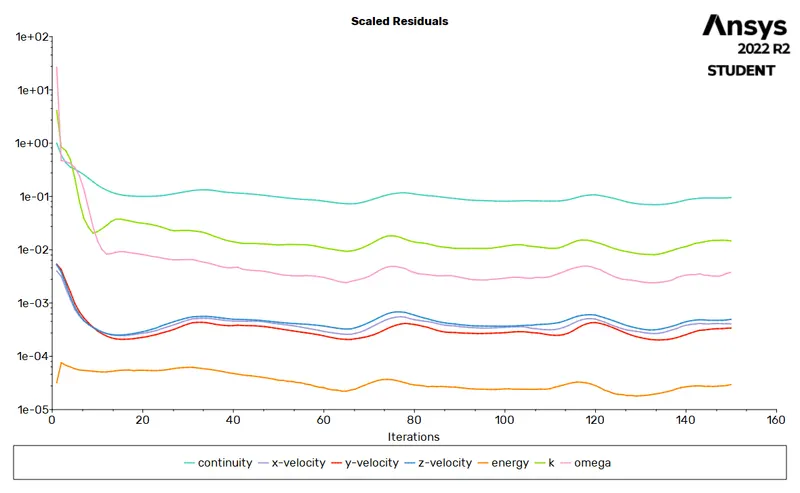
residual plot:
Temperature contour:
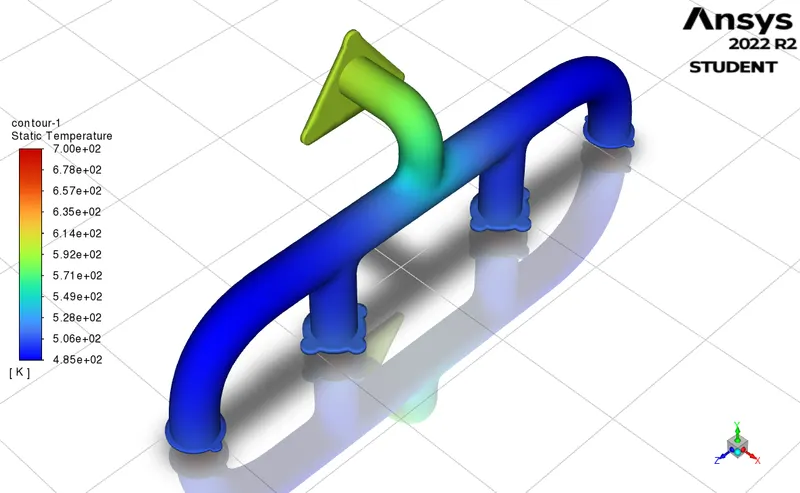
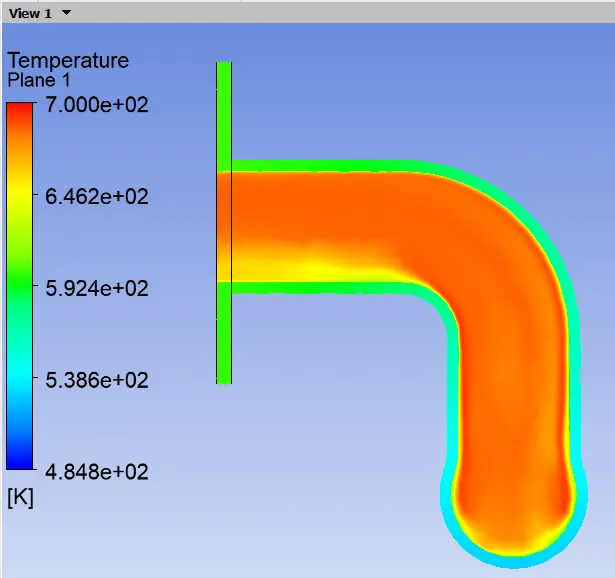
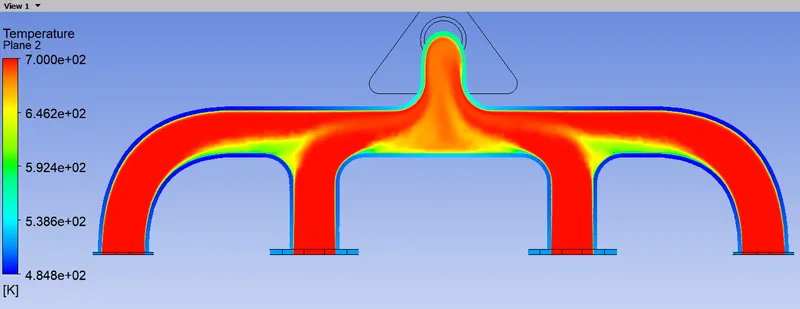
temperature streamline plot:
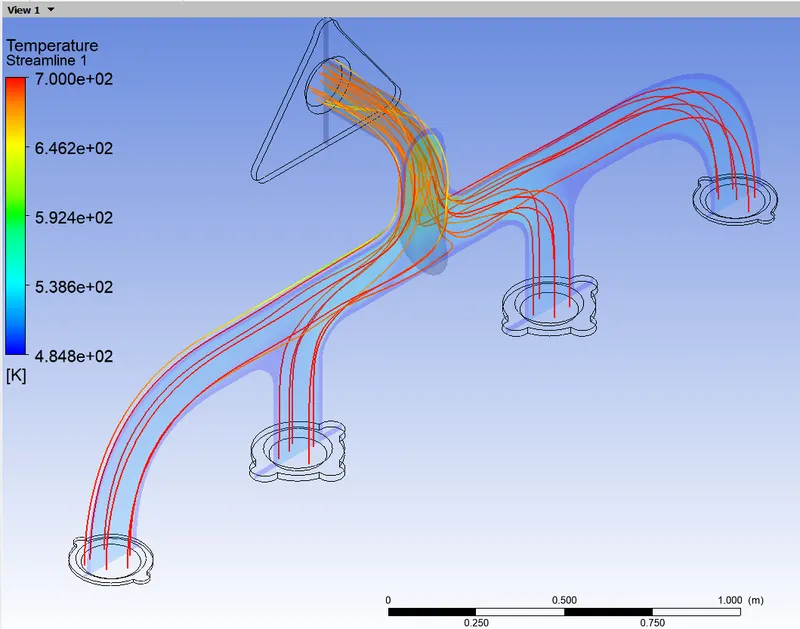
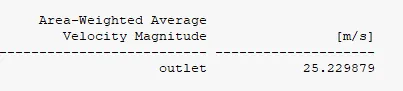
velocity contour:
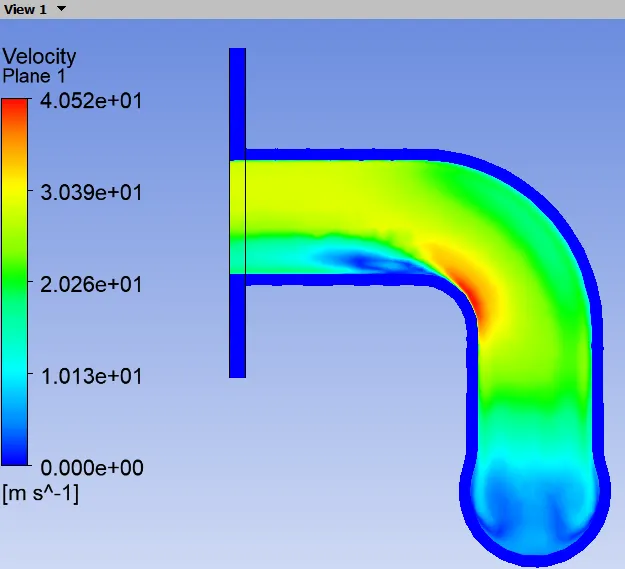
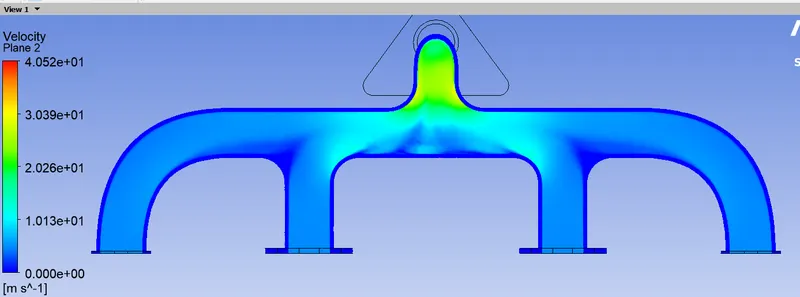
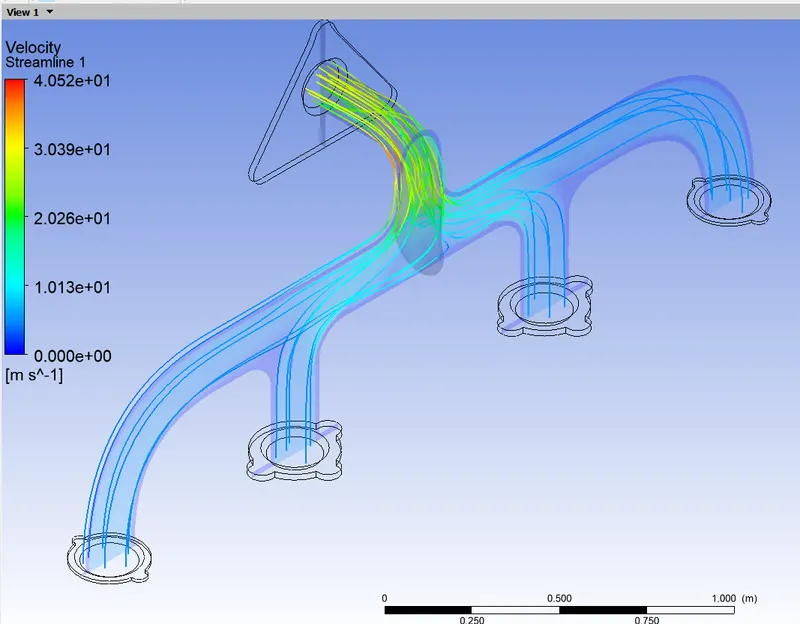
velocity streamline plot:
surface heat transfer coefficient plot:
Factors that the accuracy of the prediction depend on :
- The factors that the accuracy of the prediction depend on are
- We need to make sure that share topology is set to share.Only then the meshing is going to be uniform and with perfect connectivity.
- We need to select exact turbulent model.As it is wall bounded flow k- omega SST will be very much suitable.And when selecting the turbulence model selecting exact Y+ value also important.
- We need to enable share(share prep) in the work bench and click share .This is very important if you dont do this step you will not see the single interface between them.So this particular step takes care of creating the interfaces ,so that you will have one interface between your solid volume or block and fluid block.
- We need to give exact heat transfer coefficient for the outer boundary.Then only we get the overall accurate solution.