Week 4 - CHT Analysis on Exhaust port
AIM :
Conjugate Heat Transfer analysis on Exhaust Port
OBJECTIVES:
- Give a brief description of why and where a CHT analysis is used.
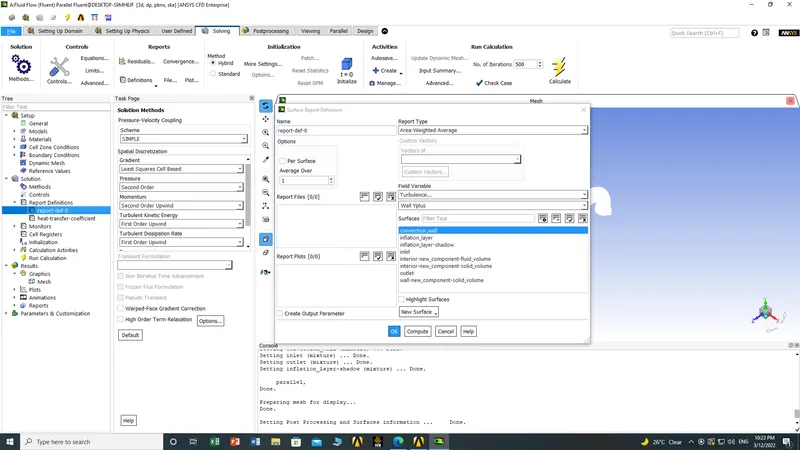
- Maintain the y+ value according to the turbulence model and justify the results.
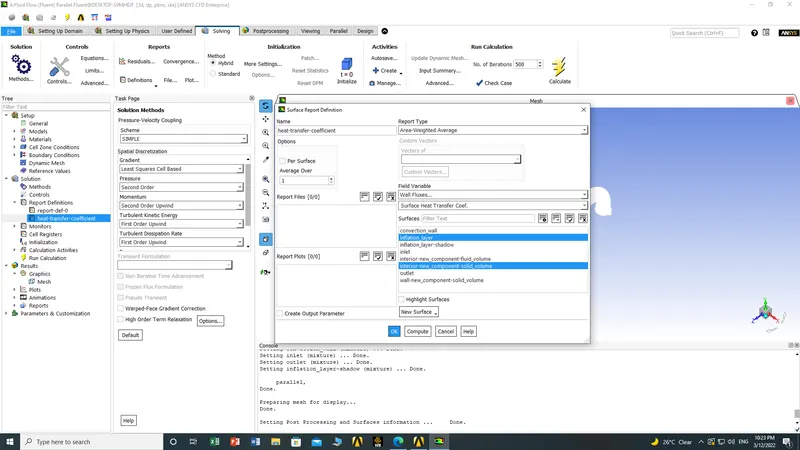
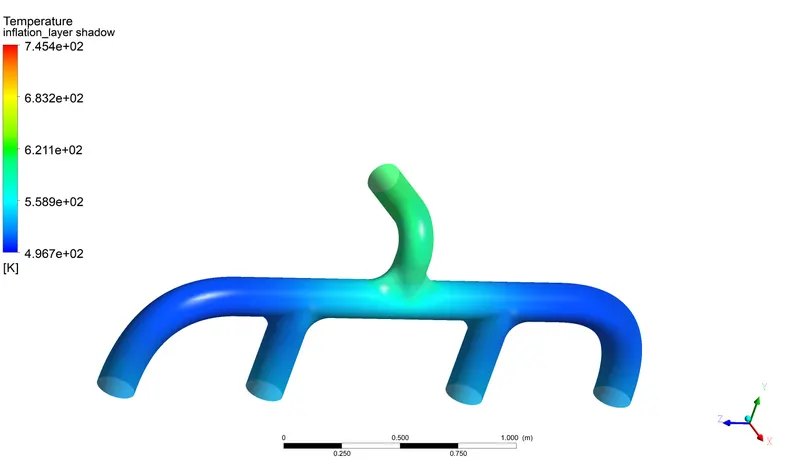
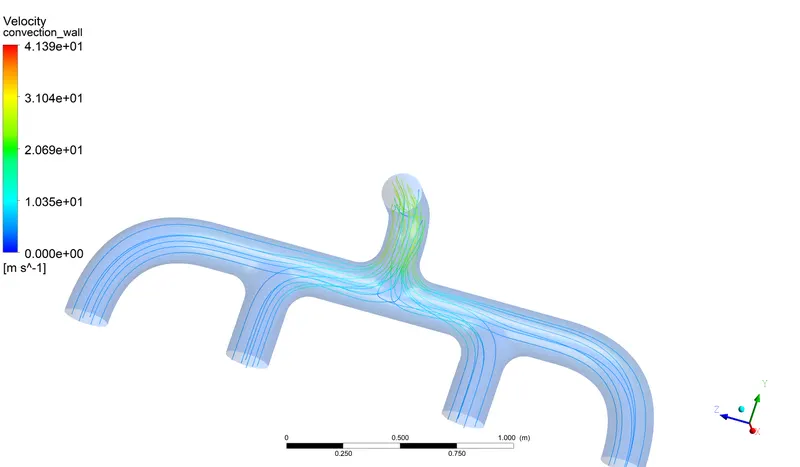
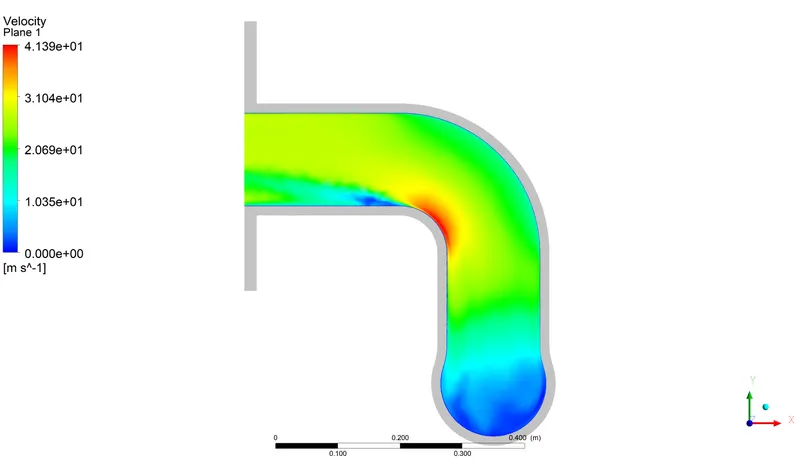
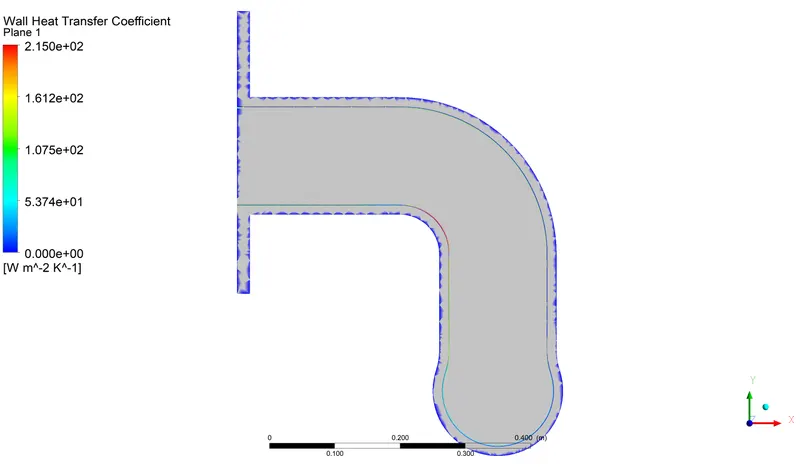
- Calculate the wall/surface heat transfer coefficient on the internal solid surface & show the velocity & temperature contours in appropriate areas.
- How would you verify if the HTC predictions from the simulations are right? On what factors does the accuracy of the prediction depend on?
why and where a CHT analysis is used
CHT allow us to simulate the heat energy exchange between solid and fluid volumes at their interfaces.
CHT is used in the following industries
- Internal Combustion enngines
- Electromobility
- Aftertreatement
- Pumps and compressor
- electronic circuit cooling
- the design of thermal protection system for space vehicles
- thermal insulation of nuclear reactor
- turbine blade cooling
- solar panel design.
Solution Procedure and set ups
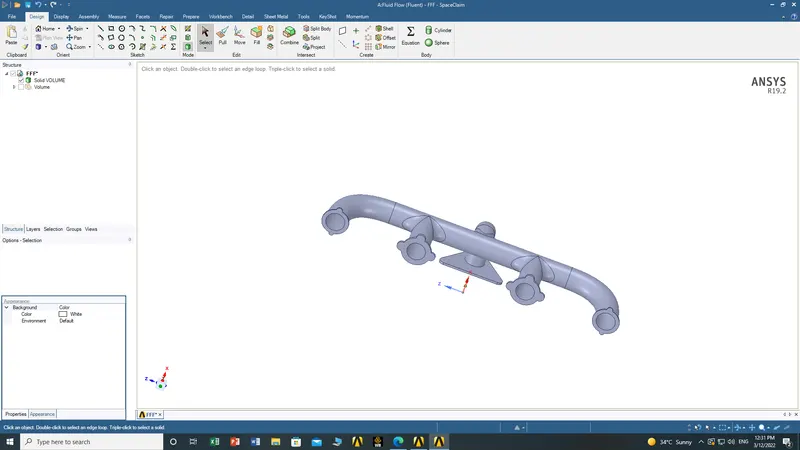
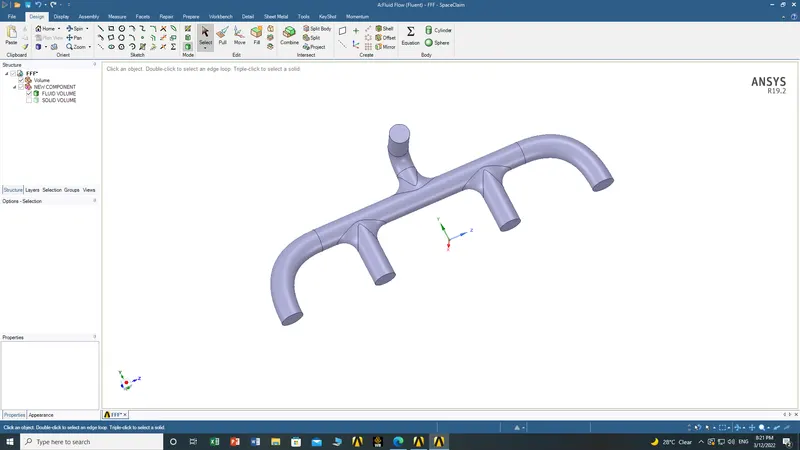
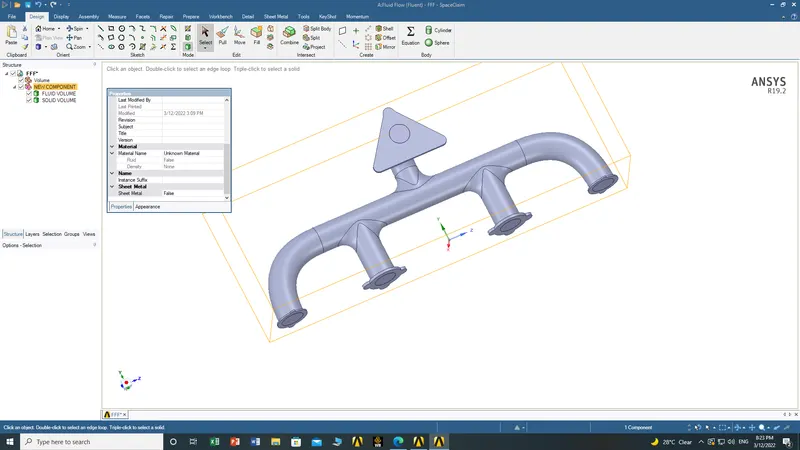
- Geometry editing
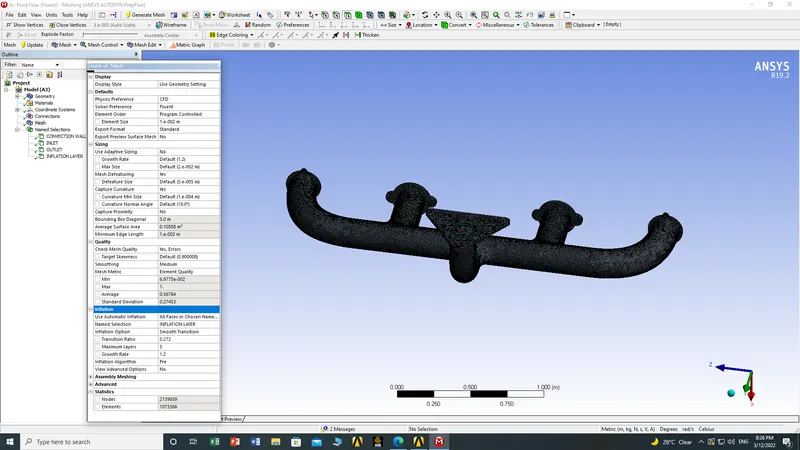
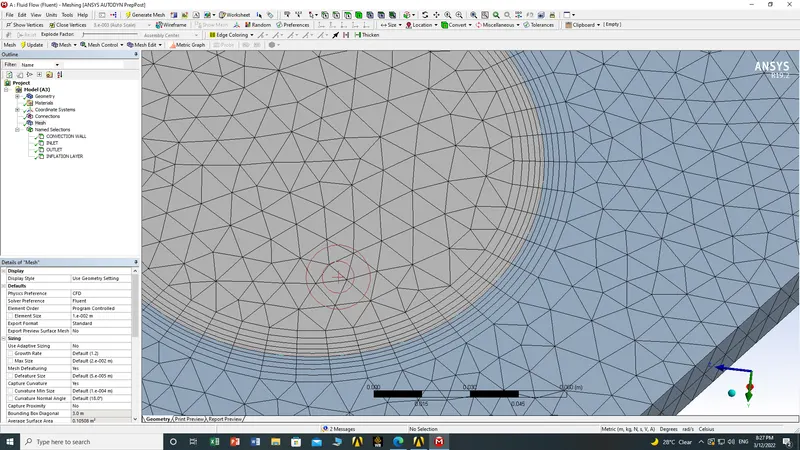
MESHING
PHYSICS SETUP



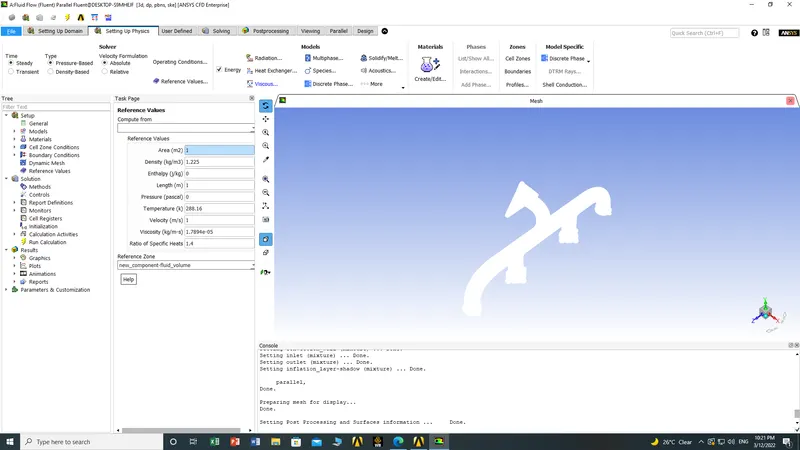
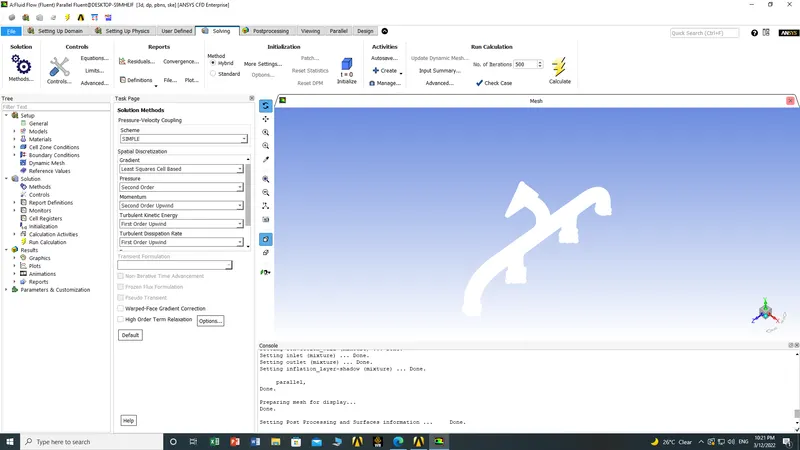

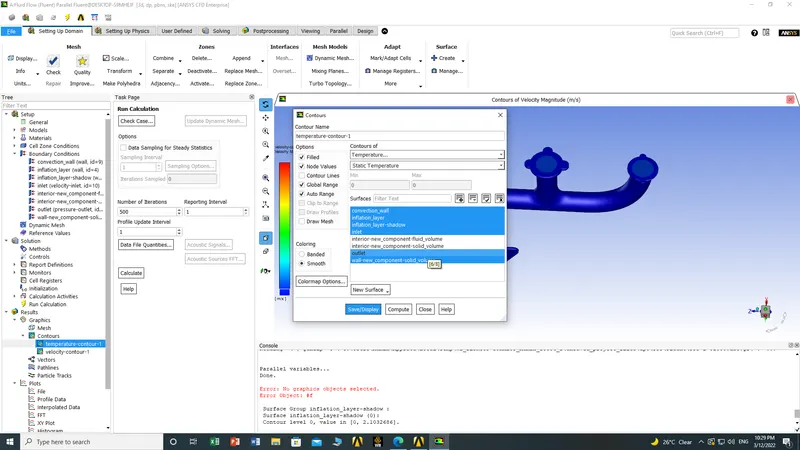
RESULTS
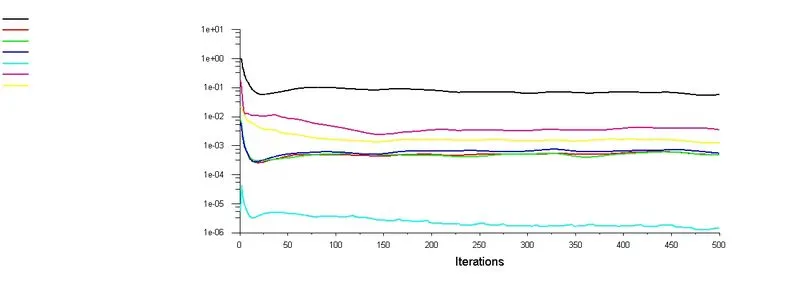
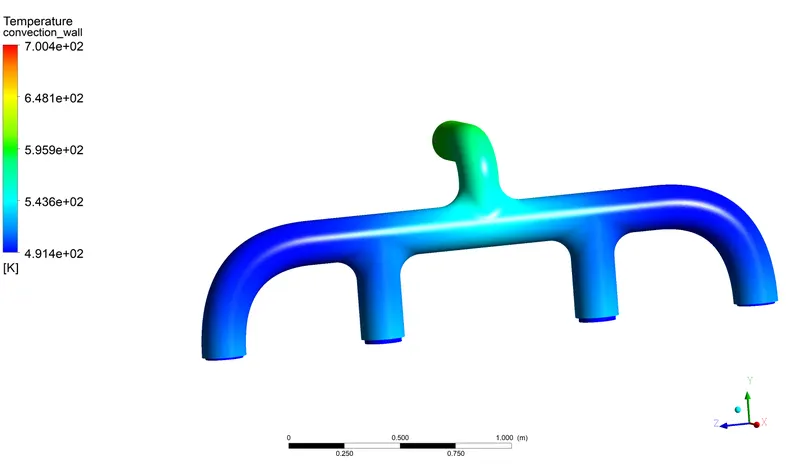
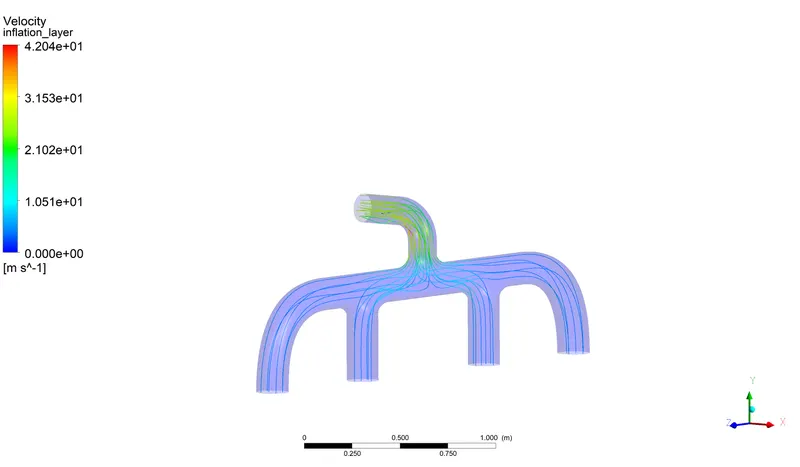
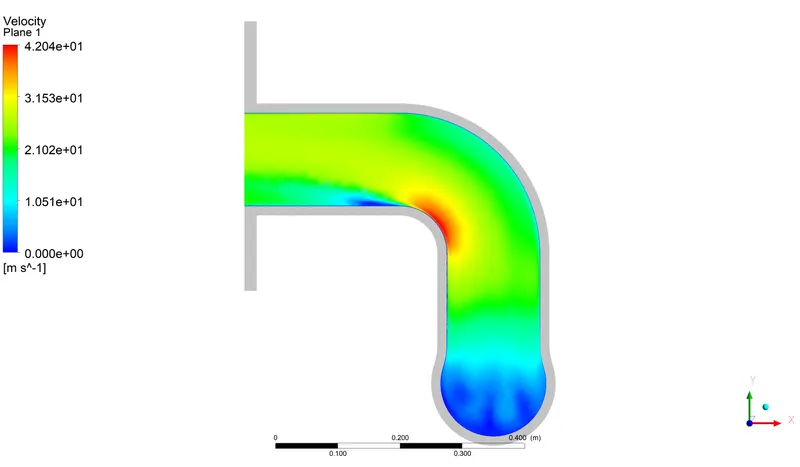
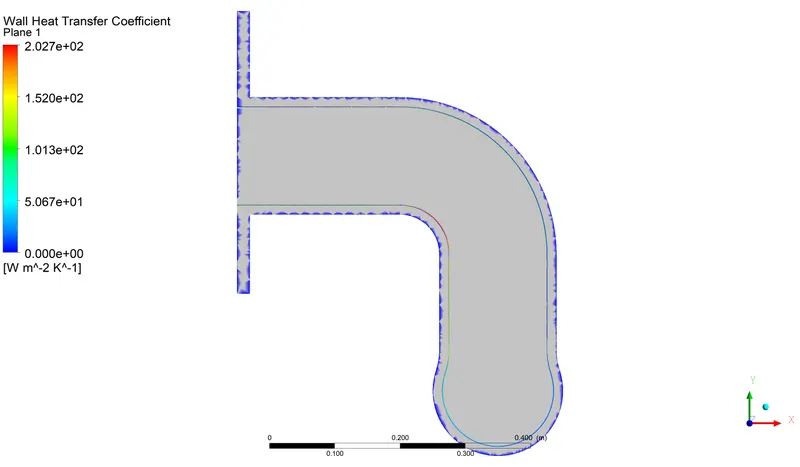
k-EPSILON STANDARD TURBULENT MODEL
Heat transfer coefficent of wall 18.954 w/mm^2 .K
Surface Heat transfer coefficent 21.367 W/m^2 .K
wall Y plus =20.603 (FOR K-EPSILON WALL Y+ >11)
CASE 2 K-W STANDARD MODEL
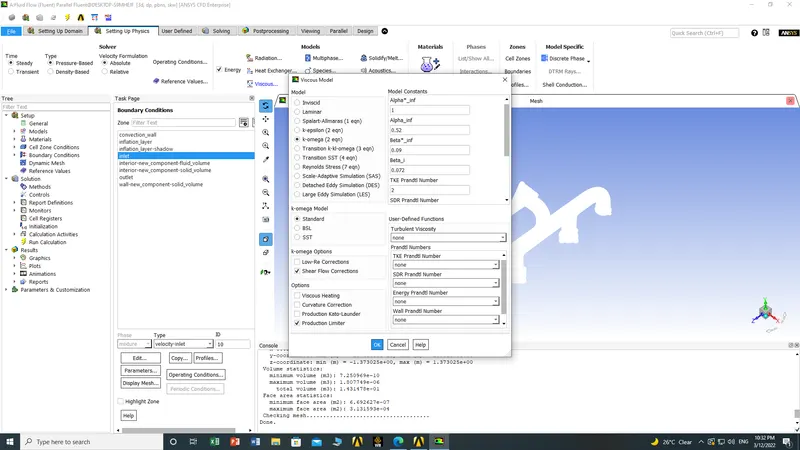
RESULTS
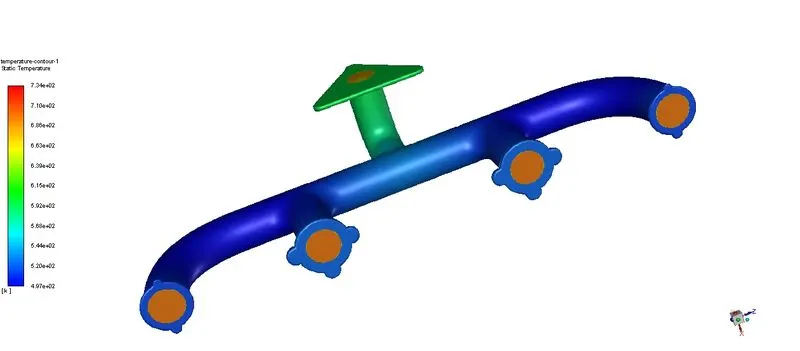
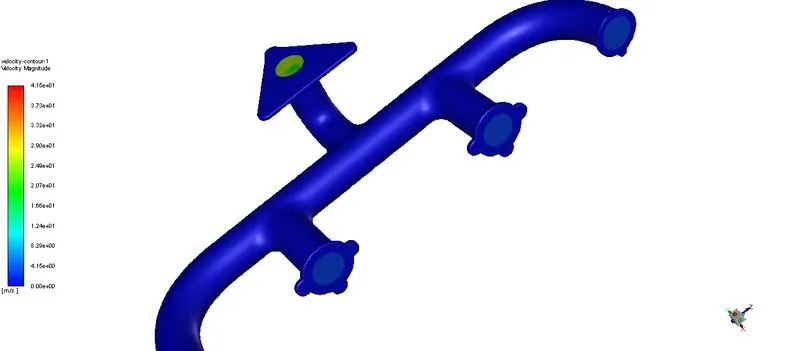
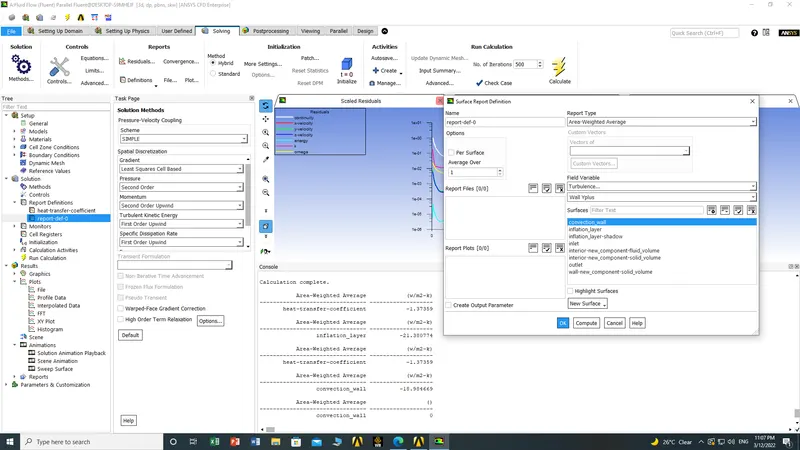
Heat transfer coefficent of wall 18.984 w/mm^2 .K
Surface Heat transfer coefficent 21.3807 W/m^2 .K
wall Y plus = 0 (FOR K-OMEGA WALL Y+ <1)
How would you verify if the HTC predictions from the simulations are right?
Nu= hL/k
h=Nu*k/L
Nu=0.027Re^0.8 *Pr^0.33 (for Turbulent flow)
On what factors does the accuracy of the prediction depend on?
- no.of elements in the meshing
- refinement of meshing
- inflation layer at the inlets and outlets
- proper selection of turbulent model