Week 4 - CHT Analysis on Exhaust port
Conjugate Heat Transfer Analysis:
The term conjugate problem was coined by a group of scientists led by the academician A. V. Luikov in the former who, among others in the 1960s, began to investigate heat transfer as a coupled problem. At that time, many other researchers started to solve simple problems using different approaches and joining the solutions for body and fluid on their interface. A review of early conjugate solutions may be found in the book by Dorfman.
The term CHT means conjugate heat transfer and it is used to describe processes that involve variations of temperature within solids and fluids domain and the thermal interaction between the solids and fluids. The exchange of thermal energy between the two physical bodies is called the study of Heat Transfer, the rate of transferred heat is directly proportional to the temperature difference between the bodies. A typical example is the heating or cooling of a solid object by the flow of air in which it is immersed and some other example includes conduction through solids, free and forced convection in the gases/fluids and thermal radiation.
Conjugate heat transfer corresponds with the combination of heat transfer in solids and heat transfer in fluids. In solids, conduction often dominates whereas, in fluids, convection usually dominates. Efficiently combining heat transfer in fluids and solids is the key to designing effective coolers, heaters, or heat exchangers. Forced convection is the most common way to achieve a high heat transfer rate. In some applications, the performances are further improved by combining convection with phase change (for example liquid water to vapour phase change).
Heat transfer in solids and heat transfer in fluids are combined in the majority of applications. This is because fluids flow around solids or between solid walls and because solids are usually immersed in a fluid.
The conjugate convective heat transfer problem is governed by the set of equations consisting in conformity with the physical pattern of two separate systems for body and fluid domains which incorporate the following equations:
Body Domain
- Unsteady or steady (Laplace or Poisson) two-or three-dimensional conduction equations or simplified one-dimensional equations for thin bodies.
Fluid Domain
- For laminar flow: Navier–Stokes and energy equations or simplified equations: boundary layer for large and creeping flow for small Reynolds numbers, respectively.
- For turbulent flow: Reynolds average Navier–Stokes and energy equations or boundary layer equations for large Reynolds numbers
Initial, boundary and conjugate conditions
- Conditions specifying the spatial distributions of variables for dynamic and thermal equations at the initial time
- No-slip condition on the body and other usual conditions for dynamic equations
- Conditions of the first or the second kind specifying temperature or heat flux distribution on the domain boundaries
- Conjugate conditions on the body/fluid interface providing continuity of the thermal fields by specifying the equalities of temperatures and heat fluxes of a body and a flow at the vicinity of the interface: T(+) = T(-), q(+) = q(-).
Applications:
Starting from simple examples in the 1960s, the conjugate heat transfer methods have become a more powerful tool for modelling and investigating natural phenomena and engineering systems in different areas ranging from aerospace and nuclear reactors to thermal goods treatment and food processing, from complex procedures in medicine to atmosphere/ocean thermal interaction in meteorology, and from relatively simple units to multistage, nonlinear processes. A detailed review of more than 100 examples of conjugate modelling selected from a list of 200 early and modern publications shows that conjugate methods are now used extensively in a wide range of applications. That also is confirmed by numerous results published after this book appearance (2009) that one may see, for example, at the Web of Science. The applications in specific areas of conjugate heat transfer at periodic boundary conditions and in exchanger ducts are considered in two recent books.
CHT analysis on an Exhaust Port:
Modelling and Prepararion:
The part file was imported into the SpaceClaim, fluid volume was extracted and renamed the components according to need.
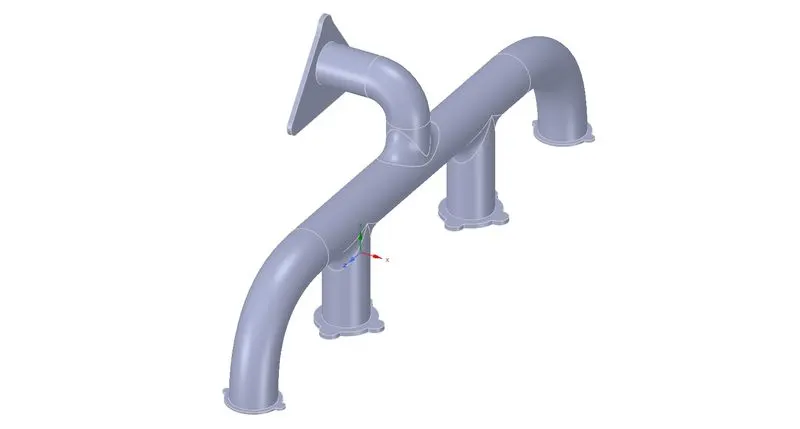
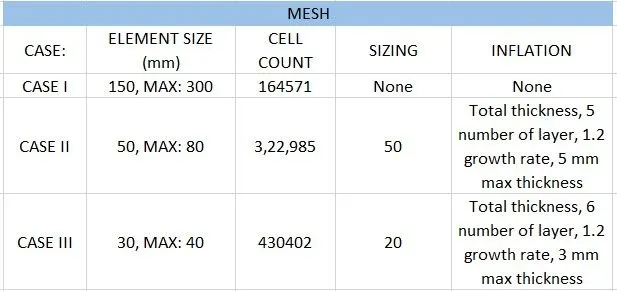
The model has been meshed to the default mesh size to set up a baseline, and then refinement of the mesh was done to improve the accuracy of the calculations.
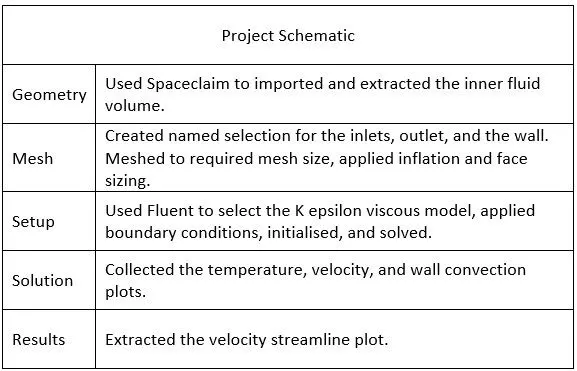
The following schematic has been followed for each case of refinement.
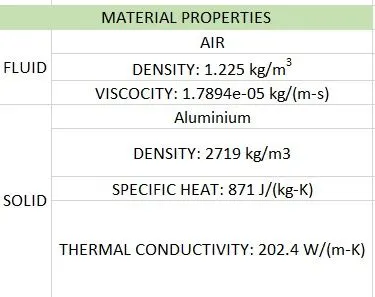
The material properties are as follows
The base and refined cases of mesh details are as follows:
Solver set up details:
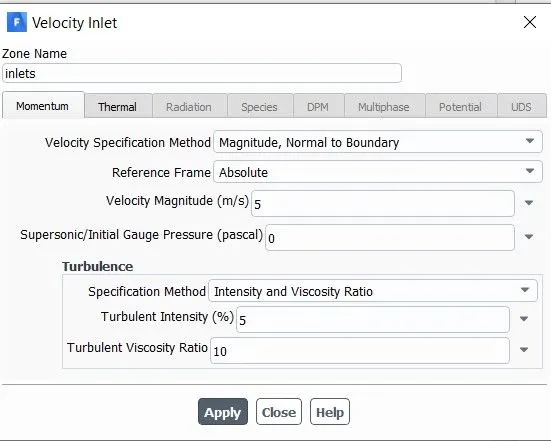
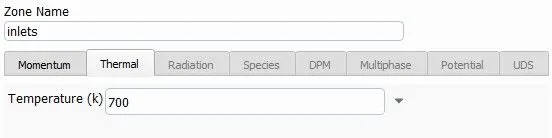
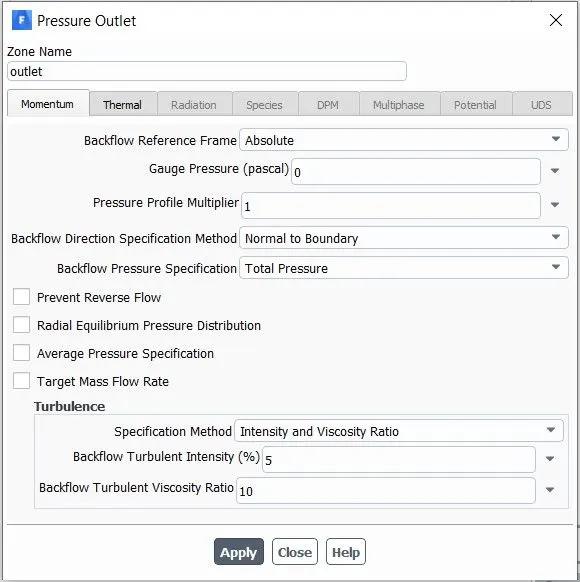
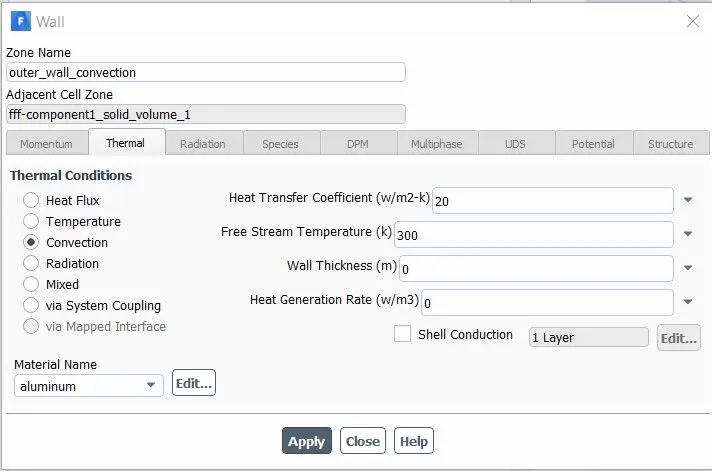
The boundary conditions are as follows:
Viscous model:
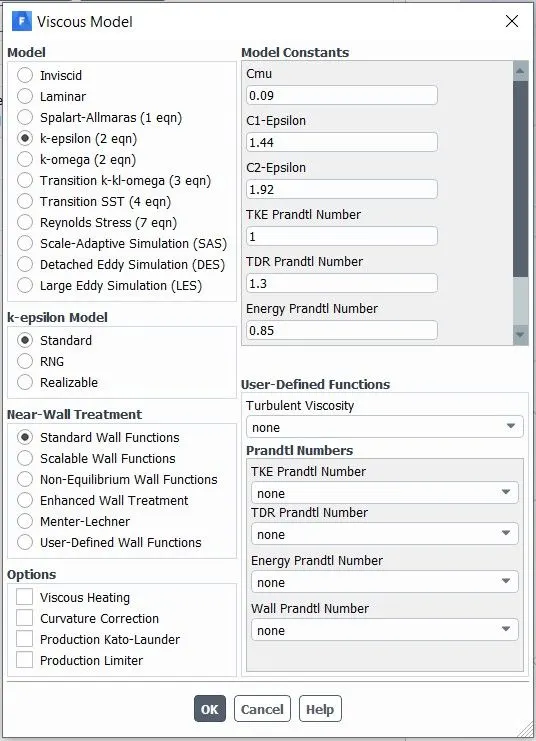
Energy equation is selected.
Y plus taken for this turbulence model is 40.
CASE 1:
Base set up
MESH:
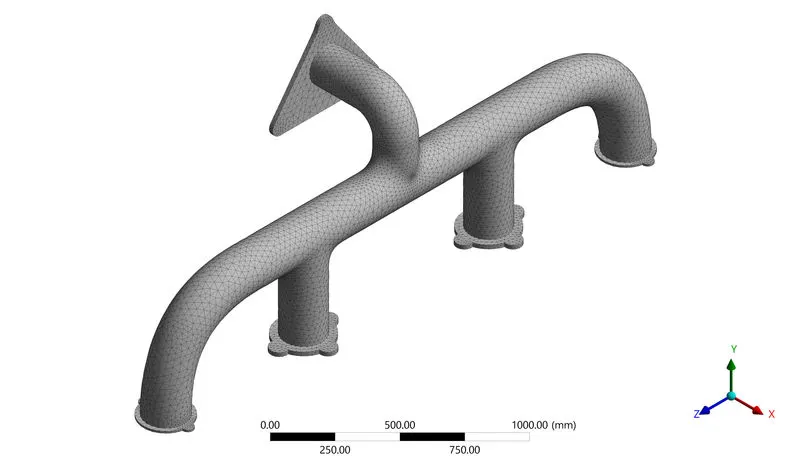
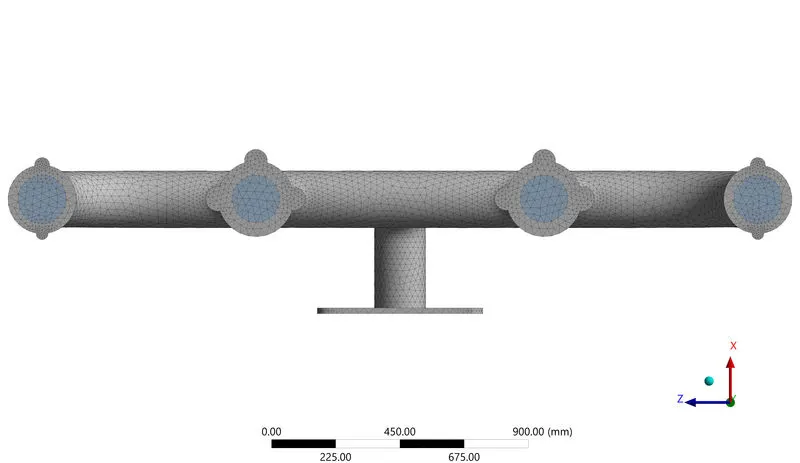
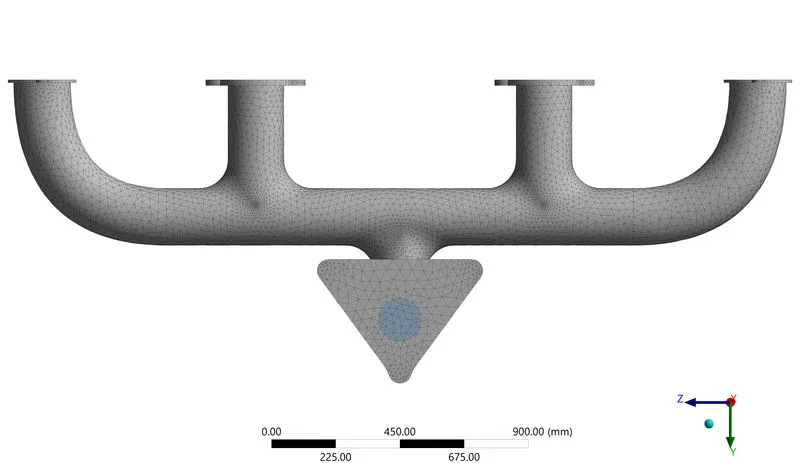
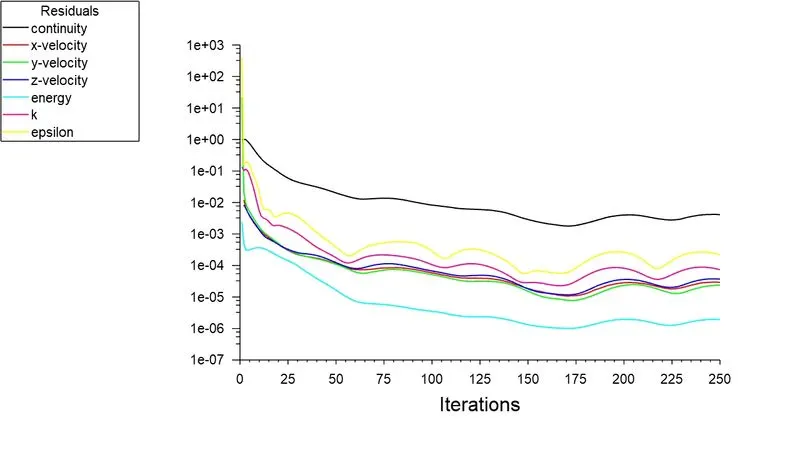
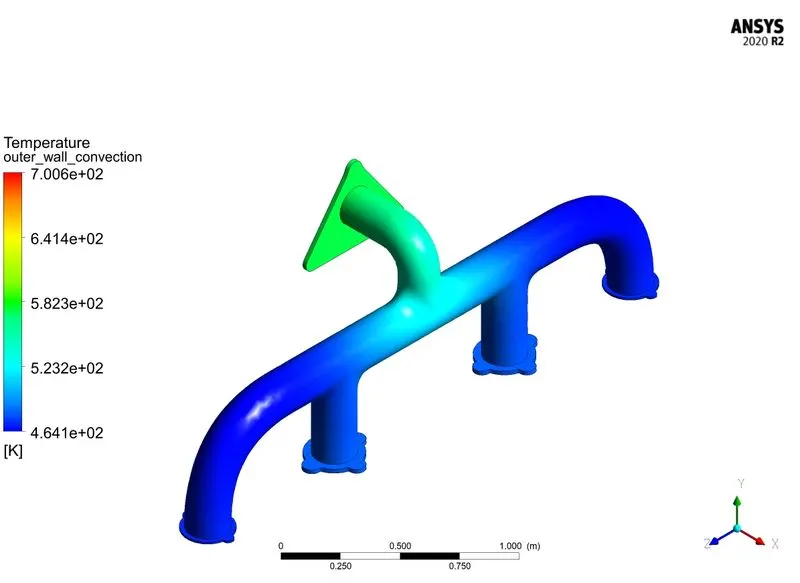
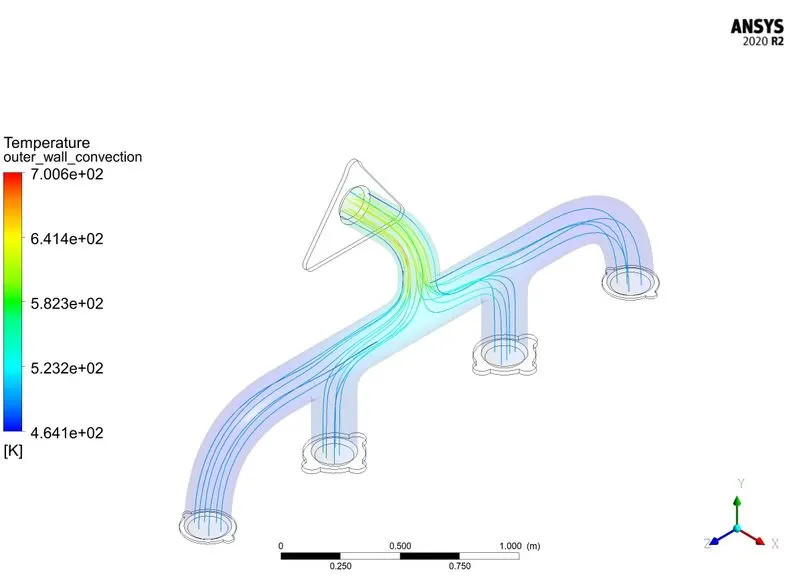
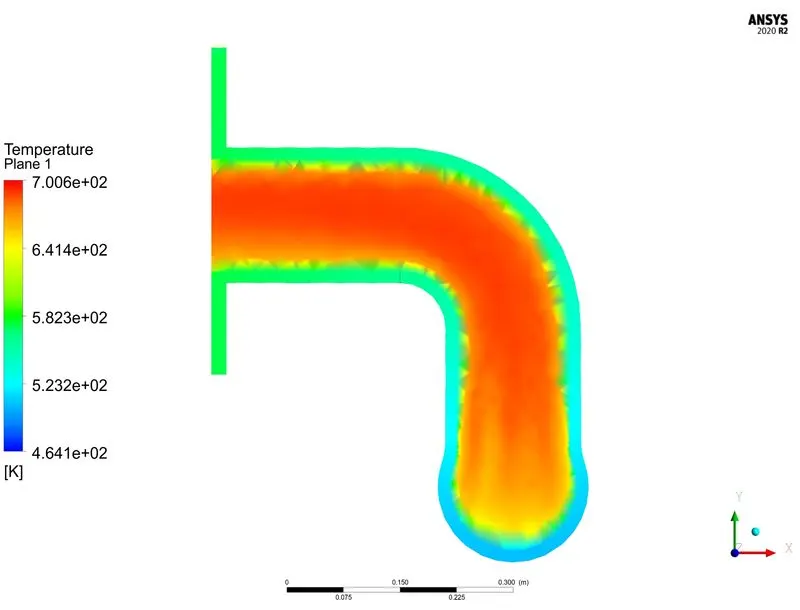
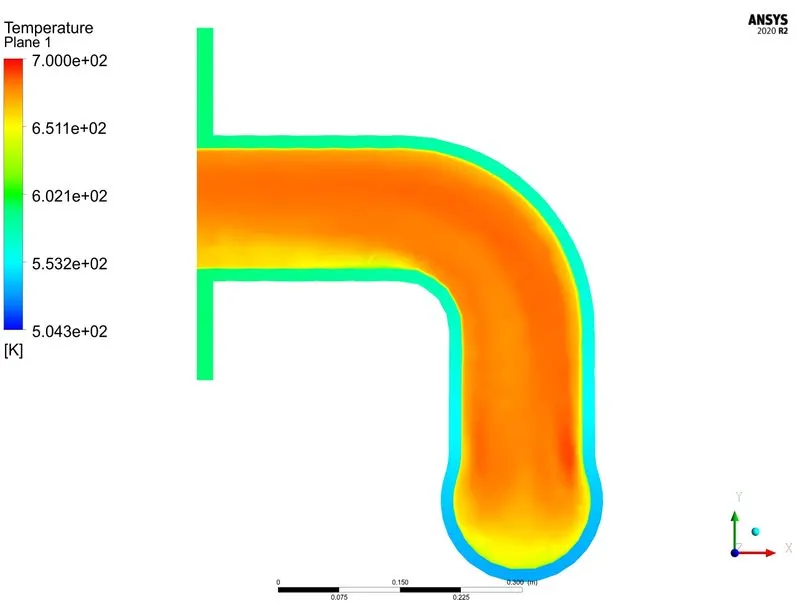
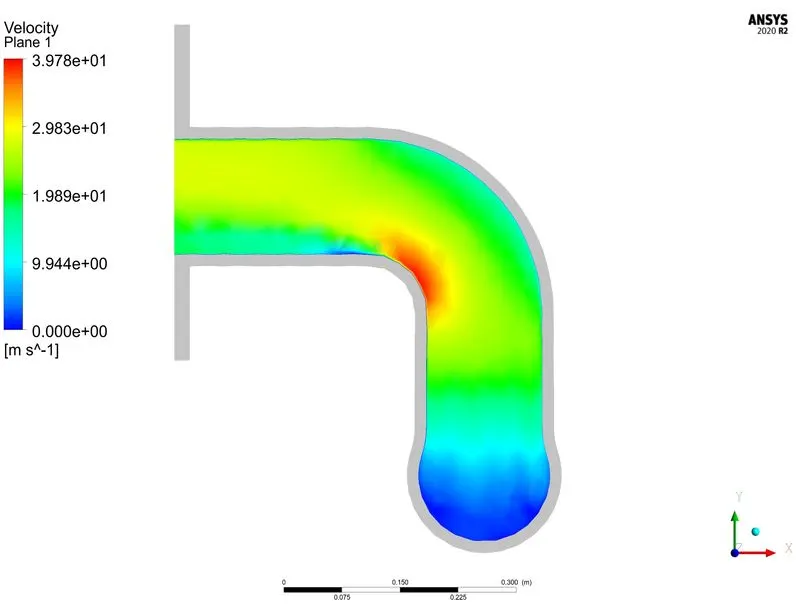
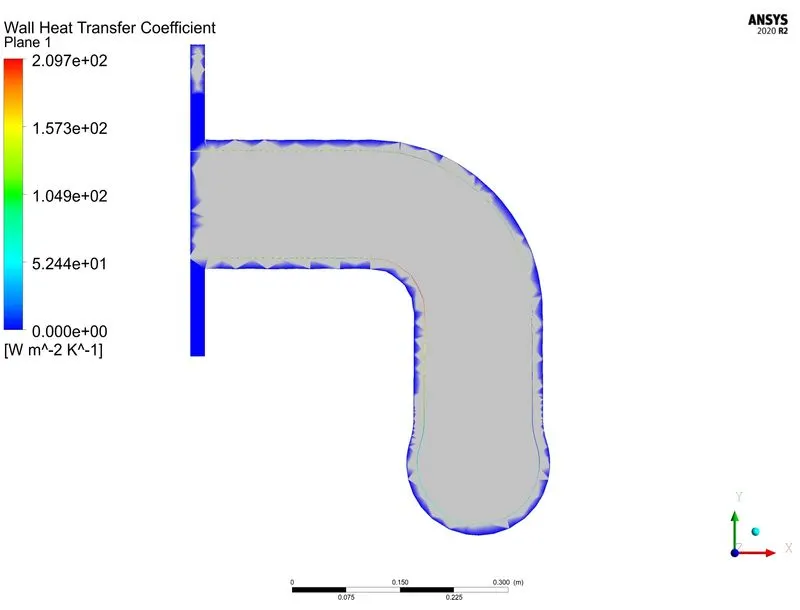
Results of Case 1:
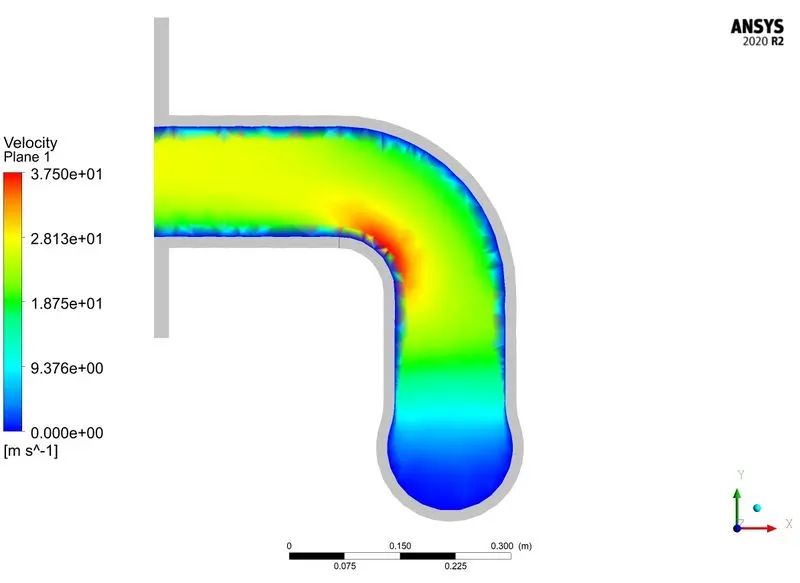
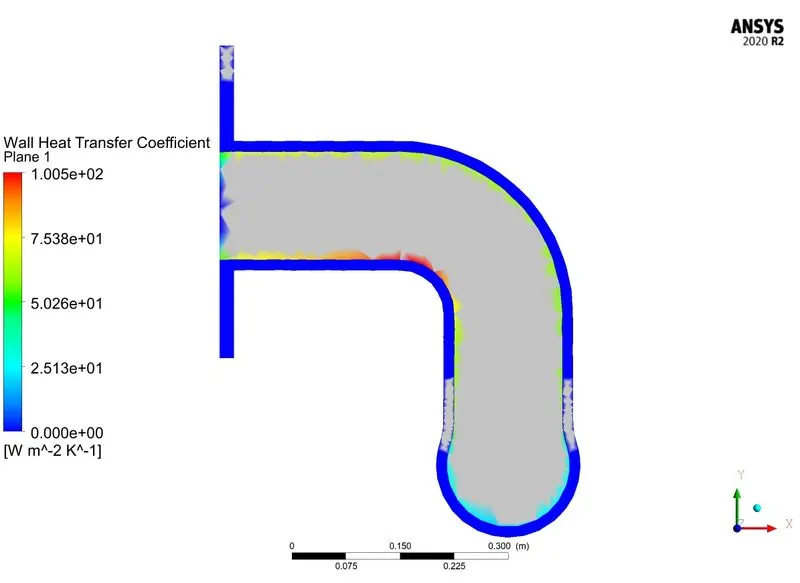
CASE 2:
Refined case 1:
MESH:
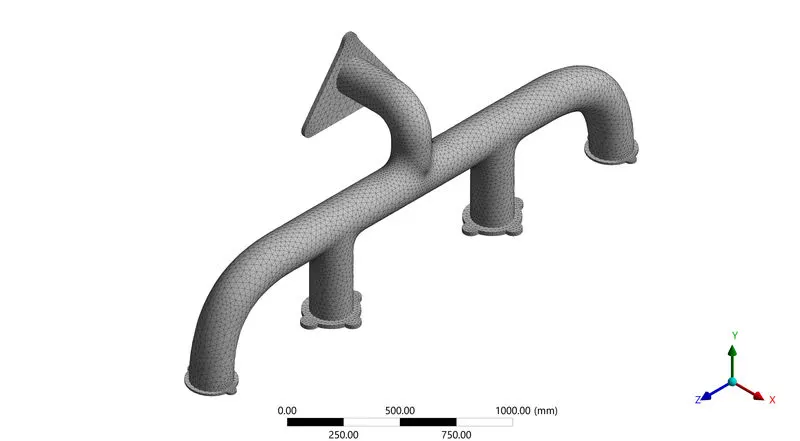
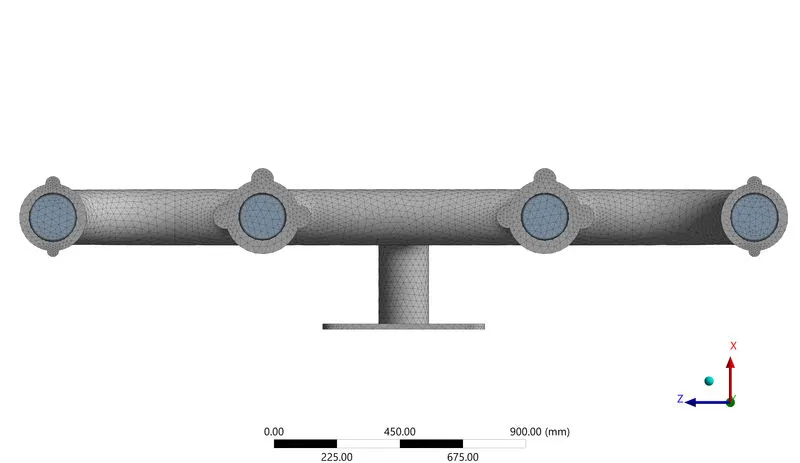
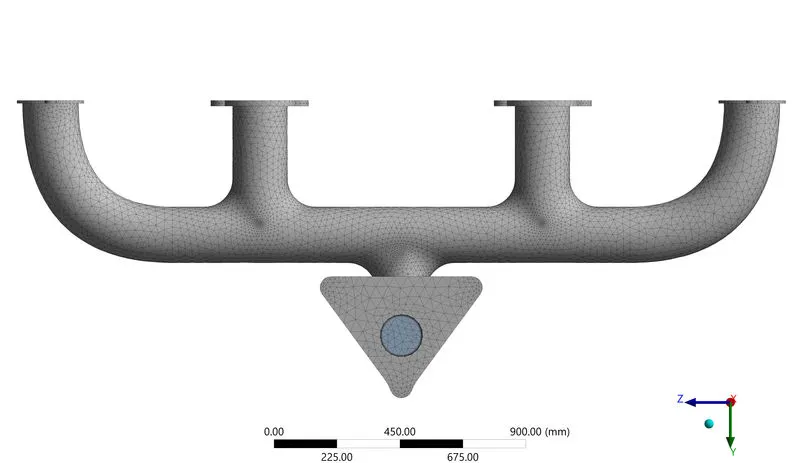
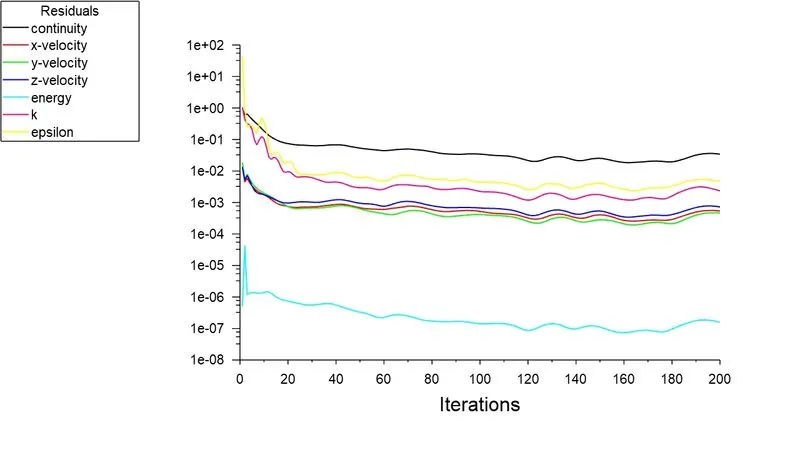
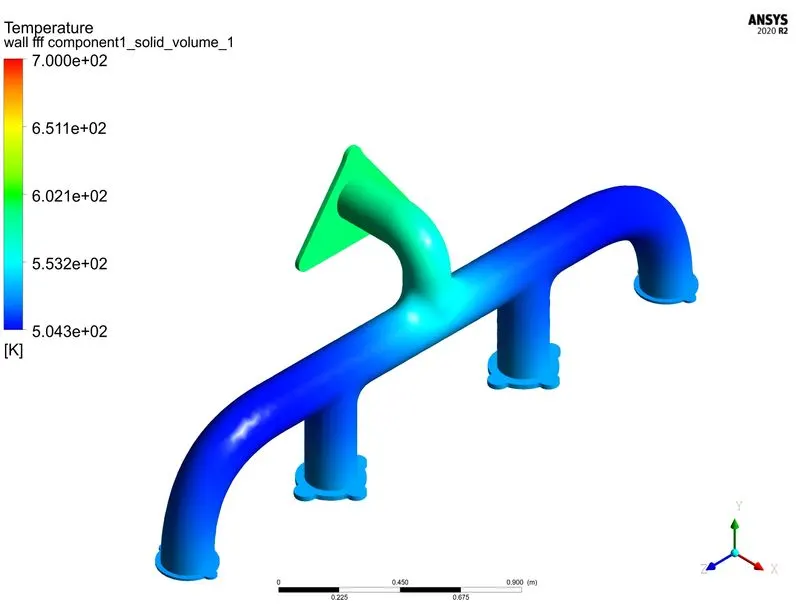
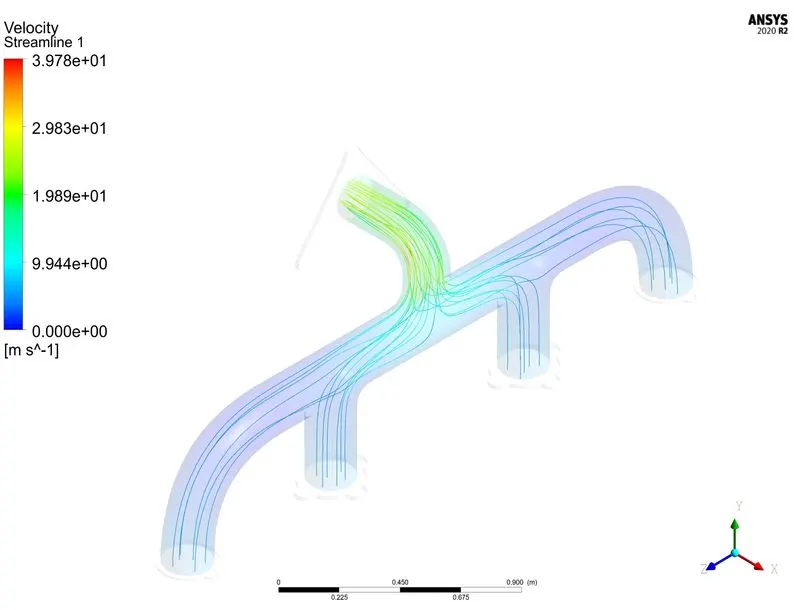
Results of case 2:
 \
\
CASE 3:
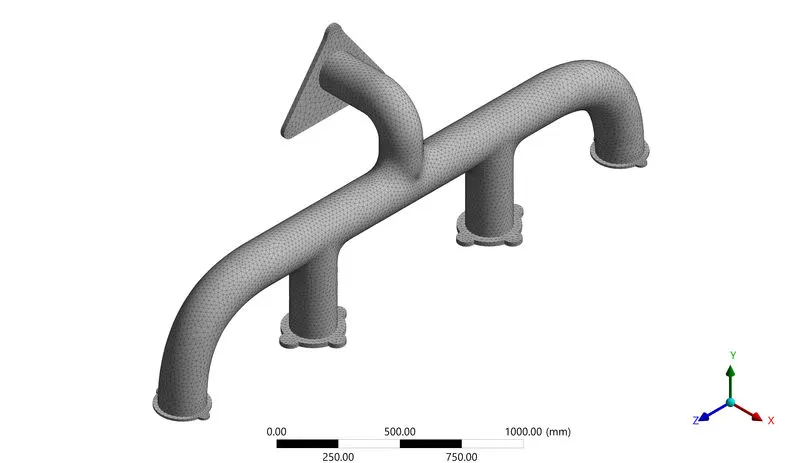
Refined case 2:
MESH:
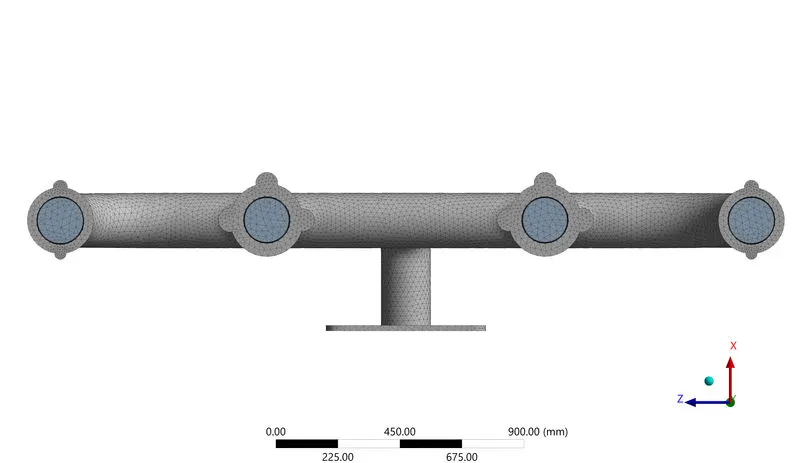
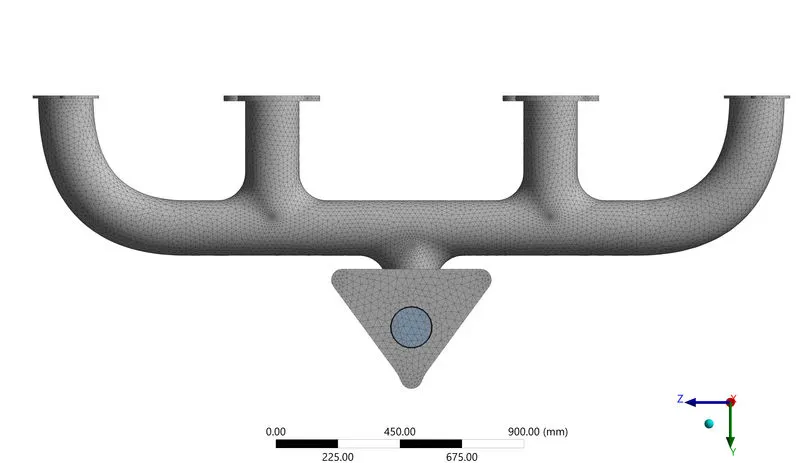
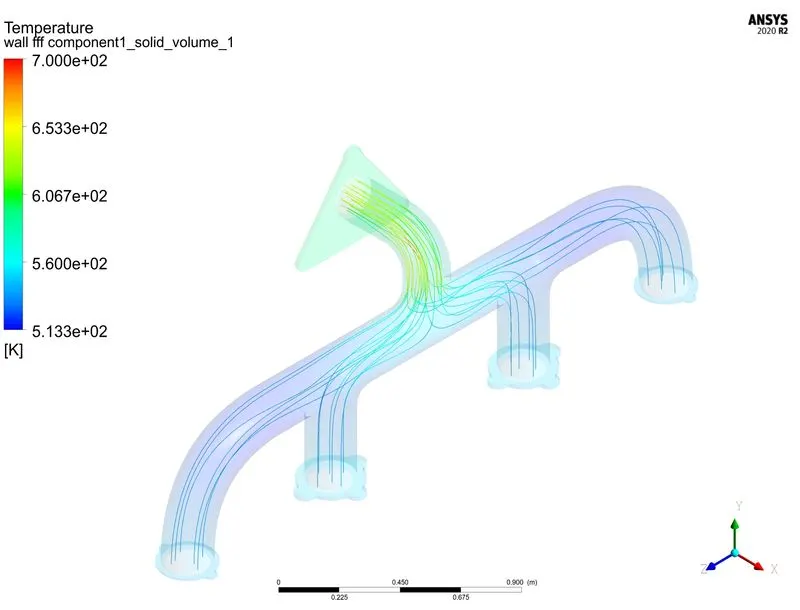
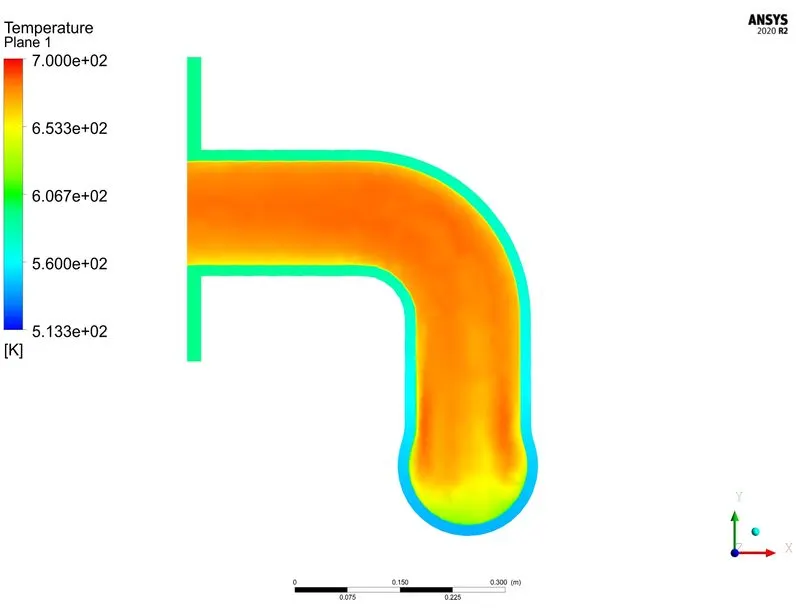
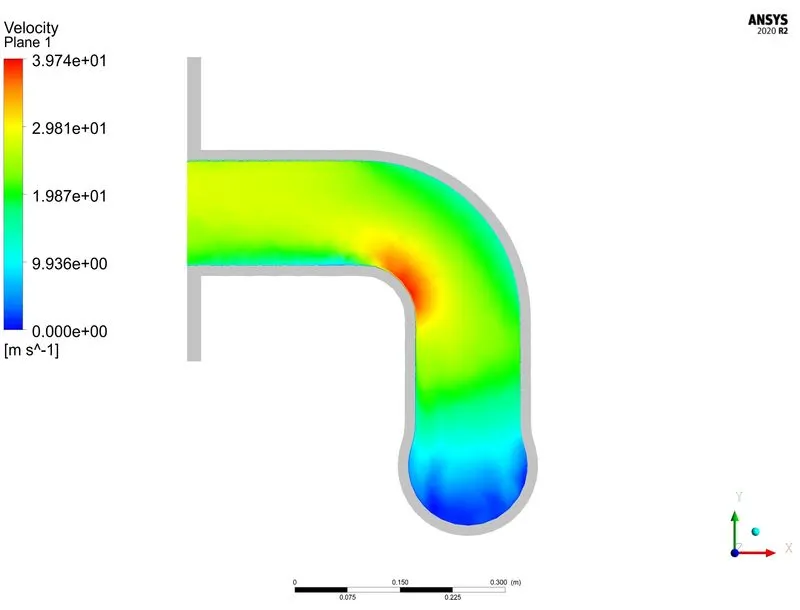
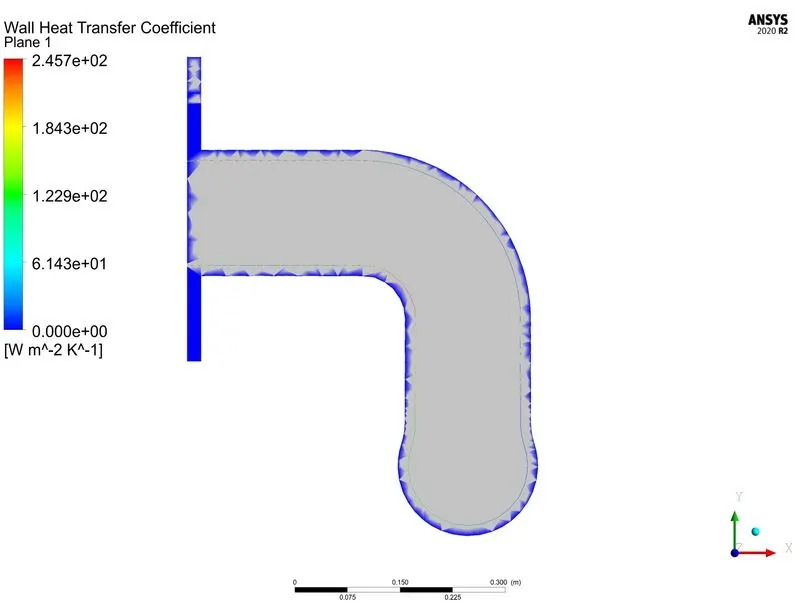
Results of Case 3:
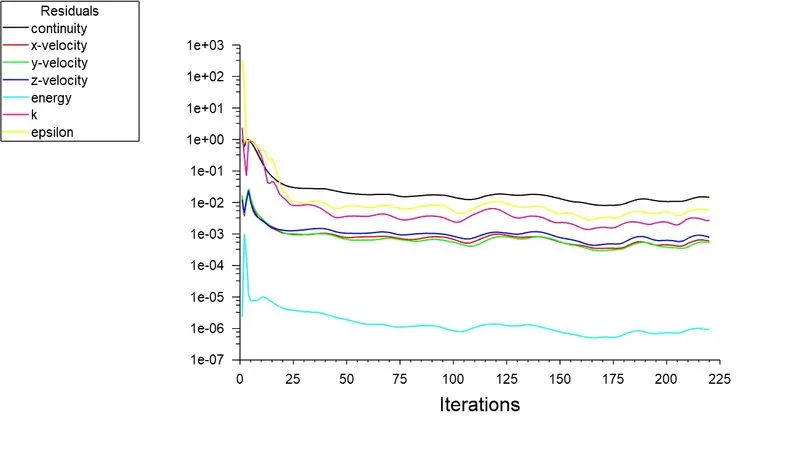
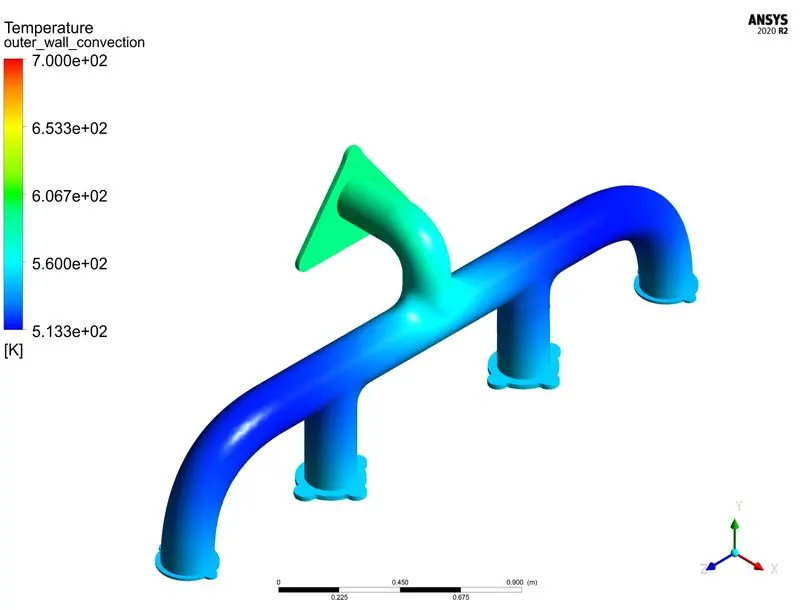
Heat Transfer of Coefficient verification process:
The verification of numerical simulations is done by using Nusselt Number.
Nusselt Number:
The Nusselt number is the ratio of convective to conductive heat transfer across a boundary. The convection and conduction heat flows are parallel to each other and to the surface normal of the boundary surface, and are all perpendicular to the mean fluid flow in the simple case.

where h is the convective heat transfer coefficient of the flow, L is the characteristic length, k is the thermal conductivity of the fluid.
Therefore, by knowing thermal conducivity, characteristic length, and Nusselt number based on Reynold's number and Prandlt Number by using Heat and Mass Transfer Data Book, we can verifiy the HTC.
Accuracy of the prediction depends on choosing the correct case of problem, using the appropriate Reynold's number and calculating the appropriate Prandlt number value and finding the Nusselt number by plugging in the Re and Pr values.
It also depends on the value of thermal conductivity value of the fluid.