Week-4 Challenge WOT Condition Part-2
1.1Mapped and dynamic subsystem of electric motor/generator:
Mapped model:
1. the mapped model is the one type where the data points are pre_assigned in lookup tables
2.the engine or moptor torque required is sensed and the motor or engine block generates the required torque output just as required simply without considering the real time motor or engine, parameters
3.the output values are stored for the corresponding given input values of the engine motor and generator
4.the accuracy of this type is not that high but the simulation will be done in much less time as it does not run by real time
Dynamic model:
1. the dynamic model in the other hand uses the combination of the output from various subsystems to generate the output
2.it runs by real time simulation where the required input from the drive cycle is taken and for that individual real time simulation gets performed and summing all the results of the subsystem gives the output for the simulation
3.as per the drive cycle requirements the initial bus voltage, current is given along with the vehicle feedback so that it runs the actual simulation at that particular moment throgh out the drivecycle
4.the accuracy of the model is very high as it considers the real outputs from all the subsystem to generate the output
steps to select the model type:
1. in the powertrain blockset module we first need to select the vehicle type first whether it is full electric, full engine or the type of hybrid behicle
2.after that simulink model appears by showing the work floe=w bloxks of the model
3.in that we need to go to passenger block electric plant EV/generator block
4.after this just right click and go to variance label mode active choice motor generator EV mapped or dynamic
2. miles per gallon:
1. miles per gallon is a fuel economy rating determined by how far a car can travel on a gallon of petrol or diesel for a engine powered car.
2.in case of an elctric vehicle it tells us the energy which is equivalent that of a engine powered carto propel the car through a distance.
3.the amount of fuel energy required to move a engine powered car through a distance is determined and then it is compared to the equivalent amount of electric energy required to move the car through the same distance and is expressed as the miles per gallon.
4.the powertrain blockset has a model that calculates the miles per gallon for all kinds of vehicle
vehicle speed and fuel flow:
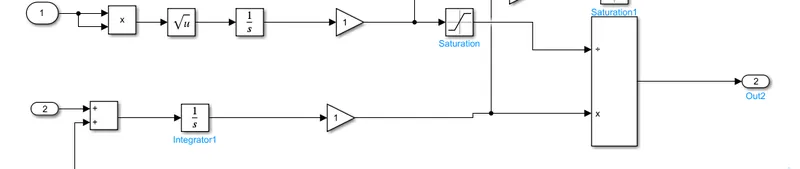
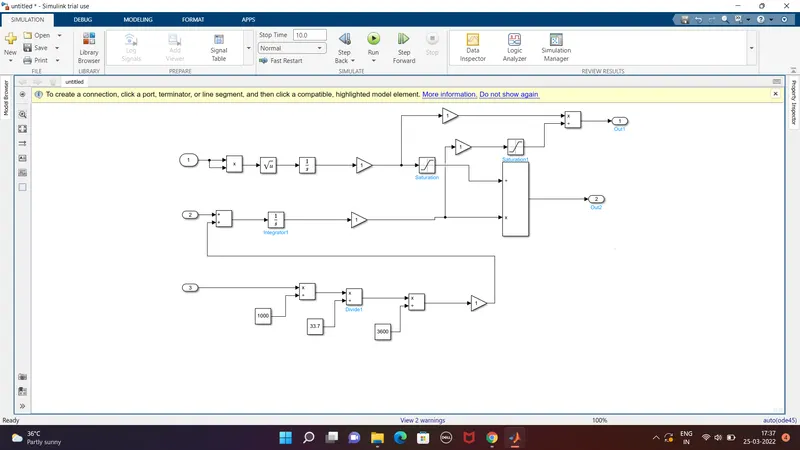
1. the vehicle speed is a important factor while considering the fuel consumption at that particular time, so to determine the fuel consumption throughout the drive cycle.
2.to convert the speed to distance we can integrate with time and we are doing the same of converting the velocity to get distance covered by integrating.
3.then the fuel flow is expressed as the mass flow rate i.e the amount of fuel at each moment in kg/sec. now integrating this will result in the mass of the fuel and by using this 1 we convert it to the volume and by multiply by 1000 to get it in litres.
4.by comparing the two results we can get the amount of litre consumed to run for 100km
battery power:
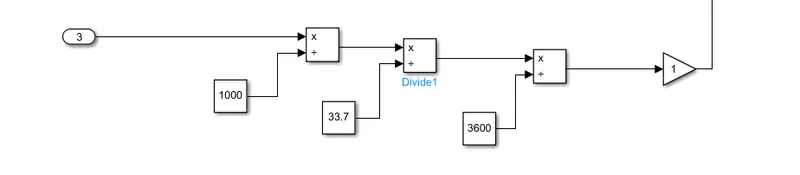
1.the amount of energy from battery power required to propel the vehicle equivalent to that of the engine is calculated here.
2.the battery power is given in watts and it is converted to kw by dividing with 1000.
3.then we convert the power into energy by multiplying with time in kwh.
4.then we convert the enrgy from kwh to equivalent energy in US gallon of automotive gasoline by dividing with 33.7. since we get the enrgy in US gallons equal in kwh we are trying to get the energy of equivalent LIS gallons per second and we do this by dividing with 3600 and we convert the hour to seconds.
5. the finally the battery energy equivalent in kg/s is given as a input for the fuel flow parameter in order to find the equivalent US gallons energy and estimate the miles per gallons.
calculating miles per gallons:
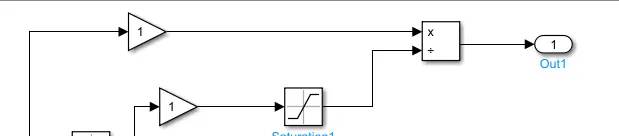
1. then the inputs from the vehicle speed i.e, distance we found is taken into the calculation and it is converted to the miles by multiplying with 0.000621371.
2.then the inputs from fuel flow taken in mA3 and is converted into equivalent US gallons by multiplying with 264.172.
3.then the two inputs miles covered and equivalent US gallon is further divided and the result is got in miles/gallon.