Week-4 Challenge WOT Condition Part-2
32-Challenge WOT Condition Part 2
1)What is the difference between mapped and dynamic model of engine, motor and generator? How can you change model type?
- Powertrain Blockset has 2 types of combustion Engine.
Mapped Engine
Dynamic Engine
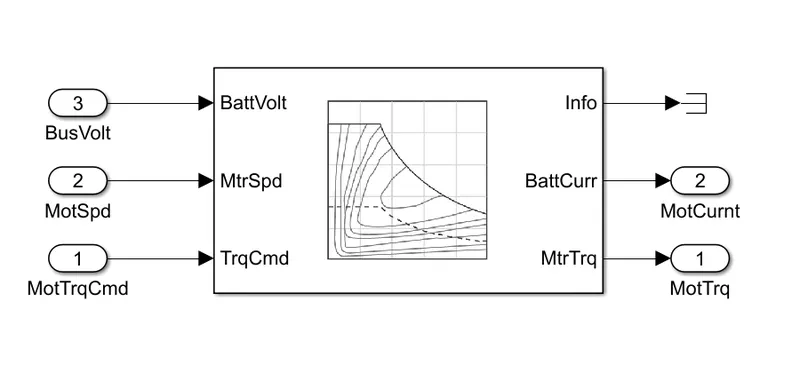
1) Mapped Engine represents macro engine behavious as a set of look up tables( brake torque fuel flow air massflow exhaust temperature efficiency and emissions) as function of commanded load and measured engine speed. Mapped Engine models are suitable for analysis and design activities that do not require engine subsystem dynamic charecteristics for example Engine and Transmission powertrain matching analysis for fuel economy emission and performance trade offs.
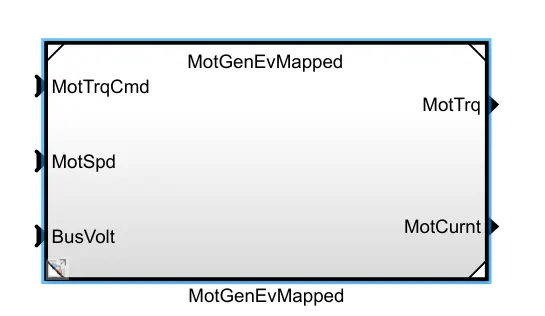
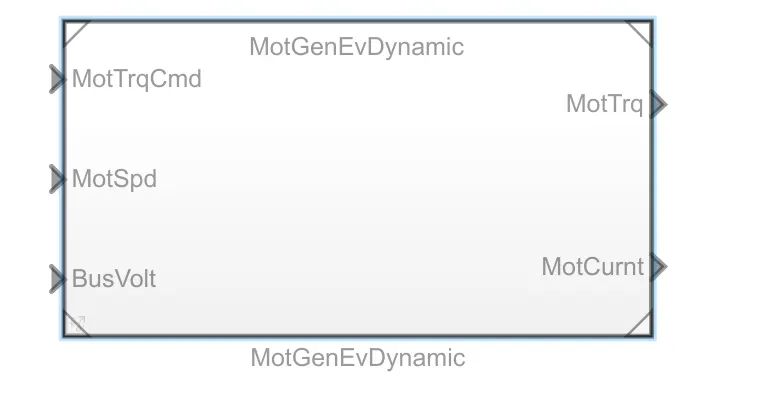
2) Dynamic Engine decompose engine behaviour into individual component models that account for engine dynamics most notably intake airflow and turbo charger dynamics.Dynamics Engine model are suitable for designing control estimator and diagnostic algothims that depends on dynamic subsystems states. for example in closed loop AFR(Air fuel ratio)control algorithm development.
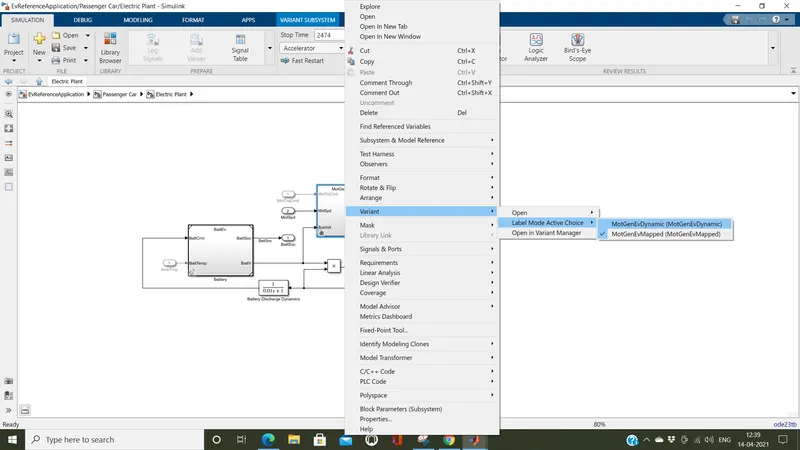
Procedure to Switch between 2 models.
2) How does the model calculate miles per gallon? Which factors are considered to model fuel flow?
Miles per gallon is ussally calculated in IC Engines Vehicles to determine how far a vehicle can travel in one gallon of fuel. In Electric Vehicle it is measured as how much eletrical engergy is used by the battery to travel a certain distance.
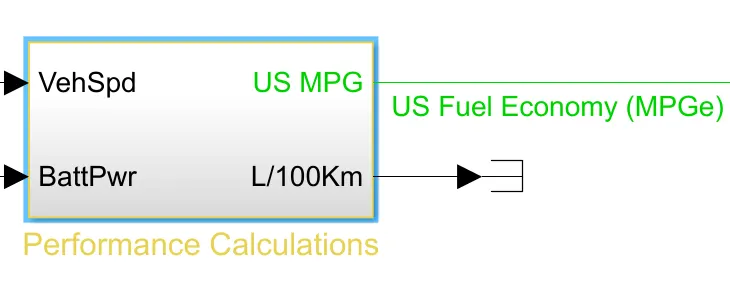
To find out this, Powertain model has a blockset called Performance calculation which can be found in visualisation block and the arrangement inside the performance block is shown below
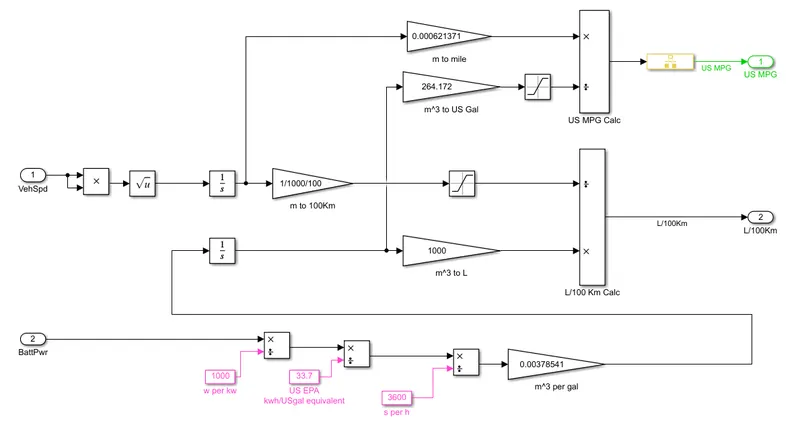
Here vehicle speed and Battery Power is the input.
The vehicle speed is in m/s and is converted in mile by multiplying it with 0.000621371
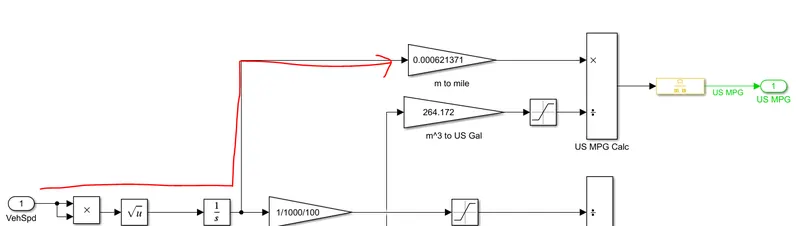
The Battery Power is converted from W to kW and then miles/gallon.

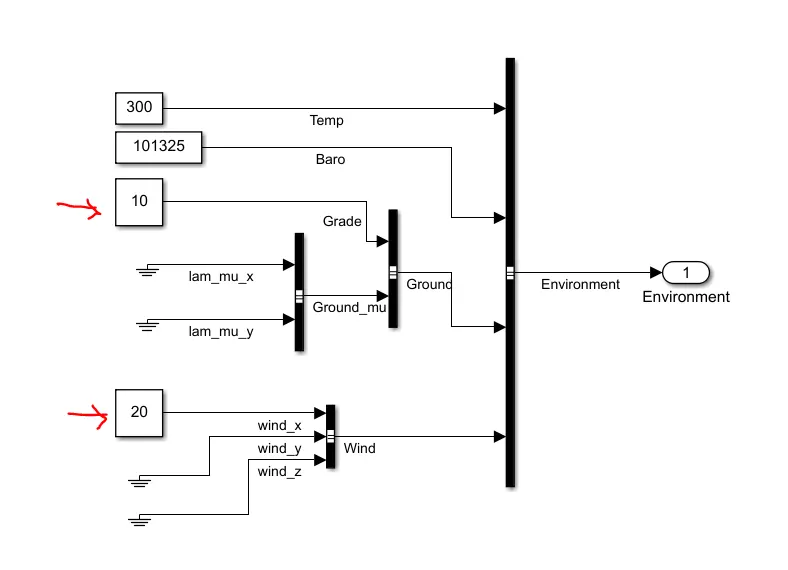
3) Run the HEV ReferenceApplication with WOT drive cycle. Change the grade and wind velocity in the environment block. Comment on the results.
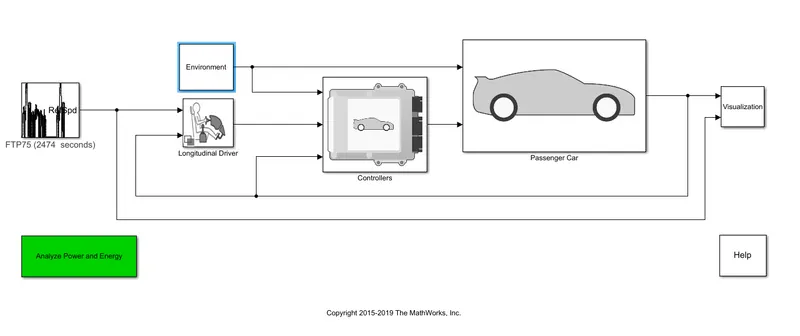
HEV(Hybrid Electric Vehicle) Input Power-Split Reference Application.
Basic arrangement.
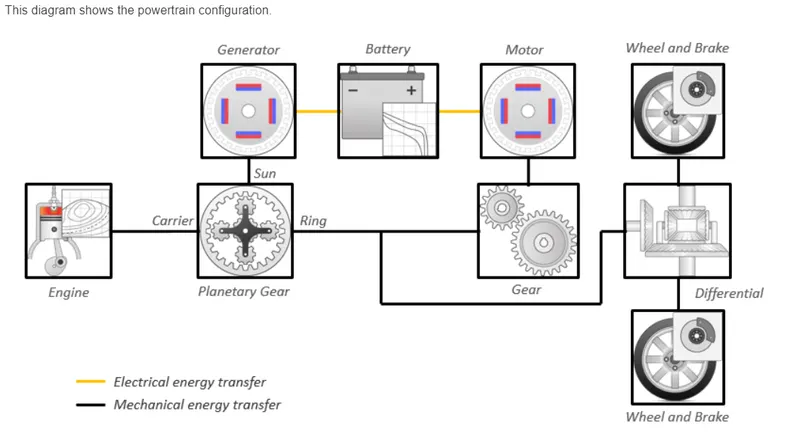
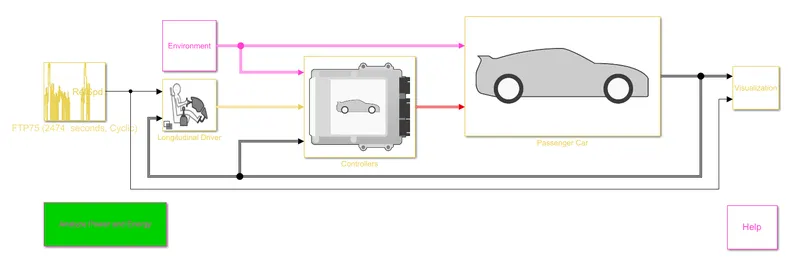
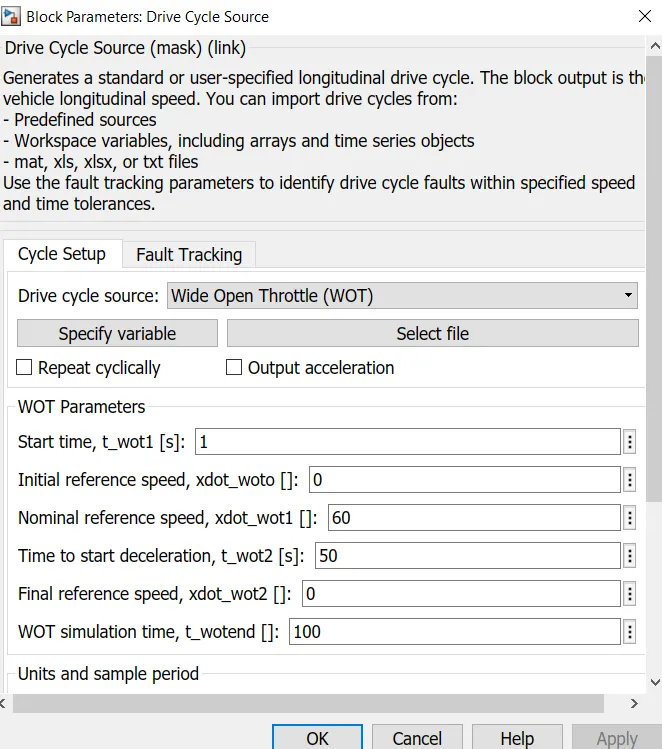
Drive cycle has been changed to WOT (wide open throttle)
Inputs Provided in WOT Drive Cycle
Nominal speed - 60m/s
Deceleration - 50s
Simulation time - 100s
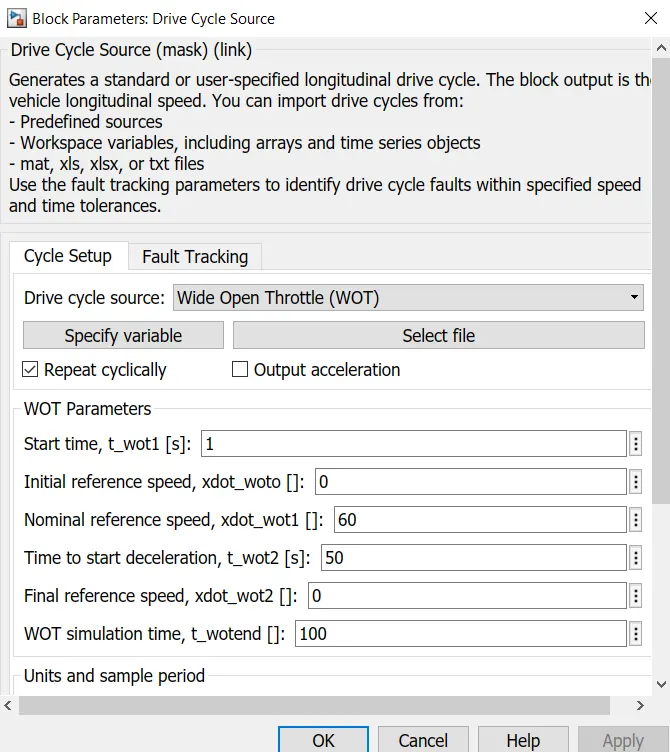
Results with
- Grade - 0degree
- wind velocity - 0m/s
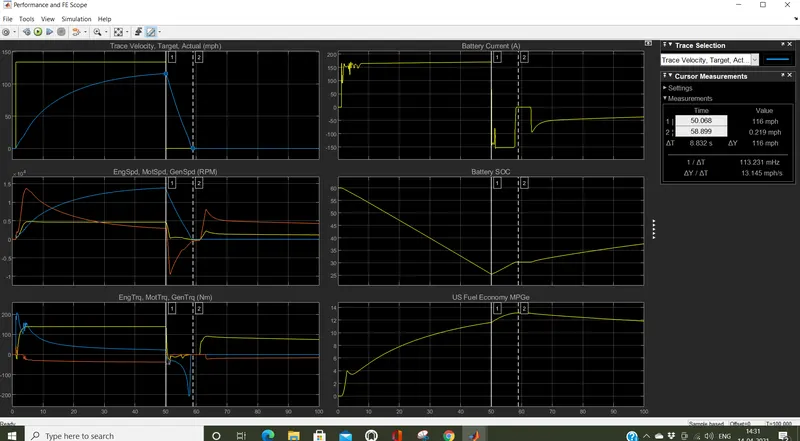
Max speed -114mph
Engine RPM - 13209
Max Torque - 94.7N
Max battery current -143 Amp.
Battery state of charge depleted at acceleration from 60% to 26% and increases slightly due to regenerative bracking from 26% to 37.5%
Fuel Economy - 13
Results with
- Grade - 8degree
- wind velocity - 20m/s
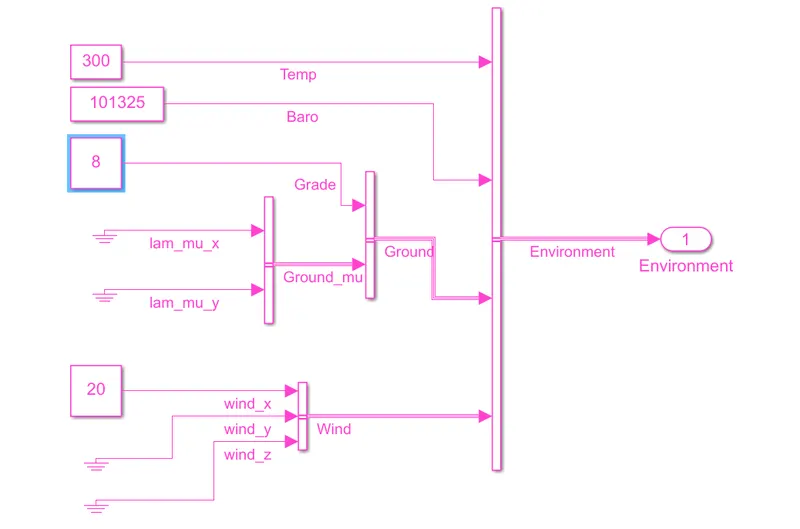
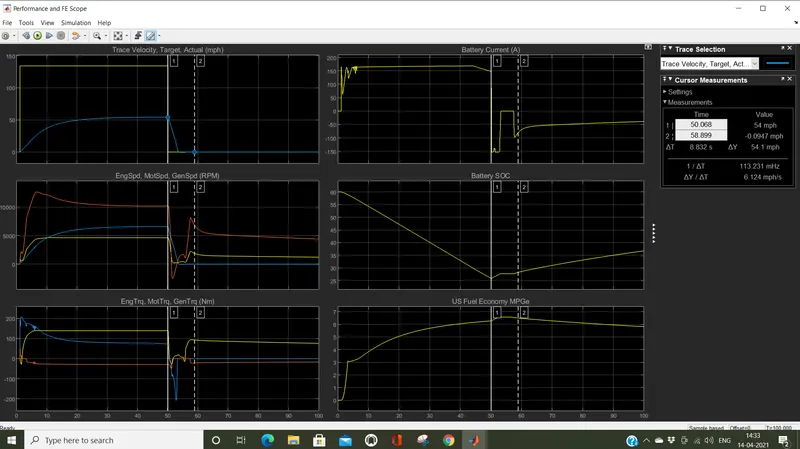
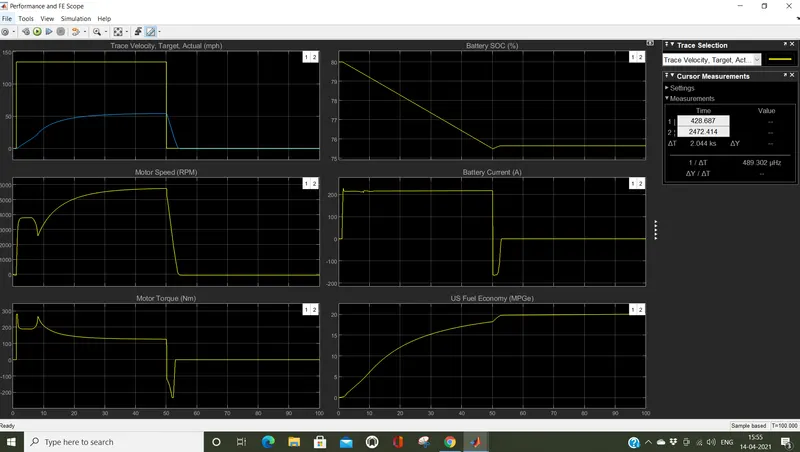
Max speed -54mph
Engine RPM - 6539
Max Torque - 73.2N
Max battery current 148 Amp.
Battery state of charge depleted at acceleration from 60% to 27% and increases slightly due to regenerative bracking from 27% to 36%
Fuel Economy - 6.2
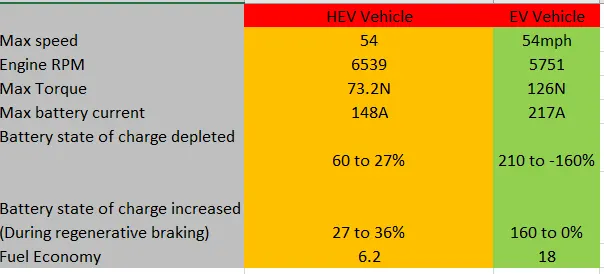
4) Keeping all other parameters same, compare the simulated results of hybrid and pure electric powertrains.
Drive Cycle Changed to WOT