Week 4 Challenge
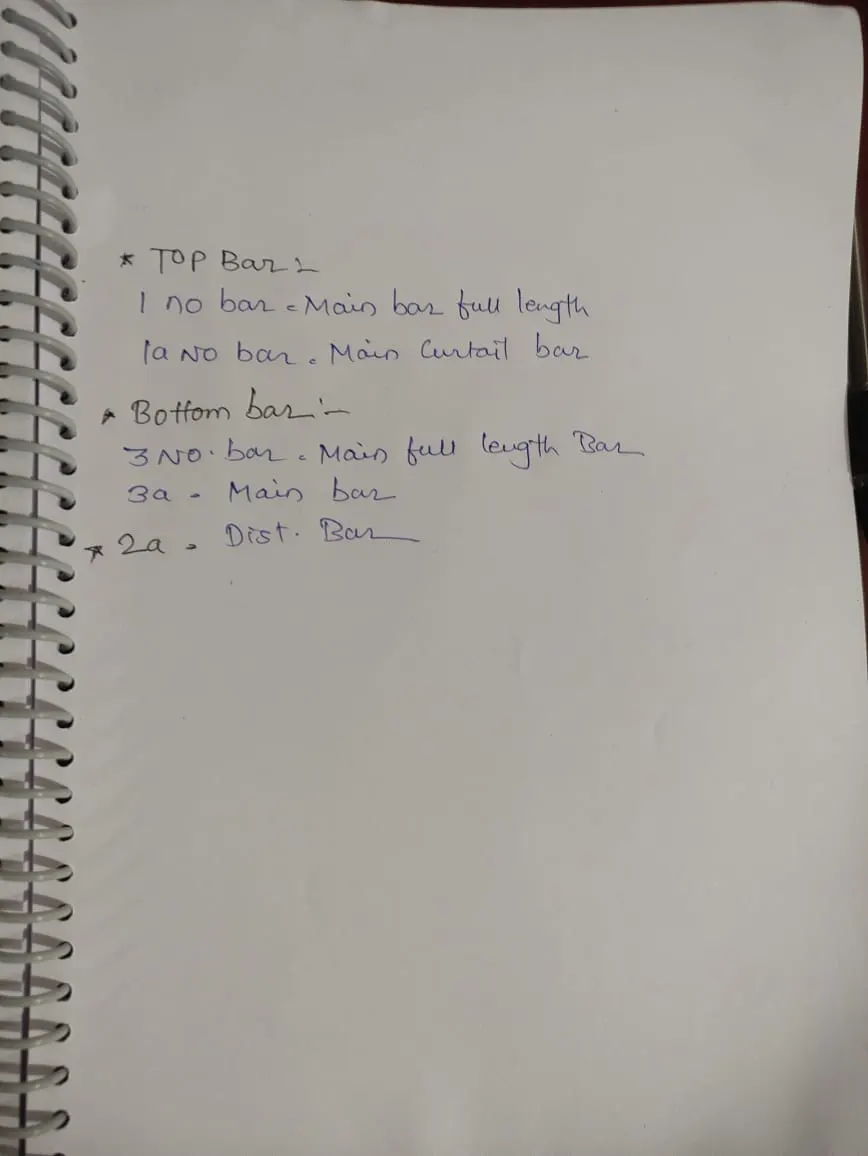
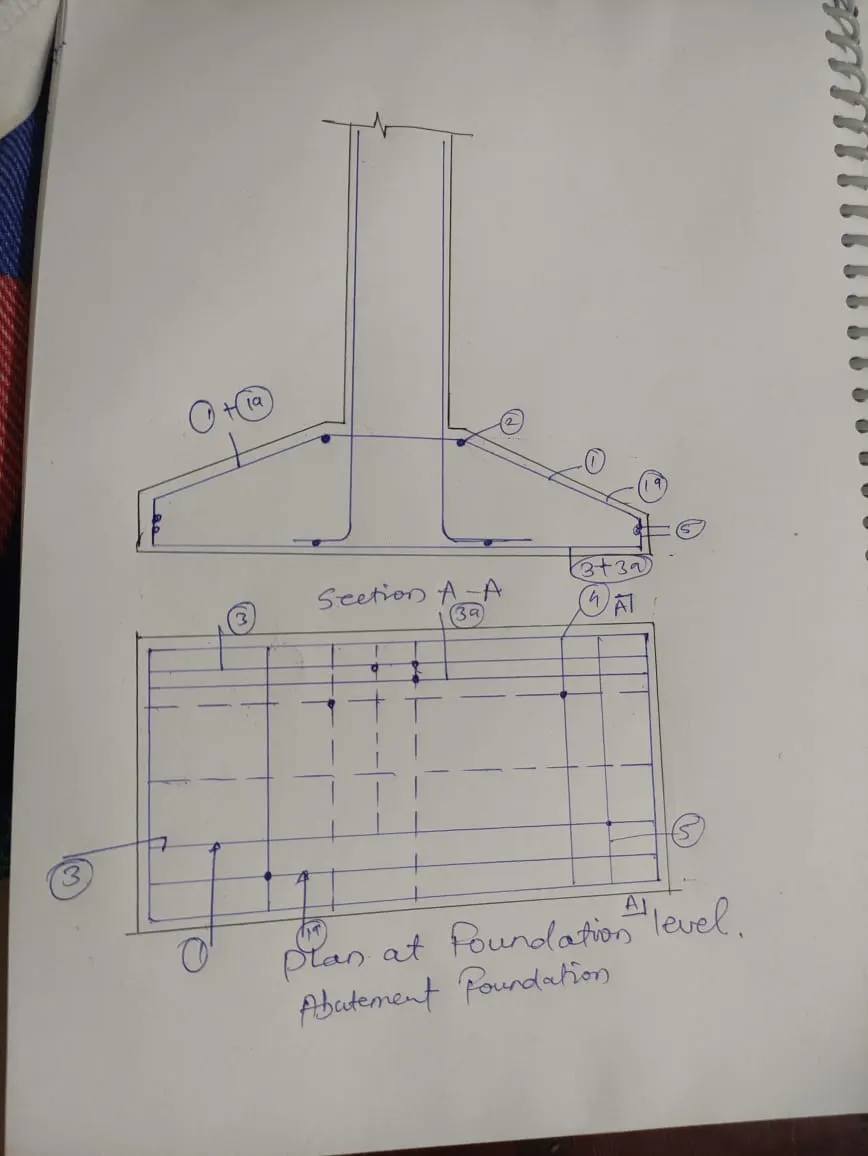
2. Detail the steel in shallow foundation for abutment.
how a shallow foundation in terms of stability,designing,construction different in flyover and in river bridge?
Shallow foundations are used to transfer the loads of structures to the ground close to the surface. When comparing shallow foundations for flyovers (overpasses) and river bridges, there are several differences in terms of stability, design, and construction due to the distinct environmental and loading conditions. Here are the key differences:
### Stability
*Flyover:*
- *Load Distribution:* Typically deals with relatively consistent vehicular loads.
- *Soil Stability:* Generally constructed on urban land with predictable soil conditions.
- *Environmental Factors:* Less influenced by water-related issues such as scour, and erosion.
*River Bridge:*
- *Load Distribution:* Must handle vehicular loads as well as dynamic water loads, including buoyancy and potential ice impact.
- *Soil Stability:* The soil may be less stable due to water saturation, and it can be more prone to settlement and erosion.
- *Environmental Factors:* Subject to additional forces from water flow, potential scouring around piers, and seasonal water level changes.
### Designing
*Flyover:*
- *Foundation Type:* Commonly uses spread footings or mat foundations.
- *Load Consideration:* Design primarily for static loads from the superstructure and dynamic loads from traffic.
- *Geotechnical Surveys:* Typically involves standard soil testing and evaluation of bearing capacity.
- *Depth:* The depth of shallow foundations is relatively shallow as the soil conditions are more predictable and stable.
*River Bridge:*
- *Foundation Type:* Spread footings may still be used but often require more robust designs to handle additional forces from water. Sometimes combined with deep foundation elements like piles if shallow foundations alone are insufficient.
- *Load Consideration:* In addition to static and dynamic loads from traffic, designs must consider hydrodynamic forces, buoyancy, scour potential, and seasonal variations.
- *Geotechnical Surveys:* Extensive soil and subsoil investigations are needed, including underwater soil analysis.
- *Depth:* Shallow foundations may need to be deeper than those for flyovers to reach stable soil strata below potential scour depth.
### Construction
*Flyover:*
- *Site Preparation:* Involves standard excavation and grading.
- *Foundation Construction:* Pouring of concrete footings or mats on prepared ground.
- *Access and Logistics:* Easier access for machinery and materials in urban or semi-urban settings.
*River Bridge:*
- *Site Preparation:* More complex, often requiring cofferdams, dewatering, or construction in challenging water environments.
- *Foundation Construction:* May involve construction of footings underwater, requiring specialized techniques and equipment.
- *Access and Logistics:* More challenging due to the water environment, requiring barges, cranes, and sometimes temporary trestles.
### Summary
- *Stability:* River bridges face additional challenges due to water forces and less stable soils.
- *Designing:* More complex for river bridges due to the need to accommodate hydrodynamic forces and potential scour.
- *Construction:* More technically challenging for river bridges due to the underwater environment and need for specialized construction methods.
Overall, while both flyovers and river bridges may use shallow foundations, the specific requirements and challenges differ significantly due to their distinct environments and loading conditions.