Week 3 Verification of Weld Joints
Verification of Weld Joints
AIM:
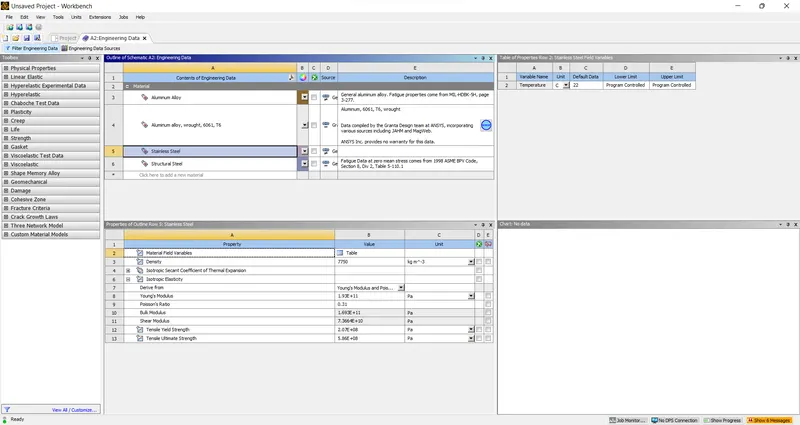
Case 1. Stainless Steel: In this case, the material of the plates must also be the same. Use Stainless steel for both weldments and plates. No need to add flux to the weldments.
PROCESS:
- Download the model and import into geometry in ansys workbench
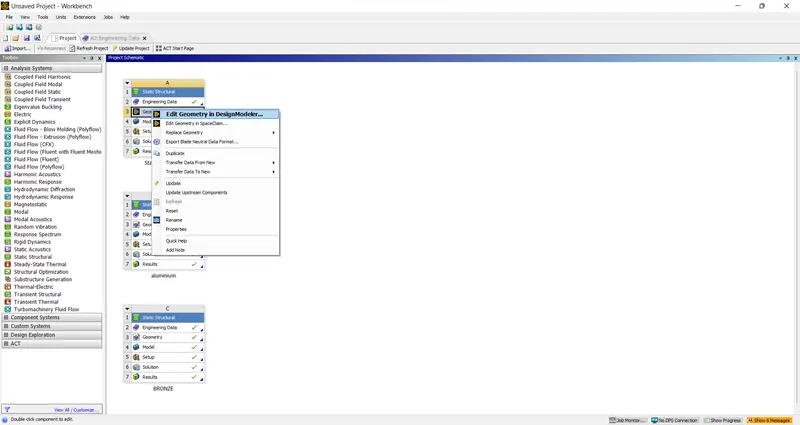
- Add the material in Engineering data which is given
- Open geometry and check if any issues
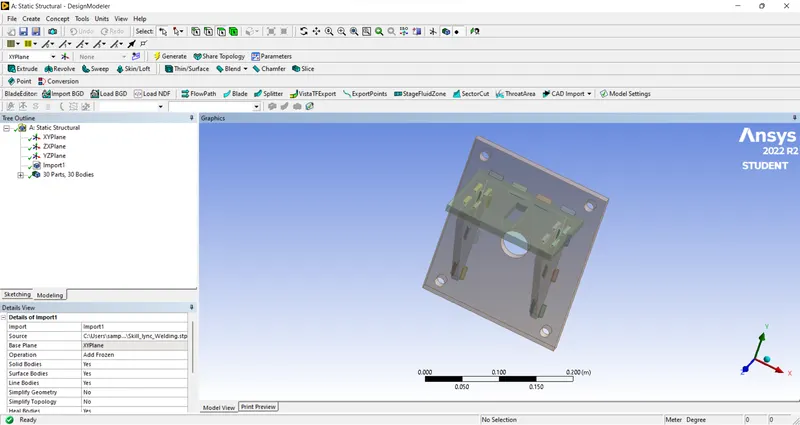
- Update the model and open
- In the geometry select all and in materials selection select stainless steel
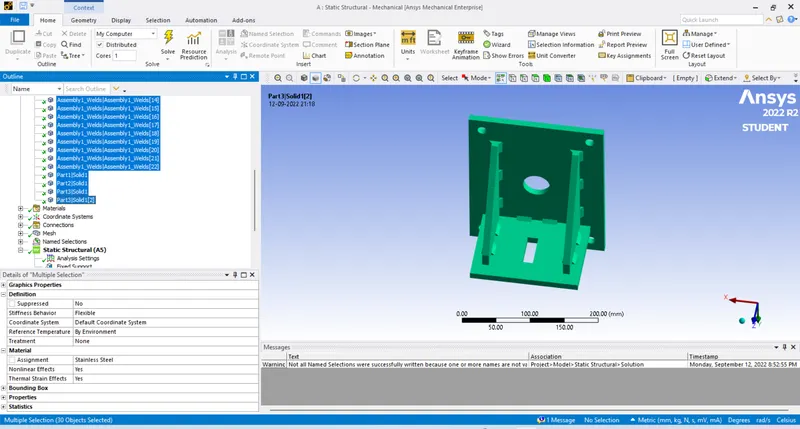
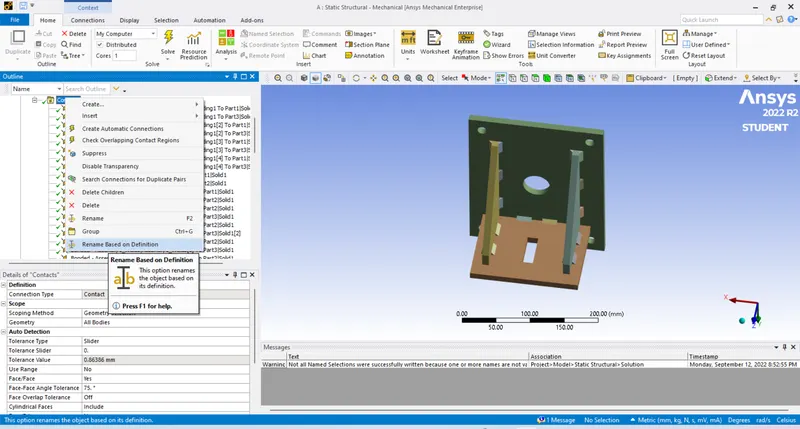
- In connection contact kepp it based on defination
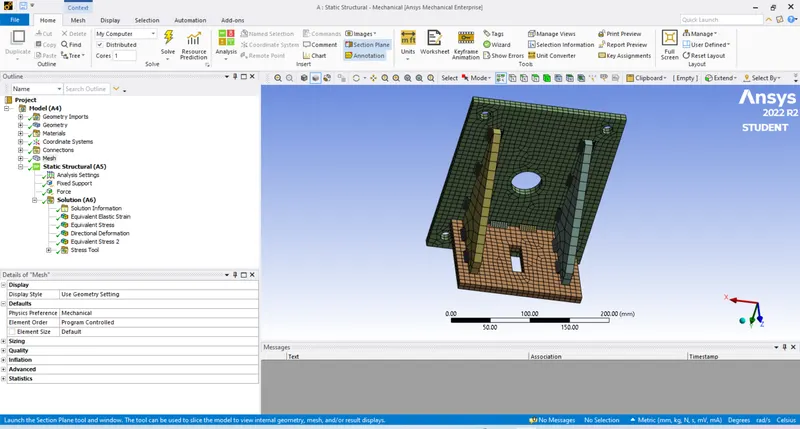
- Check got the mesh quality
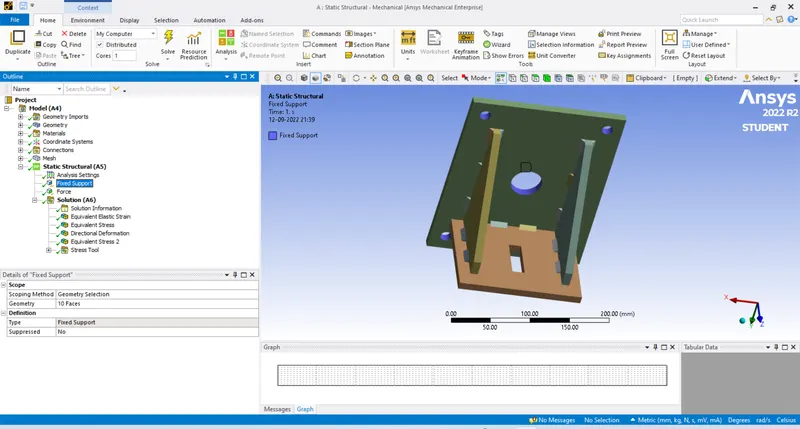
- In static structure fix the holes of the plate as required
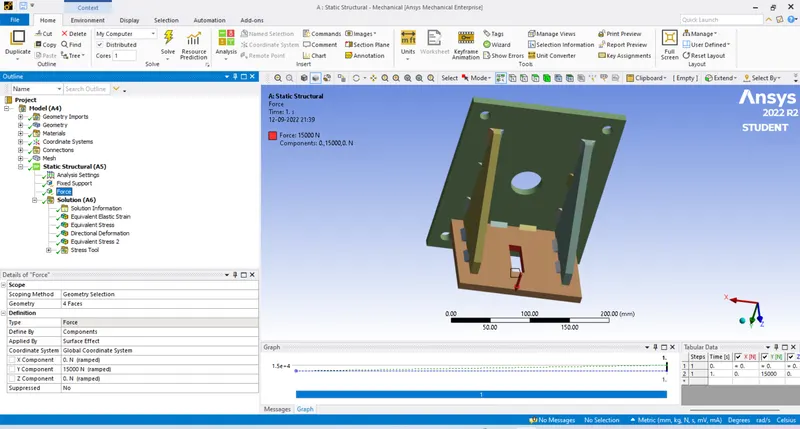
- Put the force on the other location
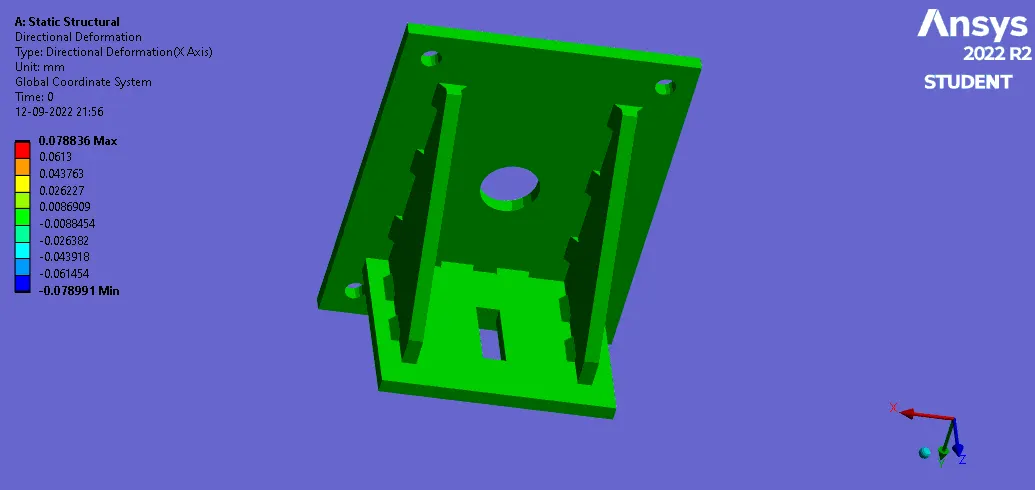
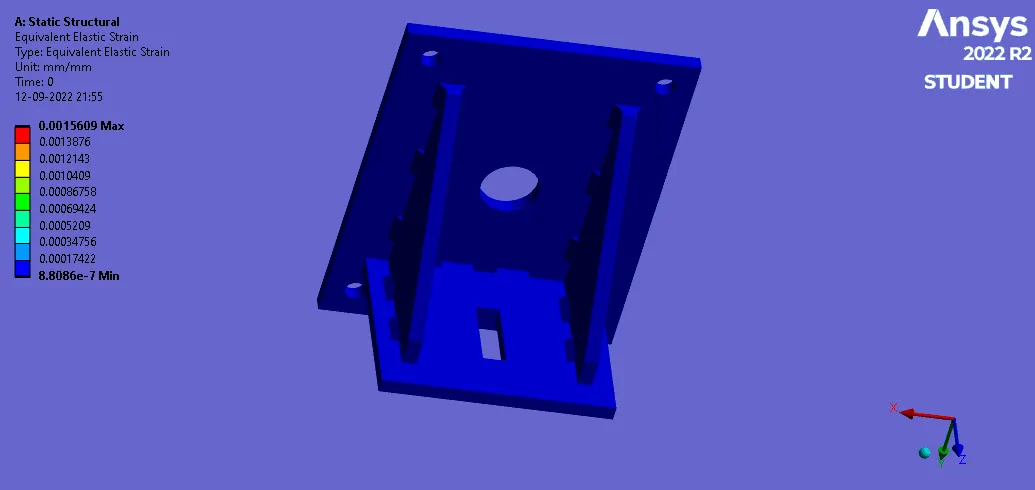
- In solution add the given Directional Deformation and equivalent strain experienced by the setup
Directional Deformation
equivalent strain
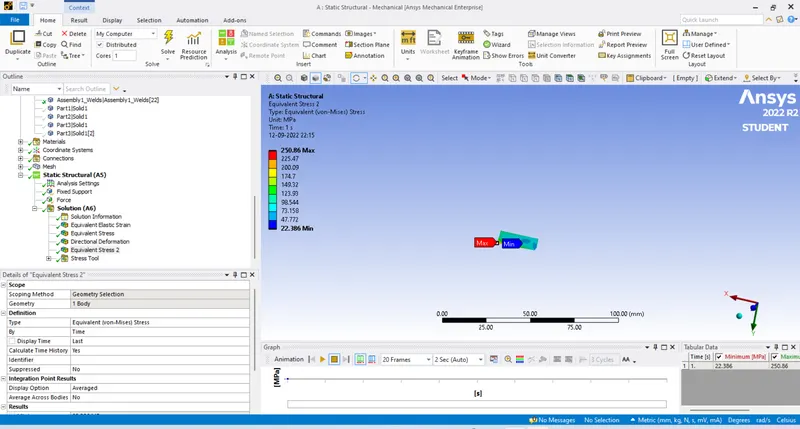
- Highest & lowest stress in model
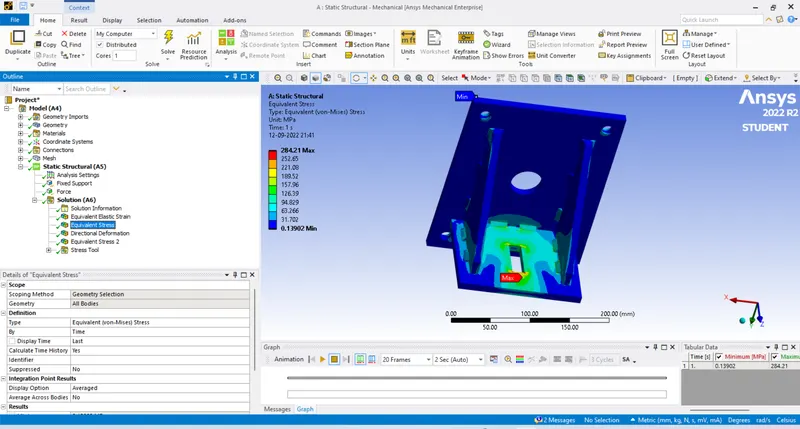
- Identify the weld joint that experiences the highest equivalent stress
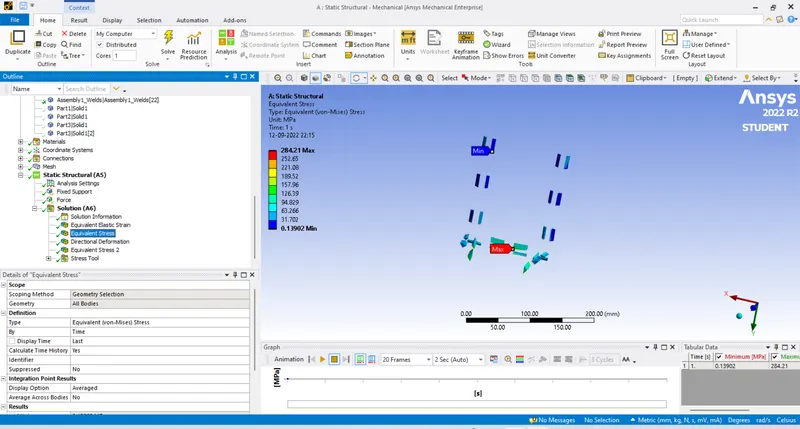
To check value select that weld in stress
Case 2. Aluminium Alloy:The material to be chosen for this case is Aluminium alloy(high strength, wrought). [Plate material to be used is stainless steel]
- FOR OTHER TWO CASES JUST DUPLICATE IT AND ADD THE MATERIAL IN ENGINEERING DATA
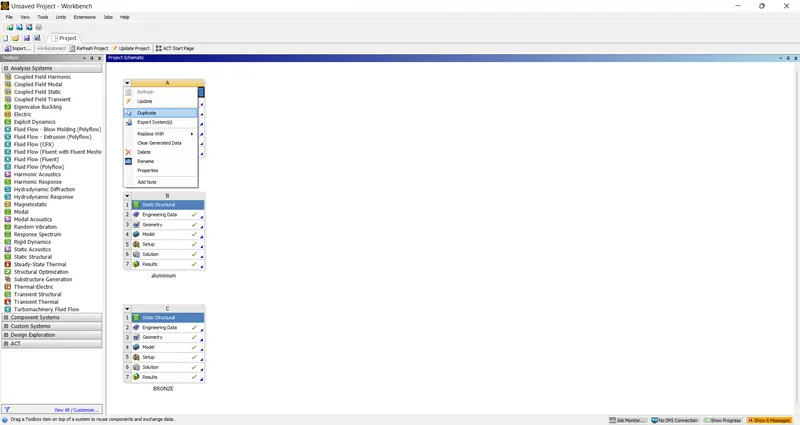
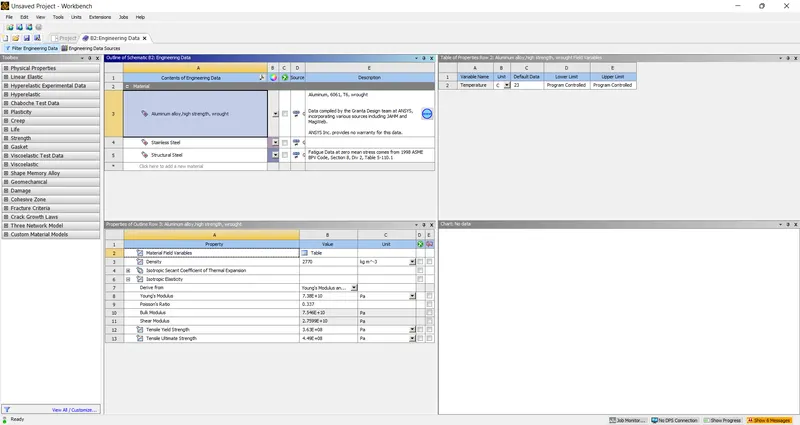
- UPDATE THE MODEL & OPEN IT
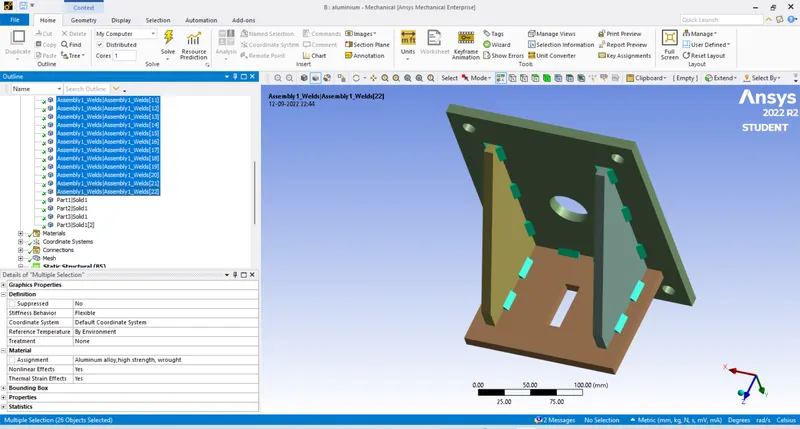
- IN GEOMETRY SELECT THE MATERIAL AS GIVEN IN CASE TWO CLEAR THE DATA AND ANALYSIS THE SOLUTION
-
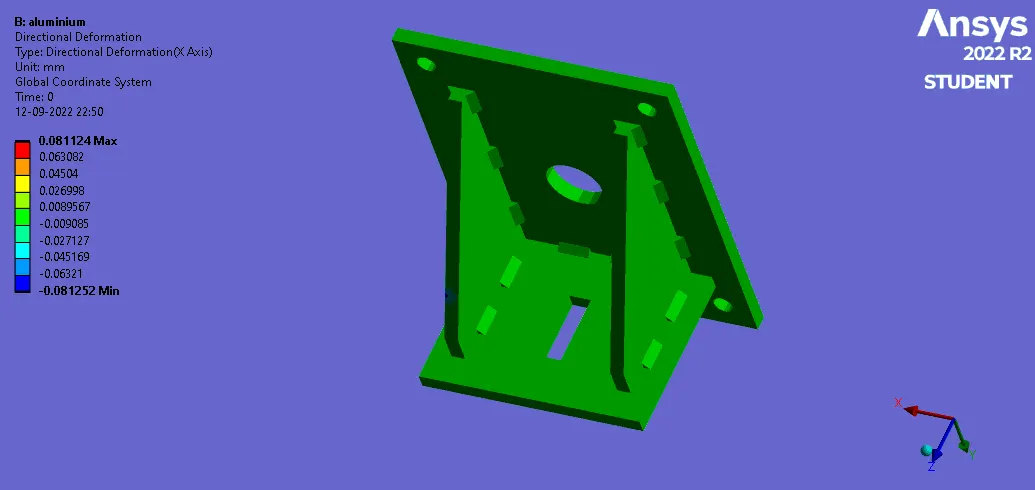
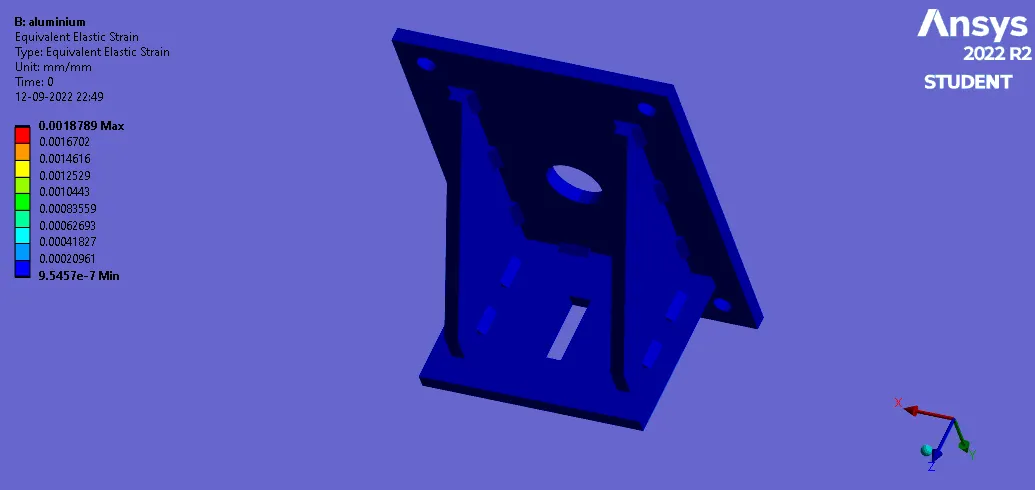
- In solution add the given Directional Deformation and equivalent strain experienced by the setup
Directional Deformation
-
equivalent strain
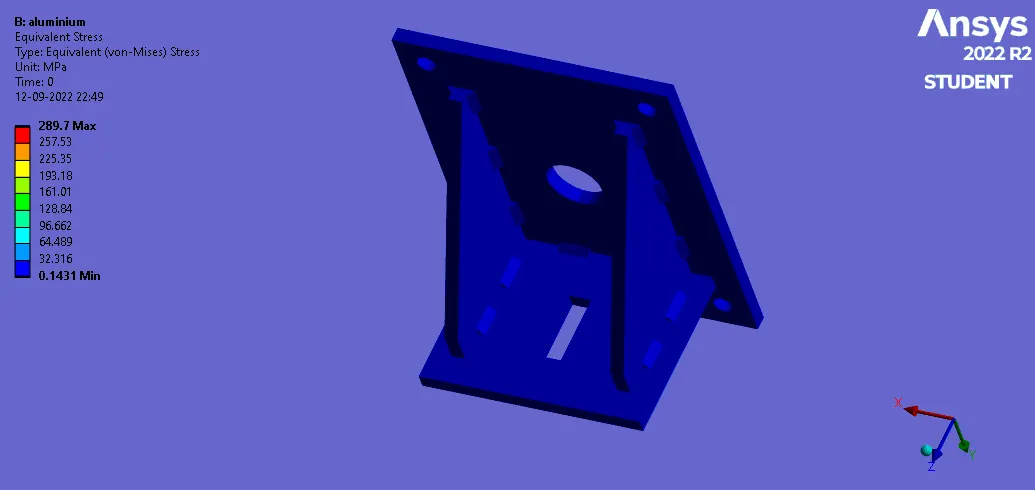
- Highest & lowest stress in model
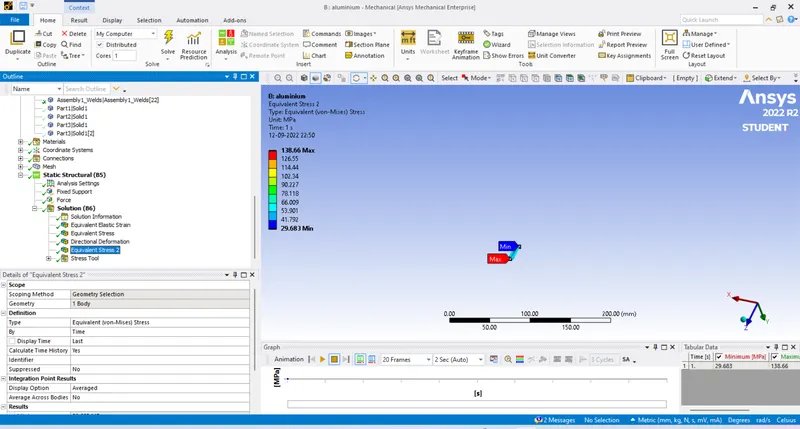
- Identify the weld joint that experiences the highest equivalent stress
- To check value select that weld in stress
Case 3.Bronze: In order to simulate "Brazing", you should be using bronze as the weld material. Assign Stainless Steel to both plates and Copper to the "Ribs".
- FOR OTHER TWO CASES JUST DUPLICATE IT AND ADD THE MATERIAL IN ENGINEERING DATA
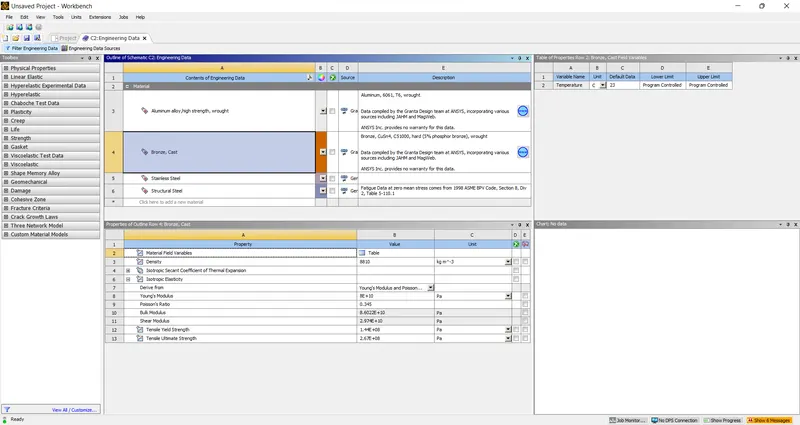
- UPDATE THE MODEL & OPEN IT
- IN GEOMETRY SELECT THE MATERIAL AS GIVEN IN CASE TWO CLEAR THE DATA AND ANALYSIS THE SOLUTION
- In solution add the given Directional Deformation and equivalent strain experienced by the setup
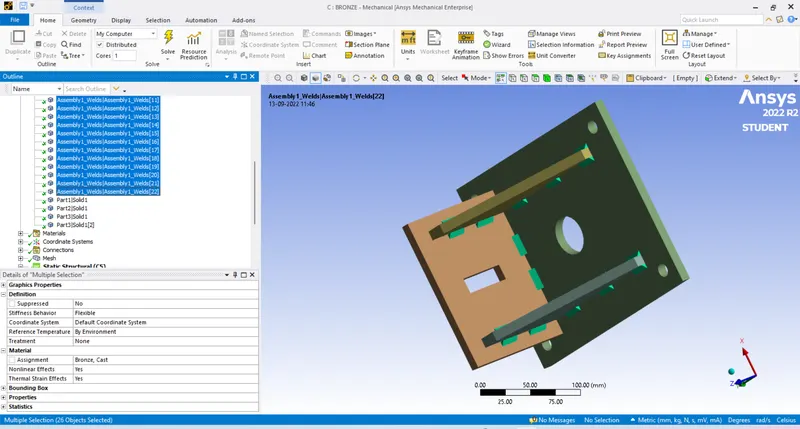
-
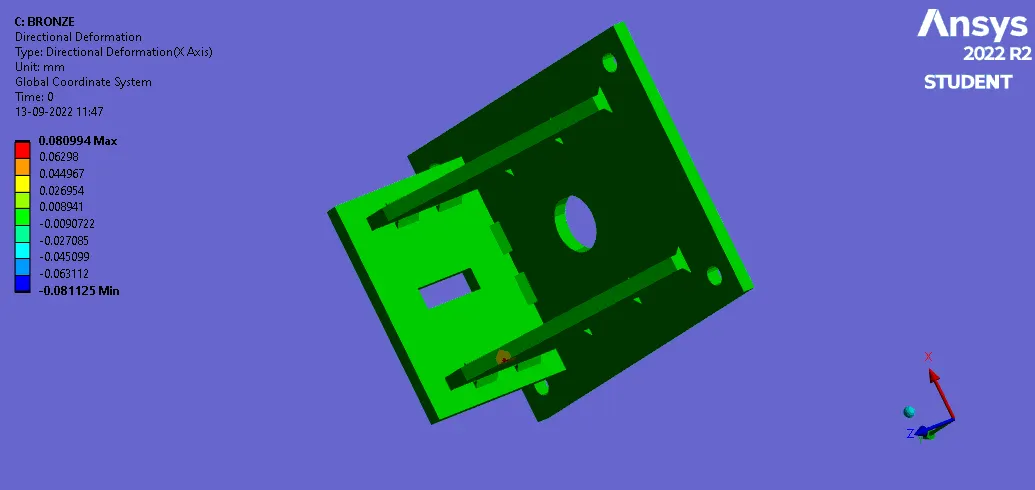
Directional Deformation
-
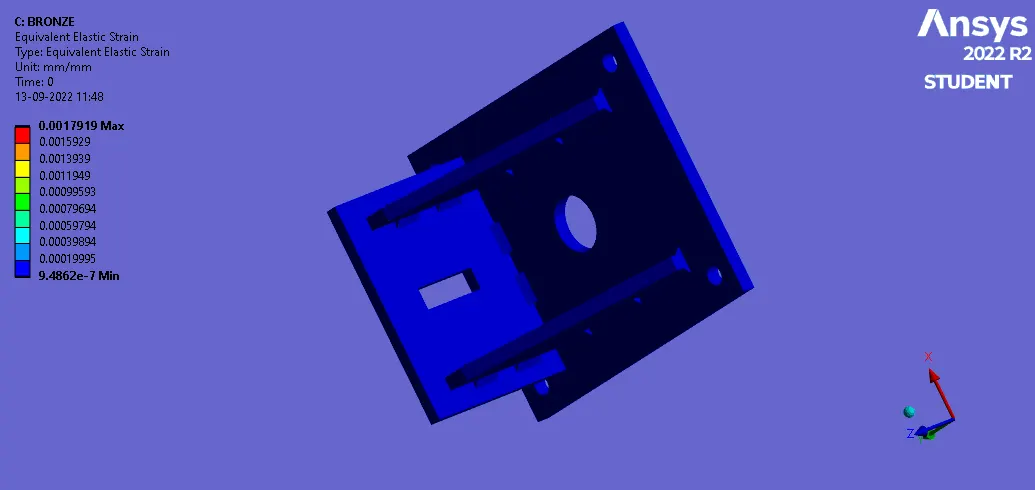
equivalent strain
- Highest & lowest stress in model
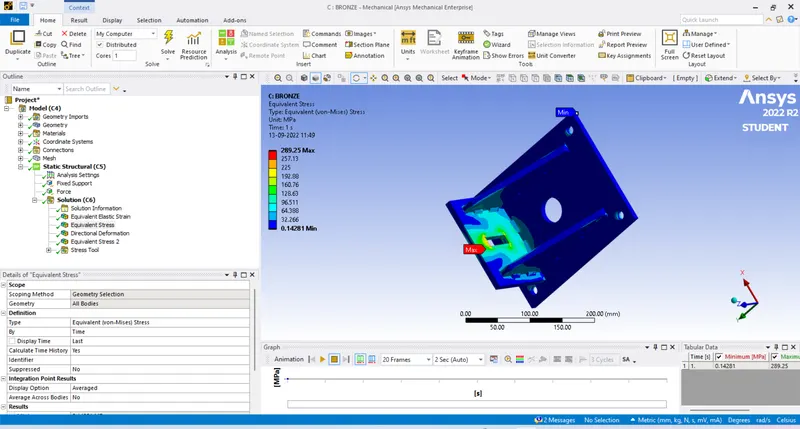
- Identify the weld joint that experiences the highest equivalent stress
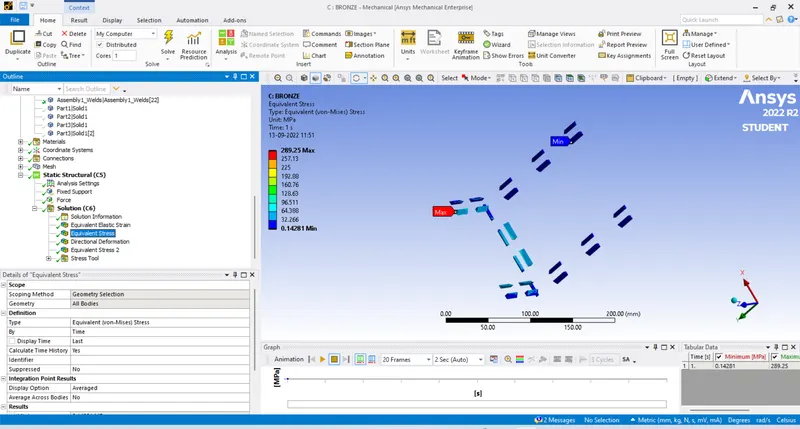
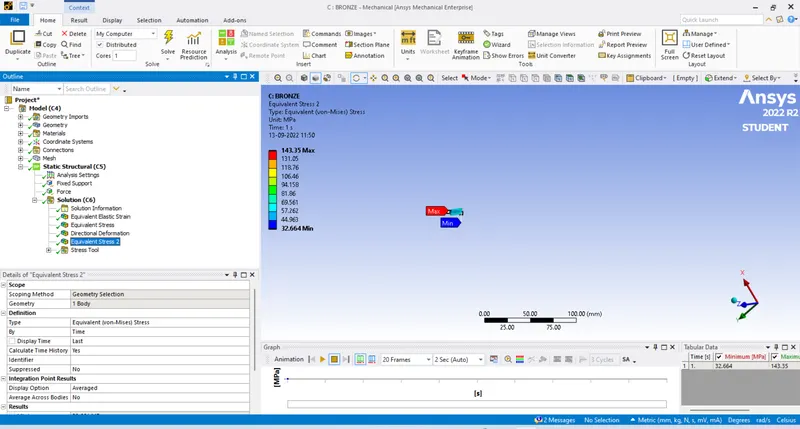
- To check value select that weld in stress
compare the results for all three cases
|
Directional Deformation |
equivalent strain | weld joint that experiences the highest equivalent stress | |
| Case 1. Stainless Steel | 0.078836mm | 0.0015609 | 250.86MPa |
| Case 2. Aluminium Alloy | 0.081124mm | 0.0018789 | 138.66MPa |
| Case 3.Bronze | 0.080994mm | 0.0017919 | 143.35MPa |
By the observation of all three cases we can say that :
- The Stainless Steel has a Directional Deformation of 0.078836mm which is less than Bronze & Aluminium Alloy
- The equivalent strain has a least value of 0.0015609 which is of stainless steel
- The Aluminium Alloy has weld joint that experiences the lowest equivalent stress as compared to Bronze & Stainless Steel
So, we can conclude that
If you are going with a safety weld with Aluminium Alloy as it has lowest equivalent stress as compared to Bronze & Stainless Steel
If you are going with economy Bronze weld would be prefered and least preference to Stainless Steel as it has weld joint that experiences the highest equivalent stress