Week 3 - External flow simulation over an Ahmed body.
Objective:-
1. Describe Ahmed's body and its importance.
2. Explain the reason for the negative pressure in the wake region.
3. Explain the significance of the point of separation.
Ahmed body:-
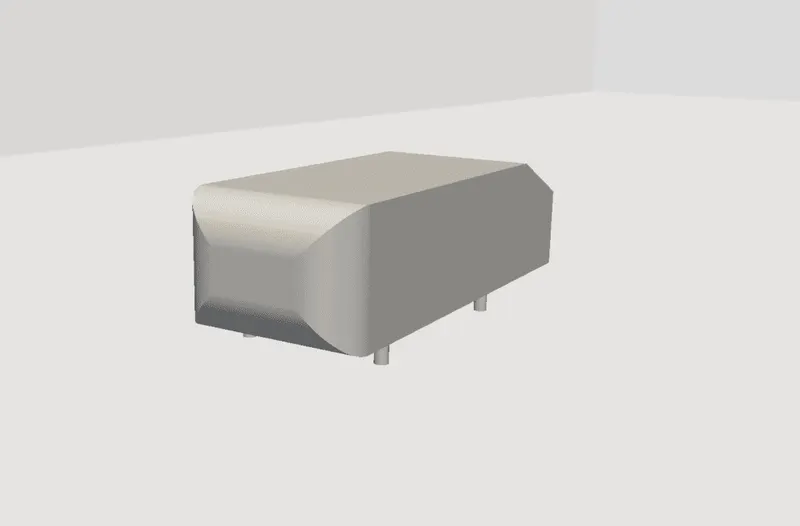
The Ahmed body is a general car body (a basic vehicle model). The airflow around the Ahmed body captures the essential flow features around an automobile and was first defined and characterized in the experimental work of Ahmed. The Ahmed Body was first created by S.R. Ahmed in his research “Some Salient Features of the Time-Averaged Ground Vehicle Wake” in 1984. Since then, it has become a benchmark for aerodynamic simulation tools. The simple geometrical shape has a length of 1.044 meters, height of 0.288 meters, and a width of 0.389 meters. It also has 0.5-meter cylindrical legs attached to the bottom of the body and the rear surface has a slant that falls off at 40 degrees.
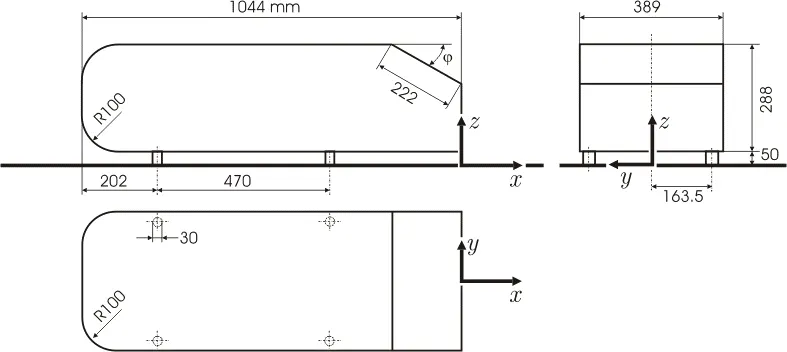
Though it has a very simple shape, Ahmed body allows us to capture characteristic features that are relevant to bodies in the automobile industry.
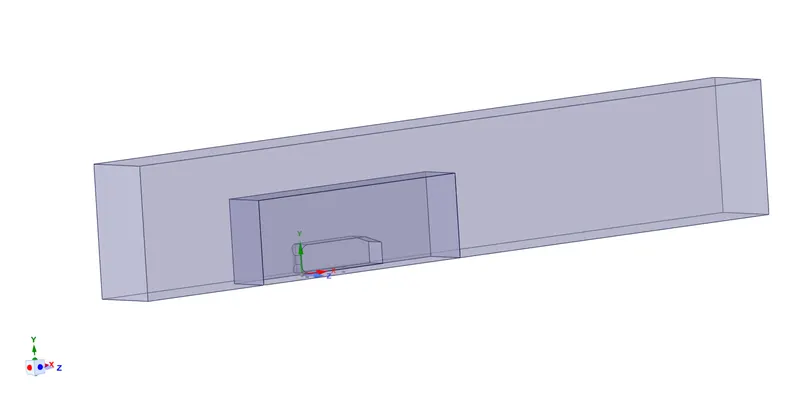
Ahmed Body Enclosure:-
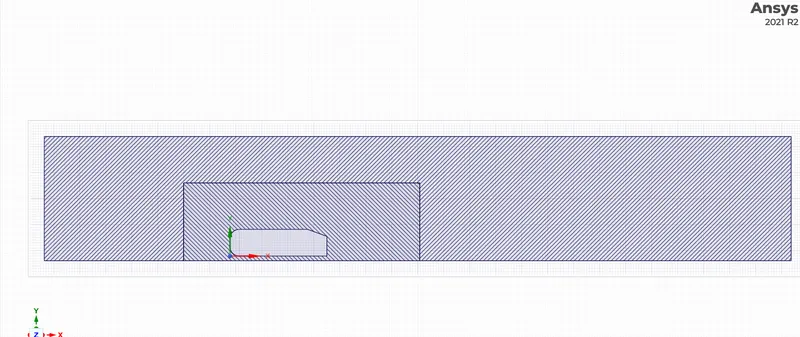
Checking Interference between two enclosure :-
Calculating first cell thickness from Y+ factor:-
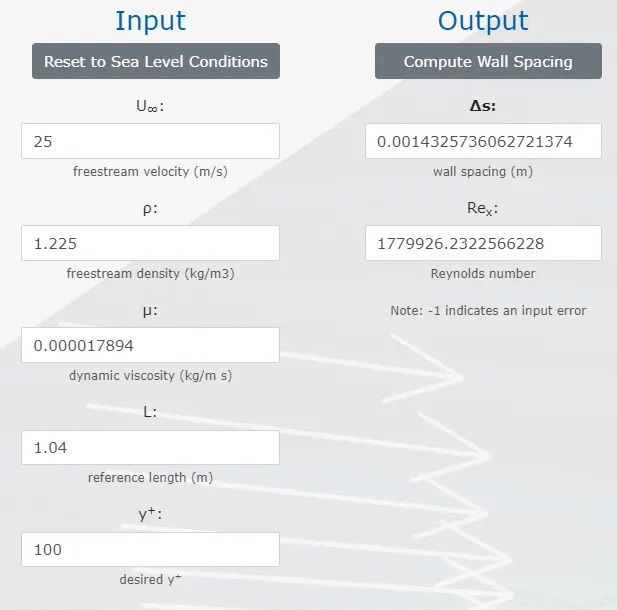
Calculating total thickness:-
Total thickness = Y*(1.2^(No.of Layers-1))
Total thickness=0.014326*(1.2^7)= 0.005133265mm
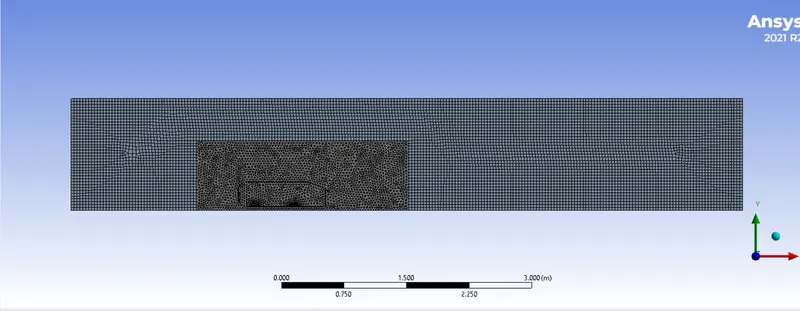
Case 1: -
Mesh Details:-
Outer enclosure :- 35mm
Inner enclosure :- 30mm
Ahmed body:- 5mm
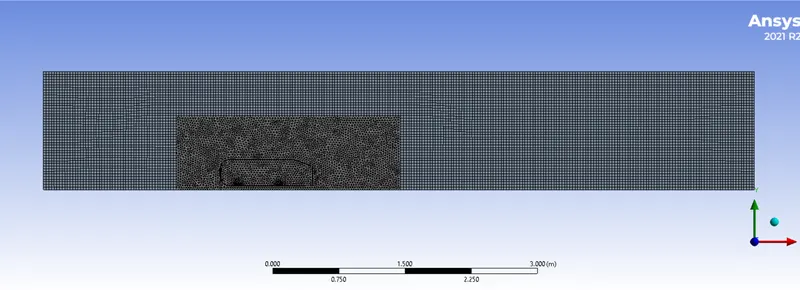
Case 2: -
Mesh Details:-
Outer enclosure :- 30mm
Inner enclosure :- 25mm
Ahmed body:- 5mm
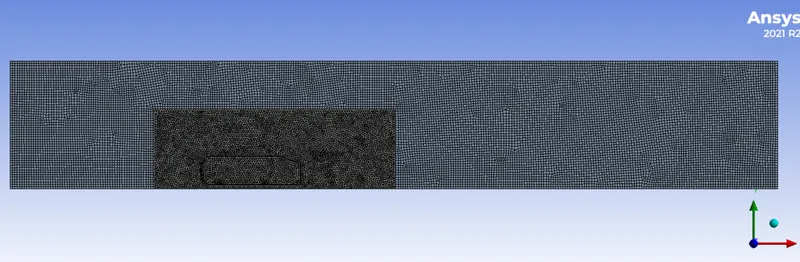
Case 3: -
Mesh Details:-
Outer enclosure :- 25mm
Inner enclosure :- 20mm
Ahmed body:- 5mm
Solver Setup: -
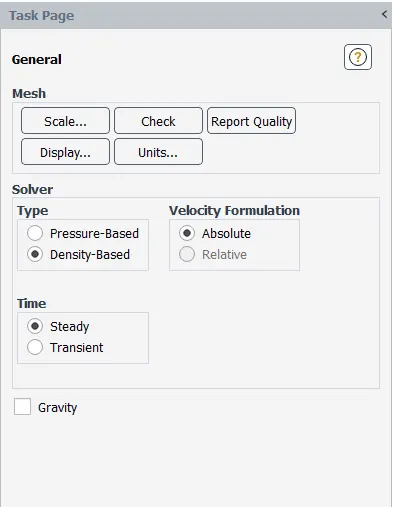
Solver Type :-
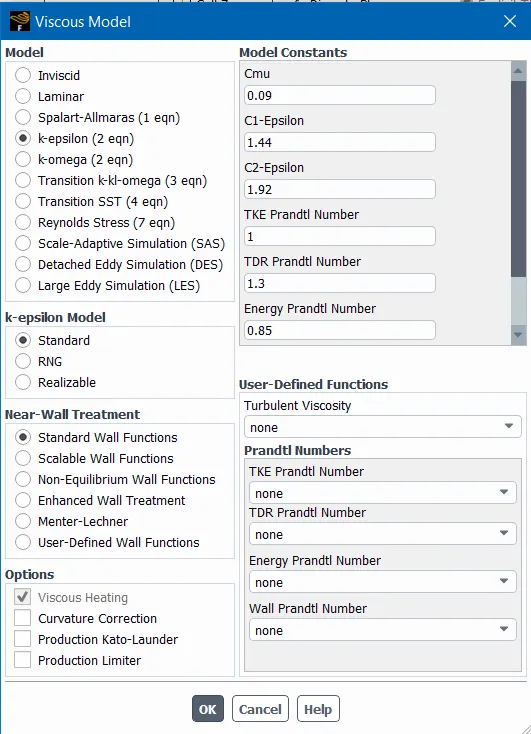
Viscuous Model :-
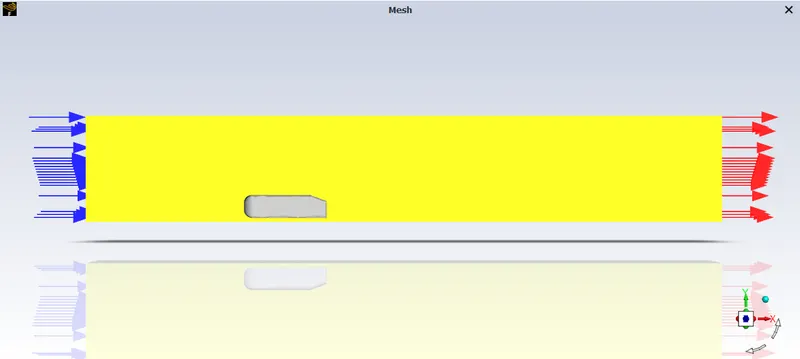
Boundary Conditions:-
Inlet :-
Velocity = 25m/s
Tepmrature = 300 K
Outlet:-
Pressure Outlet.
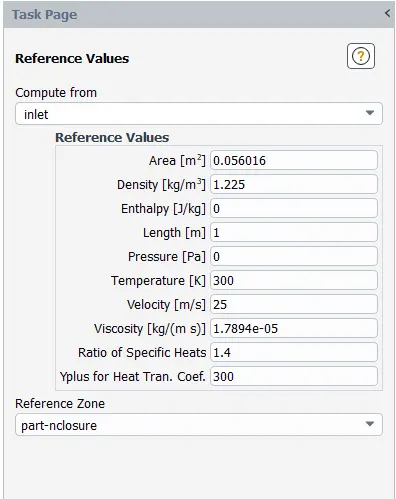
Refrence Values: -
Output Results: -
Case 1 :-
Residuals:-
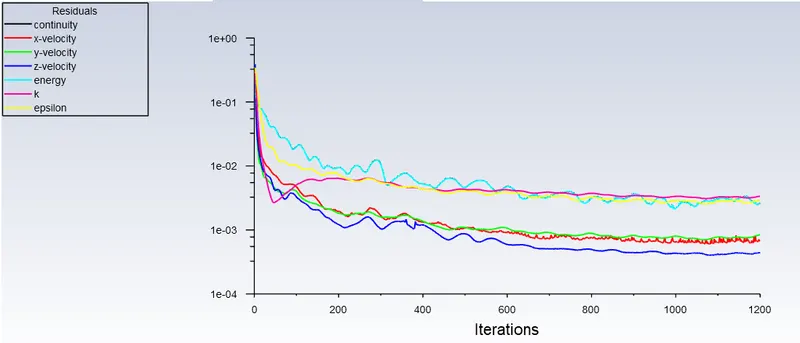
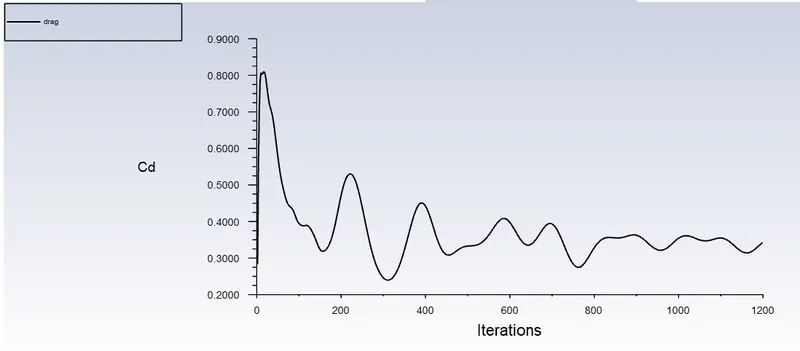
coefficient of Drag:-
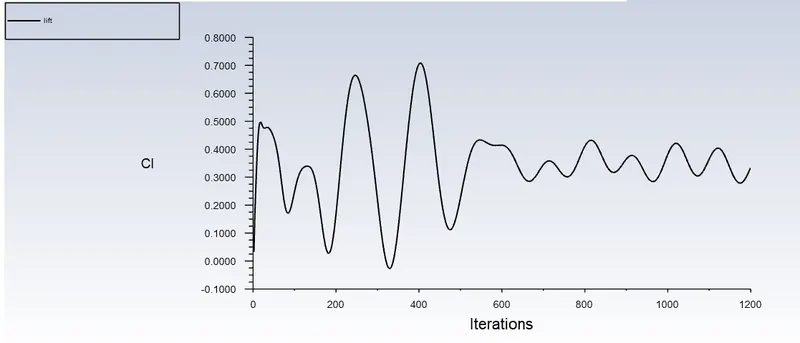
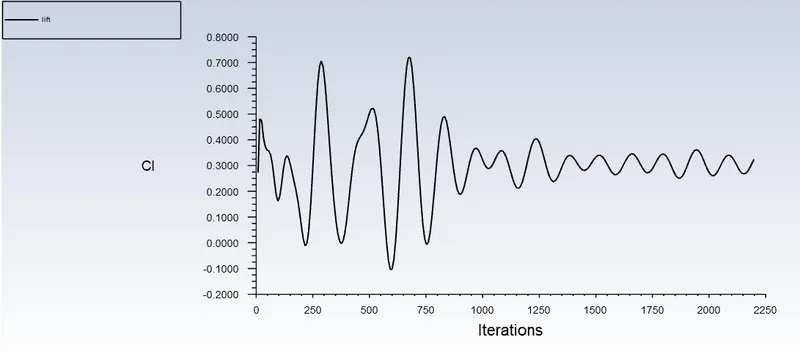
coefficient of Lift:-
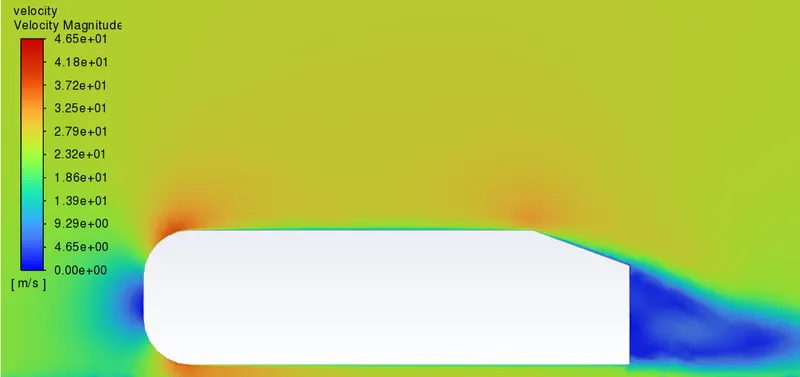
Velocity Contour:-
Velocity Vector plot:-
Case 2 :-
Residuals:-
coefficient of Drag:-
coefficient of Lift:-
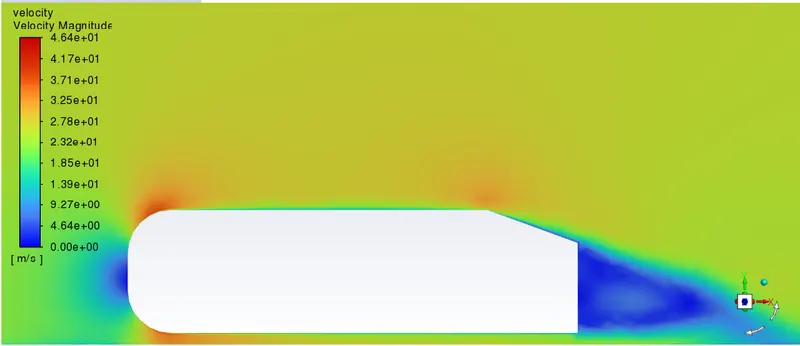
Velocity Contour:-
Velocity Vector plot:-
Case 3 :-
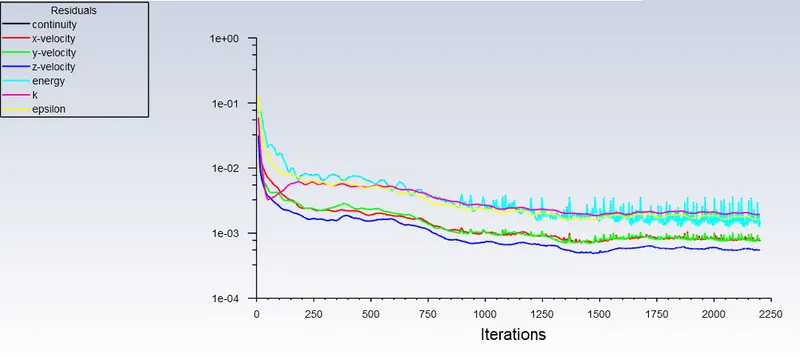
Residuals:-
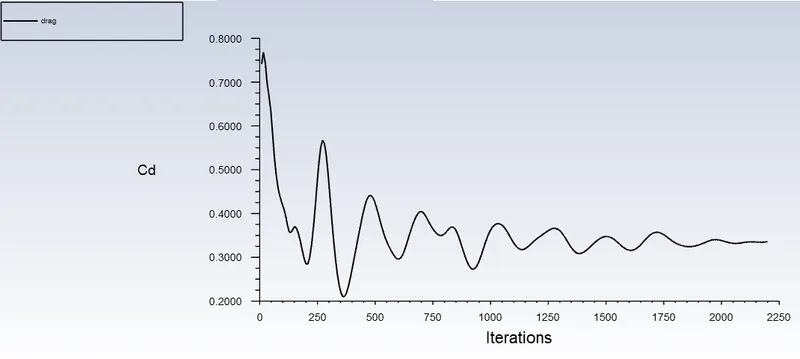
coefficient of Drag:-
coefficient of Lift:-
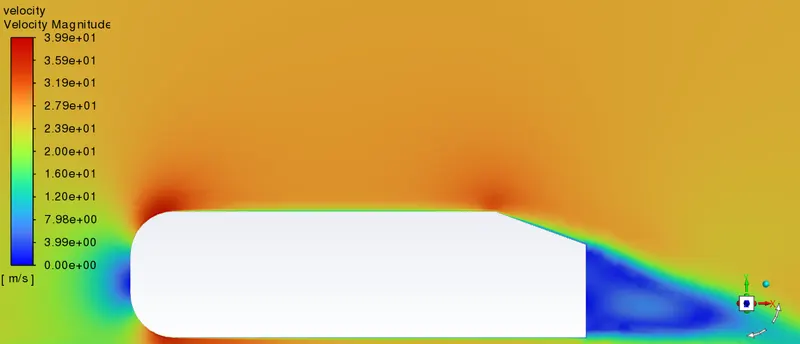
Velocity Contour:-
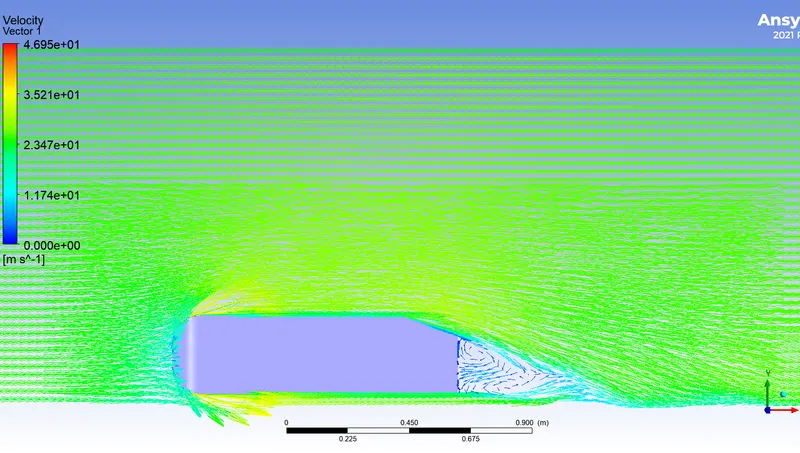
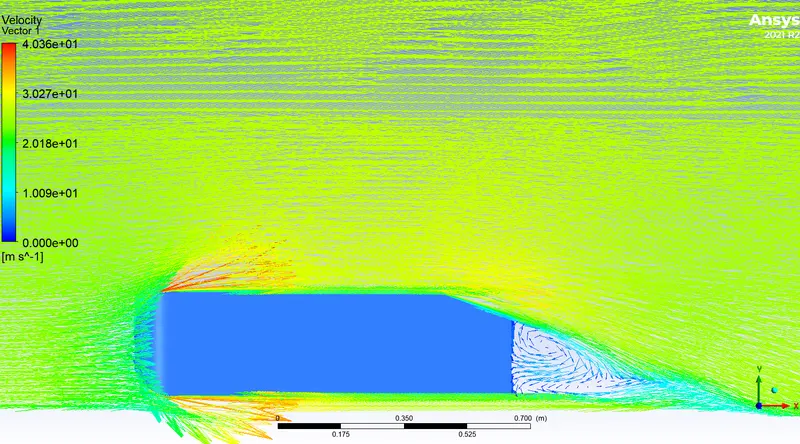
Velocity Vector plot:-
Grid Independancy Test: -
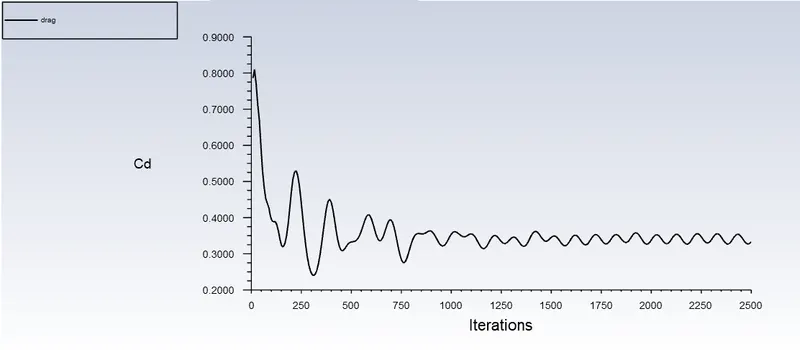
| Outer enclosure | Inner enclosure | Ahmed body | Y+ | No. of Layers | Total thickness | cd | % Error |
| 35mm | 30mm | 5mm | 100 | 8 | 5.133mm |
0.3652 |
9.85 |
| 30mm | 25mm | 5mm | 150 | 10 | 11.08mm |
0.3427 |
3.84 |
| 25mm | 20mm | 5mm | 200 | 12 | 21.29mm |
0.3348 |
1.46 |
Wake Region: -
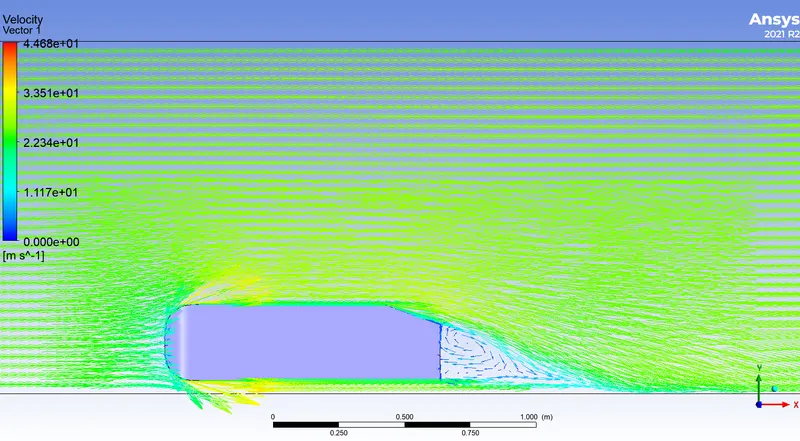
When the air moving over the vehicle is separated at the rear end, it leaves a large low pressure turbulent region behind the vehicle known as the wake. The flow inside the boundary layer gets detached because of the adverse pressure gradient. This adverse pressure then creates a difference in pressure ahead of the body and behind the body. The region of recirculating flow behind a moving or stationary blunt body, caused by viscosity, which may be accompanied by flow separation and turbulence flow, or the wave pattern on the water surface downstream of an object in a flow, or produced by a moving object, produced by density difference of the fluids above and below the free surface and gravity.
When the vehicle is moving at a certain velocity, the viscous effects in the fluid are limited to a thin layer called boundary layer. Outside the boundary layer is the inviscid flow. Tis fluid flow imposes pressure force on the boundary layer. When the air reaches the rear part of the vehicle, the fluid gets separate. Within the boundary layer, the movement of the fluid is totally governed by the viscous effects of the fluid. The Reynolds number is dependent on the characteristic length of vehicle. The fluid moving around vehicle is dependent on the shape of the vehicle and the Reynolds number. There is another significant phenomenon, which affects the flow of the car and performance of the vehicle. This phenomenon is generally known as the Wake of the Vehicle. When the air moving over the vehicle is separated at the rear end, it leaves a low-pressure turbulent region behind the vehicle known as the wake. The increase in drag is attributed with the emergence of the counter rotating longitudinal vortices called the Cpillar vortices. These vortices increase the three dimensionality of the wake which in turn increases the drag. The separation point of the flow greatly influences the wake topology as well as drag experienced by the body. This wake contributes to the formation of pressure drag, which is ultimately increases the overall drag and reduces the vehicle performance.
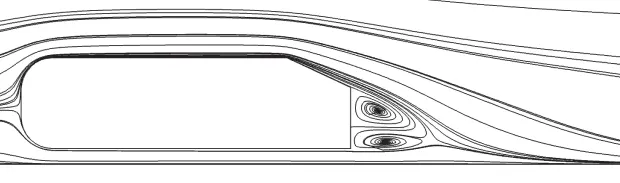
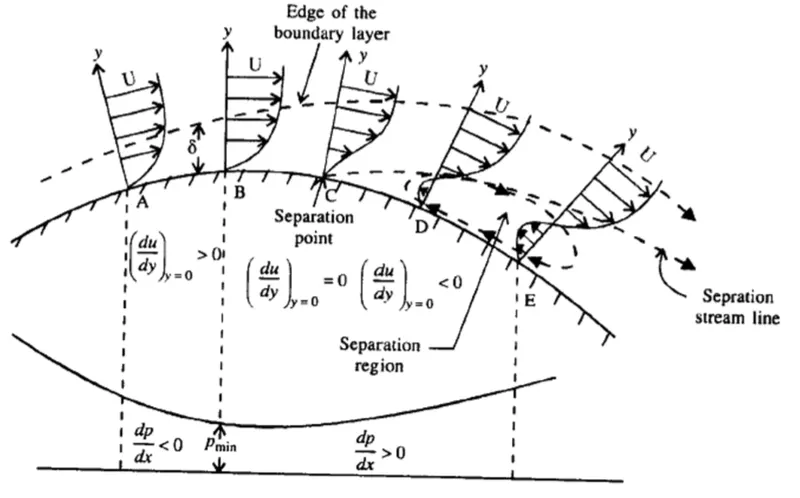
Significance of point of Separation: -
When the direction of the flow velocity near the surface is opposed to the direction of the free stream velocity, which means (du/dy) is less than or equal to zero. Such situation arises, when there is a negative pressure gradient near the wall. It has been observed that the flow is reversed at the vicinity of the wall under certain conditions. The phenomenon is termed as separation of boundary layer. Separation takes place due to excessive momentum loss near the wall in a boundary layer trying to move downstream against increasing pressure, i.e., (dp/dx>0), which is called adverse pressure gradient. In the direction of flow, the pressure increases which result into reduction in velocity and creates condition for separation to occur. When the skin friction coefficient reaches the value zero, at this point the wall shear stress vanishes is called the separation point. Reverse flow takes place beyond point of separation. Due to reverse flow, irregular eddies are formed and lot of energy is dissipated. The region is called ‘Wake’. The pressure distribution in the wake is quite different from that on the remaining boundary and this gives rise to an additional drag force on the body. Wake also leads to lateral version to the object which may be harmful. Also large amount of kinetic energy is lost.
Conclusion: -
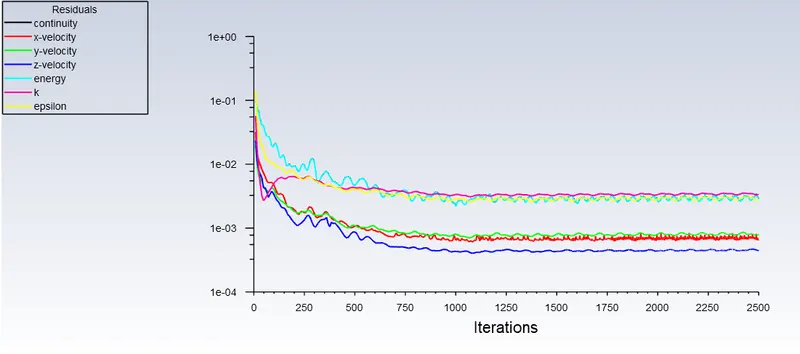
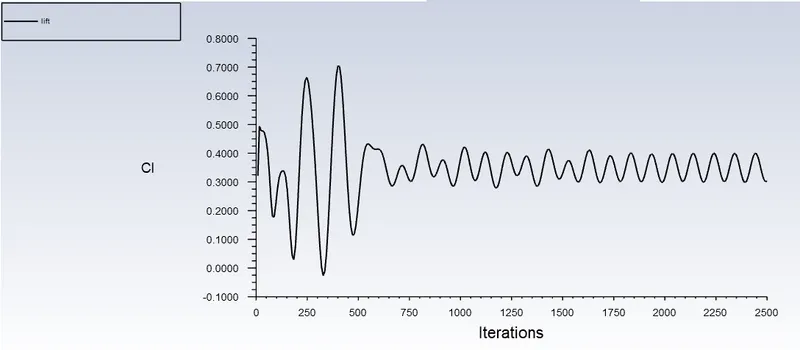
Grid independency test is important, As with refined mesh and YPlus value error is reduced and gives results close with experimental data.