Challenge

Week 3 - External flow simulation over an Ahmed body.

AIM: To run the simulation on Ahmed's Car body to get the Drag & Lift coefficient values. 

To describe 

          Q1. Describe Ahmed's body and its importance.

         Q2. Explain the reason for the negative pressure in the wake region. 

         Q3. Explain the significance of the point of separation. 

Expected Results:

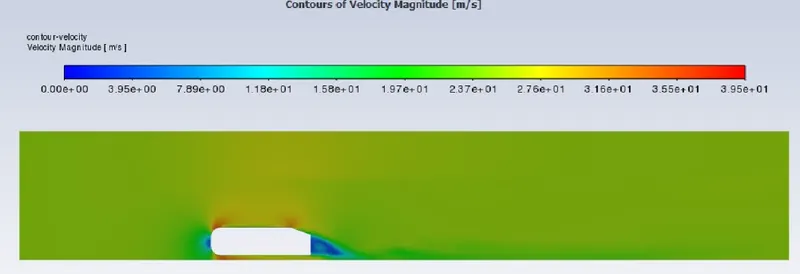
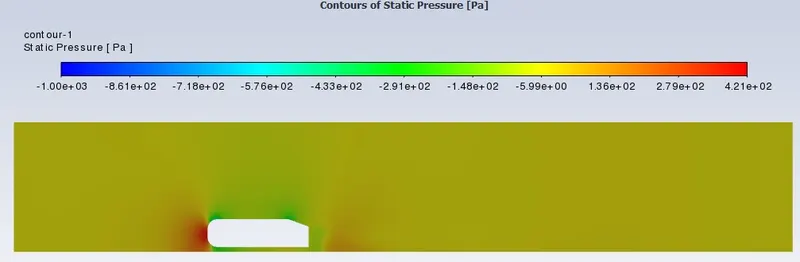
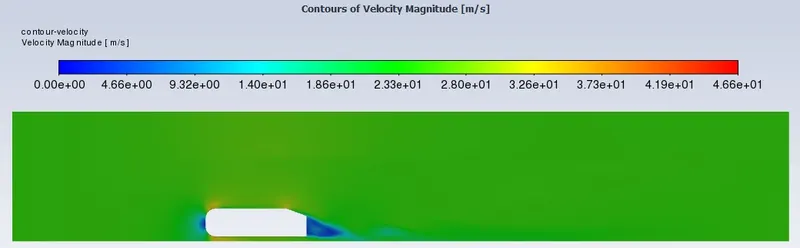
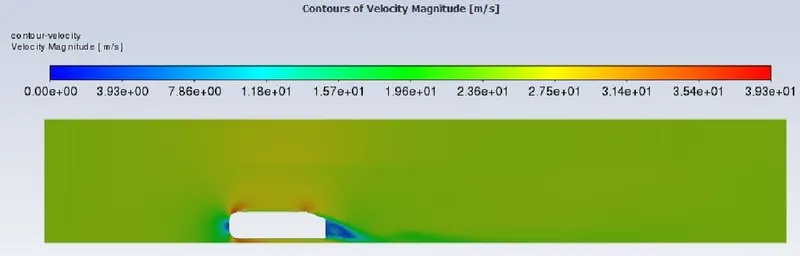
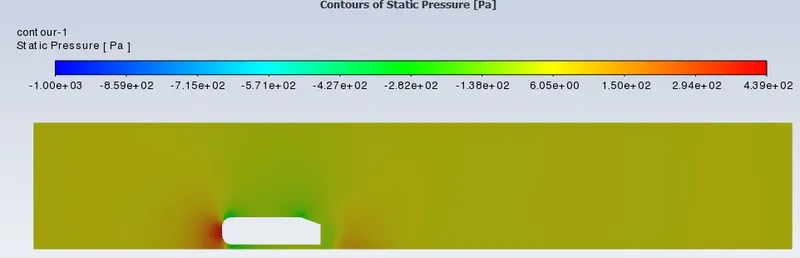
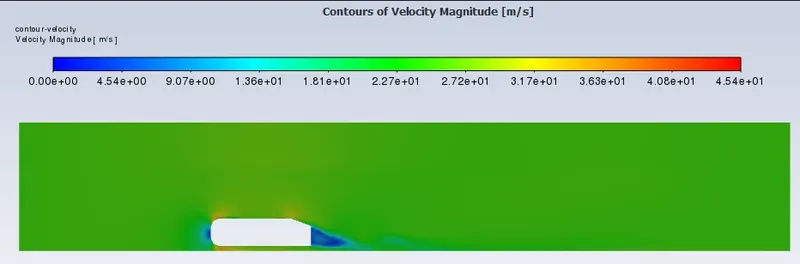
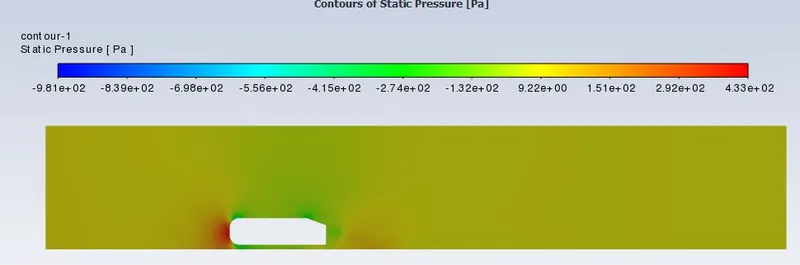
        1. Velocity and pressure contours. 

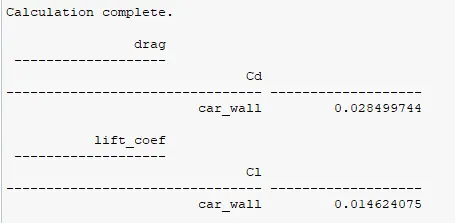
        2. The drag coefficient plot for a refined case. ( For a velocity of 25m/sec, the drag coefficient should be around 0.33).

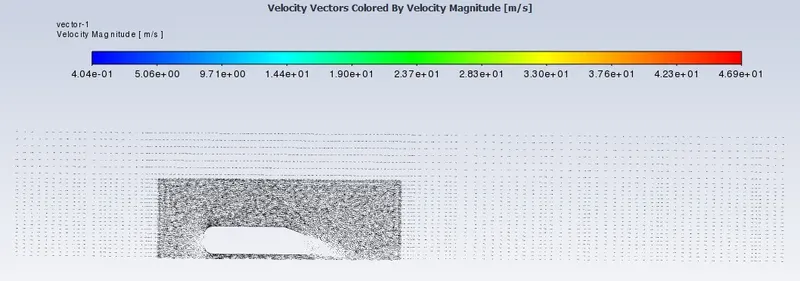
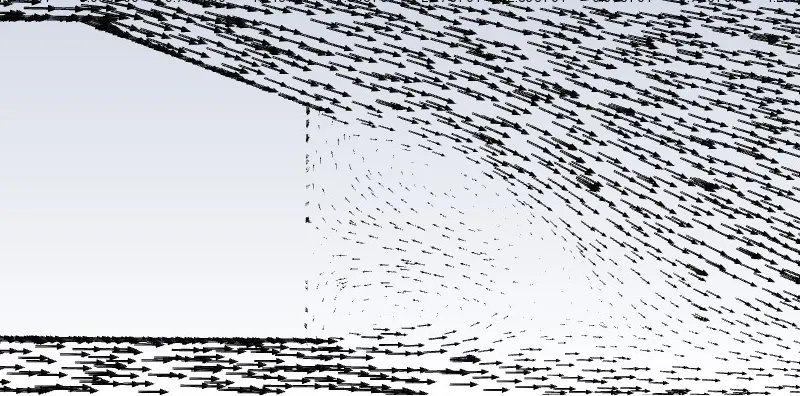
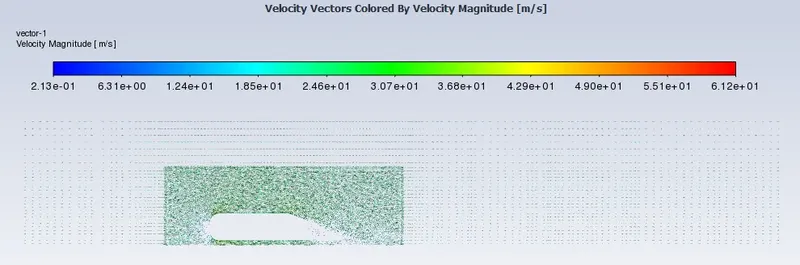
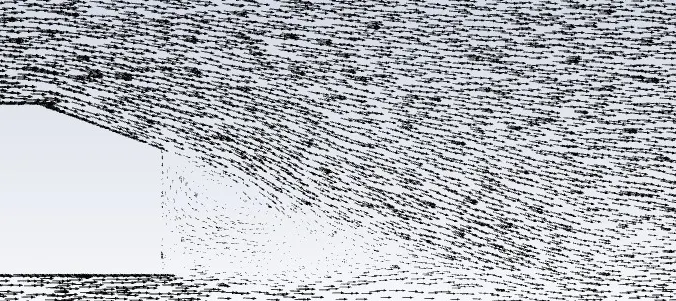
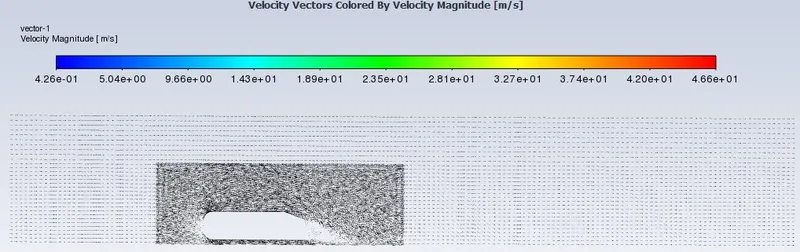
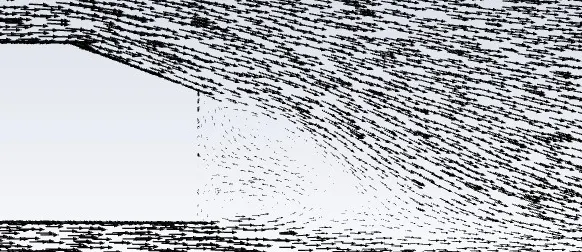
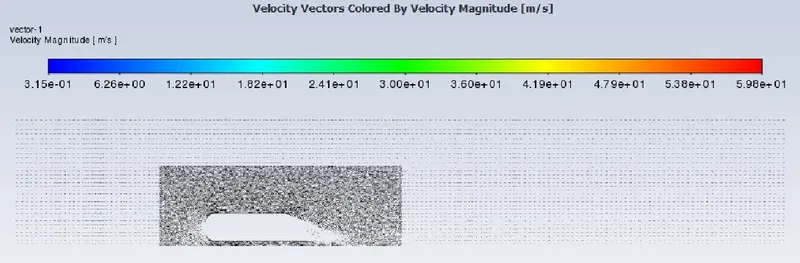
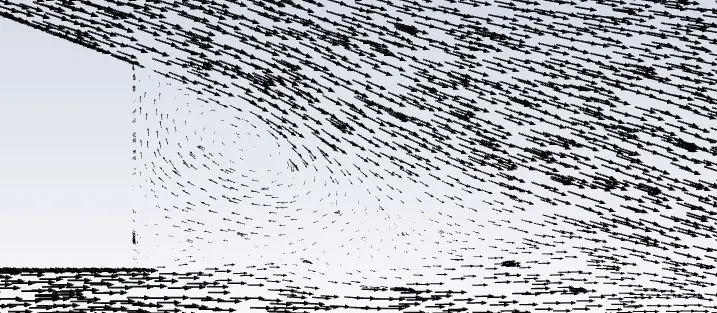
        3. The vector plot clearly shows the wake region. 

        4. Perform the grid independency test and provide the values of drag and lift with each case. 

Solution:

Introduction of Ahmed's body:

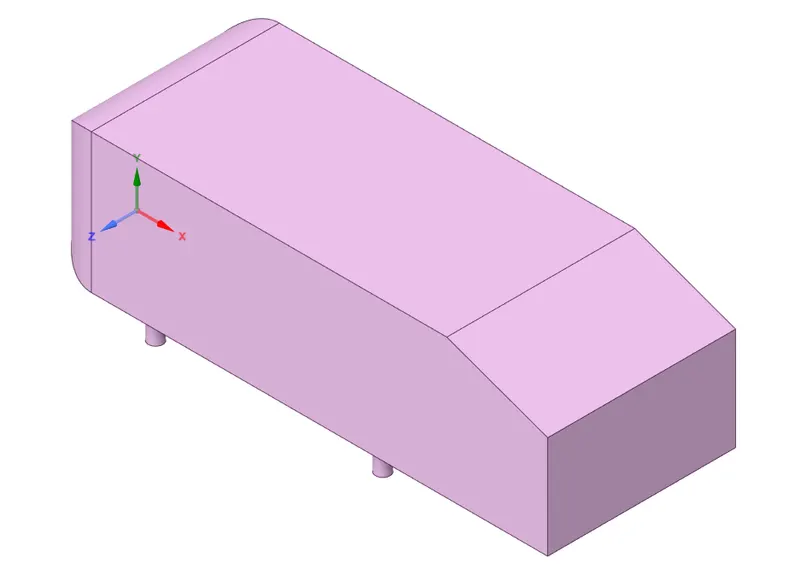
Flow around the Ahmed body is a well-known CFD benchmark for external aerodynamics. The Ahmed body is a generic car model first proposed by [Ahmed et al., (1984)]. All ground vehicles can be termed as bluff bodies moving close to the road surface. The analyzed body is able to capture the essential features of the flow which characterize modern cars. Most importantly, high-quality test data are available. The aim of the study is to validate results obtained by steady-state, incompressible turbulent flow. Based on the test data, we will validate our simulation model by comparing:

  • drag coefficient

  • velocity profiles along Ahmed's body

  • flow structures behind the body

Geometry:

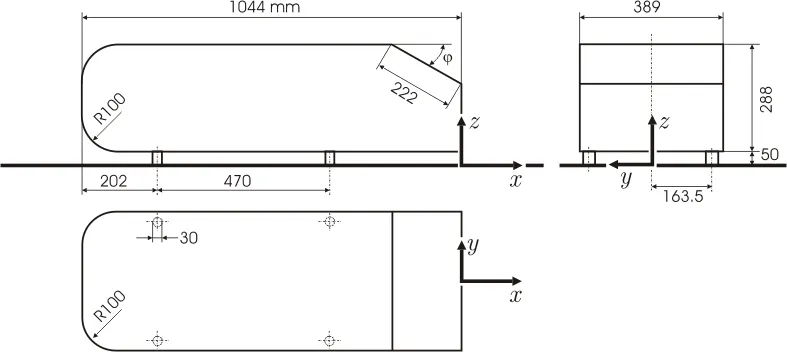
The geometry was prepared based on Ahmed et al. (1984). The slant angle ϕ">ϕ is set to 25o">25°.

The dimensions of Ahmed's body are as below.
   

Importance of Ahmed's body:

The body is placed inside the wind tunnel to validate the model against the test data, and also to demonstrate that CFD can be applied to the general class of external aerodynamics CFD simulations.
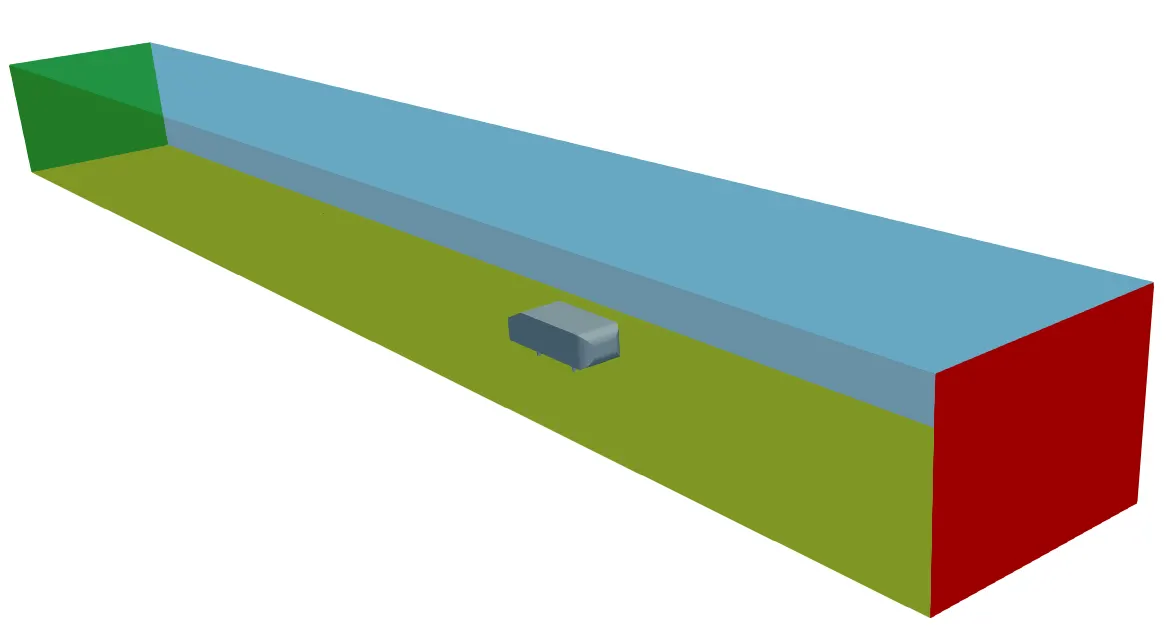

The Ahmed body is located inside the wind tunnel with five times its length in front and ten times its length behind the reference point. The cross-sectional area of the Ahmed body in the X direction is 0.112m2">0.112m20.112m2, which will be used for the calculation of the drag coefficient.

Simulation in Ansys Fluent:
 
Steps:
1. 3D model of Ahmed's Body is imported into SpaceClaim. A bounding Box was created to capture the flow around the model.
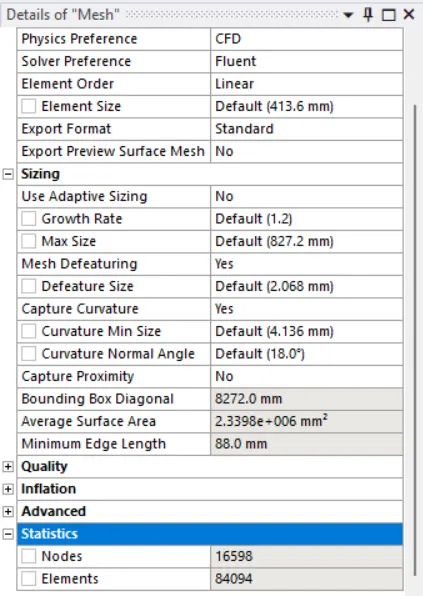
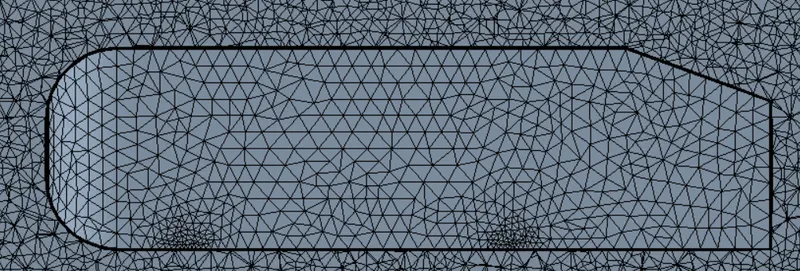
2. Baseline mesh done at the initial stage of the simulation. Mesh independency should be carried out to get more accurate results.
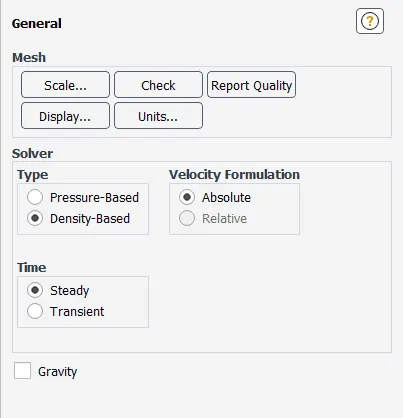
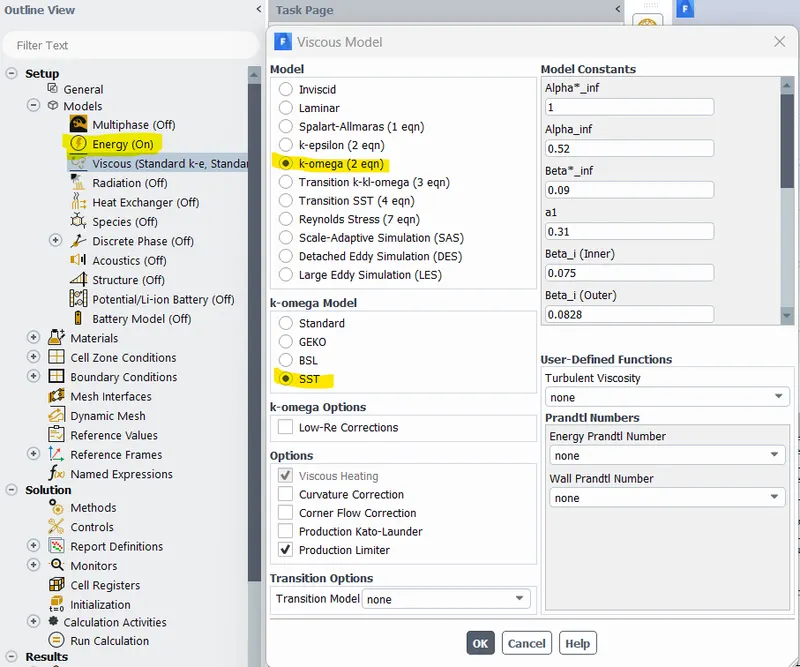
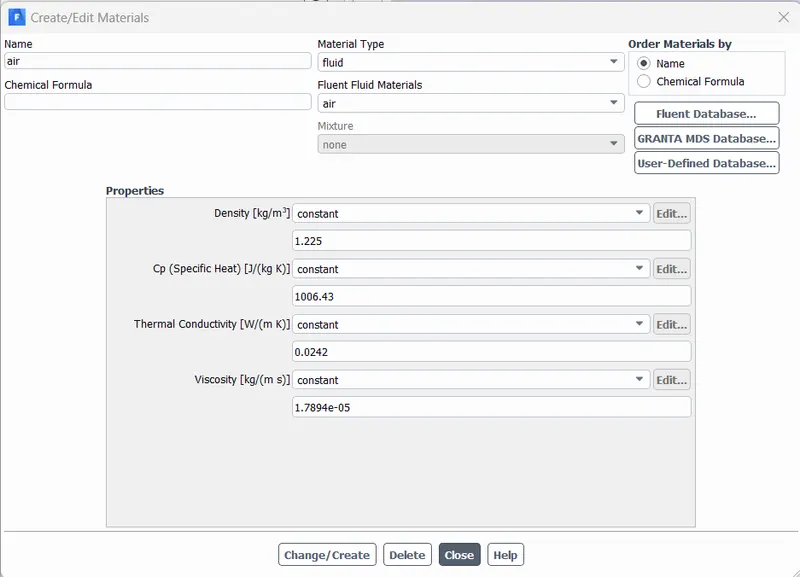
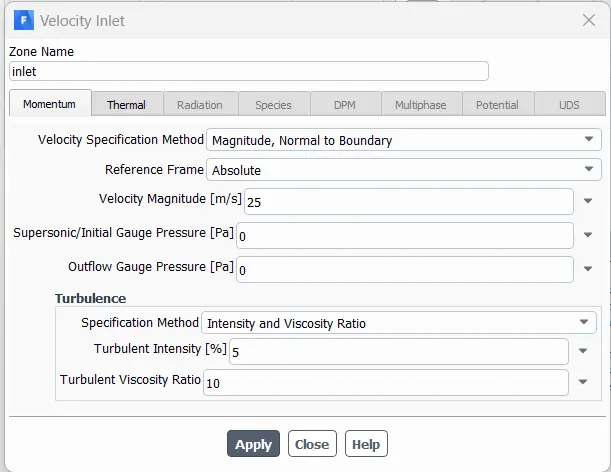
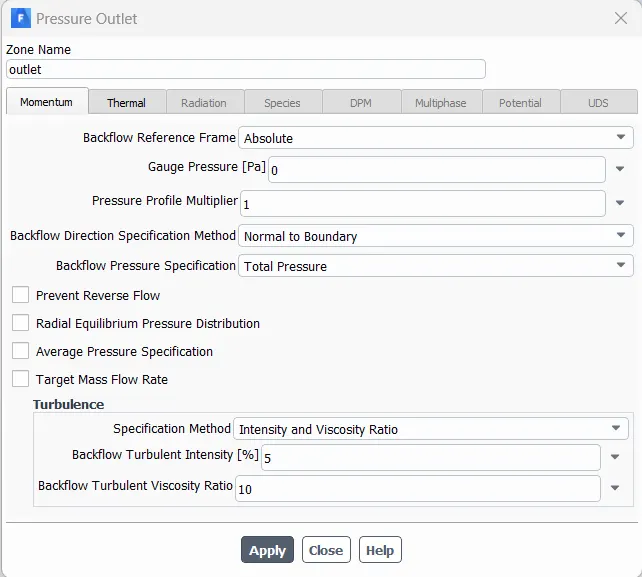
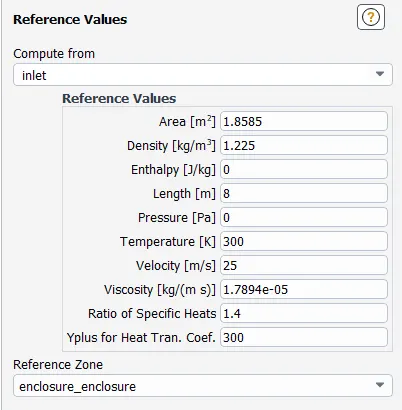
3. Ansys fluent is to be started with all the inputs as below.
 
General
 
 
Model
 
 
Material
 
 
Boundary Conditions
 
 
Reference Values
 
 
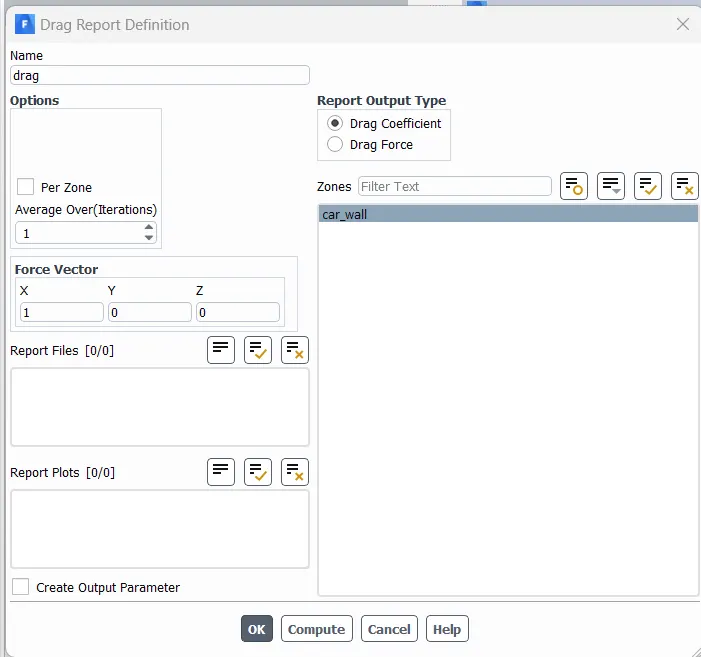
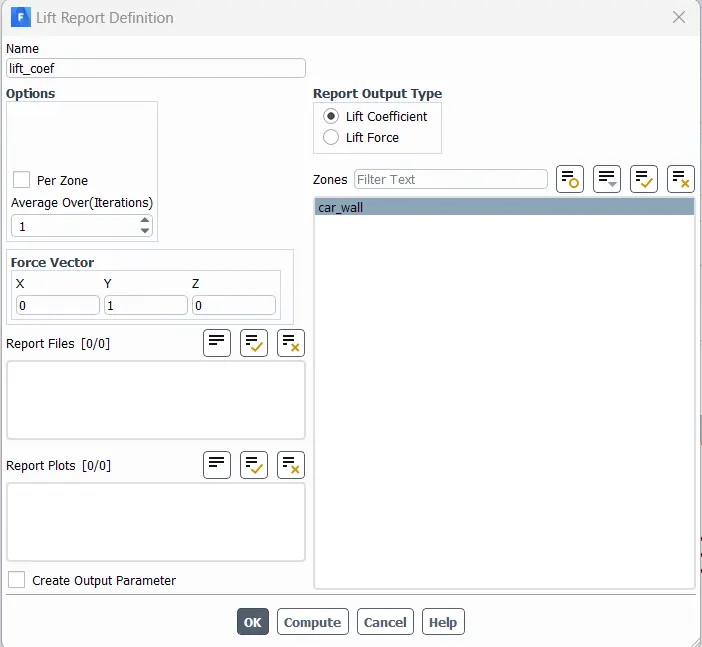
Report Definitions
 
  
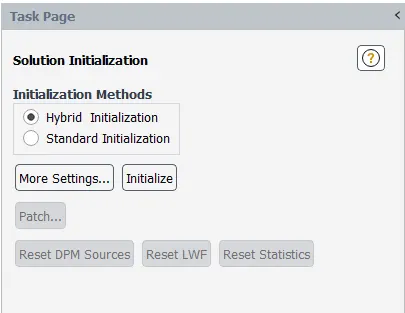
Initialization
 
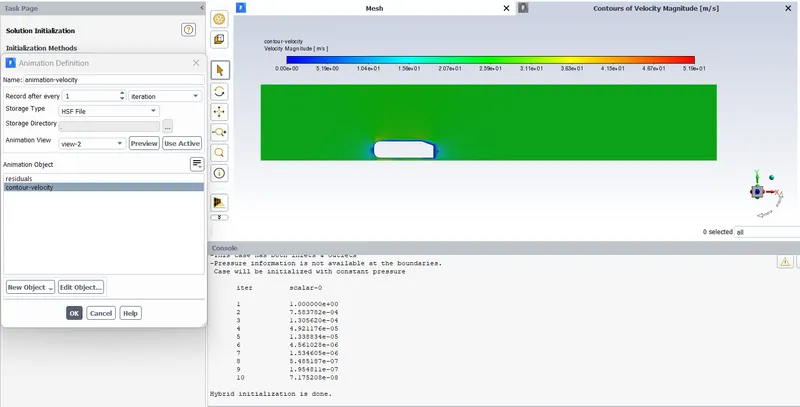
Animation setup
 
 
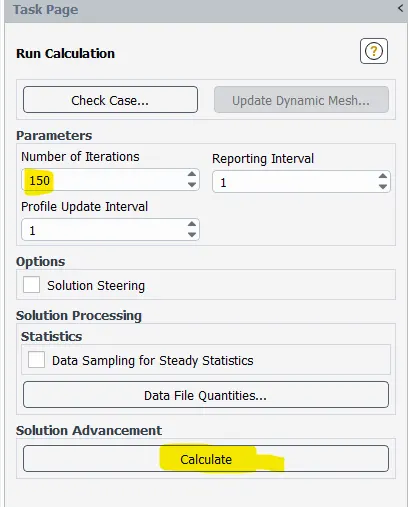
Run calculation
 
 
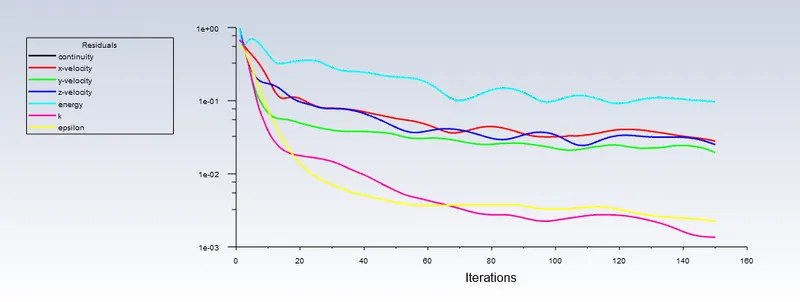
Scaled Residuals
 
 
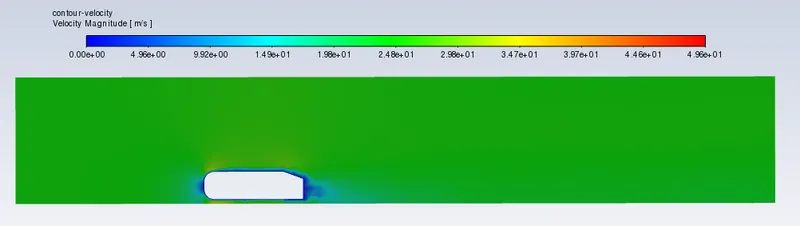
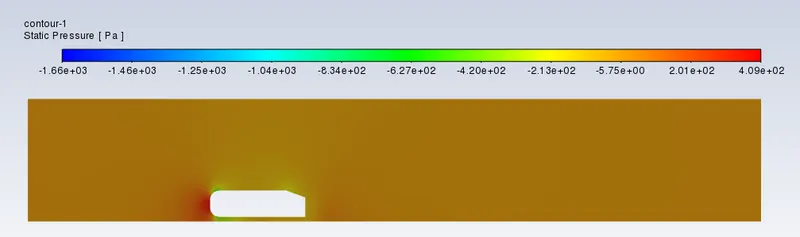
Velocity & Pressure contour plots


Drag & Lift coefficients
 
Mesh Independence:
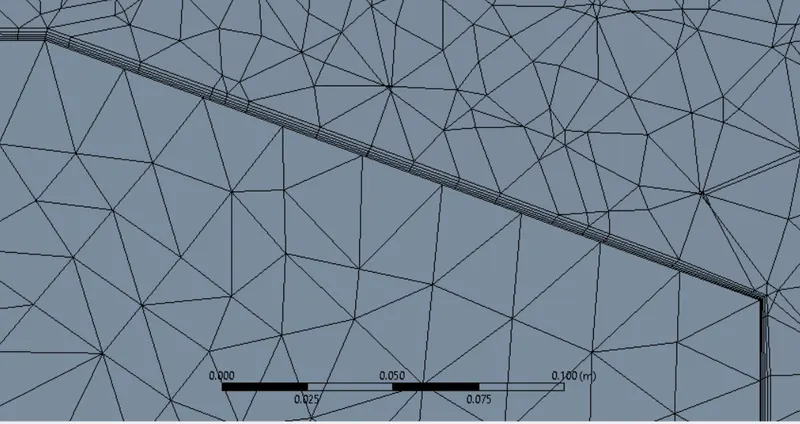
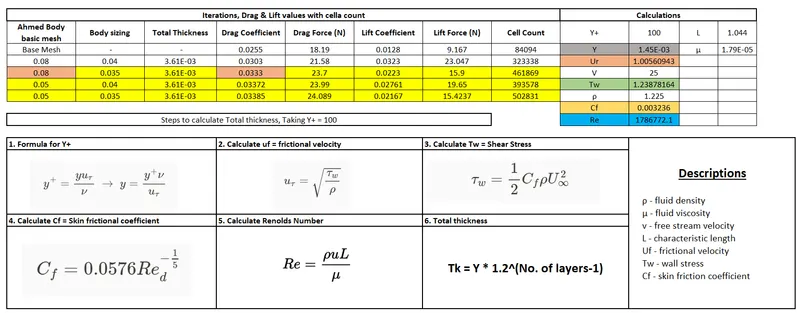
The bounding box is introduced inside the bounding box already added and subtracted with it. The same simulation with refined mesh with 0.08 m & 0.05 m size is calculated.


The below table shows the results captured with all analysis schematics.
 
The results of various iterations are as below.
 
 
 Velocity Contours, Vortex formation, and Pressure contours are as below.
 
1. Mesh size 0.08 with body mesh 0.04


2. Mesh size 0.08 with body mesh 0.035


3. Mesh size 0.05 with body mesh 0.04


4. Mesh size 0.05 with body mesh 0.035


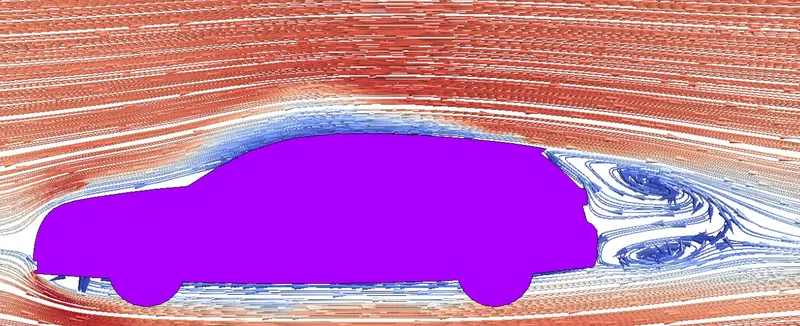
Example of Vortex formation of a car similar to Ahmed's body.
 
 
Conclusion:
 
1. No vortex shading occurred baseline mesh.
2. The simulation of Ahmed's Body runs well and the comparison of data with experimental achieved successfully.
3. There are regions behind the body where wakes are formed, circling regions of low velocity which induce a considerable amount of velocity drag on the body. This is seen in the simulation and experimental data.
4. The values of the drag coefficient & lift coefficient were found near the experimental results.
5. Grid Dependence Test was carried out and found success in achieving nearest values of both drag & lift coefficient.
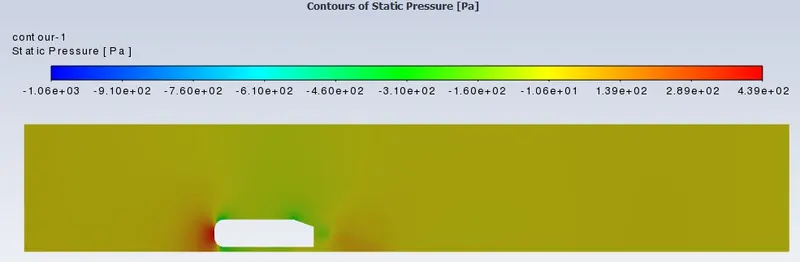
6. The drag coefficient decreases with an increase in elements. 
7. Pressure at the wake region is low and encounters high velocity.
 
 
Reference:


Your portfolio, next

Ship work like this
in your own course.

Talk to a career counsellor

Free 20-minute call. We'll map the right course to where you want to work.

By submitting you agree to our Terms and Privacy Policy.