Week 3 - External flow simulation over an Ahmed body.
AIM:- As the body is perfectly symmetric, we can run the simulation by considering the only half body. This is the best practice where you can save on the number of cells and get the results faster as well.
The geometry which is provided with the challenge needs a modification which you should be able to do at this stage of a course. You need to use the 'split body' command in SpaceClaim to perform the operation and then you can use the symmetry boundary condition in fluent to perform the simulation.
Run the simulation for the velocity of 25 m/sec with the default air properties in fluent.
OBJECTIVE:-
Q1. Describe Ahmed's body and its importance.
Q2. Explain the reason for the negative pressure in the wake region.
Q3. Explain the significance of the point of separation.
EXPECTED RESULTS:-
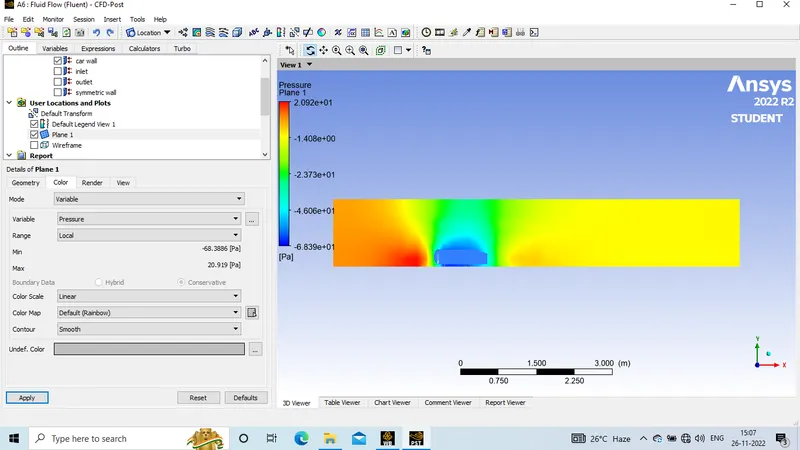
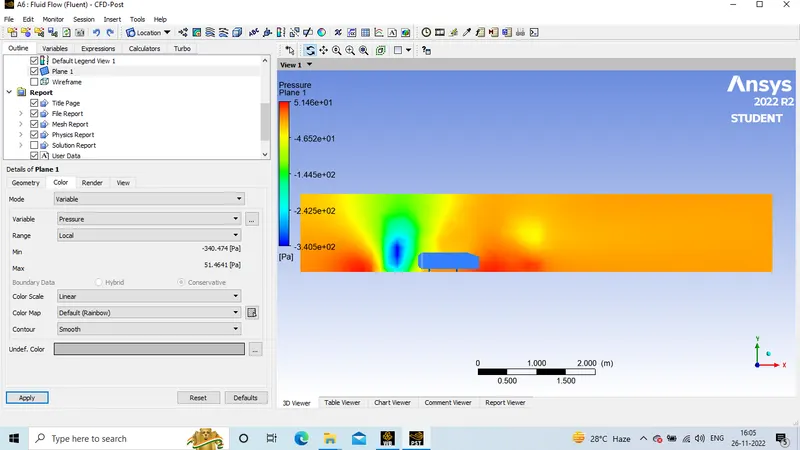
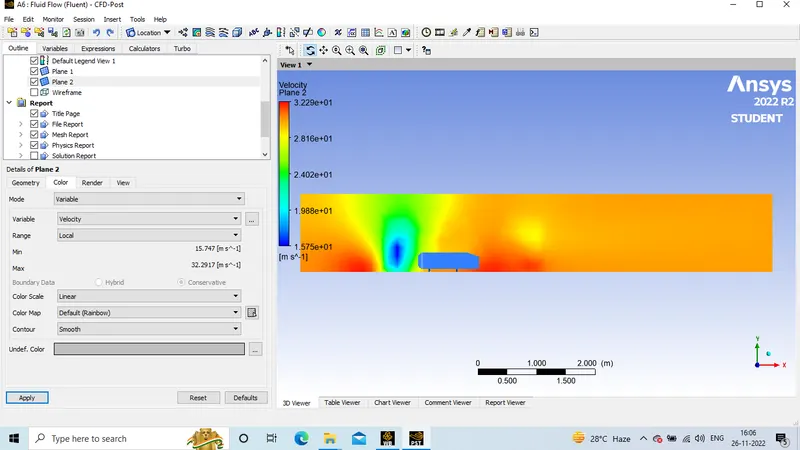
1. Velocity and pressure contours.
2. The drag coefficient plot for a refined case. ( For velocity of 25m/sec, the drag coefficient should be around 0.33).
3. The vector plot clearly showing the wake region.
4. Perform the grid independency test and provide the values of drag and lift with each case.
[1]. Describe Ahmed's body and its importance:- Ahmed body is a generic car body (a simplified car model) i.e the flow of air around the Ahmed body captures the essential flow features around an automobile. The aim of the benchmark validation was to evaluate the TCFD, computational fluid dynamics (CFD) software, and compare its results with the measurement data.
[2]. Explain the reason for the negative pressure in the wake region:- When the air moving over the vehicle is separated at the rear end, it leaves a large low pressure turbulent region behind the vehicle known as the wake. This wake contributes to the formation of pressure drag, which is eventually reduces the vehicle performance.
[3]. The separation point is the point where the air stops "sticking" to an object that is moving through the air. When an object is moving through the air, the air molecules push back on it and resist the object's movement - this resistance is called pressure drag.
GEOMETRY OUT-PUT:-
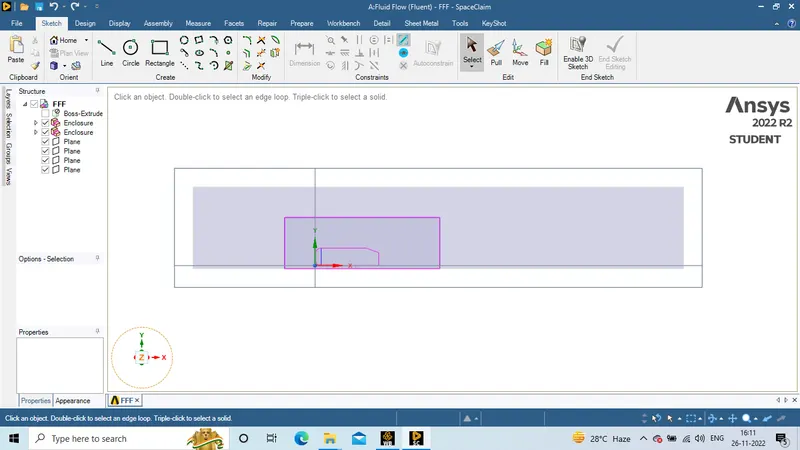
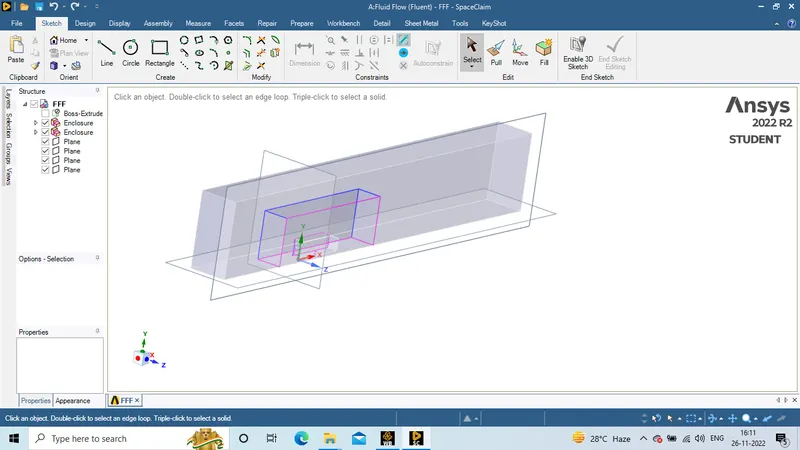
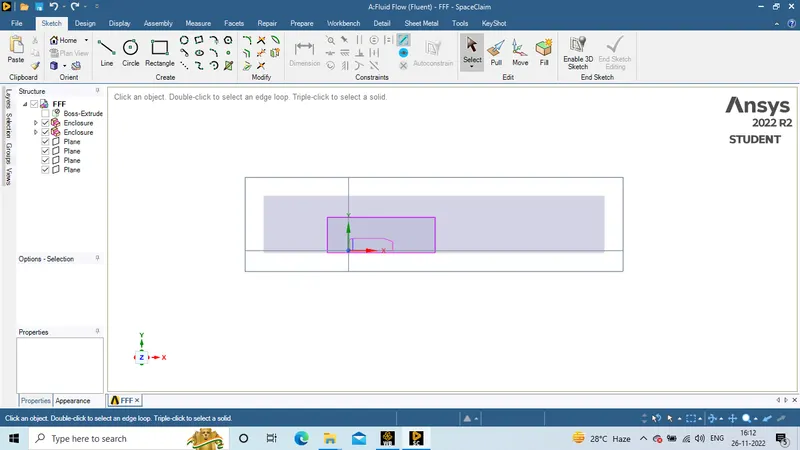
GEOMETRY EXPLANITION:-
- Right face is located at a distance of 5m from the right side face of Ahmed body along the X axis.
- Left face is located at a distance of 2m from the left side face of Ahmed body along the X axis.
- Top face of the encloser is at a distance of 1 m from the top side face of the Ahmed body along the Y axis.
- The bottom face of the encloser is attached to the bottom face of the Ahmed body along the YZ plane.
- The front and back face of the encloser is at a distance of 0.5 m along the Z axis.
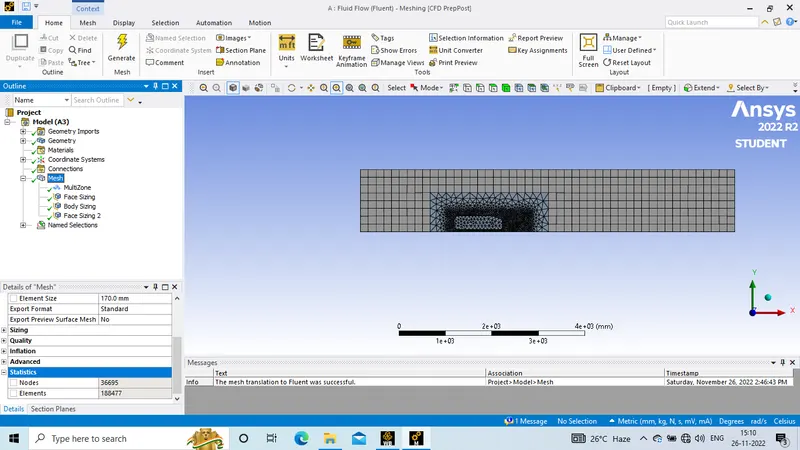
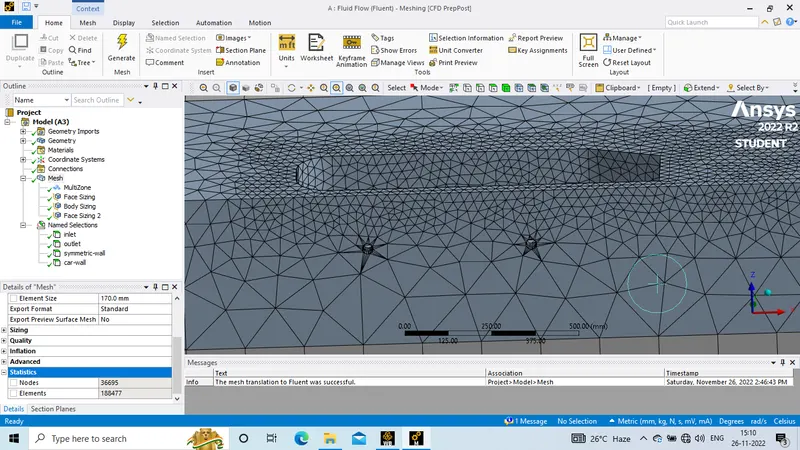
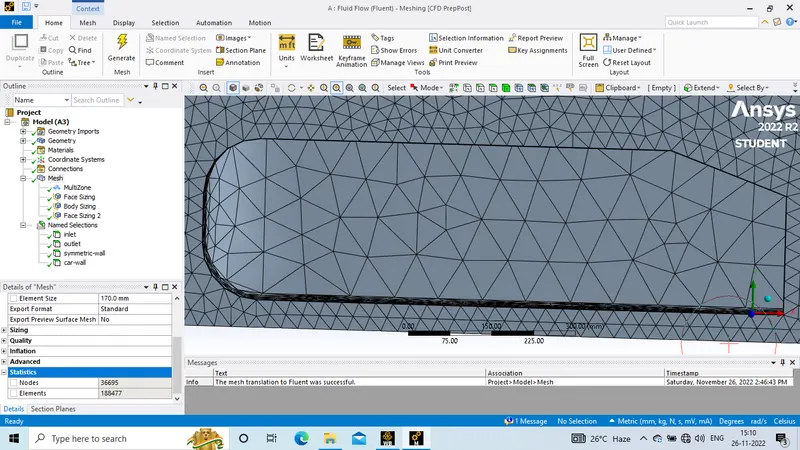
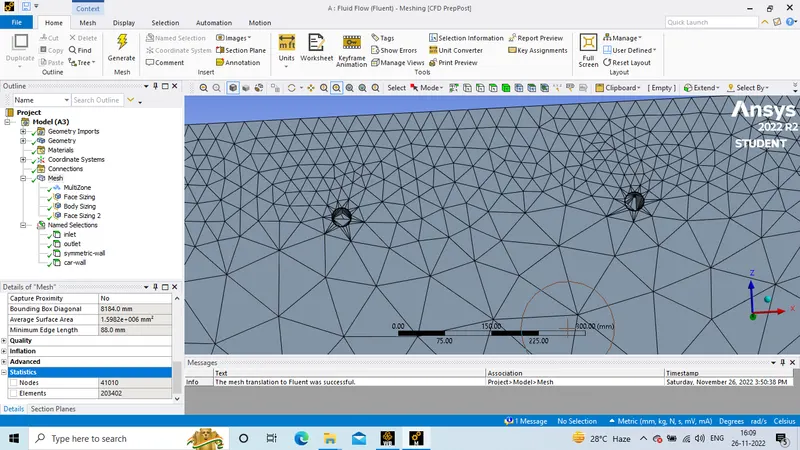
MESHING:- In this challenge i have done three cases and before doing mesh we have given the named selections. inlet, outlet, symmetric walls, car-wall
in this challenge symmetric by done by various faces. and the car-wall we have select the box-option so directly given 11 faces.
first case_170mm :-
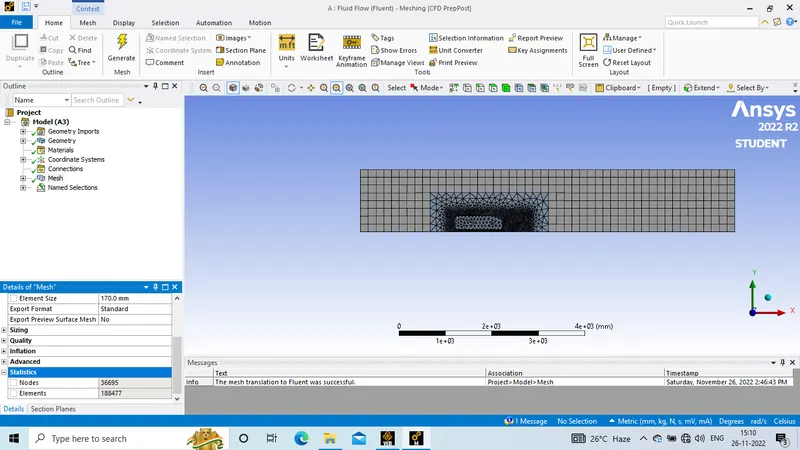
set-up:-
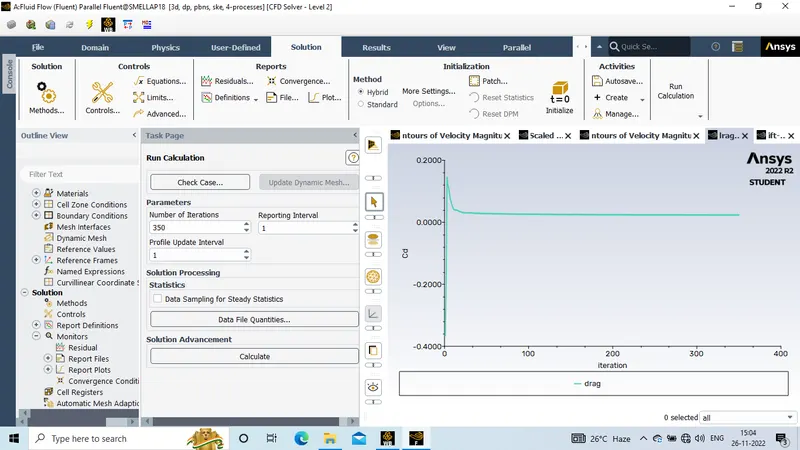
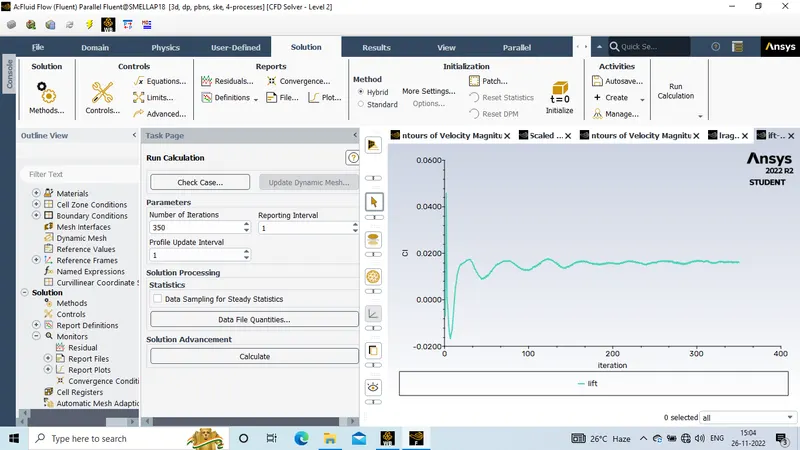
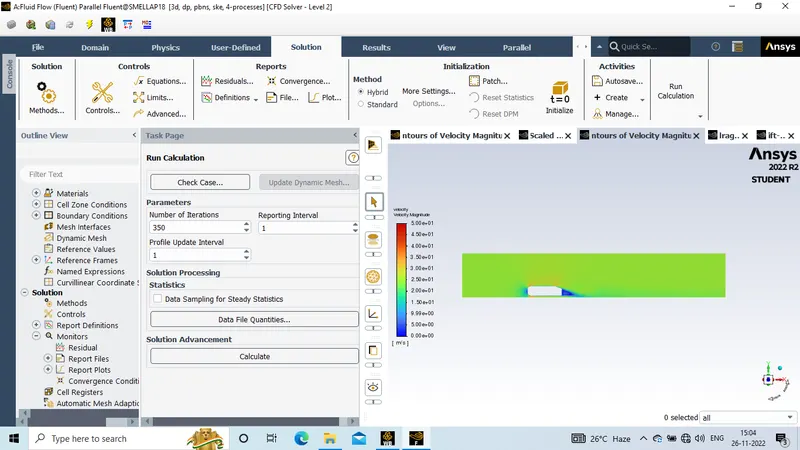
velocity& pressure contour:-
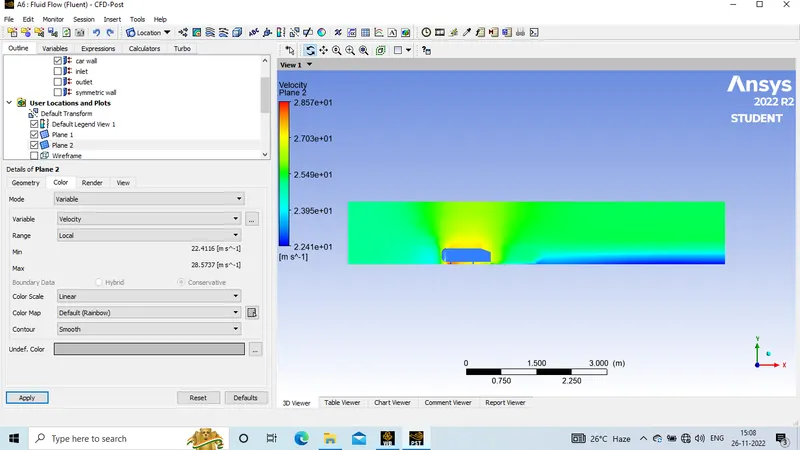
case_2 160mm out-put:-
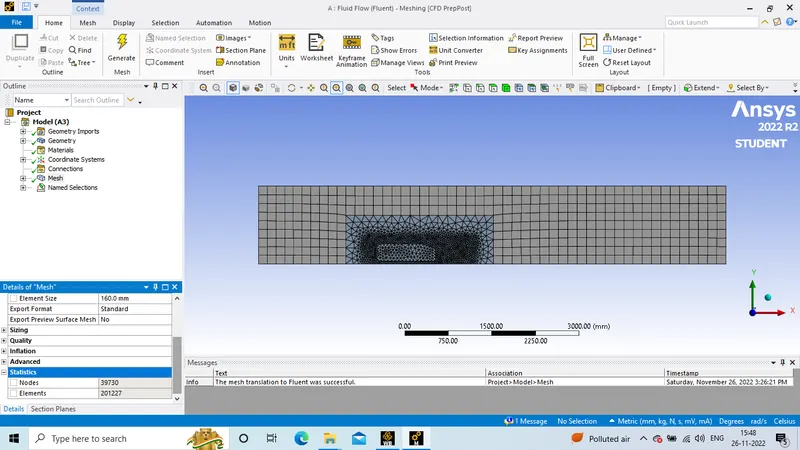
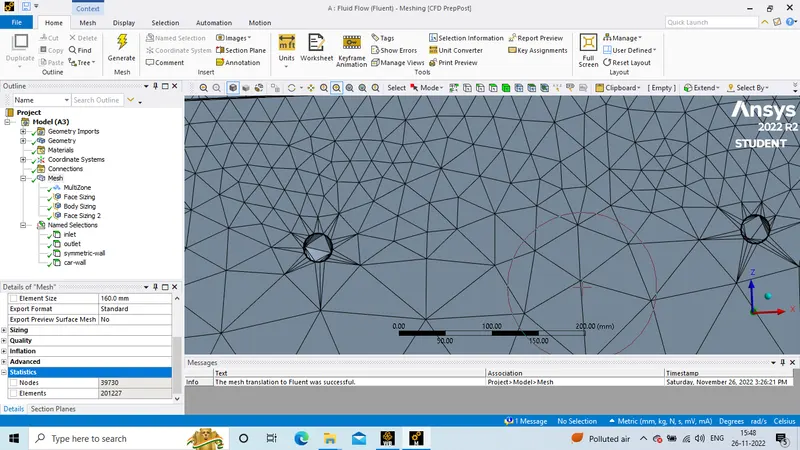
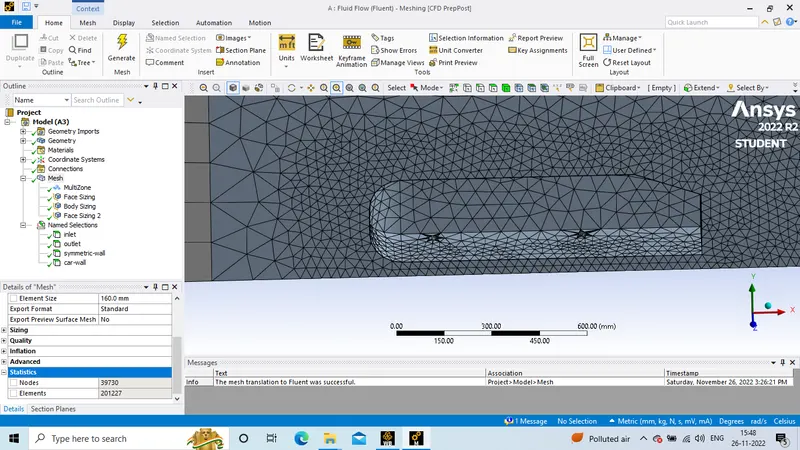
set-up:-
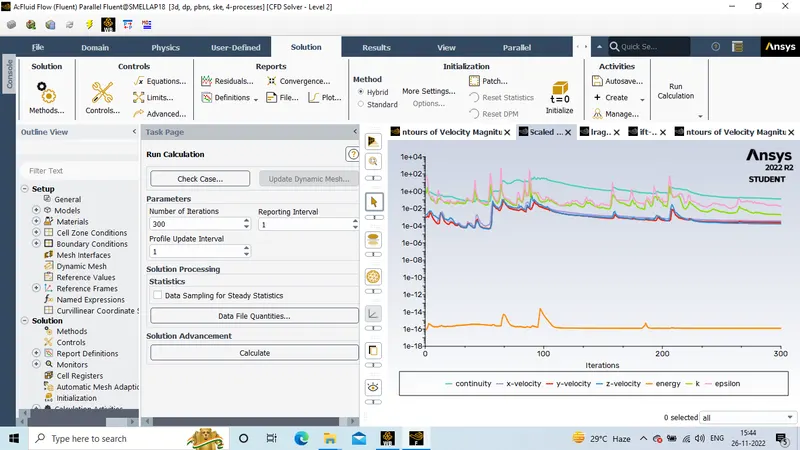
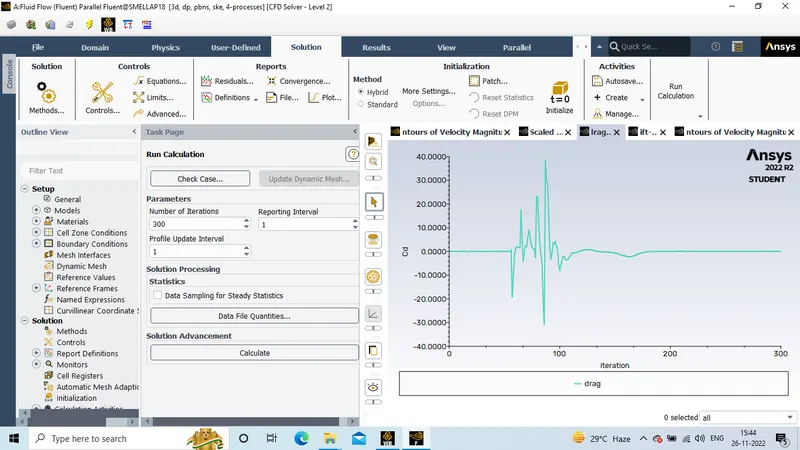
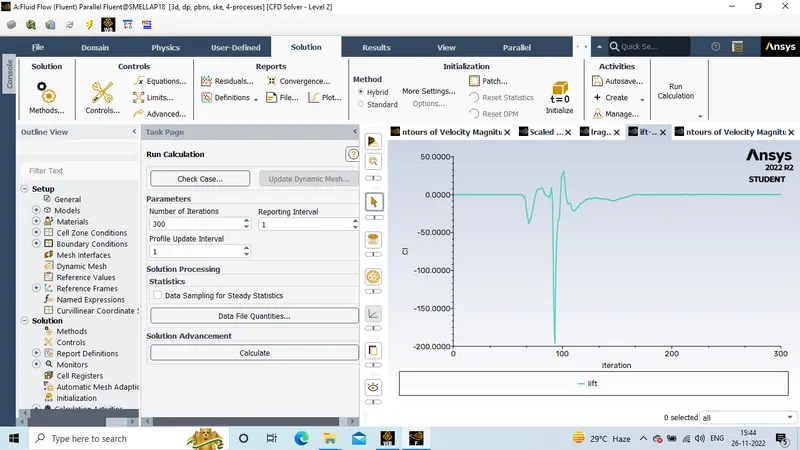
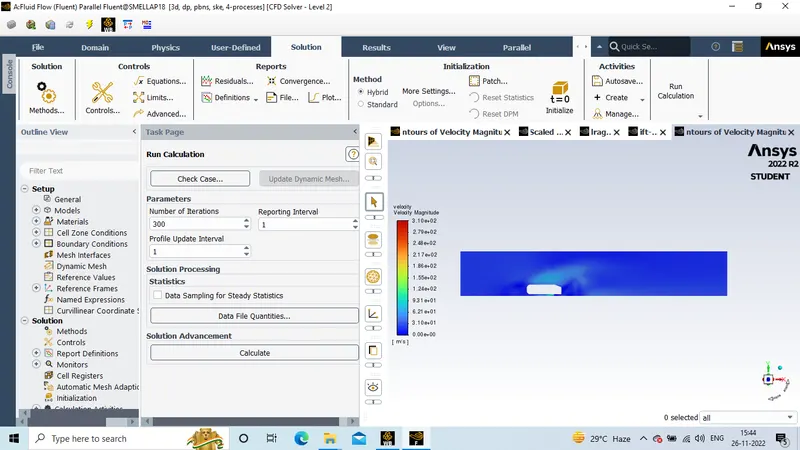
pressure and velocity-contour results:-
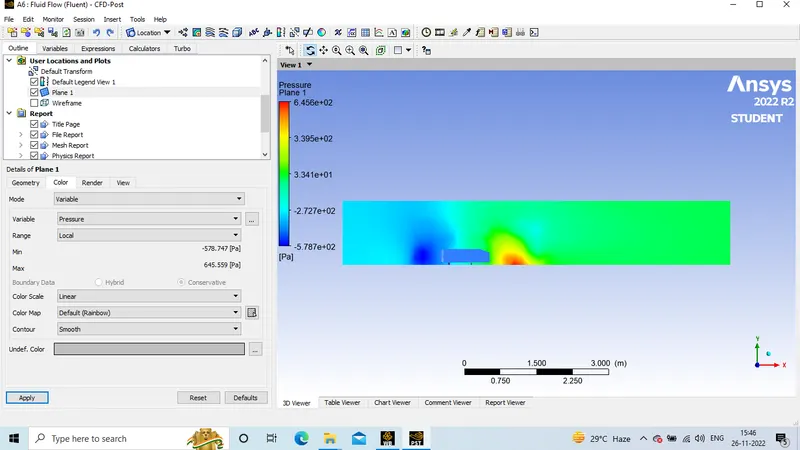
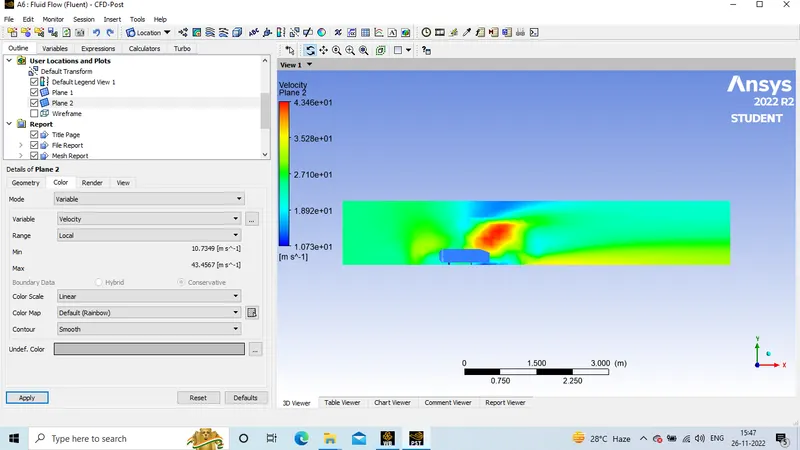
case_3 150mm:-
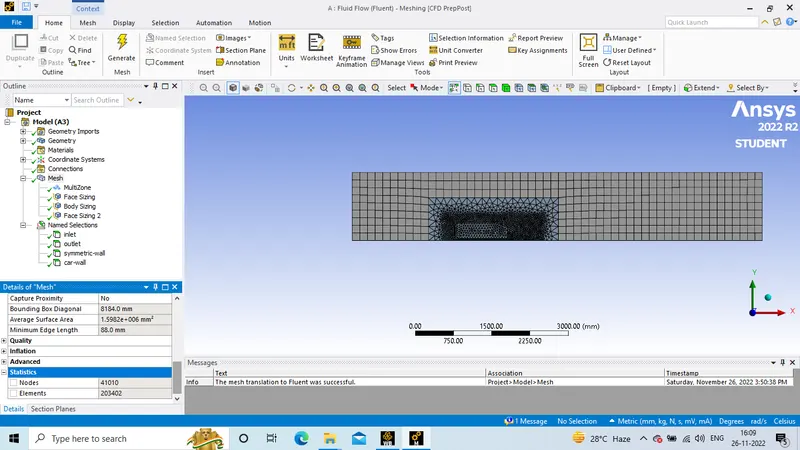
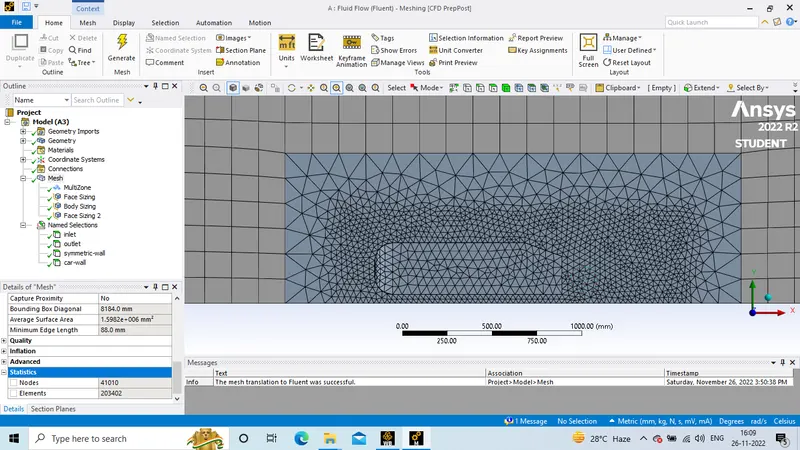
set-up:-
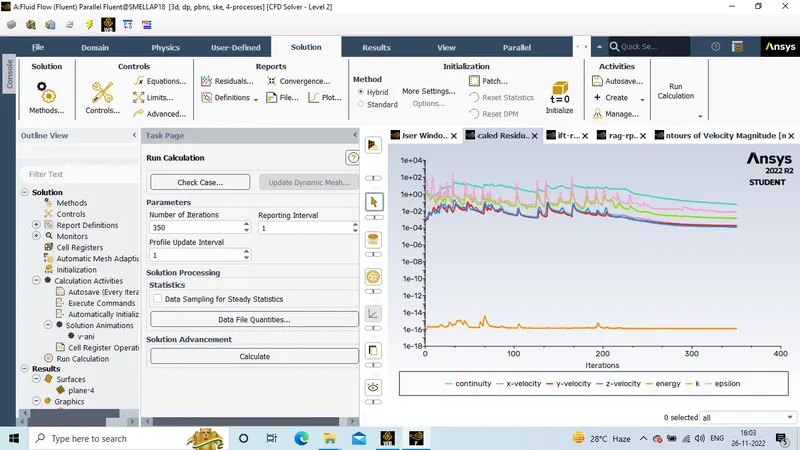
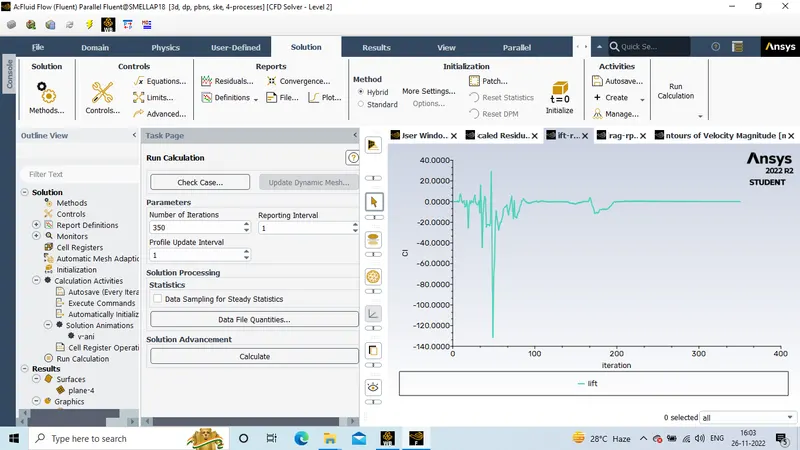
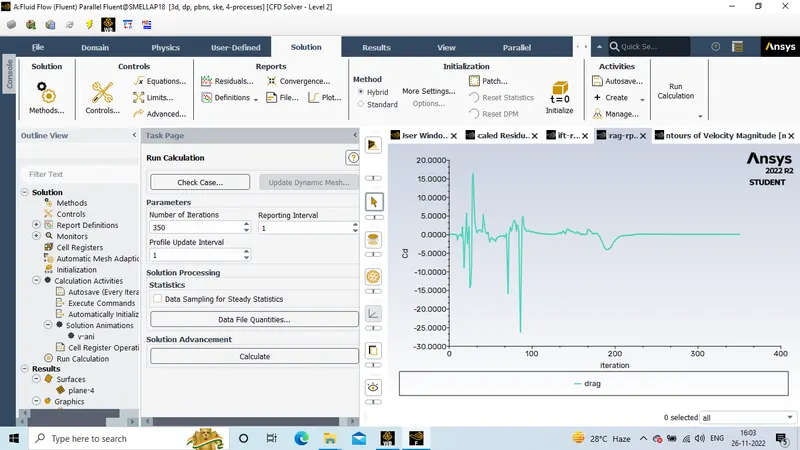
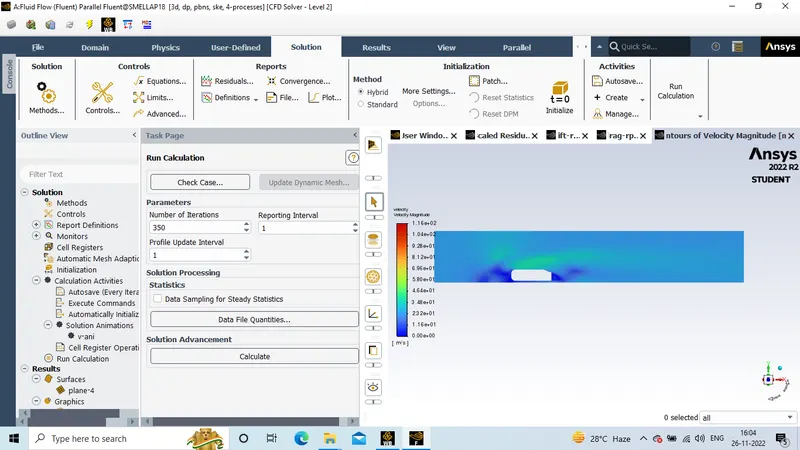
pressure and velocity contours:-
EXPLANATION OF THE FLUENT PROCEDUREL-
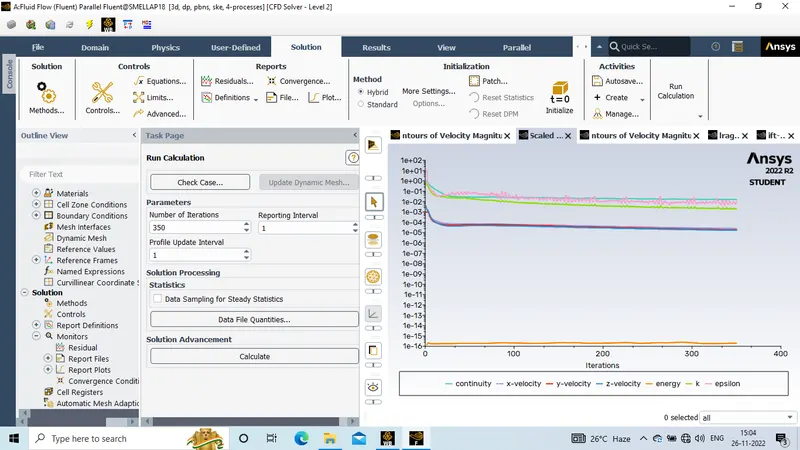
1. ENERGY EQUATION- ON
2. REFERENCE VALUES WE HAVE TAKE INLET
3. VISCOUS:- K-EPSILON
4. OPERATING CONDITIONS:- AIR
6. BOUNDARY CONDITIONS:- INLET-25M/S VELOCITY AND OUTLET PRESSURE- 0
7. INITILIZE FLOW
8. CREATE PLANE WITH RESPECTIVE - XY
9. CONTOURS:- VELOCITY AND PRESSURE
10. SOLUTION ANIMATION- VELOCITY
12. RUNNING CALCULATIONS:- 350 ITERATIONS.
CONCLUSION:-
1. Meshing is the importnat part of the solution.
2. in this challeng i have done three cases of mesh.
3. the 170mm mesh better results given in this challenge because nodes and elements are below 5lakhs .
4. 150mm and 160mm is given no accutate results
6. 170mm given accurate results.
7. the refined mesh is given better results.
8. The plots shown the wake region accurately.
9. the split part is very important in this challenge.
10. As the wake flow is the main contributor to the drag force(pressure drag), the point of separation is an important aspect of the flow. The more attached the flow is to the body the recirculation zone will be smaller and hence reduce the adverse effect of pressure drag, improving the fuel efficiency of the body