Week 3 - External flow simulation over an Ahmed body.
Aim: As the body is perfectly symmetric, we can run the simulation by considering the only half body. This is the best practice where you can save on the number of cells and get the results faster as well.
The geometry which is provided with the challenge needs a modification which you should be able to do at this stage of a course. You need to use the 'split body' command in SpaceClaim to perform the operation and then you can use the symmetry boundary condition in fluent to perform the simulation.
Run the simulation for the velocity of 25 m/sec with the default air properties in fluent.
For this challenge, you will have to provide answers to the following questions:
Q1. Describe Ahmed's body and its importance.
Q2. Explain the reason for the negative pressure in the wake region.
Q3. Explain the significance of the point of separation.
Expected Results:
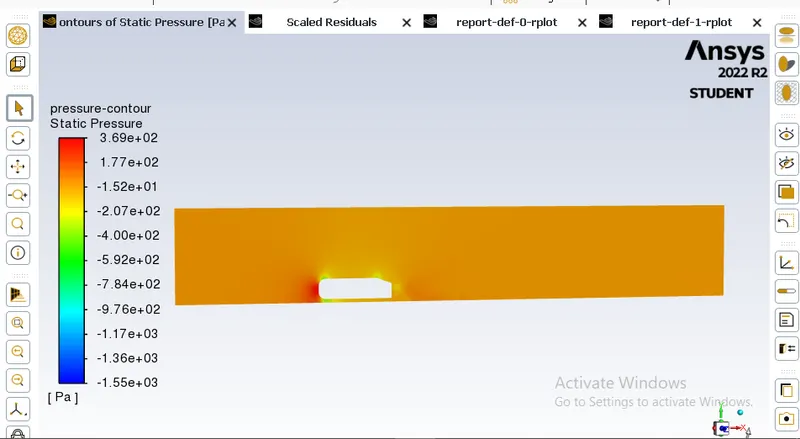
1. Velocity and pressure contours.
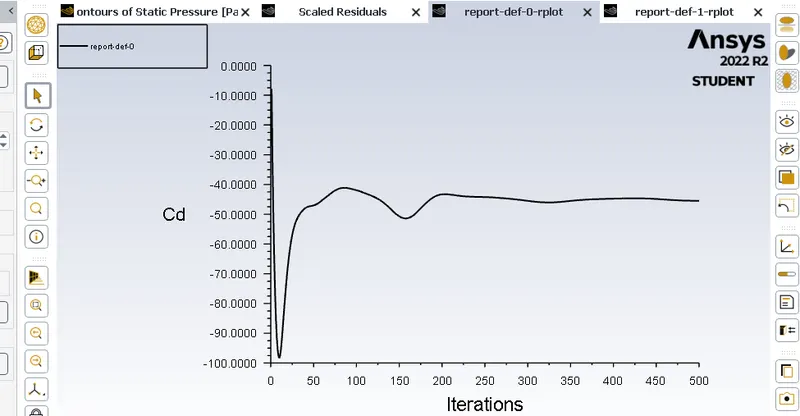
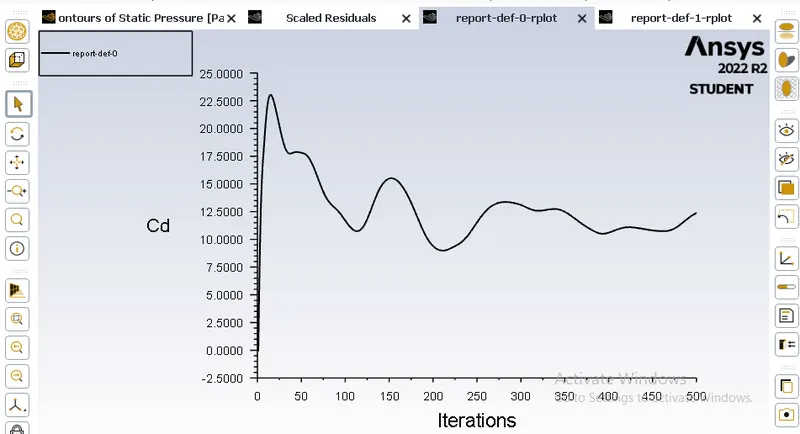
2. The drag coefficient plot for a refined case. ( For velocity of 25m/sec, the drag coefficient should be around 0.33).
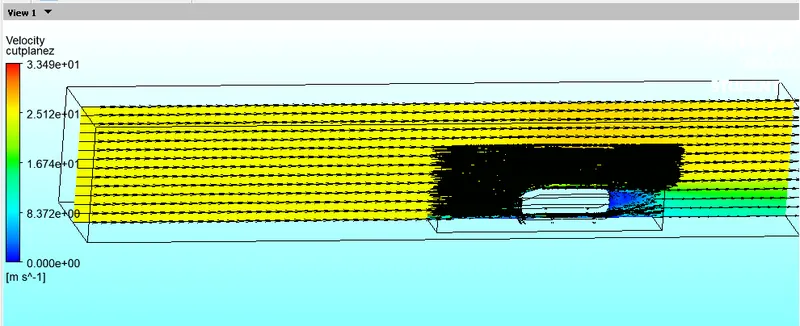
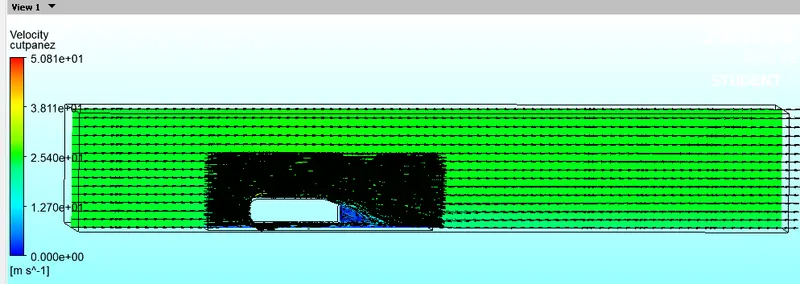
3. The vector plot clearly showing the wake region.
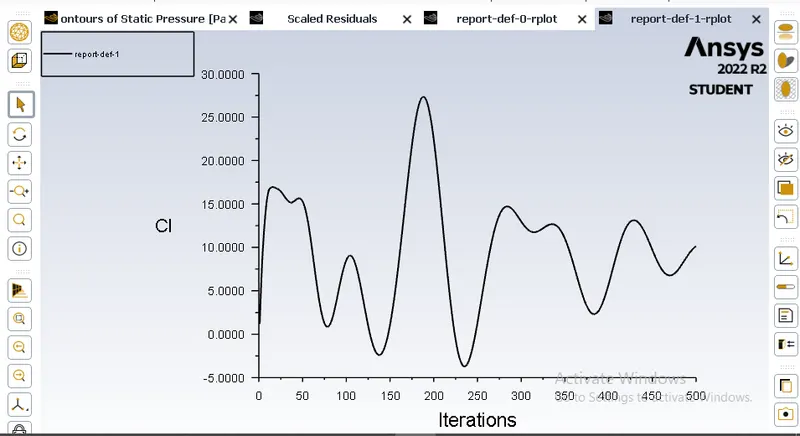
4. Perform the grid independency test and provide the values of drag and lift with each case.
1. Describe Ahmed's body and its importance.
The Ahmed Body was first created by S.R. Ahmed in his research “Some Salient Features of the Time-Averaged Ground Vehicle Wake” in 1984. Since then, it has become a benchmark for aerodynamic simulation tools. The simple geometrical shape has a length of 1.044 meters, height of 0.288 meters, and a width of 0.389 meters. It also has 0.5-meter cylindrical legs attached to the bottom of the body and the rear surface has a slant that falls off at 40 degrees.
he Ahmed body is simplified car body used in automotive field to study the impact of the flow pattern on the drag. The external aerodynamics of the car defines many major traits of an automobile like stability, comfort and fuel consumption at high speeds.
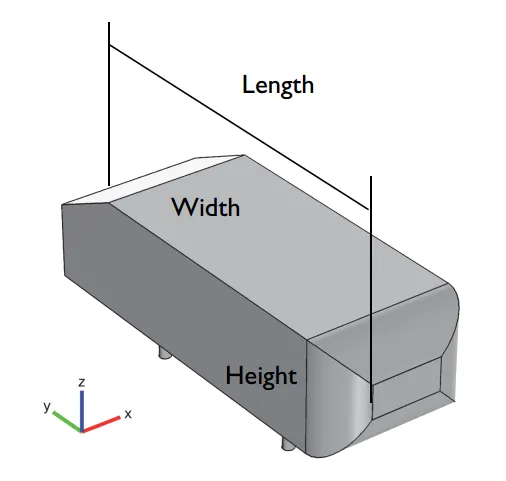
The simple geometry of an Ahmed body.
Modeling Airflow Over an Ahmed Body
In the Air flow over Ahmed body. verification model, our Ahmed body has a 25-degree slant and is placed in the following domain, measuring 8.352-by-2.088-by-2.088 meters, to compute the flow field.
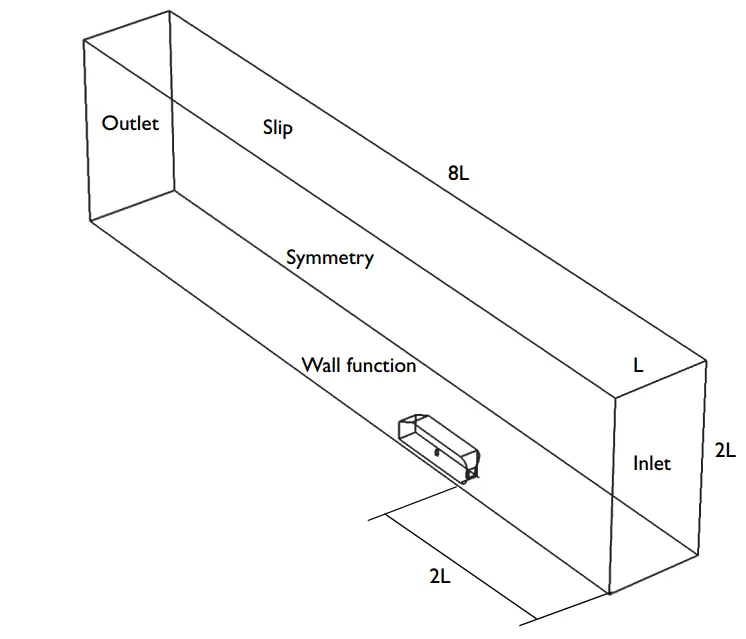
Computational domain and boundary conditions for the fluid flow simulation.
The front of the body is placed at a distance of 2 car lengths (2L) from the flow inlet. To reduce the computational cost, a symmetry plane is introduced to model half of the model.
The flow for this model is turbulent, which is based on the Reynolds number determined by the body length and inlet velocity. The simulation solves for the turbulent kinetic energy in addition to the velocity field. For this simulation, we need a larger mesh size than what is usually common to resolve the turbulent flow. More specifically, we use a finer mesh downstream of the model to capture the wake zone.
The flow for this model is turbulent, which is based on the Reynolds number determined by the body length and inlet velocity. The simulation solves for the turbulent kinetic energy and dissipation in addition to the velocity and pressure fields.
Importance of Ahmed Body
The total drag coefficient of the Ahmed body is the key measurement for this simulation. It is made up of measurements for the pressure coefficients in the front, slant, and base of the body as well as the body’s skin friction. In the results of our simulation, the total drag is very well predicted but the individual measurements deviate from the experimental results in varying amounts.
A few different factors cause these deviations in data. For the front and roof of the body, wall functions used in the simulation aren’t effective at predicting the flow transition observed in the experiments.
In terms of deviations in the slant coefficient data, we see the flow along the slant shown by streamlines in the figure below. The thickness of these streamlines is determined by turbulent kinetic energy.
2. Explain the reason for the negative pressure in the wake region?
The pressure inside the wake region remains low as the flow separates and a net pressure force (pressure drag) is produced. In other words, due to the production of pressure drag being produced from flow separation, the pressure in the wake region is low. This is what is causing the vacuum
Q3. Explain the significance of the point of separation?
The point of separation defined by the Ahmed body and the flow, the alpha angle depending on which value is at it causes change in flow direction, forces required, lift on the body, induced drag due to “tip vortex”, at a critical value flow in slant stalls and reduced lift-reducing as well drag, all depending on the value of alfa and the Reynolds number.
Geometry:
Geometry is same for all three cases.
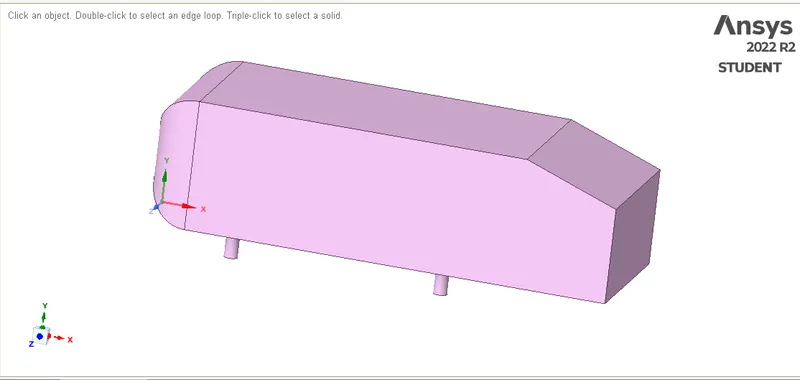
Go to prepare after that select enclosure option and provide respective dimension.
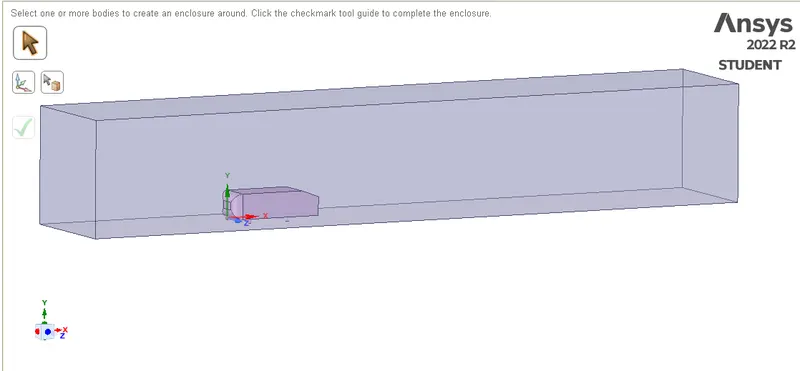
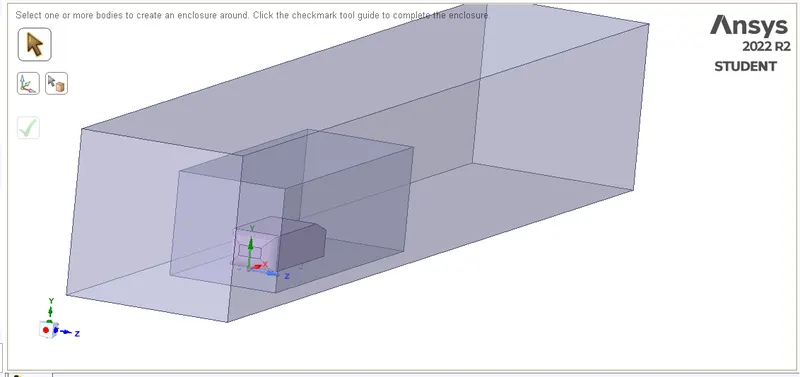
Once we done with the enclosure box create plane for the model.
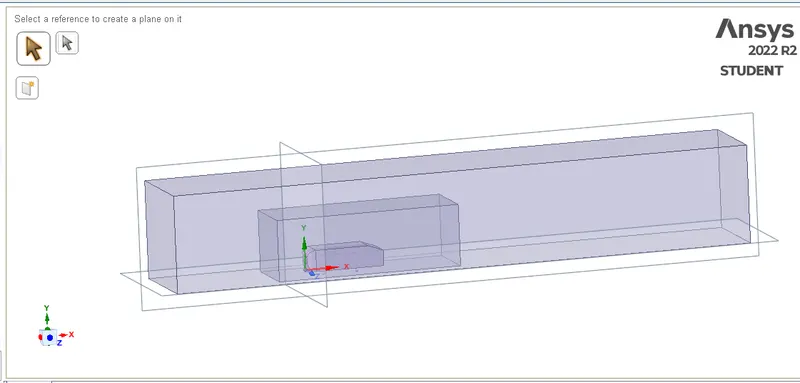
After that select the plane cut into two part you will see these intersection.
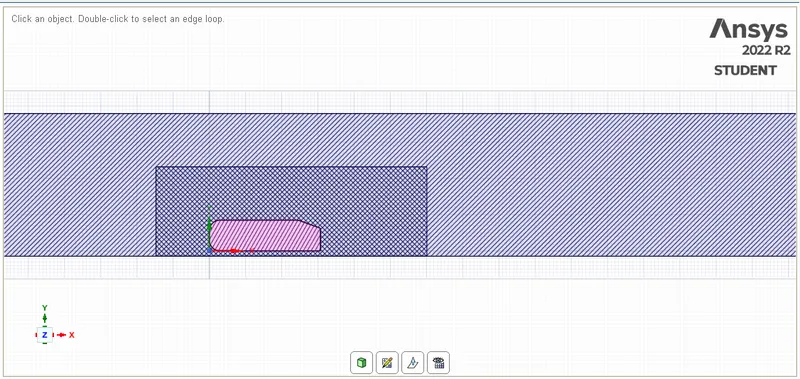
To remove these intersection go to prepare selection the intersection option and click on the right tick mark after that intersection is removed.
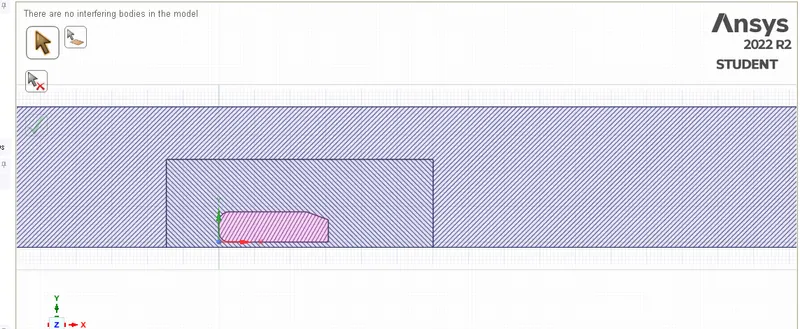
Once the intersection is removed go to design and select bodysplit option and divide the model in half part.
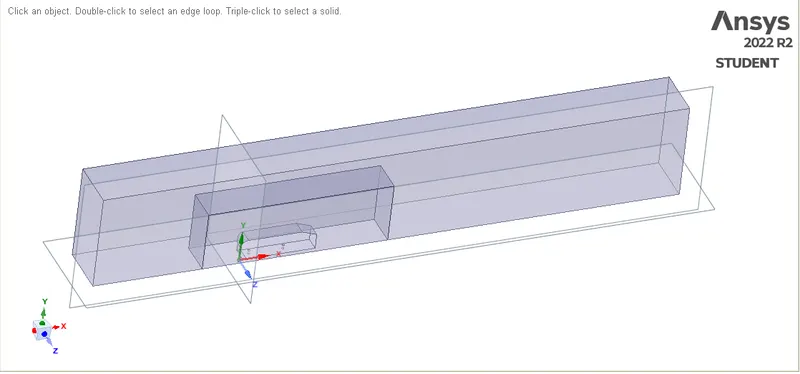
CASE 1
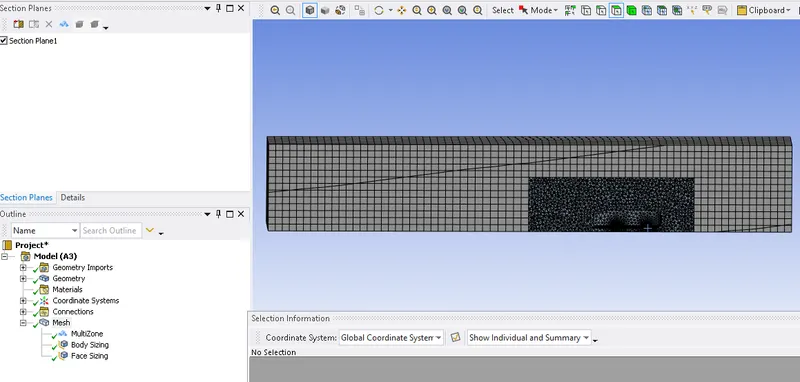
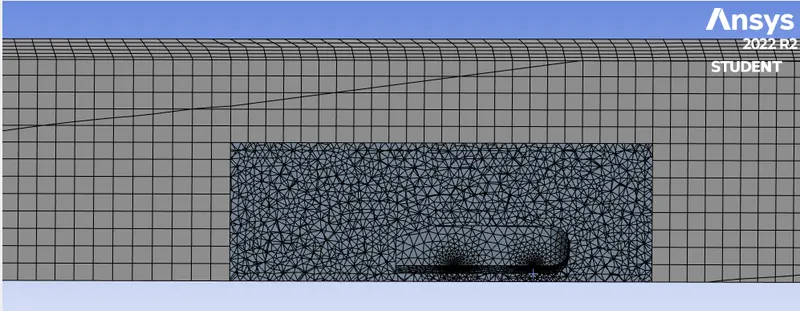
Box 1 - element size = 110 mm hexahedral mesh
Box 2 - element size = 60 mm tetra mesh
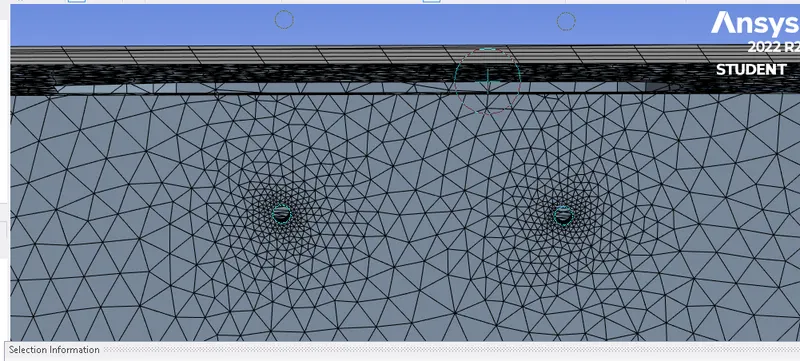
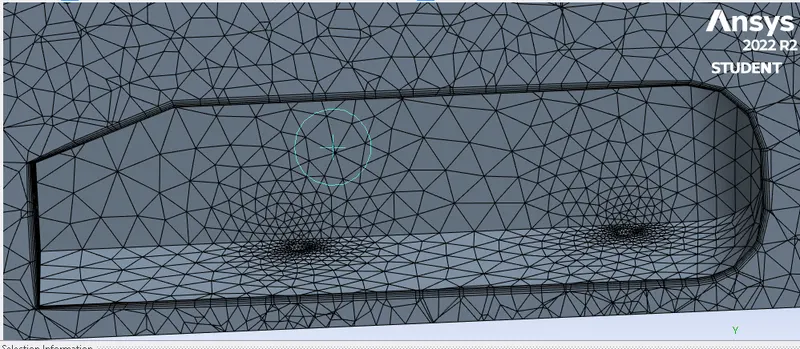
5 inflation layer around the walls of Ahmed Body with maximum thickness 12.44mm
Meshing:
Setup and Solution:
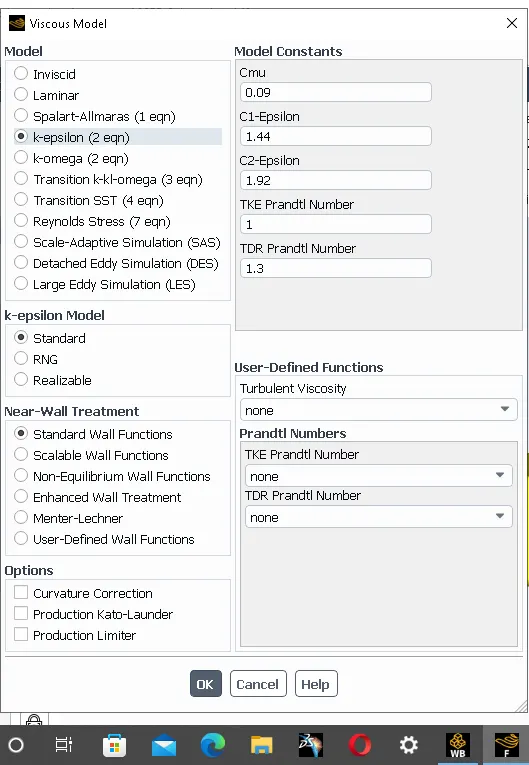
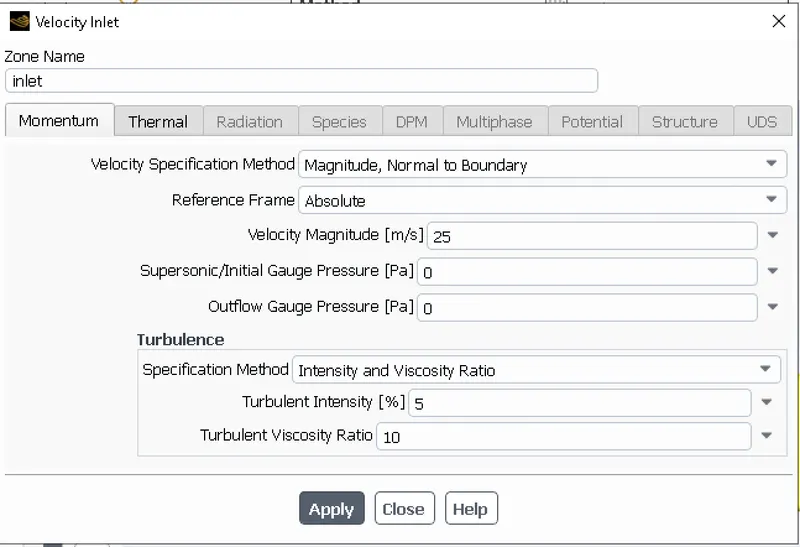
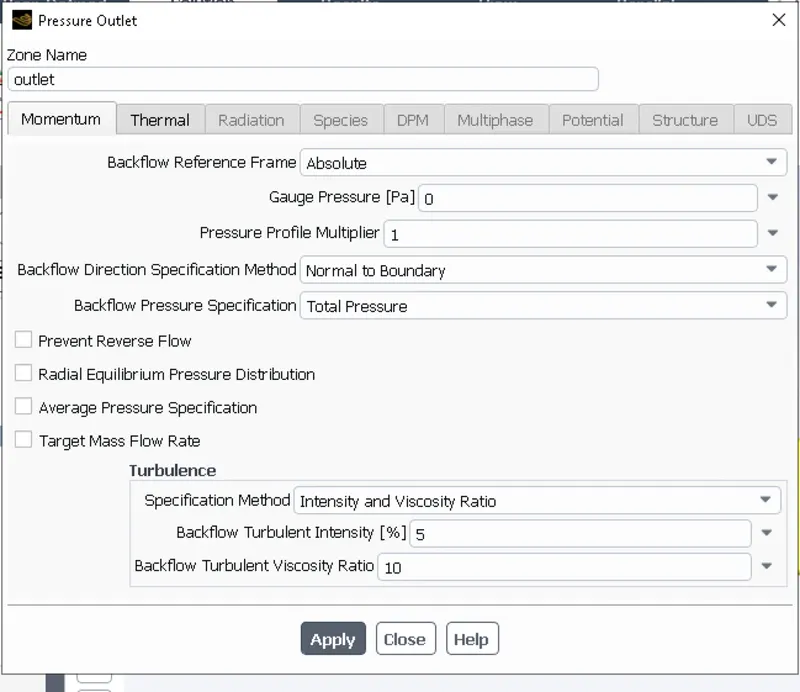
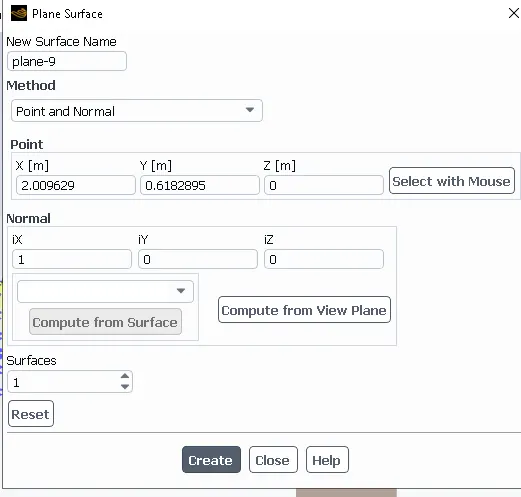
In normal select z = 1 and rest of them is zero.
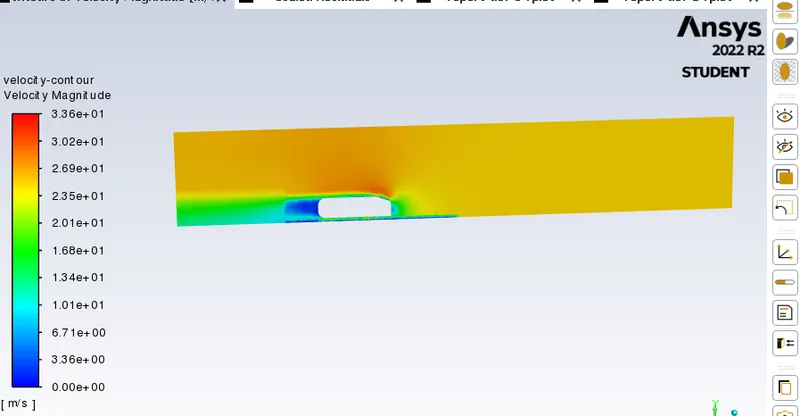
Velocity contour plot:
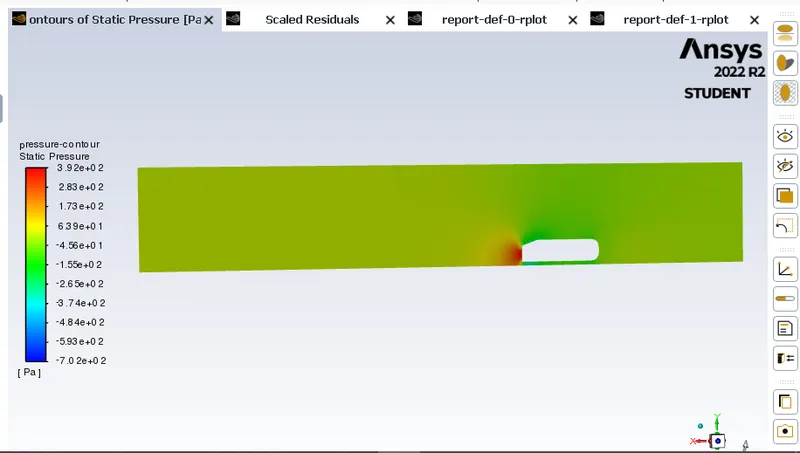
Pressure contour plot:
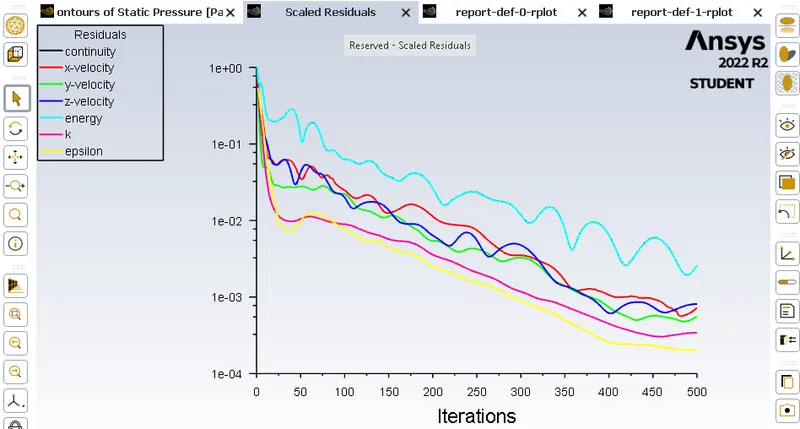
Residual Plot:
Drag Coefficient:
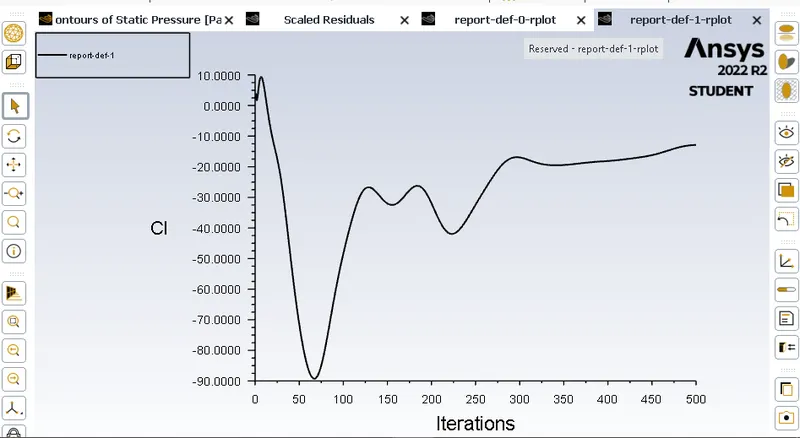
Lift Coefficient:
Velocity Vector Plot:
CASE 2
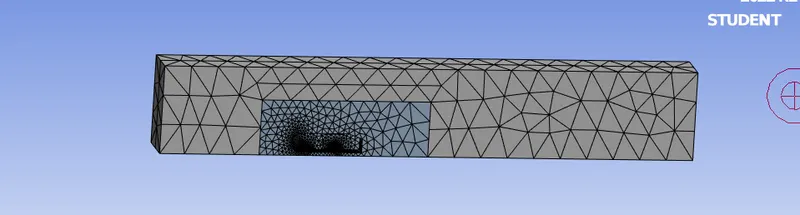
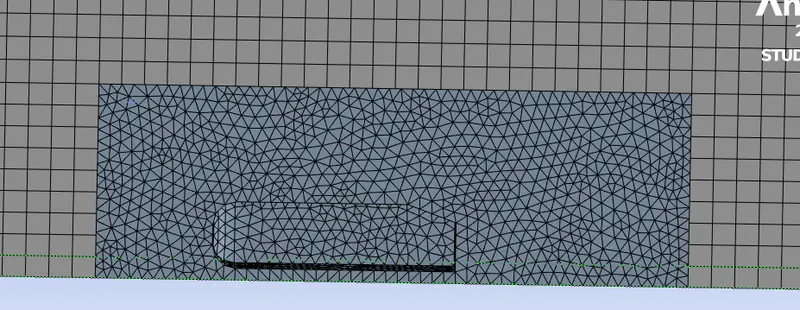
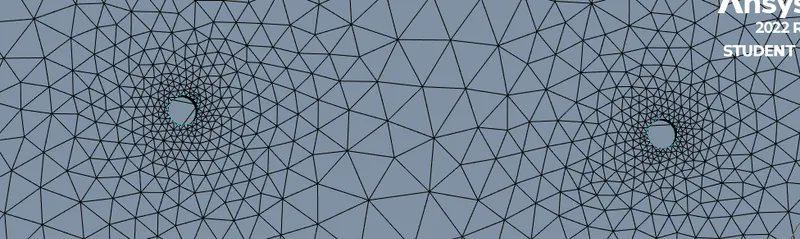
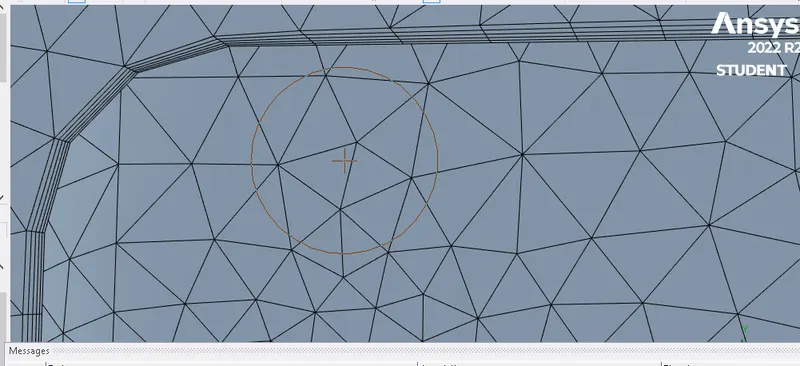
Box 1 - element size = 100 mm hexahedral mesh
Box 2 - element size = 50 mm tetra mesh
5 inflation layer around the walls of Ahmed Body with maximum thickness 12.44mm
Meshing:
Setup and Solution:
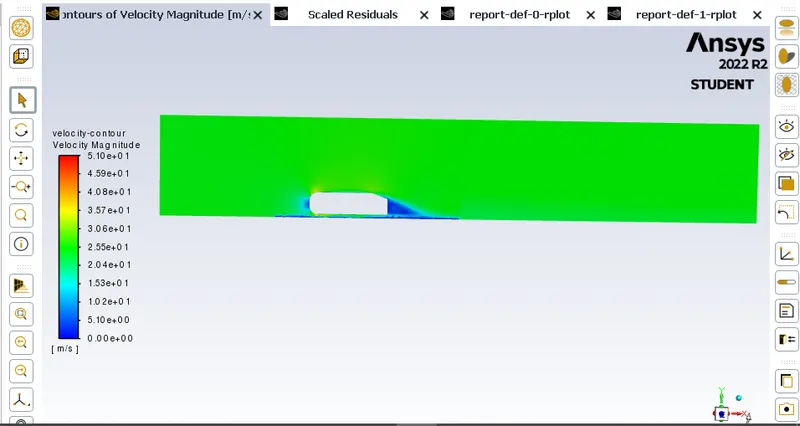
In normal select z = 1 and rest of them is zero.
Velocity contour plot:
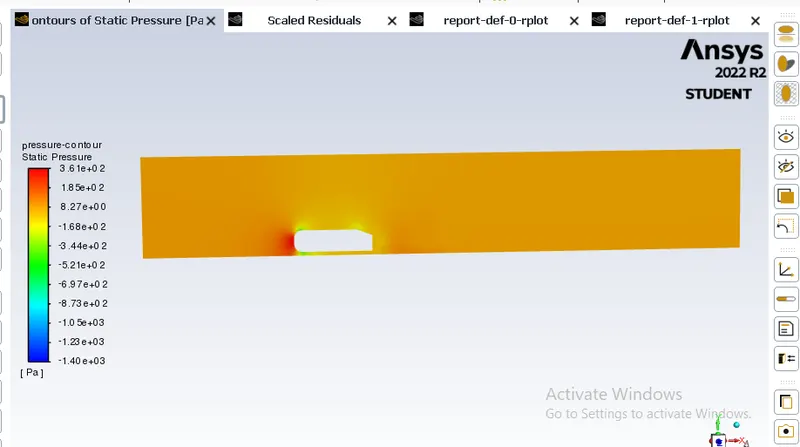
Pressure contour plot:
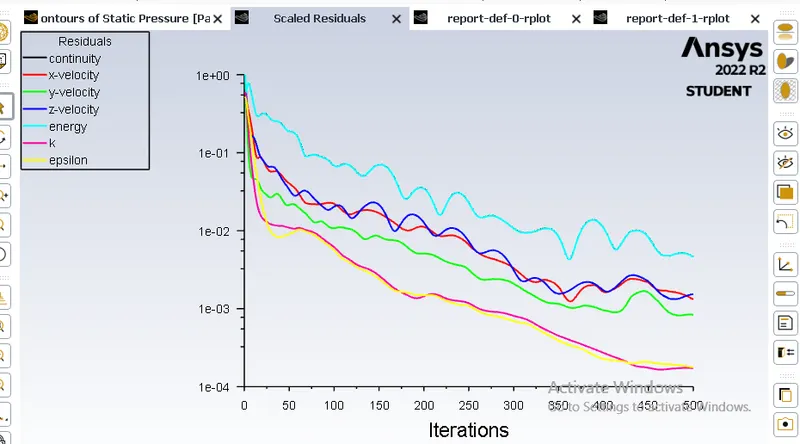
Residual Plot:
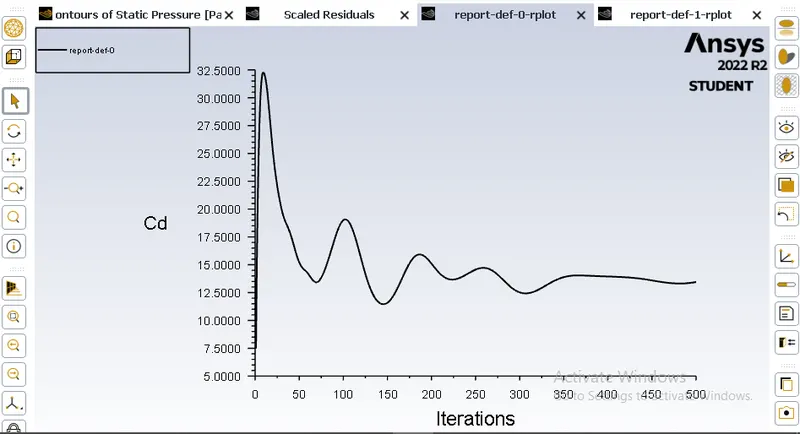
Drag Coefficient:
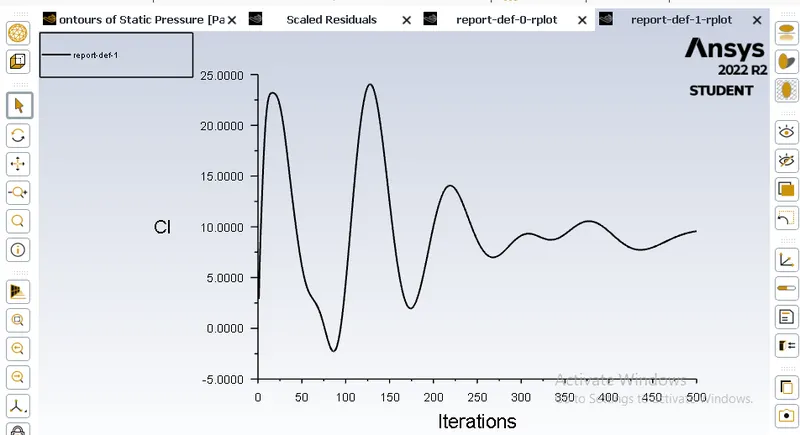
Lift Coefficient:
Velocity Vector Plot:
CASE 3
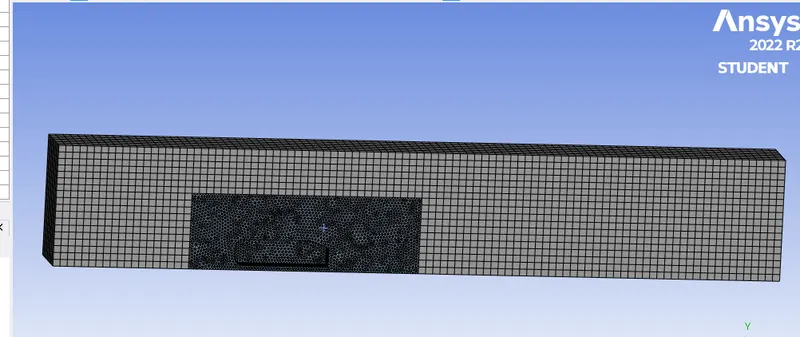
Box 1 - element size = 80 mm hexahedral mesh
Box 2 - element size = 30 mm tetra mesh
5 inflation layer around the walls of Ahmed Body with maximum thickness 12.44mm
Meshing:
Setup and Solution:
In normal select z = 1 and rest of them is zero.
Velocity contour plot:
Pressure contour plot:
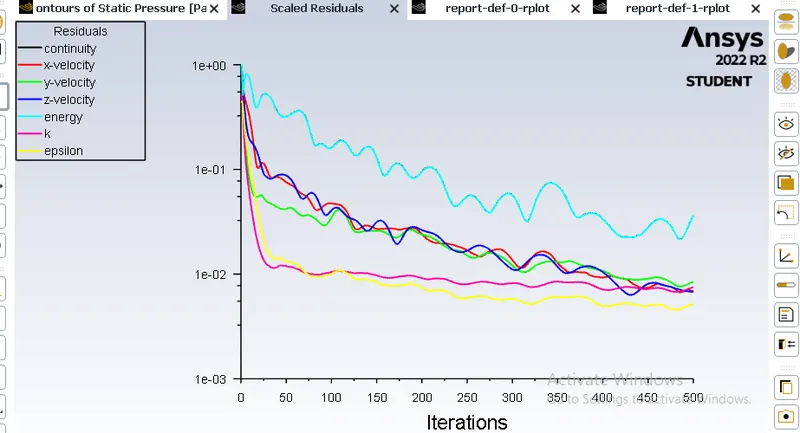
Residual Plot:
Drag Coefficient:
Lift Coefficient:
Conclusion:
1. The grid dependency test allows us to see smoother velocity profile. As we make the mesh finer i.e. when we increase the cell counts (closer to the limit), we can see from the vector plots from all the 3 cases, of the velocity that it becomes more and more smoother
2. One thing is observable that making the mesh finer lets us see the wake region more prominent.
3. From the 3 cases, we can conclude that the flow is more defined at lower element size i.e. at case 3. The finer the mesh gets, the easier it gets in visualizing the contours.
4. Mesh refinement increases the closeness of the resulting values to the true values. From above observations, we conclude that Grid is independent but there is some margin of error which can be caused by a number of other simulation parameters
5. Local refinement of the enclosure is a great tool for performing analysis and it improved the results without which wouldn’t have been so accurate and cleared grid dependency in fluent.
6. This study for all practical purposes gives a great real-world scenario of aerodynamic impact on a car body, which when improved can help overcome many challenges faced by automobile.
References:
1. https://arxiv.org/pdf/2001.11074.pdf
2. https://www.comsol.com/blogs/studying-the-airflow-over-a-car-using-an-ahmed-body/