Week 3 - External flow simulation over an Ahmed body.
AIM :
Describe Ahmed's body and its importance.
Explain the reason for the negative pressure in the wake region.
Explain the significance of the point of separation.
Objectives
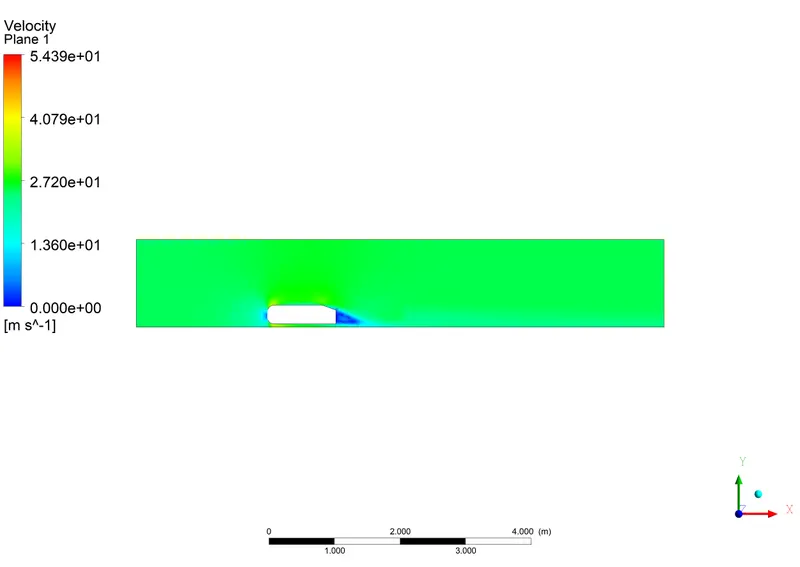
1. Velocity and pressure contours.
2. The drag coefficient plot for a refined case. ( For velocity of 25m/sec, the drag coefficient should be around 0.33).
3. The vector plot clearly showing the wake region.
4. Perform the grid independency test and provide the values of drag and lift with each case.
Ahmed's body and its importance
A SIMPLE CAR BODY TO ANALYZE THE EFFECT OF FLOW PATTERN ON THE DRAG. STABILITY , COMFORFT AND FUEL CONSUMPTION AT ELEVATED SPEEDS DEPENDS UPON THE EXTERNAL AEDRODYNAMICS. THE FLOW IS TURNBULENT OUTSIDE THE CAR BODY AND WAKE FORMATIONS TAKES PLACE, AHMED'S BODY VERY MUCH HELPFUL IN ANALYZING THE FLOW PATTERN AND WAKE FORMATION. IOT ALSO HELPFUL IN ANALYSING THE DRAG FORMATION MECHANISM,WHICH HELPS IN DESIGNING THE CAR TO FACE MINIMUM DRAG FORCE.
Reason for the negative pressure in the wake region
Consider the flow of a fluid particle within the boundary layer of a ahmed body. The pressure is highest at the stagnation point and progressively declines in the front half of the car. As expected, the flow tends to stick in this advantageous pressure area. However, overall pressure in the back half of the car begins to rise, creating an undesirable pressure difference for the particle. As a result, the flow separates from the surface, forming the wake, a turbulence zone behind the car. As the flow separates, the pressure inside the wake zone remains low, resulting in a net pressure force (pressure drag).
The significance of the point of separation.
If the pressure builds up in the direction of flow, this is known as an unfavourable pressure gradient condition. The particles now have to travel against a rising force applied in addition to a high viscous force. As a result, the fluid might be halted or redirected, forcing adjacent particles to migrate away from the surface. The flow separation is the name for this occurrence.
Procedure
load ahmed body in the spacw claim
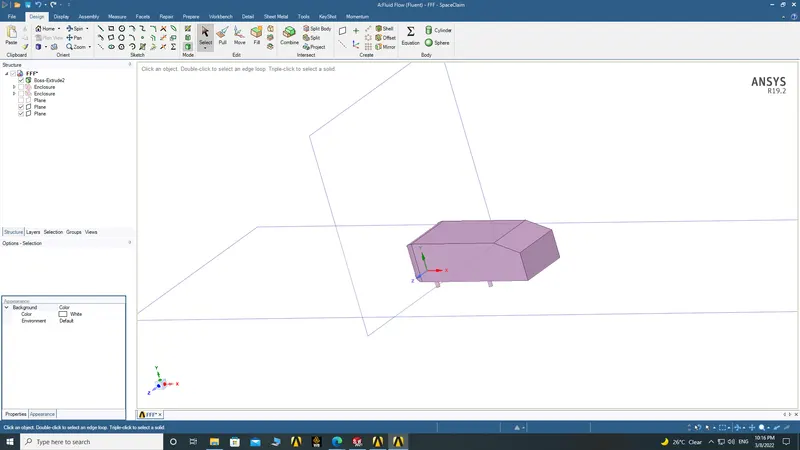
Drawing an enclouser with the given diomenssions and check interference for conformal mesh
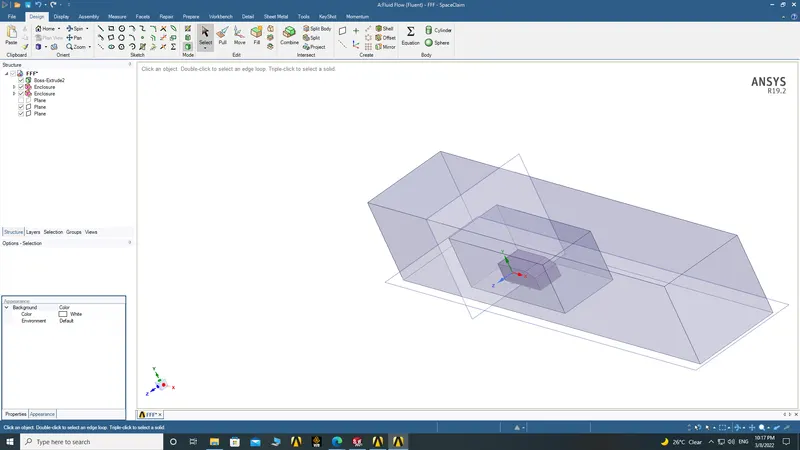
keep the topology in shared option
close the space claim and go for meshing and give named selections the details are shown below

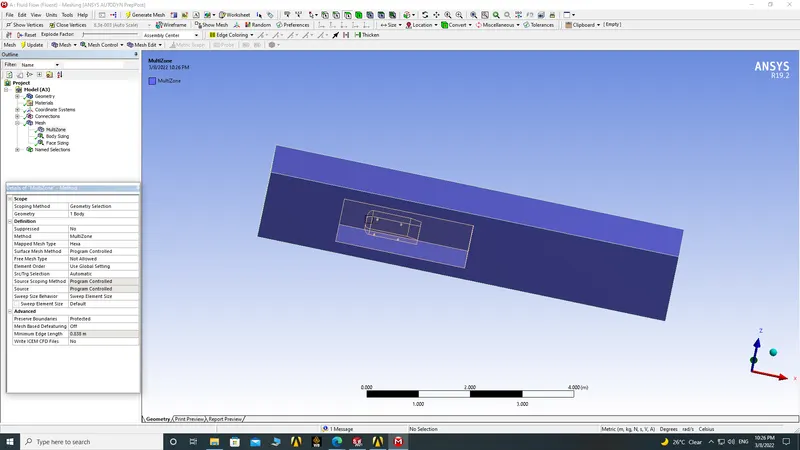
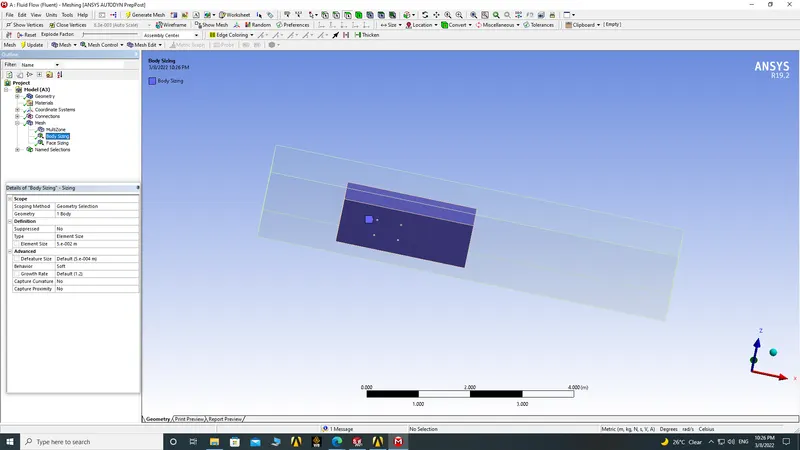
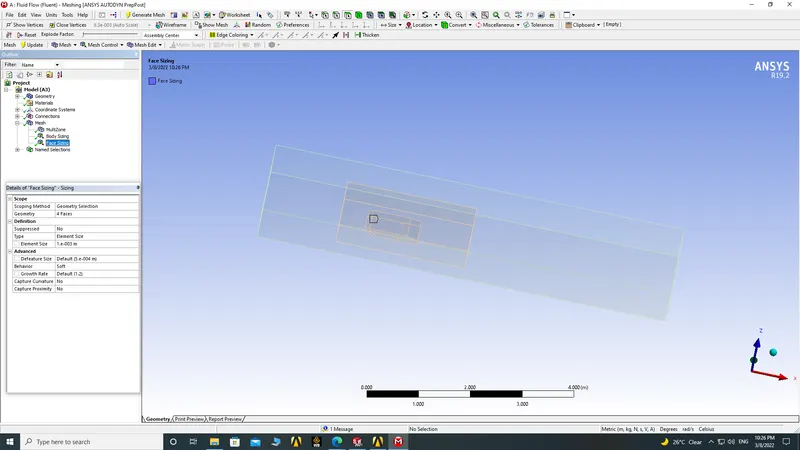
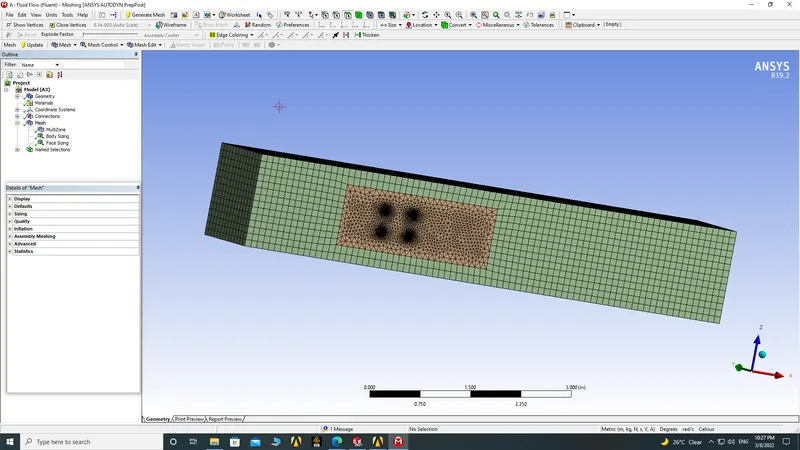
now close the meshing and go for fluent
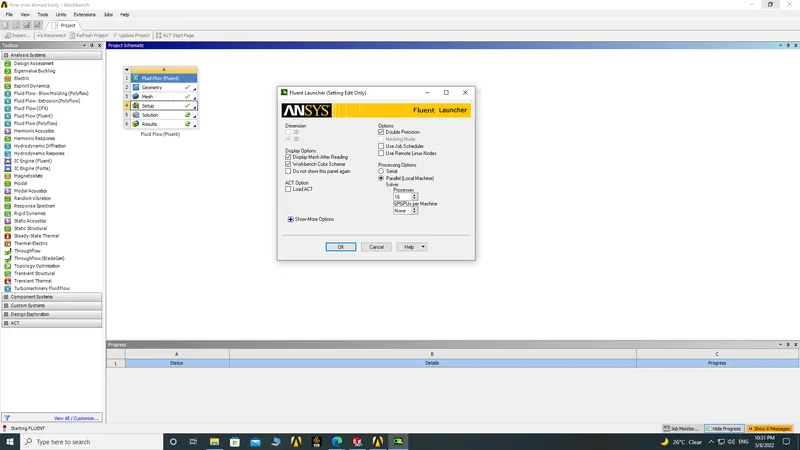
check for the quality of the mesh
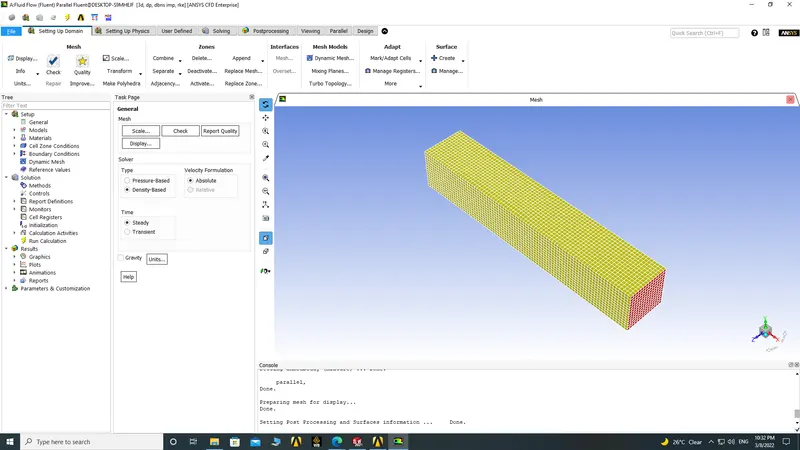
set up the physics and refernec values
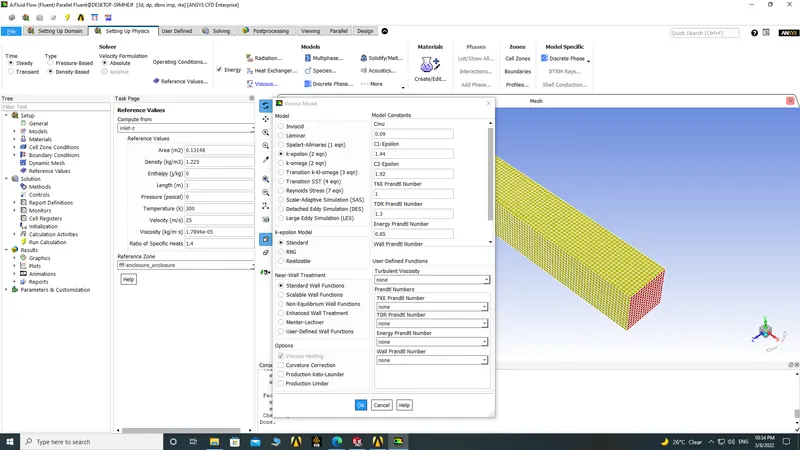
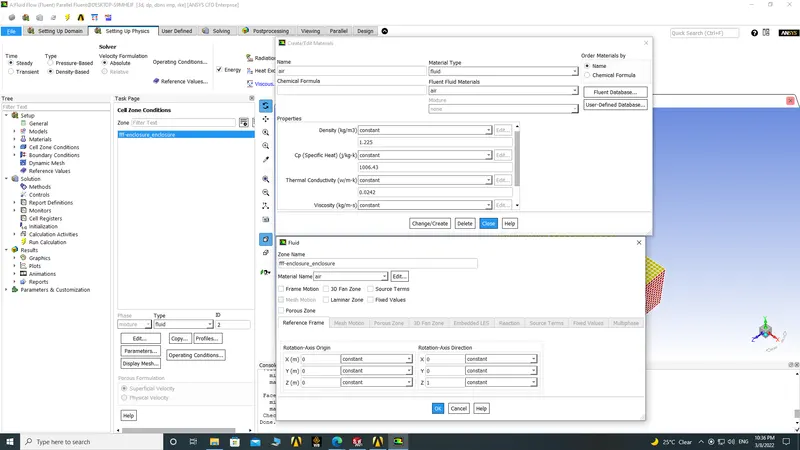
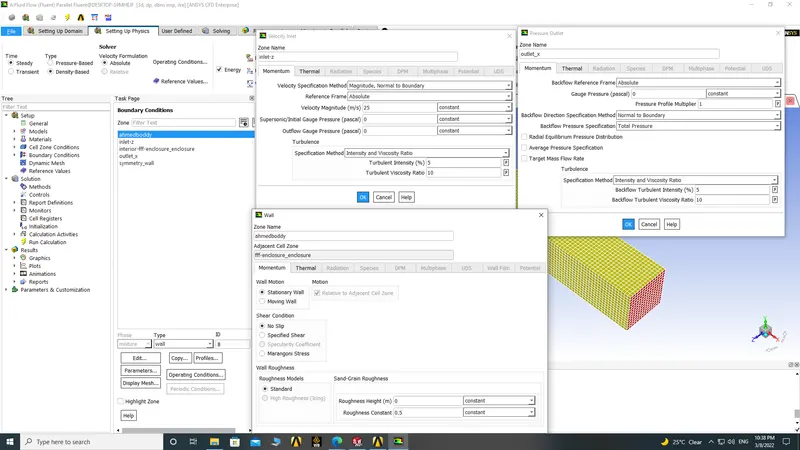
now define the material properties, cell zones and boundery conditions
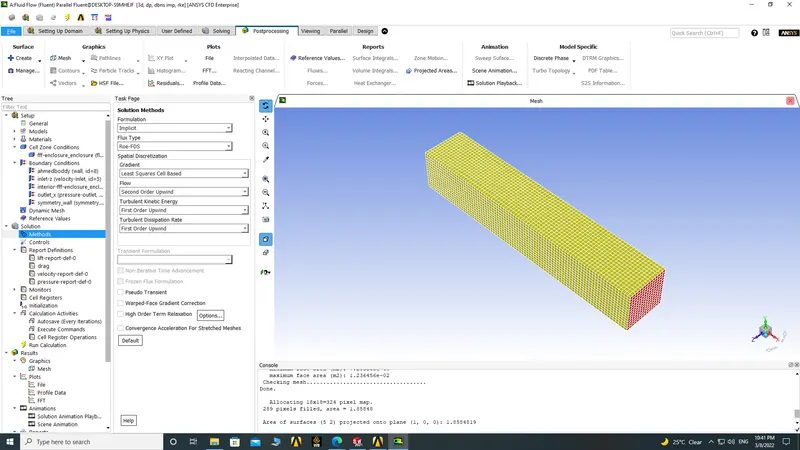
select the solution method
now select a palne in the normal z direction
now create reports for drag lift vel,ocity and pressure
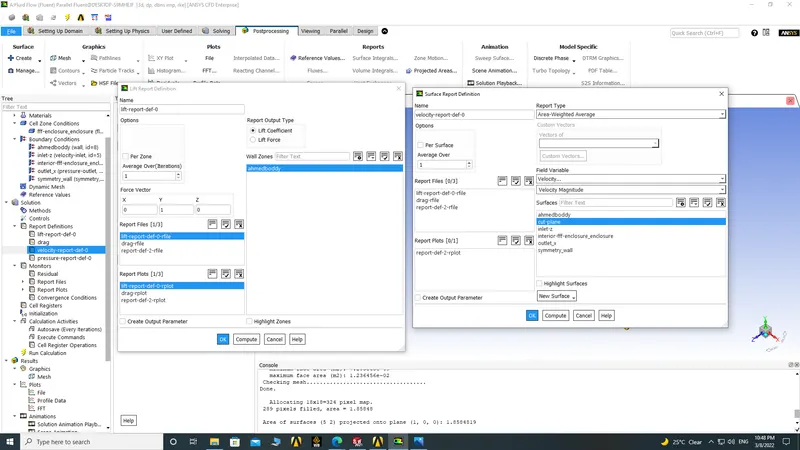
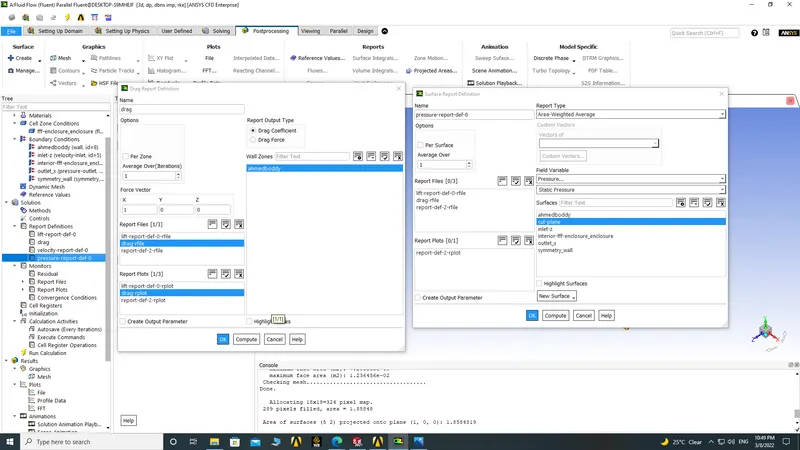
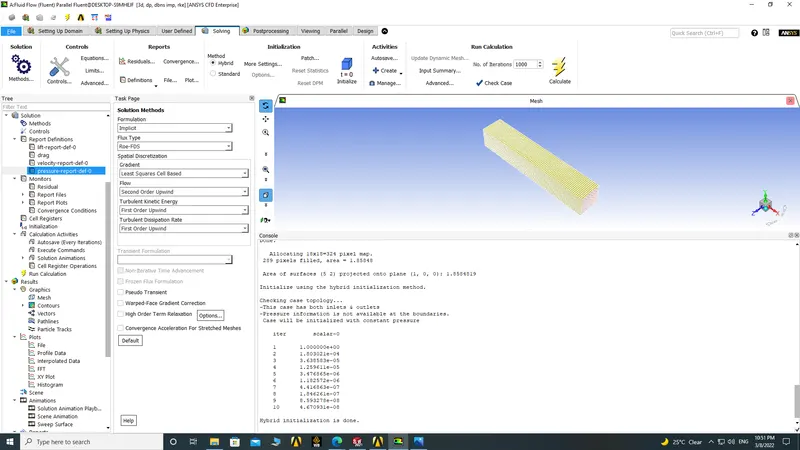
now initialize the solution
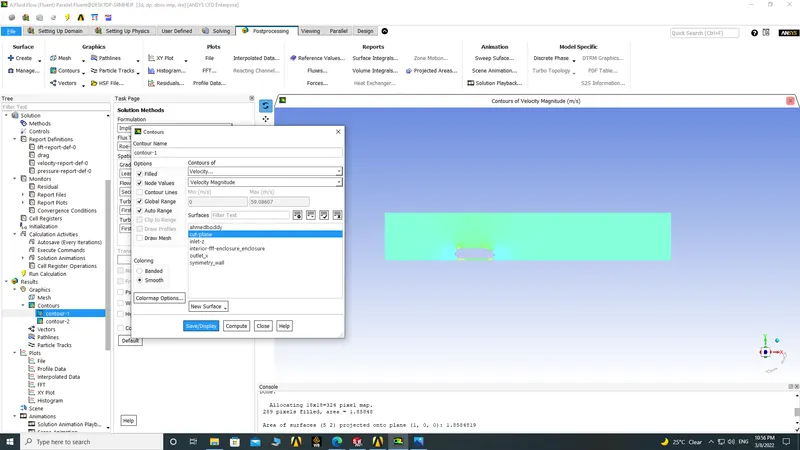
now create pressure and velocity contours
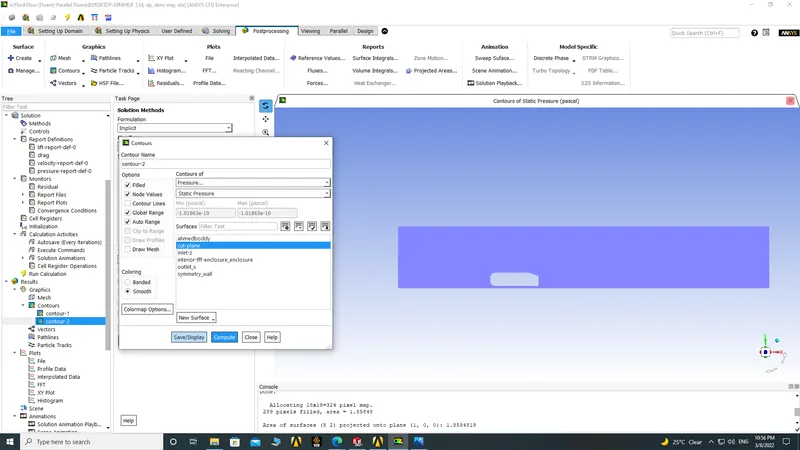
now run the solution and get the results
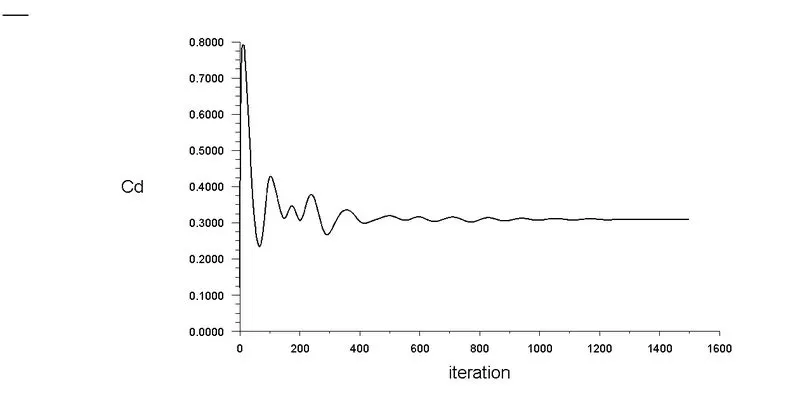
@ velocity =25m/sec Cd=0.310688 Cl=0.18821035
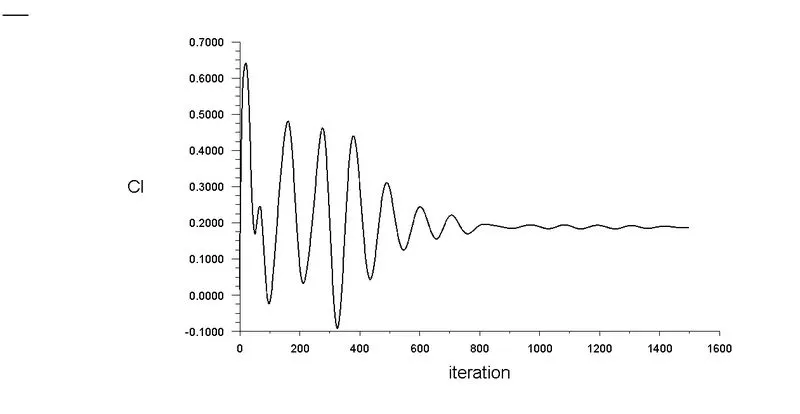
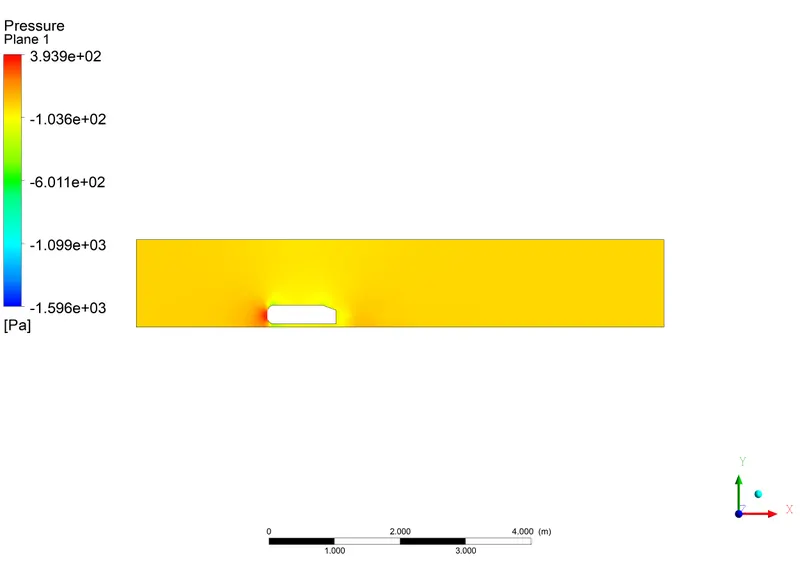
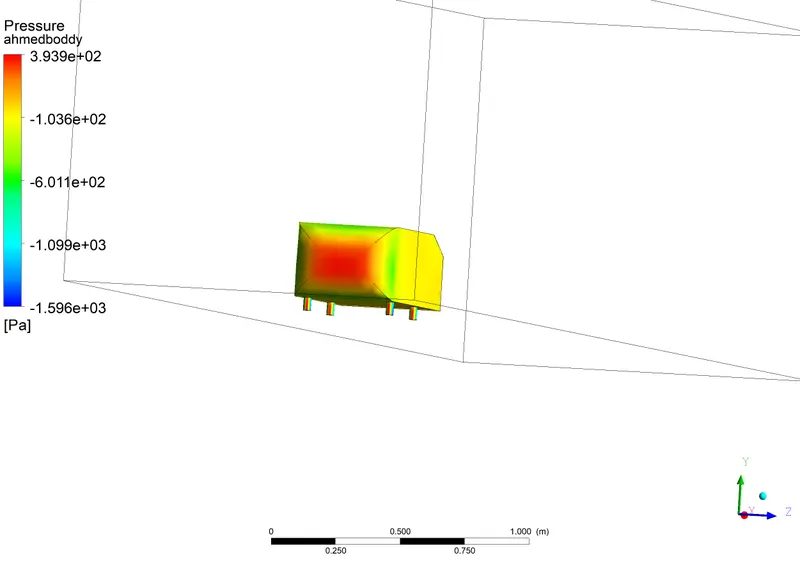
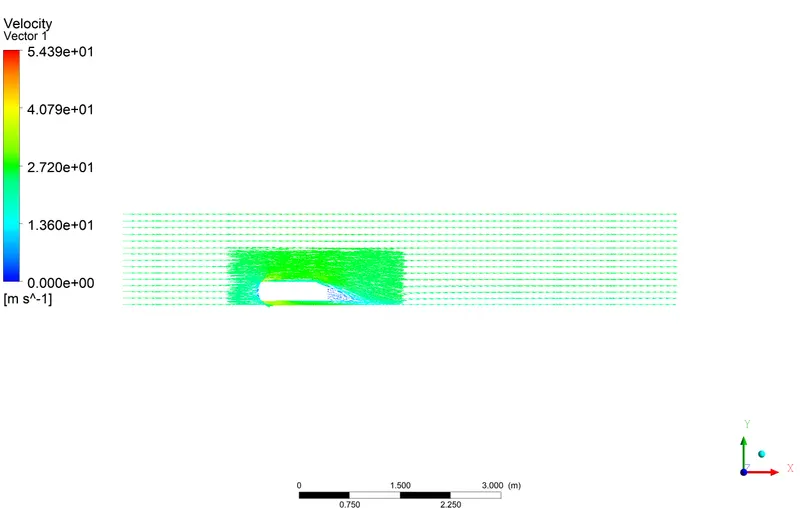

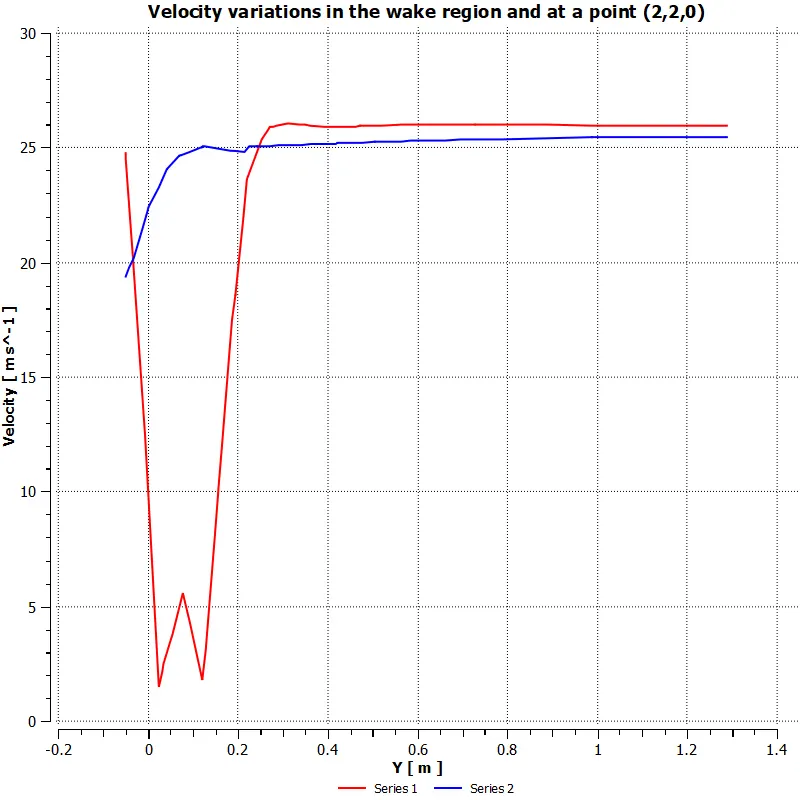
for a cell count of 712186 @ velocity =25m/sec Cd=0.310688 Cl=0.18821035
for a cell count of 227308 @ velocity =25m/sec Cd=0.37731346 Cl=0.21169425
for a cell count of 193049 @ velocity =25m/sec Cd= 0.40974008 Cl=0.2487224
conclusions
- in the frontal area the kinetic converts into pressure energy results in increased pressure in the frontal area of ahmeds body
- wake formation is taking place behind the ahmed body is all because of flow separation near the back end of ahmeds body,this wake formation can be reduced when there is flow separation far from the ahmeds body, in the wake region the pressure gradient becomes negative
- as the no.of cell count increses the solution approches the practical values