Week 3 Challenge : CFD meshing on Turbocharger
AIM/OBJECTIVE
Perform Volumetric CFD meshing on Turbocharger
PROCEDURE
Step 1) Check the topo of model given by:-
1.1) Produce new face where-ever missing by using features like fill hole, coon etc. with yaking help of insert hard points
1.2) Check for intersection and remove the excess surface.
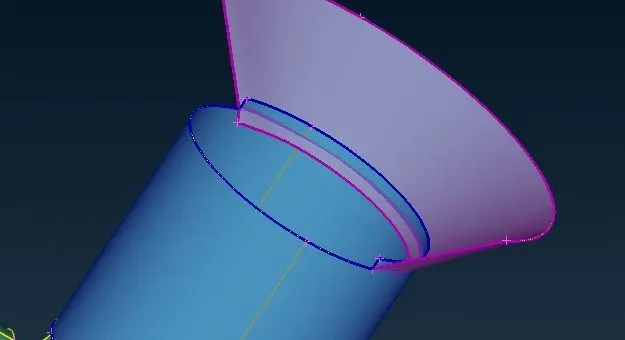
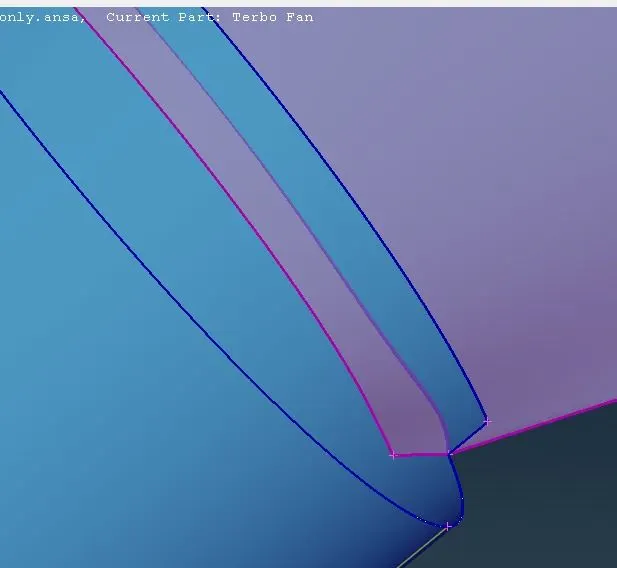
1.3) Remove the common face causing triple-coons, with help of delete feature.
1.4) To remove triple- cons use release and topo feature available in coon and face section.
1.5) Check for topo errors one again.
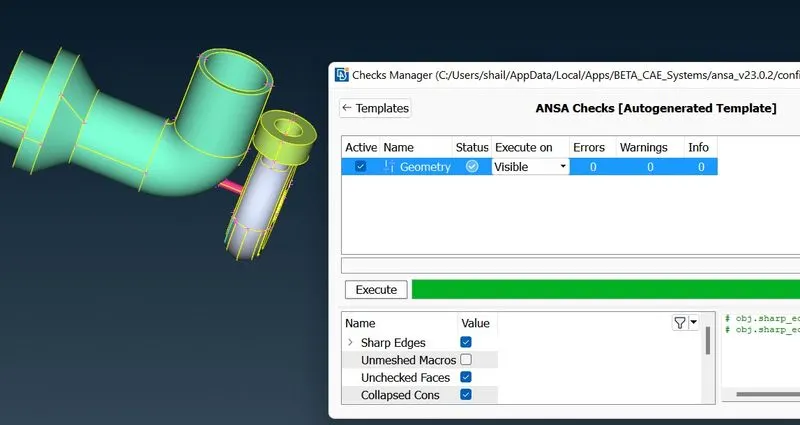
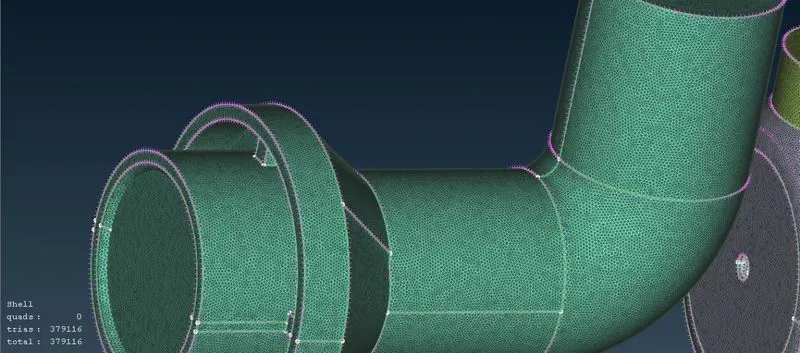
Step 2) Perform surface meshing by:-
2.1) Assign PID's to all parts along with appropriate name
2.2) Show only the rotor and the 2 turbines
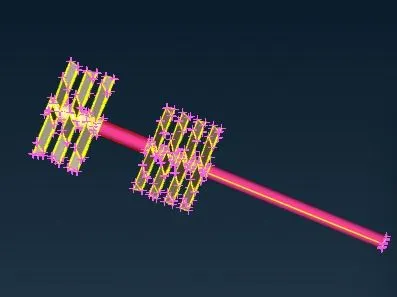
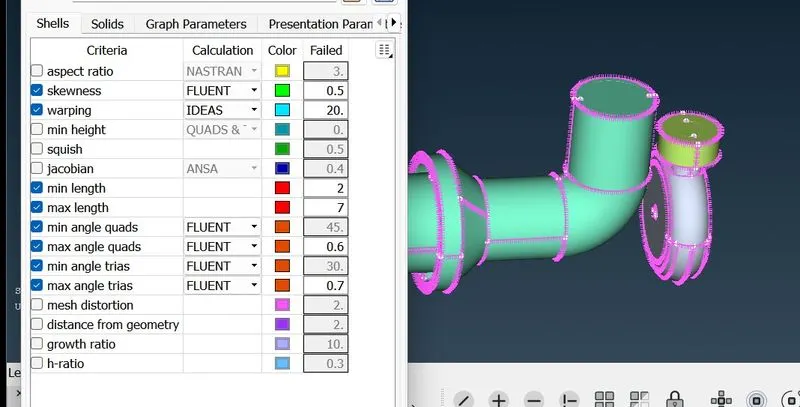
2.3) Set the parameterical and macro length to 1mm.
2.4) Set the element 'tri' and the end length 1mm in mesh parameter
2.5) Give the min and max length of mesh element from quality parameter max=3mm: min=0.3mm
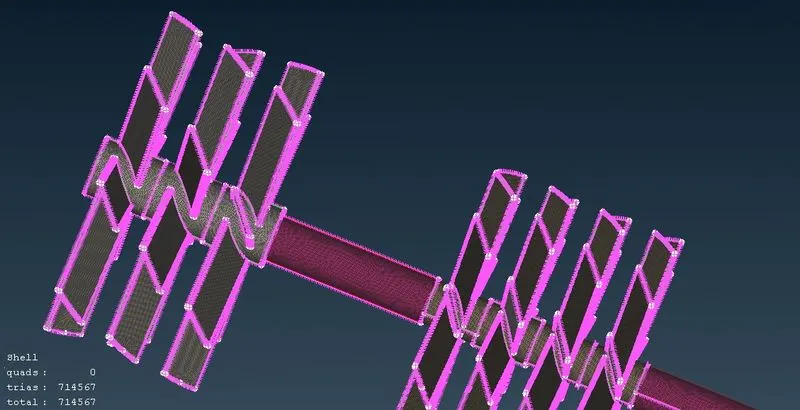
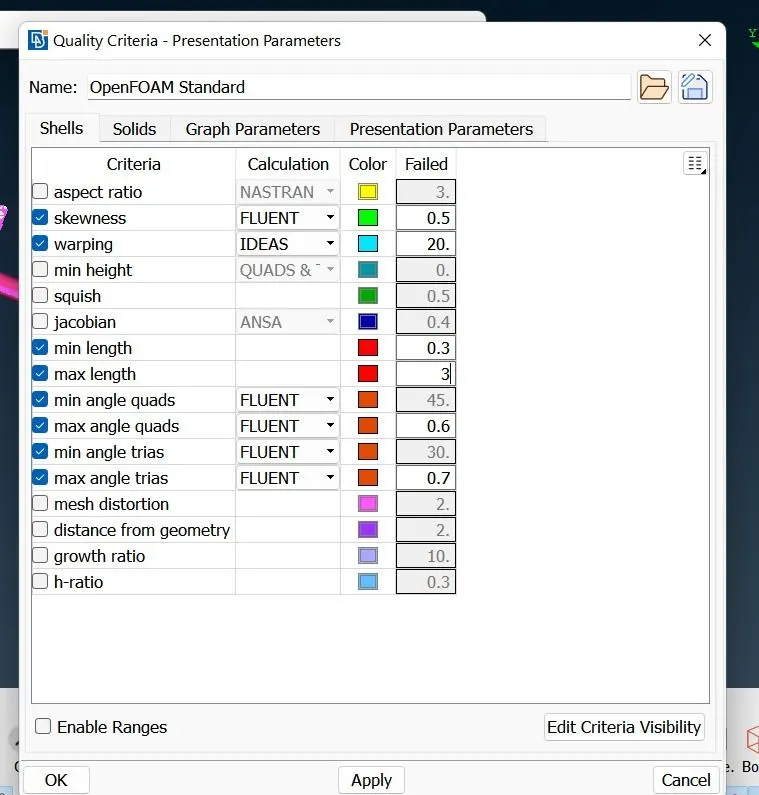
2.6) Perform spot meshing for all visible parts
2.7) Do the same with changing data for lengths as per required:-
2.7.1) Impeller = 2 mm max=5mm: min=1mm
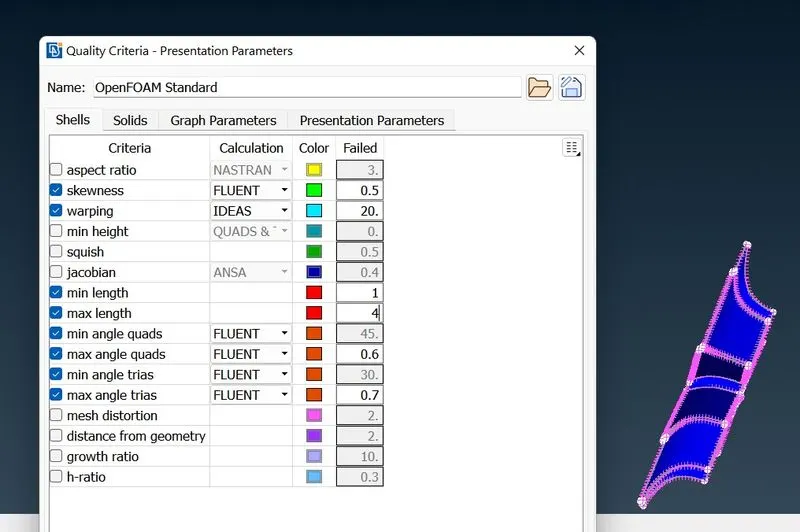
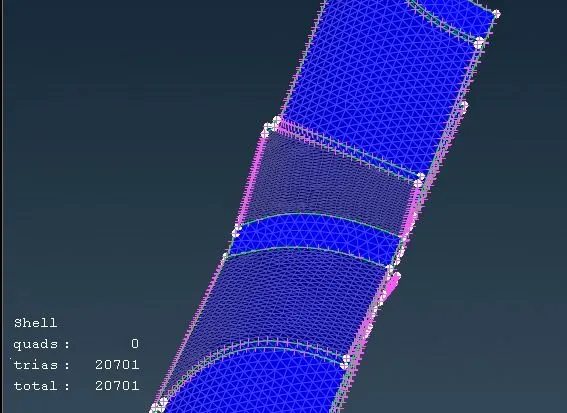
2.7.2) Turbo casing,Compressor casing, Inlet casing cover = 5 mm max=7mm: min=3mm
Step 3) Perform Volumetric meshing by:-
3.1) Choose the path Volume > Define > Auto-Select > Whole data base (db)
3.2) List of all unmeshed parts will be shown, check the parts defined for fluid flow and the for the thickness of parts.
3.3) Delete the parts mentioned for thickness of parts.
3.4) Remesh the left out parts for fluid flow.
3.5) While remeshing, select tetra CFD.
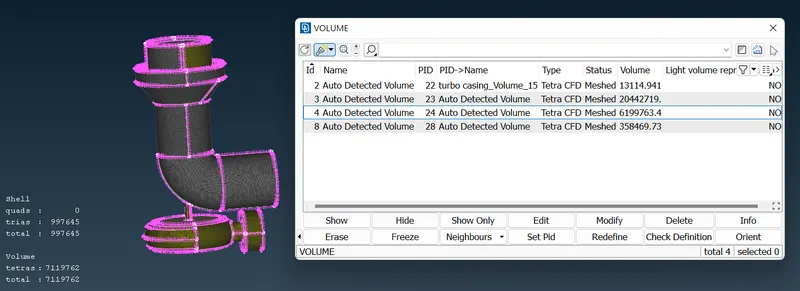
3.6) The processing might take some time,wait.
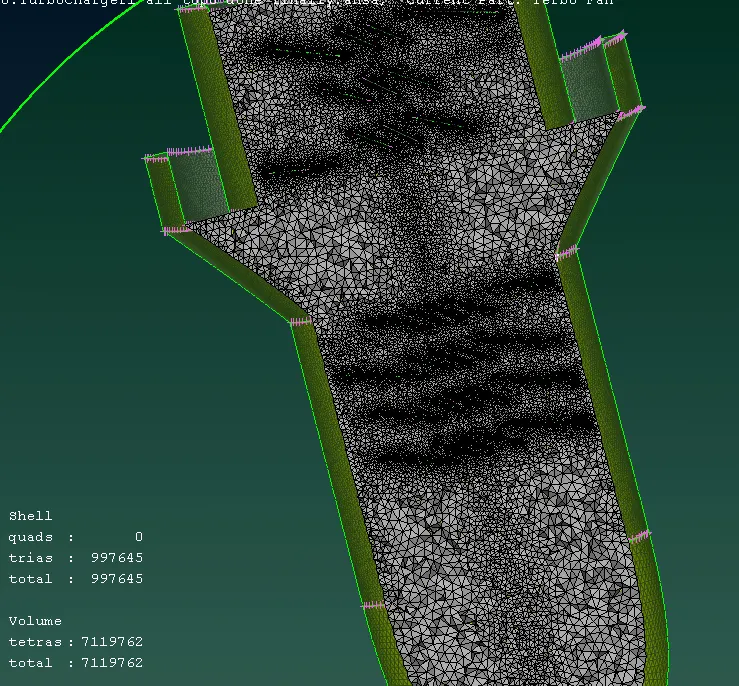
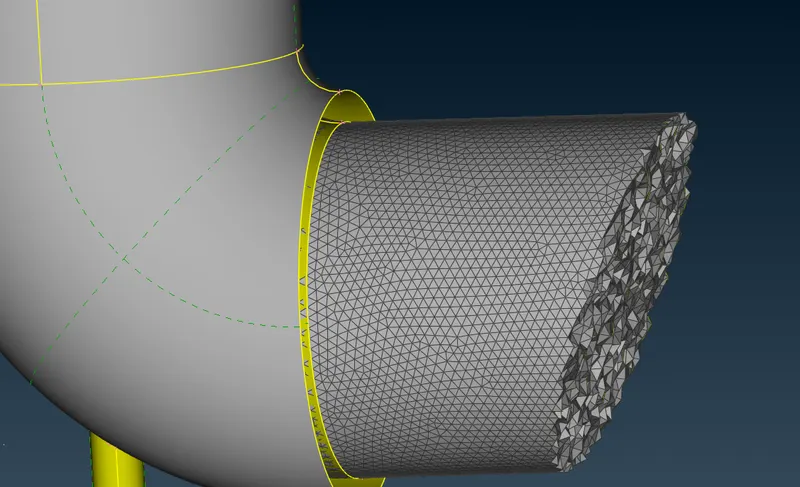
3.7) Check the CFD meshed turbocharger by partial hiding.
LEARNING OUTCOMES
I learned the followng from this challenge:-
1) Checking and solving the errors in the topology for common face, single coom and missing face
2) Performing surface meshing of different parts in one model successfully
3) Producing tetra 3D mesh of a component with help of volumetric meshing.
RESULT
The outcome resulted in a tetra CFDmeshed turbo-charger.
CONCLSION
The model can undergo the CFD and other kinds of simulations also after the successfull tetra meshing of it.