Week 2 - Flow over a Cylinder.
Aim: To simulate the flow over a cylinder and explain the phenomenon of Karman vortex street.
Objective: our maine objective ismentioned below
- Calculate the coefficient of drag and lift over a cylinder by setting the Reynolds number to 10,100,1000,10000 & 100000. (Run with steady solver)
- Discuss the effect of Reynolds number on the coefficient of drag. [ Results should be validated with any standard literature and error should be within 5 %].
Body of content:
before starting project we first understand what is vortex shedding, In fluid dynamics, vortex shedding is an oscillating flow that takes place when a fluid such as air or water flows past a bluff body at certain velocities, depending on the size and shape of the body.
Another thng we should understand is strouhal number, which is nothing but in dimensional analysis, the Strouhal number is a dimensionless number describing oscillating flow mechanisms.
Now coming to our analysies here is the detailed report of project flow over cylinder.
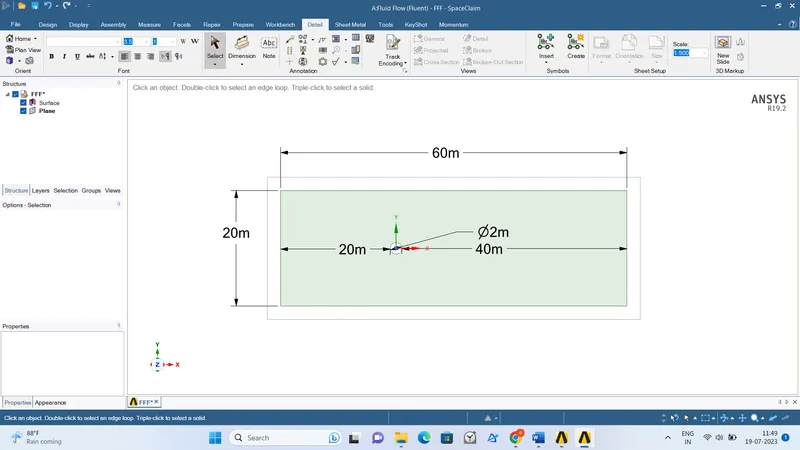
As shown in below figure we first design the 2d cylinder plane in spaceclaim, the dimension is also mentioned below.
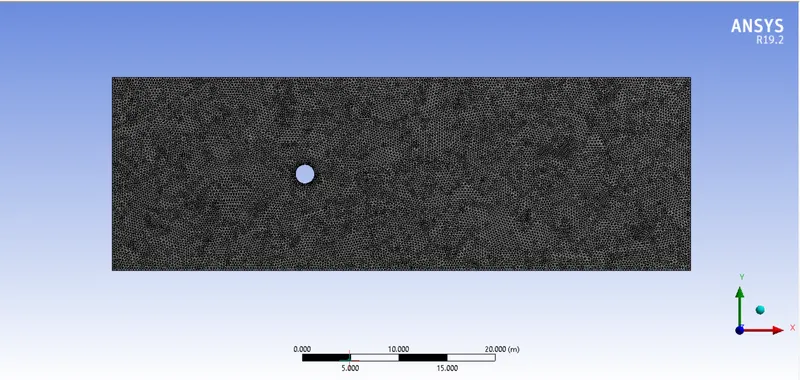
After that we perform meshing on 2d plane of cylinder the element size we take here is 0.25, so that the meshing capture full geometry, as shown in below figure we perform meshing.
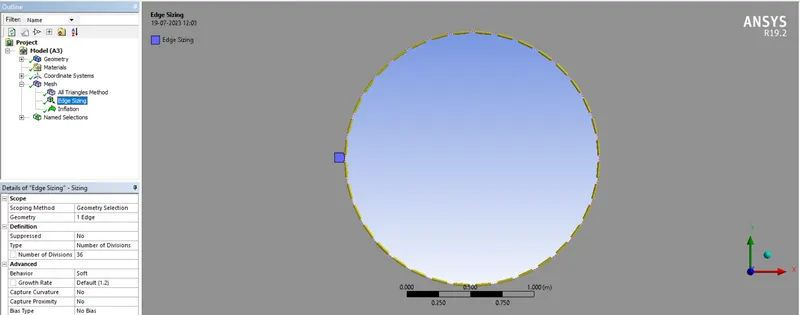
As the flow is on circle which we consider our cylinder, to make sure the meshing capture that also we performed edging on that also, below is the figure.
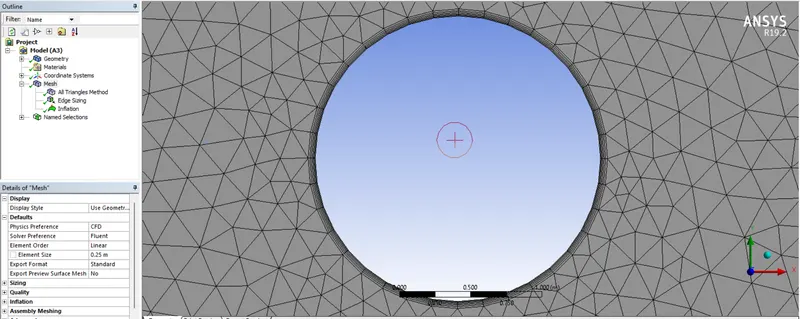
We also given inflation layer on cylinder so that we can capture better result on the cylinder, as shown in below figure.
Now our next step is to solve the flow over cylinder.
For the solution and flow our cylinder we first open the fluent and perform meshing check as shown in below figure.
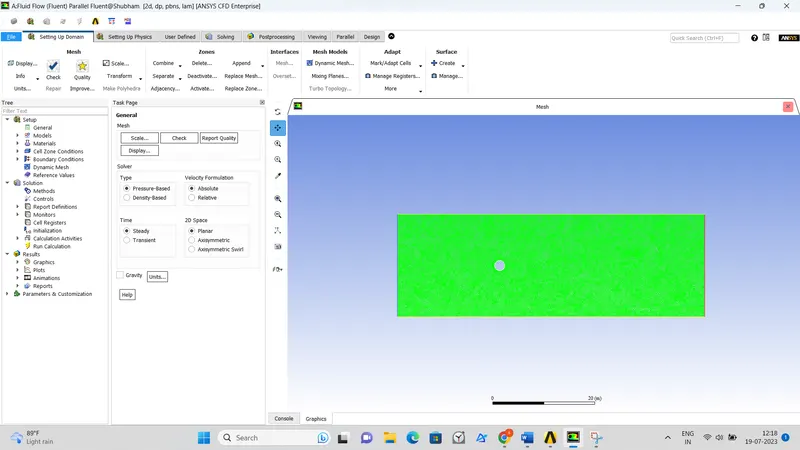
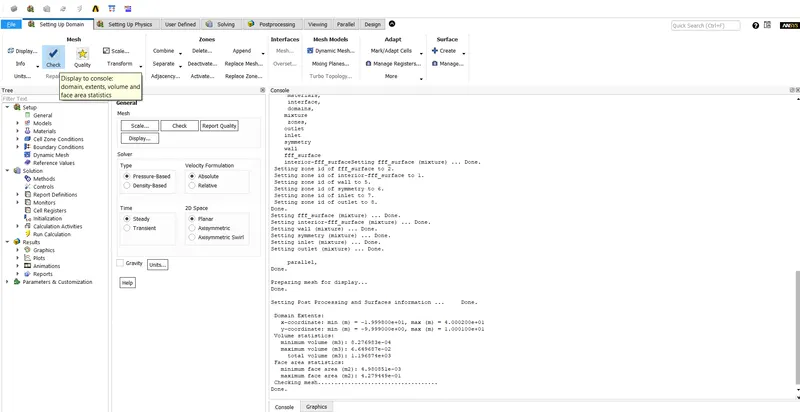
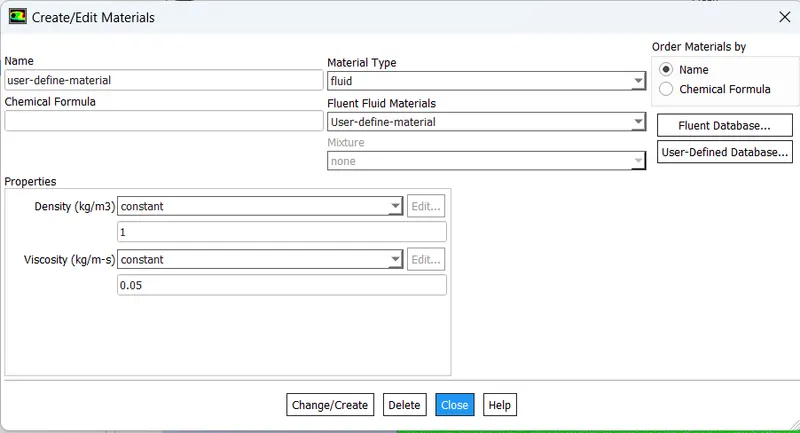
Now for the report purpose we are going to use material named as user-define-material as shown in below figure.
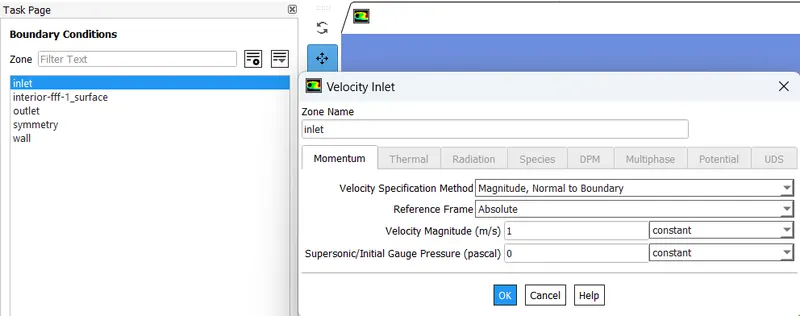
Now we are going to set our boundary inlet velocity which is for this case is 1 m/s as shown in figure.
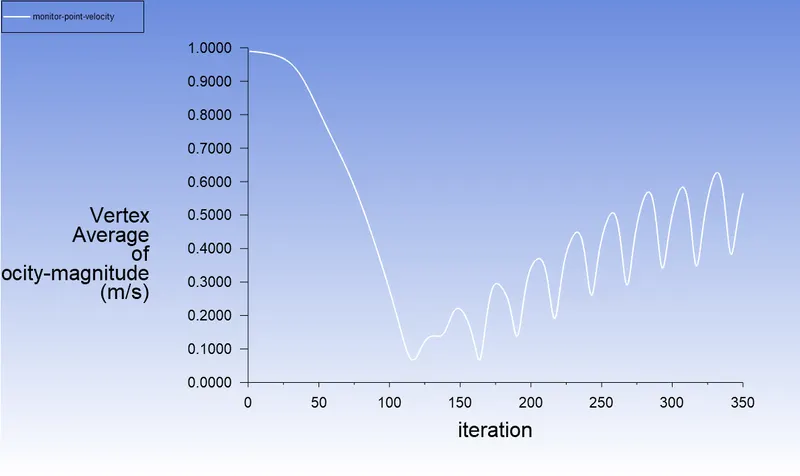
Now for measuring velocity we calculated it from 8 m distance away from cylinder as shown in below figure.
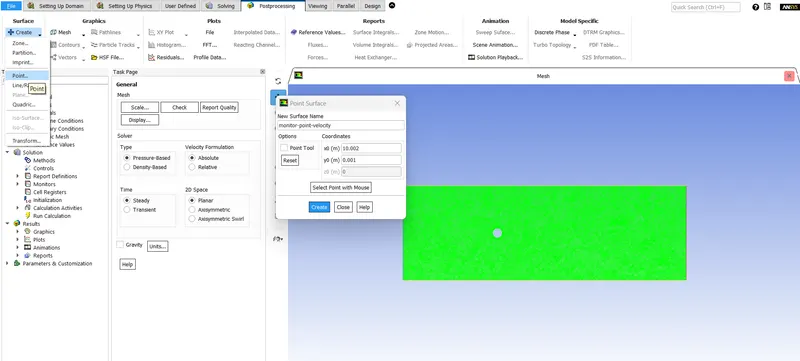
Now after seting up the physics the below is the result of the analysis,
here we are going to show only the result part which we obtained in ANSYS 19.
Talking about steady state simulation here are the analysis result.
1. For reynolds number 10
we assigned velocity 1 m/s.
density is 1 kg/m3
viscosity is 0.02 Pa-s
here are the result plots.
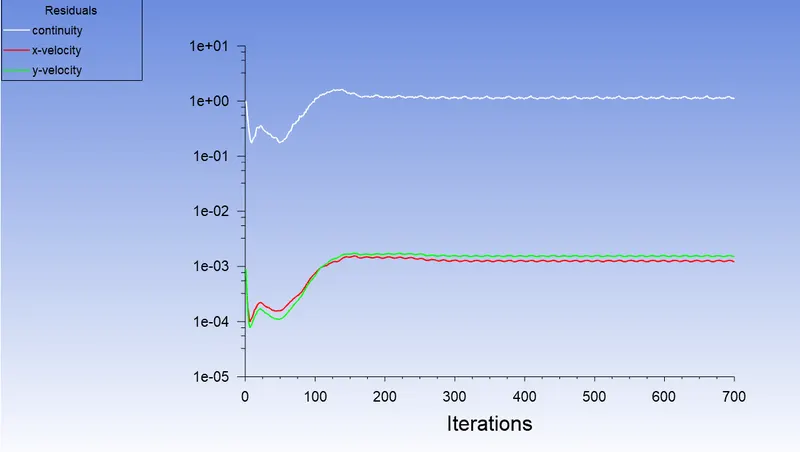
1. Residual plot
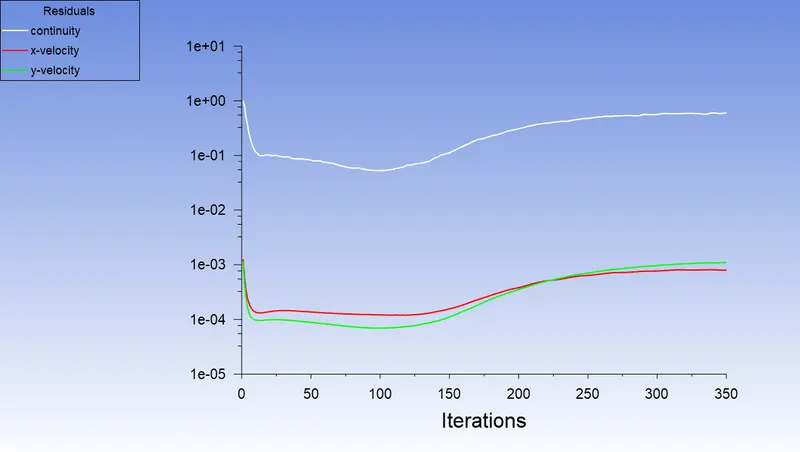
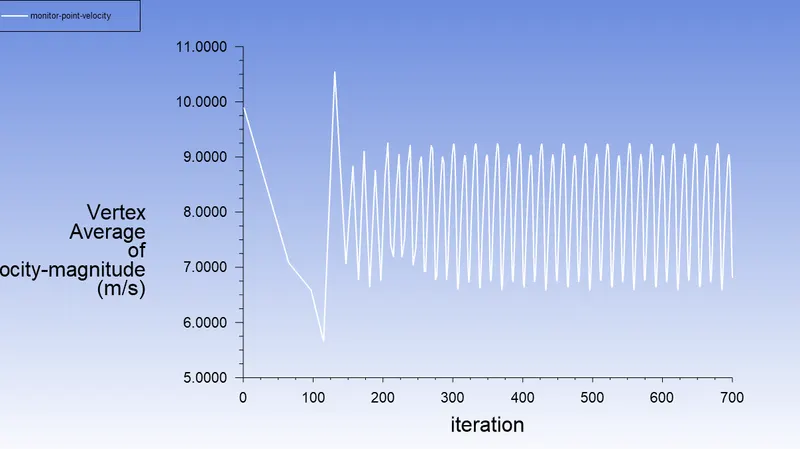
2. Monitor point velocity
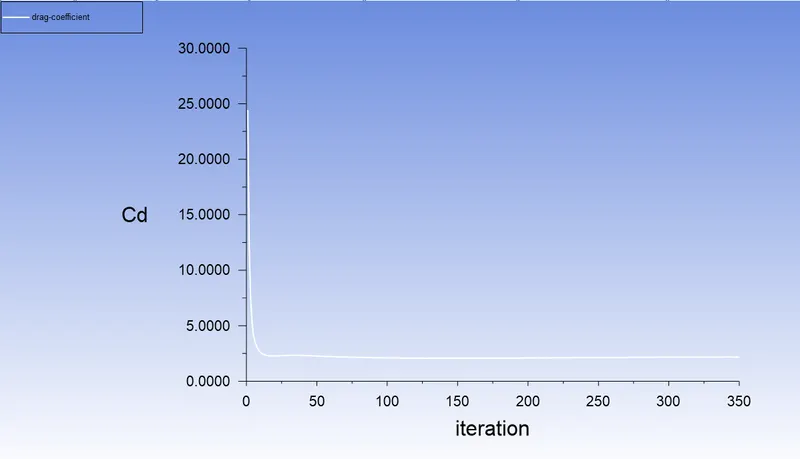
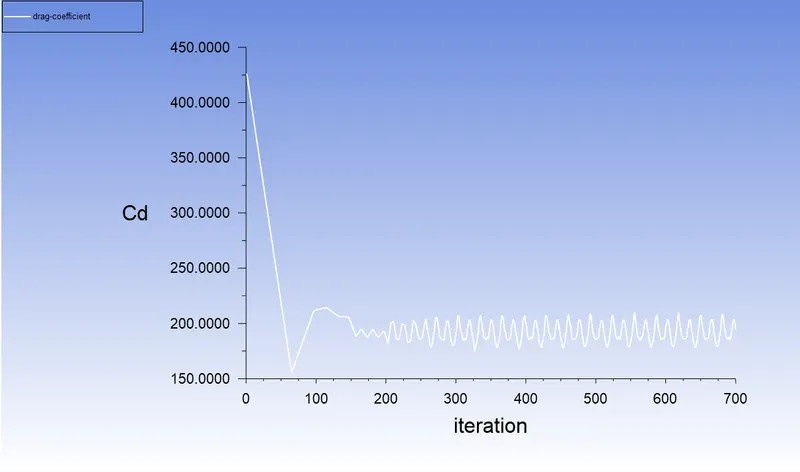
3. coefficient of drag
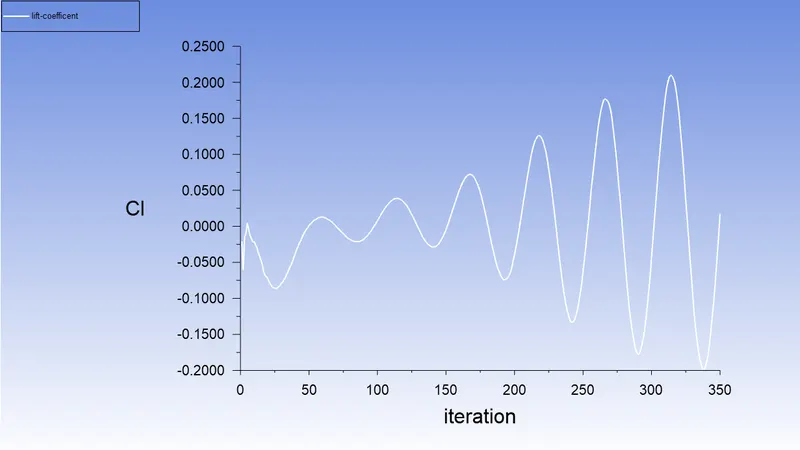
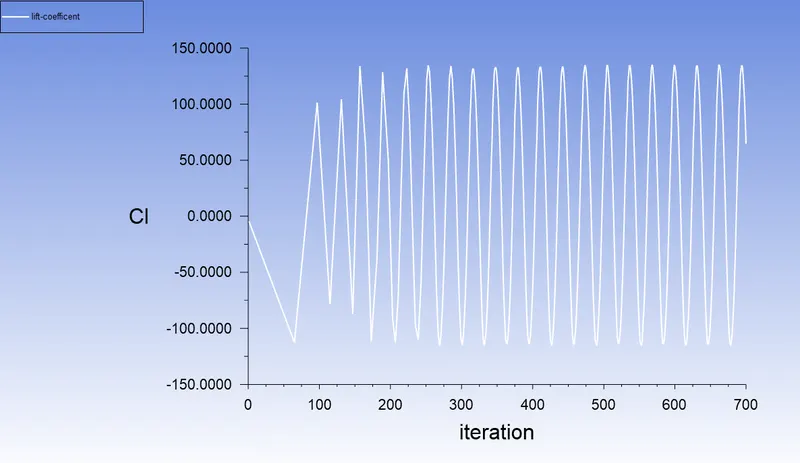
4. coefficient of lift
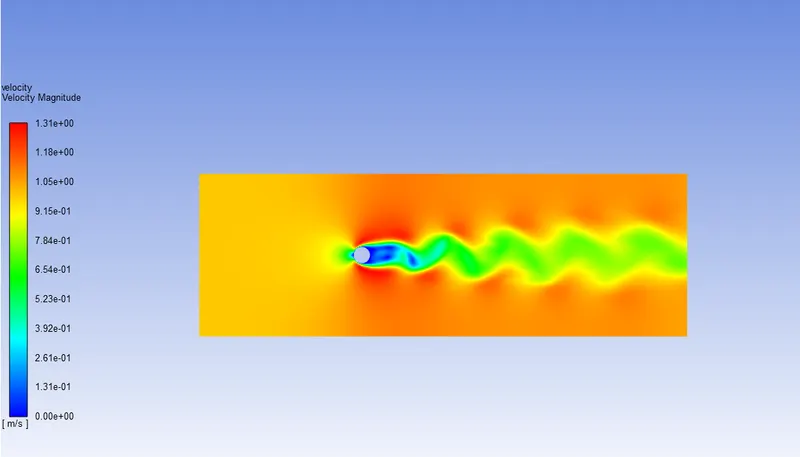
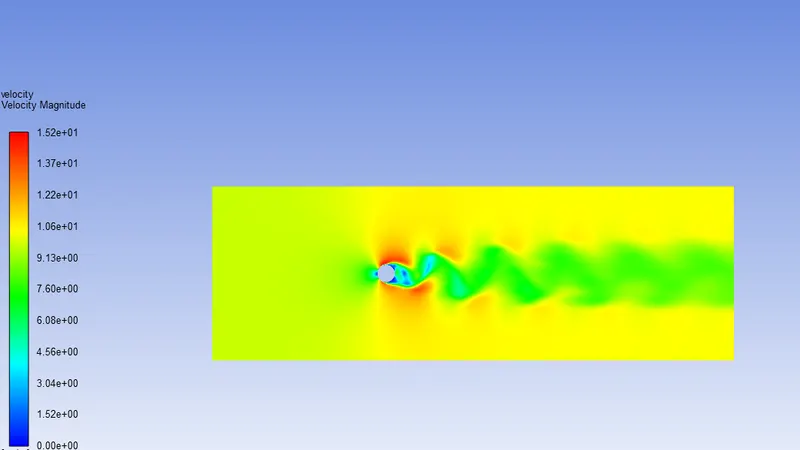
5. velocity contour
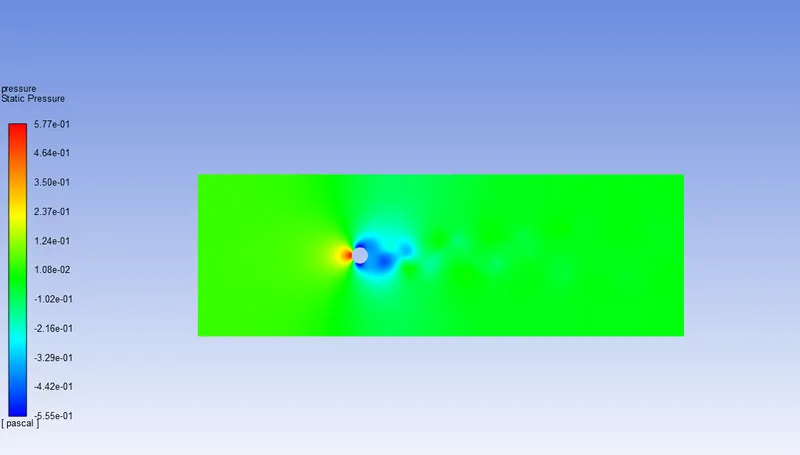
6. pressure contour
2. For reynolds number 100
we assigned velocity 10 m/s.
density is 1 kg/m3
viscosity is 0.02 Pa-s
here are the result plots.
- Residual plot
- Monitor point velocity
- coefficient of drag
- coefficient of lift
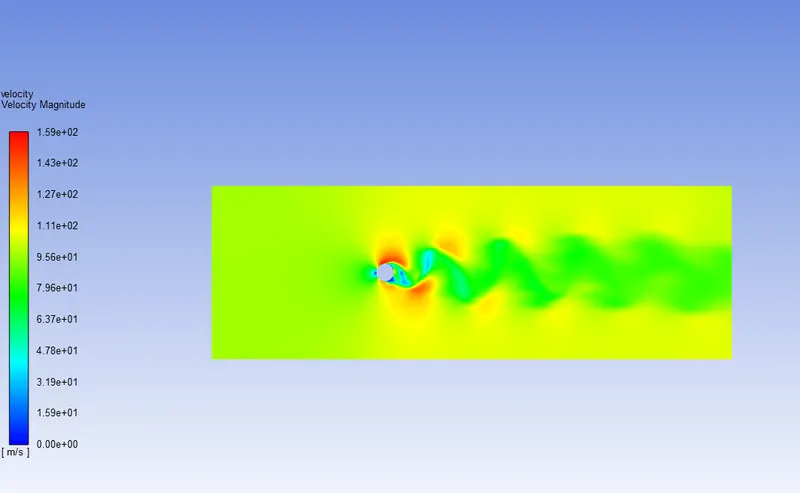
- velocity contour
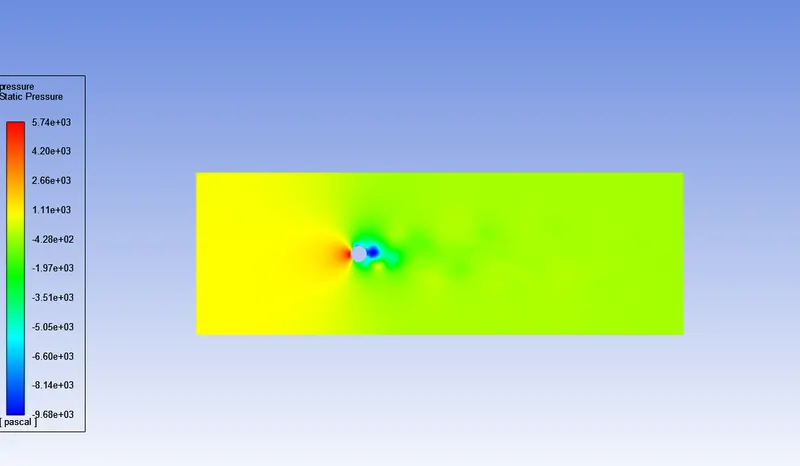
- pressure contour
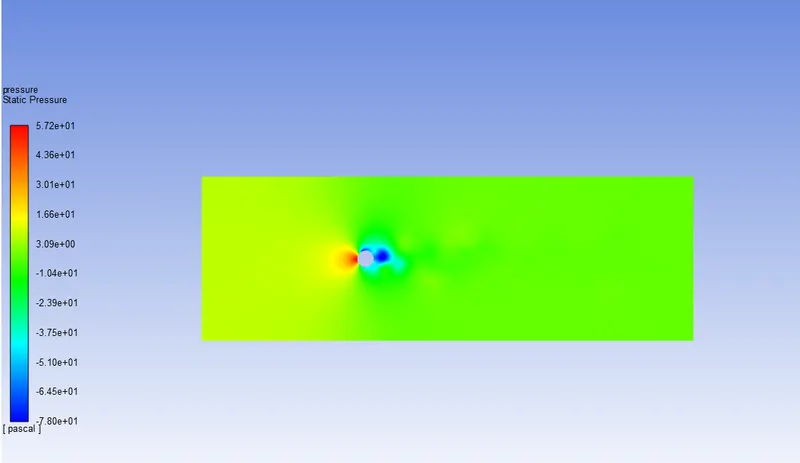
- For reynolds number 1000
we assigned velocity 100 m/s.
density is 1 kg/m3
viscosity is 0.02 Pa-s
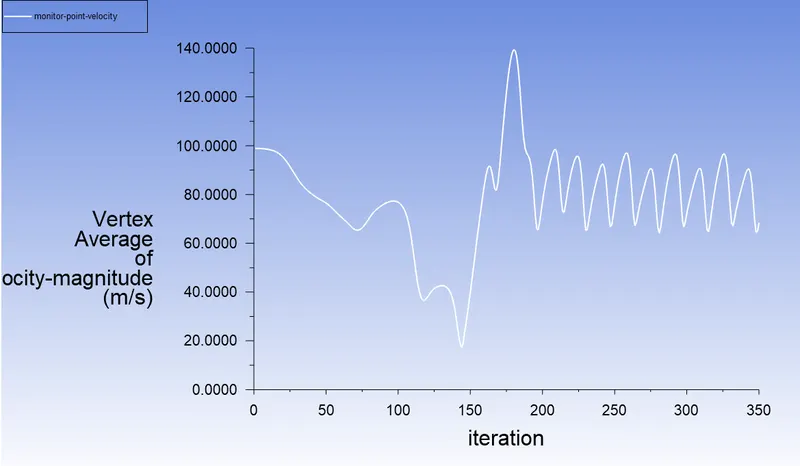
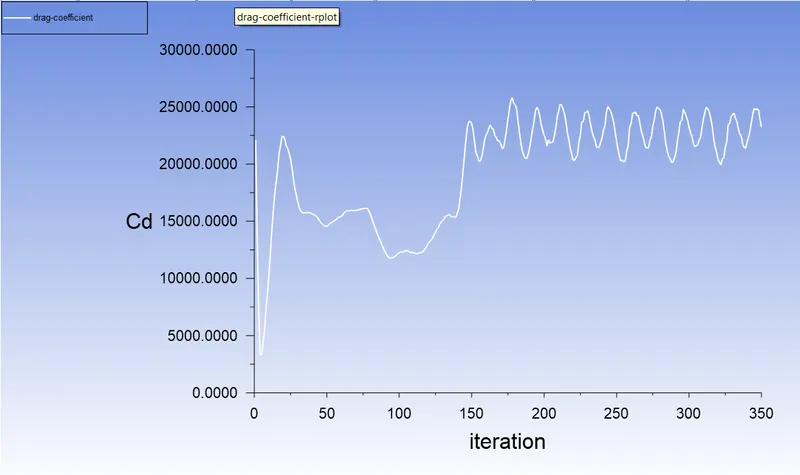
here are the result plots.
- Residual plot
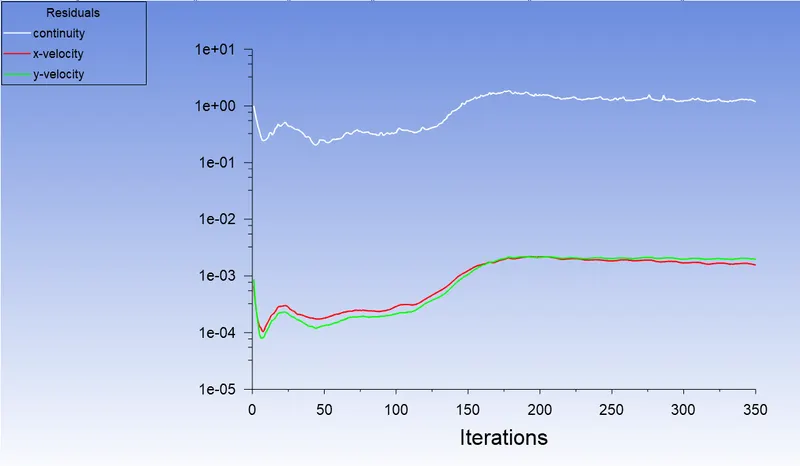
- Monitor point velocity
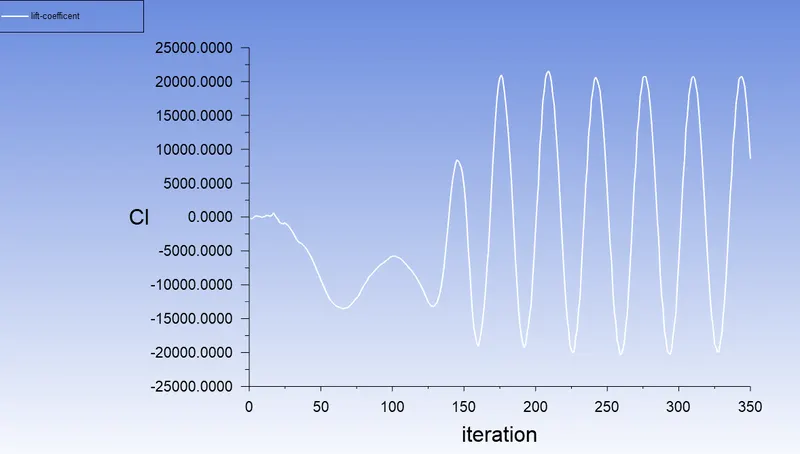
- coefficient of drag
- coefficient of lift
- velocity contour
- pressure contour
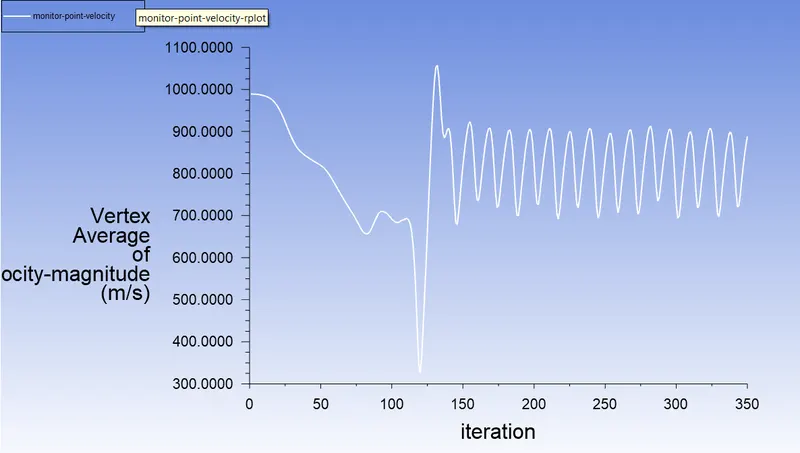
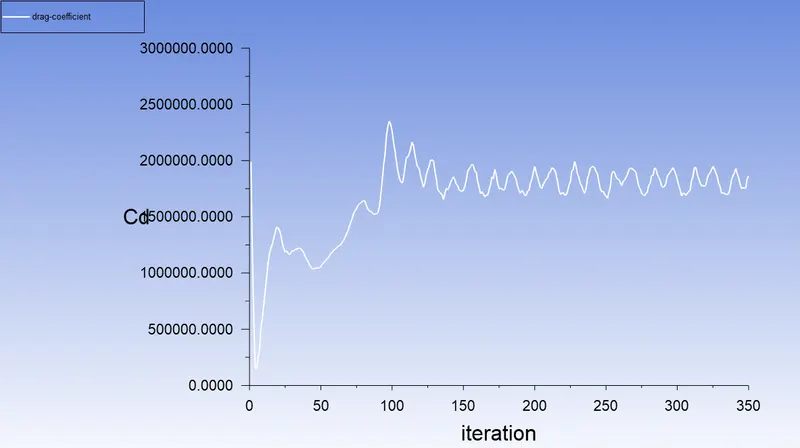
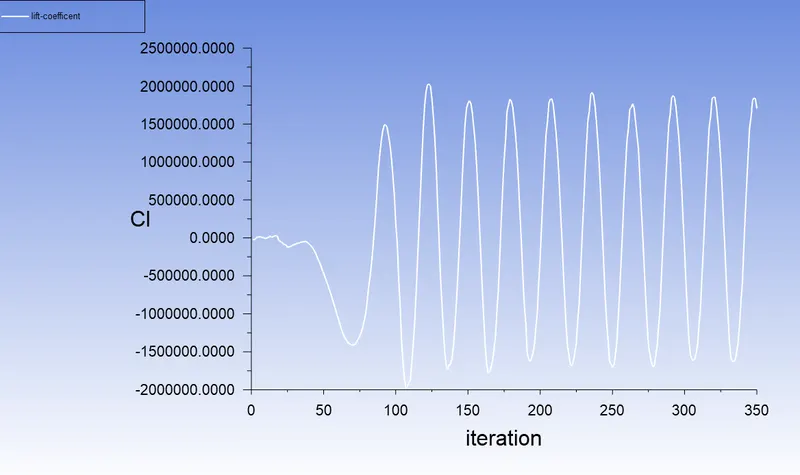
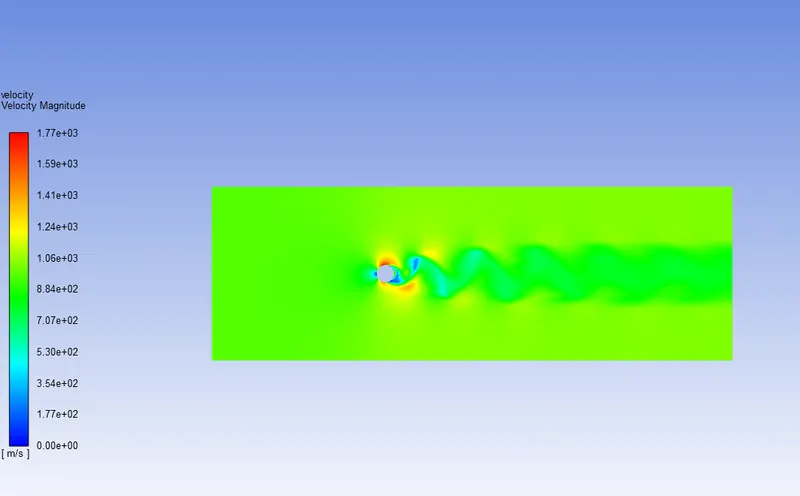
- For reynolds number 10000
we assigned velocity 1000 m/s.
density is 1 kg/m3
viscosity is 0.02 Pa-s
here are the result plots.
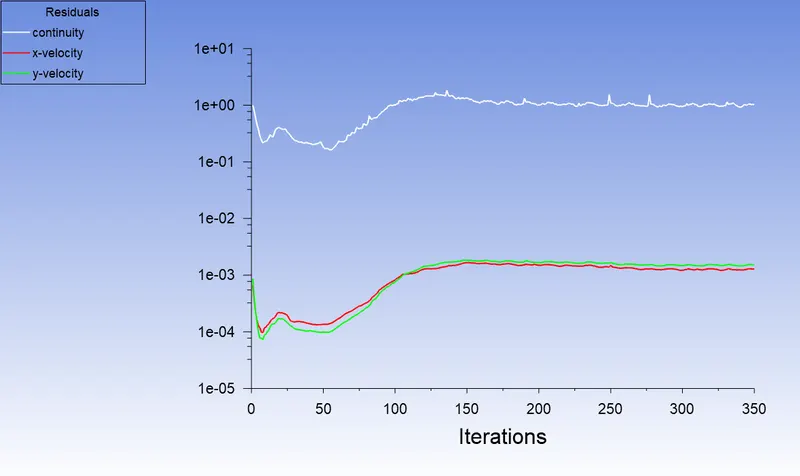
- Residual plot
- Monitor point velocity
- coefficient of drag
- coefficient of lift
- velocity contour
- pressure contour
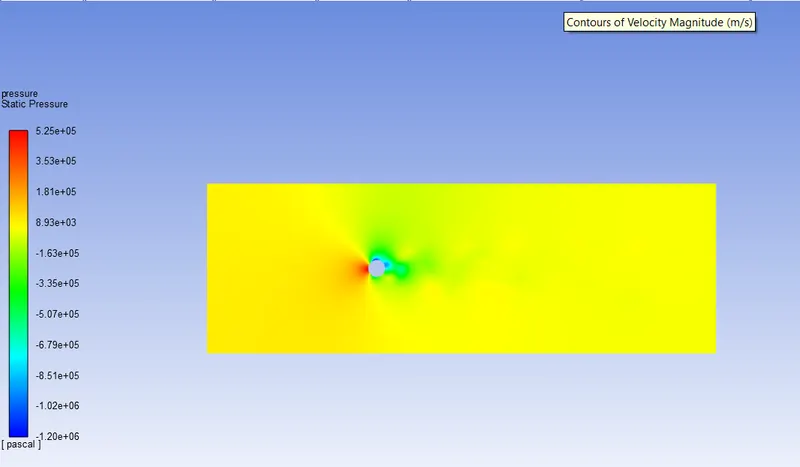
- For reynolds number 100000
we assigned velocity 10000 m/s.
density is 1 kg/m3
viscosity is 0.02 Pa-s
here are the result plots.
- Residual plot
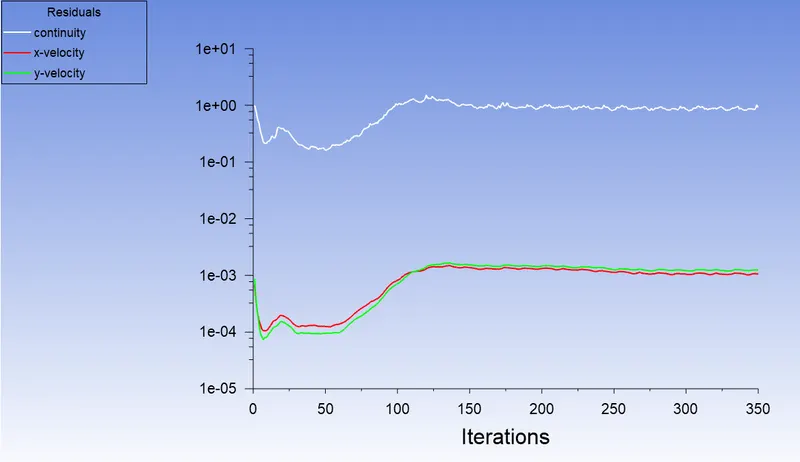
- Monitor point velocity
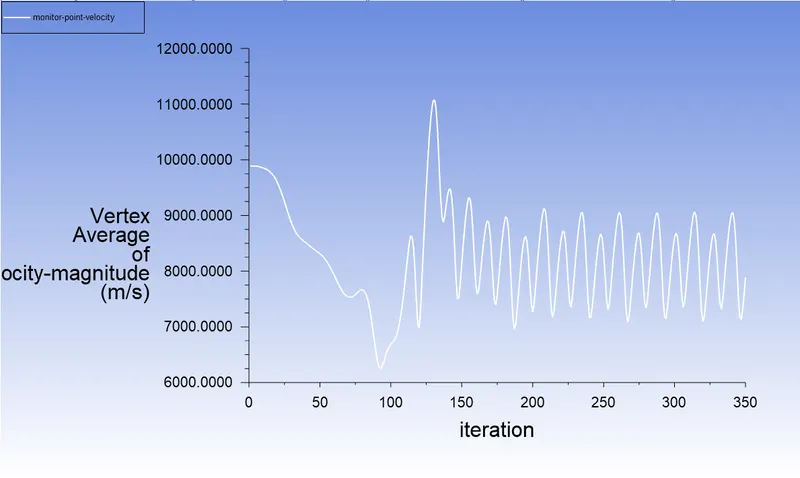
- coefficient of drag
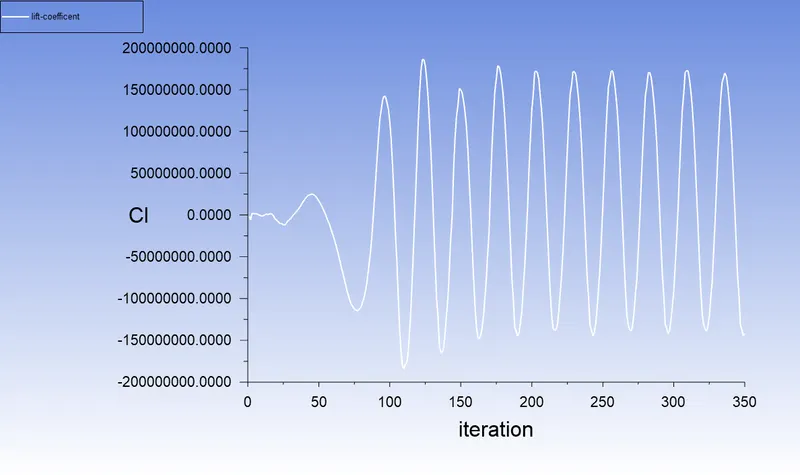
- coefficient of lift
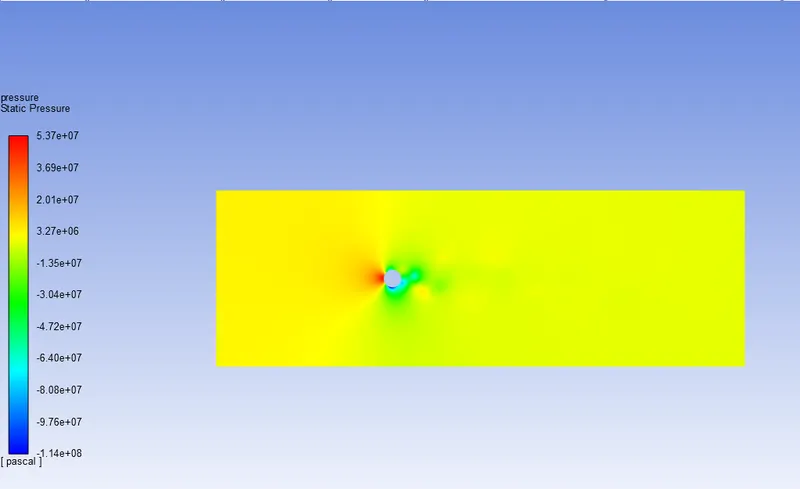
- velocity contour
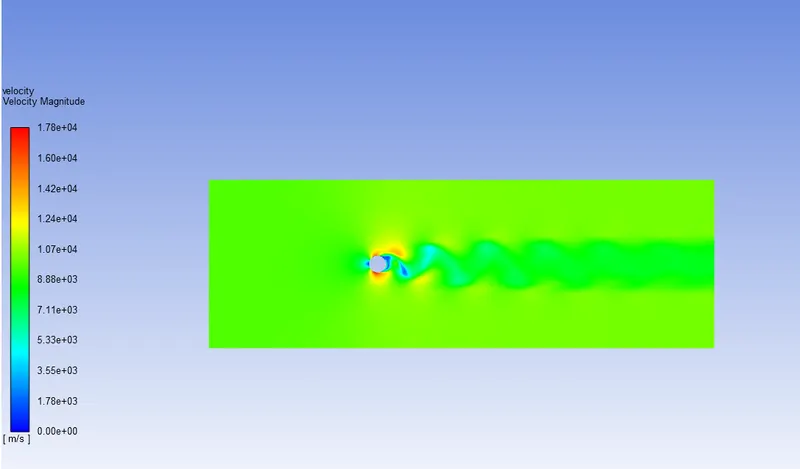
- pressure contour
Unsteady state solver
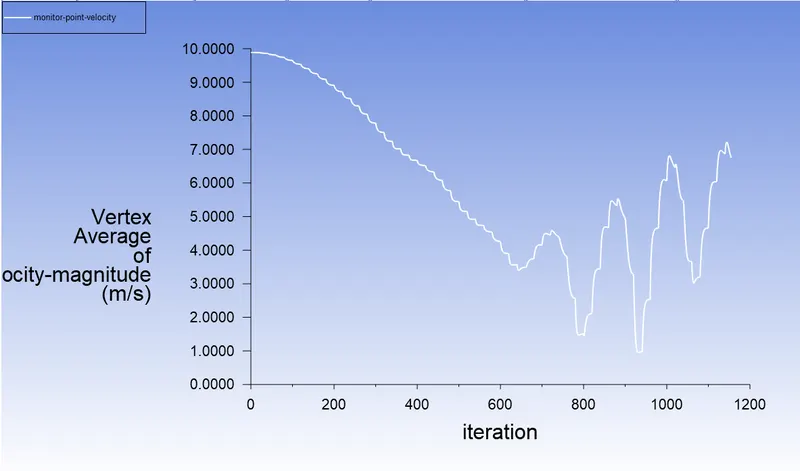
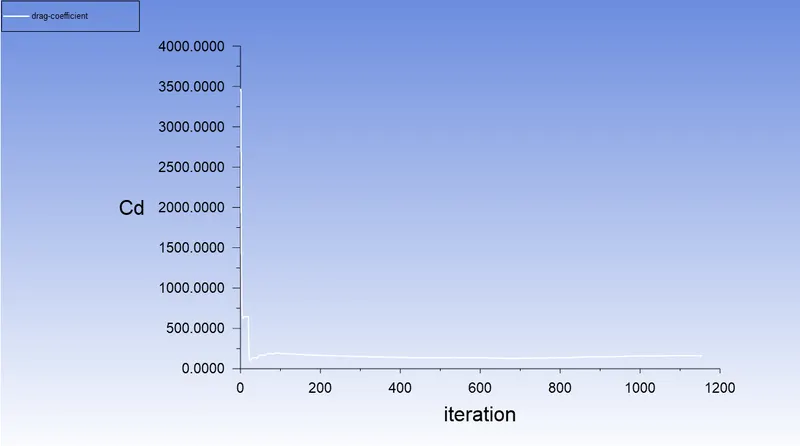
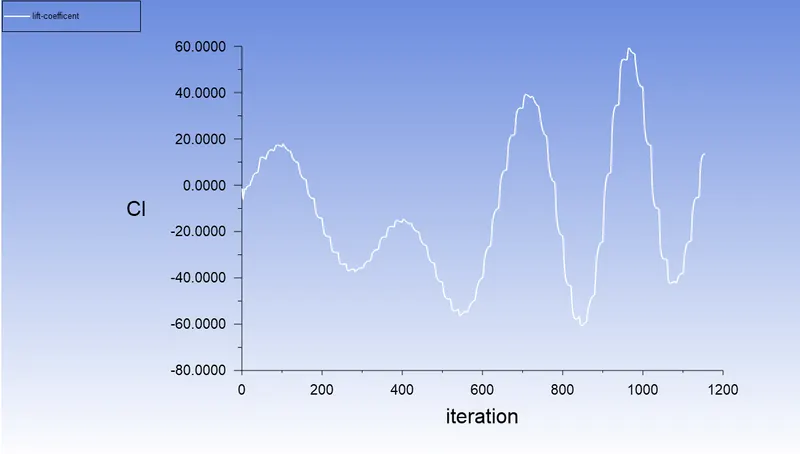
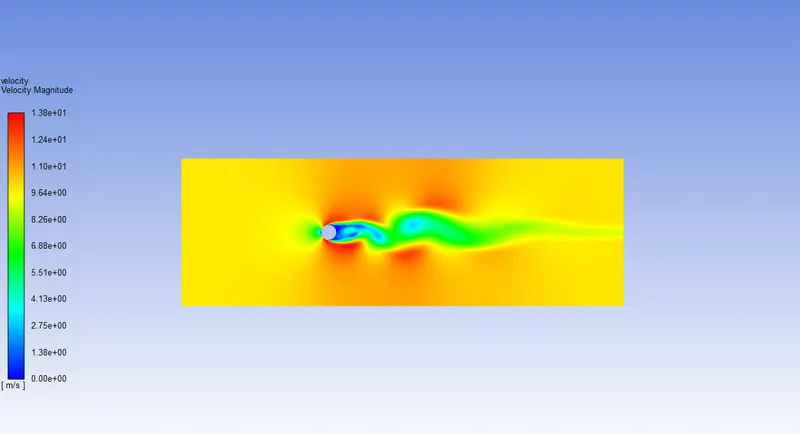
For Reynolds number 100 we have used the same data that we use for steady state of 100 Reynolds number, but instead of running it to steady we going to use transient method has shown in figure.
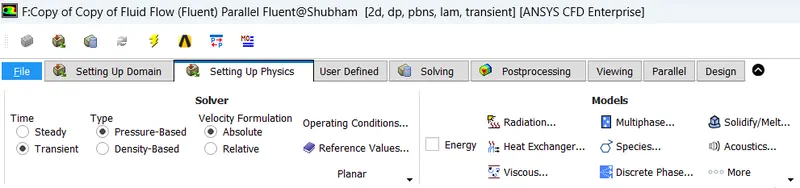
We given number of time step 100 and time step size is 0.1s.
Below are the plots for result.
Residual plot:
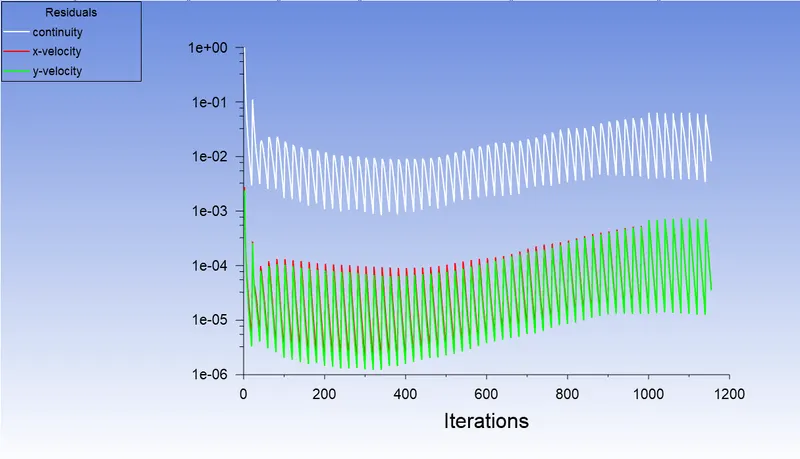
Monitor point velocity:
Coefficient of drag:
Coefficient of lift:
Velocity contour:
Pressure contour:
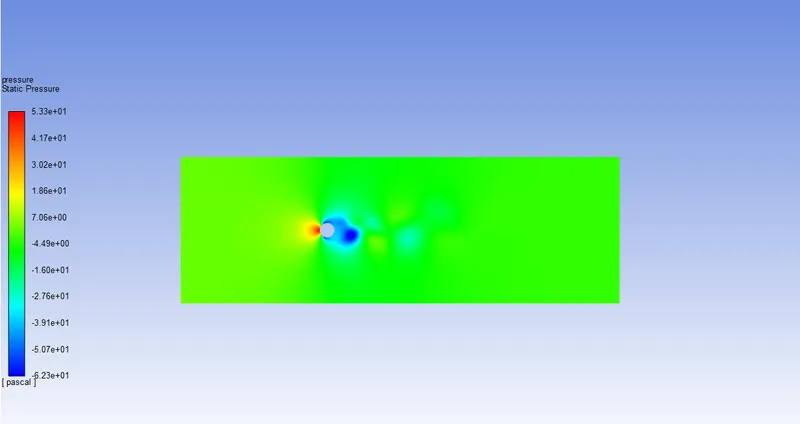
The above is the result of the analysis has discuss.
Conclusion:
The following project is carried on ANSYS 19 in fluent flow the objective of these project is design and analysis of flow over cylinder which is achiev in the result.
In these project we learned about vortex shedding, reynolda number and strouhal number.