Week 2 - Flow over a Cylinder.
Aim:
To simulate the flow over the cylinder for
- study about the flow behaviour in unsteady state.
- study about the lift and drag coefficients for various reynolds numbers in steady state.
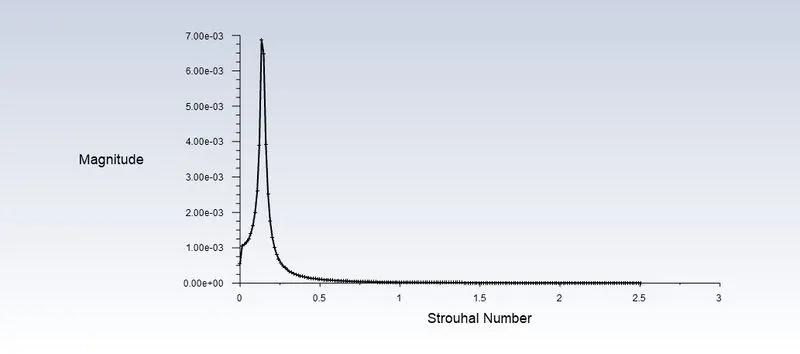
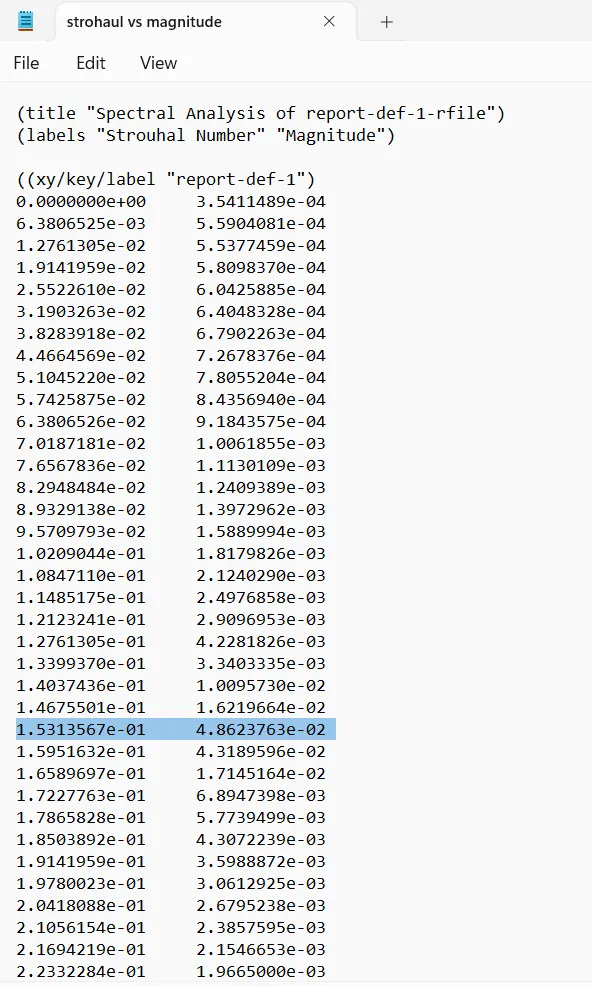
- study about the vortex shredding behind the cylinder and strouhal number for reynolds number 100.
Introduction:
Fluid flow over the solid bodies also called as external flow.External flow becomes important in several industries such as aerospace,automobiles,marine,construction industries.It has created a important physical phenomena lift , drag . lift is based on pressure normal to the flow direction acting on the body and it strongly depends on the angle of attack and shape of geometry .Drag acts on two bodies streamlined body and blunt or bluff bodies.Drag is based on the pressure and shear forces in the flow direction on the body.If drag is purely based on shear stress then it is skin friction drag it depends on the reynolds number on the laminar flow,surface roughness on the turbulent flow,surface area and drag is purely based on the pressure then it is pressure drag it depends indirectly on the reynolds number, geometry shape,frontal area .Pressure drag is an important consequence of flow separation.Vortices in wake region is an significant consequence of flow separation in a bluff body whereas vortex shedding (periodic vortex occurence ) occurs on the particular blunt bodies such as spheres and cylinders.At higher reynolds numbers the drag coefficients will remain constant but on the cylinders and spheres due to shedding it could not remains constant.drag coefficients behaviour on the will differ based on the reynolds number.To study about vortex shedding(karman vortex street),choosen to simulate a flow over the cylinder.
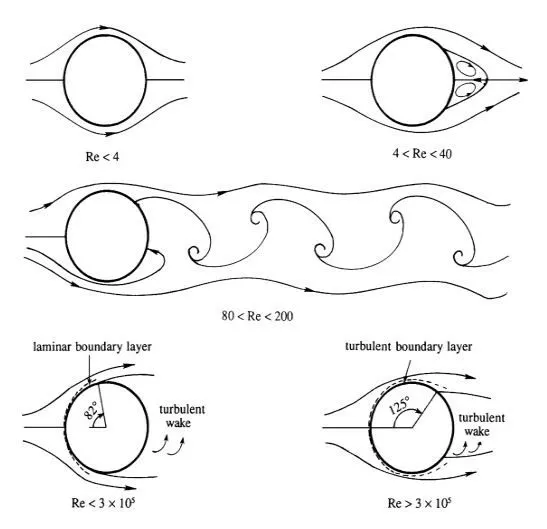
Different Flow patterns for flow over the cylinder (referred from fluid mechanics textbook,authors are Pijush K.Kundu,Ira M.Cohen and David R.Dowling )
Kármán vortex street:
In fluid dynamics, a Kármán vortex street (or a von Kármán vortex street) is a repeating pattern of swirling vortices, caused by a process known as vortex shedding, which is responsible for the unsteady separation of flow of a fluid around blunt bodies.
It is named after the engineer and fluid dynamicist Theodore von Kármán and is responsible for such phenomena as the "singing" of suspended telephone or power lines and the vibration of a car antenna at certain speeds. Mathematical modeling of von Kármán vortex street can be performed using different techniques including but not limited to solving the full Navier-Stokes equations with k-epsilon, SST, k-omega and Reynolds stress, and large eddy simulation (LES) turbulence models,by numerically solving some dynamic equations such as the Ginzburg-Landau equation, or by use of a bicomplex variable.
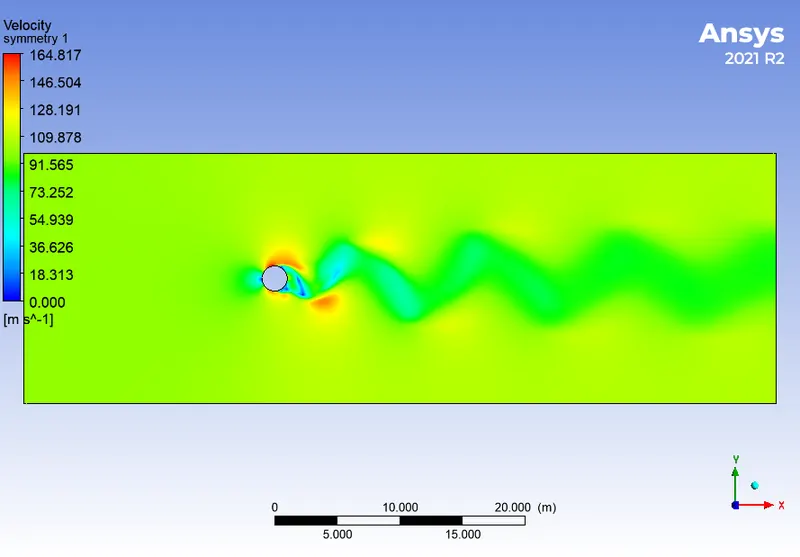
A vortex street will only above the limited reynolds number such as greater than 90.
Strouhal Number:
In dimensional analysis, the Strouhal number (St, or sometimes Sr to avoid the conflict with the Stanton number) is a dimensionless number describing oscillating flow mechanisms. The parameter is named after Vincenc Strouhal, a Czech physicist who experimented in 1878 with wires experiencing vortex shedding and singing in the wind. The Strouhal number is an integral part of the fundamentals of fluid mechanics.
The Strouhal number is often given as
St=`frac{fL}{U}`
where f is the frequency of vortex shedding, L is the characteristic length (for example, hydraulic diameter or the airfoil thickness) and U is the flow velocity.
For large Strouhal numbers (order of 1), viscosity dominates fluid flow, resulting in a collective oscillating movement of the fluid "plug". For low Strouhal numbers (order of 10−4 and below), the high-speed, quasi-steady-state portion of the movement dominates the oscillation. Oscillation at intermediate Strouhal numbers is characterized by the buildup and rapidly subsequent shedding of vortices.
For spheres in uniform flow in the Reynolds number range of 8×10² < Re < 2×10⁵ there co-exist two values of the Strouhal number. The lower frequency is attributed to the large-scale instability of the wake, is independent of the Reynolds number Re and is approximately equal to 0.2. The higher-frequency Strouhal number is caused by small-scale instabilities from the separation of the shear layer.
Procedure:
Geometry:
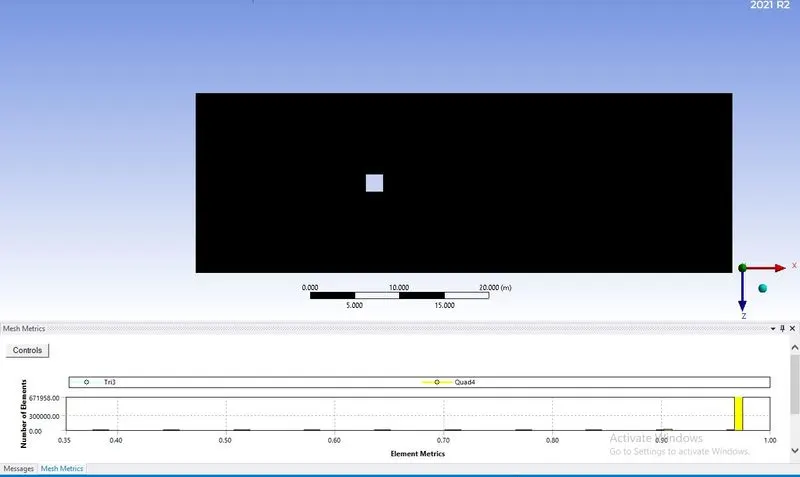
In the past Model for the product represented on the paper to understand difficulties presented on the manfacturing,strengths, behaviour by the well experienced person.recent days, Model is a representation of the product concept digitally to visualise and engineered with the help of softwares to know the issues present in it.In this study,geometry has created in 2D due to no change in Z direction.And has a computational domain of length is 60 m and width of 20 m,with diameter of cylinder is 2m.Geometry represents a volume to flow over the cylinder.
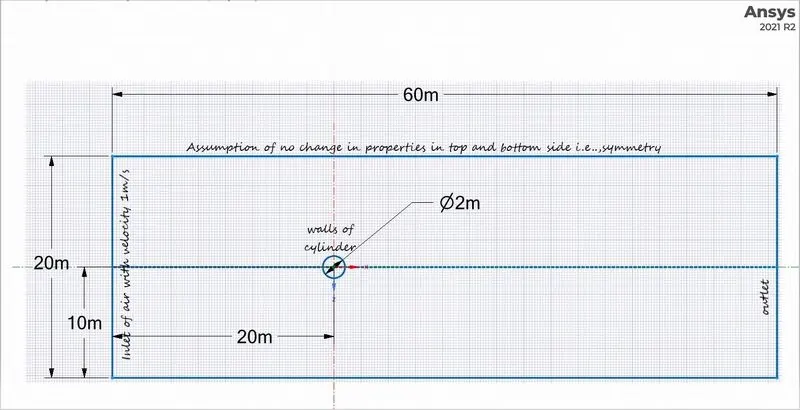
a.flow over the circular cylinder( In 2D Space)
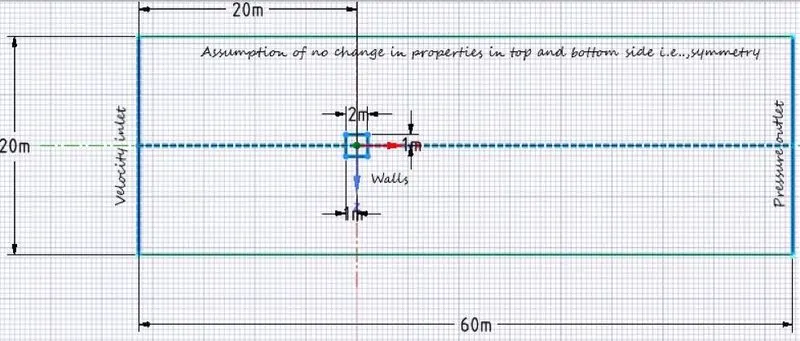
b.flow over the Square block (In 2D Space)
Mesh:
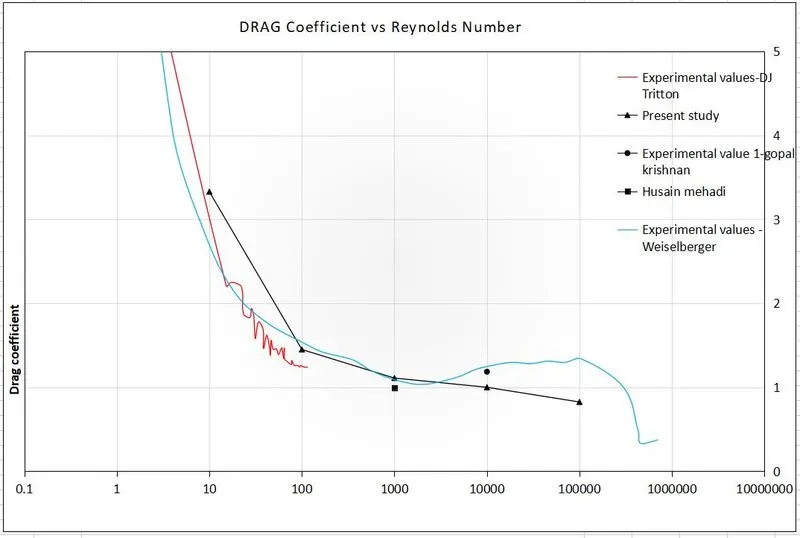
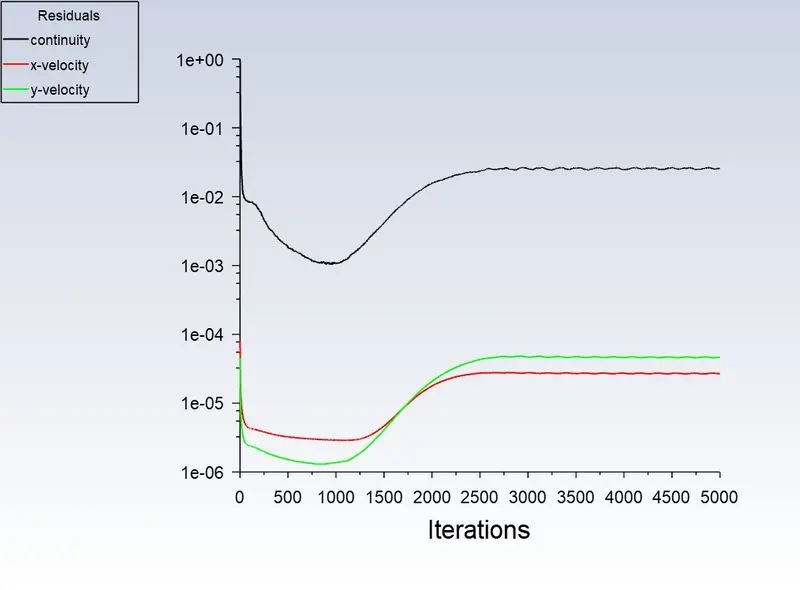
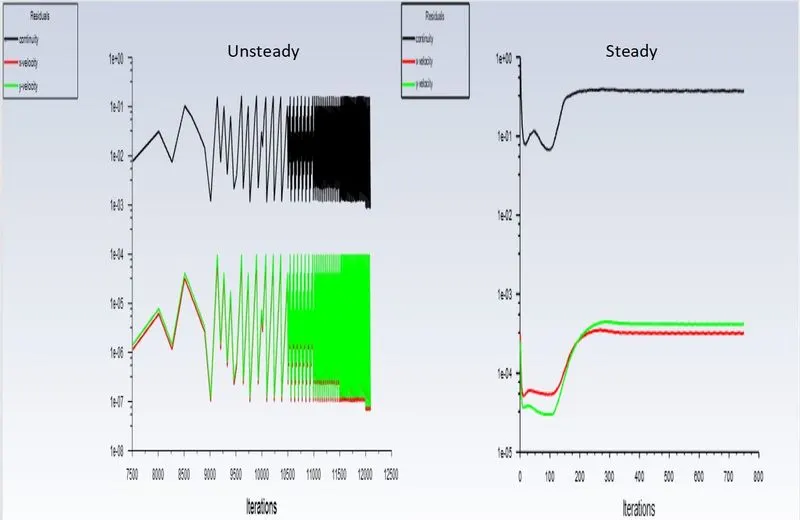
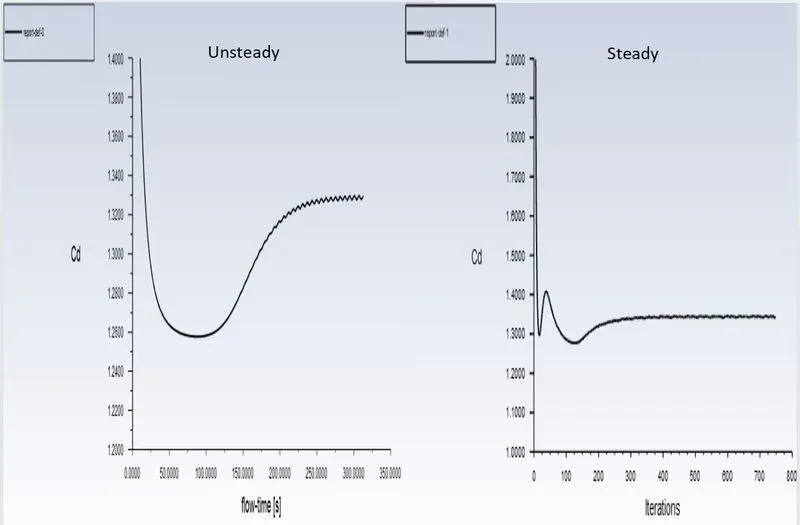
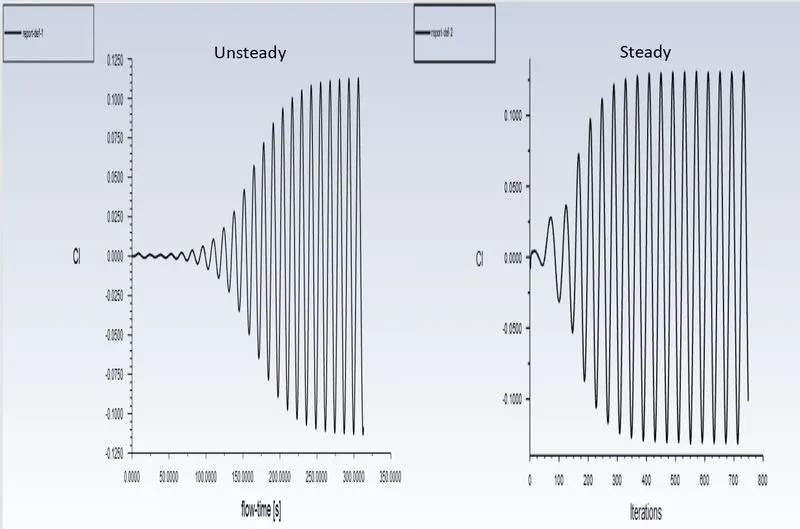
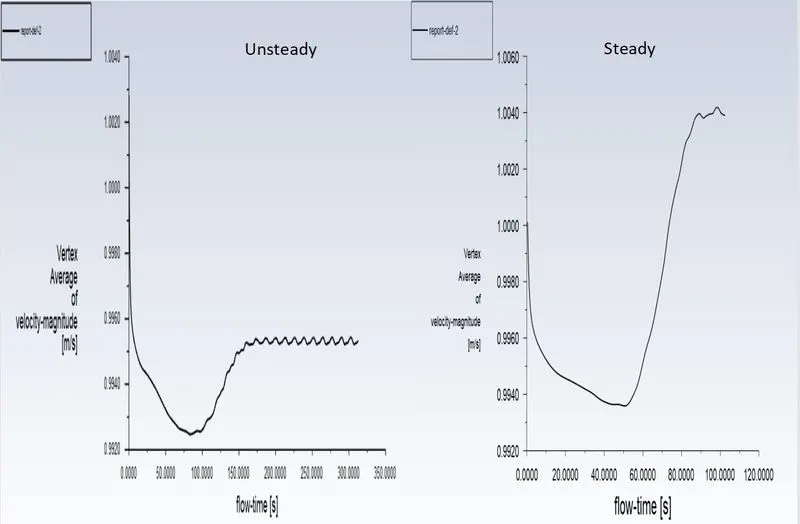
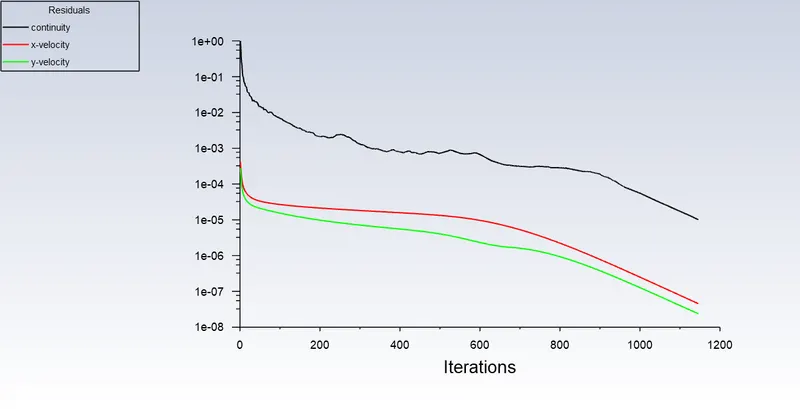
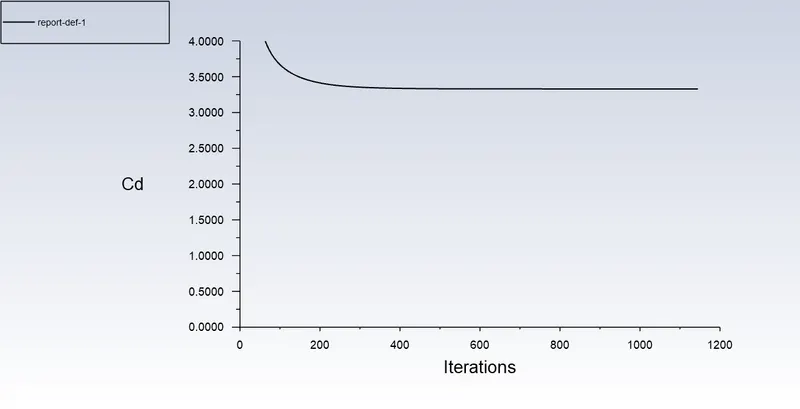
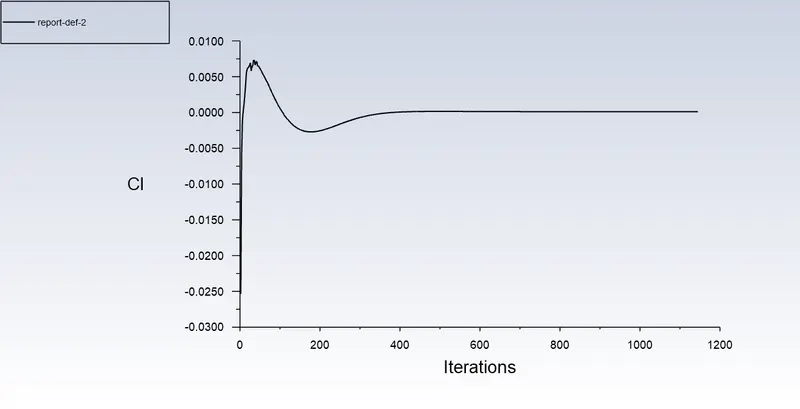
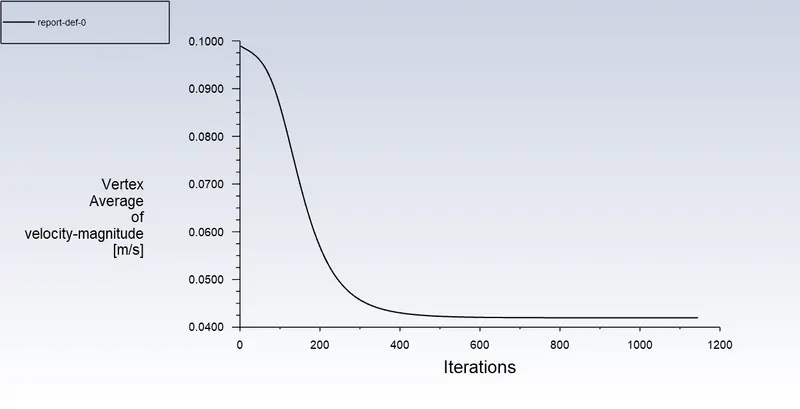
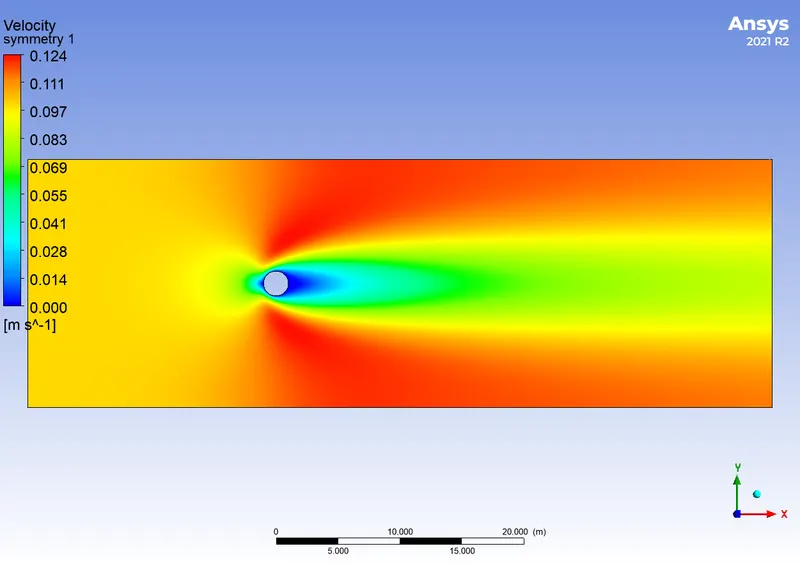
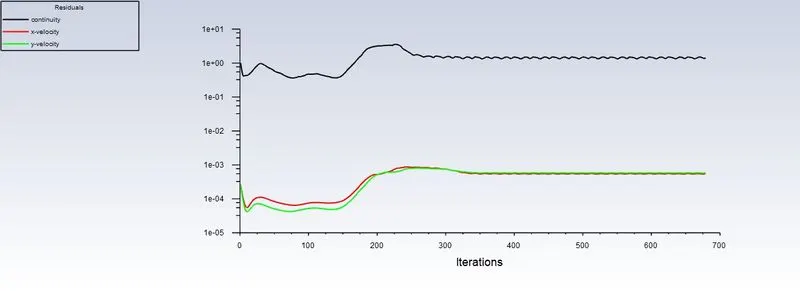
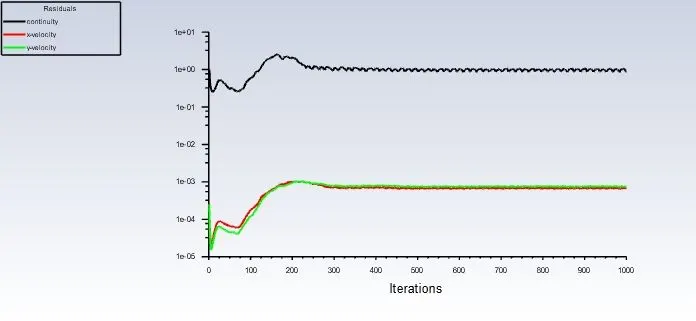
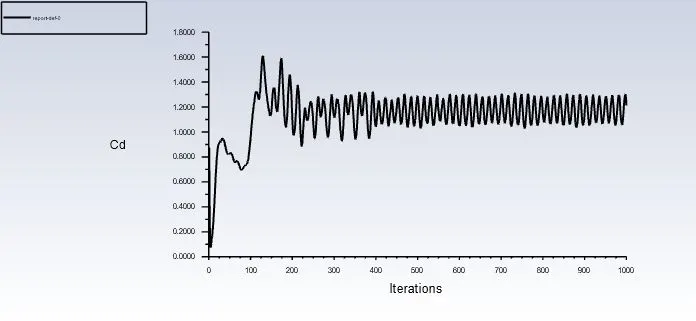
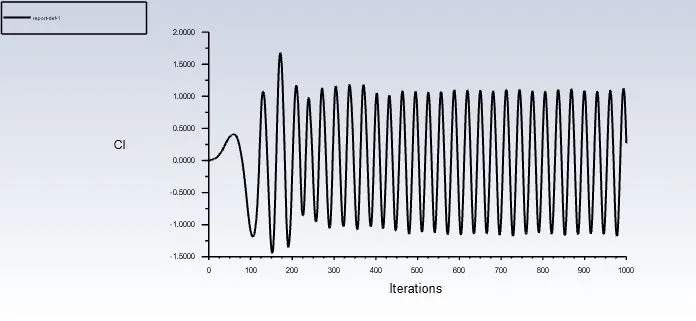
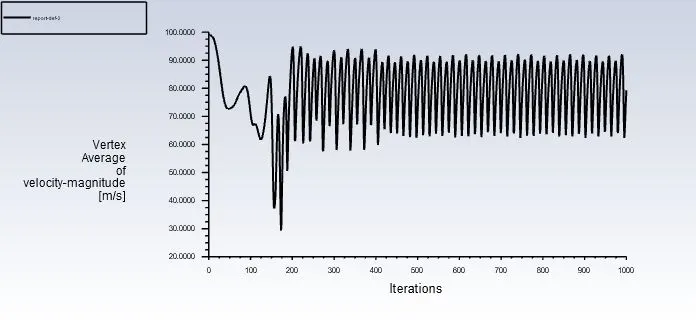
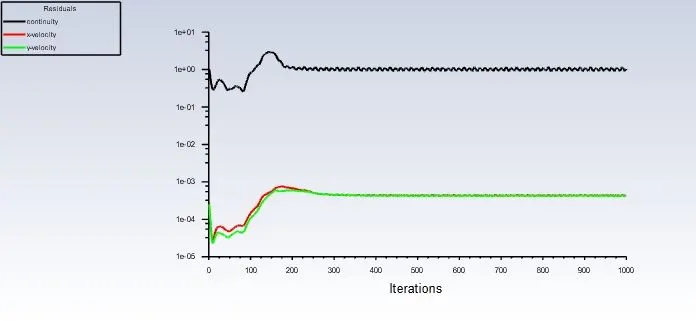
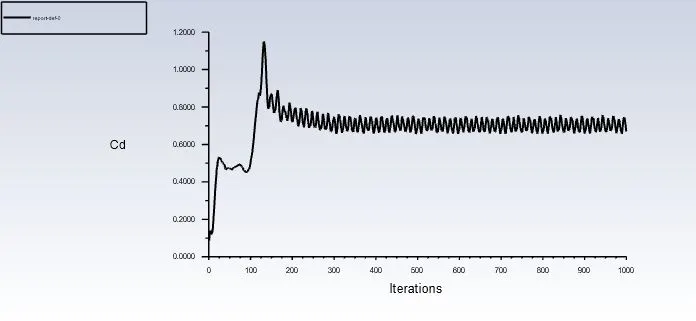
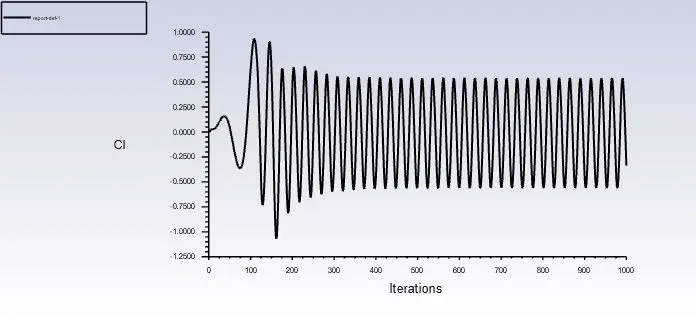
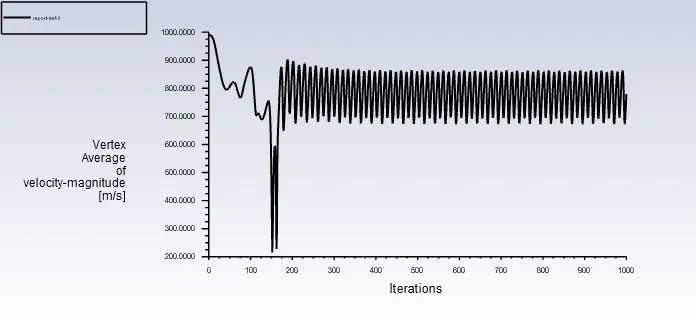
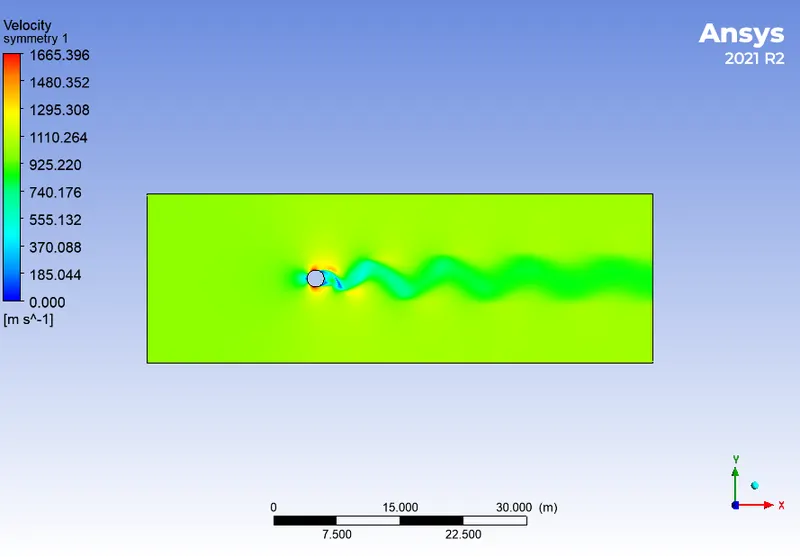
The flow pattern in the flow regime of 80 The unsteady solver has been used for mesh independent study. Flow over the cylinder (Referred from the album of fluid motion, Author are Milton Van Dyke) i.Comparing the drag coefficient, *Avg Drag coefficient (or) Time-averaged Drag coefficient is determined based on references[2],[4] The Periodic drag coefficient is an unsteady when it is taken as instantaneous value but time averaging takes one cycle makes behaviour as steady. From the table,Mesh 2 gives a good agreement with the experimental values.Velocity contours (vortex shedding capture)should look similar with experimental streak lines. Data of different mesh sizes are simulated to validate the parameter. Choosen Mesh Element size is 0.172 m with 10 inflation layers in 1m and edge sizing with 90 no.of.divisions. Solver: i. pressure based solver has used for incompressible flows ii.Absolute velocity formulation is used for velocity of the stationary reference frame. iii.steady and unsteady solvers,each of the solver utilised for studying the vortex shedding phenomenon and difference between them. (unsteady solvers has been used for accuracy in time marching with large number of iterations.) iv.2D space uses planar (because it is the flat surface). v. choosen viscous model is laminar.(able to capture vortex street on 2D ,this starts araises by raising wake instability.for capturing eddies turbulence models comes into picture) and given reference values (required by the parmeter such as drag coefficient etc..,) vi.Creating a user defined fluid.viscosity majorly depends on temperature and other factors are pressure and flow conditions.(reynolds number indirectly depends on pressure and temperature and dirctly depends on the velocity and characteristic length).Here changing parameter on the reynolds number is velocity. viscosity-0.02 `frac{kg}{m s}` Density-1 `frac{kg}{m^3}` Based on the phenomenon on karman vortex street , observe a behaviour of shedding vortices for the period above reynolds number 90.capturing a shedding vortices using a different mesh element size to identify the suitable mesh elment size for the reynolds number 100. Reynolds number=`frac{rho*V*L}{mu}` reynolds number = 100. `rho=`Density of air in `frac{kg}{m^3}` is 1 `V=`Velocity of air is 1 `frac{m}{s}` `L=`Characteristic length of cylinder is 2 m `mu`=Dynamic viscosity in `frac{kg}{ m s}` using formula,dynamic viscosity - 0.02 `frac{kg}{m s}` is determined. vii.Cell zones is used to assign the fluid for the volumes. viii.Boundary conditions automatically assigns the condition to the named selctions. velocity-inlet- assigned a velocity 0.1,1,10,100,1000 m/s. pressure-outlet-set guage pressure to 0(means assigned a 1 atmospheric pressure) walls-assigned no slip condition with the stationary wall. top and bottom is automatically assigned to the symmetry.(no information passes from symmetry boundaries) ix.from solution tab,choosen solution methods such as Simple algorithm for unsteady and steady state problem.second order schemes for the accuracy spatial discretisation schemes: Least square method(gradient )-The method calculates the gradient in a cell which, when used to extrapolate the cell value to centres of all neighbouring cells, minimises the error between extrapolated values and cell values. The second-order scheme(pressure) reconstructs the face pressure in the manner used for second-order accurate convection terms . This scheme may provide some improvement over the standard and linear schemes, but it may have some trouble if it is used at the start of a calculation and/or with a bad mesh. The second-order scheme is not applicable for flows with discontinuous pressure gradients imposed by the presence of a porous medium in the domain or the use of the VOF or mixture model for multiphase flow. When second-order accuracy (second order upwind scheme for momentum )is desired, quantities at cell faces are computed using a multidimensional linear reconstruction approach .In this approach, higher-order accuracy is achieved at cell faces through a Taylor series expansion of the cell-centered solution about the cell centroid. x.runtime plots are been created for various parmeters such as velocity, drag coefficient,friction coefficient etc.., xi.Hydbrid initilisation is used .so it provide initial velocity and pressure field xii.contour plot has been created for velocity utilised to visualise the karman vortex street and for runtime animation under the Results tab. xiii.solution animation is used to create an animations. Plots: Flow over the square block Reynolds number = 100 Flow over the Circular cylinder Reynolds Number = 100 unsteady Reynolds Number=10 Reynolds Number=1000 Reynolds Number-10000 Reynolds number-100000 Conclusion: 1.Based on the observation,drag coefficient depends on few factors among that reynolds number is one.Studies showed that as increasing reynolds number will decrease in that drag coefficient. 2.As the reynolds number increases with increase in the lift coefficient (except in 100000 reynolds number) 3.while comparing a steady and unsteady,Unsteady requires a much computational power and necessary for validation. 4.Unsteady can give much accuracy value with validation. 5.Unsteady simulation will present a periodic magnitude with time and it gives raise to strohaul number. 6.Unsteady simulation of Reynolds number 100 will present the strouhal number is 0.153. 7.Drag coefficient for 10,100,1000 reynolds number has error of less than 10% with weiselberger. 8.Drag coefficient for 10000 is about 13% is due to computational resources with experimental value gopal krishnan. 9.Behaviour of fluid flow over the cyclinder at reynolds number 100 can be visualised by the video present below. References 1.Taha Khademinezhad, Pouyan Talebizadeh, Hassan Rahimzadeh...,Numerical Study of Unsteady Flow around a Square Cylinder in Compare with Circular cylinder,1st National Conference on Fluid Flow, Heat and Mass Transfer At: Tehran, Iran Volume: 1,2015. 3.Ramayee, K. Supradeepana..,Grid Convergence Study on Flow Past a Circular Cylinder I or Beginners,AIP Conference Proceedings 2317, 030020 (2021) 4.B.N. Rajani, A. Kandasamy, Sekhar Majumdar..,Numerical simulation of laminar flflow past a circular cylinder,Applied Mathematical Modelling 33 (2009) 1228–1247. 5.DNS of flow past a stationary and oscillatingcylinder at Re 录 10 000 S. Dong, G.E. Karniadakis 6.Numerical Analysis of Fluid Flow around a Circular Cylinder at Low Reynolds Number Husain Mehdi1 , Vipul Namdev2 , Prashant Kumar2 , Ashish Tyagi2 7.Experiments on the flow past a circular cylinder at low Reynolds numbers By D. J. TRITTON 8.Fluid Mechanics by Yunus A.cengel and John M.Cimbala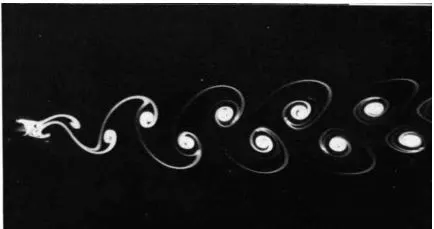
No of elements
Avg Drag Coefficient
Mesh 1
20639
1.32
Mesh 2
41450
1.33
Mesh 3
84810
1.40
Taha Khademinezhad et al [1]
63650
1.3
Rajani et al [4]
1.33
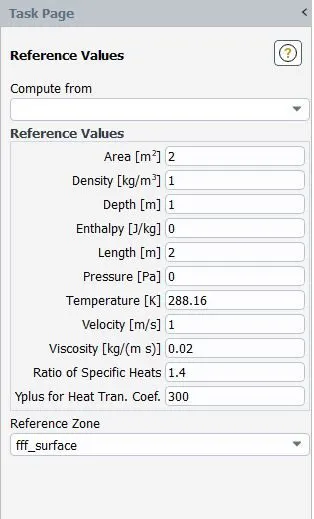
Serial No
Velocity (in `frac{m}{s}`)
Reynolds number (dimensionless Number)
1
0.1
10
2
1
100
3
10
1000
4
100
10000
5
1000
100000
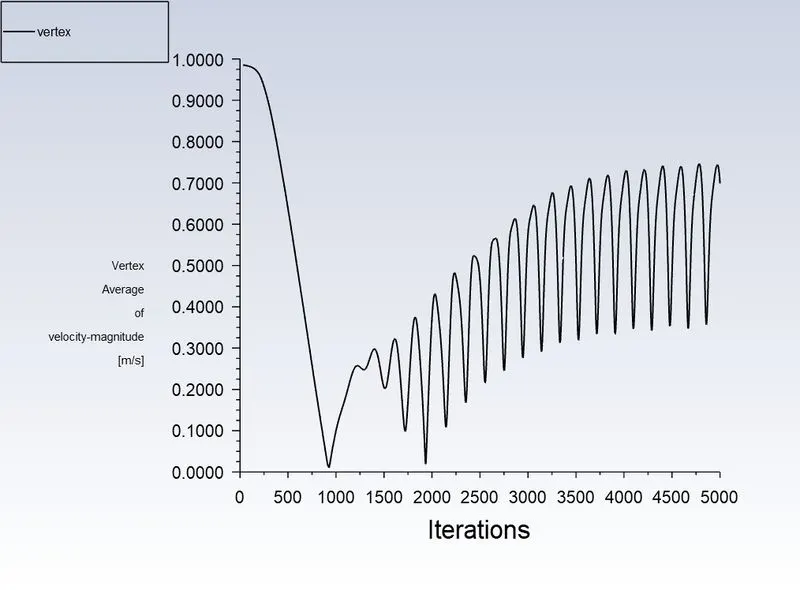
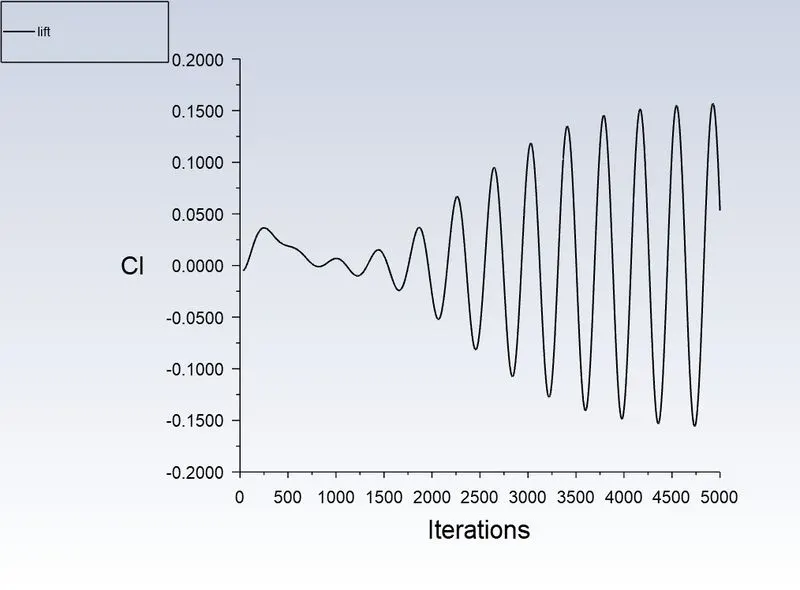
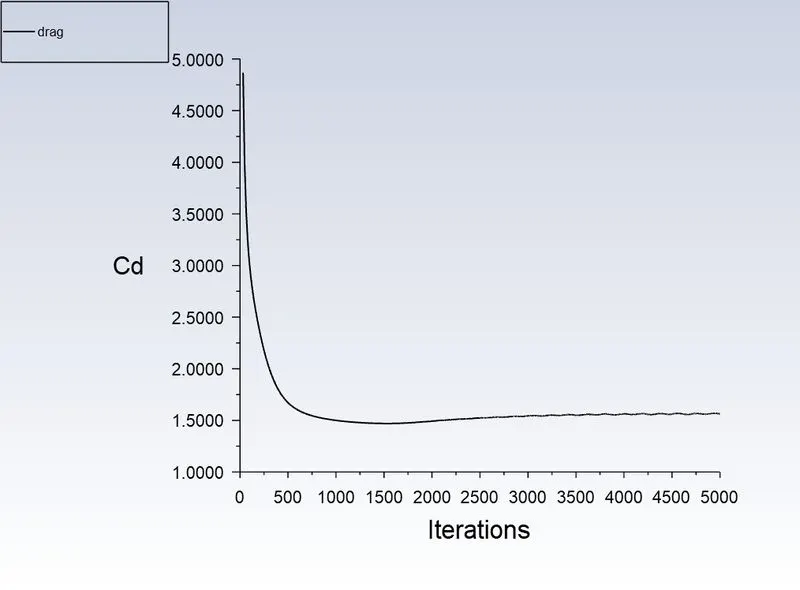
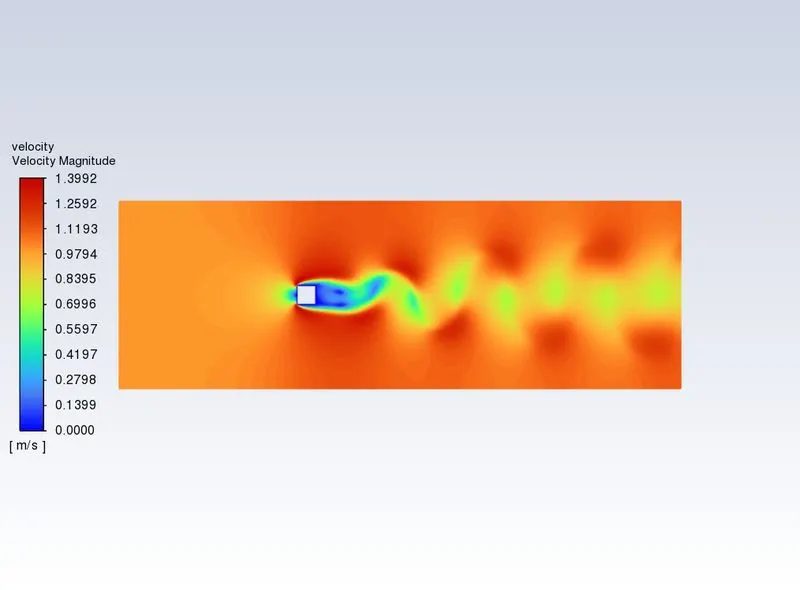
Flow Over the Square
Drag Coefficient
Lift Coefficient
Present Study
1.56
0.15
Reference[1]
1.59
0.17
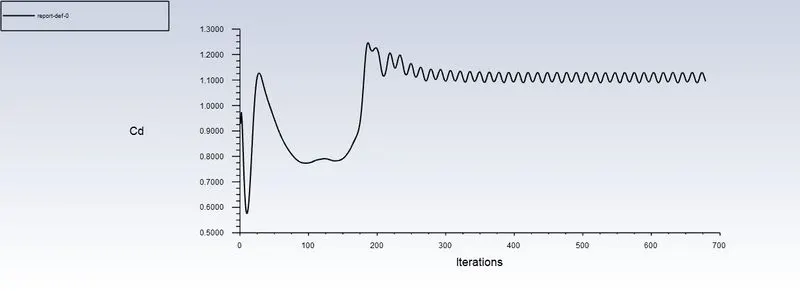
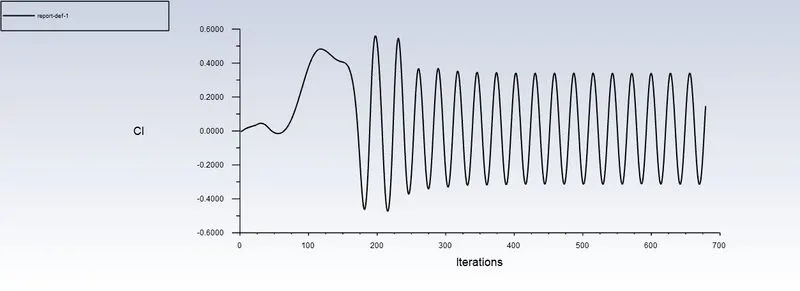
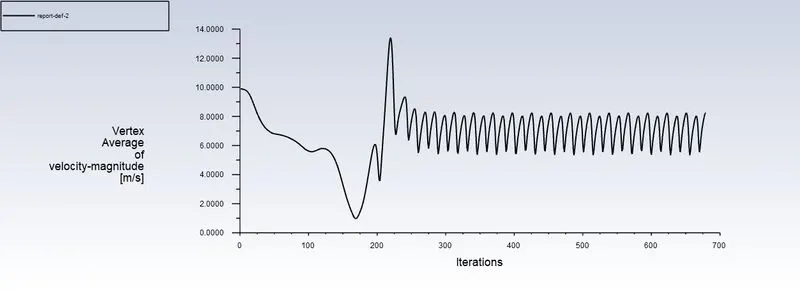
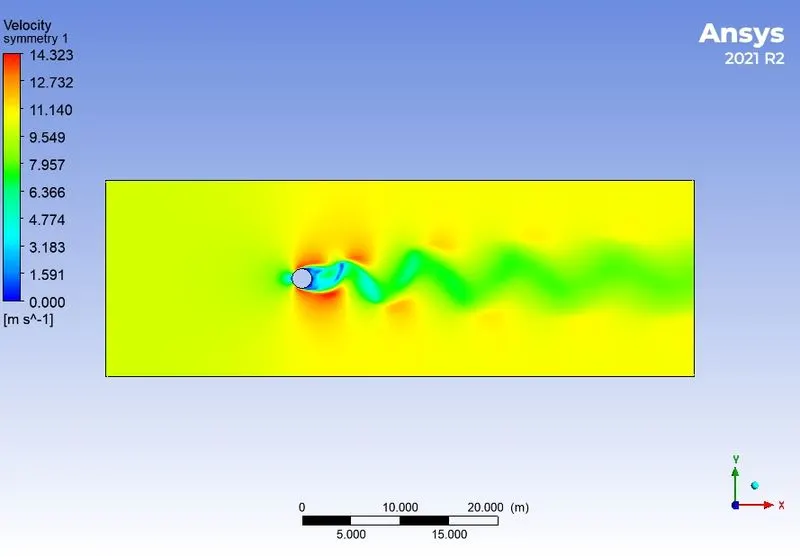
S.no
Reynolds Number
Drag coefficient
1
10
3.32
2
100 (Steady)
1.34
3
100 (Unsteady)
1.33
4
1000
1.11
5
10000
1.075
6
100000
0.71