Week 2 - Flow over a Cylinder.
Aim: Simulate the flow over a cylinder and explain the phenomenon of Karman vortex street.
Introduction:
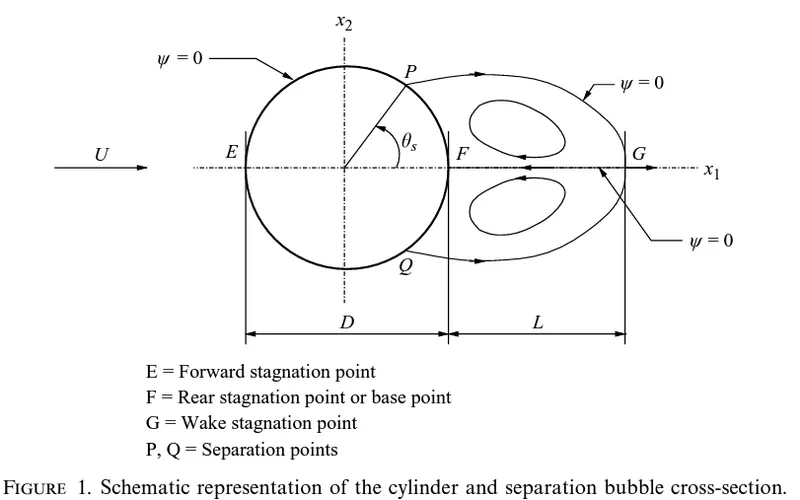
It is well known that the flow past a circular cylinder at a critical Reynolds number combines flow separation, turbulence transition, reattachment of the flow, and further turbulent separation of the boundary layer. The transition to turbulence in the boundary layer causes the delaying of the separation point and, an important reduction of the drag force on the cylinder surface known as the Drag Crisis. In the present work, large-eddy simulations of the flow past a cylinder at Reynolds numbers in the range 2.5 × 10⁵-6.5 × 10⁵ are performed. It is shown how the pressure distribution changes as the Reynolds number increases in an asymmetric manner, occurring first on one side of the cylinder and then on the other side to complete the drop in the drag up to 0.23 at Re = 6.5×10⁵. These variations in the pressure profile are accompanied by the presence of a small recirculation bubble, observed as a small plateau in the pressure, and located around φ = 105◦ (measured from the stagnation point). This small recirculation bubble anticipated by the experimental measurements is here well captured by the present computations and its position and size are measured at every Reynolds number. The changes in the wake configuration as the Reynolds number increases are also shown and their relation to the increase in the vortex shedding frequency is discussed.
Vortex Shedding:
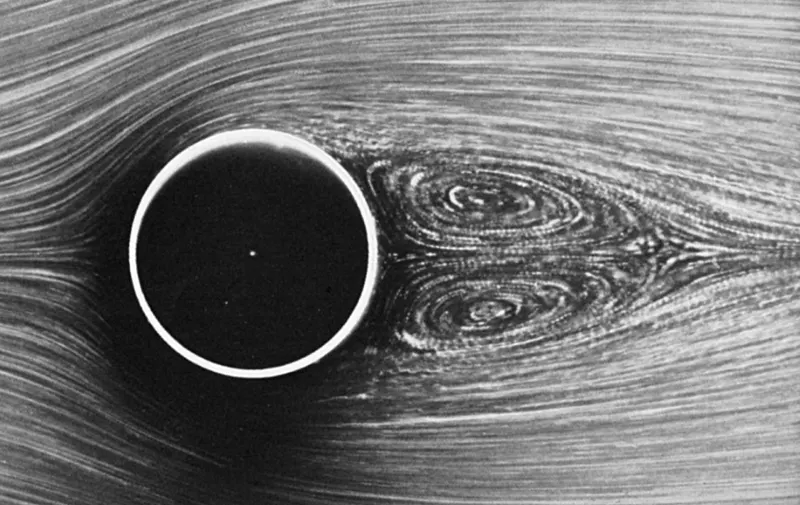
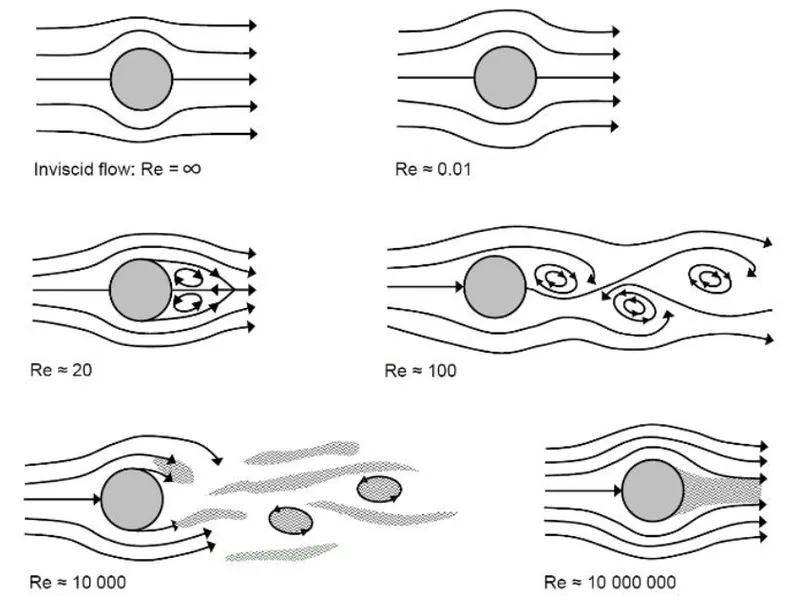
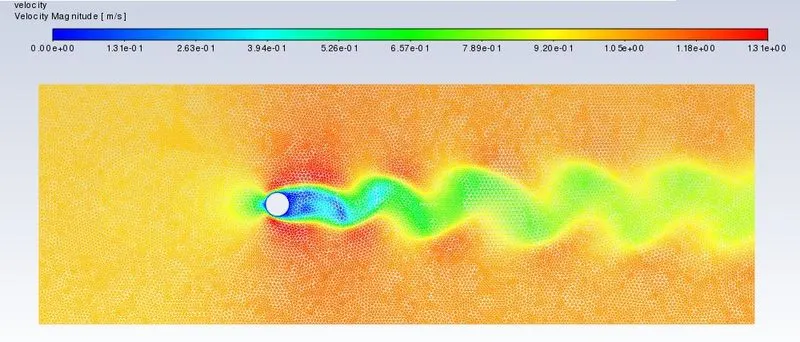
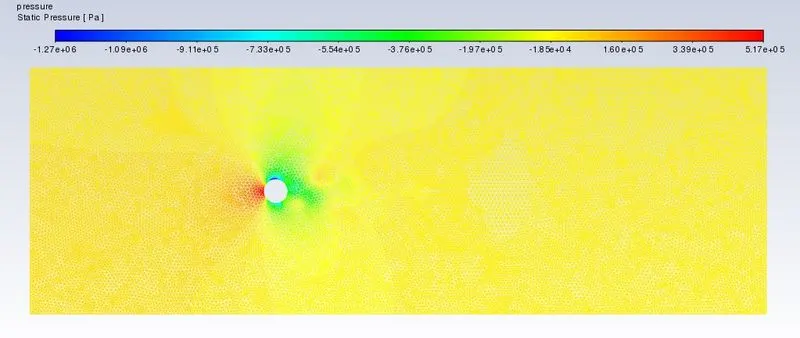
Vortex shedding is an unsteady flow occurring in special flow velocities(depending on the size and shape of the cylindrical body). In this flow, vortices are created at the back of the body and detach periodically from either side of the body. This regular pattern of vortices in the wake is called a Karman vortex street and is caused when a fluid flows past a blunt object. The fluid flow past the object creates alternating low-pressure vortices on the downstream side of the object. The object tends to move toward the low-pressure zone.
Coefficient of Drag:
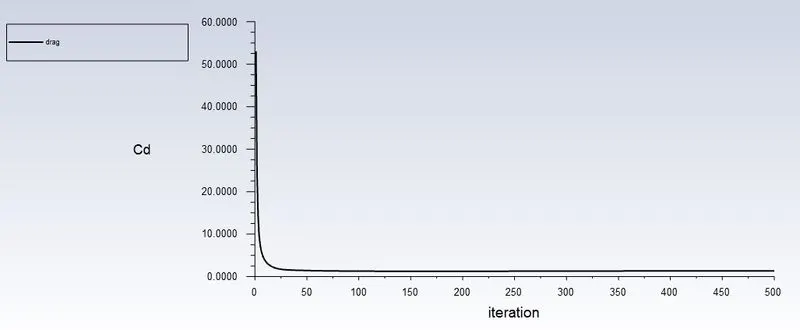
When an object moves through a fluid, then to compute its resistance, the coefficient used is known as the Drag coefficient, denoted by Cd. The coefficient of drag is dimensionless, which is helpful in calculating aerodynamic drag and the impact of shape, inclination, and conditions of flow in aerodynamics.
Basically, unsharpened and bulky objects will have a high drag coefficient, and streamlined objects will have a lower drag coefficient.
To understand this, you can visualize an object of a teardrop shape; the object will have a low value of Cd, approximately 0.06, due to which, as the air flows around it, it remains attached. On the other hand, a large impact of turbulent air will be created by a plane and flat surface that is perpendicular to the airflow; this will result in a higher value of Cd.
To calculate the aerodynamic or hydrodynamic force on an object, drag coefficients are used, and this is given by the drag equation below:
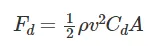
Where:
Fd denotes drag force (N)
ρ denotes density (kg/m³)
v denotes velocity (m/s²)
Cd denotes the drag coefficient
A denotes the frontal area (m²)
Coefficient of lift:
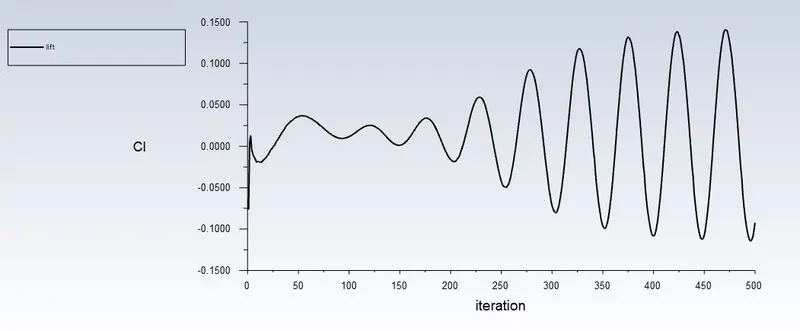
The lift coefficient is defined as the ratio of lift force to the product of surface area and dynamic pressure around the lifting surface. It is a dimensionless quantity that has no units. Mathematically, the lift coefficient CL for a surface having surface area A, fluid dynamic pressure q, and lift force F can be written as:
CL = F / (A × q)
The dynamic pressure q for a fluid having density ρ and flow speed V can be written as:
q = ½ × ρ × V²
Therefore, the lift coefficient formula becomes:
CL = 2 × F / (A × ρ × V²)
PART-I
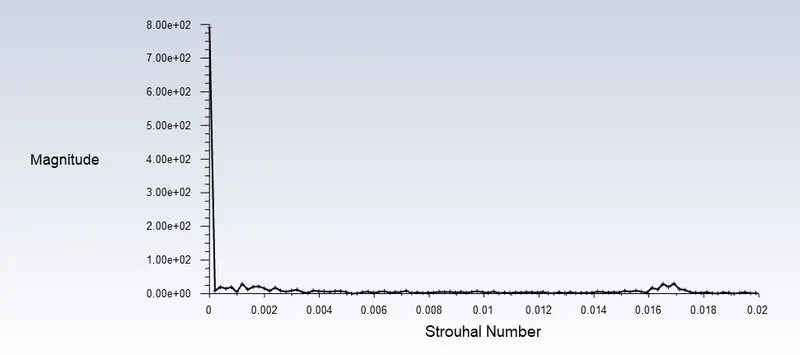
Simulate the flow with the steady and unsteady case and calculate the Strouhal Number for Re= 100
Solution: Steps here are the same for both Steady and Unsteady state simulations.
Project schematic:
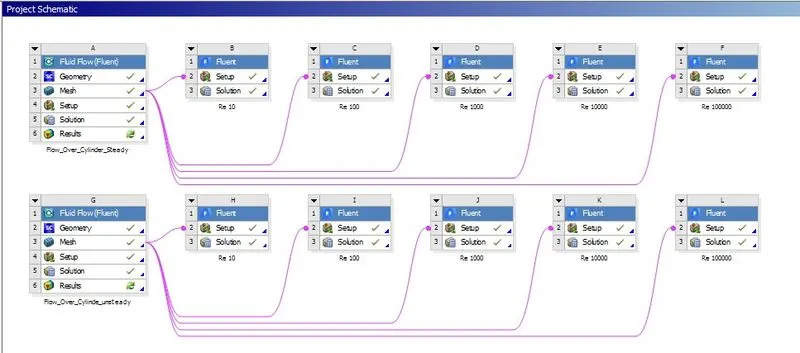
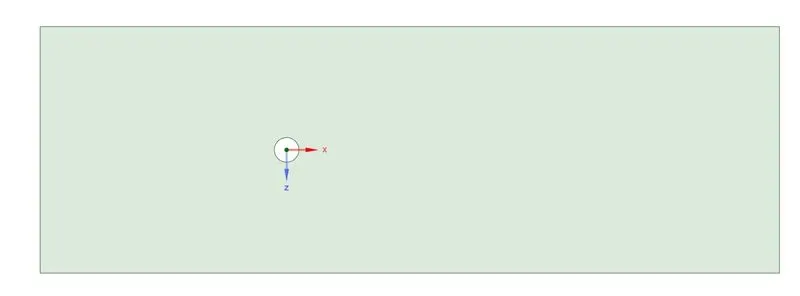
1. Geometry Creation: Geometry created as per the week 2 instructions and dimensions.
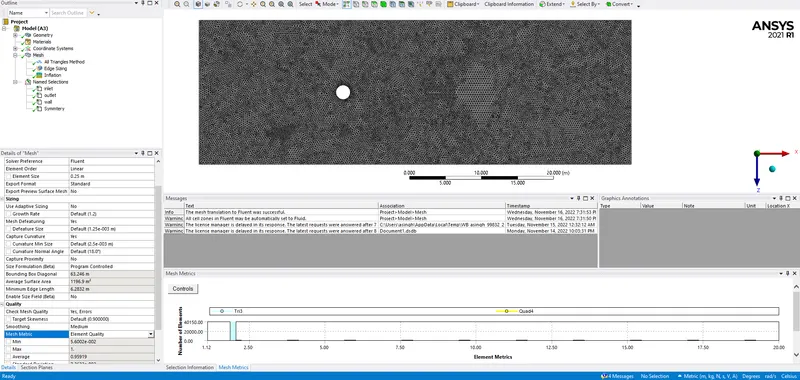
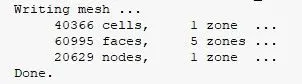
2. Meshing: Meshing created as per the week 2 instructions and mesh sizes.
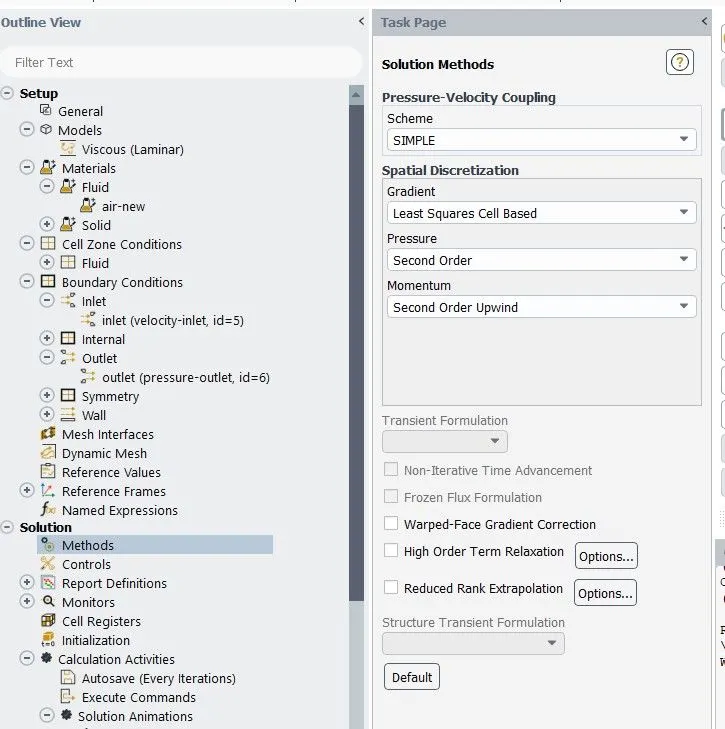
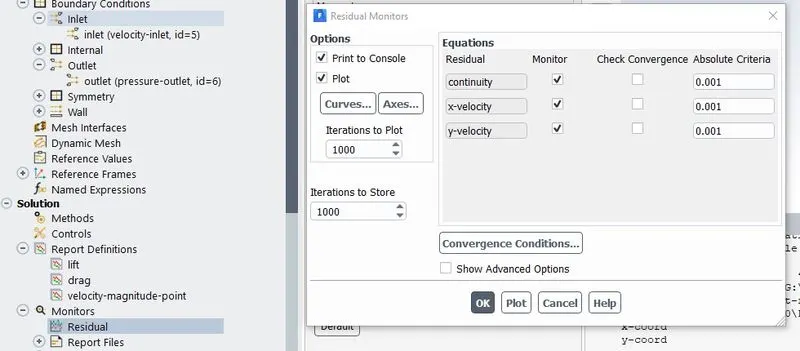
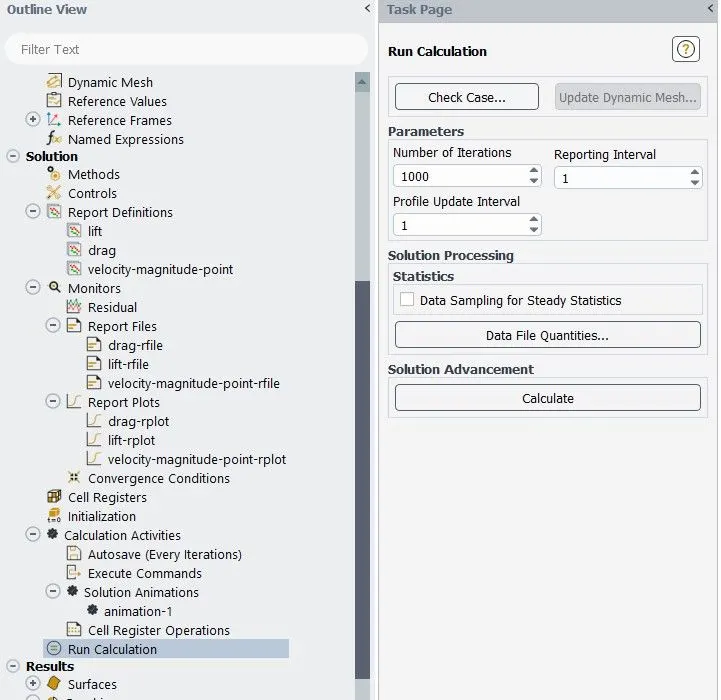
3. Pre-Processing:
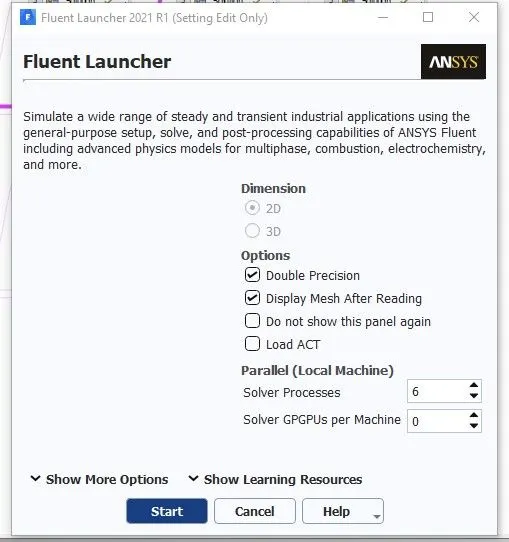
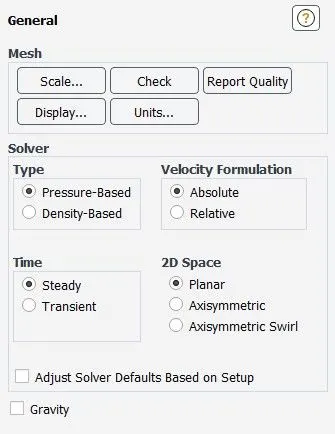
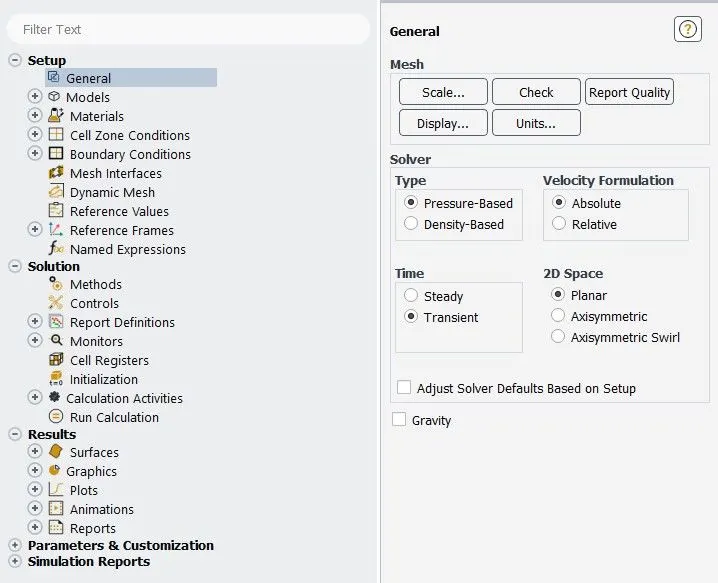
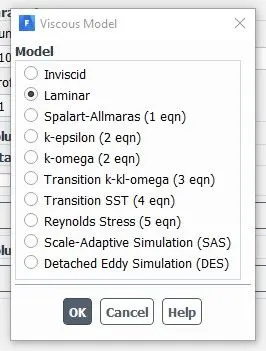
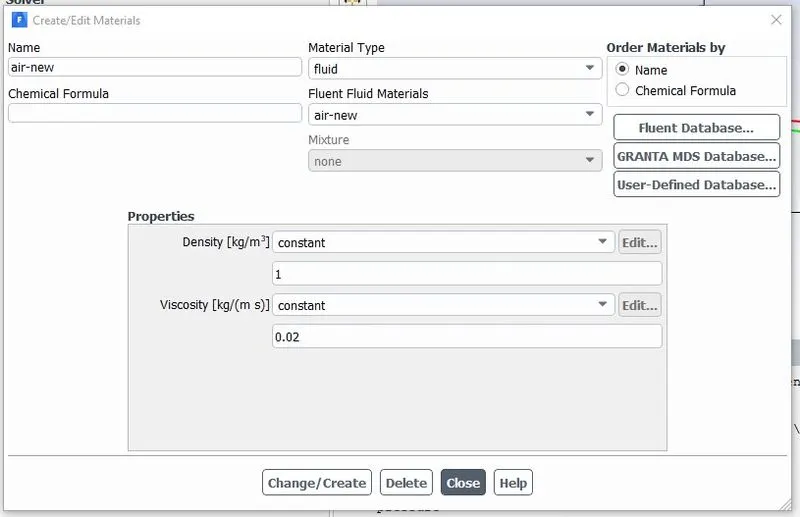
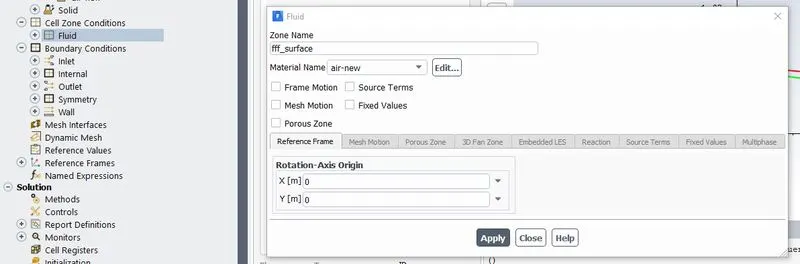
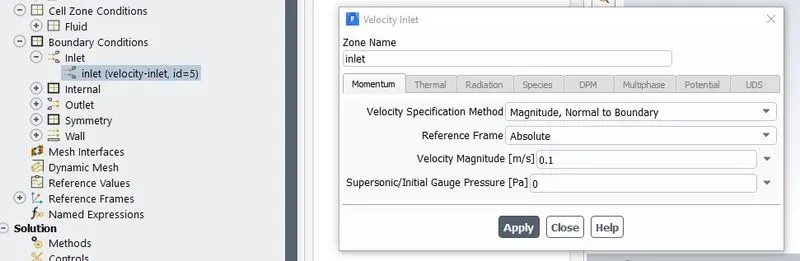
General setting for Steady and Transient (Unsteady) Simulations
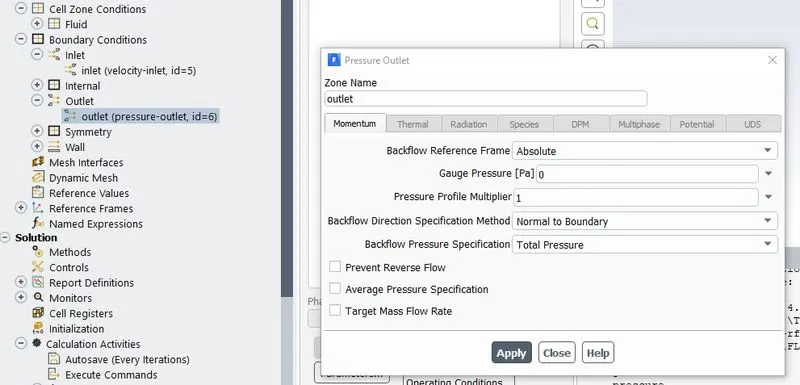
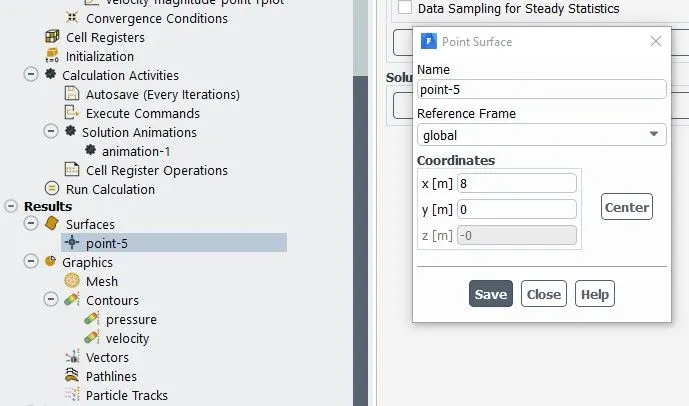
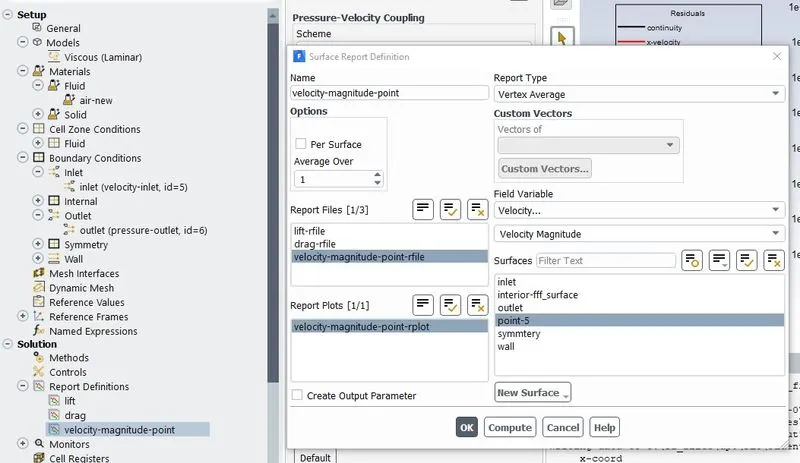
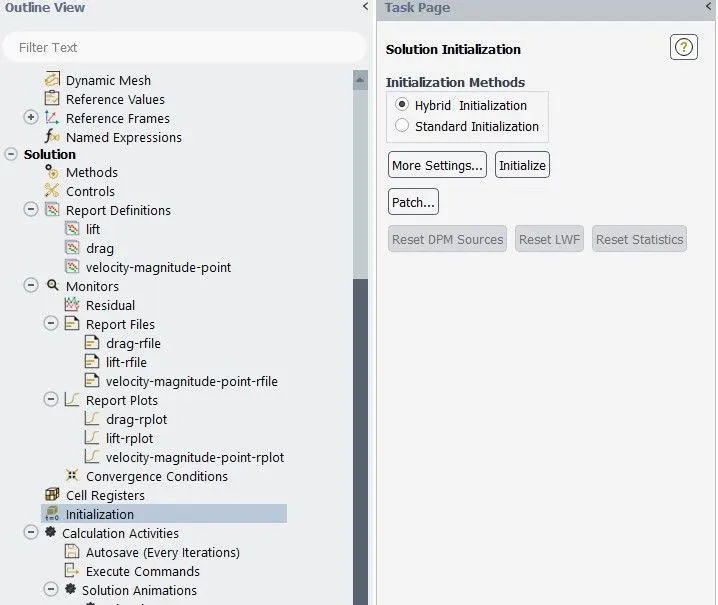
4. Post Processing:
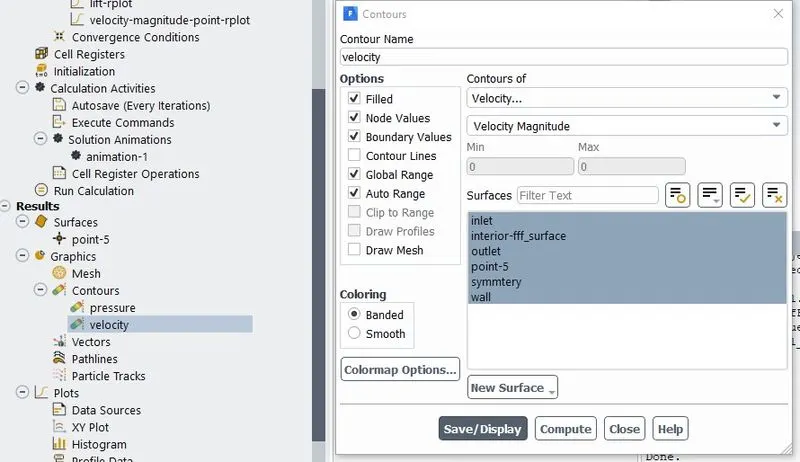
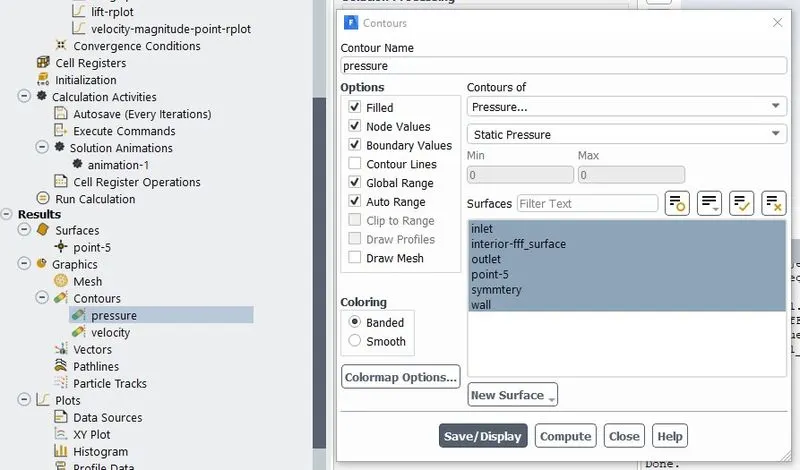
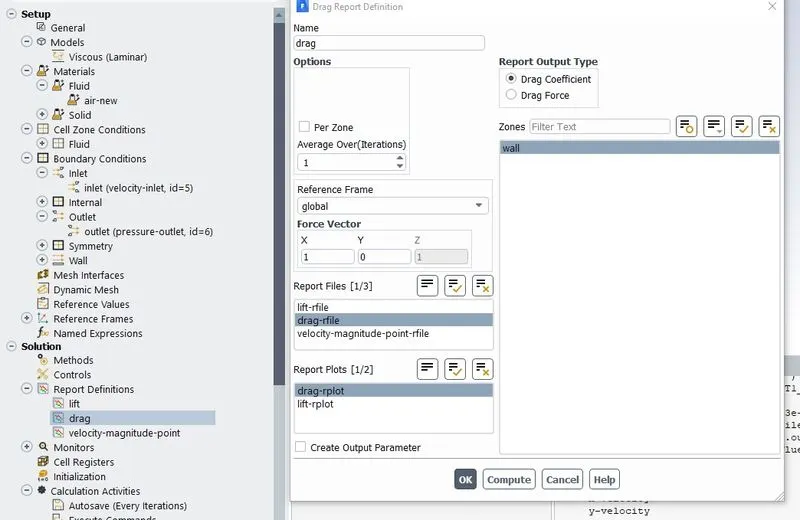
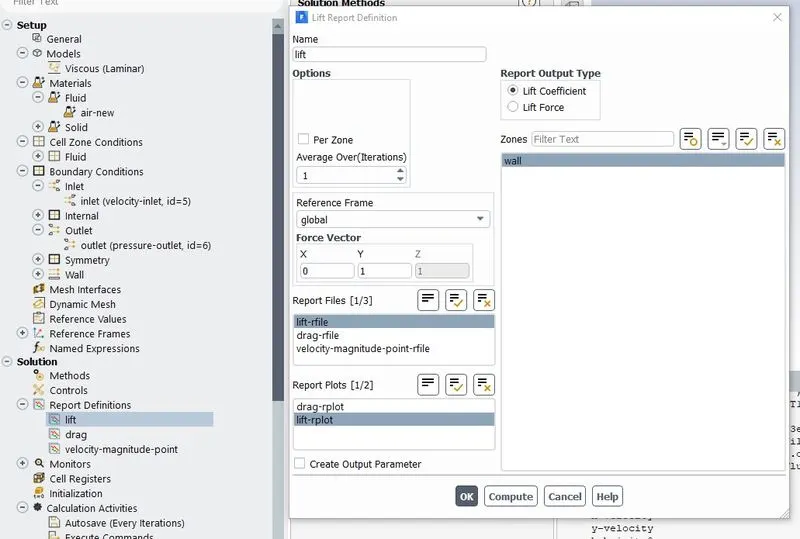
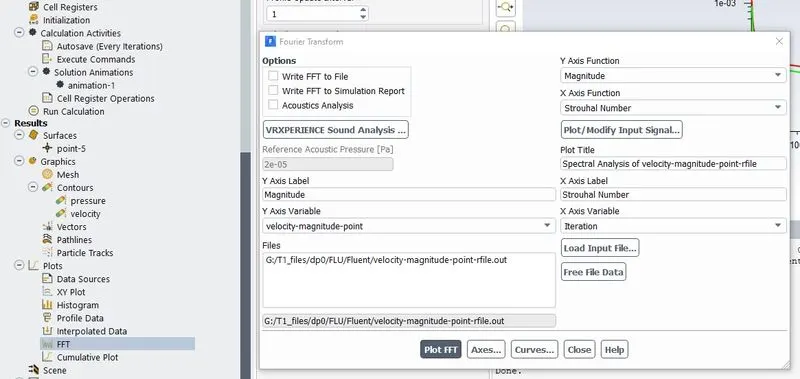
5. Results:
Details are in part - II.
PART-II
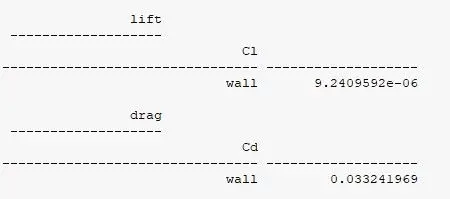
a. Calculate the coefficient of drag and lift over a cylinder by setting the Reynolds number to 10,100,1000,10000 & 100000. (Run with steady solver)
Solution:
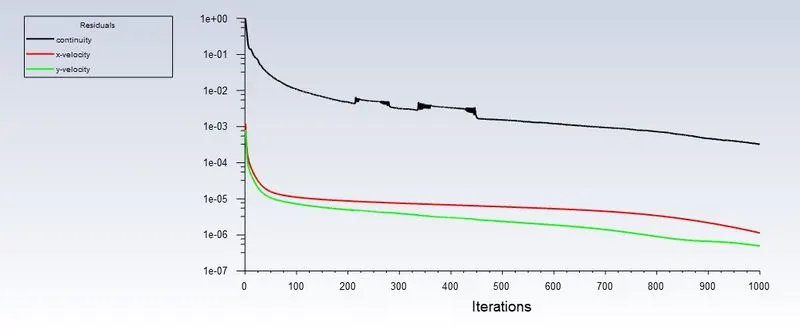
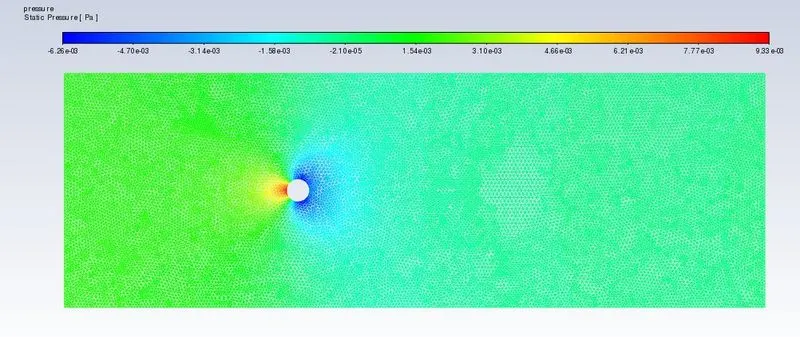
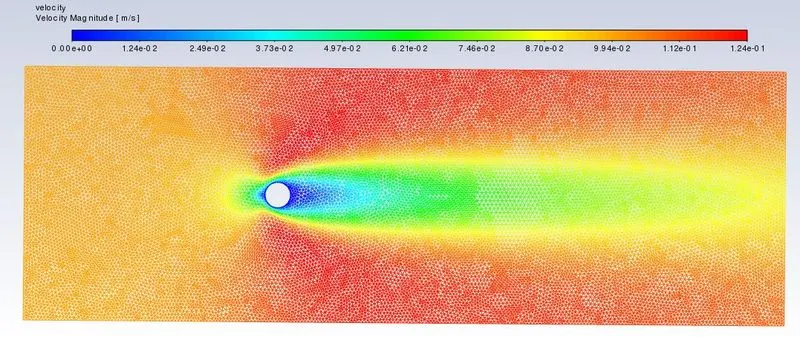
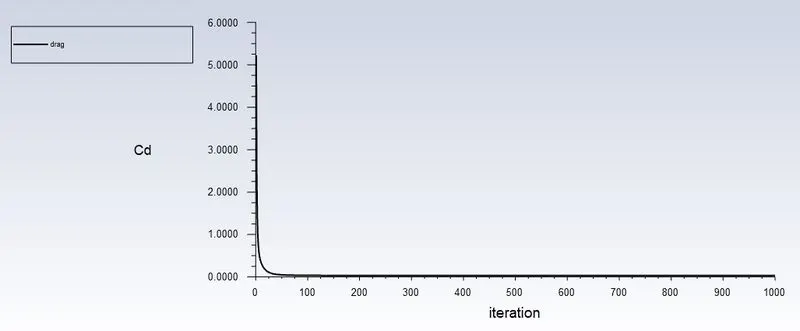
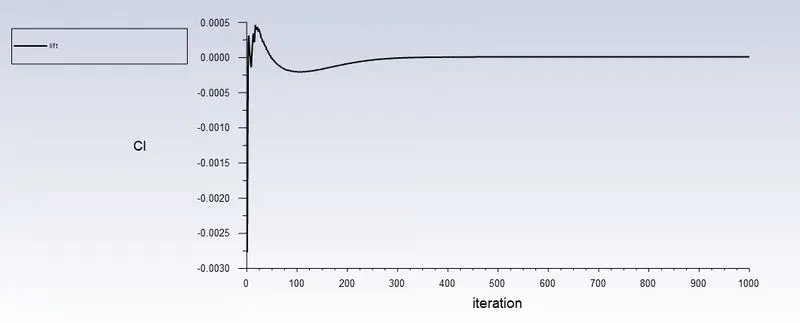
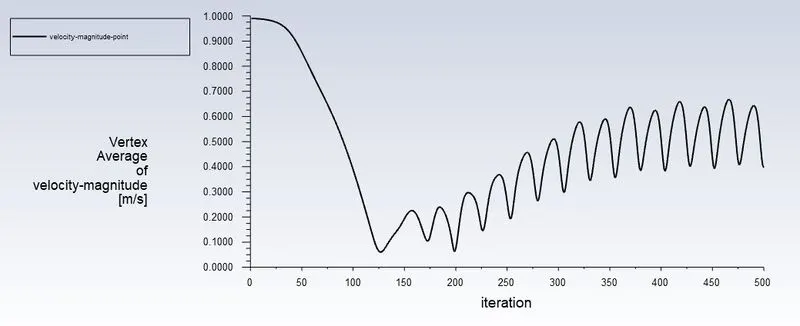
As described in Part I, similar steps are followed for both steady & Unsteady state simulations. The results are as below.
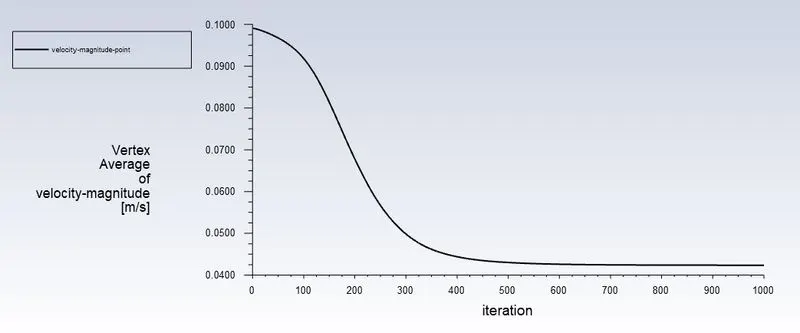
Steady State Renold's Number 10:
Steady State Renold's Number 100:
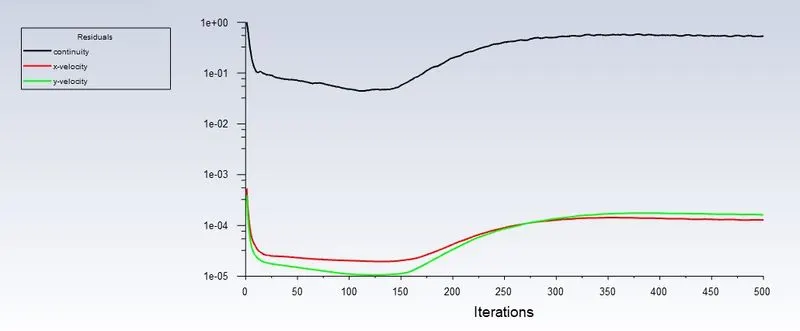
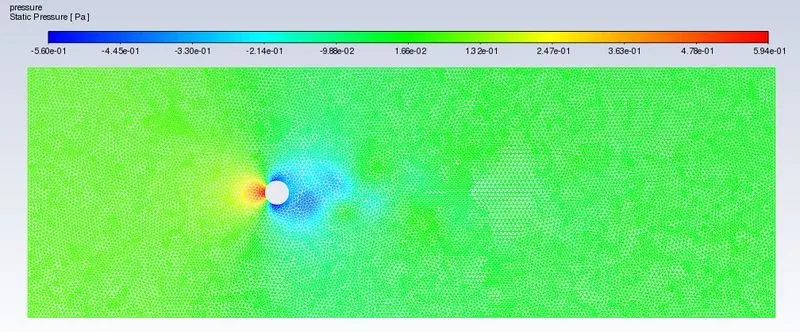
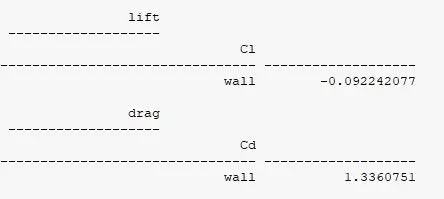
Steady State Renold's Number 1000:
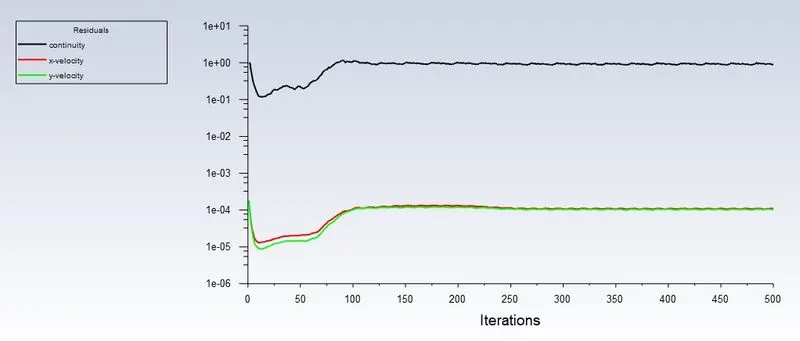
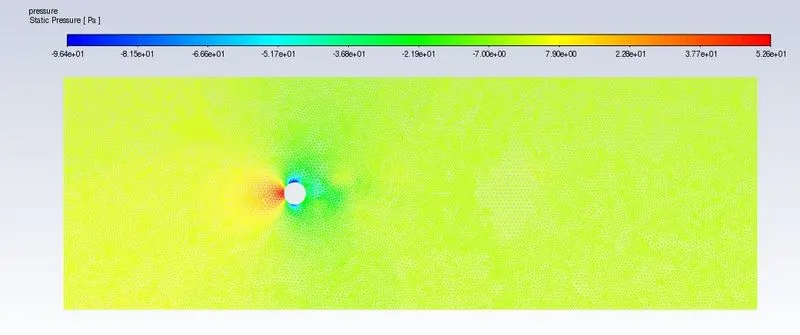
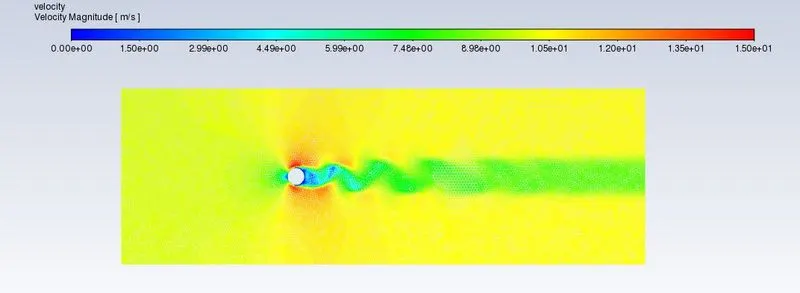
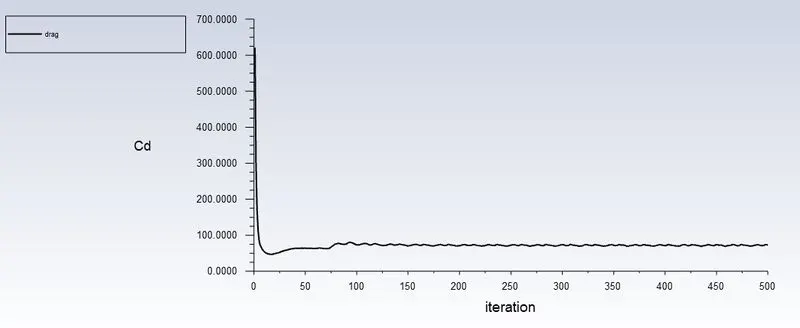
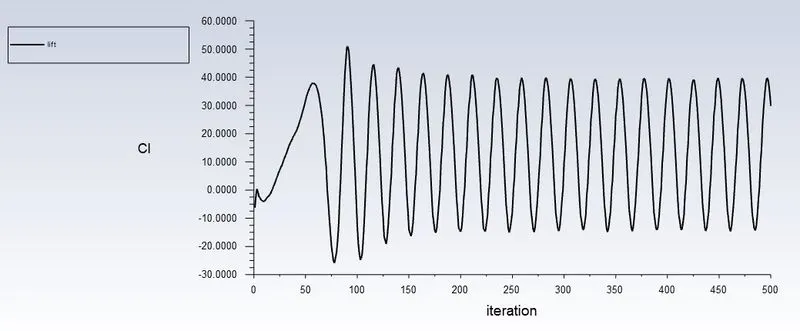
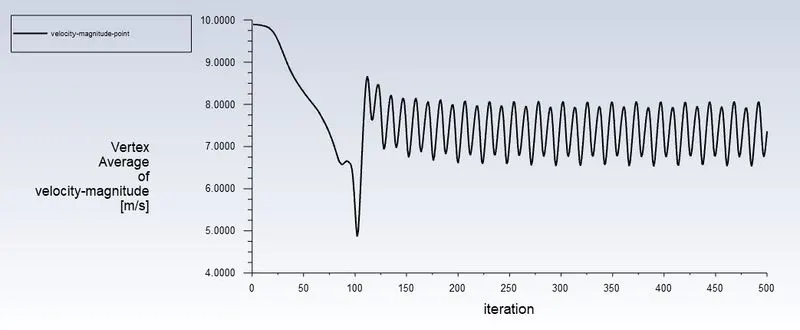
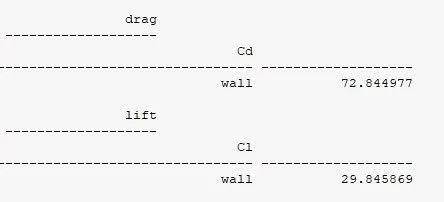
Steady State Renold's Number 10000:
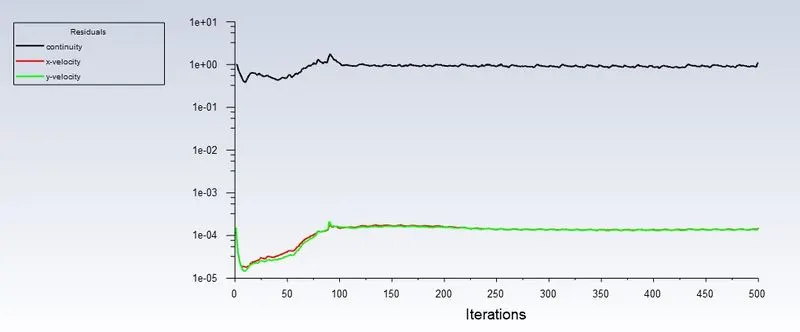
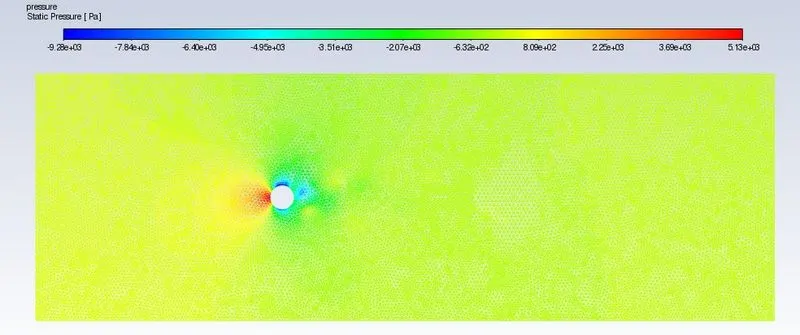
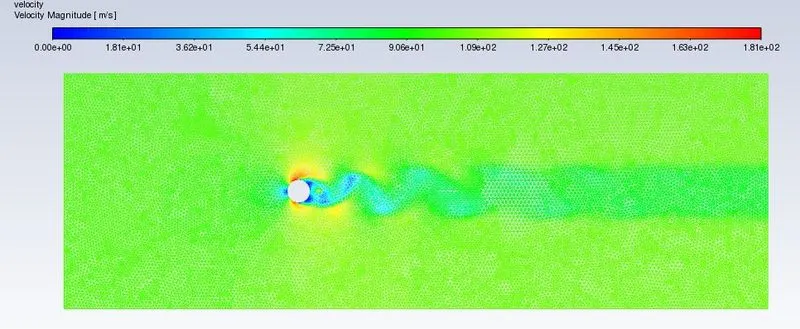
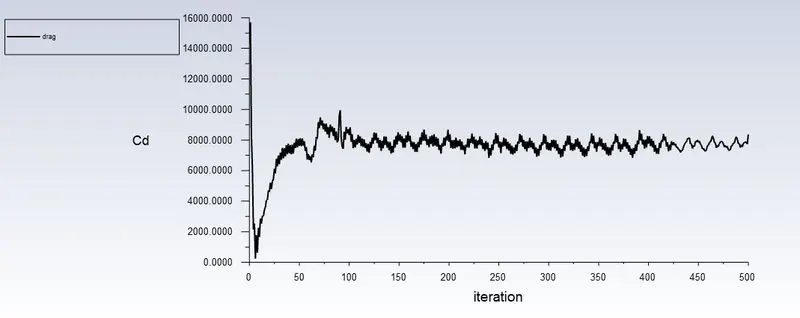
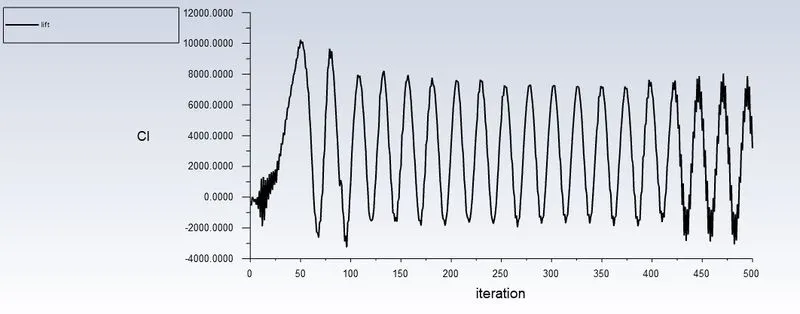
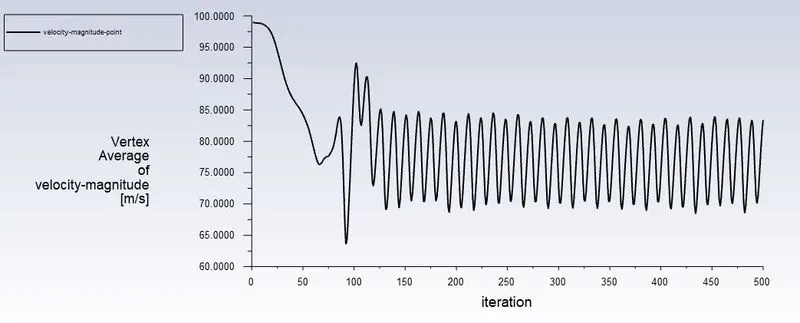
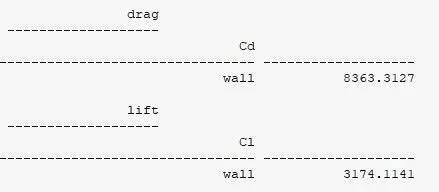
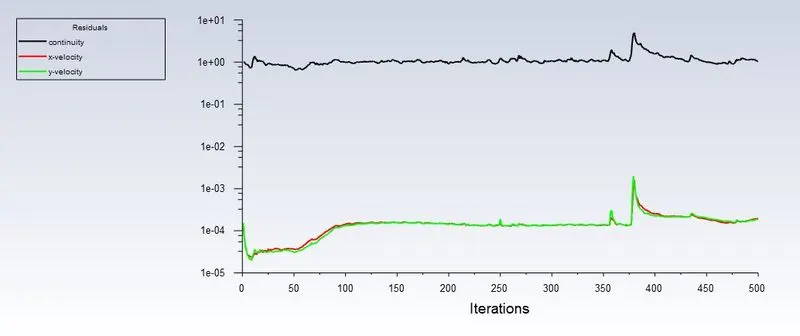
Steady State Renold's Number 100000:
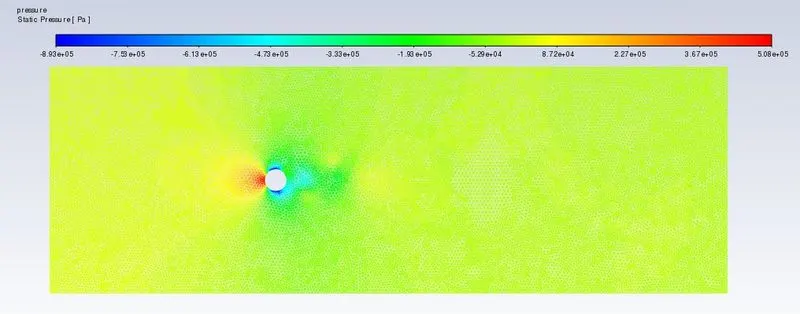
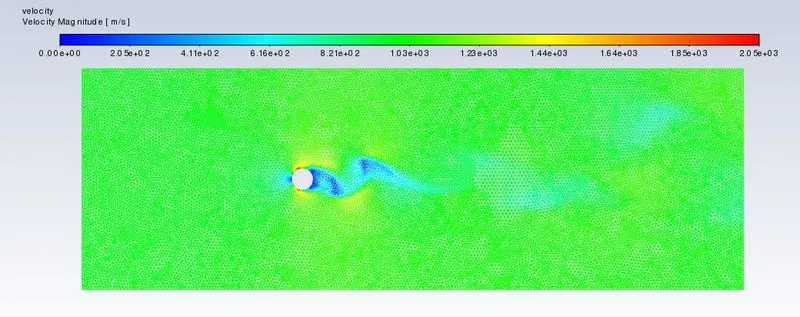
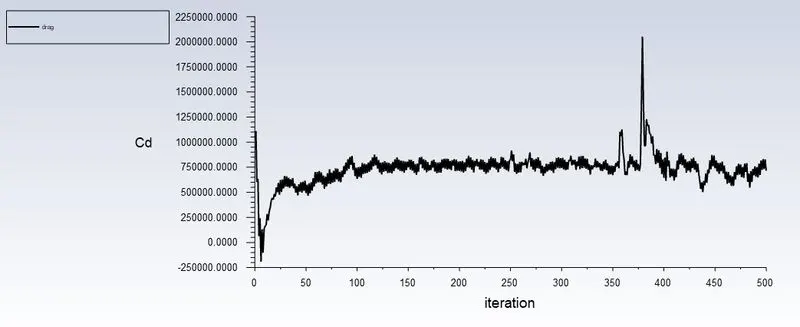
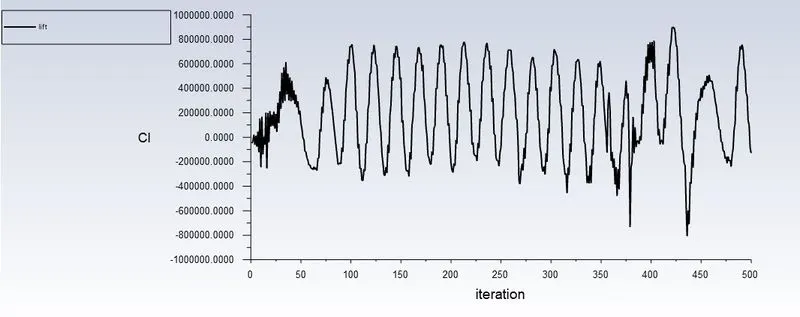
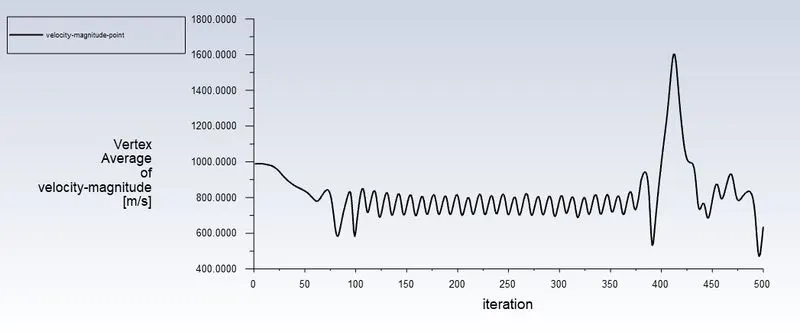
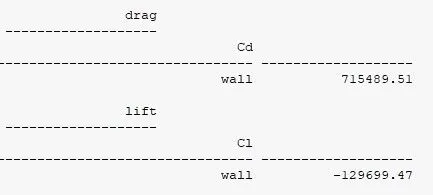
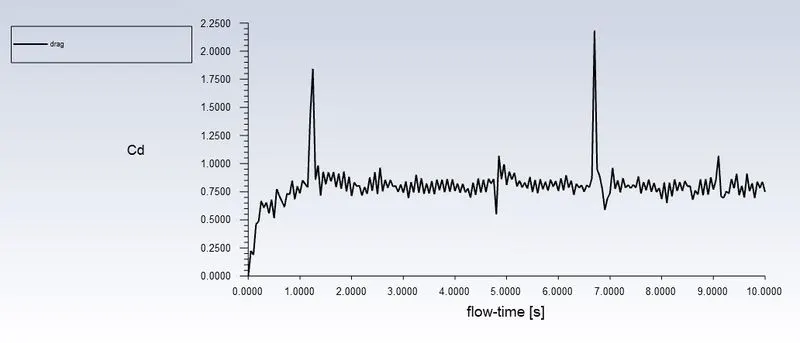
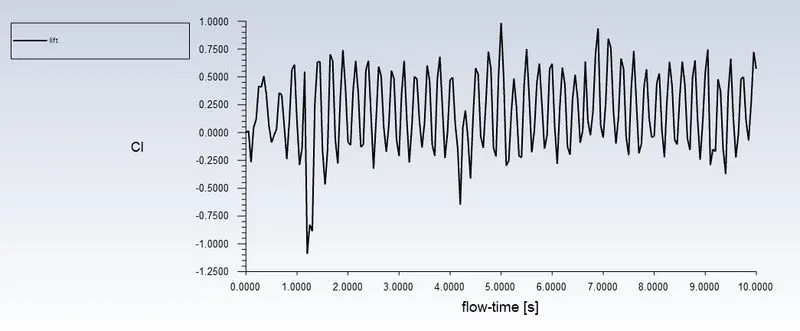
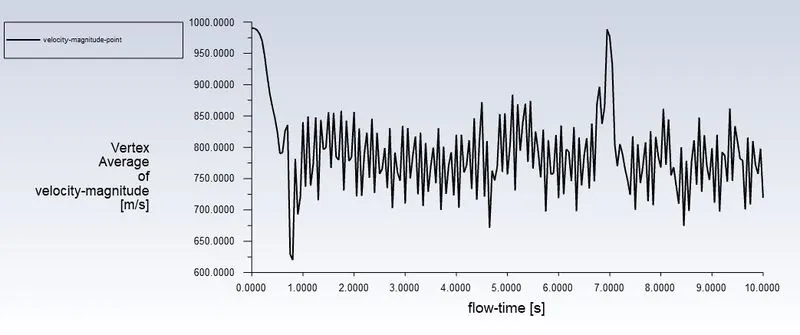
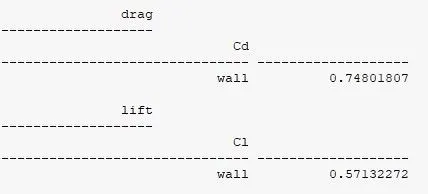
Unsteady State Renold's Number 10:
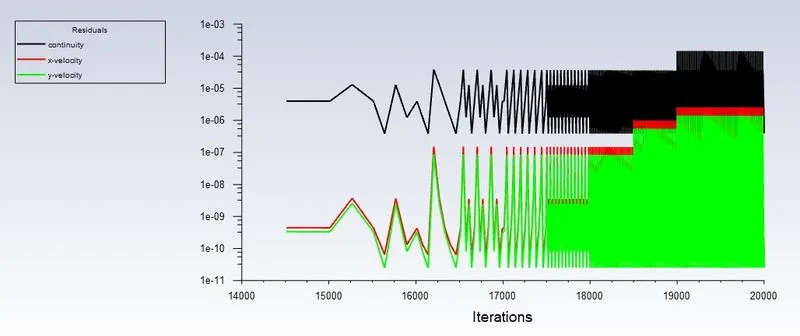
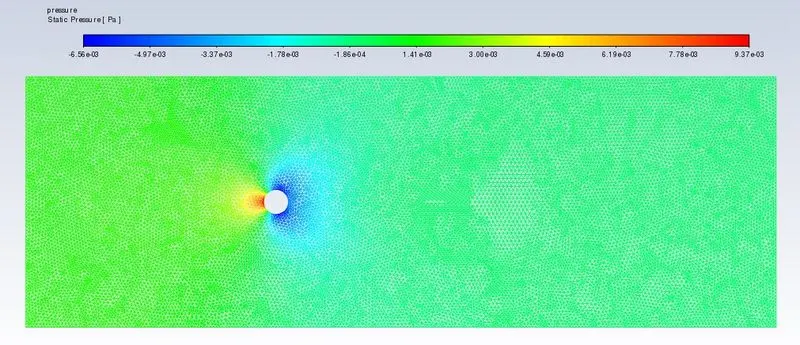
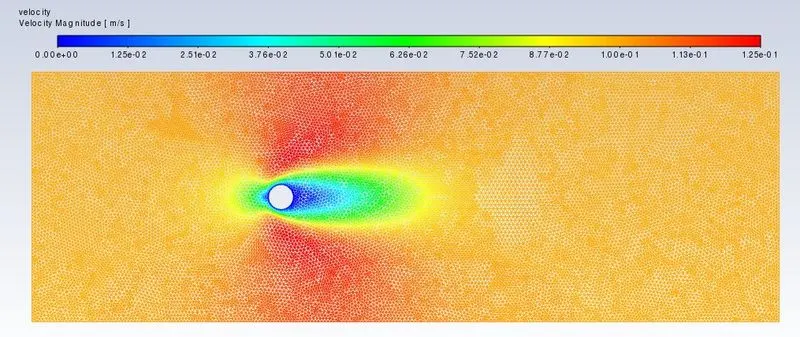
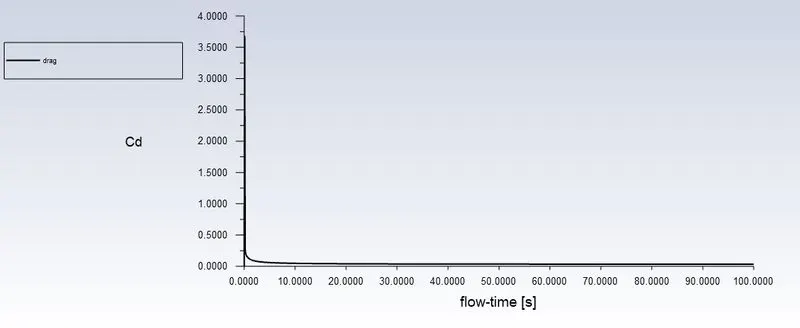
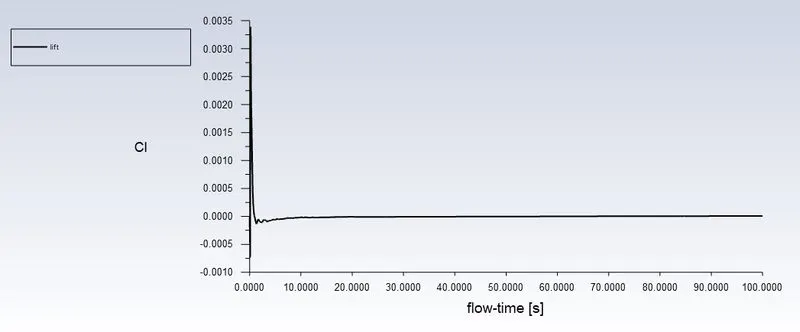
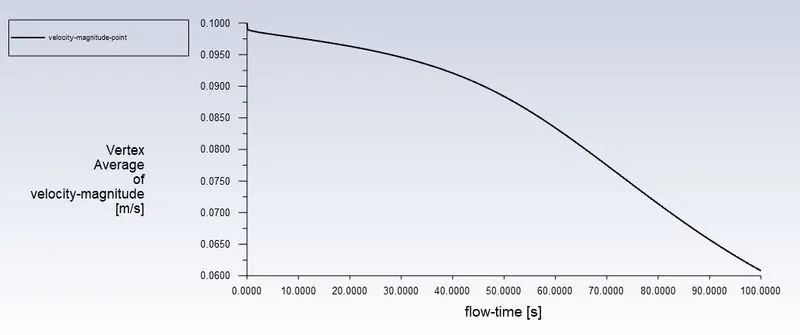
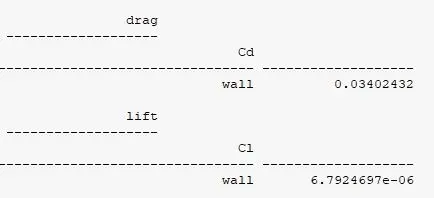
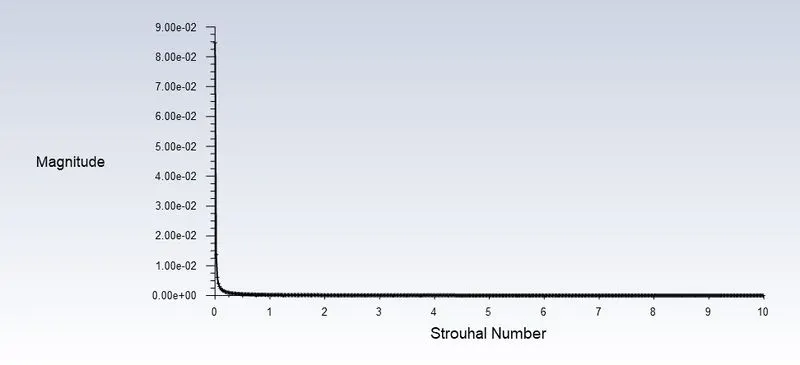
Unsteady State Renold's Number 100:
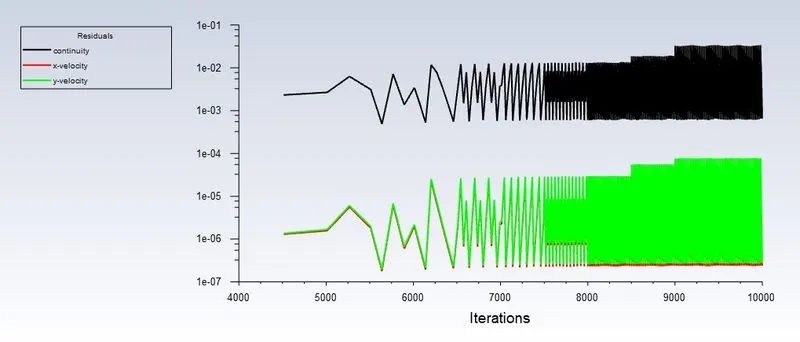
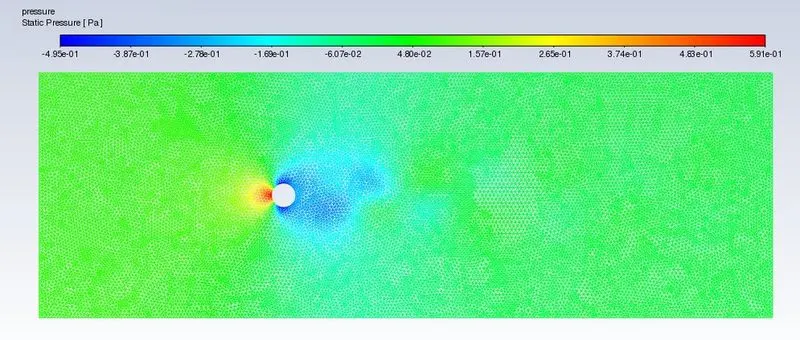
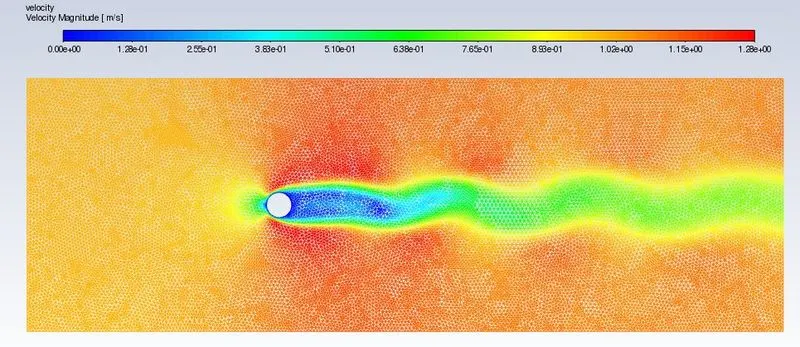
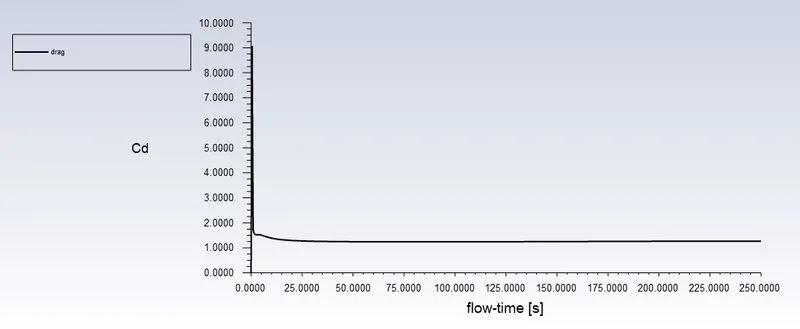
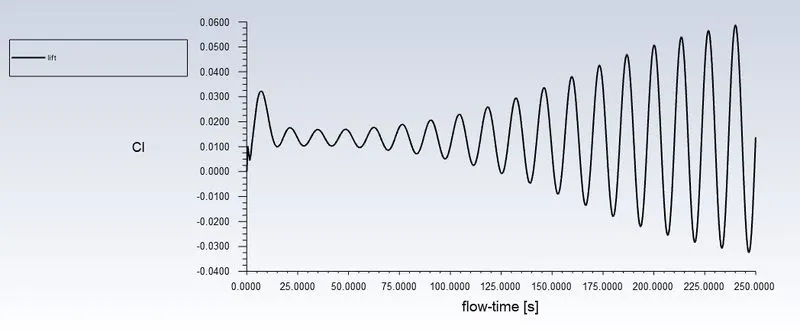
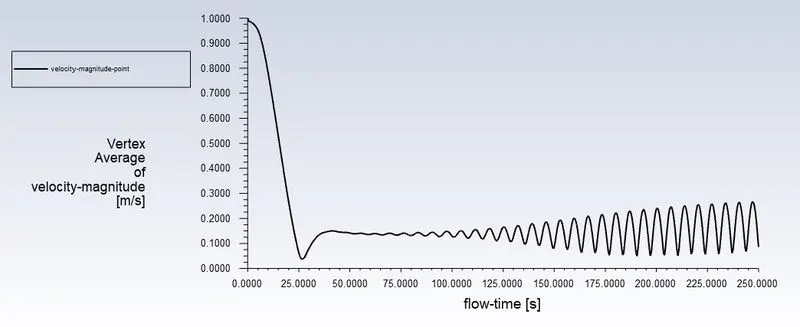
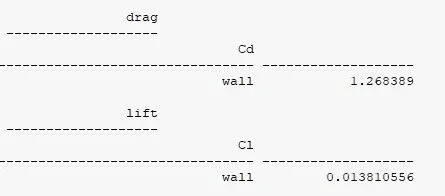
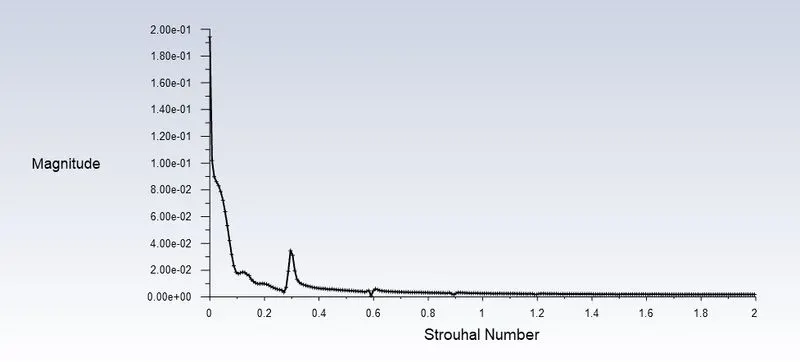
Unsteady State Renold's Number 1000:
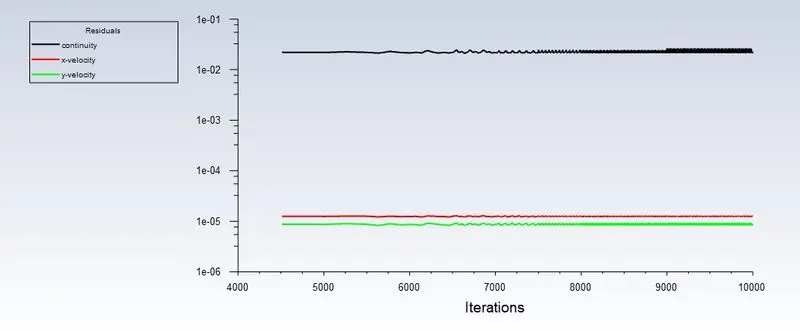
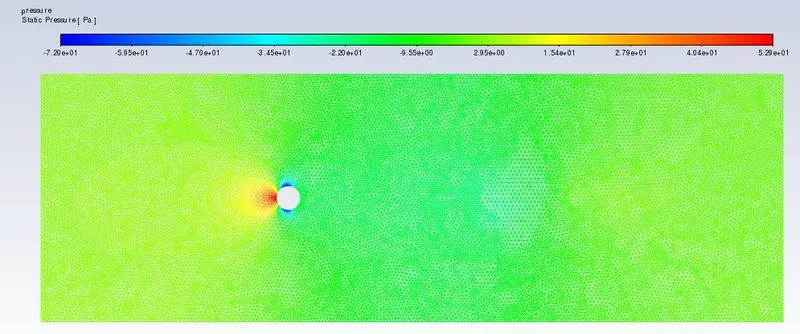
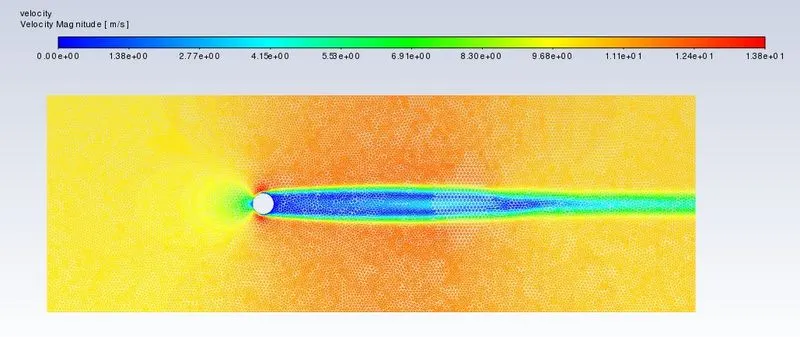
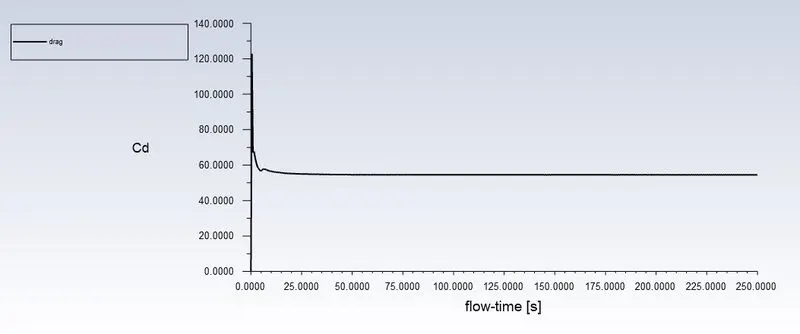
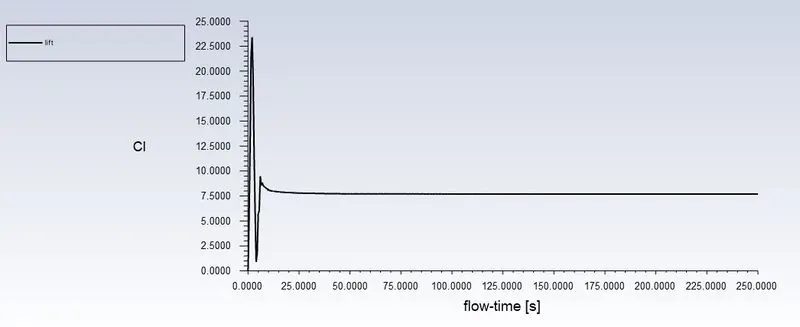
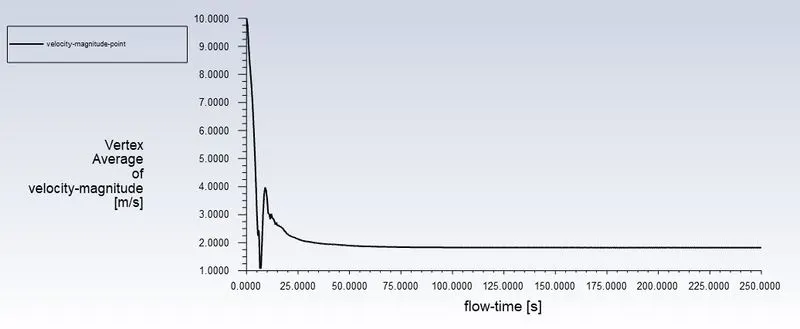
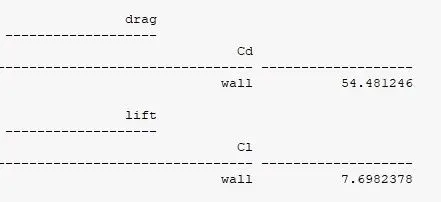
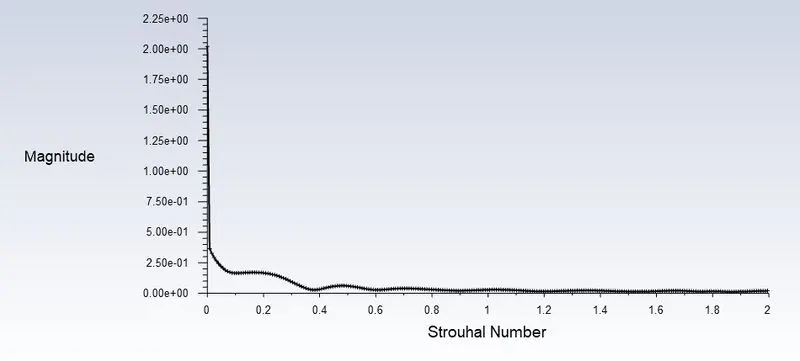
Unsteady State Renold's Number 10000:
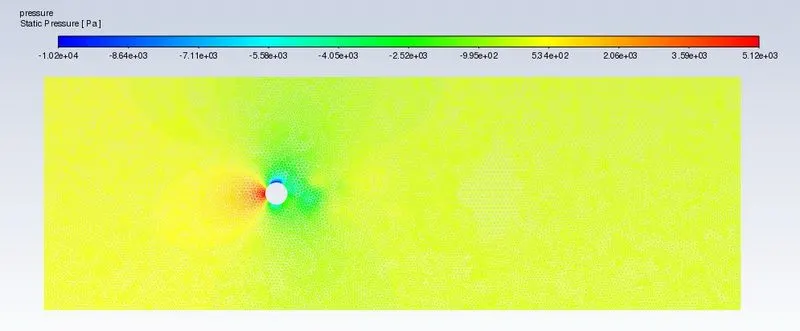
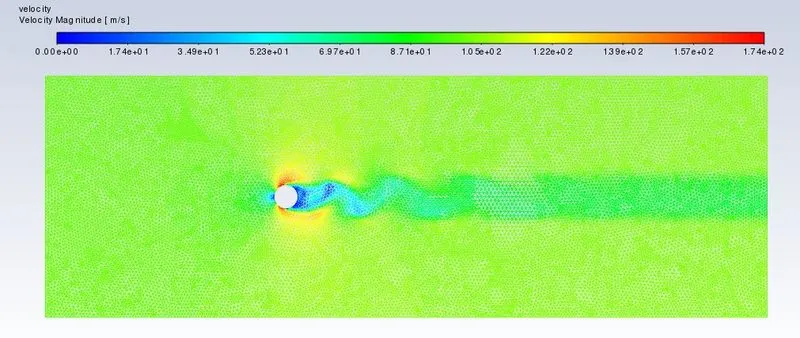
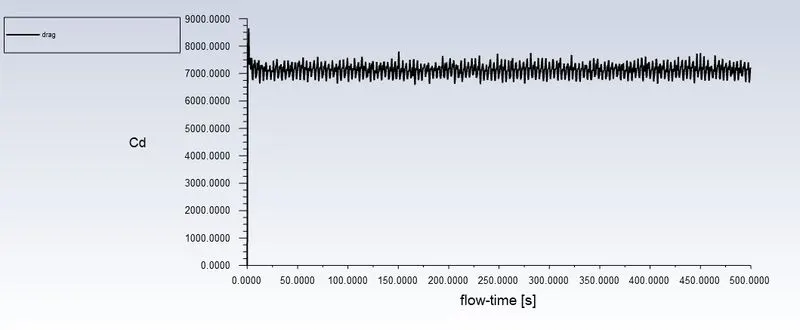
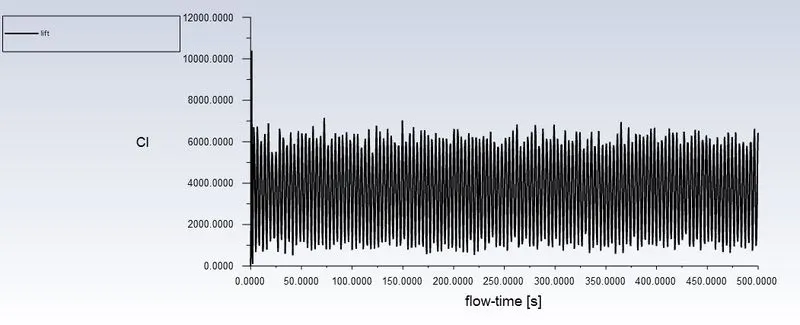
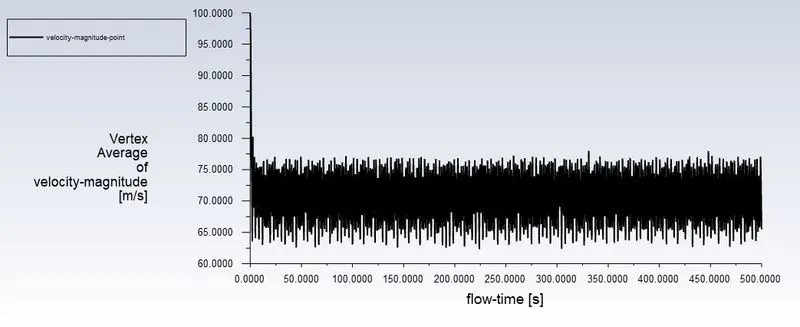
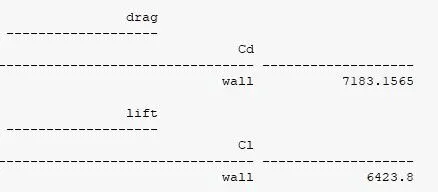
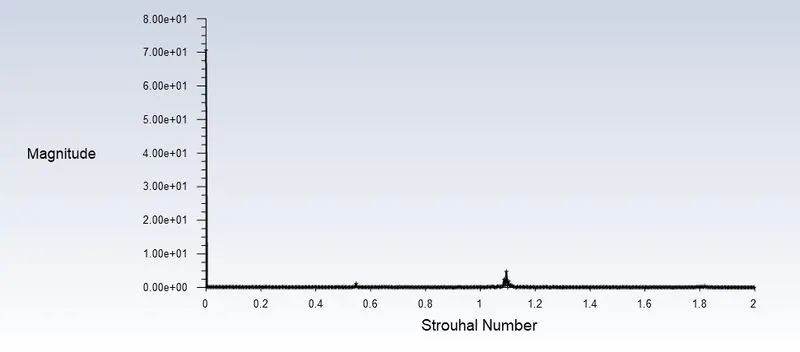
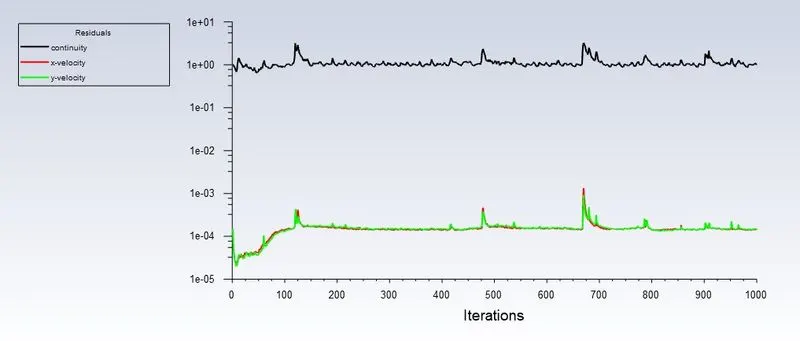
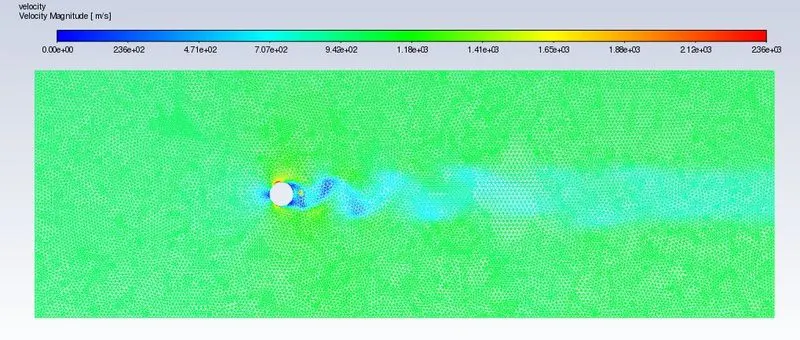
Unsteady State Renold's Number 100000:
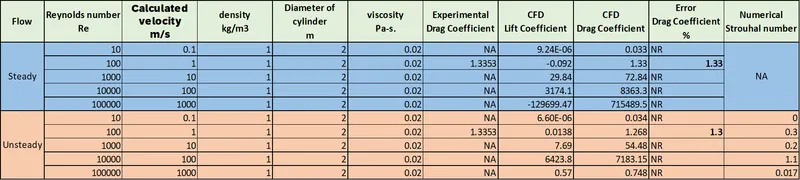
b. Discuss the effect of the Reynolds number on the coefficient of drag. [ Results should be validated with any standard literature and error should be within 5 %]
Solution: Below table shows the comparision of all iterations along with experimental results. results are preety good with error less then 5%.
Conclusion:
- CFD analysis of laminar and turbulent flow over a circular cylinder has been carried out for different Reynolds numbers. Coefficients of lift, contours of velocity, and pressures are discussed in detail.
- At a low Reynolds number (Re=1) flow is steady, and streamline is symmetrical about the Y-axis of the cylinder
- With increasing in Reynolds number, the flow becomes unsteady, flow pattern shows the periodic flow of vortex shedding in the wake region of the cylinder which is called the von Kaman vortex
- At a higher Reynolds number, flow around the cylinder becomes irregular. The increased inertia forces break the vortex generated behind the cylinder, with a higher frequency of vortex shedding than that in laminar flow
References:
https://www.academia.edu/15030208/Vortex_Shedding_in_the_Wake_Region_of_a_Cylinder
https://home.iitk.ac.in/~smittal/publi_&_present/sm_journals/control_of_votex_shedding_behind.pdf
https://cfdflowengineering.com/cfd-modeling-of-flow-over-a-cylinder/