Week 2 - Flow over a Cylinder.
AIM : Simulate the flow over a cylinder and explain the phenomenon of Karman vortex street.
Case 1 :
- Calculate the coefficient of drag and lift over a cylinder by setting the Reynolds number to 10,100,1000,10000 & 100000. (Run with steady solver)
- Discuss the effect of Reynolds number on the coefficient of drag. [ Results should be validated with any standard literature and error should be within 5 %]
Case 2 :
- Simulate the flow with the steady and unsteady case and calculate the Strouhal Number for Re= 100.
Flow over cylinder:
In spite of extensive experimental and numerical studies almost over a century, flow around a circular cylinder still remains a challenging problem in fluid mechanics, where intensive investigations are continued even today to understand the complex unsteady dynamics of the cylinder wake flow. Cross-flow normal to the axis of a stationary circular cylinder and the associated problems of heat and mass transport are encountered in a
wide variety of engineering applications. Both experimental measurements and numerical computations have confirmed the onset of instability of the wake flow behind a cylinder beyond a critical Reynolds number, leading finally to a kind of periodic flow identified by definite frequencies, well-known in the literature as the Von Karman vortex street. In case of laminar flow past cylinders with regular polygonal cross-section, the flow
usually separates at one or more sharp corners of the cross-section geometry itself, forming a system of vortices in the wake on either side of the mid symmetry plane. On the other hand, for a circular cylinder, where the point of flow separation is decided by the nature of the upstream boundary layer, the physics of the flow is much more complex than what its relatively simple shape might suggest.
Vortex shadding:
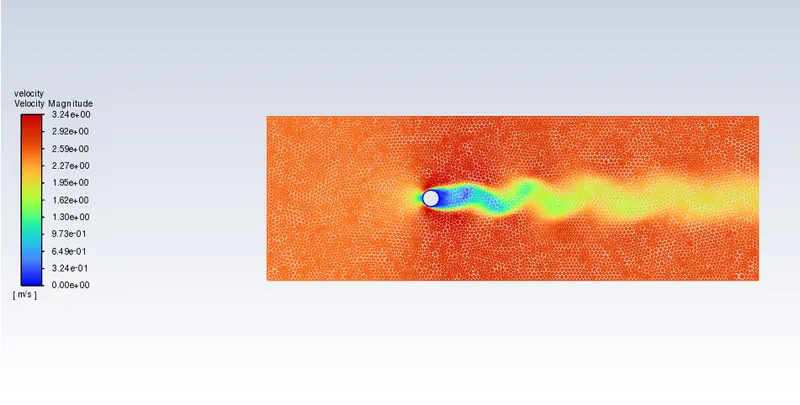
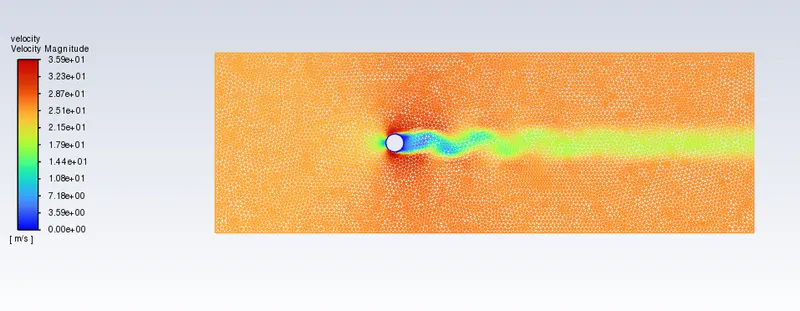
vortex shedding is an oscillating flow that takes place when a fluid such as air or water flows past a bluff (as opposed to streamlined) body at certain velocities, depending on the size and shape of the body. In this flow, vortices are created at the back of the body and detach periodically from either side of the body forming a Von Karman vortex street. The fluid flow past the object creates alternating low pressure vortices on the downstream side of the object. The object will tend to move toward the low-pressure zone.
If the bluff structure is not mounted rigidly and the frequency of vortex shedding matches the resonance frequency of the structure, then the structure can begin to resonate, vibrating with harmonic oscillations driven by the energy of the flow. This vibration is the cause for overhead power line wires humming in the wind, and for the fluttering of automobile whip radio antennas at some speeds. Tall chimneys constructed of thin-walled steel tubes can be sufficiently flexible that, in air flow with a speed in the critical range, vortex shedding can drive the chimney into violent oscillations that can damage or destroy the chimney.
Reynolds Number (Re):
Reynolds number for a flow is a measure of the ratio of inertial to viscous forces in the flow of a fluid around a body.
Re-rho "V"d/Dynamic Viscosity
The range of Re values will vary with the size and shape of the body from which the eddies are being shed, as well as with the kinematic viscosity of the fluid. Over a large Re, range (47<Re<105 for circular cylinders; reference length is d: diameter of the circular cylinder) eddies are shed continuously from each side of the circle boundary, forming rows of vortices in its wake. The alternation leads to the core of a vortex in one row being opposite the point midway between two vortex cores in the other row, giving rise to the distinctive pattern shown in the picture. Ultimately, the energy of the vortices is consumed by viscosity as they move further downstream, and the regular pattern disappears.
The lift coefficient (CL)
A dimensionless coefficient that relates the lift generated by a lifting body to the fluid density around the body. the fluid velocity, and an associated reference area. A lifting body is a foil or a complete foil-bearing body such as a fixed-wing aircraft. C is a function of the angle of the body to the flow, its Reynolds number, and its Mach number. The section lift coefficient a refers to the dynamic lift characteristics of a two-dimensional foil section, with the reference area replaced by the foil chord.
Drag coefficient (CD)
The drag coefficient of any object comprises the effects of the two basic contributors to fluid dynamic drag: skin friction and form drag. The drag coefficient of a lifting airfoil or hydrofoil also includes the effects of lift-induced drag. The drag coefficient of a complete structure such as an aircraft also includes the effects of interference drag 4
Strouhal number:
In dimensional analysis, the Strouhal number is a dimensionless number describing oscillating flow mechanisms.
For large Strouhal numbers (order of 1), viscosity dominates fluid flow, resulting in a collective oscillating movement of the fluid "plug". For low Strouhal numbers (order of 104 and below), the high-speed, quasi-steady-state portion of the movement dominates the oscillation. Oscillation at intermediate Strouhal numbers is characterized by the buildup and rapidly subsequent shedding of vortices.
St = fD/U'
Where,
f-frequency of vortex shedding
D=characteristic diameter of the cylinder
U= fluid flow velocity
PART-I
- Simulate the flow with the steady and unsteady case and calculate the Strouhal Number for Re= 100.
Lets get start with simulation
creat a flow over cylinder geometry
D=2m
inlet from center 10D
outlet from center 20D
20*60m
height 10m
2D surface
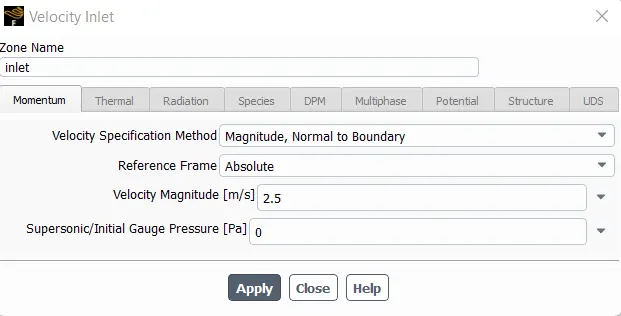
Strouhal Number for Re= 100. for this case we calculated the inlet velocity i,e; 2.5m/s
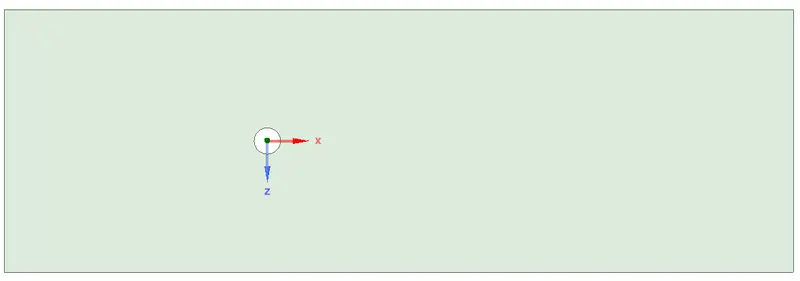
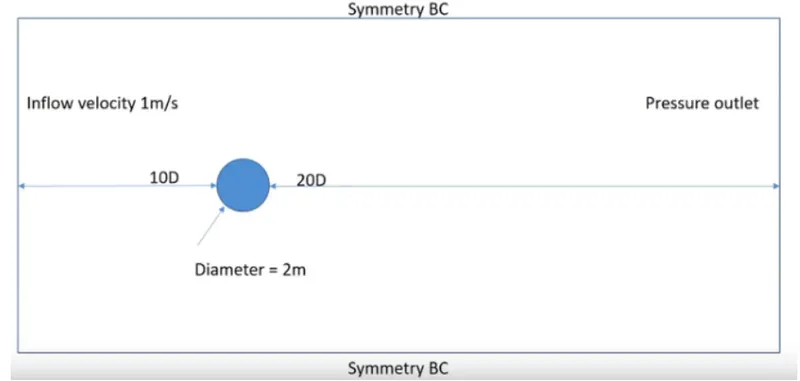
close geometry and open meshing
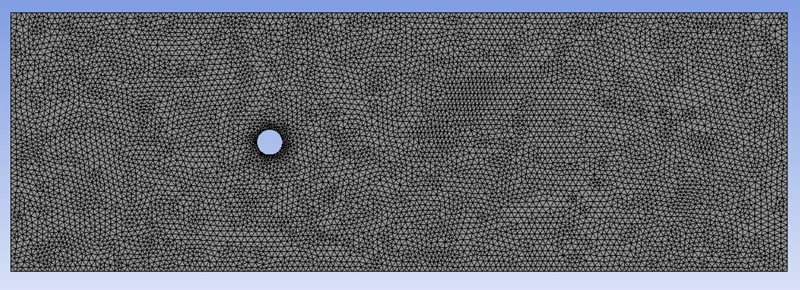
We used elenment size of 0.4m
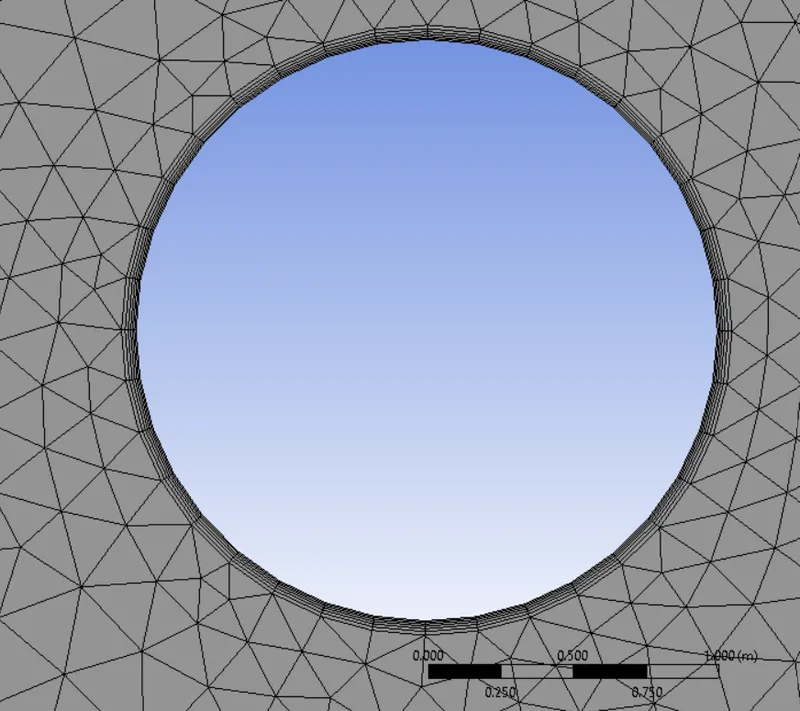
During the grometry the edges of the circle is not perfect So we used tools like
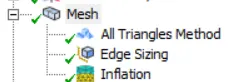
we given no of edges 36
no of layers as 6
The meshing is good close it and open setup
check mesh
Creat your own materials as air and delete the defult materials
and given desnsity as 1 viscosity as 0.05
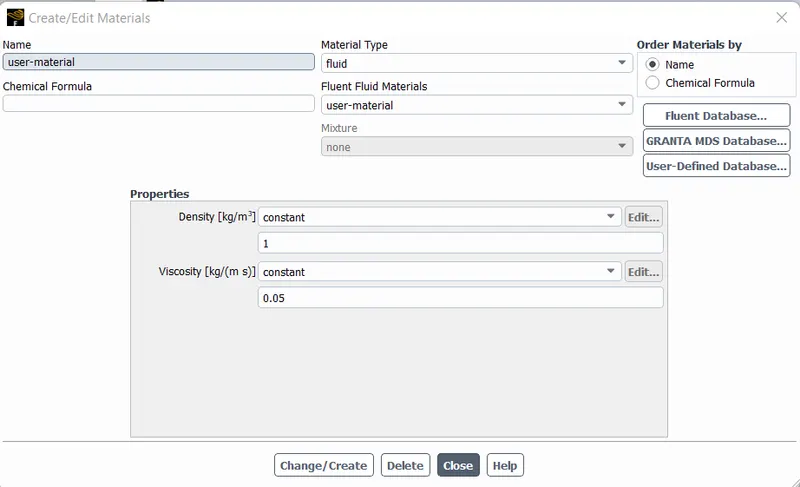
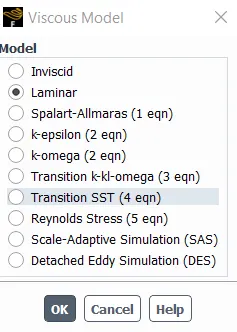
Use laminar model
Setup a boundry condition
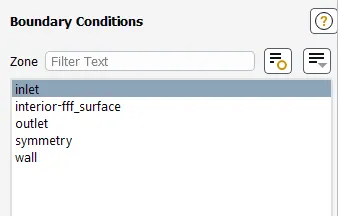
For inlet 2.5m/s
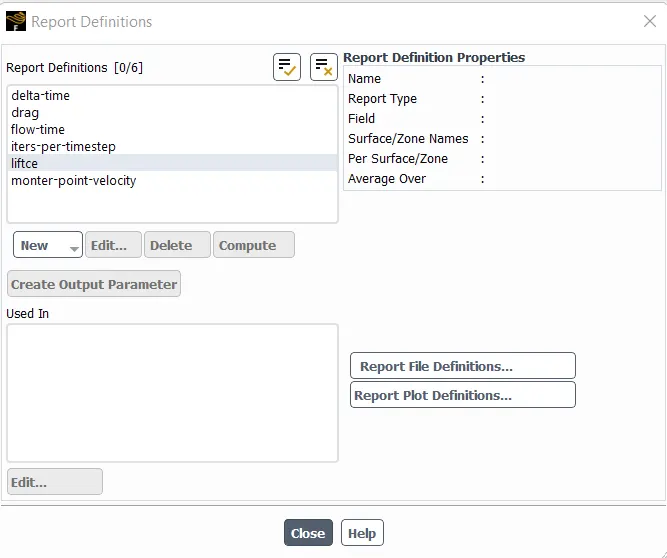
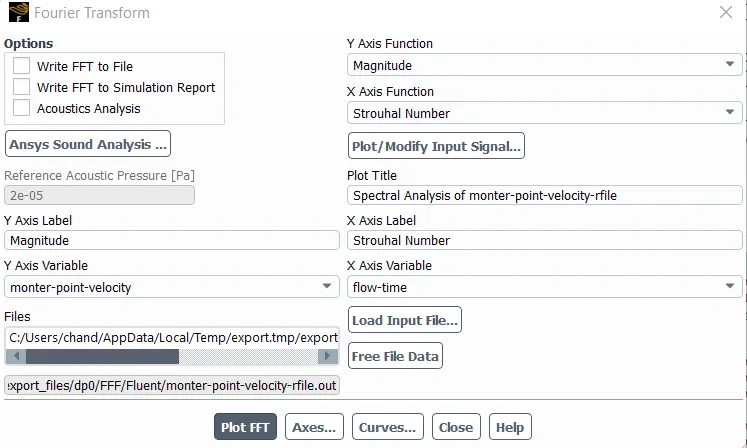
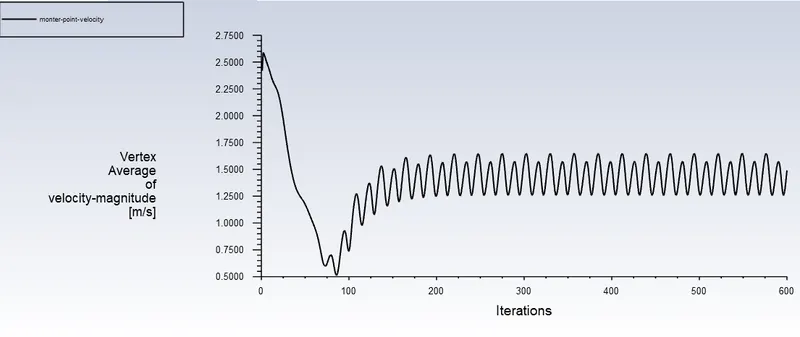
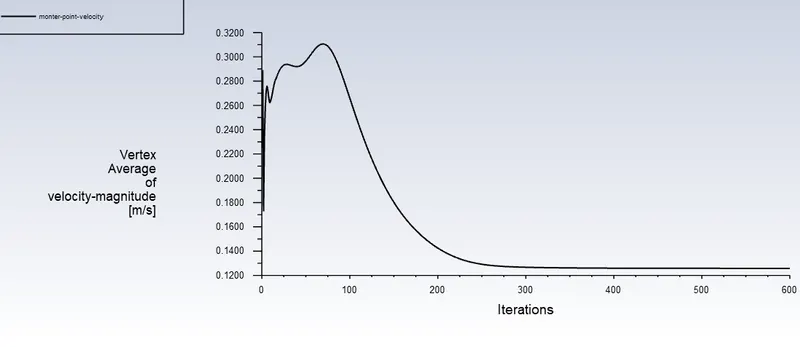
First we are going to see the unsteady simulation and results
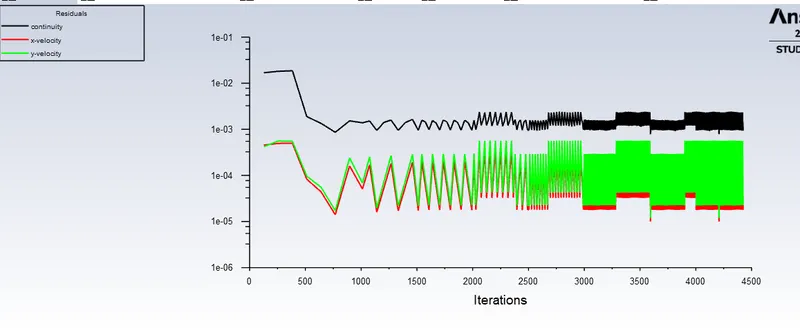
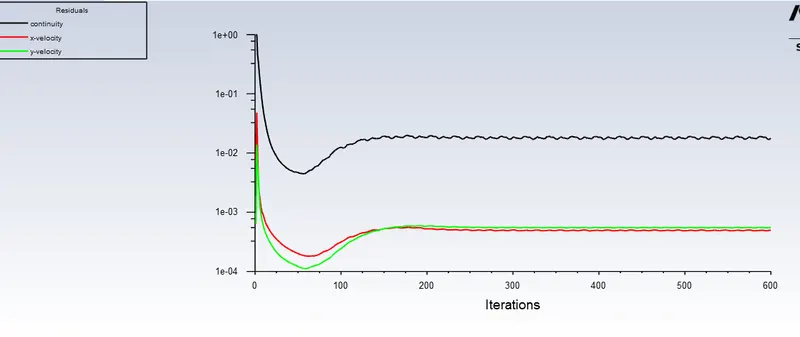
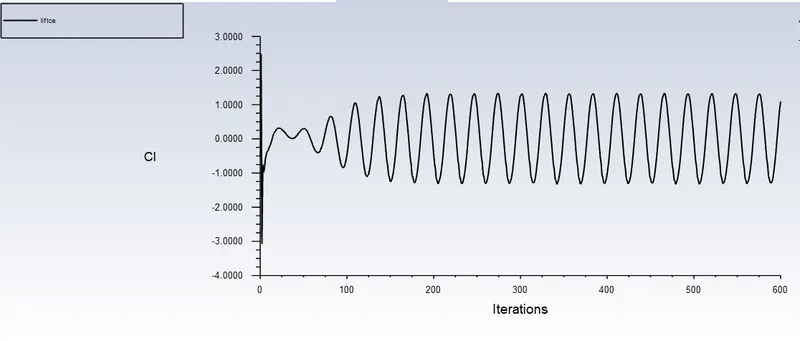
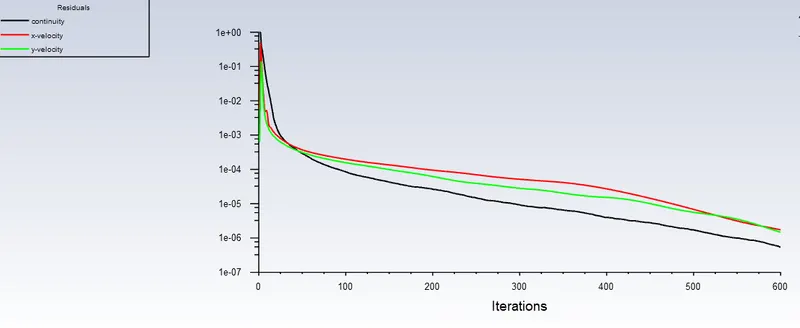
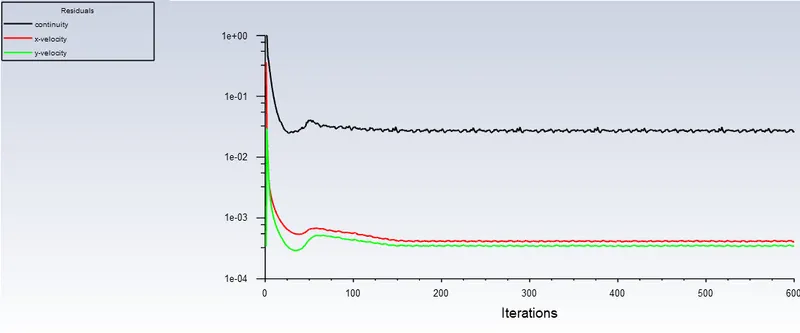
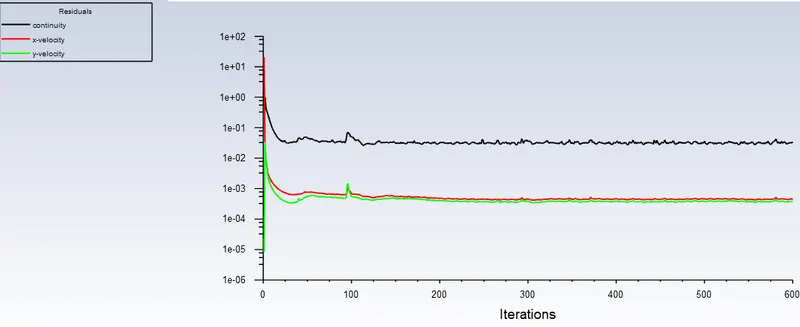
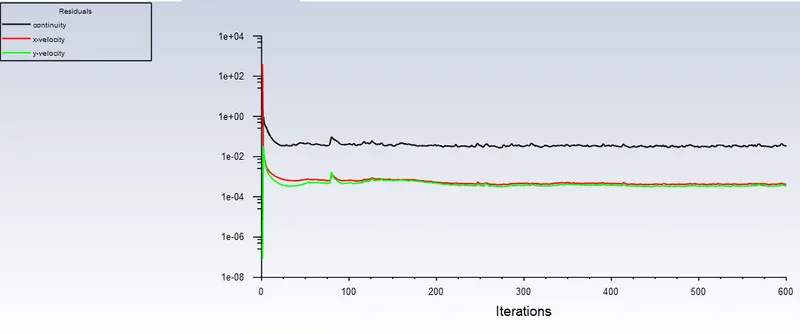
its droped 1e-3 hence its coverged
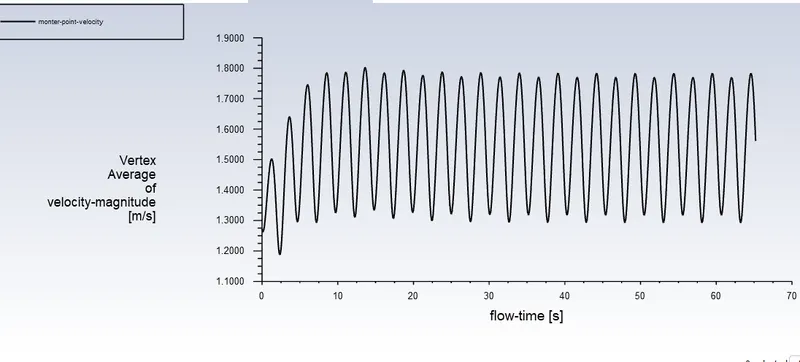
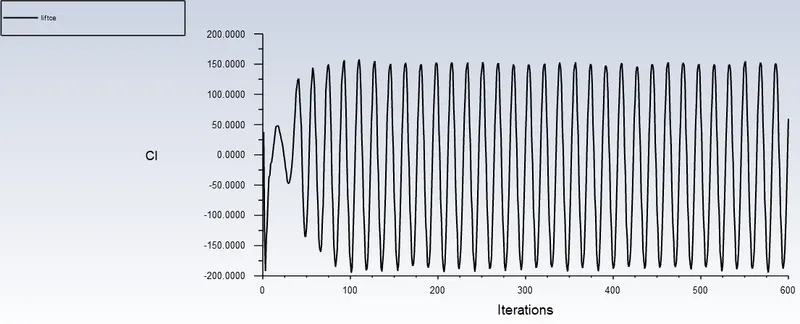
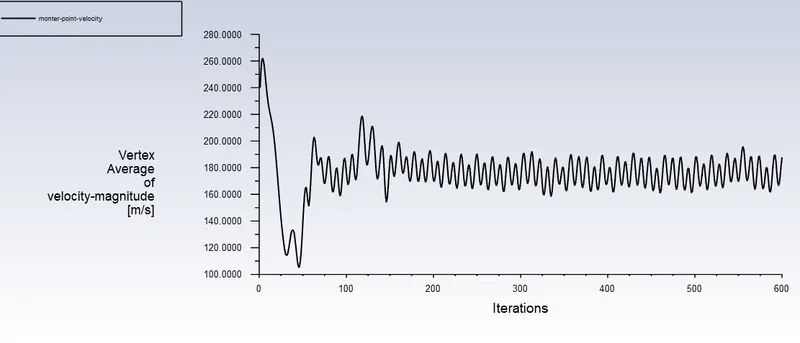
Convergence plot
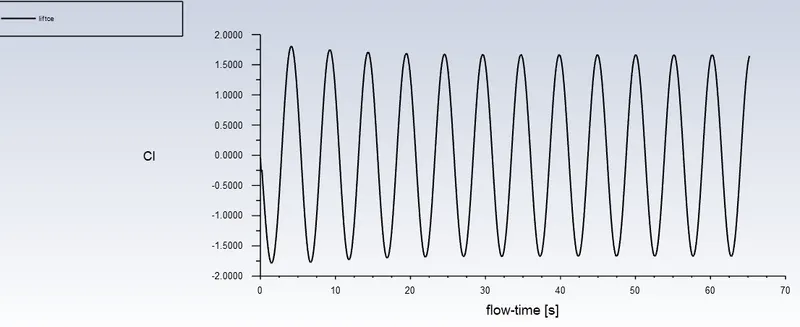
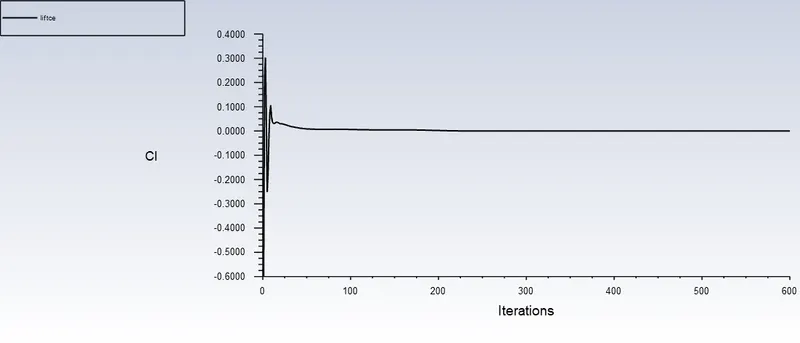
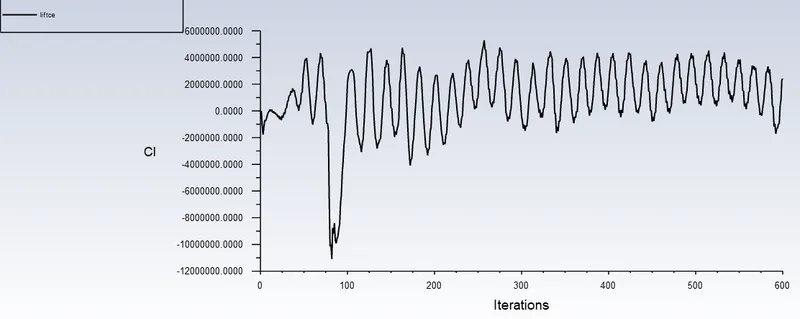
Lift co-efficient
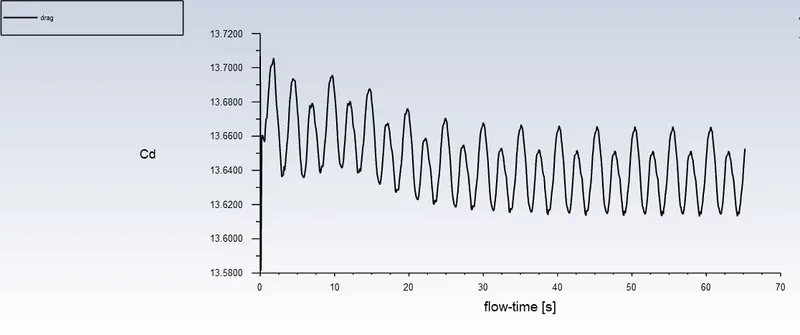
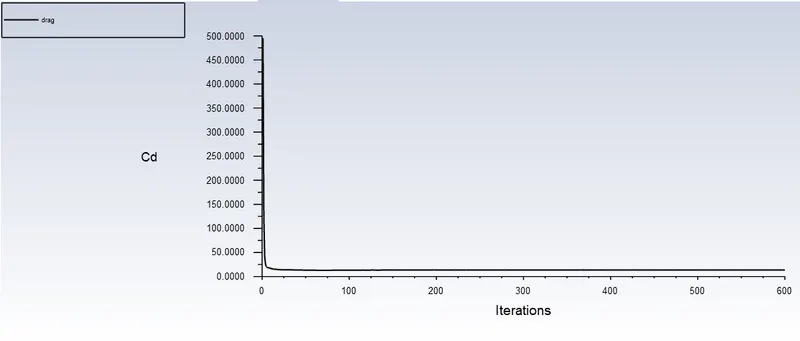
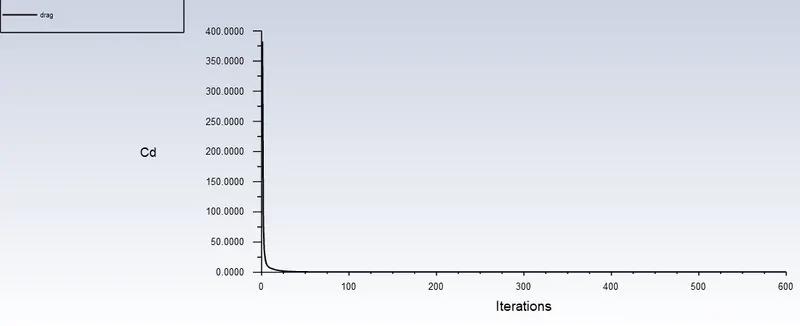
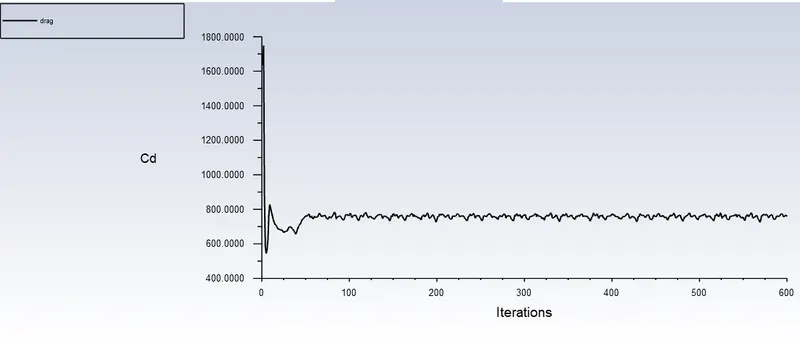
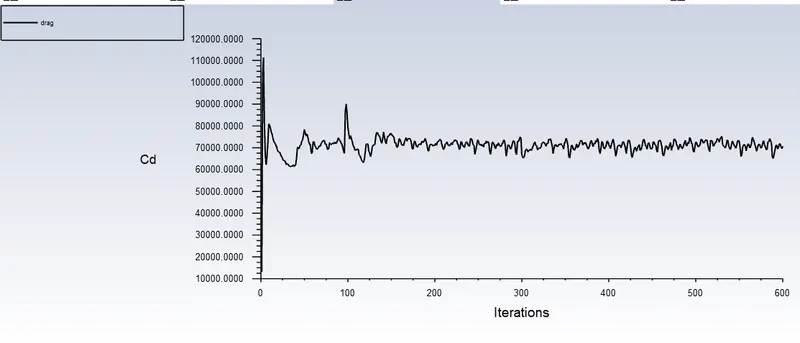
Drag co-efficient
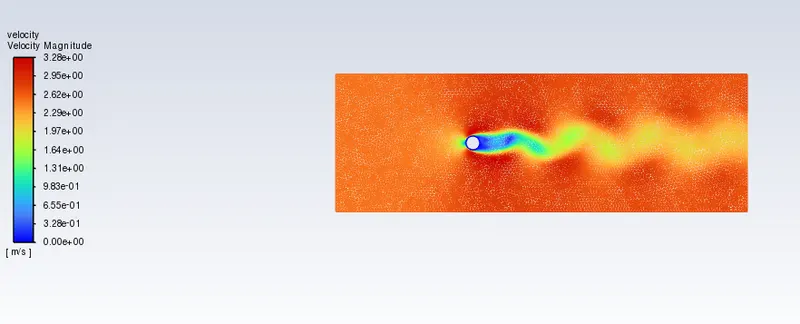
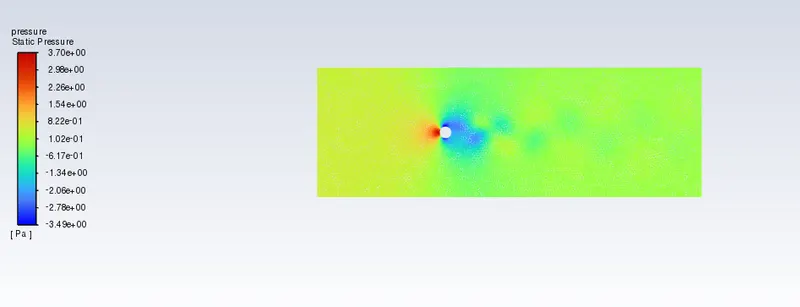
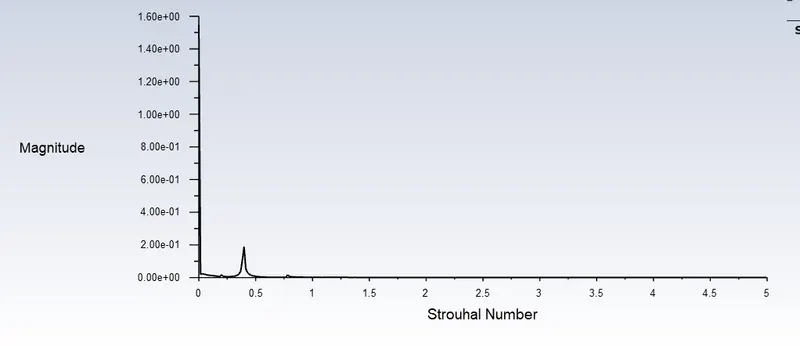
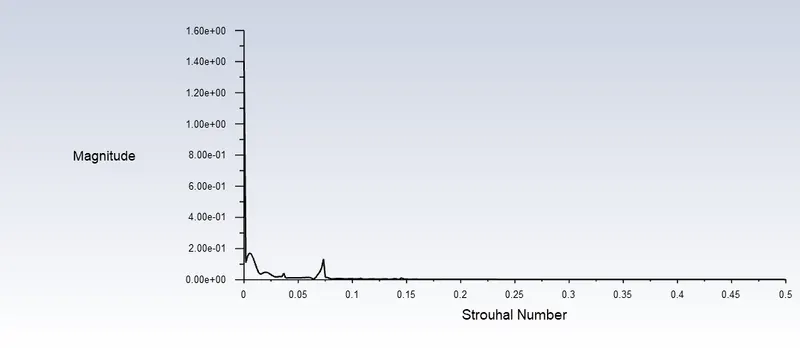
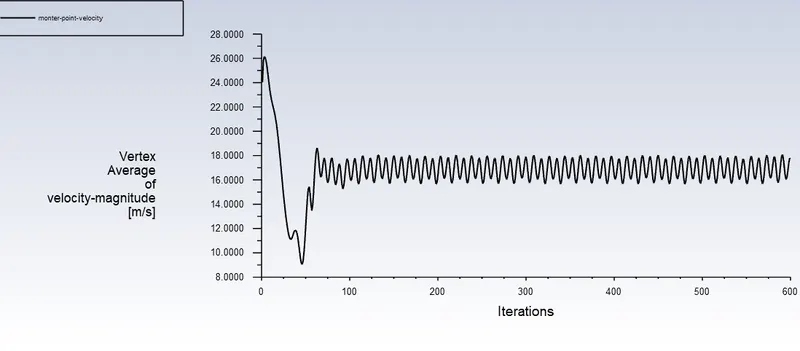
Strouhal number is 0.12
Results for steady simulation
PART-II
Calculate the coefficient of drag and lift over a cylinder by setting the Reynolds number to 10,100,1000,10000 & 100000. (Run with steady solver)
For Reynolds number of 10 the inlet velocity will be 0.25m/s
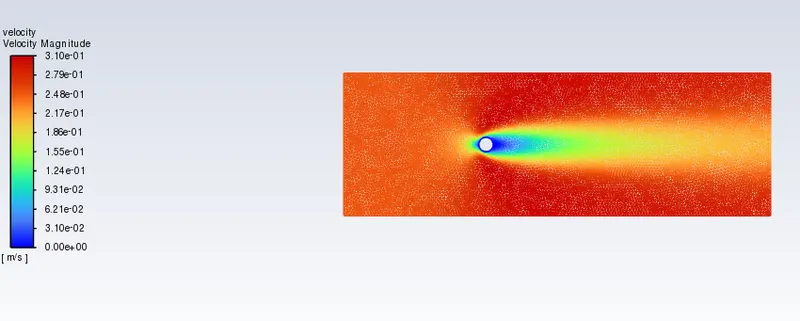
For Reynolds number 1000 the inlet velocity will be 25m/s
For Reynolds number 10000 the inlet velocity will be 250m/s
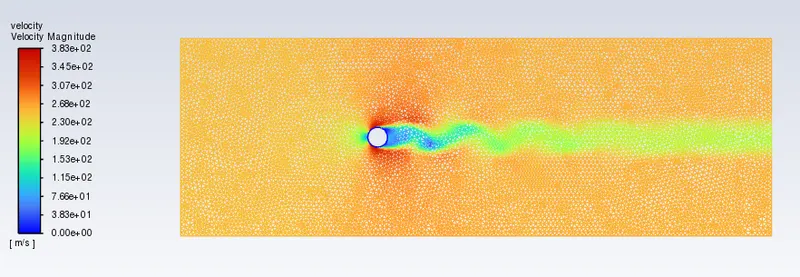
For Reynolds number 100000 the inlet velocity will be 2500m/s
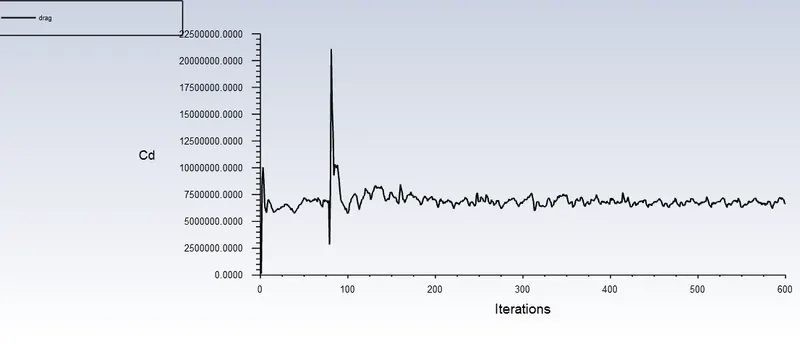
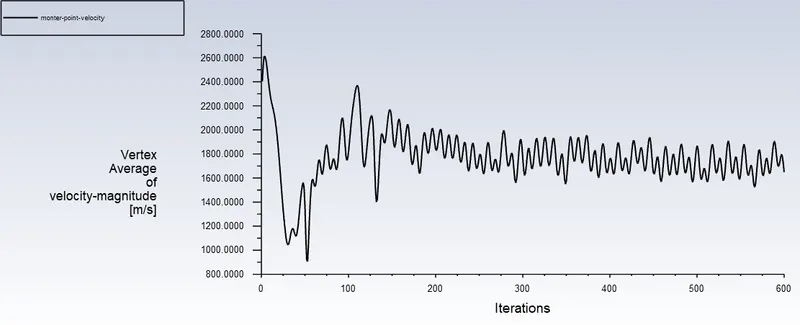
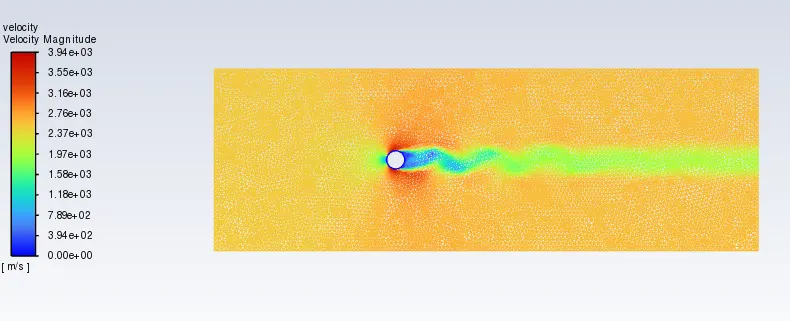
Discuss the effect of Reynolds number on the coefficient of drag. [ Results should be validated with any standard literature and error should be within 5 %]
From the reference of this article we compared the results for reynolds number of 100 the Cd is 35
form our exprienment side the Cd is allmost nearer 32
https://www.sciencedirect.com/topics/physics-and-astronomy/karman-vortex-street
Conclusion:
When fluid flows over cylinder, wake region is formed next to cylinder due to decrease in pressure and recirculation of flow occures and hence flow separation occures.
As flow over cylinder is being transient meaning time dependent phenomenon, we are unable to observe flow separation at low reynolds no.(say 50).
In this assignment we have kept all parameters constant and have only varried velocity to change reynolds number. So as the reynolds no. increases coefficient of drag decreases.
The transient model is appropriate for the Vortex Karman Street phenomenon as it is time-dependent.