Week 2:- BiW Fixture Basics Challenge
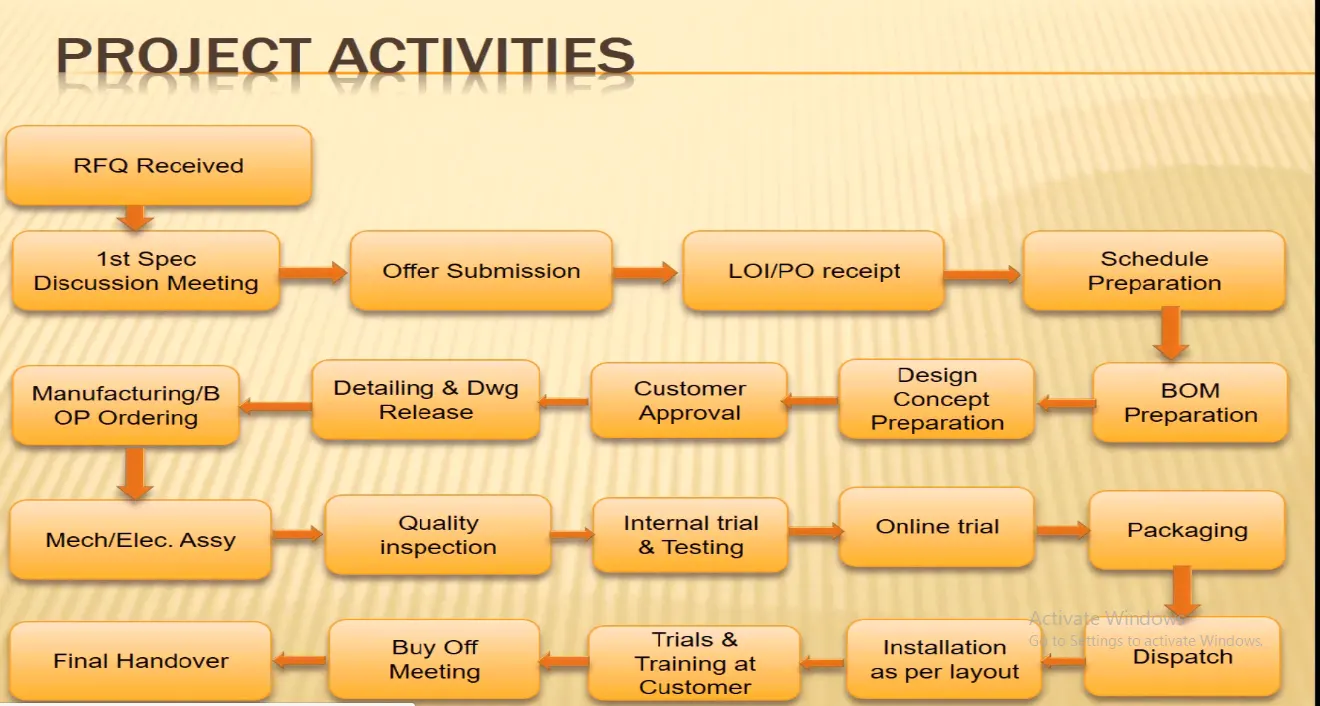
1. Process of Project Execution Activity
The project execution activity involves turning plans into action to deliver a specific outcome. Key steps include:1.
1. Planning
Definition: This step involves breaking down the overall project into smaller, manageable tasks and assigning responsibilities to team members.
Automobile Industry Example: In the production of a new BIW (Body in White) car frame, planning includes creating a project timeline for tasks like CAD modeling, material selection, testing, and production line setup. For instance, the design team is assigned to create lightweight, high-strength steel structures to improve fuel efficiency.
2. Resource Allocation
Definition: This step involves ensuring that all necessary tools, materials, finances, and manpower are in place for the project.
Automobile Industry Example: The procurement team sources materials such as aluminum or high-strength steel for the car’s BIW. Simultaneously, specialized welding robots are allocated to the production line to automate spot welding processes. Budget estimates are calculated for equipment purchases like laser welding machines.
3. Execution
Definition: This is where the actual work begins, with the plan being implemented step by step.
Automobile Industry Example: In this stage, CAD designs are finalized, and 3D simulations of crash tests are conducted to ensure the car meets safety standards. After validation, the welding and assembly teams begin fabricating prototypes of the car's structure, following predefined production steps.
4. Monitoring and Control
Definition: Regular progress updates ensure the project stays on track in terms of time, quality, and budget.
Automobile Industry Example: Engineers use CMM (Coordinate Measuring Machines) to check the dimensions of the BIW structure and ensure adherence to design tolerances. Supervisors monitor the production line and resolve delays, such as robot malfunctions during the welding process.
5. Delivery and Closure
Definition: The final product is delivered, and the project is closed after documenting learnings.
Automobile Industry Example: After producing the initial batch of a new car model, these vehicles are sent for full assembly, followed by pre-market quality inspections. The project is closed after completing thorough documentation on areas for improvement, such as reducing cycle times for future production.
2. Types of Joining Processes
Joining processes are methods to combine materials. Key types include:
Welding: Permanent joining using heat or pressure.
Brazing: Joining metals by melting a filler metal that flows between joint surfaces.
Soldering: Similar to brazing but performed at lower temperatures.
Adhesive Bonding: Using chemical adhesives to form bonds.
Fastening: Non-permanent methods like bolts, rivets, and screws.
Hemming: Metal forming process used to fold the edges of a sheet metal to achieve a smooth finish and increase strength.
3. Resistance Welding & Its Application in Automotive Sector
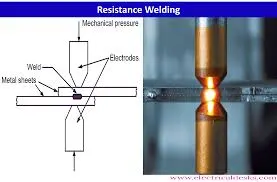
Resistance welding is a joining technique where heat is generated by passing electrical current through the material's resistance. Types include spot welding, seam welding, and projection welding. Applications in Automotive Sector:
Joining thin sheet metals in car frames, doors, and panels.
High production rates due to its speed and automation compatibility.
Produces strong, clean, and reliable joints.
4. Fusion Welding & Types With Applications in Automotive Sector
Fusion welding is a process where the base metal is melted to create a joint. Common types include:
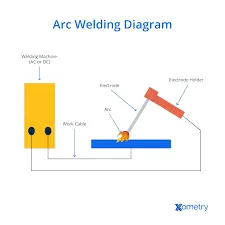
Arc Welding: Using an electric arc to produce heat. Example: Metal Inert Gas (MIG) welding for car body panels.
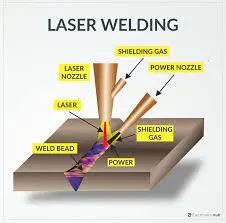
Laser Welding: Precise welding for intricate parts like gear housings.
Gas Welding: Using flames; typically for repairs rather than manufacturing. Applications in Automotive Sector:
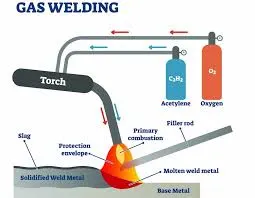
Creating strong, seamless joints in high-stress components.
Joining high-strength materials for durability.
5. What is the 3-2-1 Principle?
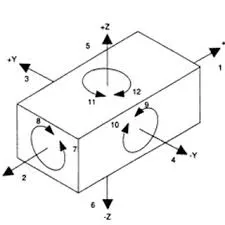
The 3-2-1 principle is a method used in fixturing and manufacturing to establish a datum for components.
3 points: To constrain movement in one plane.
2 points: To prevent motion in a perpendicular plane.
1 point: To restrict movement along the remaining axis. This principle ensures that the part is fully constrained but not over-constrained during machining or assembly.
6. Define Body Coordinate System
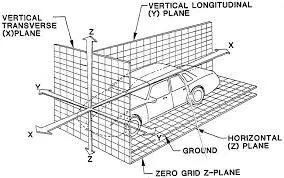
A body coordinate system is a reference framework used to locate points or describe the geometry of a vehicle body. It typically includes:
X-axis: Length of the car (front to back).
Y-axis: Width of the car (side to side).
Z-axis: Height of the car (bottom to top).
7. Body Plane System & Its Essentials
The body plane system divides a vehicle into three reference planes:
Horizontal Plane: Parallel to the ground, helps identify height.
Vertical Plane: Splits the car lengthwise, identifying left and right sides.
Frontal Plane: Splits the car widthwise, identifying front and rear sections. These planes are essential for ensuring consistent measurements, quality control, and accurate assembly during manufacturing.