Underbody Coating
UNDERBODY COATING
Underbody coating provides long term protection from corrosion to car's underbody. It also protects parts like internal body panels, frame rails and other inner cavities that are not physically accessible but are prone to corrosion.Underbody coating is usually a dense cladding applied uniformly to the undercarriage of the automobile.
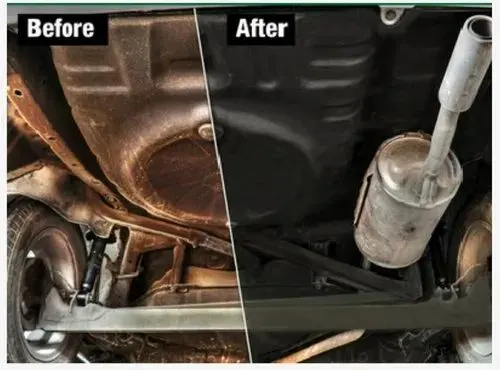
Fights Rust
It plays an important role in keeping corrosion at bay. Underbody coating can come in handy especially if you live near the sea, where there is too much humidity, and rusting is just one of those everyday things. You should also seriously consider undercoating if you reside in a place where it snows in winter.
Absorbs Noise
Believe it or not, very thick undercoating can soften the noises that reach the cabin. Since the undercoating is often made up of rubber it absorbs some of the rackets. The occupants of the car could spare themselves of the road noises – at least up to a certain extend.
Easy Maintenance
A uniform black underbody coating gives a car a clean look. It also makes the car easier to maintain by just hosing the underside down. You can be confident that slush build up won’t lead to rusting easily. Most underbody coats these days come with a five year warranty, which is the lifetime of such a coating.
Types of Undercoating
Rubberized Underbody Coating
This is generally thought of as the best underbody coating for your car. It preserves the underbody well, protecting it from scratches. Applying this to the undercarriage is not much of a hassle either.
Wax Based Underbody Coating
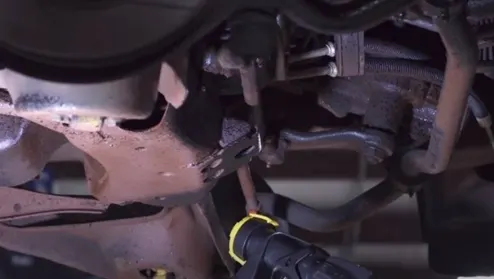
This undercoating will wear away in a few months. Wax-based undercoating puts up a big fight against moisture. It is also the most affordable option out there.
Asphalt Based Automotive Undercoating
Best suited for lorries, trucks and large vehicles this provides a greater degree of protection compared to rubber-based coatings. However, asphalt-based coatings contain little amounts of rubber for sound-insulation purposes. This is a time consuming process.
Polyurethane Underbody Coating
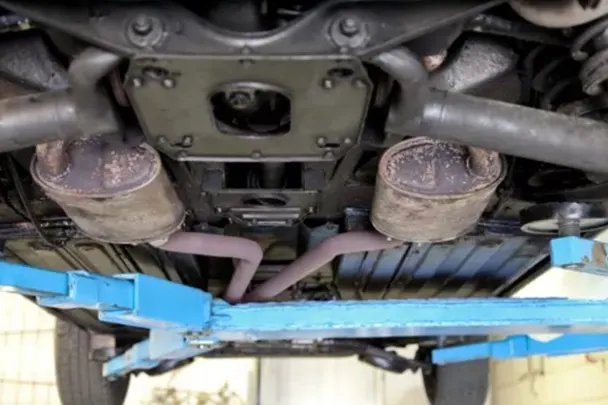
This coating closes up splits and fractures on the underbody of the vehicle. It offers up good protection against corrosion and also bonds with the metal. Unlike in the case of asphalt-based coating, you can paint over the polyurethane coating.
Pros
It provides a layer of protection against corrosion.
When an undercoating is properly applied to a vehicle, then you’ll be providing the underbelly with a layer of protection against rust and corrosion. Instead of contacting the metal components of the vehicle, the debris encounters the undercoating, which then proactively repels the dangerous items away. Although an undercoating will eventually wear out, it can provide years of protection against premature corrosion.
It will extend the life of your vehicle.
A proper undercoating extends the life of your vehicle because of its rust-stopping power. Corrosion does more than affect the integrity of the metals in your vehicle. It can get into your metal wires and cables, affecting any component which is comprised of steel or aluminum. Even your transmission and engine have exposure to rust when there isn’t a vehicle undercoating applied.
It may help to reduce interior noise.
When you’re driving, the sounds of the road can be soothing if they aren’t too loud. For lightweight vehicles, noise pollution can be overwhelming to the driver in some situations. Applying a layer of undercoating creates a barrier against the sound, which creates an interior that is quieter. After the service is performed, many drivers notice that audio levels are noticeably lower inside their vehicles.
Cons
High cost
The cost of underbody coating has reduced over the years, but it is still expensive. The option of applying a coat at the dealership can get quite expensive, since dealerships will look forward to making profits and hence increasing the price for an underbody coating.
Damage during application
In case of thick rubberized paints, if the coating is not applied properly, then there is a possibility of the paint getting into moving parts and create mechanical failures. It can affect the differential, propeller shafts, joints and even the suspension. If not done carefully, there is also the possibilty of the coat damaging the paint job at the lower edges of the car.
Added weight
Although insignificant, there is a possibility that the extra weight can affect the fuel economy of the vehicle.