Week -2
Objective:
- To create a Simulink model of Doorbell using solenoid block.
- To create a simulink model using a thermistor to sense the temperature of a heater & turn on or turn off the fan as per the conditions.
Doorbell Mechanism:
Blocks used:
- Solenoid block from simscape library.
- Battery .
- Mechanical Switch.
- Translational/Linear Motion Sensor.
Solenoid:
- The solenoid is a coil of wire, and the plunger is made of soft iron. The magnetic field is formed around the coil when an electric current passes through it and draws the plunger in. We can say that the solenoid is responsible for converting electrical energy into mechanical work.
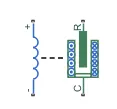
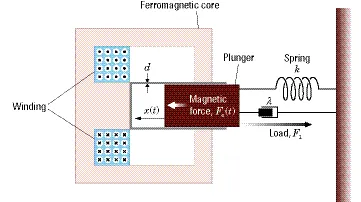
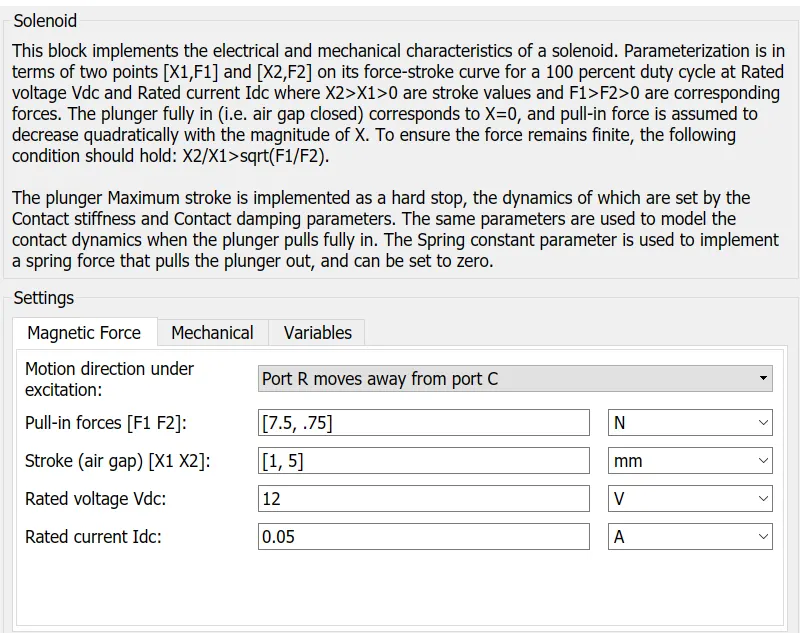
- The solenoid has 4 ports out of it two for electrical power supply to the and two for mechanical movement of the plunger.
- The battery block is use for the electrical supply to the coil of solenoid inorder to create a magnetic field.
- The Translational Motion Sensor is used to check the movement of the plunger.The R port of solenoid is connected to the R port of Sensor and the Cport is comman connected to translational reference.With this sensor we can able to measure the posistion via P port and velocity via V port of the sensor block.
- The Physical Switch is used to make and break the electrical circuit.
- The Bell Signal source is created inorder to create the ringing pattern for the bell with the help of pulse generator block multiplication and step blocks.
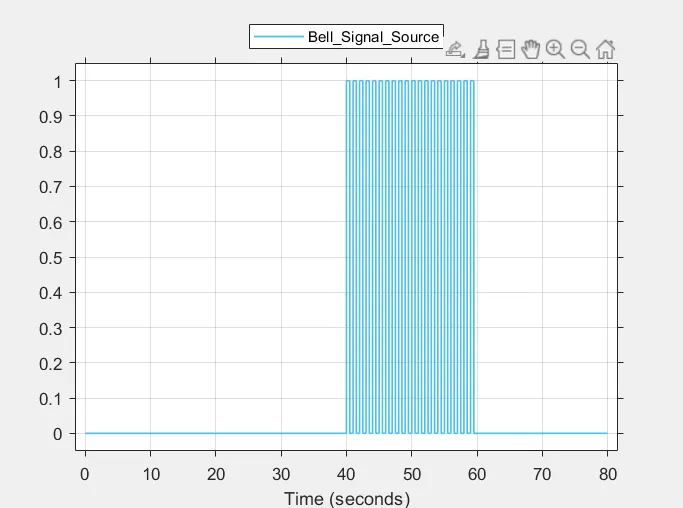
- From this plot it is clear that the physical switch is open for first 40s and open-close for next 20s and remain open for next 20s.
Simulation Result:
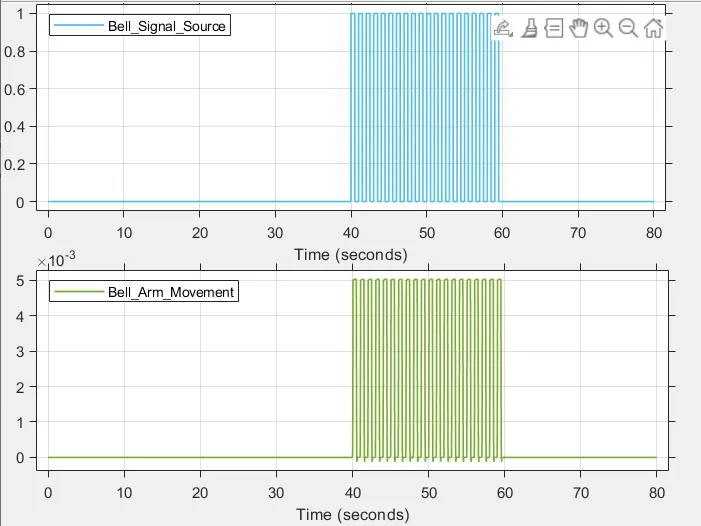
- As we can clearly see that when the switch is closed with duty cycle of 50% the plunger moves 5mm.
Thermistor Controlled Fan:
Condition:
-
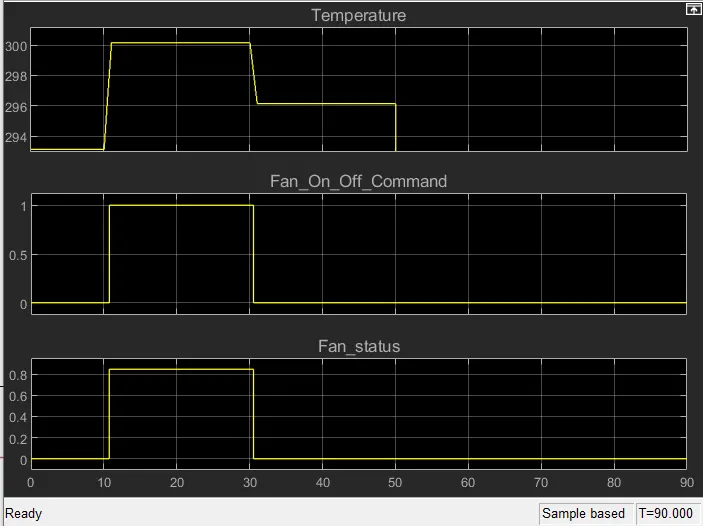
Temperature source: 20 °C from 0 to 10 seconds, 27 °C from 10 to 30 seconds, 23 °C from 30 to 50 seconds
Fan conditions: ON if the temperature above 25 °C, OFF otherwise
Blocks Used:
- Thermister
- Temperature source
- DC Motor
- Battery
Thermister:
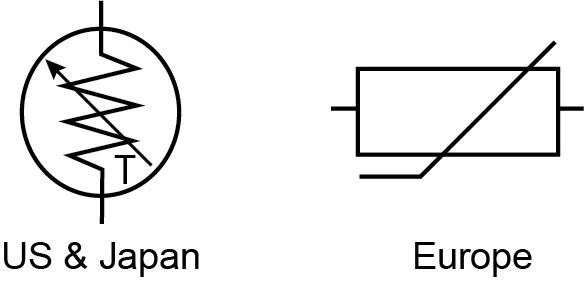
- A thermistor is a resistance thermometer, or a resistor whose resistance is dependent on temperature. The term is a combination of “thermal” and “resistor”. It is made of metallic oxides, pressed into a bead, disk, or cylindrical shape and then encapsulated with an impermeable material such as epoxy or glass.
- There are two types of thermistors: Negative Temperature Coefficient (NTC) and Positive Temperature Coefficient (PTC).
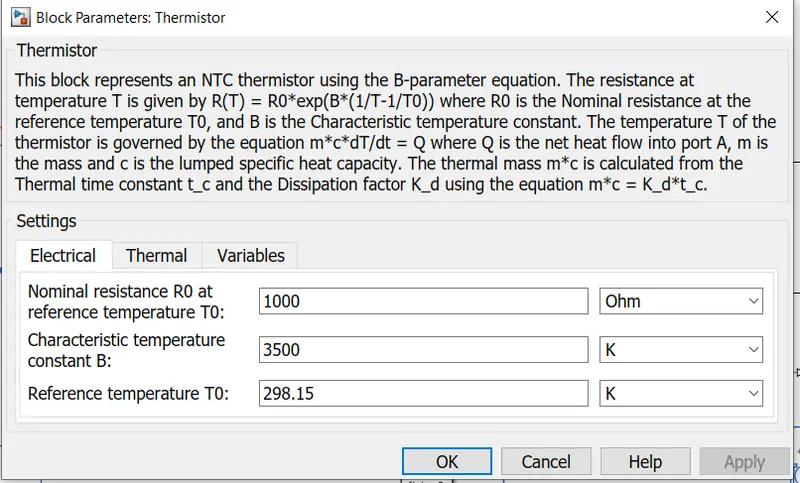
- NTC thermistor, when the temperature increases, resistance decreases. Conversely, when temperature decreases, resistance increases. This type of thermistor is used the most.
- A PTC thermistor works a little differently. When temperature increases, the resistance increases, and when temperature decreases, resistance decreases. This type of thermistor is generally used as a fuse.
Model:
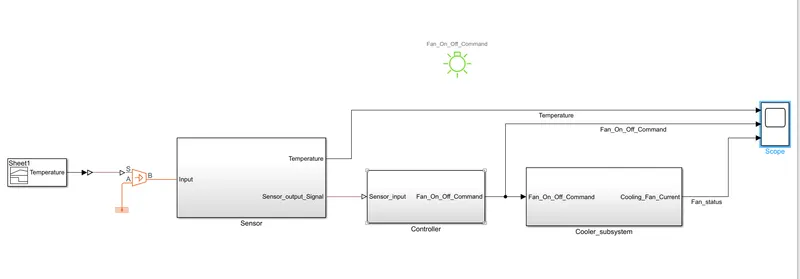
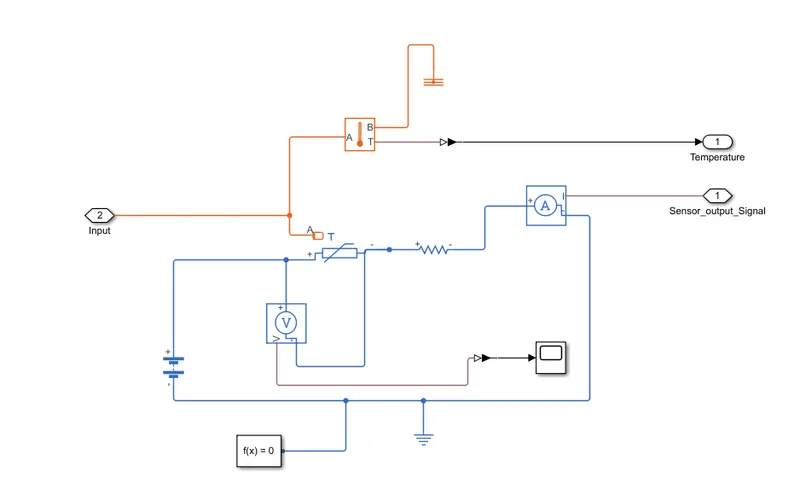
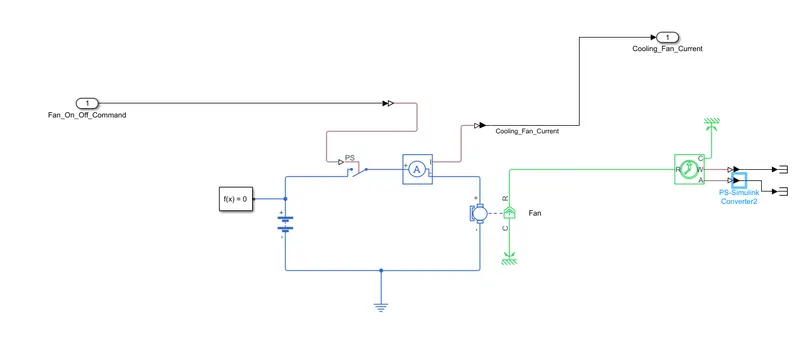
- The model is divided into 3 subsystems namely sensor,Controller and Cooling subsystem.
- The Sensor subsystem senses the temperature using Thermister.The Thermister is supplied by a constant voltage source,when temperature changes its resistance also changes and hence the current also changes.With The help of current the Fan_on_off command is decided.
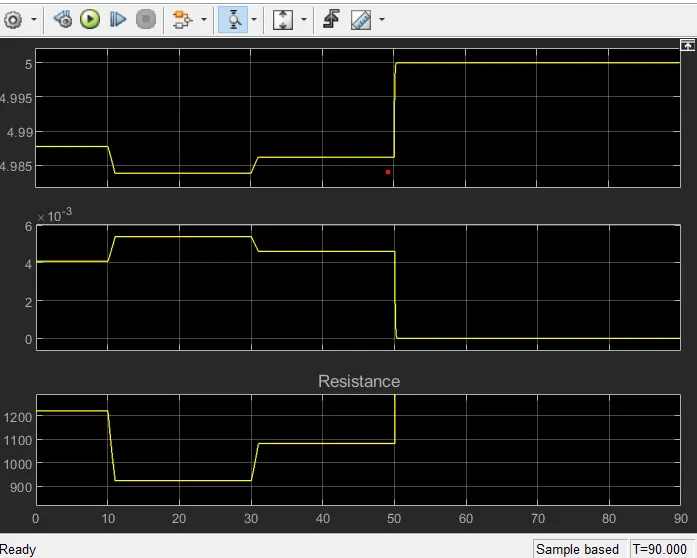
- The Controller will give on command when current is >=5mA ie 900 ohm resistance and this command is given to a physical switch to close the turn on the fan.
- The Cooler subsystem will turn on/off the fan using the command from controller.
Result:
Reference: