Week 14 challenge
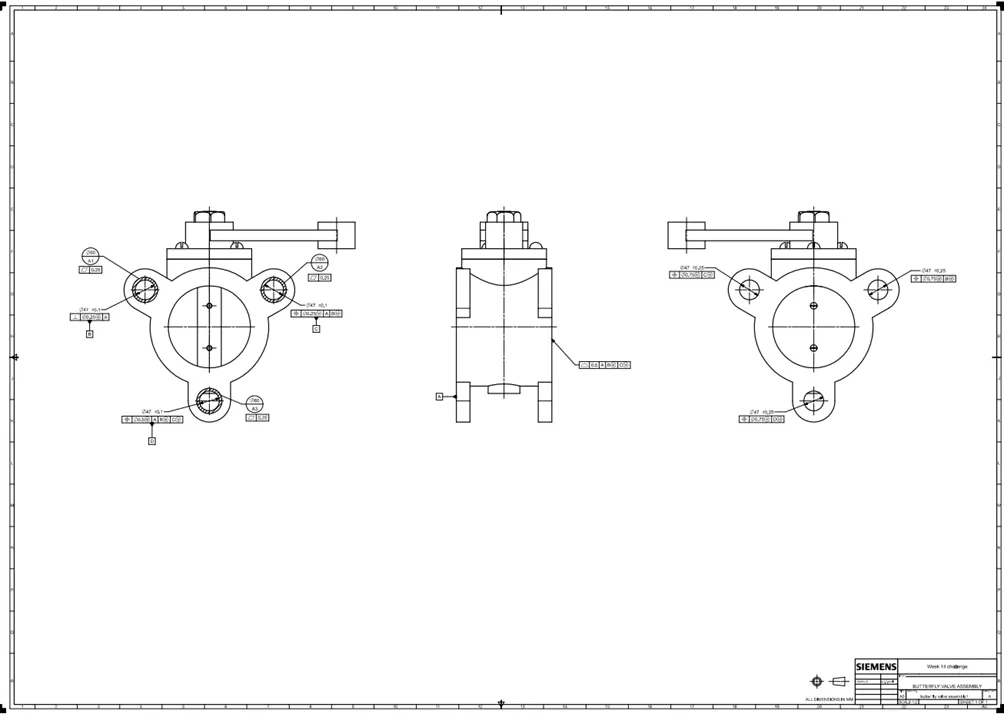
Assemble and apply GD&T to the butterfly valve assembly drawing.
The butterfly valve, a crucial component in fluid control systems, is renowned for its efficiency and versatility. Employed across various industries, its compact design and swift operation make it a preferred choice. This valve's cost-effectiveness, lightweight structure, and quick responsiveness contribute to its popularity. However, limitations in precision control and susceptibility to wear warrant careful consideration in specific applications. Despite these constraints, the butterfly valve stands as a reliable and accessible solution for many fluid-handling scenarios, showcasing its adaptability and indispensability in modern engineering practices.
Advantages:
Disadvantages:
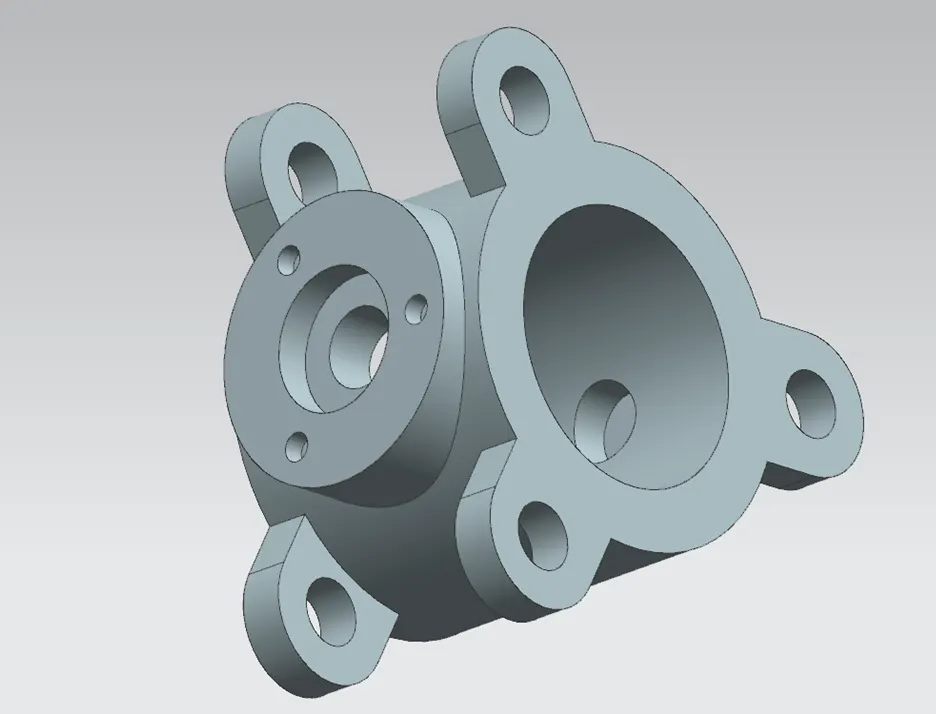
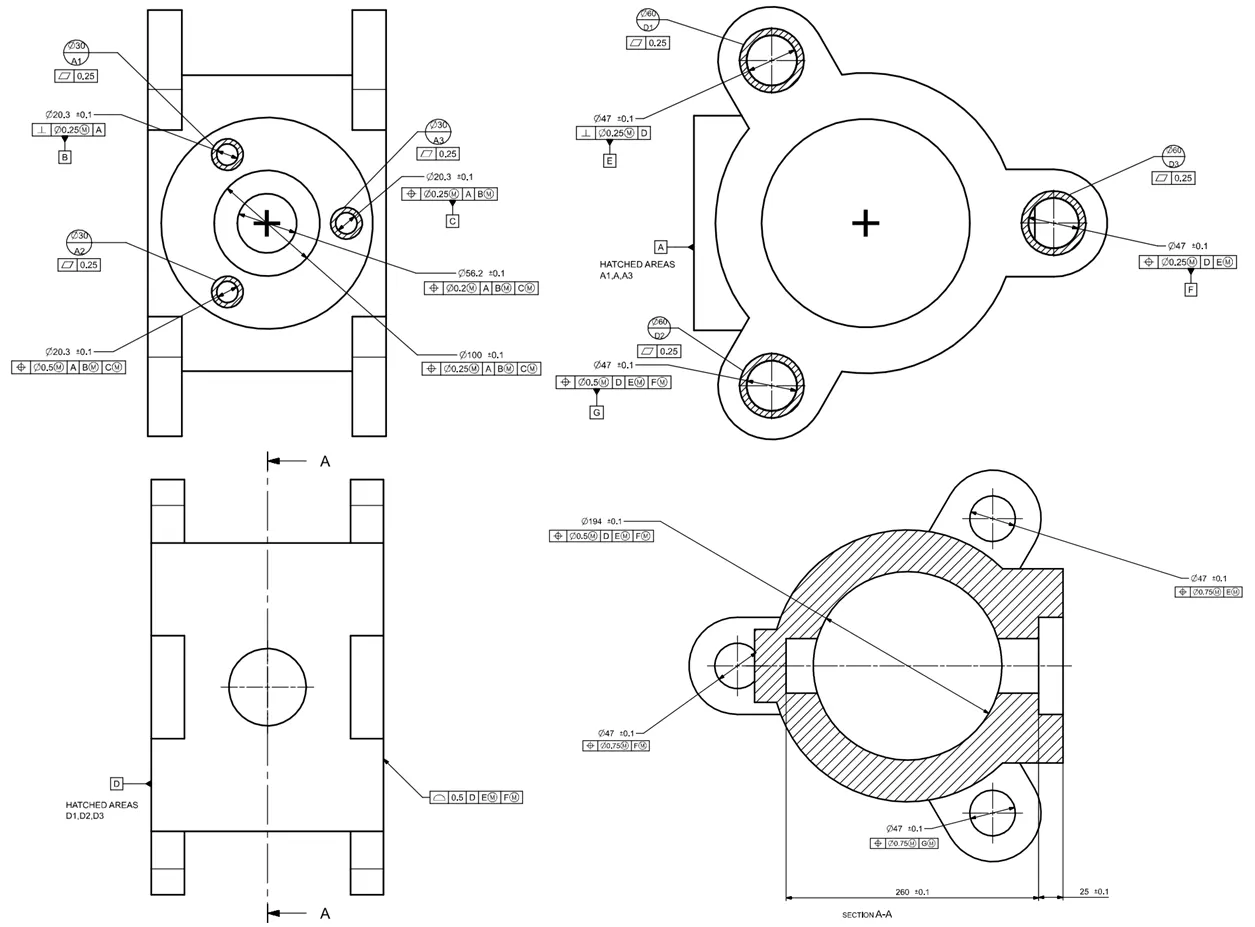
STEM/SHAFT:
The stem acts as a connection between the disc and the valve actuator. Composed of sturdy materials, it facilitates the movement of the disc, ensuring precise control over fluid flow.
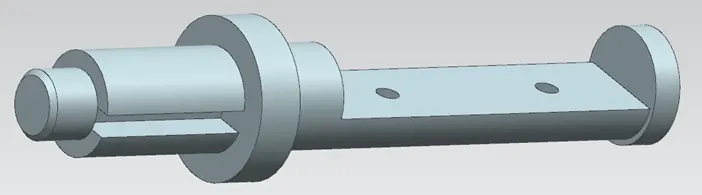
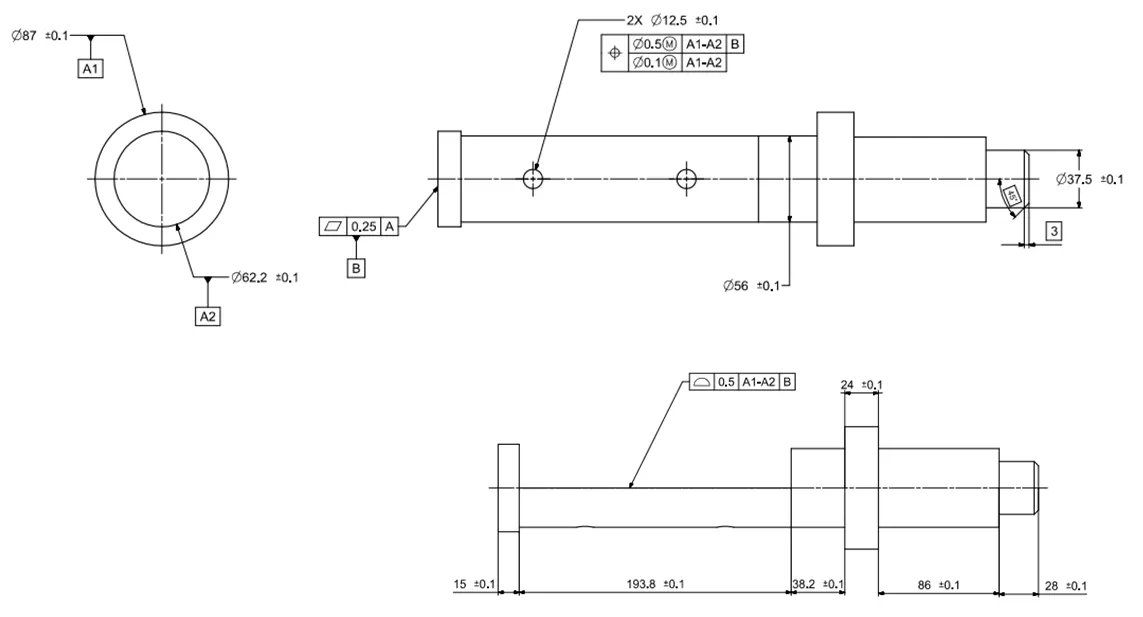
RETAINER:
The retainer, an integral part, secures the valve's components within the body, enhancing structural integrity. Typically made of high-strength materials, it ensures reliability and longevity in valve performance.
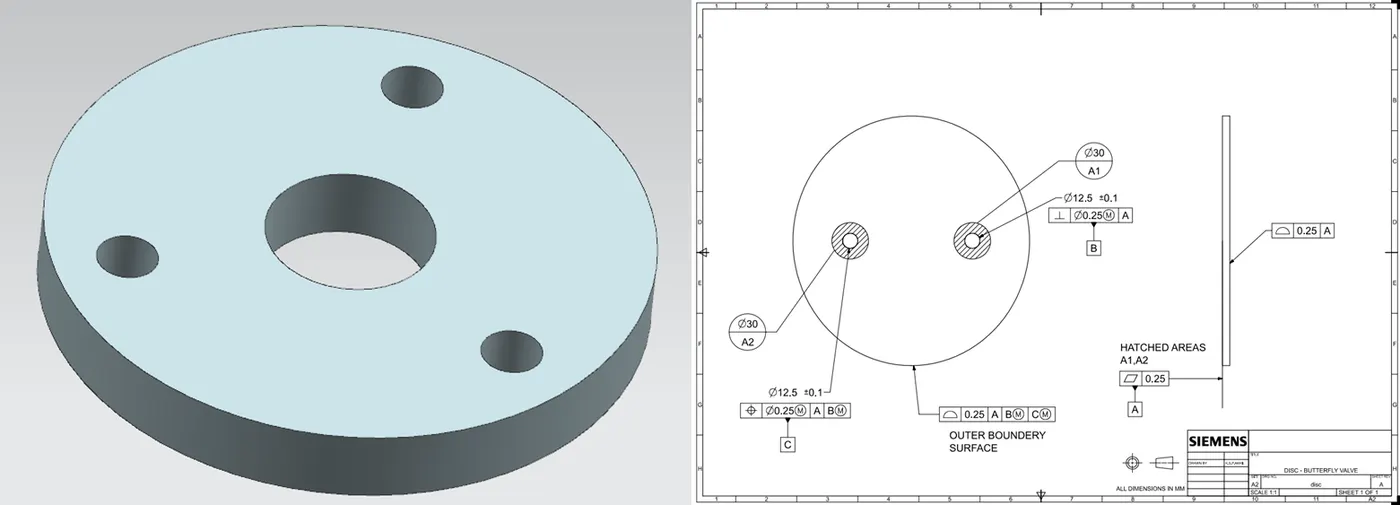
DISC:
The disc, often known as the butterfly, functions as the flow-regulating element. Precision-engineered from materials like stainless steel, it pivots within the body to control fluid flow effectively.
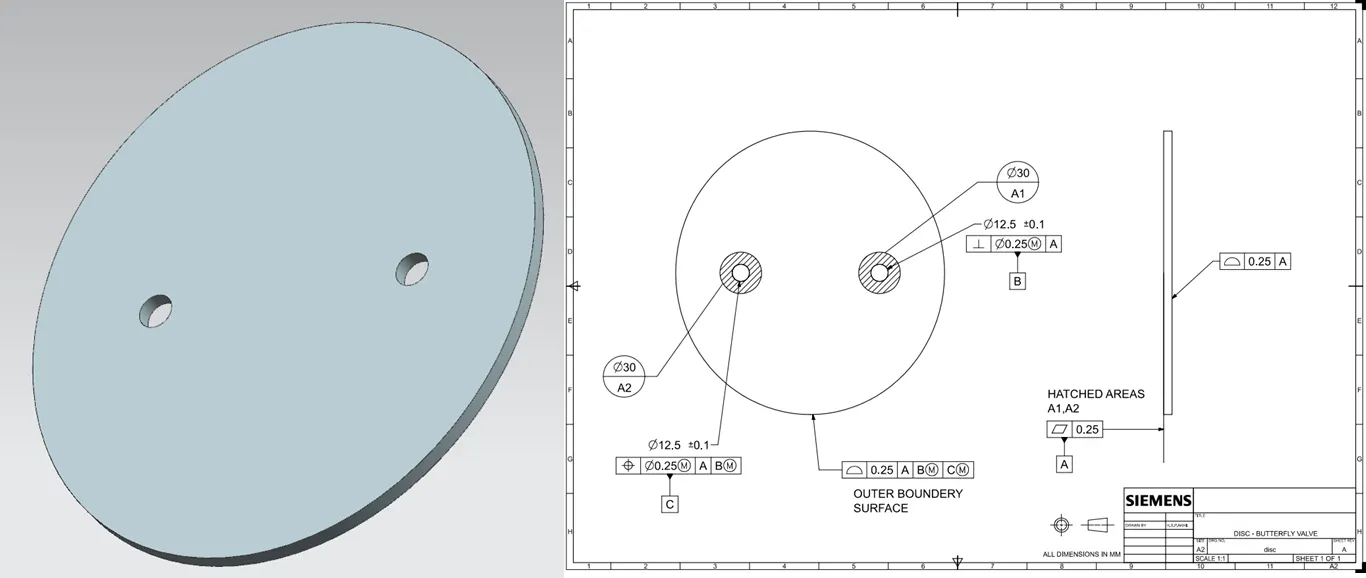
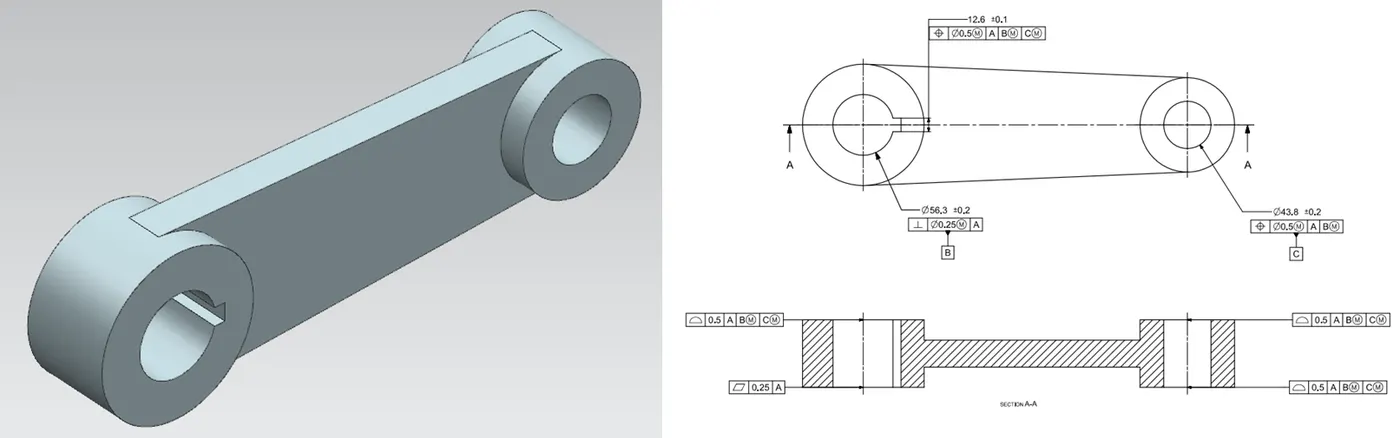
LEVER:
The lever serves as an external manual control mechanism for the valve. Designed for ease of use, it allows operators to manipulate the disc position, regulating flow according to operational requirements.
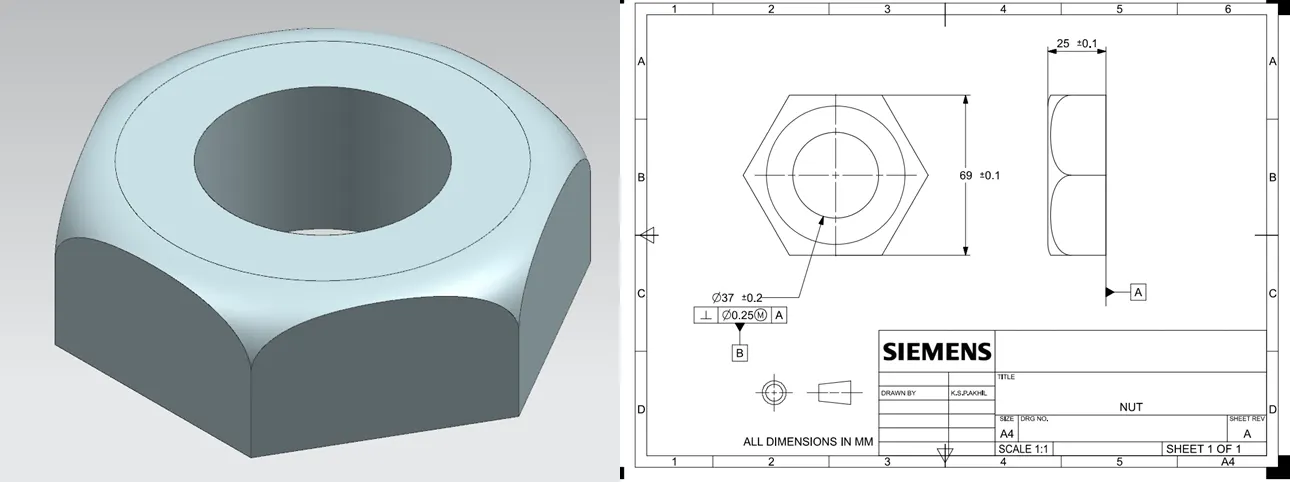
NUT:
The nut is a critical component for securing and adjusting the valve's internal elements. Crafted from robust materials, it ensures the stability and proper functioning of the valve assembly.
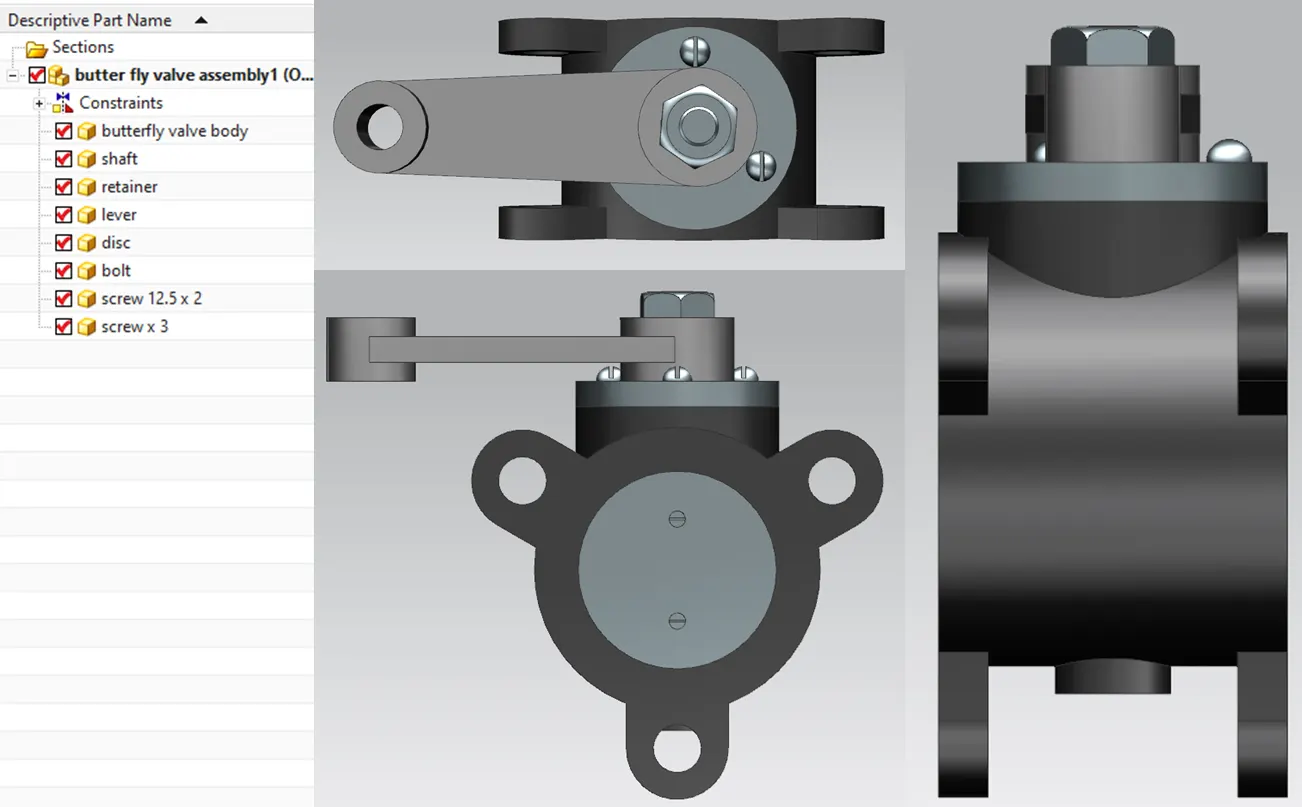
BUTTERFLY VALVE ASSEMBLY:
The disc and shaft holes are aligned through concentricity using touch align with the infer center/axis option. Subsequently, they are secured together with screws employing the same technique.
The stem/shaft is aligned with the body via touch align (infer center/axis), and the disc is constrained to the body surface using the touch command.
The retainer is affixed to the body, aligning holes concentrically through touch (infer center/axis), and then mated to the surface using the touch command. Screws are attached in a similar manner to both the retainer and body.
The lever is mounted on the retainer, utilizing contact surface and central axis commands, and further secured together using a nut.
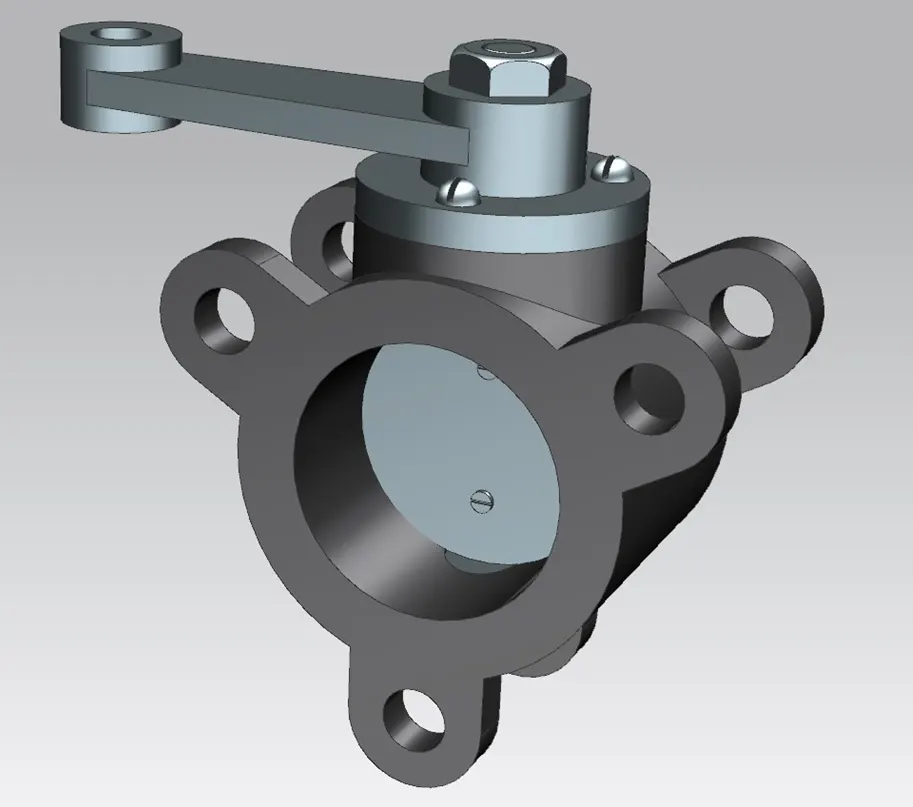
BUTTERFLY ASSEMBLY (ISOMETRIC VIEW)
GD&t AND 2D DRFTING:
Geometric Dimensioning and Tolerancing (GD&T) and 2D drafting in manufacturing is vital for a mechanical engineer. GD&T serves as a standardized language, ensuring precise communication of design intent. It enhances accuracy, reduces costs, and allows for functional design considerations, contributing to overall product quality.
Simultaneously, 2D drafting remains fundamental for clear representation and documentation in manufacturing. While 3D modeling is prevalent, 2D drawings offer simplicity, aiding communication across diverse teams. Proficiency in 2D drafting aligns with industry standards and facilitates effective collaboration.
Both GD&T and 2D drafting are essential tools in your toolkit as you navigate the intricacies of product design and manufacturing.
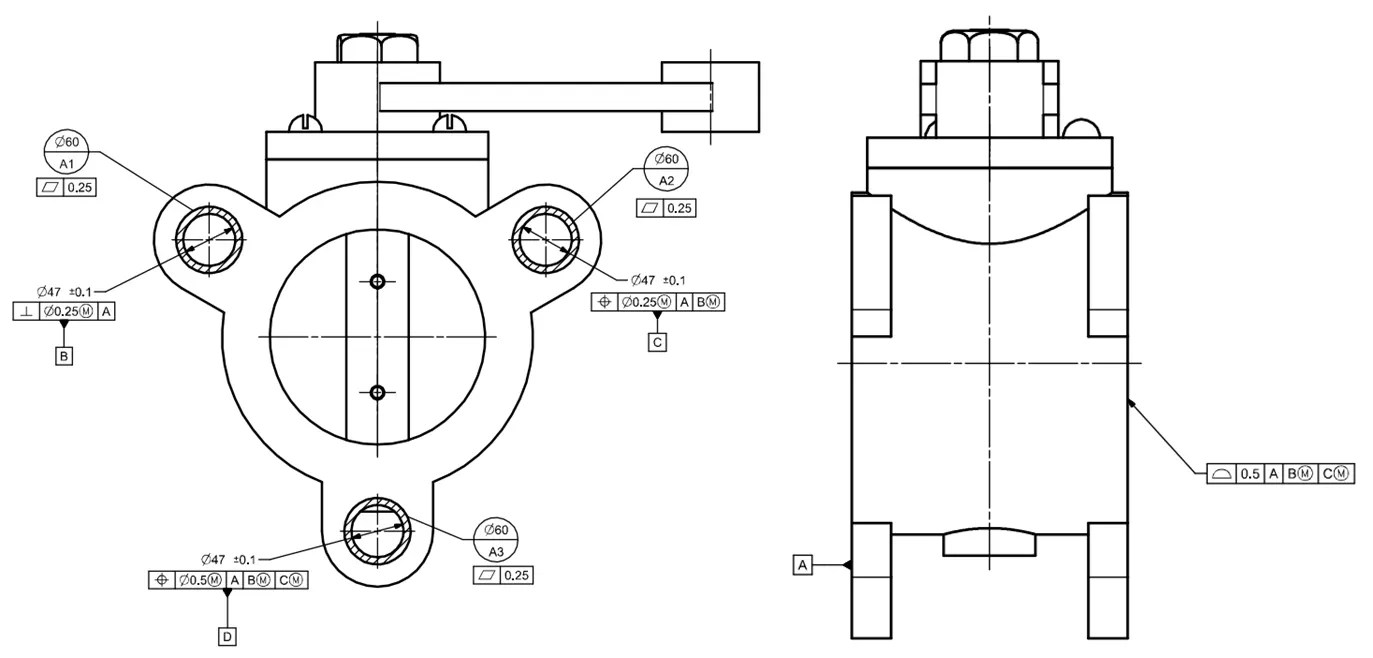
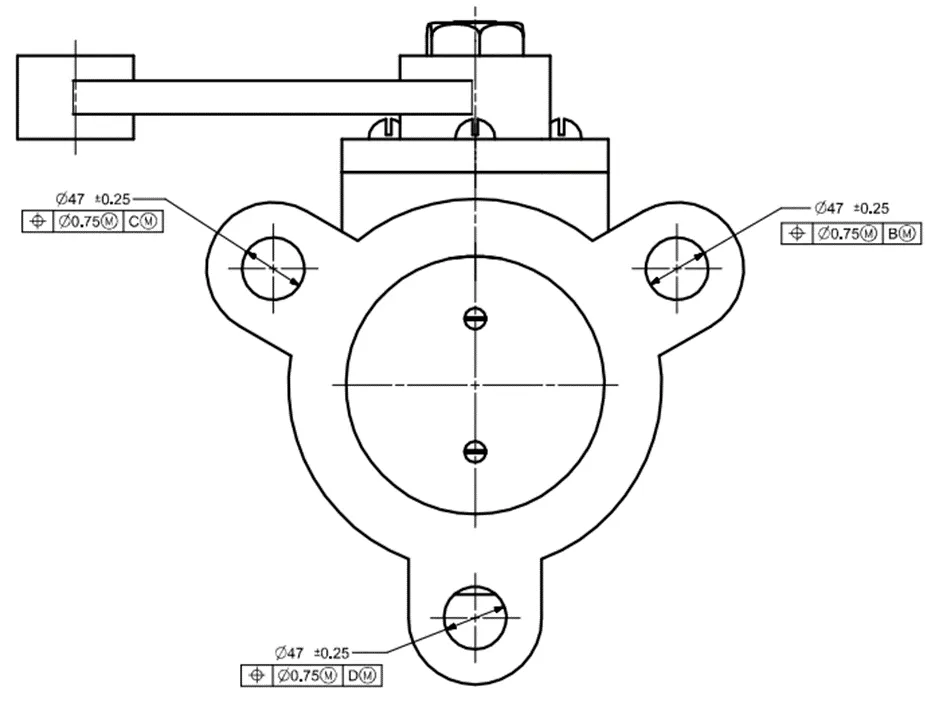
When applying Geometric Dimensioning and Tolerancing (GD&T) to the butterfly valve assemblyin 2D drafting, key considerations include:
Datum Reference Frame:
Establish a clear datum reference frame, indicating which datums are referenced in the GD&T callouts. This assists in aligning and interpreting the specified tolerances for different features.
Positional Tolerance:
Applying positional tolerance referencing datums B, C, and D ensures precise alignment of holes, promoting concentricity. This enhances the butterfly valve's connection to pipes, optimizing functionality and facilitating efficient fluid flow.
Perpendicularity: If there are specific features requiring perpendicularity, GD&T can be used to precisely define the relationship between surfaces or holes to ensure accurate mating with other components.
Profile of a Surface - Flange Faces:
Apply the Profile of a Surface GD&T control to the flange faces that connect to the pipes. This ensures that the surfaces conform to the specified geometric shape within a defined tolerance zone, promoting effective sealing and preventing leaks.
Flatness (Surface Finish Requirements):
Specify surface finish requirements for sealing surfaces to ensure proper functionality, especially for components like the flange faces that come into direct contact with the pipes. GD&T can be used in conjunction with surface finish specifications to fully define the requirements.