Week 14 challenge
Butterfly Valve Assembly
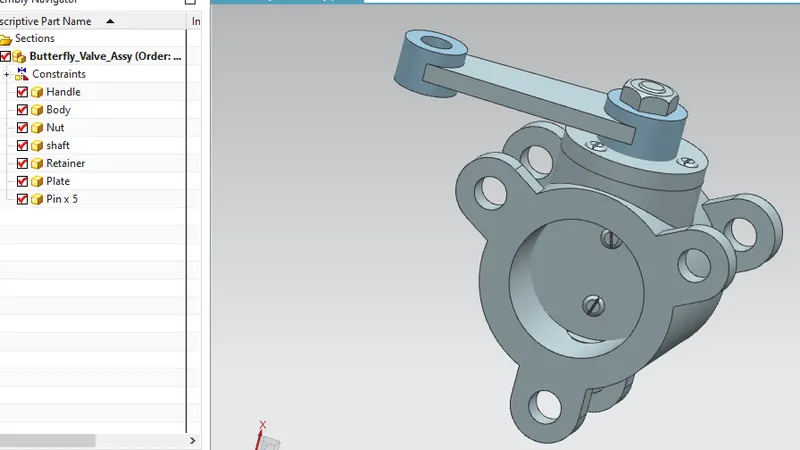
Butterfly valves are quarter-turn valves like ball valves and plug valves. They have a fairly simple construction and operation mechanism, and they have a compact size designed to fit two pipe flanges. They can be operated manually or by an automatic actuating mechanism that is integrated into the process control system of the pipeline. They are ideal for on-and-off applications, but their applications to flow throttling are limited.
There are several types and designs of butterfly valves available, rated in varying temperatures, pressures, and flow rates to suit the needs of pipeline systems handling liquids and gases.
Advantages of Butterfly Valves
1 - Compact design requires considerably less space, compared to other valves
2 - Light in weight
3 - Quick operation requires less time to open or close
4 - Available in very large sizes
5 - Low-pressure drop and high-pressure recovery
Disadvantages of Butterfly Valves
1- Throttling service is limited to low differential pressure
2 - Cavitation and choked flow are two potential concerns
3 - Disc movement is unguided and affected by flow turbulence
Components Of Butterfly Valve
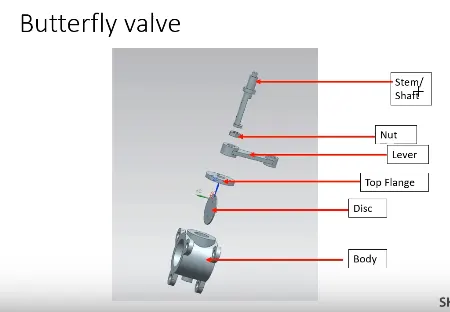
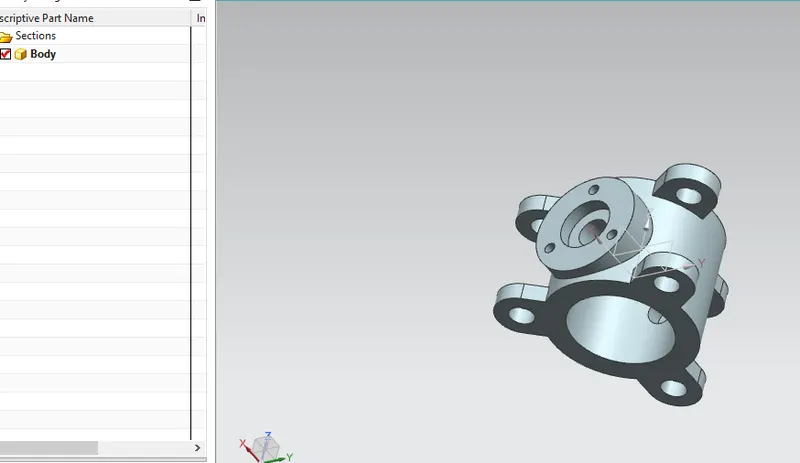
1 - Valve Body - Made from a tough and rigid material, the valve body houses and protects the disc and other internal components of the butterfly valve. It links the valve to the piping system and to the external operating mechanism that controls the disc.
2 – Retainer - The retainer is a specially shaped washer that fits over the top of the valve spring. The keepers, or locks, fit into the valve stem grooves, holding the retainer and spring in place.
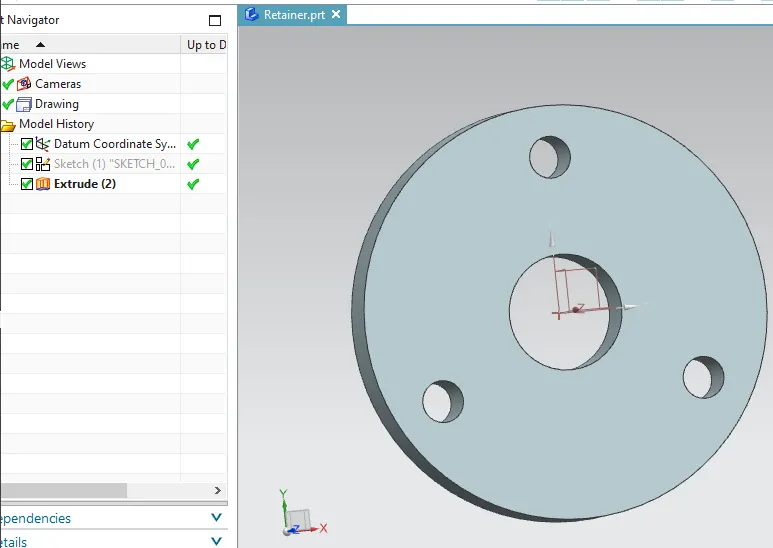
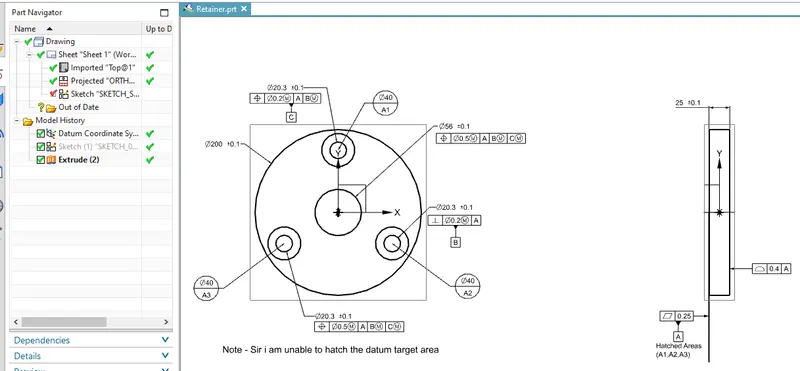
3 – Disc - The disc permits, regulates, and stops the flow of the fluid in the pipeline. Flow is controlled by the rotary motion of the disc. The discharge flow rate depends on the degree of disc opening.
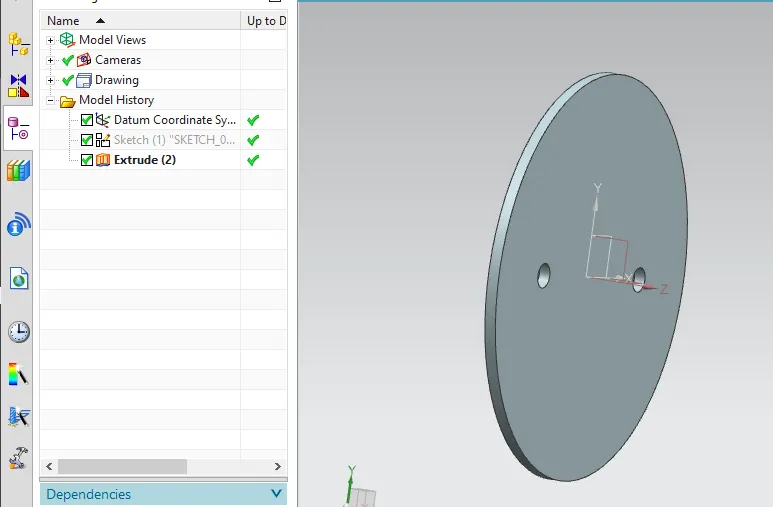
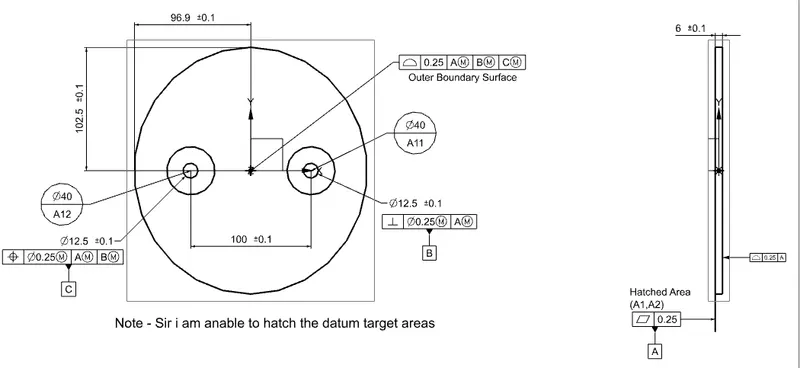
4 - Stem - The stem is a shaft that connects the disc to the external operating mechanism. It is sealed by O-rings and bushings to prevent fluid leakage. The stem can be made from a one-piece shaft or two-piece (split-stem) shaft. The placement of the stem axis and its connection to the disc depends on the type of butterfly valve.
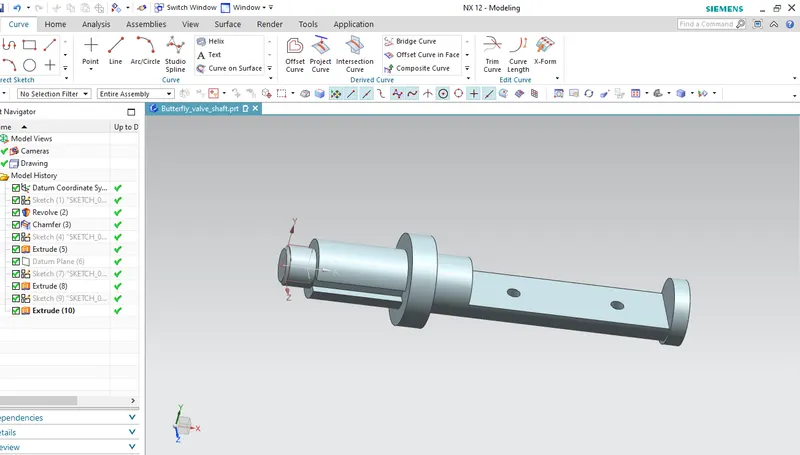
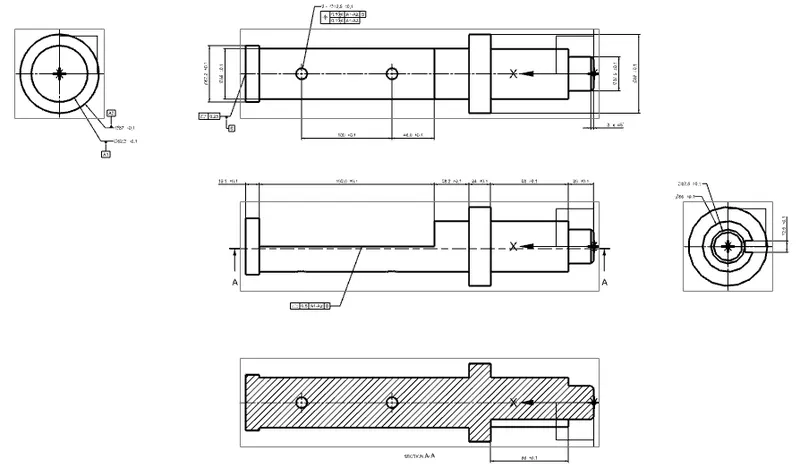
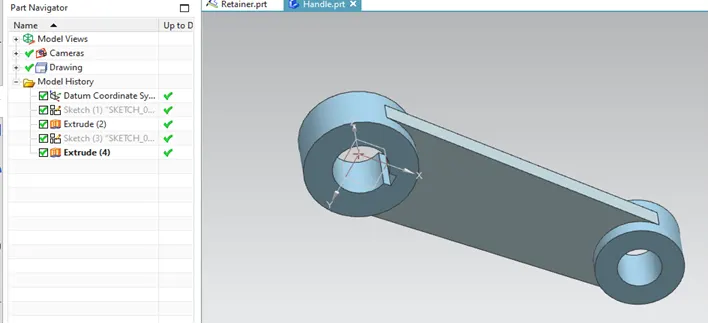
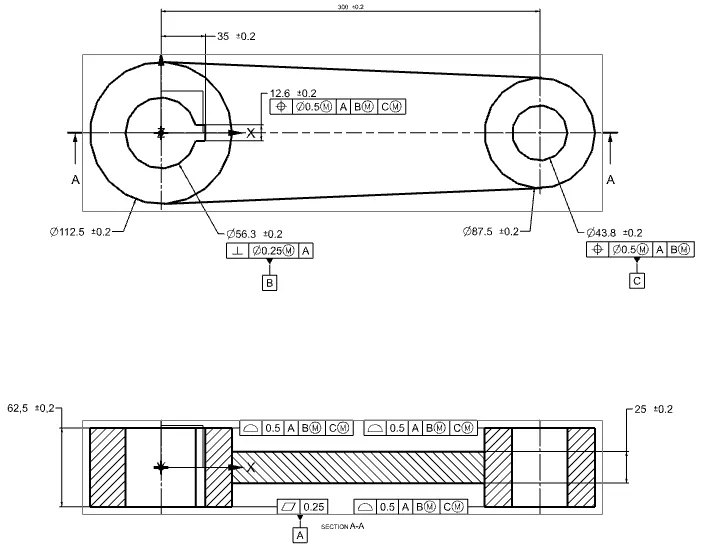
5 – Lever - The hand lever is commonly used for small butterfly valves and is used to open and closed the valve. It is capable of being locked into a position of open, partially open, or closed.
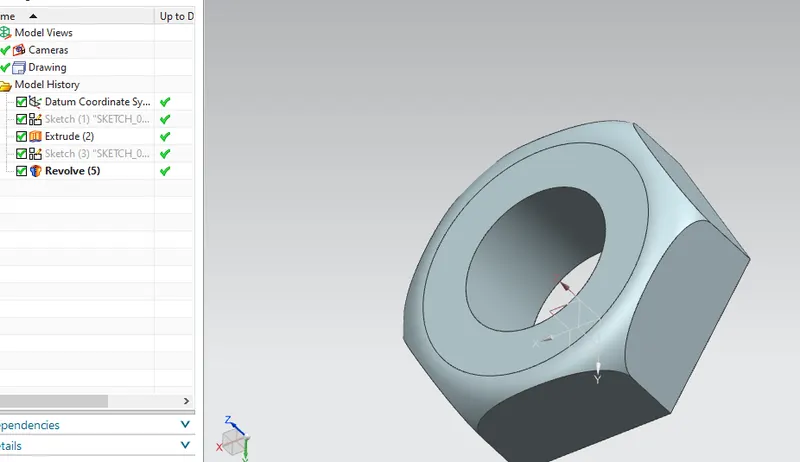
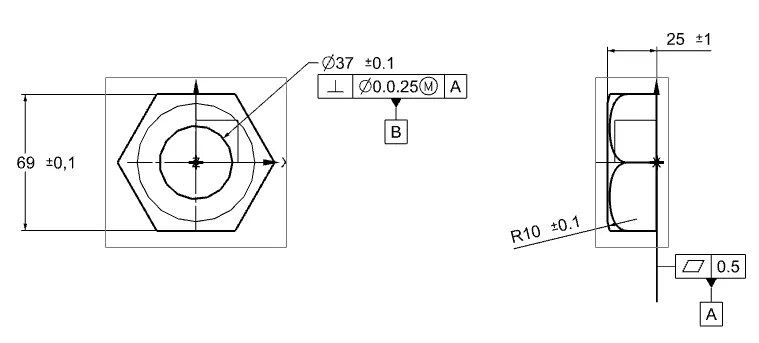
6 - Nut
 Assembly Process
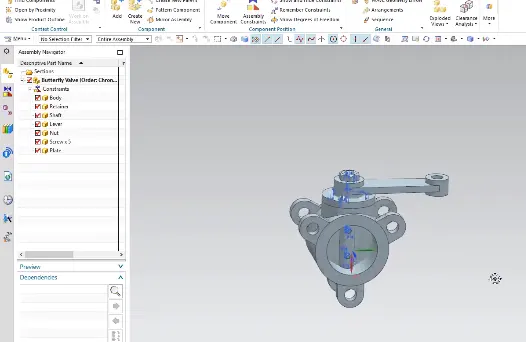
Operations –
1 – Add Component
2 – Move component
3 – Assembly constraints
A – Infer center Axis Constraint
B – Aline constraint
C – Touch constraint
1 – Shaft and Plate Assembly
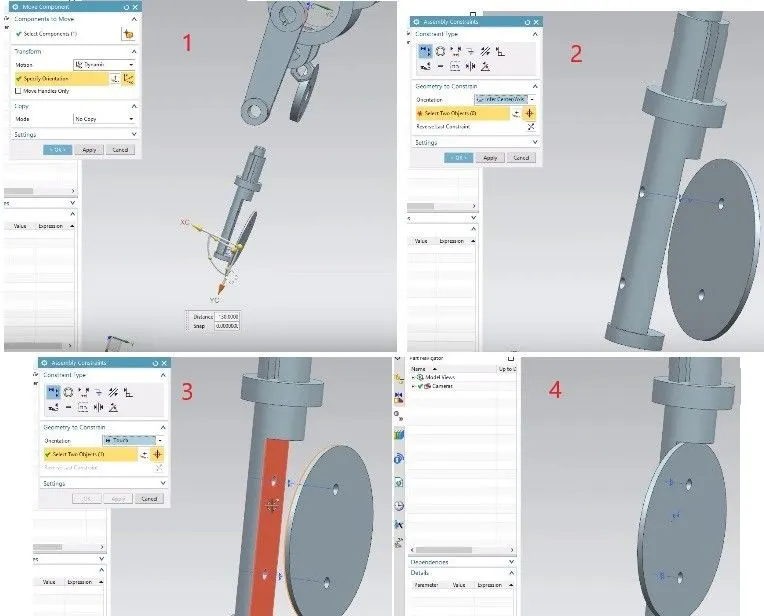
1 – Move Component
2 – Assembly constraints
A – Infer center axis
B – Touch constraint
2 – Screw assembly with shaft and plate assembly
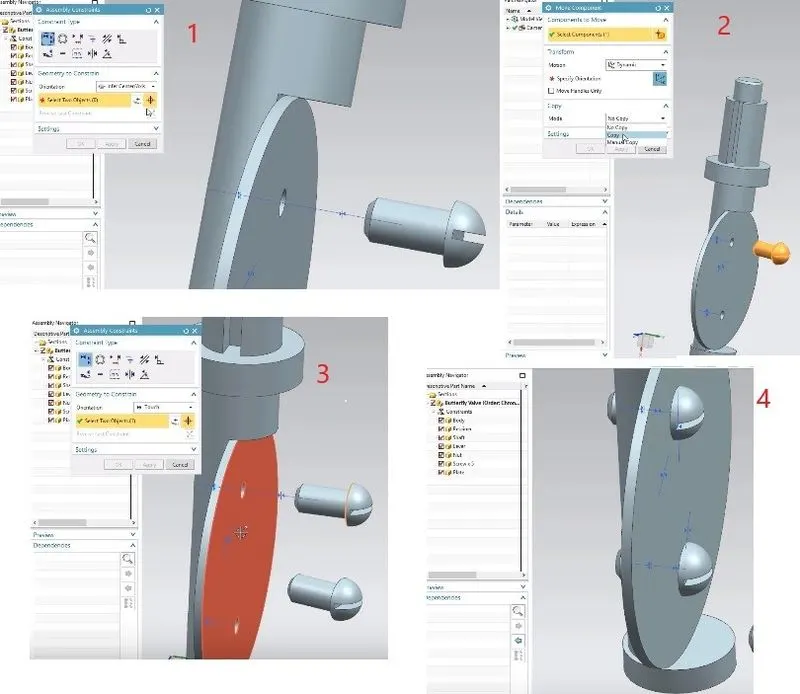 1 – Move component
We create one screw but, in this assembly, we need two screws so we use move component command and in the dialog box we see copy original option by using this we create copy of the screw.
2 – Assembly constraints.
A – Infer center axis
B – Touch constraint
3 – Body with the shaft and plate assembly
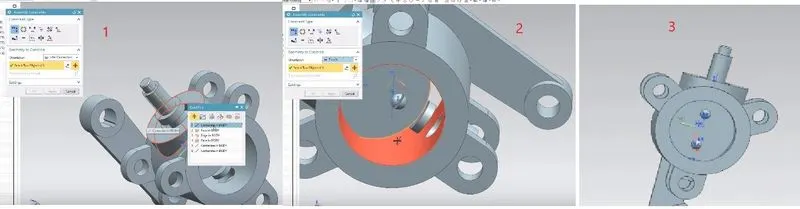
1 – Move Component
2 – Assembly constraints
A – Infer center Axis
B – Touch Constrain
4 – Retainer with the body assembly
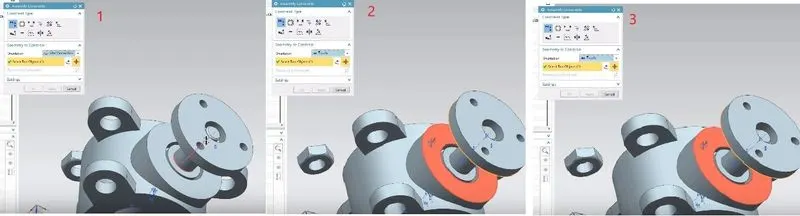
1 – Move Component
2 – Assembly Constraints
A – Infer center axis
B – Touch constraint
5 – Screw assembly with body and retainer Assembly
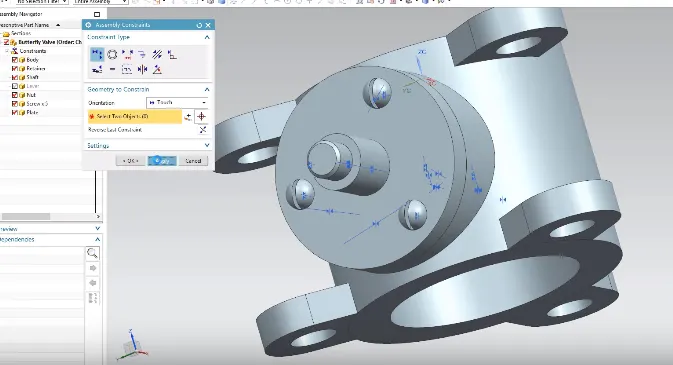
1 – Move command
2 – Assembly constraint
A – Infer center constraint
B – Touch constraint
6 – Lever Shaft Assembly

In the lever shaft assembly, we consider
A – lever Keyway (Slot) shaft keyway must align with each other.
B – And axis alignment of shaft and lever are important.
1 – Move component
2 – Assembly constraints
A – Infer center axis constrain
B – Alignment constraint
7 – Nut assembly with the shaft
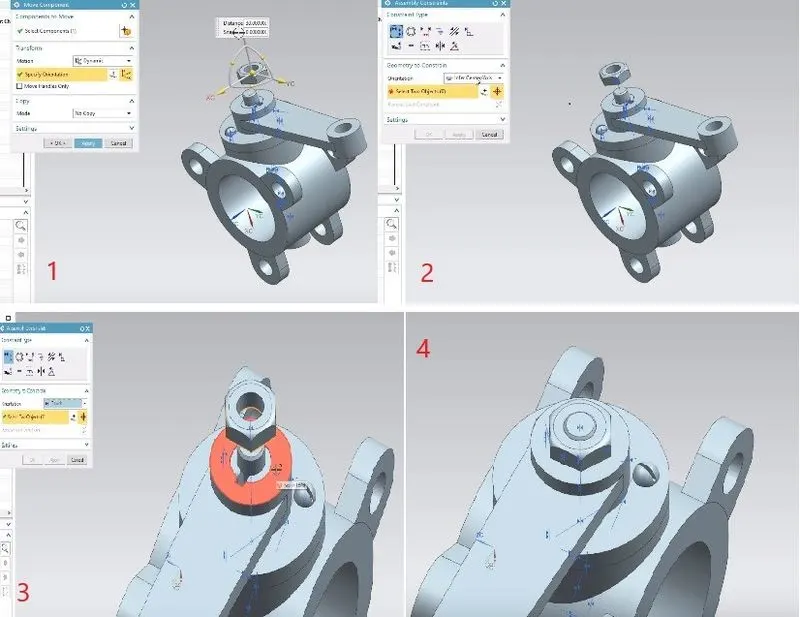
1 – move command
2 – Assembly constraint
A – Infer center constraint
B – Touch constraint
GD&T For Assembly
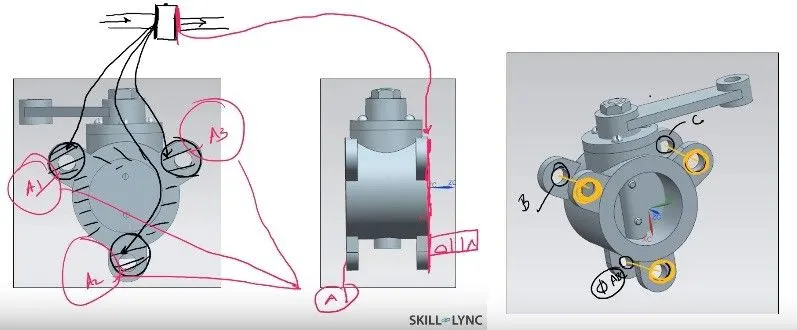
As we know the butterfly valve use for controlling the flow of fluid or we can say it is use for on or off the fluid by the help of lever.
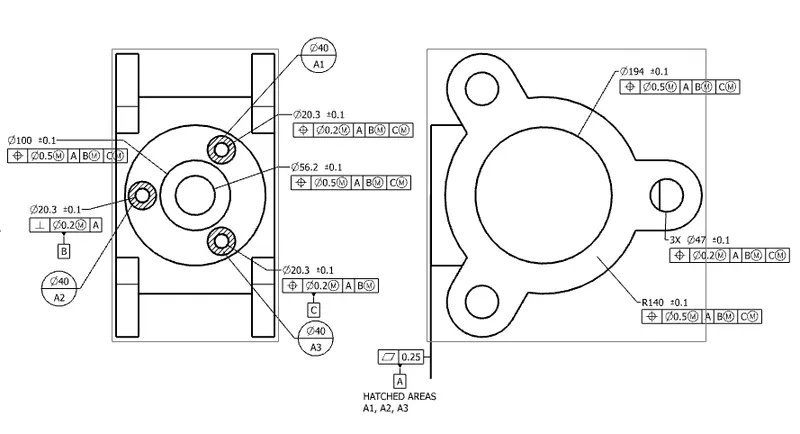
The two side surfaces which shows in the figure is important because the side surfaces of the valve are direct contact with the pipe.
The six holes are used for assembly purpose so gd&t for these holes are important. the three holes are co-axial with another three holes as we see.
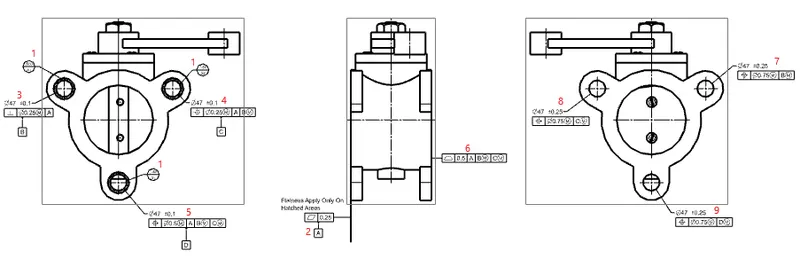
1 - We define datum target area A1, A2, A3 of dia 60mm we do not apply gd&t to entire surface because that do not need entire surface to give gd&t, only three holes are come in to contact so we give datum target area for reduce manufacturing cost and manufacturing time. A1, A2, A3 are combinedly called datum A.
2 - We provide flatness of 0.25mm to datum A surface.
3 – First hole of dia 47.0mm we give perpendicularity tolerance of dia 0.25mm at max material condition with respect to Datum A and called as datum B.
4 – Second hole of dia 47.0mm we give position tolerance of dia 0.25mm at max material condition with respect to primary datum A and secondary datum B, and called as datum C, as we know for the position tolerance, we need minimum of two datum for proper positioning so we use datum A and Datum B.
5 – The third hole of dia 47.0mm we provide position tolerance of dia 0.5mm at MMC condition with respect to primary datum A secondary datum B at MMB condition and tertiary Datum C at MMB condition. And called as datum D, datum D is the sub datum it uses for defining the opposite hole. That hole is co-axial hole.
6 – The opposite surface of datum A we give profile tolerance of 0.5mm with respect to datum A, B, and C, or only with datum A. are same thing.
7 – We provide Position tolerance of dia 0.75mm at MMC with respect to datum B at MMB, here we control axis of the hole with respect to opposite hole axis.
8 – We provide Position tolerance of dia 0.75mm at MMC with respect to datum C at MMB, here we control axis of the hole with respect to opposite hole axis.
9 – We provide Position tolerance of dia 0.75mm at MMC with respect to datum D at MMB, here we control axis of the hole with respect to opposite hole axis.