Week 14 challenge
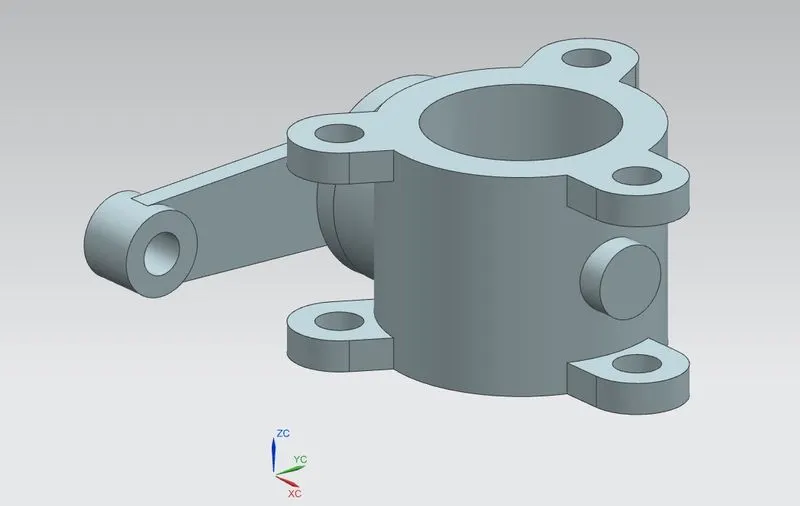
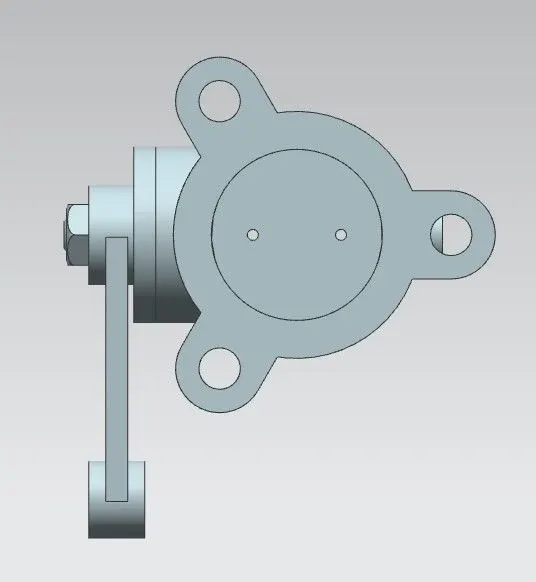
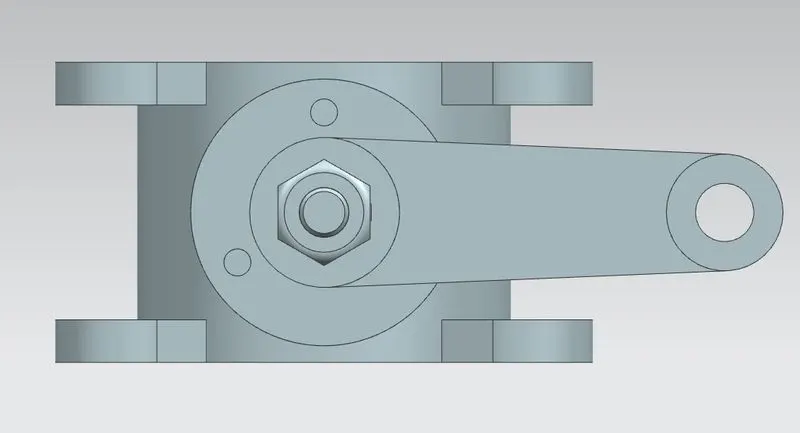
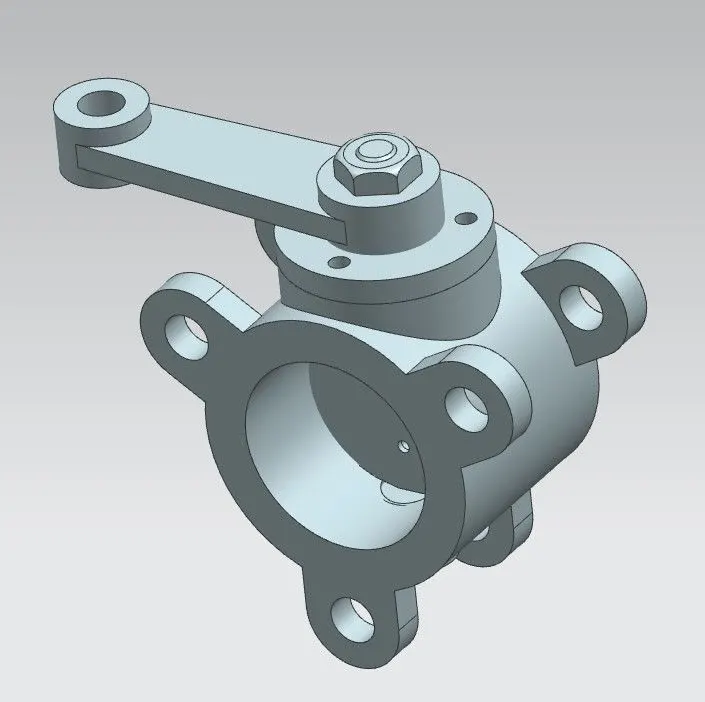
Week 14 challenge (Butterfly valve)
working principle:-
The construction of a butterfly valve is relatively simple, with the rotation of the valve disc controlling the fluid flow. In the closed position, the disc blocks the valve bore while in the open position, the disc is oriented perpendicular to the flow direction to allow flow. Butterfly valves generally provide bi-directional flow and shutoff capability. However, they are not full-bore, which renders them unsuitable for pigging or swabbing. The body material is ductile iron with an epoxy powder coat on both internal and external surfaces. The valves are typically operated by handwheels, gears, or actuators, or a combination thereof, according to the specific application requirement and technical specifications. We will be discussing the actuation methods later in the article.
Parts:-
Below are the major butterfly valve components:
- Valve Body
The valve body fits between the pipe flanges - the most common end connection types being flanged, double lug, and wafer types.
- Disc
Attached to the valve body is the disc that functions as a gate that stops or throttles fluid flow; it can be considered equivalent to a gate in a gate valve, or a ball in a ball valve. The disc is typically bored to receive the stem, or shaft. There are many variations in disc design, orientation, and material in order to improve flow, sealing, and/or operating torque. For example, Hawle’s 9881k double eccentric disc is designed to reduce seal wear and “scuffing” as well as operating torque requirements.
- Seat
Lining the internal valve body is a strong elastomer or metal anti-leak seal that secures the disc in place in the closed position in order to achieve complete shutoff. The 9881k series’ stainless steel weld filled and microfinished integral body seat ensures a corrosion and erosion resistant seat face. With this special type of seat design, it is possible to manufacture the valve drop tight according to EN12266 –A requirements.
- Stem
The valve shaft, often also referred to as the stem, is the component that connects the disc to the actuation mechanism and transmits the torque through itself.
- Seals
Seals are present at multiple interfaces within the valve to either ensure a tight seal during operation or to isolate the process media from the valve’s internal components for a more flexible and cost-efficient design.
Workbanch:-
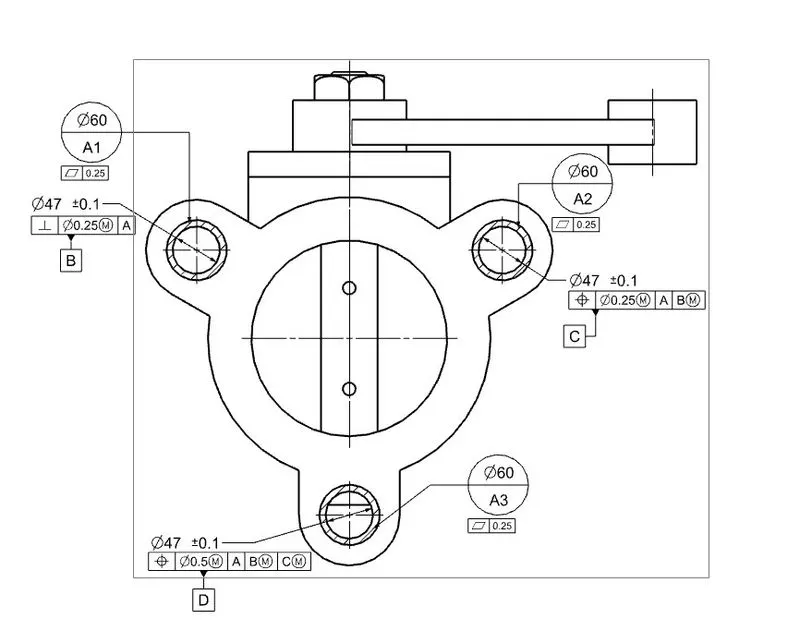
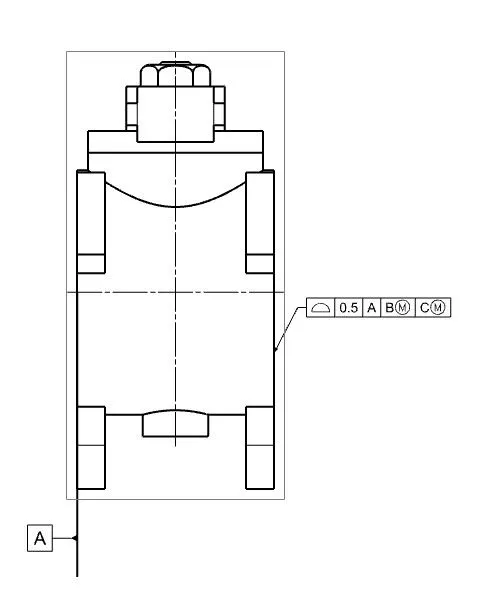
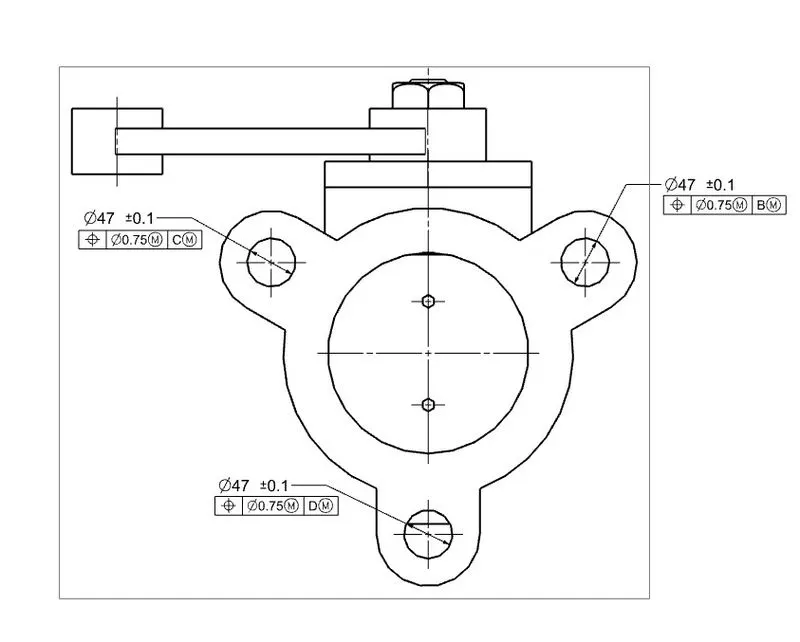
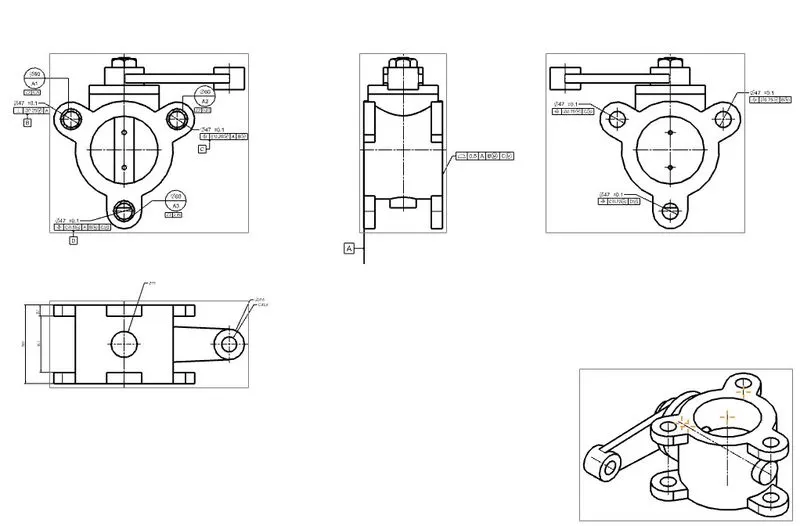
Drafting:-
End of report..........